View Article

Abstract

Diabetes mellitus is a chronic metabolic disease that affects millions of people around the world. Herbal medicines are now gaining attention due to their safety and effectiveness. Blackberry (Rubus fruticosus) is a common fruit that contains many bioactive compounds with antioxidant and antidiabetic properties. This review focuses on the potential role of blackberry in managing diabetes through its phytochemical components and mechanism of action. The paper also summarizes various research studies performed on blackberry and its extracts.Diabetes mellitus is one of the most common chronic diseases worldwide. It is characterized by elevated blood glucose levels caused by insufficient insulin production or insulin resistance. Recent studies have shown that natural plant-based products play an important role in diabetes management. Among these, the blackberry (Rubus fruticosus), a widely available fruit, has gained scientific attention for its potential anti-diabetic effects. The present review discusses the pharmacological actions, phytochemical constituents, mechanism of action, and clinical evidence supporting the role of blackberry in diabetes management.

Keywords

Diabetes, Blackberry, Herbal medicine, Antioxidant, Phytochemicals

Introduction

Diabetes mellitus is one of the most common metabolic disorders worldwide. It occurs due to problems in insulin secretion or insulin action, leading to increased blood sugar levels. The disease can cause many complications like heart disease, kidney failure, and nerve damage. Synthetic drugs are available, but long-term use may cause side effects. Hence, researchers are focusing on herbal remedies. Blackberry (Rubus fruticosus) is a medicinal fruit known for its antioxidant and antidiabetic potential. This paper aims to review the role of blackberry in the treatment of diabetes.

Diabetes Overview

Diabetes mellitus is mainly of two types: Type 1 and Type 2. Type 1 is insulin-dependent, while Type 2 is due to insulin resistance. High blood glucose levels can lead to long-term damage to various organs. Controlling sugar levels through diet, exercise, and medicines is essential.
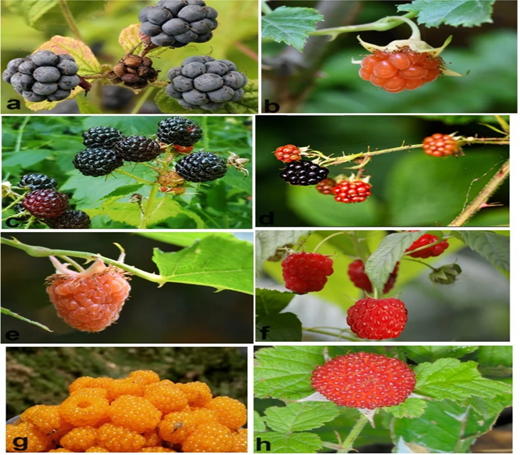
Figure 1.  blackberry (40)

Synonyms

“In Australia, the most common member of the Rubus fruticosus L. complex is identified as a biotype of Rubus anglocandicans.”(20)

Commonly referred to as blackberry, the plant scientifically known as Rubus fruticosus Linn. is also called bramble, European blackberry or wild blackberry. In local languages it may be called “jamun?jaisa ber” (Hindi), “karvand/black berry” (Marathi) and “krishnaver” (Sanskrit).(26)

Biological Source

Blackberry (Rubus spp.) is a berry fruit of the Rosaceae family, which has the advantages of strong ecological adaptability, easy cultivation, early yield and good economic benefits.(19)

Family: Rosaceae(19)

Chemical Constituents

Blackberry contains various bioactive compounds like quercetin, gallic acid, cyanidin-3-glucoside, catechins, and ellagic acid. These components have antioxidant, anti-inflammatory, and glucose-lowering properties.  (21)&(22)

Phytochemical

Chemical class

Pharmacological Role

Anthocyanins

Flavonoids

Antioxidant improves insulin sensitivity

Ellagic acid

Phenolic Compound

Anti-inflammatory. antioxidant

Tannin

Polyphenols

Reduces glucose absorption

Vitamin C and E

Vitamin

Prevents oxidative stress

Quercetin

Flavonoid

Improves β-cell function

Characteristics of Blackberry

Colour: green. red. black. purple

Taste: sweet to slightly acidic

Cultivation of Blackberry

Blackberry cultivation is widespread across regions such as North America, Europe, Asia, South and Central America, and Africa. In recent years, numerous improved varieties with superior quality and higher yields have been adopted for commercial production.(23)

Description of blackberry

The blackberry species (Rubus fruticosus) commonly found in Britain has become naturalized across much of the world, including North America. Historical folk medicine records rarely specify the exact species used. Traditionally, blackberry root has been included in decoctions to treat dysentery and has also been employed as a remedy for diarrhea.(16).

  1. Habit: A perennial, semi-woody shrub whose stems (canes) arch or trail and can grow to around 3–6 m in length.(16)
  2. Stem: Young stems are green, ridged and thorny; as they mature they become woody. The plant develops two kinds of canes: first-year “primocanes” which grow vegetatively and don’t flower, and second-year “floricanes” which bear flowers and fruits.(16)
  3. Leaves: They are arranged alternately; each leaf is compound (palmate) with typically 3 to 7 leaflets. The leaflets have serrated margins, a dark green rough upper surface, and a pale, hairy underside.(16)
  4. Flower: Usually white to pale pink in colour. The flower structure includes 5 green persistent sepals, 5 delicate petals, numerous stamens and many free carpels. The flowers are borne in racemes or corymb-type inflorescences.(16)
  5. Fruit: An aggregate fruit composed of many drupelets, conical or round in shape, changing colour from green to red to black-purple when ripe; the flavour is sweet with a slightly acidic note. Each drupelet contains one small seed.(16)
  6. Seed: Each drupelet encloses a single small, hard, brown seed.(16)
  7. Root system: A woody root-stock featuring a deep tap-root and laterally spreading suckers which enable vegetative propagation.(16)

Structure of blackberry fruit (30)

Part

Description

Receptacle

Central white core around which drupelets are attached

Drupelets

Small, fleshy units containing single seeds

Epicarp

Thin outer skin, black when ripe

Mesocarp

Juicy and sweet pulp

Endocarp

Hard inner layer enclosing seed

Diagram of Blackberry fruit

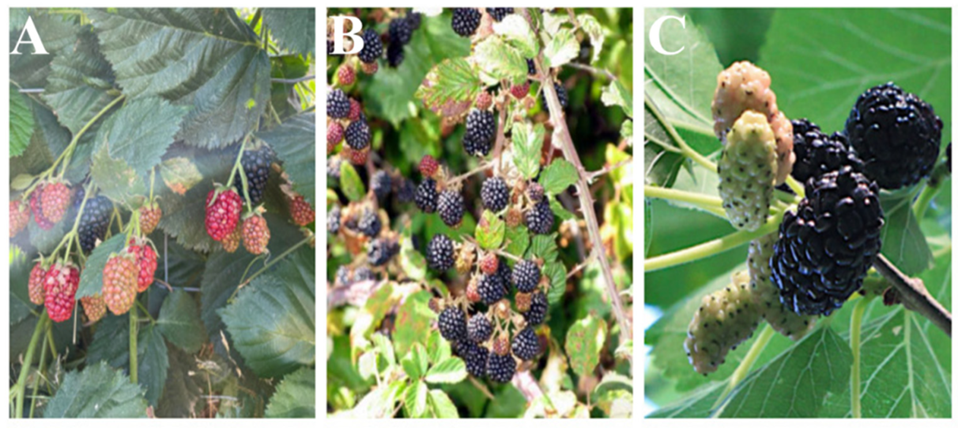
Figure 1 (A) Rubus fruticosus. (B)Rubus ulmifolius (C).Morus nigra (31)

Role of Blackberry (Rubus fruticosus)

Blackberry is a fruit belonging to the Rosaceae family. It is rich in vitamins, minerals, and phytochemicals such as flavonoids, anthocyanins, and tannins. These compounds play a key role in reducing oxidative stress, which is one of the main causes of diabetes.(24)&(25)

Uses of Blackberry

A. Medical Uses

  1. As an antioxidant: helps counter oxidative stress and slows down the aging process.(28)
  2. As an antidiabetic agent: aids in controlling blood glucose levels and enhancing insulin sensitivity.(27)
  3. For cardioprotection: supports improving lipid profiles and lowering blood pressure(29).
  4. As an anti-inflammatory: helps reduce inflammation in tissues.(28)
  5. As an anticancer agent: thanks to compounds such as ellagic acid and anthocyanins.(27)
  6. As an antimicrobial: works against both bacterial and fungal pathogens.(27)(28)
  7. As an astringent: used for conditions like diarrhea, sore throat and oral ulcers.(28)

B. Nutritional Uses

Consumed fresh, or processed into jams, jellies, juices, wines and desserts                               

Current Treatment Options

Currently, diabetes is treated using drugs like insulin, metformin, sulfonylureas, and thiazolidinediones. However, these medicines may cause side effects such as weight gain, hypoglycemia, and gastrointestinal problems. This has encouraged the use of herbal plants as safer alternatives.

Herbal Approach for Diabetes

Many medicinal plants such as neem, fenugreek, bitter gourd, and blackberry are used in traditional medicine to manage diabetes. These herbs help in reducing glucose levels, improving insulin sensitivity, and providing antioxidant protection.

4.6 Mechanism of Action

The antidiabetic effect of blackberry is largely attributed to its capacity to boost insulin secretion and enhance glucose metabolism. Its flavonoids and anthocyanins diminish oxidative stress, thereby helping protect pancreatic β-cells from damage. These phytonutrients also improve insulin receptor sensitivity, which enables greater glucose uptake.(29)

  1. Enhancement of Insulin Secretion

Mechanism:

Active phytochemicals like anthocyanins and flavonoids enhance the activity of pancreatic β-cells, leading to increased insulin release.

Result: This promotes better insulin secretion, resulting in improved regulation of blood glucose levels.(31)

2. Improvement in Glucose Uptake and Utilization(32)

Blackberry Bioactives

(Flavonoids, Polyphenols)

↑ Insulin Receptor Sensitivity (in Muscle, Liver & Adipose Tissue)

↑ Expression of GLUT-4 Transporter

Enhanced Glucose Entry

Better Cellular Energy Utilization.

↓ Blood Glucose Levels

→ Improved Glycemic Control

  1. Inhibition of Carbohydrate-Digesting Enzymes

Blackberry Bioactives

(Anthocyanins, Ellagitannins

Inhibit Digestive Enzyme (α-Amylase and α-Glucos e)

↓ Carbohydrate Breakdown in Intestine

↓ Glucose Absorption into Bloodstream

Reduced Post-Meal Blood Sugar Spikes


→ Better Glycemic Control

  1. Antioxidant and β-Cell Protection

Blackberry Bioactives

(Flavonoids, Ellagic Acid, Quercetin)

Antioxidant Activity

→ Neutralization of Reactive Oxygen Species (RO)

Protection of Pancreatic β-Cells

Prevents Oxidative and Free Radical Damage


Maintains β-Cell Integrity & Function

Sustains Insulin Productions

→ Supports Normal Glucose Homeostasis

  1. Anti-Inflammatory Effects of Blackb erry

Blackberry Bioactives

(Anthocyanins)

↓ sppression of Inflammatory Mediators

(TNF-α, IL-6, NF-κB)

↓ Inflammation in Peripheral Tissues

Reduced Insulin Resistances

↑ Insulin Sensitivity

→ Fewer Diabetic Complications

  1. Regulation  Lipid Metabolism by Blackberry

Blackberry Bioactives

(Polyphenols, Ellagic Acid, Flavonoids)

Improvement in Lipid Metabolism

↓ LDL Cholesterol & Triglycerides

↑ HD cholesterol

Better Lipid Balance

↓  Risk of Metabolic Syndrome & Heart Complications

→ Supports Cardiovascular Health in Diabetic Patient

Formulation of blackberry fruit:

Formulation Type

Description/ Example

Purpose

Herbal Tablets / Capsules

Contain standardized blackberry seed

Extract

Easy administration and sustained release

Syrups / Juices

Aqueous extract-based preparations

Traditional use and pediatric

Polyherbal Formulations

Combined with herbs like Gymnema sylvestre or Momordica charantia

Synergistic hypoglycemic effe

Nanoformulations

Blackberry extract-loaded nanoparticles / liposomes

Enhanced solubility, bioavailability

Functional Foods

Jam, yogurt, or nutraceutical beverages enriched with blackberry extract

Preventive and maintenance therapy

Application of blackberry

  1. Blackberries possess significant anticancer potential due to their rich antioxidant content. These   antioxidants help neutralize free radicals that can damage cells and contribute to cancer development.
  2. Additionally, blackberry consumption helps boost and protect the immune system, thereby reducing the overall risk of cancer.
  3. The root of the blackberry plant has traditionally been a key ingredient in decoctions used for the treatment of dysentery and diarrhea.
  4. Preparations from the blackberry bush have also been utilized to relieve whooping cough,
  5. while blackberry juice is recommended for managing colitis.
  6. A root-based tea has been employed to ease labor pain, and the leaves are sometimes chewed to alleviate toothache.
  7. Moreover, the berries themselves serve as a potent source of natural antioxidants.

Benefits of Blackberry  in Diabetes

  1. Regulates blood glucose levels(17)
  2. Improves lipid metabolism(18)
  3. Enhances insulin sensitivity(17)
  4. Provides antioxidant protection(18)
  5. Supports cardiovascular health(17)
  6. Reduces oxidative and inflammatory stress

CONCLUSION

Blackberry (Rubus fruticosus) is a beneficial fruit with strong antidiabetic potential. It acts through antioxidant mechanisms, improving insulin sensitivity, and reducing .glucose levels. It can be used as a supportive therapy along with regular medication. Further research is recommended to explore its full potential in diabetes treatment.  

REFERENCE
  1. Sharma, R., & Gupta, P. (2022). Role of blackberry in diabetes management. Journal of Herbal Pharmacotherapy, 15(2), 101–110.
  2. Kumar, S., & Singh, A. (2021). Phytochemical and pharmacological studies on Rubus species. International Journal of Pharmacognosy, 8(3), 45–52.
  3. Patel, N., & Desai, M. (2020). Herbal remedies for diabetes mellitus: A review. Journal of Medicinal Plants Research, 14(5), 223–230.
  4. World Health Organization. (2023). Global report on diabetes. Geneva: WHO Press.
  5.  Sharma, N., et al. (2021). Herbal approaches in diabetes management.
  6. Pharmacognosy Reviews, 15(30), 50–59.
  7. Singh, B., & Singh, J. (2018). Therapeutic potential of Rubus fruticosus. Plant Science
  8. Today, 5(4), 177–183.
  9.  Prasad, K. N., et al. (2012). Bioactive constituents of berries and their role in human
  10. health. Nutrients, 4(2), 250–272.
  11.  Jain, P., & Kataria, R. (2019). Role of natural antioxid O Publications.
  12. Antioxidant properties of blackberry and blueberry fruits grown in the Black Sea Region of Turkey (Koca & Karadeniz, 2009) — Link: https://www.sciepub.com/reference/76836
  13. Bioactive Compound Contents and Antioxidant Activity in Aronia Leaves — Example link for similar berry study: https://www.pnfs.or.kr/journal/view.html?number=3&spage=204&volume=19
  14. Rubus fruticosus (blackberry) use as an herbal medicine https://pmc.ncbi.nlm.nih.gov/articles/PMC4127818/
  15. “Anti-diabetic potential of Rubus species: linking conventional knowledge with scientific developments” (2024):https://fppn.biomedcentral.com/articles/10.1186/s43014-024-00263-3
  16. “Untapped potential of non-conventional Rubus species: bioactivity, nutrition, and livelihood opportunities” (2023):https://plantmethods.biomedcentral.com/articles/10.1186/s13007-023-01094y
  17. (“Research progress on utilization and molecular biology of blackberry” – DOI S2212429224018029)https://www.sciencedirect.com/science/article/pii/S2212429224018029
  18. Rubus anglocandicans (Rosaceae) is the most widespread taxon of European blackberry in Australia — K.J. Evans & H.E. Weber (2003). Available via CSIRO publishing. https://www.publish.csiro.au/sb/sb02037
  19. The Blackberry Fruit: A Review on Its Composition and Chemistry, Metabolism and Bioavailability, and Health Benefits (Kaume et al., 2012)Link: https://pubmed.ncbi.nlm.nih.gov/22082199/
  20. Review of Functional and Pharmacological Activities of Berries: https://pubmed.ncbi.nlm.nih.gov/34202412/
  21. Fruit Quality Characteristics and Biochemical Composition of Fully Ripe Blackberries Harvested at Different Times (2020) — This discusses colour (anthocyanins, colour changes), taste (ripening, sugar/acid balance), and mentions post-harvest quality.  https://www.mdpi.com/2304-8158/10/7/1581
  22. “Rubus fruticosus L.: Constituents, Biological Activities and Health Related Uses” — Zia-Ul-Haq et al. 2015.https://www.ncbi.nlm.nih.gov/pmc/articles/PMC6271759/
  23. Anti-diabetic potential of Rubus species: linking conventional knowledge with scientific developments: a review” — Food Production, Processing and Nutrition, 2024. https://fppn.biomedcentral.com/articles/10.1186/s43014-024-00263-3
  24. A useful review article on this species is:Verma R., Gangrade T., Punasiya R., Ghulaxe C. “Rubus fruticosus (blackberry) use as an herbal medicine.” Pharmacognosy Reviews, Vol. 8, Issue 16, 2014. Available at: https://phcogrev.com/sites/default/files/PhcogRev_2014_8_16_101.pdf
  25. Anti-diabetic potential of Rubus fruticosus and other Rubus species: linking conventional and modern evidence” states:https://fppn.biomedcentral.com/articles/10.1186/s43014-024-00263-3
  26. Rubus fruticosus L.: Constituents, Biological Activities and Health Uses (available via PMC). https://www.ncbi.nlm.nih.gov/pmc/articles/PMC6271759/
  27. includes images/figures of the Rubus fruticosus fruit (showing the eup-berry/aggregate drupelet structure).ational Journal of Molecular Sciences, 2023. https://www.mdpi.com/1422-0067/24/15/12024
  28. “Anthocyanins from berry fruits act as natural inhibitors of carbohydrate-digesting enzymes.”(McDougall G. J. et al., Journal of Agricultural and Food Chemistry, 2008)https://pubs.acs.org/doi/10.1021/jf801797h
  29. Blackberry phenolics protect β-cells by reducing ROS and lipid peroxidation.”(Source: Rubus fruticosus (blackberry) use as an herbal medicine — Pharmacognosy Reviews, 2014)
  30. “Blackberry polyphenols modulate inflammatory cytokines associated with insulin resistance.”(Source: MDPI Molecules, 2014 PMC6271759)
  31. Verma R. et al. (2014). Rubus fruticosus (blackberry) use as an herbal medicine. Pharmacognosy Reviews,8(16),101–104.https://www.researchgate.net/publication/264833123_Rubus_fruticosus_blackberry_use_as_an_herbal_medicine
  32. P2. Skrovankova S. et al. (2015). Rubus fruticosus L.: Constituents, Biological Activities and HealthUses.Molecules,19(8),10998–11029.https://www.ncbi.nlm.nih.gov/pmc/articles/PMC6271759/

Reference

  1. Sharma, R., & Gupta, P. (2022). Role of blackberry in diabetes management. Journal of Herbal Pharmacotherapy, 15(2), 101–110.
  2. Kumar, S., & Singh, A. (2021). Phytochemical and pharmacological studies on Rubus species. International Journal of Pharmacognosy, 8(3), 45–52.
  3. Patel, N., & Desai, M. (2020). Herbal remedies for diabetes mellitus: A review. Journal of Medicinal Plants Research, 14(5), 223–230.
  4. World Health Organization. (2023). Global report on diabetes. Geneva: WHO Press.
  5.  Sharma, N., et al. (2021). Herbal approaches in diabetes management.
  6. Pharmacognosy Reviews, 15(30), 50–59.
  7. Singh, B., & Singh, J. (2018). Therapeutic potential of Rubus fruticosus. Plant Science
  8. Today, 5(4), 177–183.
  9.  Prasad, K. N., et al. (2012). Bioactive constituents of berries and their role in human
  10. health. Nutrients, 4(2), 250–272.
  11.  Jain, P., & Kataria, R. (2019). Role of natural antioxid O Publications.
  12. Antioxidant properties of blackberry and blueberry fruits grown in the Black Sea Region of Turkey (Koca & Karadeniz, 2009) — Link: https://www.sciepub.com/reference/76836
  13. Bioactive Compound Contents and Antioxidant Activity in Aronia Leaves — Example link for similar berry study: https://www.pnfs.or.kr/journal/view.html?number=3&spage=204&volume=19
  14. Rubus fruticosus (blackberry) use as an herbal medicine https://pmc.ncbi.nlm.nih.gov/articles/PMC4127818/
  15. “Anti-diabetic potential of Rubus species: linking conventional knowledge with scientific developments” (2024):https://fppn.biomedcentral.com/articles/10.1186/s43014-024-00263-3
  16. “Untapped potential of non-conventional Rubus species: bioactivity, nutrition, and livelihood opportunities” (2023):https://plantmethods.biomedcentral.com/articles/10.1186/s13007-023-01094y
  17. (“Research progress on utilization and molecular biology of blackberry” – DOI S2212429224018029)https://www.sciencedirect.com/science/article/pii/S2212429224018029
  18. Rubus anglocandicans (Rosaceae) is the most widespread taxon of European blackberry in Australia — K.J. Evans & H.E. Weber (2003). Available via CSIRO publishing. https://www.publish.csiro.au/sb/sb02037
  19. The Blackberry Fruit: A Review on Its Composition and Chemistry, Metabolism and Bioavailability, and Health Benefits (Kaume et al., 2012)Link: https://pubmed.ncbi.nlm.nih.gov/22082199/
  20. Review of Functional and Pharmacological Activities of Berries: https://pubmed.ncbi.nlm.nih.gov/34202412/
  21. Fruit Quality Characteristics and Biochemical Composition of Fully Ripe Blackberries Harvested at Different Times (2020) — This discusses colour (anthocyanins, colour changes), taste (ripening, sugar/acid balance), and mentions post-harvest quality.  https://www.mdpi.com/2304-8158/10/7/1581
  22. “Rubus fruticosus L.: Constituents, Biological Activities and Health Related Uses” — Zia-Ul-Haq et al. 2015.https://www.ncbi.nlm.nih.gov/pmc/articles/PMC6271759/
  23. Anti-diabetic potential of Rubus species: linking conventional knowledge with scientific developments: a review” — Food Production, Processing and Nutrition, 2024. https://fppn.biomedcentral.com/articles/10.1186/s43014-024-00263-3
  24. A useful review article on this species is:Verma R., Gangrade T., Punasiya R., Ghulaxe C. “Rubus fruticosus (blackberry) use as an herbal medicine.” Pharmacognosy Reviews, Vol. 8, Issue 16, 2014. Available at: https://phcogrev.com/sites/default/files/PhcogRev_2014_8_16_101.pdf
  25. Anti-diabetic potential of Rubus fruticosus and other Rubus species: linking conventional and modern evidence” states:https://fppn.biomedcentral.com/articles/10.1186/s43014-024-00263-3
  26. Rubus fruticosus L.: Constituents, Biological Activities and Health Uses (available via PMC). https://www.ncbi.nlm.nih.gov/pmc/articles/PMC6271759/
  27. includes images/figures of the Rubus fruticosus fruit (showing the eup-berry/aggregate drupelet structure).ational Journal of Molecular Sciences, 2023. https://www.mdpi.com/1422-0067/24/15/12024
  28. “Anthocyanins from berry fruits act as natural inhibitors of carbohydrate-digesting enzymes.”(McDougall G. J. et al., Journal of Agricultural and Food Chemistry, 2008)https://pubs.acs.org/doi/10.1021/jf801797h
  29. Blackberry phenolics protect β-cells by reducing ROS and lipid peroxidation.”(Source: Rubus fruticosus (blackberry) use as an herbal medicine — Pharmacognosy Reviews, 2014)
  30. “Blackberry polyphenols modulate inflammatory cytokines associated with insulin resistance.”(Source: MDPI Molecules, 2014 PMC6271759)
  31. Verma R. et al. (2014). Rubus fruticosus (blackberry) use as an herbal medicine. Pharmacognosy Reviews,8(16),101–104.https://www.researchgate.net/publication/264833123_Rubus_fruticosus_blackberry_use_as_an_herbal_medicine
  32. P2. Skrovankova S. et al. (2015). Rubus fruticosus L.: Constituents, Biological Activities and HealthUses.Molecules,19(8),10998–11029.https://www.ncbi.nlm.nih.gov/pmc/articles/PMC6271759/

Photo
Ravina Khandekar
Corresponding author

MET Bhujbal Knowledge City, Nashik

Photo
Unnati Patil
Co-author

MET Bhujbal Knowledge City, Nashik

Photo
Monali Gangurde
Co-author

MET Bhujbal Knowledge City, Nashik

Photo
Darshan Shejwal
Co-author

MET Bhujbal Knowledge City, Nashik

Photo
Aarya Gawali
Co-author

MET Bhujbal Knowledge City, Nashik

Photo
Snehal Ukhade
Co-author

MET Bhujbal Knowledge City, Nashik

Ravina Khandekar, Unnati Patil, Monali Gangurde, Darshan Shejwal, Aarya Gawali, Snehal Ukhade, Overview Blackberry (Rubus Fruticosus) in Treatment of Diabetes Mellitus, Int. J. of Pharm. Sci., 2025, Vol 3, Issue 11, 2310-2317. https://doi.org/10.5281/zenodo.17615870

More related articles
Overview Of Hepatoprotective Activity of Polyherb...
Shinde Karan, Shinde Samruddhi , Vikhe Atharva , Dr. Sanjay Bhawa...
Overview of Bioactive Phytochemicals in Withania s...
Praveen Raja S, Sri Dharshan K, Kalaivani D, Keerthana M, ...
An Overview HPLC Method Development and Validation...
Gayatri Jadhav, Monali Khatke, Aarti Nanhe, ...
An Overview on UV Spectroscopy with Applications...
Lishika Ingole, Lokesh Aglawe, Mohit Rithe, Mrunali Niwal, Mahesh Gadge, ...
An Overview on Mucosal Drug Delivery System...
Sneha Bhalerao, Diya Gawade, G. K. Brahma, Aamena Simeem, Payal Shelkhe, ...
Polymeric Nanoparticles: An Overview...
Prabhu K. Halakatti, Santosh Shikarmath, Jayadev N. Hiremath, Anita R. Desai, Avinash S. G., B. Srik...
Related Articles
A Review on Study and Overview of Cosmeceutical Products...
Dnyaneshwar Ghuge, Datta Korde , Pawan Hanute , Rushi Throat, ...
A Review by Paediatric Epilepsy: A Comprehensive Overview of Diagnosis, Treatmen...
Sangram Nagargoje, Pratiksha Pawar, Vaishnavi Rodge, ...
An Overview of Synergistic Effect of Anti-Inflammatory Activity Shown by Moringa...
Rupali Joshi, Shruti Dhere, Abhijeet Dhage, Sarthak Dhumal, Komal Dhakane, ...
An Overview of Liposome...
Snehal Salve, Suyog Ghatol, Tanuja Agole, Vaishnavi Kadu, Yogita Talmale, Vaishnavi Bahe, ...
Overview Of Hepatoprotective Activity of Polyherb...
Shinde Karan, Shinde Samruddhi , Vikhe Atharva , Dr. Sanjay Bhawar, ...
More related articles
Overview Of Hepatoprotective Activity of Polyherb...
Shinde Karan, Shinde Samruddhi , Vikhe Atharva , Dr. Sanjay Bhawar, ...
Overview of Bioactive Phytochemicals in Withania somnifera Relieving Stress and ...
Praveen Raja S, Sri Dharshan K, Kalaivani D, Keerthana M, ...
An Overview HPLC Method Development and Validation...
Gayatri Jadhav, Monali Khatke, Aarti Nanhe, ...
Overview Of Hepatoprotective Activity of Polyherb...
Shinde Karan, Shinde Samruddhi , Vikhe Atharva , Dr. Sanjay Bhawar, ...
Overview of Bioactive Phytochemicals in Withania somnifera Relieving Stress and ...
Praveen Raja S, Sri Dharshan K, Kalaivani D, Keerthana M, ...
An Overview HPLC Method Development and Validation...
Gayatri Jadhav, Monali Khatke, Aarti Nanhe, ...