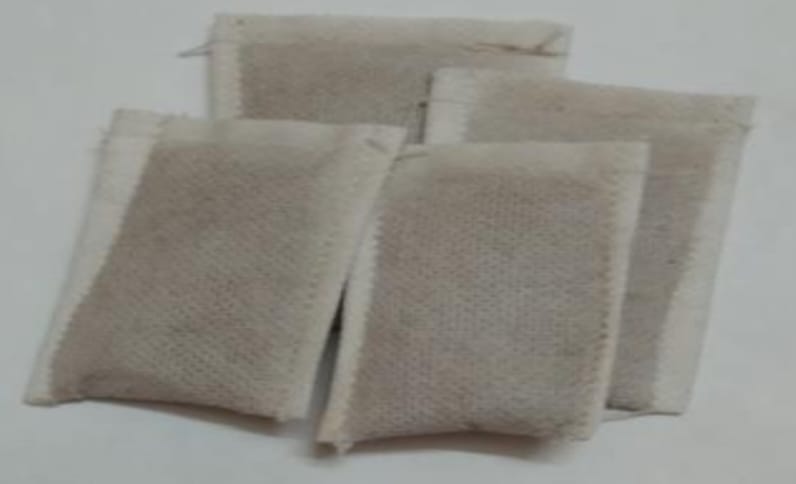
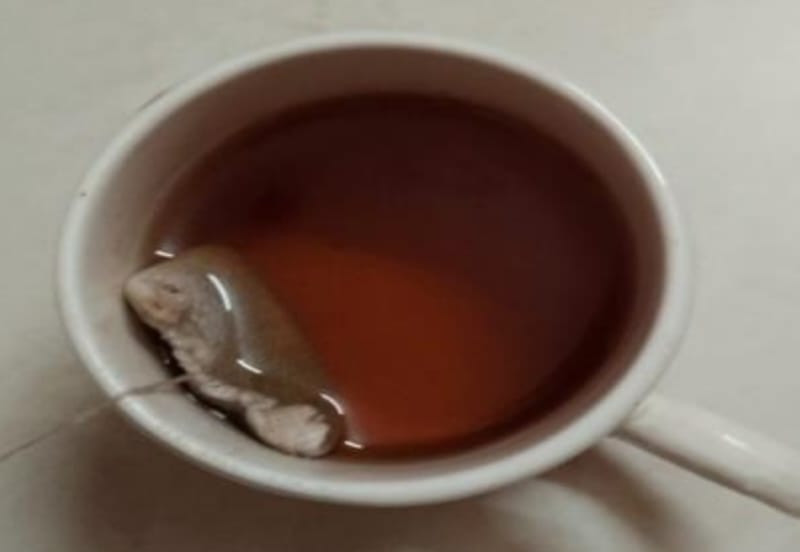
View Article

Abstract

Herbal tea is essentially an herbal mixture made from leaves, seeds or roots of various plants. As per popular misconception, they are not drived from the usual tea plants, but rather from what are called as tisanes. There are several kinds of tisanes (herbal teas) that have been used for their medicinal properties. Some of them being consumed for its energizing properties to help induce relaxation, to crub stomach or digestive problems and also strengthen the immune system. Some of the popular herbal teas are Green tea, star anise tea, Ginger tea, Tulsi tea, Cinnamon tea, Turmeric tea, Lemon grass tea, Cardamom tea, Stevia tea etc. Some of these herbal teas process extremely strong medical benefits such as, green tea is a non-fermented tea, and contains more catechins, thank black tea or oolong tea. Catechins are in vitro and invivo strong antioxidents. In addition, its content of certain minerals and vitamins increases the antioxidant potential of this type of tea. Recent human studies suggest that green tea my contribute to a reduction in the risk of cardiovascular disease and some forms of cancer, as well as to the promotion of oral health and other physiological functions such as antihypertensive effect, body weight control, antibacterial and anti viruses activity.

Keywords

Arjuna, Herbal tea, Herbal remedies, Herbal medicine

Introduction

Terminalia arjuna, sometimes know as Arjuna, is a member of the Combretaceae family. For millenia, traditional physican in India have utilized the bark docation to treat anginal discomfort, hypertention, congestive heart falier, and dyslipidema. The role of arjuna in various Cardiovascullar illnesses has to be investigated further. This reviews provides a comphresive overview of expermintal and clinical investigation on arjuna in cardiovascular problems conducted over the previous decade. We obtain systematic review, meta-analysis, and clinical trails on arjuna from PubMed, Google Scholar, and Cochrane database. Research indicates that the crude substance has antiischemic, antioxidant, hypolipidemic, B-sitosterol, flavonoids, and glycosides. Triterpenoids and flavonides are throught to contributes to the plants antioxidents and cardiovascular benefits. The medication has demonstrated a potential impact in ischemic cardiomyopathy. So far, there have been no major negative effect associated with arjuna treatment. However, its long term safety is still unclear. Although it has been effective in treating angina prectories. Moderate hypertantion, and dyslipidemia, its function in primary and secondary coronary prevention remains unknown.

Arjuna a member of Combretaceae family, may have cardioprotective benefits. Ayurvedic writing such as Charka Samhita, Sushruta Samhita, and Astang hridayam have described this therapy since the Vedic time. Vagabhatta pioneered the use of stem bark powder to treat cardiac disease.

The Medicinal plant Terminalia arjuna is well known for having a diverse phytochemical profile. Numerous bioactive compound, including minerals, glycosides, tannins, triterponoids, phenolics, anmd flavonoids, are present in TA. This study aims to discuss several experiomenmtal and clinical investigations that demonstrate that plant’s thereapeutic significance. The majority of research has shown that TA has a number of therapeutic benefits, including hepatoprotective, anticancer, antibacterial, antioxidant, gastric, molluscidal, anthelmintic, antidiabetic, antiviral, and antiinflamatory qualities. It has also been stated that this plant accelerates the process of bone minerilization and wound healing. This evaluation indicates that there is noevidence of any toxicity associated with this plant extract, but it does highlight the need for further, more throught research to be done in order to fully comprehend the molecules mechanism and long term effect.

Herbal Tea

Herbal tea is essentially an herbal mixture made from leaves, seeds, and or roots of various plamnts. As per population misconception, they are not derived from the usual tea plant, but rather from what are called as ‘tisanes’ They are several kinds to tisanes (Herbal tea) that have been used for there medical properties. Somer of them being consumed for its energizing prop[erties to help induce relaxation, to curb stomach or digestive problems and also strengthen the immune system. Some of the popular herbal tea are green tea, star anise tea, Ginger tea, Tulsi tea, Cinnamon tea, Turmeric tea, Lemon grass tea, Cardamom tea, Stevia tea etc. Some of these herbal teas posses extremely strong medicinal benefits such as, Green tea is a non fermented tea, and Contains more catechins, than black tea or oolong tea.

1. Terminalia arjuna

An important medicinal plant used in Ayuirveda is Terminalia arjuna. As a member of the Combretaceae family. It also refered top as Arjuna, Dhavala, Kaubha, Nadisaraja Partha, Indradru, and Veeravriksha there are around twenty four species of termanelia known to exists in different part of India. A few of these species are T. bellirica, T. catappa, T. bialata, T. mantaly, T. elliptica, T porphyrocarpa, and others. This massive, evergreen, deciduous tree may reach a height of 60 to 80 feet and is distributed across India. It is widespread over the majority of the Indian subcontinent, including the Himalaya face of Uttar Pradesh, West Bengal, Deccan, bihar, Madhya Pradesh, Orissa, Punjab, and Konkan. It typically grows on the sides of streams and rivers. Other colloquial names for it include Arjuna (Hindi), Tella Maddi (Telgu), Arjhan (Bengali), Sadado (Gujarati), Sadaru (Marathi), Neer matti (Kdnnada), and some traditional formulations go by the names Arjunaghrita and Arjunarishta (Amalraj and Gopi, 2016). This tree has new leaves, drooping limbs, and expanding crowns from February to Apri, while it’s hot outside. Ripe seeds, pollaring, stumping, coppicing, and air layering are the method used to growTA. Tree grows 2-3 meters every three years, with a slower initial growth period of 63 seen until a quicker growth rate is reached.
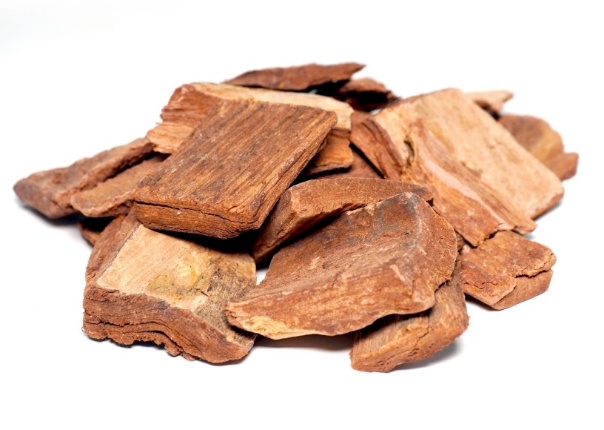


Figure: Terminalia arjuna

2. Lemon Grass

Lemon grass (Cymbopogon citratus) is a tall, perennial grass native to southeast Asia. It is widely cultivated around the world for its distinct citrusy lemon scent and flavour. Lemongrass is a popular herb in Asian cuisine and is also used medicinally in some cultures
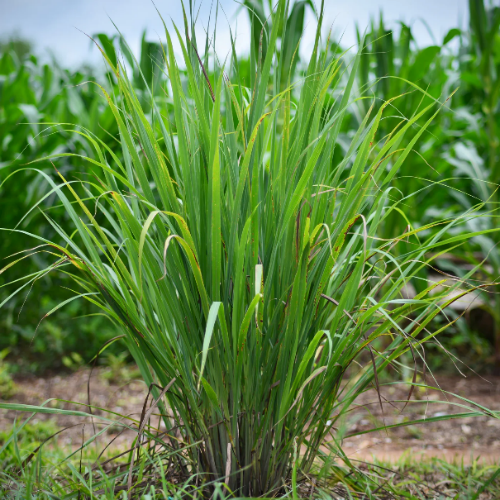


Figure: Lemon Grass

3.Tulsi

Tulsi (Ocimum tenuiflorum), also known as holy  basil, is an aromatic perennial herb native to the Indian subcontinent and Southeast Asia. It is a revered plant in Hinduism and is considered sacred. Tulsi is cultivated throughout Southeast Asia and other topical regions for its religious significance, medicinal properties, and culinary uses.                     


Figure: Tulsi

4. Cardamom

Cardamom (Elettaria cardamomum) is a herbaceous, perennial plant in the ginger family (Zingiberaceae) native to the southern Indian hills. It is the most common of the species whose seeds are used as a spice called cardamom, known for its strong, aromatic flavour and fragrance. Cardamom is cultivated widely tropical regions around the world.
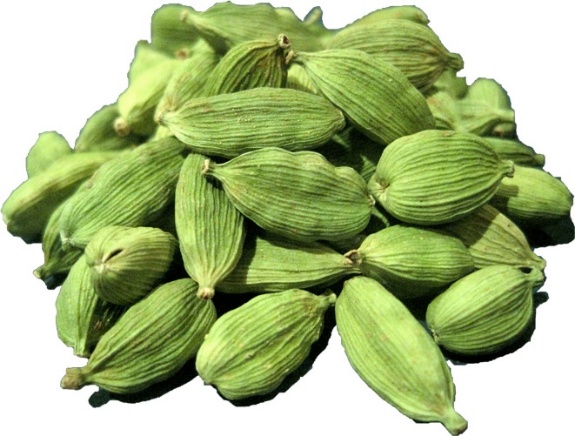


Figure: Cardamom

5. Stevia

Stevia (Stevia rebaudiana) is a small perennial herb native to Paraguay and Brazil in South America. It is widely Cultivated for its leaves, which are used as a natural sweetener. Stevia leaves contain steviol glycosides, which are compounds that are much sweeter than sugar but have no calories.
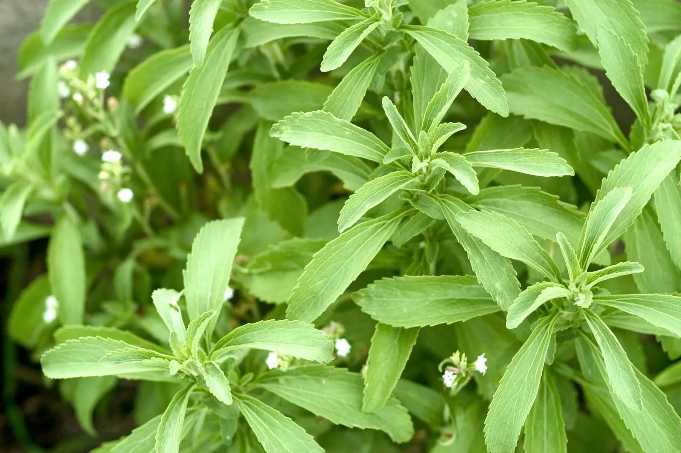


   Figure: Stevia


Formulation Table - 1

S.No.

Ingredient

Biological Name

Family

Quantity

Properties

1

Arjuna Bark

Terminalia arjuna

Combretaceae

2g.

Cardioprotective activity

2

Lemon grass

Cymbopogon citratus

Poaceae

2g.

As a flavouring agent

3

Tulsi

Ocimum tenuiflorum

Lamiaceae

1g.

As a flavouring agent

4

Cardamom

Elettaria Cardamomum

Zingiberaceae

1g.

As a flavouring agent

5

Stevia

Stevia rebaudiana

Asteraceae

Q.S.

As a sweetner


MATERIALS AND METHOD

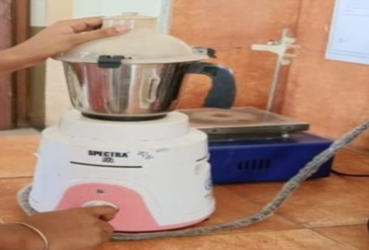
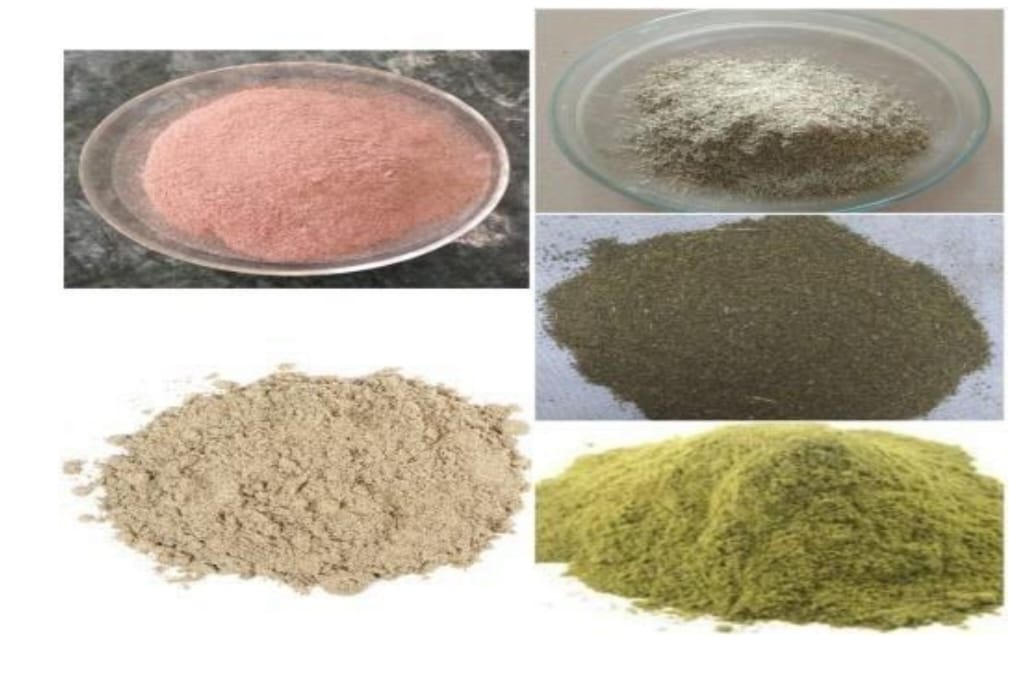
Gather all of the raw medications and use a crusher to turn them into a dry powder. After that, the dry powder form is run through a fine powder sieve device. Weighing each drug in the beaker in an adequate amount. Pour enough water into another beaker and bring it to a gentle boil, about 100 C. After that, filtering the mixture, move it to the container.

Preparation Of Herbal Tea Bags :
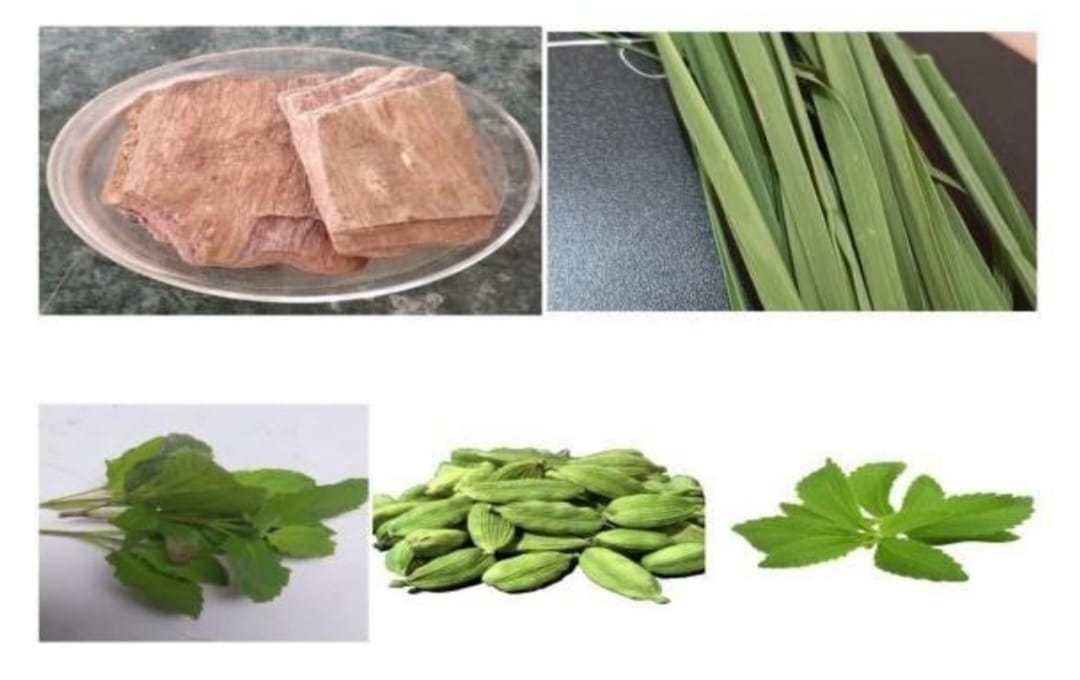
  1. First we can collect all the active ingredient which are used to prepare for the cardiotonic Herbal Tea. (Arjuna bark, Lemon grass, Tulsi, cardamom and stevia)


  1. Break the arjuna bark into small pieces grind with grinder.              


  1. All ingredient converting into powder.            
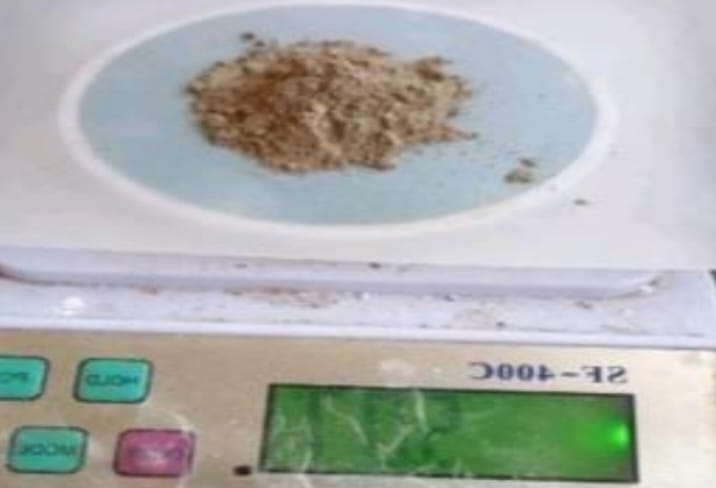
  2. Weight all ingredient accurately. 


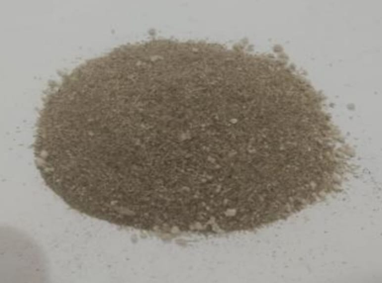
  1. Mixed all ingredient put in a tea bag.  


  1. Finally prepare the herbal tea bag.


  1. Deep in tea bag into boil water. 


Evaluations Of Herbal Tea :

1. In vitro Evaluation of free Redical Scavenging activity (Antioxident)

The only efficient antioxident that can combat disease medicated by free radicals are those derived from natural sources, as opposed to synthetic antioxident. The goals of the current study was to assess the antioxident activity of herbal tea using a variety of in vitro models. It was noted that the test compounds scavenged free radicals.
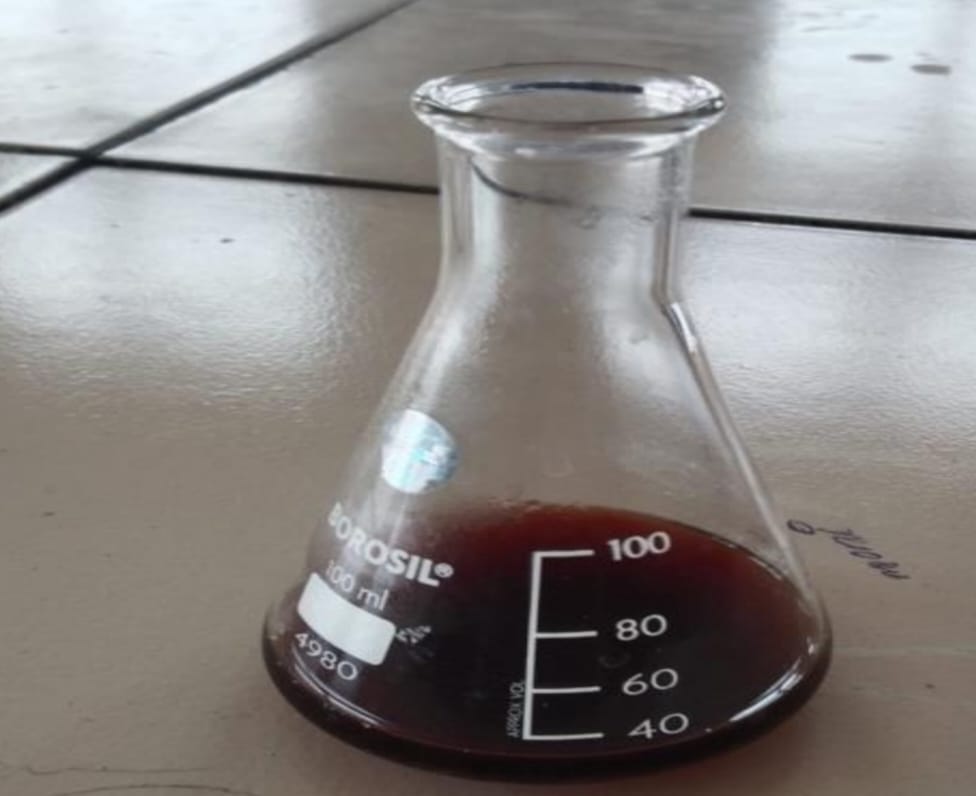


Figure: Aqueous extract

Table: 2

S. No.

Standard Concentration

% Inhibition

1.

0

0

2.

25µg

62.78%

3.

50µg

66.44%

4.

100µg

80.75%

5.

200µg

87.08%

2. Estimation of Total Flavonoids content :

Total Flavonoids content of Herbal tea was determined using the Aluminium chloride colorimetric method was used for flavonoids determination.
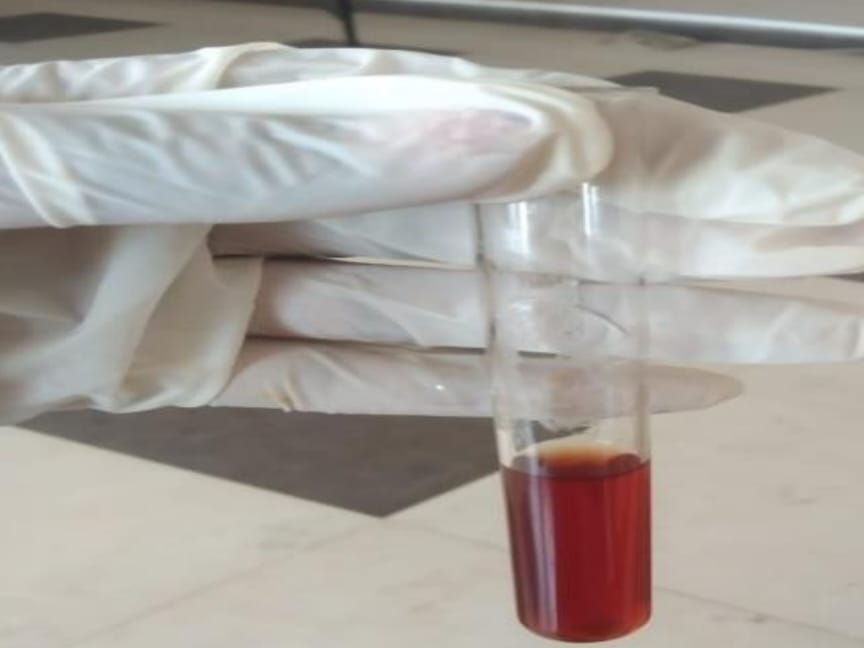


Figure: Flavonoid is Present

Standard curve of Rutin: 10 milligram of rutin was dissloved in 10 ml of methanol, and the concentrations were obtained by pipetting off 10, 25, 50, 100, and 150 µl/ml.

Procedure: 1.5 ml of methanol, 0.1 ml of 10% aluminum chloride, 0.1 ml of 1 M potassium acetate, and 2.8 ml of distilled water were separately combined with 0.5 ml of each sample. After the reaction mixture was let to remain at room temperature for thirty minutes, its absorbance at 415 nm was determined. Using the calibaration curved was created.

3. Estimation of Total Phenol content :

The aromatic chemicals with hydroxyl groups that are found in a wide of plants are called phenols. They are present throught the entire plant. It is claimed that phenol provide plant resilience to pests and disease. A high polyphone content makes grains resistant to bird attack. A variety of substances, such as flavonoids and tannins, are considered phenols. Via the Slinkard method, the total soluble phenolics in the extract can be calculated using the Folin-Ciocalteau reagent.

Principle : In an alkaline medium, phenols react with phosphomolybdic acid in the Folin-Ciocalteau reagent to form a blue colour complex (molybdenum blue)

Reagents : Folin-Ciocalteau reagent (20%), 80% ethanol, Na2CO3 (20%), and standard (100 mg Gallic acid in 100 milliliters of distilled water).

Table : 3


S.No.

Standard Concentration

% Inhibition

Absorbance

1.

10µg

66.07%

0.013

2.

20µg

71.99%

0.035

3.

40µg

77.91%

0.078

4.

60µg

83.96%

0.113


4. Estimation of the Total Tanin content : Total tannin content of Herbal tea was determined using the ferric chloride was use the tannin determination.
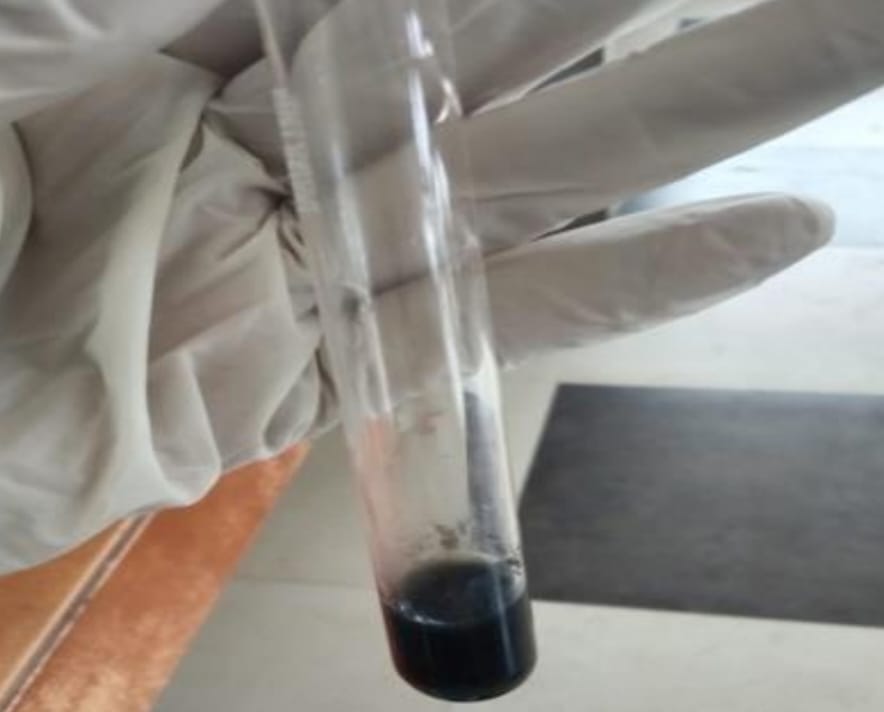


Figure : Tanin is present

5. Physical Parameter : The prepared herbal tea were inspected visually for there colour, weight, odor appearance.
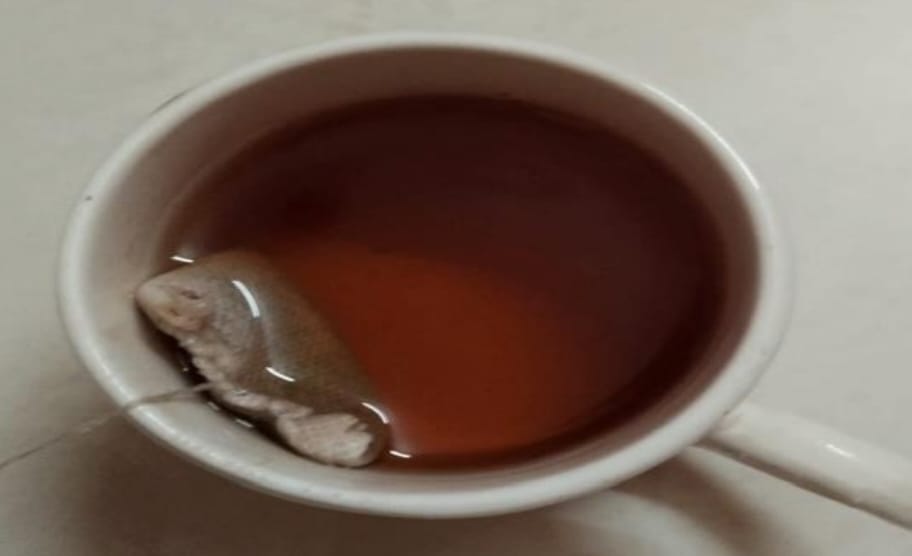


Figure : Herbal Tea colour

  • Colour : Reddish Brown
  • Weight : 4g
  • Odor : Pleasant
  • Taste : Bitter/ Sweet

6. PH Test : Deep the PH rod in the solution.


Figure : Digital PH meter

  • PH was determined on digital PH meter was 6.11

RESULT AND DISCUSSION

  • From the above information herbal tea was prepared and evaluation were performed.
  • The various evaluation parameters results are given below.


Table : 4

S. No.

Free Radical Scavenging Activity (Antioxident)

Total Phenol Content

Total Flavonoids Content

Physical Parameter

PH test

1.

62.78%

66.07%

68.4%

Colour Reddish Brown

6.11

2.

66.44%

71.99%

69.41%

Weight : 4gm

6.50

3.

80.75%

77.91%

76.54%

Odor: Pleasant

6.65

4.

87.08%

84.61%

84.61%

Taste: Bitter/Sweet

6.75


CONCLUSION

The Cardiotonic Herbal tea was formulated and evaluated using natural herbs using the process of decoction. The natural herbs used in the preparation of cardiotonic herbal tea shows the promissing effect as antioxident and reach in phenol, tannin and Flavonoid content. The Herbal tea evaluated for its taste, appearance, and colour. Thus from the present work it can be concluded that the prepared herbal tea can be a simple, alternative approach as a healthy drink and can replace the normal tea for the better human health.

REFERENCES

  1. Soni, Neelam, and Vinay Kumar Singh. “Efficacy and advancement of Terminalia Arjuna in Indian Herbal drug research: A review.” Trends in Applied Sciences research 1, no. 4 (2019).
  2. Desai, Dishant, and Sumitra Chanda. “Pharmacognostic study and physicochemical analysis of leaves of Terminalia arjuna. “Pharmacognosy Journal 6, no. 6 (2024); 15-19.
  3. Tripathi VK, Singh B, jha RN, Pandey VB Udupa KN. Studies on Arjuna in coronary heart disease. J Res Ayur Siddha 2000; 21:37-40.
  4. Ghadigaonkar, Sushma, A. Gopala reddy, B. Kalakumar, and B. Anilkumar. “Screening of antioxident and free radical scavenging activities of Terminalia arjuna Roxb. “Pharma Innov. J 10 (2021): 1-5.
  5. Ramesh, Purnimajayashree, and Arunkumar Palaniappan. “Terminalia arjuna, a Cardioprotective herbal medicine Relevancy in the Modern Era of Pharmaceuticals and green Nanomedicine- A review. “Pharmaceuticals 16.1 (2023): 126.
  6. Twumasi P, M.A. Tandoh, G. Ankar – Brewoo and Oduro I. – Formulation and Sensory Evaluation of Herbal Tea from Moringa Oleifera,  Hibiscus Sabdariffa & Cymbopogon Citratus N.E.A. De-Heer . Published, 2024; 0855-3823.
  7. Aoshima H, Hirata, S. Ayabes. – Anti oxidative and antihydrogen peroxide activities of various herbal teas. Food Chemistry, 2007; 103 (2): 617-622.
  8. Oberoi L, Akiyama T, lee KH, Liu SJ. The aqueous extract, not organic extraxts, of Terminalia arjuna bark extract cardiotonic effect on adult ventricular myocytes. Phytomedicine 2011; 18:259-65.
  9. GauthamanK, MaulikM, KumariR, ManchandaSC, DindaAK, MaulikSK. Effect of chronic treatment with bark of Terminalia arjuna: A study on the  isolated ischemic- reperfused rat heart. JEthnopharmacol 2001;75:197-201.
  10. Gauthaman K, Mohamed Saleem TS, Ravi V, Patel V, Patel SS, Niranjali S, Devraj R. Alcoholic ectract of terminalia arjuna protects rabbit heart against ischemic- reperfusion injury: Role of antioxident enzyme.
  11. Tulsi- Ocimum sanctum: A herbal for all resons Marc Mauric Cohen, J Ayurveda Integr Med, 2014 Oct-Dec; 5 (4): 251-259 doi: 10.4103/0975-9476.146554.
  12. Georg CK, Handbook of Herbs and Species (Second Edition), 2012;2.
  13. Gupta, L.P, Sen, S.P. ; Udupa, K.N. Pharmacological studies on Terminalia arjuna. J Res. Indian Med. Yoga Homeopath.
  14. Radhakrishnan, R: Wadseorth, R.M.; Gray, A.I. Termanalia arjuna, an Ayurvedic cardiotonic, increases contractile force of rat isolated atria. Phytother. Res. 1993, 7, 266-268.
  15. Vaidya, A.B. Terminalia arjuna is cardiovascular therapy.  J. Assoc. Phys. India, 1994,42, 281-282.
  16. Takahashi, S.; tanaka, H. ; Hano, Y. ; Ito, K.; Nomura, T.; Shi-genobu, K. Hypotensive effects in rats of hydrophilic extraxt from terminalia arjuna containing tannin-related compounds. Phy-tother. Res. 1997, 1, 424-427.
  17. Gautham, K; Banerjee, S.K.; Dinda, A.K.; Ghos, C.C.; Maulik, S.K. Terminalia arjuna (Roxb.) protects rabbit heart against ischemic-reperfusion injury: role of antioxident enzymes and heart shock protein. J. Ethonopharmacol., 2005, 96 403-409.
  18. Dancso, B.; Spiro, Z.; Arslan, M.A.; Nguyen, M.T.; Papp, D., Csermely, P.; S%ti, C. The heart shock connection of metabolic stress and dietary restriction. Curr. Pharma. Biotechnol., 2010, 7, 139-145.
  19. Gray, C.C, Amrani, M.; Yacoub, M.H. Heat stress and myocardial protection: experimental model or protection clinical tool ? Int. J. Biochem. Cell biol., 1999, 31, 559-73.
  20. Dwivedi, S.; Somani, P.N.; Chansouria, J.P.N. Udupa, K.N. car-dioprotective effects of certain indigenous drugs in myocardial in rabbits. Indian J. Exp. Biol. 1988, 26, 969-975.
  21. Sumitra, M.; Manikandan, P.; Kumar, D.A.; Arutselvan, N.; Balakrishna, K.; Manohar, B.M.; Puvanakrishnan, R. Experimantal myocardial necrosis in rats: role of arjunolic acid on platelet aggre-gation, coagulation and antioxident status. Mol. Cell. Biochem., 2001, 224,135-142.
  22. Pawar, R.S.; Bhutani, K.K. Effect of oleanane triterponoids from Terminalia arjuna-a cardioprotective drug on the process of respi-ratory oxyburst. Int. J. Phytomed. Phytopharmacol., 2005, 12, 319-393.
  23. Singh, G.; Singh, A.T.; Abharam, A.; Bhat, B.; Mukhrjee, A.; Verma, R.; Agrawal, S.K.; Jha, S.; Mukhrjee, R.; Burman, A.C. Protective effects of Termenalia arjuna against doxorubicin-induced cardiotoxicity. J Ethnopharmacol., 2008, 117,123-129.
  24. Sinha, M.; Manna, P.; Sil, P.C. Terminalia arjuna protects mouse heart against sodium fluride-induced oxidative stress. J. Med. Food, 2008, 11, 733-740.
  25. Tiwari, A.K.; Gode, J.D.; Dubey, G.P. Effect of terminalia arjuna on lipid profiles of rabbit fed hypercholesterolemic diet. Pharma. Biol., 1990,28, 43-47.
  26. Ram, A. Lauria, P.; Gupta, R.; Kumar, R,; Sharma, V.S. Hypocho- lesterolemic effcets of terminalia arjuna tree bark. J. Ethnophar-macol, 1997, 55, 165-169.
  27. Khanna, A.K.; Chander, C.; Kapoor, N.K. Termanelia Arjuna: An Ayurvedic cardiotonic regulates lipid metabolism in hyperlipidemic rats. Phytother. Res., 1996, 10, 663-666.
  28. Shaila, H.P.; Udupa, S.L.; Udupa, A.L. Hypolipidemic activity of three indigenous drugs in experimentally induced atherosclerosis. Int. J. Cardiol., 1998, 67, 119-124.
  29. Katz, A.M. Cardiomyopathy of overload: A major determinant of prognosis in congestive heart faliure. N. Engl. J. Med., 1990, 322, 100-110.
  30. Dwivedi, S.; Jauhari, R. Benificial effects of Terminelia arjuna in coronary artery disease. Indian Heart  J., 1997, 49, 507-510.

Reference

  1. Soni, Neelam, and Vinay Kumar Singh. “Efficacy and advancement of Terminalia Arjuna in Indian Herbal drug research: A review.” Trends in Applied Sciences research 1, no. 4 (2019).
  2. Desai, Dishant, and Sumitra Chanda. “Pharmacognostic study and physicochemical analysis of leaves of Terminalia arjuna. “Pharmacognosy Journal 6, no. 6 (2024); 15-19.
  3. Tripathi VK, Singh B, jha RN, Pandey VB Udupa KN. Studies on Arjuna in coronary heart disease. J Res Ayur Siddha 2000; 21:37-40.
  4. Ghadigaonkar, Sushma, A. Gopala reddy, B. Kalakumar, and B. Anilkumar. “Screening of antioxident and free radical scavenging activities of Terminalia arjuna Roxb. “Pharma Innov. J 10 (2021): 1-5.
  5. Ramesh, Purnimajayashree, and Arunkumar Palaniappan. “Terminalia arjuna, a Cardioprotective herbal medicine Relevancy in the Modern Era of Pharmaceuticals and green Nanomedicine- A review. “Pharmaceuticals 16.1 (2023): 126.
  6. Twumasi P, M.A. Tandoh, G. Ankar – Brewoo and Oduro I. – Formulation and Sensory Evaluation of Herbal Tea from Moringa Oleifera,  Hibiscus Sabdariffa & Cymbopogon Citratus N.E.A. De-Heer . Published, 2024; 0855-3823.
  7. Aoshima H, Hirata, S. Ayabes. – Anti oxidative and antihydrogen peroxide activities of various herbal teas. Food Chemistry, 2007; 103 (2): 617-622.
  8. Oberoi L, Akiyama T, lee KH, Liu SJ. The aqueous extract, not organic extraxts, of Terminalia arjuna bark extract cardiotonic effect on adult ventricular myocytes. Phytomedicine 2011; 18:259-65.
  9. GauthamanK, MaulikM, KumariR, ManchandaSC, DindaAK, MaulikSK. Effect of chronic treatment with bark of Terminalia arjuna: A study on the  isolated ischemic- reperfused rat heart. JEthnopharmacol 2001;75:197-201.
  10. Gauthaman K, Mohamed Saleem TS, Ravi V, Patel V, Patel SS, Niranjali S, Devraj R. Alcoholic ectract of terminalia arjuna protects rabbit heart against ischemic- reperfusion injury: Role of antioxident enzyme.
  11. Tulsi- Ocimum sanctum: A herbal for all resons Marc Mauric Cohen, J Ayurveda Integr Med, 2014 Oct-Dec; 5 (4): 251-259 doi: 10.4103/0975-9476.146554.
  12. Georg CK, Handbook of Herbs and Species (Second Edition), 2012;2.
  13. Gupta, L.P, Sen, S.P. ; Udupa, K.N. Pharmacological studies on Terminalia arjuna. J Res. Indian Med. Yoga Homeopath.
  14. Radhakrishnan, R: Wadseorth, R.M.; Gray, A.I. Termanalia arjuna, an Ayurvedic cardiotonic, increases contractile force of rat isolated atria. Phytother. Res. 1993, 7, 266-268.
  15. Vaidya, A.B. Terminalia arjuna is cardiovascular therapy.  J. Assoc. Phys. India, 1994,42, 281-282.
  16. Takahashi, S.; tanaka, H. ; Hano, Y. ; Ito, K.; Nomura, T.; Shi-genobu, K. Hypotensive effects in rats of hydrophilic extraxt from terminalia arjuna containing tannin-related compounds. Phy-tother. Res. 1997, 1, 424-427.
  17. Gautham, K; Banerjee, S.K.; Dinda, A.K.; Ghos, C.C.; Maulik, S.K. Terminalia arjuna (Roxb.) protects rabbit heart against ischemic-reperfusion injury: role of antioxident enzymes and heart shock protein. J. Ethonopharmacol., 2005, 96 403-409.
  18. Dancso, B.; Spiro, Z.; Arslan, M.A.; Nguyen, M.T.; Papp, D., Csermely, P.; S%ti, C. The heart shock connection of metabolic stress and dietary restriction. Curr. Pharma. Biotechnol., 2010, 7, 139-145.
  19. Gray, C.C, Amrani, M.; Yacoub, M.H. Heat stress and myocardial protection: experimental model or protection clinical tool ? Int. J. Biochem. Cell biol., 1999, 31, 559-73.
  20. Dwivedi, S.; Somani, P.N.; Chansouria, J.P.N. Udupa, K.N. car-dioprotective effects of certain indigenous drugs in myocardial in rabbits. Indian J. Exp. Biol. 1988, 26, 969-975.
  21. Sumitra, M.; Manikandan, P.; Kumar, D.A.; Arutselvan, N.; Balakrishna, K.; Manohar, B.M.; Puvanakrishnan, R. Experimantal myocardial necrosis in rats: role of arjunolic acid on platelet aggre-gation, coagulation and antioxident status. Mol. Cell. Biochem., 2001, 224,135-142.
  22. Pawar, R.S.; Bhutani, K.K. Effect of oleanane triterponoids from Terminalia arjuna-a cardioprotective drug on the process of respi-ratory oxyburst. Int. J. Phytomed. Phytopharmacol., 2005, 12, 319-393.
  23. Singh, G.; Singh, A.T.; Abharam, A.; Bhat, B.; Mukhrjee, A.; Verma, R.; Agrawal, S.K.; Jha, S.; Mukhrjee, R.; Burman, A.C. Protective effects of Termenalia arjuna against doxorubicin-induced cardiotoxicity. J Ethnopharmacol., 2008, 117,123-129.
  24. Sinha, M.; Manna, P.; Sil, P.C. Terminalia arjuna protects mouse heart against sodium fluride-induced oxidative stress. J. Med. Food, 2008, 11, 733-740.
  25. Tiwari, A.K.; Gode, J.D.; Dubey, G.P. Effect of terminalia arjuna on lipid profiles of rabbit fed hypercholesterolemic diet. Pharma. Biol., 1990,28, 43-47.
  26. Ram, A. Lauria, P.; Gupta, R.; Kumar, R,; Sharma, V.S. Hypocho- lesterolemic effcets of terminalia arjuna tree bark. J. Ethnophar-macol, 1997, 55, 165-169.
  27. Khanna, A.K.; Chander, C.; Kapoor, N.K. Termanelia Arjuna: An Ayurvedic cardiotonic regulates lipid metabolism in hyperlipidemic rats. Phytother. Res., 1996, 10, 663-666.
  28. Shaila, H.P.; Udupa, S.L.; Udupa, A.L. Hypolipidemic activity of three indigenous drugs in experimentally induced atherosclerosis. Int. J. Cardiol., 1998, 67, 119-124.
  29. Katz, A.M. Cardiomyopathy of overload: A major determinant of prognosis in congestive heart faliure. N. Engl. J. Med., 1990, 322, 100-110.
  30. Dwivedi, S.; Jauhari, R. Benificial effects of Terminelia arjuna in coronary artery disease. Indian Heart  J., 1997, 49, 507-510.

Photo
Shweta Ram
Corresponding author

Rungta Institute of Pharmaceutical Sciences

Photo
Tarun Raj Sahu
Co-author

Rungta Institute of Pharmaceutical Sciences

Photo
Garima Sahu
Co-author

Rungta Institute of Pharmaceutical Sciences

Photo
Neha Sahu
Co-author

Rungta Institute of Pharmaceutical Sciences

Photo
Shivanshu Dubey
Co-author

Rungta Institute of Pharmaceutical Sciences

Photo
Suchita Wamankar
Co-author

Rungta Institute of Pharmaceutical Sciences

Photo
Dr. Gyanesh Kumar Sahu
Co-author

Rungta Institute of Pharmaceutical Sciences

Tarun Raj Sahu, Garima Sahu, Neha Sahu, Shivanshu Dubey, Shweta Ram, Suchita Wamankar, Dr. Gyanesh Kumar Sahu, Formulation and Evaluation of Cardiotonic Herbal Tea, Int. J. of Pharm. Sci., 2026, Vol 4, Issue 3, 951-959. https://doi.org/10.5281/zenodo.18934643

More related articles
HPLC Analysis And Isolation Of Rutin From Stem Bar...
Akash S Ingale , Rushikesh J Lohar , Sunita G Maharaj , Girish N ...
Preparation And Evaluation of Lip Balm...
Anjali Rathod, Sneha Madan, Nikhil Sonawane, Rajeshwari Solunke,...
A Review On Analytical And Clinical Applications Of Anti Sense Oligonucleotides ...
DR SHAIK MASTANAMMA, Md.Naseemunnisa, Telugu.Kalavathi, ...
Niosomes Used In Treatment Of Cancer: A Review...
Sudarshan Kale, Shraddha vaishnav , Vinit khairnar , chaitali markand , ...
Analytical Method Development and Validation for the Simultaneous Estimation of ...
P. V. Madhavi Latha, Nagamani Bolla, P. Sivalalitha, P. Uma Devi, ...
Related Articles
Formulation And Evaluation of Lipbalm with Natural Ingredients ...
P. Gayatri Devi, CH. Sravanthi, G. Yagnitha, A. Bhargavi, R. Charitha Sri, CH. Bindu Sri, Dr. Sarava...
Rational Design of Phenanthrene - Based DNA Intercalators: Mechanistic & Therape...
R. Manikandan, Jemimah S, Krishnan P, Kumaravelan V. M., Ramana Balaji S, Rajalingam D, ...
Ceftriaxone Induced Steven-Johnson Syndrome: A Rare Case Report...
Ramakrishnan S., Dr. Deepak Kumar T, Padhma M., Siddha Vidhyar Dhani R., ...
HPLC Analysis And Isolation Of Rutin From Stem Bark Of Ginkgo Biloba L ...
Akash S Ingale , Rushikesh J Lohar , Sunita G Maharaj , Girish N Patil, Prashant B More, Devendra D ...
More related articles
HPLC Analysis And Isolation Of Rutin From Stem Bark Of Ginkgo Biloba L ...
Akash S Ingale , Rushikesh J Lohar , Sunita G Maharaj , Girish N Patil, Prashant B More, Devendra D ...
Preparation And Evaluation of Lip Balm...
Anjali Rathod, Sneha Madan, Nikhil Sonawane, Rajeshwari Solunke, ...
HPLC Analysis And Isolation Of Rutin From Stem Bark Of Ginkgo Biloba L ...
Akash S Ingale , Rushikesh J Lohar , Sunita G Maharaj , Girish N Patil, Prashant B More, Devendra D ...
Preparation And Evaluation of Lip Balm...
Anjali Rathod, Sneha Madan, Nikhil Sonawane, Rajeshwari Solunke, ...