
Sri Adichunchanagiri College of Pharmacy, Adichunchanagiri University, B.G. Nagara, Mandya, Karnataka, India - 571448
Cognitive decline and metabolic disorders, particularly diabetes and prediabetes, continue to rise globally, highlighting an urgent need to understand the shared biological pathways underlying these conditions. Recent advances in microbiome research have revealed a tightly interconnected microbiome–metabolism–brain axis through which gut microbes influence both glycemic regulation and higher-order cognitive processes. This review integrates mechanistic insights, preclinical evidence, and human studies to explore whether beneficial microbes can simultaneously enhance cognition and stabilize glycemic control. We outline key communication pathways neural, immune, endocrine, and metabolic that maintain host–microbe homeostasis and describe how dysbiosis disrupts these networks. Microbial contributions to glycemic homeostasis are examined, including short-chain fatty acid–mediated insulin sensitization, bile acid signaling, and immune–metabolic modulation. We also discuss how glycemic dysfunction accelerates cognitive impairment via impaired neuronal insulin signaling, neuroinflammation, oxidative stress, and blood–brain barrier compromise. Special emphasis is given to microbial metabolites such as SCFAs, tryptophan–kynurenine derivatives, and microbially derived neuroactive molecules, which modulate neuroplasticity and neurotransmission. Evidence from probiotic and microbiota-targeted interventions demonstrates strain-specific improvements in learning, memory, glucose tolerance, and insulin responsiveness, though human findings remain heterogeneous. Emerging multi-omics approaches are highlighted for their ability to uncover causal pathways and refine translational strategies. Finally, we outline therapeutic opportunities including probiotics, prebiotics, dietary fiber, engineered microbes, and postbiotics and identify gaps requiring standardization, longitudinal data, and personalized models. Collectively, this review underscores the potential of microbiome-based interventions as integrated solutions for improving cognitive resilience and metabolic health.
1.1. Global Burden of Cognitive Decline and Metabolic Disorders
Cognitive decline and metabolic disorders represent two of the most pressing global health challenges of the 21st century, with wide-ranging impacts on individuals, healthcare systems, and economies worldwide. Dementia of which Alzheimer’s disease is the most common form affects tens of millions of people globally and is among the top leading causes of disability and dependency in older adults. In 2021, approximately 57 million people worldwide were living with dementia, and this number is projected to nearly triple by 2050 due to population aging and demographic shifts.
Parallel to the rise in cognitive impairments, metabolic disorders such as diabetes mellitus and metabolic syndrome have escalated to epidemic proportions. In 2021, more than 537 million people globally lived with diabetes, with projections suggesting increases to nearly 643 million by 2030 and up to 853 million by 2050. These conditions, often characterized by chronic hyperglycemia, insulin resistance, obesity, and dyslipidemia, contribute significantly to morbidity, mortality, and healthcare costs worldwide. Significantly, emerging evidence has linked metabolic dysfunction to accelerated cognitive aging and an increased risk of dementia. Metabolic risk factors such as high fasting plasma glucose (FPG) and high body mass index (BMI) are now recognised contributors to the global dementia burden. Between 1990 and 2021, deaths attributable to dementia associated with metabolic risks increased more than four-fold, and disability-adjusted life-years (DALYs) related to these factors rose nearly four times as well, highlighting the expanding public health impact of intertwined metabolic and neurocognitive disorders. The biological mechanisms underpinning this connection may include chronic inflammation, vascular damage, impaired glucose metabolism in the brain, and insulin resistance each of which can disrupt neural integrity and accelerate neurodegenerative processes. Diabetes, for example, has been shown to significantly elevate the risk of dementia, with diabetic individuals facing substantially higher risks for both Alzheimer’s disease and vascular dementia compared to non-diabetic counterparts [1].
Given these converging global trends, there is growing interest in understanding whether modulation of gut microbiota often referred to as friendly microbes can influence both metabolic health and cognitive function [2, 3]. This concept has given rise to the emerging field of gut-brain axis research, with implications for preventive and therapeutic strategies that leverage microbiome science to potentially improve brain health while regulating sugar metabolism. (This part can transition to your next section on microbiota.)
1.2.The Emerging Microbiome – Metabolism -Brain connection
The last decade has witnessed a transformative shift in biomedical science with the recognition that the human microbiome plays an active, dynamic role in regulating host physiology. Beyond its classical functions in digestion and nutrient synthesis, the gut microbiota is now understood as a complex endocrine-like organ that influences metabolic homeostasis, immune signaling, and neural processes. This evolving concept, often referred to as the microbiome metabolism brain axis, highlights the bidirectional communication between intestinal microbes, metabolic pathways, and central nervous system (CNS) function. Mounting evidence from preclinical and translational studies demonstrates that alterations in microbial composition termed dysbiosis can modify host metabolic signalling, triggering neurochemical and behavioral changes relevant to mood, cognition, and stress responses.
Mechanistically, this axis operates through multiple interconnected pathways. Microbial metabolites such as short-chain fatty acids (SCFAs), tryptophan catabolites, and neurotransmitter-like molecules modulate endocrine and inflammatory networks that influence brain function. In parallel, metabolic disturbances including insulin resistance, adipose-derived inflammation, and altered gut barrier integrity further shape microbial ecology, establishing a feedback loop that can either support or disrupt neural health. Importantly, the identification of specific psychobiotic strains beneficial bacteria with demonstrable effects on mental well-being has accelerated interest in targeted microbiome-based interventions[4-8]. Species such as Lactobacillus plantarum, Lactobacillus rhamnosus, and Bifidobacterium longum have shown potential to modulate neurotransmission, reduce systemic inflammation, and improve stress resilience. Overall, the emerging microbiome–metabolism–brain framework provides a unifying lens to interpret how gut microbial ecosystems interface with host metabolic signalling to influence neurological outcomes. For Pharm.D clinicians and researchers, this axis opens promising therapeutic avenues for metabolic disorders, psychiatric conditions, and neurodegenerative diseases. Continued mechanistic exploration and clinical validation are essential to translate these findings into evidence-based psychobiotic strategies.
1.3. Rationale and Scope of the Review
Psychobiotics live microorganisms that positively influence the central nervous system through the gut–brain axis are increasingly recognized as promising adjuncts for managing anxiety, depression, stress-related disorders, and cognitive decline. Among these, Lactobacillus plantarum, Lactobacillus rhamnosus, and Bifidobacterium longum have shown the most consistent benefits by modulating neurotransmitters like GABA and serotonin, regulating the HPA-axis stress response, reducing neuroinflammation, improving gut barrier integrity, and altering gut microbiota composition. This review aims to consolidate scattered evidence from animal studies and human clinical trials to present a clear and comparative understanding of the therapeutic potential of these three strains. It evaluates their efficacy, dosing patterns, mechanisms of action, safety profiles, and relative strengths, while also addressing limitations such as heterogeneous study designs, short durations, small sample sizes, and the strain-specific nature of results. By synthesizing existing research, this review provides Pharm.D practitioners with practical, evidence-based insights to enhance patient counseling, support clinical decision-making, and guide the responsible integration of psychobiotics into mental health care.
2. The Microbiome–Metabolism–Brain Axis: A Conceptual Framework
The microbiome metabolism brain axis refers to the complex, bidirectional communication network linking gut microorganisms, host metabolic pathways, and the central nervous system (CNS). This system functions as an integrated biological loop in which each component microbiota, metabolism, and brain continuously influences the others. The gut microbiota acts as a highly active metabolic organ, fermenting dietary fibers into short-chain fatty acids (SCFAs), generating neuroactive molecules such as GABA, serotonin, and dopamine precursors, and regulating key metabolic pathways including tryptophan metabolism, bile acid turnover, lipid homeostasis, and glucose balance. These metabolites circulate systemically and directly affect immune responses, endocrine signaling, and neurotransmitter synthesis, thereby shaping brain structure, neuroplasticity, stress responses, and behavior. Host metabolism serves as a crucial intermediary, as microbial products influence insulin sensitivity, adiposity, systemic inflammation, microglial activation, and the availability of amino acid substrates required for neurotransmitter production. When dysbiosis occurs, it can lead to increased intestinal permeability, higher translocation of LPS into circulation, imbalanced SCFA production, and chronic low-grade inflammation factors strongly associated with mood disorders, cognitive dysfunction, and neurodegeneration. The brain also sends constant feedback to the gut through autonomic pathways, modulating motility, secretion, and microbial composition, while stress-induced activation of the HPA axis alters cortisol levels that further disrupt gut homeostasis. Behavioral patterns such as diet, sleep, and stress related eating reinforce this loop, making the microbiome metabolism brain axis a highly dynamic and interconnected system essential for maintaining mental and metabolic health.
2.1.Gut–Brain Communication Pathways
The gut brain axis operates through five major interconnected biological pathways that enable the gut microbiota to influence central nervous system function. First, the neural pathway primarily involving the vagus nerve and the enteric nervous system (ENS) serves as the fastest communication route, where microbial metabolites such as SCFAs and GABA activate vagal afferents, and psychobiotic strains like Lactobacillus rhamnosus demonstrate vagus-dependent anxiolytic effects in preclinical models, while the ENS, often termed the “second brain,” regulates gut motility, secretion, and sensory signaling. Second, the endocrine pathway, especially through the hypothalamic pituitary adrenal (HPA) axis, links gut microbes to systemic stress responses, influencing cortisol release and neuroendocrine signaling involving CRH and ACTH; stress can disrupt microbial balance, while dysbiosis can heighten stress sensitivity, creating a bidirectional feedback loop. Third, the immune pathway enables microbial control over cytokine production, systemic inflammatory tone, microglial activation, and blood brain barrier integrity, with SCFAs particularly butyrate playing a key role in reducing neuroinflammation. Fourth, the metabolic pathway encompasses a wide range of microbially derived metabolites, including SCFAs, tryptophan derivatives, secondary bile acids, and phenolic compounds, which either cross the blood–brain barrier or signal via receptors such as GPR41/43, AhR, and FXR to regulate brain function and behavior. Finally, the microbial neurotransmitter production pathway highlights the ability of gut bacteria to synthesize neuroactive compounds such as GABA, serotonin (with nearly 90% produced in the gut), dopamine precursors, and acetylcholine, which modulate CNS activity through neural and endocrine mechanisms [9, 10]. Together, these five pathways form a complex, integrated network that underscores the central role of the gut microbiota in shaping emotional, cognitive, and behavioral health.
2.2. Host–Microbe Homeostasis and Dysbiosis
Host–microbe homeostasis represents the stable, mutually beneficial interaction between the gut microbiota and the host’s immune, metabolic, and neurological systems, ensuring balanced digestion, nutrient absorption, immune regulation, and neurobehavioral function (Figure 1). In a state of equilibrium, beneficial microbes support gut barrier integrity, aid vitamin synthesis, regulate glucose and lipid metabolism, maintain optimal short-chain fatty acid production, and promote immune tolerance while preventing excessive inflammation; these processes collectively contribute to stable neurotransmitter synthesis, healthy stress responses, and effective gut brain communication. In contrast, dysbiosis refers to a disturbance in the composition, diversity, or function of the gut microbial community, characterized by the loss of beneficial bacteria, overgrowth of pathogenic or opportunistic organisms, and reduced microbial diversity [11]. This imbalance may result from antibiotics, poor dietary patterns, chronic stress, infections, environmental toxins, or underlying diseases. Dysbiosis leads to a cascade of harmful consequences, including increased intestinal permeability, systemic inflammation, altered SCFA profiles, disrupted neurotransmitter synthesis, HPA-axis overactivation, and the development of metabolic disorders such as obesity and insulin resistance all of which can impair mental health and contribute to anxiety, depression, and cognitive disturbances. Psychobiotics such as Lactobacillus plantarum, Lactobacillus rhamnosus, and Bifidobacterium longum play a key restorative role by enhancing barrier function, reducing inflammation, improving SCFA production, modulating neurotransmitter pathways, and normalizing HPA axis activity, thereby helping to re-establish microbial homeostasis and support overall neuropsychological well-being.
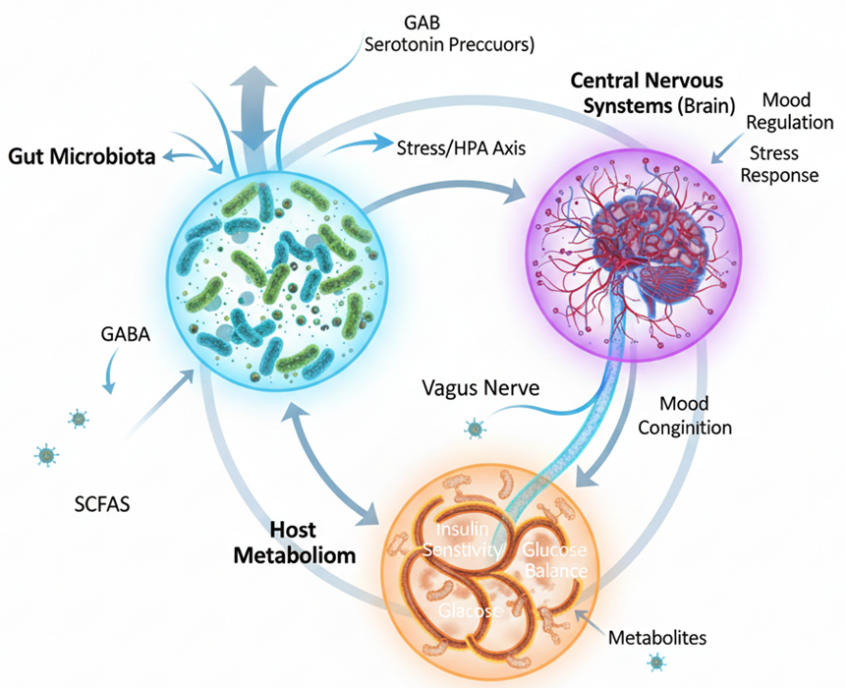
Figure 1: Neuroendocrine-Metabolic Regulation by the Gut Microbiota
2.3. Overview of Mechanistic Routes Affecting Cognition and Glycemia
The gut microbiota plays a central role in regulating glycemic homeostasis through a range of metabolic and signaling pathways that collectively maintain stable blood glucose levels. Beneficial microbes such as Bifidobacterium, Lactobacillus, and Akkermansia ferment dietary fibers into short chain fatty acids (SCFAs) acetate, propionate, and butyrate which serve as key modulators of glucose metabolism. These microbes influence intestinal glucose absorption by regulating glucose transporters such as SGLT1 and GLUT2, thereby reducing post-prandial glucose spikes. SCFAs, particularly butyrate, strengthen tight junction proteins to improve gut barrier integrity, which decreases endotoxin leakage, lowers systemic inflammation, and enhances insulin action. By activating FFAR2/FFAR3 receptors on enteroendocrine L-cells, SCFAs promote the secretion of incretins like GLP-1 and PYY, leading to improved insulin secretion, appetite regulation, and glucose tolerance. The microbiota also reduces inflammation by suppressing NF-κB pathways and enhancing Treg activity, which improves insulin sensitivity. Additionally, microbial modification of bile acids activates TGR5 and FXR receptors, further supporting glucose and lipid metabolism, while propionate contributes to hepatic gluconeogenesis in a regulated manner that maintains metabolic balance. SCFAs themselves play a direct and crucial role in improving insulin sensitivity: by binding to FFAR2 and FFAR3 on adipose tissue, immune cells, and the pancreas, they enhance insulin receptor signaling and glucose uptake; by stimulating GLP-1 and PYY release, they support β-cell function; through their anti-inflammatory effects, they reduce cytokine-mediated insulin resistance; and by activating AMPK and PPAR-γ, SCFAs improve mitochondrial function, increase fatty acid oxidation, reduce lipotoxicity, and enhance GLUT4 mediated glucose uptake in skeletal muscle. Collectively, these mechanisms prevent hepatic insulin resistance, regulate lipid metabolism, and promote efficient glucose utilization, underscoring the essential role of microbial metabolites in metabolic health.
3. Microbial Regulation of Glycemic Homeostasis
3.1. Short-Chain Fatty Acids and Insulin Sensitivity
The gut microbiota plays a fundamental role in maintaining glucose homeostasis through a combination of metabolic, endocrine, immune, and neuroregulatory mechanisms, primarily mediated by microbial metabolites such as short-chain fatty acids (SCFAs), modulation of incretin secretion, control of inflammation, and regulation of hepatic and peripheral insulin sensitivity. Fermentation of dietary fibers by beneficial microbes like Lactobacillus, Bifidobacterium, and Akkermansia generates SCFAs acetate, propionate, and butyrate which bind to GPR41/FFAR3 and GPR43/FFAR2 receptors on enteroendocrine cells, enhancing GLP-1 and PYY secretion, stimulating β-cell proliferation, improving insulin release, and reducing hepatic gluconeogenesis. These microbes also activate intestinal L-cells, increasing incretin production and promoting better insulin signaling, hepatic glucose handling, and peripheral glucose uptake [12-14]. Psychobiotic strains such as L. plantarum, L. rhamnosus, and B. longum have shown the ability to enhance incretin responses and improve metabolic markers in preclinical models. Inflammation regulation is another key mechanism: dysbiosis increases endotoxin (LPS) entry into circulation, causing metabolic inflammation and insulin resistance, while beneficial microbes strengthen gut barrier function by upregulating tight-junction proteins and producing butyrate, reducing endotoxemia and restoring insulin signaling pathways. SCFAs additionally activate AMPK in hepatic and muscle tissues, improving glucose uptake, increasing GLUT4 translocation, and enhancing muscle glucose disposal. Microbial metabolites also act via the gut–brain axis to regulate appetite by decreasing ghrelin and enhancing satiety signals through GLP-1 and PYY, contributing to improved post-prandial glucose control. A significant aspect of microbial influence on metabolism involves bile acid (BA) transformation, where gut bacteria convert primary bile acids into secondary forms through deconjugation, dehydroxylation, oxidation, and epimerization. These transformations mediated by microbes such as Lactobacillus, Bifidobacterium, and Clostridium species produce metabolically active bile acids like DCA, LCA, and UDCA that interact with FXR and TGR5 receptors to regulate glucose and lipid metabolism. FXR activation reduces hepatic gluconeogenesis, lipogenesis, and triglyceride levels while improving insulin sensitivity and stimulating FGF19 release, which coordinates glucose and bile acid synthesis. Meanwhile, TGR5 activation enhances GLP-1 secretion, increases energy expenditure through brown adipose tissue, and reduces inflammation via macrophage signaling, linking microbial bile acid metabolism directly to glycemic control and energy homeostasis. Bile acids themselves shape microbial composition through antimicrobial effects, while microbes continuously modify bile acids, forming a bidirectional regulatory loop essential for metabolic balance. Psychobiotic strains like L. plantarum, L. rhamnosus, and B. longum contribute significantly to this loop by expressing bile salt hydrolase activity, increasing beneficial bile acids such as UDCA, enhancing GLP-1 secretion via TGR5 pathways, reducing inflammation, and improving insulin sensitivity, thereby underscoring their therapeutic relevance in diabetes, metabolic syndrome, and gut–brain metabolic regulation.
3.2. Microbial Bile Acid Metabolism and Metabolic Signaling
The gut microbiota plays a pivotal role in maintaining glycemic homeostasis through interlinked metabolic, endocrine, immune, and neural pathways, and disruptions in microbial composition are strongly associated with insulin resistance, impaired glucose tolerance, and type 2 diabetes mellitus. Beneficial microbes ferment dietary fibers into short-chain fatty acids (SCFAs) such as acetate, propionate, and butyrate, which enhance β-cell function, improve insulin secretion, activate GPR41/GPR43 receptors on enteroendocrine cells, and stimulate incretins like GLP-1 and PYY to enhance satiety and reduce postprandial glucose levels. These microbes also strengthen gut barrier integrity by upregulating tight-junction proteins, reducing LPS translocation, lowering metabolic endotoxemia, and restoring insulin signaling. Microbial modulation of bile acids further influences metabolism, as the conversion of primary to secondary bile acids activates FXR and TGR5 receptors, which suppress hepatic gluconeogenesis, improve lipid metabolism, and enhance GLP-1 secretion. Dysbiosis can increase energy harvest and adiposity, whereas lean-associated microbes improve lipid oxidation and reduce hepatic fat accumulation, indirectly enhancing insulin sensitivity. Through the gut–brain axis, SCFAs and microbial metabolites influence vagal activation and hypothalamic appetite pathways, promoting satiety and more stable blood glucose levels. The gut microbiota also exerts profound effects on immune regulation, where balanced microbiota reduce TLR4 activation and inflammatory cytokines such as TNF-α and IL-6, while promoting regulatory T cells (Tregs) and anti-inflammatory IL-10 and TGF-β, thereby improving insulin receptor function [15, 16]. In adipose tissue, healthy microbial metabolites reduce pro-inflammatory M1 macrophages and increase anti-inflammatory M2 macrophages, normalizing adipokine secretion and enhancing metabolic flexibility. By lowering oxidative stress through Nrf2 pathway activation, psychobiotic strains protect pancreatic β-cells, reduce ROS, and improve insulin secretion. These immune and metabolic interactions extend to major organs: reduced hepatic inflammation improves insulin receptor function, decreased cytokine burden protects pancreatic β-cells, and enhanced insulin sensitivity in muscle increases GLUT-4 mediated glucose uptake. Collectively, these mechanisms highlight how SCFA production, barrier strengthening, bile acid signaling, immune modulation, and gut–brain communication converge to maintain glycemic control demonstrating the therapeutic potential of beneficial microbes such as Lactobacillus plantarum, L. rhamnosus, and Bifidobacterium longum in metabolic and neuropsychobiotic regulation.
3.3. Immune Modulation, Inflammation, and Metabolic Control
The human gut microbiota plays a central and dynamic role in maintaining glycemic homeostasis through tightly interconnected mechanisms involving immune modulation, inflammation control, and metabolic regulation, and disruptions to this microbial ecosystem are strongly associated with insulin resistance and the progression of type 2 diabetes mellitus. Commensal microorganisms continually communicate with the host immune system, shaping both innate and adaptive responses by regulating cytokines, chemokines, and immunoglobulins, while key microbial metabolites particularly short-chain fatty acids (SCFAs) such as butyrate, acetate, and propionate promote regulatory T-cell differentiation, inhibit pro-inflammatory pathways, and reduce the chronic, low-grade inflammation characteristic of metabolic disease. At the same time, gut microbes preserve intestinal barrier integrity by enhancing tight junction proteins and lowering metabolic endotoxemia; this prevents excessive lipopolysaccharide translocation, thereby reducing toll-like receptor mediated inflammatory activation that can otherwise impair insulin signaling. Microbial metabolites also exert direct metabolic effects: SCFAs improve peripheral insulin sensitivity, regulate hepatic gluconeogenesis, and stimulate the secretion of incretin hormones such as GLP-1 and peptide YY, which contribute to appetite regulation and postprandial glucose control. Additionally, microbial transformation of bile acids influences farnesoid X receptor (FXR) and TGR5 signaling pathways, modulating lipid metabolism, energy expenditure, and glucose regulation. Tryptophan-derived metabolites further influence enteroendocrine and immune functions, adding another regulatory layer to metabolic control. Collectively, these immune, inflammatory, and metabolic interactions highlight the profound influence of the gut microbiome on systemic glucose homeostasis. Consequently, therapeutic strategies aimed at modifying gut microbiota through dietary modulation, probiotics, prebiotics, synbiotics, and targeted psychobiotic strains offer significant potential in restoring microbial balance, enhancing anti-inflammatory and immunoregulatory functions, improving insulin sensitivity, and supporting long-term metabolic stability.
3.4. Insights from Germ-Free, Antibiotic, and FMT Models
Preclinical studies using germ free (GF), antibiotic treated, and fecal microbiota transplantation (FMT) models provide compelling evidence that the gut microbiota plays a fundamental and causative role in regulating glycemic homeostasis through its effects on insulin sensitivity, glucose metabolism, and inflammatory signaling. Germ free animals, which are raised in sterile environments without any microbial exposure, consistently exhibit altered glucose metabolismcharacterized by impaired glucose tolerance, reduced insulin sensitivity, disrupted incretin hormone secretion, and diminished production of short-chain fatty acids (SCFAs), all of which highlight the essential contribution of microbial metabolites and enteroendocrine signaling to normal glucose regulation. Antibiotic treated models further demonstrate that perturbation of the gut microbiota can either improve or worsen glucose tolerance depending on microbial shifts, with alterations in SCFA and bile acid profiles directly influencing pancreatic β-cell activity, insulin secretion, hepatic gluconeogenesis, and systemic inflammatory status, thereby revealing the dynamic interplay between microbiota and host metabolic pathways [19, 20]. Fecal microbiota transplantation experiments provide the strongest causal evidence: transferring microbiota from insulin-resistant or diabetic donors into GF or antibiotic depleted recipients induces glucose intolerance, insulin resistance, and inflammatory changes in the new hosts, whereas transplantation from metabolically healthy donors restores microbial diversity, enhances SCFA production, modulates immune responses, and improves glycemic control. Collectively, these preclinical models demonstrate that gut microbes profoundly influence glycemic homeostasis through metabolic signaling networks involving SCFAs, bile acids, incretin modulation, and inflammatory control, establishing a strong rationale for microbiota targeted therapies including probiotics, prebiotics, and FMT-based interventions in preventing or managing metabolic disorders such as obesity, insulin resistance, and type 2 diabetes.
4. Glycemic Dysfunction and Cognitive Impairment
4.1. Insulin Signaling in the Brain: Metabolic Control of Neuronal Activity
Emerging research suggests that “brain on bacteria” beneficial gut microbes may enhance cognitive function by improving the body’s ability to manage blood sugar. Glycemic dysfunction, driven by impaired insulin sensitivity, has been increasingly linked to cognitive deterioration because insulin is not only a metabolic hormone but also a key neuromodulator within the brain. When insulin signaling in neural circuits falters, glucose delivery to neurons becomes inefficient, synaptic plasticity declines, and inflammatory pathways rise, all of which can impair learning and memory. Friendly microbes that strengthen gut barrier integrity, reduce systemic inflammation, and improve insulin responsiveness may therefore offer a dual benefit: stabilizing blood sugar while supporting healthier neuronal activity. This emerging microbiome-metabolism-brain axis points to a promising strategy for taming glucose dysregulation and protecting cognitive function simultaneously.
4.2. Hyperglycemia- Induced Neuroinflammation
Glycemic dysfunction, neuroinflammation, and cognitive impairment through pathways involving the microbiota gut brain axis. Chronic hyperglycemia and insulin resistance central features of type 2 diabetes and dysglycemia disrupt gut microbial communities, increase intestinal permeability, and elevate systemic pro-inflammatory mediators that can penetrate the circulation and influence neuroimmune signaling. These systemic changes are strongly associated with microglial activation, blood brain barrier dysfunction, and subsequent neuroinflammation, key mechanisms underlying cognitive decline in both metabolic and neurodegenerative conditions [21].
Top multidisciplinary reviews in Journal of Neuroinflammation and Brain Sciences describe how gut bacteria produce metabolites such as short chain fatty acids (SCFAs), neurotransmitter precursors, and immunomodulatory molecules that interact with neural, endocrine, and immune pathways to regulate brain function. Beneficial microbial metabolites help maintain gut barrier integrity and attenuate systemic inflammation, while dysbiosis characterized by reduced beneficial taxa and increased pro inflammatory species correlates with impaired cognitive performance and elevated neuroinflammatory markers. In preclinical models of metabolic dysfunction,modulating the gut microbiota with prebiotics, probiotics, or synbiotics has been shown to reduce hippocampal inflammation, enhance synaptic plasticity, and improve cognitive outcomes,likely through attenuating systemic and central inflammatory signaling. Notably, dietary and microbiota interventions that increase SCFA production are associated with reduced microglial activation and improved neurocognitive outcomes in insulin-resistant animals. Furthermore, lifestyle factors such as exercise and diet which shape both glycemic control and microbial composition have been linked to improved cognitive function in diabetes models via gut microbiota modulation, reduced blood–brain and intestinal barrier permeability, and decreased neuroinflammation [22].
Together, top-tier evidence suggests a mechanistic framework wherein beneficial microbes and their metabolites buffer the inflammatory consequences of glycemic dysfunction, likely supporting cognitive function through immune modulation, metabolic signaling, and gut–brain communication. Nonetheless, while preclinical and early clinical findings are promising, larger human trials are needed to establish causality and optimized interventions.
4.3. Microvascular Dysfunction And Blood-Brain Barrier Disruption
The gut microbiota exerts wide influence on brain health through immune, metabolic, and vascular pathways, forming what is termed the microbiota gut brain axis (MGBA).That microbial metabolites, especially short-chain fatty acids (SCFAs) like butyrate produced by beneficial bacteria (e.g., Faecalibacterium, Clostridium butyricum), can support BBB integrity, modulate neuroinflammation, and influence neurotransmitter systems relevant to learning and memory. Disruptions in microbiota composition (dysbiosis) are consistently associated with systemic inflammation, BBB permeability, microglial activation, and cognitive decline across conditions including aging and neurodegenerative disorders.
Specifically linking glycemic dysfunction to cognition, research on the diabetic gut brain interaction shows that chronic hyperglycemia and insulin resistance can promote BBB disruption, endothelial dysfunction, and neuroinflammation, with gut microbial imbalances exacerbating these effects through altered immune signaling and metabolite profiles. SCFAs not only affect host metabolic regulation (including insulin sensitivity) but also directly interact with gut barrier and BBB tight junctions, indicating a mechanistic bridge between glycemic control and cognitive outcomes. Interventional studies in rodents and early human trials further support that modulating the microbiome with probiotics, prebiotics, or symbiotics may attenuate cognitive impairment induced by high fat diets or metabolic stress by reducing systemic inflammation and preserving brain barrier function [22]. This suggests that friendly microbes could positively influence cognitive processes and counteract some deleterious effects of glycemic and microvascular dysfunction, though targeted human evidence remains emerging. where gut microbiota composition and its metabolites influence glycemic homeostasis, vascular integrity, and brain function, and that supporting beneficial microbes has potential to mitigate cognitive decline linked to metabolic and BBB dysfunction.
4.4. Linking Systemic Metabolism to Neurodegeneration
Systemic metabolism, glycemic control, and cognitive health are intricately linked through mechanisms involving both glucose homeostasis and the gut-brain axis. Chronic glycemic dysfunction, as seen in type 2 diabetes, is now recognized as a significant risk factor for cognitive impairment and dementia, reflecting disruptions in glucose utilization, insulin signaling, and neuroinflammation that undermine neural integrity and promote neurodegeneration. At the same time, the gut microbiota has surfaced in high-impact neuroscience and metabolism reviews as a pivotal modulator of brain function: beneficial microbes such as Lactobacillus, Bifidobacterium, and Akkermansia muciniphila produce short chain fatty acids (SCFAs) and other metabolites that reduce systemic inflammation, influence insulin sensitivity, promote release of gut hormones (e.g., GLP-1), and engage the vagus nerve and immune pathways to impact cognition and mood [24, 25].
In animal models, enrichment of A. muciniphila either through diet, metformin, or intermittent fasting improves cognitive outcomes by lowering pro inflammatory cytokines (e.g., IL-6) and modulating neurotrophic pathways (including BDNF and serotonin signaling), suggesting that microbial shifts can attenuate neuroinflammation and support synaptic plasticity. Gut dysbiosis contributes to blood brain barrier disruption, aberrant immune signaling, and altered neurotransmitter metabolism, all of which link metabolic dysfunction with increased risk of Alzheimer’s and related neurodegenerative disorders, while probiotics/prebiotics and microbiota targeted therapies show promise as modulators of both metabolic and cognitive health.
5. Microbial Metabolites as Neuromodulators
5.1. SCFAs, Neuroplasticity, And Epigenetic Regulation
Microbial metabolites, particularly short chain fatty acids (SCFAs), have emerged as powerful neuromodulators that link gut microbial activity to central nervous system function through biochemical, neuroimmune, and epigenetic pathways, thereby shaping brain development, behavior, and neuroplasticity. SCFAs such as acetate, propionate, and butyrate, produced through microbial fermentation of dietary fibers, influence neurotransmitter synthesis and signaling by modulating enteroendocrine pathways and vagal afferent activity, ultimately affecting levels of GABA, serotonin, and dopamine key regulators of mood, cognition, and stress responses. These metabolites also play an essential role in maintaining blood brain barrier (BBB) integrity, with butyrate enhancing tight junction stability and protecting the brain from peripheral inflammatory mediators, while simultaneously regulating microglial maturation and activity to ensure effective immune surveillance and synaptic pruning [26, 27]. Beyond neural signaling, SCFAs profoundly impact neuroplasticity by increasing the expression of synaptic proteins, upregulating neurotrophic factors such as brain derived neurotrophic factor (BDNF), and promoting hippocampal neurogenesis, all of which contribute to improved learning, memory, and adaptive neural remodeling. At the molecular level, SCFAs act as potent epigenetic regulators particularly through butyrate’s inhibition of histone deacetylases (HDACs) leading to enhanced histone acetylation, relaxed chromatin architecture, and increased transcription of genes involved in neuronal survival, neurotransmission, and stress resilience; they also influence DNA methylation and microRNA expression, further shaping gene networks central to neural function and inflammatory regulation. Collectively, these multifaceted actions highlight SCFAs as critical mediators of the microbiota gut brain axis, offering promising therapeutic implications for conditions such as depression, anxiety, autism spectrum disorders, and neurodegenerative diseases, where targeted modulation of gut microbiota through diet, prebiotics, probiotics, and psychobiotics may enhance SCFA production and foster improved neuroplasticity and cognitive outcomes.
5.2.Tryptophan–Kynurenine Pathway: Mood And Cognition
Microbial metabolites derived from the tryptophan kynurenine pathway function as potent neuromodulators that directly influence mood, cognition, and overall brain health, highlighting the microbiota’s central role in the gut brain axis. Tryptophan, an essential amino acid critical for neurotransmitter synthesis, is predominantly (90–95%) metabolized through the kynurenine pathway, generating a spectrum of neuroactive metabolites such as kynurenic acid (KYNA), which acts as an NMDA receptor antagonist with neuroprotective effects, and quinolinic acid (QUIN), an NMDA receptor agonist capable of inducing excitotoxicity and neuroinflammation when elevated. Gut microbiota exert substantial control over this pathway by directly metabolizing tryptophan into indoles and related compounds, as well as indirectly regulating host enzymes like indoleamine 2,3-dioxygenase (IDO) and tryptophan 2,3-dioxygenase (TDO), ultimately shaping the balance between neuroprotective and neurotoxic metabolites. Dysbiosis skews this balance, often increasing the diversion of tryptophan away from serotonin synthesis toward heightened kynurenine and QUIN production, contributing to reduced serotonergic signaling and promoting depressive, anxious, and stress related behavioral phenotypes. Elevated QUIN levels may overstimulate NMDA receptors, impair synaptic plasticity, and induce oxidative stress, while insufficient KYNA undermines neuroprotection, collectively impacting mood regulation. Cognitive function is similarly sensitive to shifts in this metabolic axis; excessive QUIN disrupts learning and memory through excitotoxic neuronal damage, whereas optimal KYNA levels help regulate glutamatergic tone and protect against cognitive decline [28]. These complex interactions highlight the therapeutic potential of targeting gut microbiota to modulate tryptophan metabolism using probiotics to restore microbial balance, prebiotics to enrich beneficial tryptophan metabolizing species, and pharmacological interventions aimed at regulating IDO/TDO activity to shift kynurenine flux toward neuroprotective outcomes and support improved mood, cognition, and neuropsychiatric health.
5.3. Microbial Synthesis of Neuroactive Molecules (GABA, Serotonin Precursors)
Microbial metabolites act as potent neuromodulators within the gut brain axis, providing a crucial biochemical link between the gut microbiota and central nervous system (CNS) function. The trillions of microorganisms inhabiting the gut produce a diverse range of neuroactive compounds including short chain fatty acids (SCFAs), tryptophan-derived metabolites, bile acid derivatives, and classical neurotransmitters such as GABA, serotonin precursors, dopamine, acetylcholine [29], and histamine that collectively influence neuronal signaling, synaptic plasticity, mood regulation, cognition, and behavior. SCFAs like acetate, propionate, and butyrate not only maintain intestinal and immune homeostasis but also modulate CNS pathways by enhancing blood brain barrier integrity, altering microglial maturation, and shaping neurotransmitter synthesis. Gut microbes such as Lactobacillus plantarum, L. brevis, and Bifidobacterium dentium actively synthesize GABA through glutamate decarboxylation, reducing neuronal excitability and contributing to anxiolytic and stress buffering effects via vagal and enteric pathways. Similarly, microbial species including Enterococcus, Streptococcus, and Escherichia coli produce serotonin precursors (tryptophan and 5-HTP), thereby influencing gut derived serotonin synthesis, systemic bioavailability, and CNS serotonergic signaling. Beyond these, the microbial synthesis of dopamine, acetylcholine, and histamine forms an additional layer of neurochemical communication that modulates autonomic regulation, reward pathways, cognition, and emotional responses. These metabolites exert their effects through multiple mechanisms directly crossing the blood brain barrier, acting on peripheral receptors, stimulating enteroendocrine cells, modulating immune pathways, or activating the vagus nerve illustrating the complexity and therapeutic potential of microbiota-derived neuromodulators. As a result, targeted manipulation of the gut microbiome through psychobiotics, prebiotics, and dietary interventions is increasingly being explored as a promising strategy for managing psychiatric disorders, enhancing cognitive function, and promoting overall mental well-being [30].
5.4. Vagal Pathways and Enteroendocrine Signaling (GLP-1, PYY)
The gut microbiota produces a diverse array of metabolites that function as neuromodulators, profoundly influencing brain function, behavior, and overall neurophysiology. Key microbial metabolites include short chain fatty acids (SCFAs) such as acetate, propionate, and butyrate; tryptophan derivatives including indoles and serotonin precursors; and neuroactive compounds like gamma aminobutyric acid (GABA), dopamine, and acetylcholine. These metabolites modulate central nervous system (CNS) function through multiple mechanisms, including the regulation of neurotransmitter synthesis, modulation of neuroinflammation and microglial activity, and enhancement of synaptic plasticity and neuronal signaling [31, 32]. SCFAs, for instance, can cross the blood-brain barrier to influence neurotrophic factors, supporting cognitive function, while microbial-derived GABA modulates mood, stress response, and anxiety via interactions with vagal pathways and enteric neural circuits. Beyond direct CNS effects, microbial metabolites indirectly affect the brain through the vagus nerve, which serves as a critical communication highway between the gut and CNS, and through enteroendocrine signaling. Enteroendocrine cells in the gut epithelium respond to microbial metabolites by secreting hormones such as glucagon like peptide 1 (GLP-1), which enhances insulin secretion, slows gastric emptying, and signals satiety, and peptide YY (PYY), which reduces appetite and modulates hypothalamic centers via vagal afferents. These enteroendocrine signals integrate metabolic and microbial information with neuronal circuits, regulating energy homeostasis, mood, and stress resilience. Collectively, the combined direct effects of microbial metabolites on CNS neurotransmission and the indirect modulation through vagal and enteroendocrine pathways underscore the central role of gut microbiota in maintaining gut brain communication, neurological function, and psychological health, highlighting the therapeutic potential of targeting the microbiome for neuropsychiatric and cognitive interventions [33].
6. Preclinical Evidence: Impact of Friendly Microbes on Cognition and Metabolism
6.1. Probiotic Strain-Specific Effects on Learning and Memory
Preclinical studies in animal models provide compelling evidence for the bidirectional communication between the gut microbiota and the brain termed the gut brain axis highlighting how specific probiotic strains can influence neurobehavioral outcomes, including learning, memory, and emotional regulation, alongside improvements in metabolic function. Manipulation of the gut microbial community profoundly affects cognitive performance, as demonstrated by germ free rodents, which exhibit impairments in exploratory behavior and memory tasks compared with conventionally raised counterparts, underscoring the essential role of microbiota in neurodevelopment and cognition. Probiotic supplementation has been shown to modulate neurotransmitter systems, enhancing levels of serotonin, gamma aminobutyric acid (GABA), and glutamate, while upregulating neurotrophic factors such as brain derived neurotrophic factor (BDNF), leading to improved hippocampus-dependent memory and synaptic plasticity. Concurrently, probiotics attenuate systemic and central inflammation, reducing pro inflammatory cytokines that otherwise impair synaptic function, thereby preserving neuronal integrity and supporting cognitive resilience. Metabolic health further intersects with cognitive outcomes: probiotics improve glucose tolerance, insulin sensitivity, and energy homeostasis in diet induced obese or metabolically challenged rodents, with these metabolic improvements often coinciding with enhanced performance in spatial learning, working memory, and object recognition tasks. Short chain fatty acids (SCFAs) generated by microbial fermentation such as acetate, propionate, and butyrate serve as signaling molecules that strengthen blood brain barrier integrity, modulate neuroimmune responses, and support neuronal energy metabolism, further contributing to cognitive enhancement. Notably, these effects are highly strain-specific: Lactobacillus rhamnosus improves spatial and fear-conditioned memory and attenuates stress-induced HPA axis activation; Lactobacillus plantarum enhances working memory and object recognition by reducing oxidative stress and neuroinflammation while upregulating hippocampal synaptic markers; and Bifidobacterium longum exerts anxiolytic and pro cognitive effects through modulation of tryptophan metabolism and increased neuroprotective metabolites. Collectively, these preclinical findings reveal a multifaceted mechanistic framework whereby probiotics support cognitive function via neurochemical modulation, neurotrophic support, immune regulation, metabolic enhancement, and HPA axis stabilization, highlighting the intricate interplay between gut microbiota, metabolism, and brain health [34-37].
6.2. Behavioral, Molecular, and, Electrophysiological Readouts
Preclinical studies provide compelling evidence that the gut microbiota acts as a key regulator of both cognitive function and metabolic processes, with specific probiotics and commensal bacteria exerting profound effects on behavior, molecular signaling, and neuronal activity. Behavioral assessments in rodent models demonstrate that administration of beneficial microbes enhances learning and memory, as evidenced by improved performance in spatial memory tasks such as the Morris water maze and novel object recognition tests, while simultaneously reducing anxiety- and depression-like behaviors in paradigms including the elevated plus maze, open field, and forced swim tests. At the molecular level, these cognitive and emotional benefits are underpinned by modulation of neurotransmitter systems elevating levels of gamma aminobutyric acid (GABA), serotonin, and dopamine upregulation of brain-derived neurotrophic factor (BDNF) to support synaptic plasticity and cognitive resilience, and attenuation of pro inflammatory cytokines in both the gut and central nervous system, highlighting anti-inflammatory mechanisms that preserve neuronal health. Beyond the CNS, probiotics influence systemic metabolic pathways, improving glucose tolerance, lipid metabolism, and overall energy homeostasis, illustrating the interconnected nature of metabolic and cognitive regulation. Electrophysiological investigations further corroborate these findings, revealing that probiotic treated animals exhibit enhanced long term potentiation (LTP) in hippocampal slices, altered firing patterns of hippocampal neurons, and modulation of cortical excitability, all of which align with observed behavioral improvements and provide a direct mechanistic link between microbial interventions and neural circuit function. Collectively, these behavioral, molecular, and electrophysiological readouts underscore the multifaceted role of friendly microbes in promoting cognitive health and metabolic balance, establishing a strong preclinical foundation for translational and clinical research targeting the microbiota–gut–brain axis.
6.3. Convergent Metabolic Benefits: Glucose Tolerance and Insulin Sensitivity
Emerging preclinical studies provide robust evidence that specific strains of beneficial microbes, notably Lactobacillus plantarum, Lactobacillus rhamnosus, and Bifidobacterium longum, can exert significant modulatory effects on both brain function and metabolic pathways. In animal models, supplementation with these strains has been associated with enhanced cognitive performance, including improvements in learning, memory, and anxiety like behaviors, which are mechanistically mediated through the gut brain axis. These effects involve modulation of neurotransmitter systems such as GABA, serotonin, and dopamine, upregulation of neurotrophic factors like brain-derived neurotrophic factor (BDNF), and attenuation of systemic and central inflammation, collectively supporting synaptic plasticity and neuronal resilience. Additionally, these microbes positively influence gut microbiota composition, promoting a balanced microbial ecosystem that further sustains neurological health. Converging evidence also demonstrates pronounced metabolic benefits: in preclinical models of metabolic dysfunction, such as diet induced obesity and insulin resistance, administration of these probiotics improves glucose tolerance, enhances insulin sensitivity, and regulates lipid and carbohydrate metabolism. These metabolic effects are mediated through multiple mechanisms, including production of gut derived metabolites like short chain fatty acids (SCFAs), reduction of systemic inflammatory mediators, and improved energy homeostasis, all of which support peripheral and central metabolic regulation. Taken together, these preclinical findings underscore the dual potential of targeted microbial interventions to simultaneously enhance cognitive function and optimize metabolic outcomes, highlighting the therapeutic promise of psychobiotics as a strategy for preventing and managing neuro metabolic disorders [39].
6.4. Limitations and Translational Considerations
Preclinical studies have consistently demonstrated that commensal and probiotic microorganisms, particularly strains of Lactobacillus and Bifidobacterium, exert significant modulatory effects on both cognitive function and metabolic processes. In animal models, these microbes enhance memory, learning, and anxiety related behaviors through mechanisms involving the gut brain axis, including modulation of neurotransmitter systems such as gamma aminobutyric acid (GABA) and serotonin, as well as upregulation of neurotrophic factors like brain-derived neurotrophic factor (BDNF), which are essential for synaptic plasticity and neuronal health. Metabolically, probiotics influence glucose homeostasis, lipid metabolism, and body weight regulation by shaping gut microbiota composition, strengthening intestinal barrier integrity, and modulating signaling pathways mediated by bile acids and short-chain fatty acids (SCFAs). These interventions also attenuate systemic inflammation and oxidative stress, which are key contributors to both metabolic dysregulation and cognitive impairment, providing a mechanistic rationale for the potential dual benefits of probiotics on neurological and metabolic health. However, several limitations temper the translational applicability of these findings. Most evidence derives from animal models, which may not fully replicate human physiology [40, 41], gut microbial diversity, or complex behavioral outcomes, and there is considerable variability in strains, doses, and duration of probiotic interventions across studies. Long-term safety and efficacy data remain scarce, and the sustainability of observed benefits, along with potential interactions with medications or comorbidities, is not well established. Furthermore, the gut brain and gut metabolic axes are influenced by diet, genetics, and environmental exposures, factors that are difficult to control in preclinical research. Collectively, these considerations underscore the need for carefully designed human trials with standardized probiotic formulations, clinically relevant endpoints, and accounting for inter individual variability. Until such data are available, probiotic interventions should be viewed as adjunctive strategies rather than primary therapies for cognitive or metabolic disorders, with translational interpretations approached cautiously.
7. Human Evidence: Microbiome Signatures, Glycemia, and Cognitive Outcomes
7.1.Observational Evidence Linking Gut Microbiota With Cognition
The growing body of observational evidence in humans increasingly supports a multidimensional relationship between gut microbiota composition, glycemic regulation, and cognitive performance, suggesting that “friendly microbes” may influence the brain while simultaneously modulating metabolic health. Numerous cross sectional cohorts and early longitudinal studies have shown that gut microbial diversity and the relative abundance of beneficial taxa such as Bifidobacterium, Lactobacillus, Roseburia, and other short chain fatty acid producing species are positively associated with enhanced cognitive domains including memory, processing speed, and executive function whereas dysbiotic patterns characterized by pro inflammatory microbes correlate with poorer cognitive outcomes and are frequently observed in individuals with mild cognitive impairment, insulin resistance, and metabolic syndrome (PMCID: PMC10974508; PMID: 38542764). Observational microbiome cognition research, although predominantly correlational, consistently highlights alterations in gut microbial signatures even in preclinical stages of cognitive decline, implying their potential use as early biomarkers of neurodegenerative risk. Parallel evidence from metabolic and nutritional studies demonstrates that the gut microbiome exerts significant influence on glycemic control, with individual specific microbial profiles shaping postprandial glucose responses, insulin sensitivity, and metabolic inflammation, providing a mechanistic bridge between intestinal ecosystems and systemic glucose homeostasis (PMCID: PMC9535511). Integration of these findings supports several plausible biological pathways, including modulation of neuroinflammation, maintenance of gut and blood brain barrier integrity through short chain fatty acids such as butyrate, and regulation of metabolic and immune signaling, all of which link microbial activity with both cognitive functioning and glucose metabolism (PMID: 39911400). Although the hypothesis that microbial modulation can simultaneously “boost thinking while taming sugar” is biologically attractive, major gaps remain: most human studies are observational and vulnerable to confounders such as diet, medications, lifestyle, age, and comorbidities. Furthermore, few cohorts have simultaneously measured microbiome composition, detailed glycemic parameters (e.g., HbA1c, fasting glucose, OGTT), neuroinflammatory biomarkers, and standardized cognitive outcomes within the same population, limiting causal inferences.
7.2.Clinical Trials Of Probiotics, Prebiotics, And Synbiotics
Clinical evidence from randomized controlled trials and high quality meta-analyses increasingly supports the concept that modulation of the gut microbiome via probiotics, prebiotics, or synbiotics can beneficially influence both glycemic control and aspects of cognitive function in humans, although the strength of evidence varies by outcome and population. Multiple systematic reviews and meta-analyses conducted on adults with prediabetes and type 2 diabetes mellitus (T2DM) have demonstrated that supplementation with probiotics and synbiotics leads to statistically significant reductions in fasting plasma glucose, hemoglobin A1c (HbA1c), fasting insulin, and insulin resistance indices (e.g., HOMA-IR), supporting improved glycemia and insulin sensitivity when compared with placebo or control arms in clinical trials, highlighting a potential role as adjuncts in metabolic management [42]. In contrast, the evidence for cognitive benefits in otherwise healthy adults or mixed populations is more heterogeneous but promising: a recent meta-analysis of probiotics RCTs found modest improvements in overall cognitive performance, processing speed, memory, and executive functions particularly in older adults while individual human trials (such as the ‘Gut Feelings’ study) provide suggestive, yet inconclusive, evidence of probiotic associated working memory enhancement with limited or variable effects from prebiotic or combined synbiotic interventions. Mechanistic frameworks from gut brain axis research posit that microbial modulation may influence cognition through systemic anti-inflammatory effects, production of short-chain fatty acids and neuroactive metabolites, and altered gut barrier integrity, which together can impact neurochemical signaling and glucose metabolism a key link between metabolic health and brain function. While these findings are encouraging, larger and longer duration clinical trials with standardized cognitive endpoints, integrated microbiome signatures, and glycemic measures are required to definitively establish causality and elucidate optimal strains, doses, and patient subgroups most likely to benefit.
7.3. FMT Studies in Metabolic or Cognitive Contexts
Fecal microbiota transplantation (FMT), the transfer of processed stool from healthy donors to recipients, has garnered interest beyond its established use in recurrent Clostridioides difficile infection, with emerging research exploring both metabolic and cognitive outcomes through modulation of the gut microbiome. In metabolic contexts, preclinical and early clinical evidence suggest that modifying the gut microbiota via FMT may influence glycemic control and insulin resistance in type 2 diabetes mellitus (T2DM). Randomized controlled and prospective studies have shown that donor microbiota can successfully engraft in T2DM patients, increase microbial diversity, and associate with improvements in clinical parameters such as HOMA-IR, fasting and postprandial blood glucose, and body mass index, although results are heterogeneous and limited by small sample sizes and methodological variation. A recent review in Acta Diabetologica highlighted that FMT may restore microbial balance and modulate immune responses relevant to glucose metabolism, but emphasized that clinical translation remains in early stages with mixed findings across trials. For cognitive outcomes, human data are more sparse: a controlled clinical study in elderly patients with dementia and severe CDI reported significant improvements in cognitive scores (MMSE and CDR-SB) after FMT compared with antibiotics alone, alongside measurable shifts in gut microbial composition. Pilot clinical trials also indicate that FMT can maintain or modestly improve cognitive function in mild cognitive impairment over months, accompanied by changes in serum metabolomic profiles, though these findings remain preliminary and require larger validation. Systematic reviews highlight that while probiotic and microbiome modulation strategies, including FMT, show potential to influence cognition via the gut-brain axis, robust randomized evidence in cognitively healthy or broad patient populations is still lacking. Mechanistically, FMT induced microbiota shifts may alter systemic inflammation, gut barrier integrity, and microbial metabolite production pathways that intersect with both glycemic regulation and neural function but delineating causal links in humans is ongoing work.
7.4. Strengths, Weaknesses, and Heterogeneity Across Studies
Current human evidence exploring whether “friendly” gut microbes can enhance cognitive performance while modulating glycemic control demonstrates several notable strengths but also important limitations and substantial heterogeneity across studies. A major strength is the growing use of multi omics approaches integrating metagenomics, metabolomics, and glycemic phenotyping which enables more precise identification of microbial signatures (e.g., SCFA-producing taxa, bile acid modulators) linked to both glucose regulation and cognitive outcomes. Many recent randomized controlled trials also incorporate standardized neurocognitive batteries and continuous glucose monitoring, improving internal validity and capturing subtle metabolic–neurological interactions [43]. However, weaknesses persist: sample sizes are typically modest, intervention durations short, and microbial modulation strategies (probiotics, synbiotics, dietary fiber, or whole-diet patterns) vary widely, making causal inference difficult. Cognitive endpoints are not uniformly selected ranging from global cognition to domain specific measures such as executive function or memory further complicating comparisons. Significant heterogeneity arises from differences in baseline microbiome composition, metabolic status (healthy, prediabetic, or diabetic), age, diet, and adherence, all of which modify response to microbiome-targeted interventions. Additionally, strain level characterization remains incomplete in many trials, limiting mechanistic interpretation. Overall, while early data suggest that certain microbial profiles may support improved glycemic control and modest cognitive benefits, the literature remains inconsistent and underpowered, emphasizing the need for larger, harmonized, mechanistically informed clinical studies.
8. Multi-Omics Approaches for Causal Inference
8.1.Metabolomics And Multi-layer Microbial Functions
Emerging research in microbiology, systems biology, and clinical pharmacology is increasingly revealing the brain gut microbiome axis as a crucial regulator of both cognitive function and metabolic health. Beneficial microbes such as Lactobacillus, Bifidobacterium, and certain Clostridia species generate neuroactive metabolites including short chain fatty acids (SCFAs), tryptophan derivatives, and γ-aminobutyric acid (GABA) that modulate neurotransmission, neuroinflammation, and synaptic plasticity, thereby influencing learning, memory, and mood. At the same time, these microbes contribute to glucose regulation by strengthening gut barrier integrity, improving insulin sensitivity, and altering bile acid signaling pathways that shape hepatic and peripheral glucose metabolism. To unravel these intricate biological networks, recent studies employ integrated multi-omics technologies such as metagenomics, metatranscriptomics, metabolomics, proteomics, and host genomics, combined with causal inference frameworks including Mendelian randomization, Bayesian network modeling, and longitudinal multi-omics integration. These advanced methods help distinguish true causal pathways from simple correlations by linking specific microbial functions and metabolic profiles to changes in cognition and glycemic control. Together, this growing body of evidence highlights the potential of targeted microbiome modulation to enhance brain function while supporting healthier metabolic outcomes.
8.2. Metagenomics, Transcriptomics, and Host–Microbe Signatures
In microbiome science increasingly supports the concept that beneficial gut bacteria can influence both cognitive function and metabolic regulation, suggesting that “friendly” microbes may play a role not only in boosting brain health but also in modulating glucose homeostasis through complex host?microbe interactions. The gut brain axis, a bidirectional network linking the central nervous system with the gastrointestinal tract, involves microbial metabolites such as short chain fatty acids, neurotransmitter precursors, and immune mediators that can affect neuronal signaling, neuroinflammation, and metabolic pathways relevant to cognitive performance and insulin sensitivity. Multi?omics studies integrating metagenomics, metabolomics, and host transcriptomics have been pivotal in identifying microbial taxa and their metabolic products that correlate with structural and functional brain outcomes; for example, specific microbial features have been associated with preserved hippocampal volume and cognitive performance in human cohorts through metagenomic and metabolite profiling, reinforcing mechanistic links across systems. Importantly, causal inference frameworks, particularly Mendelian randomization analyses, provide stronger evidence that variations in gut microbiota and microbial metabolites may causally influence cognitive performance and metabolic traits, moving beyond simple associations to suggest actionable biological pathways [44]. These integrative approaches reveal host microbe signatures where microbial composition, fecal metabolome changes, and host brain imaging or gene expression profiles collectively map pathways from microbiota to cognition, and they form the basis for future microbiota?targeted interventions aimed at improving both brain function and glucose regulation in clinical settings.
8.3. Statistical and Computational Approaches to Identify Causal Pathways
That “friendly” gut bacteria do more than aid digestion they influence both brain health and systemic metabolism such as glucose regulation, and modern multi?omics causal inference approaches are central to unraveling these complex pathways. Studies in high impact venues (e.g., Gastroenterology, Cell Host & Microbe, and Microorganisms) describe how the microbiota gut brain axis operates through biochemical signaling involving microbial metabolites like short chain fatty acids, neurotransmitters, and lipid mediators that modulate neural circuits related to cognition, mood, and metabolic balance; such pathways provide mechanistic grounding for the hypothesis that beneficial microbes could boost thinking while ‘taming’ sugar?related metabolic processes.
From a causal inference and multi omics perspective, cutting edge methods are being deployed to move beyond associations to mechanistic insights. For example, bidirectional Mendelian randomization (MR) using large GWAS datasets has uncovered causal links between specific gut microbial taxa, circulating metabolites, and cognitive phenotypes, providing stronger evidence that variations in the microbiome can influence cognitive traits independently of confounders. Similarly, multi?omics integration combining metagenomics with metabolomics and brain imaging has identified mediation pathways where microbiome changes influence brain structure and function through metabolic intermediates a key example of how multi-layer omics data can be synthesized to infer causal chains across biological scales.
Statistical and computational frameworks supporting these causal claims are equally important. Advanced methods such as multivariate regression models tailored for high dimensional microbiome metabolome relationships, Mendelian randomization across multiple omics layers, and mediation analysis are being published in methodological journals and Nature level outlets. These approaches aim to quantify directed influences (e.g., microbial taxa → metabolites → neural outcomes), control for confounding and pleiotropy, and integrate diverse data types (genotype, transcriptome, metabolome). this body of work driven by state of the art statistical causal inference and multi?omics integration is rapidly delineating how supportive microbial ecosystems might beneficially affect both cognitive processes and metabolic homeostasis, opening avenues for precision interventions (e.g., targeted probiotics or personalized diets) grounded in causal understanding from top journals.
9. Clinical Translation and Therapeutic Potential
9.1. Targeted Probiotic and Prebiotic Interventions
The “brain on bacteria” concept whereby friendly microbes influence both cognitive function and metabolic regulation holds significant promise for clinical translation and therapeutic intervention. The gut?brain axis (GBA) is increasingly recognized as a bidirectional communication system linking the gastrointestinal microbiota with the central nervous system through neural, endocrine, and immune pathways, and microbial metabolites such as short chain fatty acids (SCFAs), neurotransmitters (e.g., GABA, serotonin), and neurotrophic factors play pivotal roles in modulating brain function and systemic metabolism. Targeted probiotic interventions, particularly using strains of Lactobacillus and Bifidobacterium, have been shown in meta analyses to improve cognitive outcomes in mild cognitive impairment and Alzheimer’s disease, potentially by reducing inflammation, enhancing insulin sensitivity, increasing expression of brain derived neurotrophic factor (BDNF), and ameliorating oxidative stress mechanisms that also interface with glucose metabolism and “type 3 diabetes” hypotheses of neurodegeneration.
Prebiotics nondigestible fibers that selectively promote beneficial bacteria and synbiotics (combinations of probiotics and prebiotics) further enhance microbial metabolite production such as SCFAs, which modulate immune function, gut barrier integrity, and systemic metabolic homeostasis. These metabolites can influence central processes including GLP?1 secretion and neuroinflammatory pathways, thereby offering dual benefits for cognition and glucose regulation. However, while some clinical trials report suggestive cognitive benefits from probiotics and dietary prebiotic interventions, results remain heterogeneous and underscore the need for larger, well?controlled human studies with standardized strains, dosages, and mechanistic biomarkers to clarify efficacy and translational potential.
Overall, targeted modulation of the gut microbiota via probiotics, prebiotics, and synbiotics represents a promising therapeutic strategy to boost brain health while potentially taming dysregulated sugar metabolism, but definitive clinical translation awaits more robust evidence from rigorous trials and mechanistic studies that reconcile interindividual variability in microbiome composition and metabolic responses.
9.2. Diet, Fiber, and Postbiotics
That friendly microbes shaped by diet, fiber, and microbial metabolites such as postbiotics can influence both cognitive function (“brain on bacteria”) and metabolic health, including glucose regulation through interconnected gut brain and gut metabolic axes. The gut brain axis is increasingly recognized as a bidirectional communication system where gut microbes produce signaling metabolites (e.g., short chain fatty acids, SCFAs) that influence neural pathways, neurotrophic factors, inflammation, and even neurodegeneration risk, suggesting potential effects on cognition and mood. Though mechanistic work is still evolving, microbial molecules have been shown to modulate neuronal function and brain health in animal and human models, supporting the concept that microbiota composition and function can impact cognitive processes and mental health outcomes.
Dietary components, especially dietary fiber and prebiotics, are critical modulators of the gut microbiota with translational implications for both glucose homeostasis and brain function. Randomized controlled trials and systematic reviews in clinical nutrition journals show that increased intake of fermentable dietary fibers can improve glycemic markers such as fasting glucose, insulin resistance, and inflammation, partly through microbiota mediated mechanisms including enhanced gut barrier integrity and altered microbial metabolite profiles. However, the effects on microbial diversity and composition vary by fiber type and individual factors, underscoring the complexity of translating microbiome science into consistent clinical benefits.
Clinical meta analyses further demonstrate that microbiome targeted interventions including probiotics, prebiotics, synbiotics can significantly improve key metabolic parameters, such as lowering fasting glucose, HbA1c, and HOMA?IR in type 2 diabetes, supporting their potential as adjunct therapies alongside conventional treatments. These effects likely reflect microbiota?driven reductions in systemic inflammation, improved endotoxin profiles, and enhanced production of beneficial metabolites like SCFAs, which influence insulin signaling and energy metabolism.
While direct evidence for cognition enhancement in humans is still limited and sometimes inconclusive, preliminary trials suggest that probiotic and prebiotic modulation may influence cognitive domains such as working memory, although larger, mechanistic trials with neuroimaging and biochemical endpoints are needed.
Postbiotics non-viable microbial components and metabolites represent a newer translational avenue discussed in clinical reviews that may offer therapeutic benefits similar to probiotics with potentially greater stability and safety, by strengthening intestinal integrity and modulating immune responses, which are pathways relevant to both metabolic and brain health.
9.3. Engineered Microbes And Emerging Bio-Therapeutics
Recent advances in microbiome science have revealed a complex, bidirectional gut brain axis through which gut bacteria influence host cognitive function and metabolic regulation, suggesting that “friendly” microbes may play a role in both thinking and glucose homeostasis. Gut microbes communicate with the central nervous system via neural, immune, and metabolic pathways, producing neuroactive compounds (e.g., short chain fatty acids, tryptophan metabolites) that can modulate neurotransmission, neuroinflammation, and neuroplasticity, with studies showing correlations between microbial composition, cognitive performance, and mood regulation in preclinical and clinical settings. Concurrently, evidence from clinical trials and meta analyses indicates that probiotics and other microbiome?modulating therapies can improve glycaemic control in individuals with type 2 diabetes or metabolic syndrome, reducing fasting glucose and insulin levels, although effects on long term markers like HbA1c remain mixed. The emerging field of engineered microbes leverages synthetic biology to enhance or tailor microbial functions such as engineering E. coli or Lactobacillus strains to secrete therapeutic peptides like GLP?1, modulate metabolic pathways, or produce neuroactive molecules offering potential live biotherapeutics that could simultaneously influence metabolic and neurological outcomes. These engineered live biotherapeutics, often termed next generation probiotics or live engineered therapeutics, promise precision interventions for metabolic disorders and cognitive health, but clinical translation faces significant challenges including strain stability, safety, regulatory hurdles, and interindividual variability in microbiome composition. Ongoing research aims to refine delivery systems, ensure biosafety, and expand human trials to validate whether tailored microbes can reliably “boost thinking” and modulate sugar metabolism in diverse populations, potentially transforming how we approach metabolic and neurocognitive diseases.
9.4. Safety, Personalization, and Regulatory Considerations
That friendly microbes particularly constituents of the gut microbiome can influence brain function and metabolic health, suggesting potential avenues for boosting cognition while improving sugar metabolism, but also highlighting significant challenges in clinical translation, personalization, safety, and regulatory oversight. A growing body of mechanistic and clinical evidence supports the bidirectional microbiota gut brain axis, through which microbial metabolites such as short?chain fatty acids (SCFAs), tryptophan derivatives, and other neuroactive compounds modulate neural pathways, immune signaling, and endocrine functions that affect mood, decision making, memory, and metabolic regulation. SCFAs produced by beneficial microbes have been linked to enhanced synaptic plasticity, microglial homeostasis, and blood brain barrier integrity, while microbial effects on tryptophan serotonin and bile acid signaling pathways further tie gut ecology to cognitive performance and reward related decision processes.
Parallel lines of research demonstrate that gut microbiota composition influences systemic metabolic pathways, including glucose homeostasis and insulin sensitivity, which are intimately connected to cognitive outcomes. High fat, high sugar diets induce dysbiosis that disrupts microbial ecology and are associated with impaired cognition, whereas interventions targeting microbial communities such as probiotics, prebiotics, and dietary modulation have shown promise in both metabolic and cognitive endpoints in animal and some human studies.
Despite these promising mechanistic insights, clinical translation remains in its infancy. Clinical trials to date often suffer from small sample sizes, heterogeneity in probiotic strains, variable dosing regimens, and inconsistent cognitive and metabolic outcome measures, making it difficult to establish standardized therapeutic protocols or broad recommendations. Meta analyses also reveal mixed results on probiotic effects on cognition and inflammatory biomarkers, reflecting variability across populations and interventions [45]. Safety and personalization are critical considerations for therapeutic deployment. Microbiome based interventions must account for interindividual differences in baseline microbiota composition, diet, genetics, and lifestyle, which can dramatically alter efficacy and risk profiles. There are open questions about long term safety, optimal strain selection, dose, interaction with medications, and unintended perturbations of microbial ecosystems. Personalized approaches, potentially guided by multi omics profiling and precision nutrition, are proposed to enhance therapeutic benefits while minimizing risks, but require robust validation in large, well controlled clinical studies.
On the regulatory front, microbiome therapeutics ranging from probiotics and prebiotics to more complex interventions like fecal microbiota transplantation occupy a grey area between dietary supplements and drugs in many jurisdictions, complicating oversight of safety, efficacy, manufacturing quality, and labeling. Strain specific effects and the potential for off target outcomes underscore the need for clear frameworks that balance innovation with patient protection, rigorous clinical evidence, and post marketing surveillance.
10. Gaps, Future Directions, and Research Priorities
10.1. Need for Standardized Cognitive Endpoints
In which friendly microbes often referred to as probiotics, commensals, or beneficial gut bacteria can influence brain health, cognition, and metabolic regulation, including glucose metabolism. Studies in humans and animal models suggest that modulation of the gut microbiota affects cognitive performance, executive function, memory, and decision making, likely via microbial metabolites such as short chain fatty acids (e.g., butyrate) that influence synaptic plasticity, blood brain barrier integrity, neurotransmitter balance, and neuroinflammation. These mechanisms provide biological plausibility for the notion that targeted changes in gut ecology could boost thinking and potentially tame metabolic dysregulation linked to high sugar intake and insulin resistance, hinting at a microbiome?mediated ‘brain on bacteria’ effect. However, despite intriguing associations for example, differences in microbiome composition correlating with midlife cognition and microbial metabolites linked to cognitive decline in older adults significant gaps remain. Human research is often limited by small sample sizes, heterogeneity in studied strains, variable intervention designs (probiotics/prebiotics), and a lack of standardized cognitive endpoints that are sensitive and comparable across studies. Many clinical trials still rely on diverse cognitive tests or surrogate markers, making it difficult to synthesize outcomes or draw robust conclusions about causality. Larger longitudinal cohorts with shotgun metagenomics and consistent neurocognitive batteries are needed to clarify whether microbiota changes precede or merely correlate with cognitive and metabolic improvements.
From a safety and translational perspective, top reviews emphasize the need for standardized probiotic formulations, dose response characterization, and long term safety monitoring, especially given individual variability in baseline microbiota and host responses. Interventions altering the microbiome could, in theory, influence systemic immunity, gut barrier integrity, or host metabolism in unpredictable ways, underscoring the importance of rigorous safety assessments in clinical trials. Likewise, the field urgently needs standardized cognitive endpoints validated scales sensitive to microbiome mediated effects to enable meta analyses and regulatory pathways, and to bridge preclinical signals with human outcomes. Looking forward, research priorities articulated in recent literature converge on several key areas: development of consensus on cognitive outcome measures in microbiome studies, integration of multi omics (metagenomics, metabolomics, neuroimaging) to map mechanistic pathways, prospective interventional trials with well-defined safety monitoring, and exploration of diet microbe brain interactions that could synergistically modulate both cognitive function and metabolic health. Addressing these gaps and establishing rigorous standards will be crucial to determine whether friendly microbes can be harnessed reliably and safely to improve thinking while mitigating sugar related metabolic harm.
10.2.Longitudinal And Mechanistic Human Studies
The gut microbiota communicates bidirectionally with the brain via the microbiota gut brain axis, influencing cognitive processes and systemic metabolism through neural (vagus nerve), endocrine, immune, and metabolic signaling pathways. Short chain fatty acids (SCFAs) and other microbial metabolites produced from fermentation of dietary components modulate blood–brain barrier integrity, microglial function, neurotransmission, neuroinflammation, and even hypothalamic–pituitary–adrenal (HPA) axis activity mechanisms plausibly linking microbes to both thinking and sugar/energy regulation. Evidence from human cohorts suggests associations between specific microbial profiles or metabolites (e.g., propionic acid) and longitudinal cognitive outcomes, though causal pathways remain unresolved. Despite promising mechanistic frameworks and interventional signals from probiotics, prebiotics, and dietary modulation, the field is limited by major gaps in longitudinal, mechanistic human research: most robust mechanistic insights derive from animal models, and human studies are often cross?sectional, underpowered, or lack repeated measures of gut microbiota, host metabolism, and detailed cognitive phenotypes over time. There is limited standardized methodology across cohorts, inconsistent characterization of microbiome function (beyond taxonomic composition), and few validated biomarkers that reliably link microbial activity to brain or metabolic endpoints in humans.
10.3. Strain-Specific and Metabolite-Focused Approaches
Emerging research suggests that specific strains of gut bacteria and their metabolites may influence cognitive function while modulating metabolic health, including glucose regulation. However, significant gaps remain in understanding the precise mechanisms through which these microbes exert their effects on the brain and systemic metabolism. Many studies to date are limited by small sample sizes, heterogeneous populations, or short intervention periods, making it difficult to draw definitive conclusions. Future research should prioritize strain specific and metabolite focused approaches, as different microbial species and their bioactive compounds can have highly distinct impacts on neural and metabolic pathways. Investigations integrating multi omics technologies, longitudinal designs, and well controlled human trials are needed to clarify causal relationships, optimal dosing strategies, and potential synergies between microbial strains and metabolites. Addressing these gaps will be essential for translating preclinical findings into targeted probiotic or postbiotic interventions aimed at enhancing cognitive performance while supporting healthy blood sugar regulation.
10.4. Integrative Models Combining Microbiome and Metabolic Therapies
The potential of gut microbiota to influence cognitive function and metabolic health, suggesting that friendly microbes may enhance thinking while helping regulate blood sugar levels. However, significant gaps remain in our understanding of the precise mechanisms linking specific microbial strains to neurocognitive and glycemic outcomes. Future research should prioritize integrative models that combine microbiome-based interventions with metabolic therapies, such as dietary modulation, prebiotics, probiotics, and pharmacological approaches. Such frameworks could clarify the causal relationships between microbial composition, metabolic signaling, and brain function, while also identifying optimal combinations of therapies tailored to individual microbiome profiles. By addressing these gaps, researchers can develop more effective, personalized strategies for simultaneously improving cognitive performance and metabolic health, paving the way for translational applications in both clinical and preventive contexts.
CONCLUSION
That friendly gut bacteria may play a surprisingly influential role in both cognitive function and metabolic health. By supporting a balanced microbiome, these microbes appear to influence brain signaling pathways, potentially enhancing memory, focus, and overall mental clarity. At the same time, they contribute to more stable blood sugar levels by improving digestion, nutrient absorption, and insulin sensitivity. While the science is still evolving, the evidence points to a fascinating connection: nurturing beneficial gut bacteria may not only help tame sugar spikes but also support sharper thinking and mental resilience. This growing understanding underscores the importance of diet, probiotics, and lifestyle choices in promoting both brain and metabolic wellness.
REFERENCES





Pavan Kumar Chikkavalli Muddanna, Dhanya Kellur Nagaraja, Deepali, Dhanush Hulkere Koppalu Devaraju, Mahendra Kumar Betur Jayappa, Brain on Bacteria: Can Friendly Microbes Boost Thinking While Taming Sugar?, Int. J. of Pharm. Sci., 2025, Vol 3, Issue 12, 2895-2922. https://doi.org/10.5281/zenodo.17985573
 10.5281/zenodo.17985573
