
1Department of Clinical Practice, Tamil Nadu Dr. M.G.R. Medical University
2Department of Pharmaceutics, Tamil Nadu Dr. M.G.R. Medical University
Polycystic Ovary Syndrome (PCOS) is a prevalent endocrine disorder affecting women of reproductive age, characterized by symptoms such as irregular menstrual cycles, hyperandrogenism, and polycystic ovarian morphology. PCOS is closely associated with metabolic disturbances, including insulin resistance, obesity, and an increased risk of type 2 diabetes and cardiovascular diseases. Lifestyle modification, encompassing dietary changes, physical activity, weight modification, mood modification, sleep modification, has emerged as a cornerstone in managing PCOS. This abstract explores the role of lifestyle modification in mitigating PCOS symptoms, improving metabolic parameters, and enhancing overall quality of life. Evidence suggests that weight loss through a balanced diet and regular exercise can significantly reduce insulin resistance, lower androgen levels, and restore ovulatory function, leading to improved fertility outcomes. Furthermore, psychological interventions targeting stress management and promoting mental well-being are critical in addressing the emotional burden of PCOS. Integrating lifestyle modification as part of a holistic approach offers a sustainable and effective strategy for managing PCOS, underscoring the need for patient-centered education and support to encourage adherence to healthy lifestyle practices.
Polycystic Ovary Syndrome (PCOS) is a complex, multifactorial endocrine disorder affecting approximately 6-10% of women of reproductive age globally. It is characterized by a constellation of symptoms, including menstrual irregularities, hyperandrogenism (excess male hormones), and polycystic ovarian morphology. PCOS is also closely linked to metabolic complications such as insulin resistance, obesity, dyslipidaemia, and an increased risk of developing type 2 diabetes and cardiovascular diseases. The exact etiology of PCOS remains unclear, but it is believed to involve genetic, environmental, and lifestyle factors.
The manifestations of PCOS are highly variable, which makes diagnosis and management challenging. Symptoms can include hirsutism (excessive hair growth), acne, scalp hair thinning, and weight gain, which often lead to psychological distress, including anxiety, depression, and decreased quality of life. Additionally, PCOS is one of the leading causes of infertility in women, as it frequently results in anovulation or irregular ovulation. Given the physical and emotional impact of PCOS, effective management strategies are essential for improving patient outcomes. [1-3]Lifestyle modification has emerged as a foundational component in the management of PCOS. As a non-pharmacological approach, it focuses on dietary changes, increased physical activity, and behavioural interventions to promote weight loss and enhance metabolic health. Studies indicate that even modest weight loss (5-10% of body weight) can result in substantial improvements in insulin sensitivity, hormonal balance, and menstrual regularity. Furthermore, lifestyle changes can mitigate the risk factors associated with metabolic syndrome, thereby reducing the long-term health risks of PCOS.Dietary intervention for PCOS often emphasizes a balanced intake of nutrients with controlled carbohydrate levels to manage insulin levels and minimize hyperinsulinemia. Various dietary approaches, including low glycaemic index (GI) diets, anti-inflammatory diets, and Mediterranean diets, have shown promise in managing PCOS symptoms. Physical activity, particularly a combination of aerobic exercise and resistance training, is also highly effective in enhancing insulin sensitivity, promoting weight loss, and improving cardiovascular health.Behavioural and psychological interventions are equally important as they address the mental health aspects of PCOS. Cognitive-behavioural therapy (CBT), stress management techniques, and support groups can improve mental well-being and promote adherence to lifestyle changes.[4-9]The integrative approach of lifestyle modification offers a sustainable, long-term solution for managing PCOS beyond pharmacological treatment. In contrast to medications, which often provide symptom relief without addressing underlying metabolic dysfunction, lifestyle changes tackle the root causes and support holistic health. As such, promoting lifestyle modification as a central strategy in PCOS management has the potential to transform patient outcomes, enhance fertility, and improve quality of life. Moreover, this approach underscores the importance of personalized care, as each individual may respond differently to dietary and physical activity interventions, necessitating tailored recommendations and ongoing support.
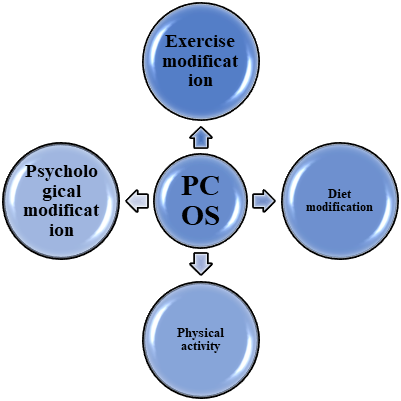
Figure 1. Lifestyle modifications that are needed in managing PCOS
LIFESTYLE MODIFICATION:
The primary line of treatment for women with PCOS is lifestyle modification; nevertheless, it is not a substitute for pharmacological treatment.Clinicalguidelines for various illnesses emphasize the importance of regular physical exercise, maintaining an adequate body weight, adhering to healthy food habits, and abstaining from tobacco use in the prevention and treatment of metabolic disorders.It is a personal decision to prioritize one's general wellbeing and mental health, and although it is not a quick fix, doing so is a crucial first step in living a more satisfying life.[10-12]For many years, one of the therapeutic options for PCOS patients has been nutritional advice.Strict calorie restriction, however, does not have the longterm effects that are anticipated, and even when combined with physical exercise, an isocaloric diet did not significantly enhance the biochemical and anthropometric markers.
Mechanism of Lifestyle in PCOD:
By controlling insulin sensitivity, maintaining a healthy weight, and managing appropriate androgen production, lifestyle changes (including nutrition, exercise, sleep, and so forth) are thought to contribute to the development of PCOS. According to reports, in overweight or obese anovulatory PCOS patients, lifestyle modifications also seem to have an impact on the recovery of normal menstrual cycles and ovulation, as well as raising the likelihood of pregnancy. Obesity is commonly recognized as a key mediator in the development of PCOS. Obese females have lower levels of sex-hormone-binding globulin, which leads to higher levels of androgen in the bloodstream and target tissue, which interferes with regular ovulation. Furthermore, in female bodies, obesity is linked to an increased incidence of insulin resistance, metabolic syndrome, and diabetes mellitus (type 2 diabetes). When compared to metformin, lifestyle changes may lower insulin resistance and raise serum levels of sex-hormone-binding globulins, according to some studies that compared the effects of lifestyle changes and the combination of lifestyle changes and metformin against PCOS. By contrasting the management of lifestyle changes with the management of a combination of lifestyle changes and other interventions, numerous studies have also examined the consequences of improved PCOS manifestations.
EXERCISE MODIFICATION
As more research is done on the benefits of physical activity for human health, it has been demonstrated that exercise can aid female patients with PCOS, and both patients and doctors are beginning to agree with this theory. Setting the right exercise intensity and frequency is always a conundrum when thinking about the best exercise activities to reduce PCOS symptoms. According to a recent meta-analysis, exercise intensity is more likely to be associated with gains in health outcomes than exercise itself. Exercise modifications with vigorous intensity (eight weeks in a row and three sessions of supervised exercise training per week for the last four weeks in a row) were suggested by an RCT investigation. The 40 minutes of a customized exercise regimen, either on a motorized treadmill or a cycle ergometer, preceded by a 10-minute warm-up and a 10-minute cool-down, may have a greater effect on PCOS outcomes (insulin resistance decreased significantly) during each session, which lasts roughly 60 minutes. Conversely, it has been discovered that PCOS patients are more prone to remain inactive than engage in strenuous activity. [13-14] In the short run, moderate aerobic exercise may also help PCOS patients' insulin sensitivity. According to several other research, strength training and intense aerobic exercise can help women with PCOS improve their insulin sensitivity and aberrant testosterone levels. It is advised to engage in at least 150 minutes of aerobic activity every week, with at least 90 minutes of intense exercise.[15]
DIETARY MODIFICATION
Dietary modification is a cornerstone in the management of Polycystic Ovary Syndrome (PCOS) because nutrition directly influences insulin resistance, body weight, hormonal balance, inflammation, and long-term metabolic risk. The primary objective of dietary intervention in PCOS is to improve insulin sensitivity, promote healthy weight management, reduce hyperandrogenism, restore menstrual regularity, and prevent complications such as type 2 diabetes and cardiovascular disease. Rather than restrictive or short-term diets, a sustainable and individualized dietary approach is recommended.In overweight and obese women with PCOS, caloric regulation aimed at gradual weight loss plays a significant therapeutic role. A moderate calorie deficit of approximately 500–750 kcal per day can lead to a 5–10% reduction in body weight, which has been shown to improve ovulatory function, menstrual regularity, insulin sensitivity, and serum androgen levels. Extreme calorie restriction is discouraged as it may worsen metabolic adaptation and reduce long-term adherence.Carbohydrate quality is particularly important in PCOS due to the high prevalence of insulin resistance. Diets emphasizing low glycaemic index and low glycaemic load carbohydrates help reduce postprandial glucose and insulin excursions. Whole grains, legumes, vegetables, fruits, and nuts are preferred sources, while refined carbohydrates such as white bread, sweets, sugar-sweetened beverages, and processed foods should be minimized, as they exacerbate hyperinsulinemia and weight gain.Adequate protein intake contributes to improved satiety, better glycaemic control, and preservation of lean body mass. Diets providing approximately 20–30% of total energy from protein may support weight loss and metabolic health in women with PCOS.[16-19] Lean meats, fish, eggs, dairy products, legumes, soy, and nuts serve as valuable protein sources and help stabilize postprandial blood glucose levels.The quality of dietary fat is more important than the total fat intake in PCOS. Diets rich in monounsaturated and polyunsaturated fatty acids improve lipid profiles and reduce inflammation. Omega-3 fatty acids, in particular, have been shown to lower inflammatory markers and may reduce androgen levels. Healthy fat sources include olive oil, nuts, seeds, avocados, and fatty fish, while saturated and trans fats found in fried and processed foods should be limited due to their adverse effects on insulin resistance and cardiovascular risk.Dietary Fiber intake plays a crucial role in improving insulin sensitivity, gut health, and weight management. A Fiber intake of 25–30 g per day enhances satiety, slows glucose absorption, and improves lipid metabolism. Fiber-rich foods such as whole grains, fruits, vegetables, legumes, and seeds are therefore strongly recommended for women with PCOS.Micronutrient deficiencies are commonly observed in PCOS and may aggravate metabolic and reproductive dysfunction. Vitamin D deficiency has been associated with insulin resistance, menstrual irregularities, and infertility, and adequate intake may improve both metabolic and hormonal outcomes. Minerals such as magnesium and zinc support insulin action and may reduce hyperandrogenic symptoms, while iron supplementation should be reserved for individuals with documented deficiency. Antioxidant-rich foods containing vitamins C and E help reduce oxidative stress, which is elevated in PCOS.Certain functional foods may provide additional benefits in PCOS management. Cinnamon has been shown to improve insulin sensitivity, green tea may enhance fat oxidation and reduce inflammation, and probiotics may positively influence gut microbiota and metabolic health. Although these foods are supportive, they should complement, not replace, a balanced diet.Meal timing and eating patterns also influence insulin response and metabolic regulation. Regular meal patterns, avoidance of meal skipping, and limiting late-night eating help maintain glycaemic stability. Balanced meals containing appropriate proportions of carbohydrates, protein, and healthy fats are recommended to optimize metabolic control. [20-25]Overall, no single dietary pattern is universally effective for all women with PCOS. Dietary approaches such as the Mediterranean diet, DASH diet, and well-planned plant-based diets have shown beneficial effects on metabolic and inflammatory parameters. Personalized nutrition counselling, consideration of cultural food practices, and behavioural support are essential to improve adherence and achieve long-term benefits.
PHYSICAL ACTIVITY
Physical activity plays a pivotal role in the management of Polycystic Ovary Syndrome (PCOS) by improving insulin sensitivity, regulating body weight, reducing hyperandrogenism, and enhancing overall physical and psychological well-being. Regular exercise increases glucose uptake by skeletal muscles independent of insulin, thereby reducing insulin resistance, which is a key pathophysiological feature of PCOS. Both aerobic and resistance forms of exercise contribute to favourable metabolic adaptations, including improved lipid profile, reduced visceral adiposity, and enhanced cardiovascular fitness. [26-28] Moderate-intensity aerobic activities such as brisk walking, jogging, cycling, or swimming performed for at least 150 minutes per week have been shown to improve menstrual regularity and ovulatory function. Resistance training further complements aerobic exercise by increasing lean muscle mass, which elevates basal metabolic rate and improves long-term glycaemic control. High-intensity interval training (HIIT) has also gained attention for its efficiency in reducing insulin resistance and abdominal fat in women with PCOS. Beyond metabolic benefits, physical activity positively influences mental health by reducing stress, anxiety, and depressive symptoms, which are commonly associated with PCOS. Regular exercise also helps lower inflammatory markers and androgen levels, contributing to improvement in clinical features such as hirsutism and acne. Importantly, the benefits of physical activity are observed in both obese and lean women with PCOS, highlighting that exercise should be recommended irrespective of body weight. Long-term adherence to a structured, enjoyable, and individualized exercise regimen is essential to achieve sustained therapeutic benefits in PCOS management. [29-31]
BEHAVIOURAL AND PSYCHOLOGICAL INTERVENTIONS
Behavioural and psychological interventions are an essential component of comprehensive Polycystic Ovary Syndrome (PCOS) management, as the condition is frequently associated with emotional distress, anxiety, depression, disordered eating, and reduced quality of life. Chronic hormonal imbalance, body image concerns related to weight gain, hirsutism, and acne, as well as fertility-related stress, significantly impact mental health in women with PCOS. Psychological stress activates the hypothalamic–pituitary–adrenal (HPA) axis, leading to elevated cortisol levels, which further exacerbate insulin resistance and hormonal dysregulation. Behavioural interventions aim to improve adherence to lifestyle changes by addressing motivation, self-efficacy, and unhealthy coping mechanisms. Cognitive Behavioural Therapy (CBT) has shown effectiveness in reducing depressive symptoms, emotional eating, and stress-related behaviours while promoting sustainable dietary and physical activity habits. Stress management techniques such as yoga, meditation, mindfulness-based practices, and relaxation therapy help lower cortisol levels, improve autonomic balance, and support menstrual regularity. Adequate sleep hygiene is another critical behavioural factor, as poor sleep quality and sleep deprivation are linked to worsening insulin resistance and appetite dysregulation. Psychological counselling and support groups provide emotional reassurance, reduce feelings of isolation, and enhance long-term commitment to lifestyle modification.[32-35] Integrating behavioural and psychological interventions with dietary and physical activity strategies results in improved metabolic control, better reproductive outcomes, and enhanced overall well-being in women with PCOS.
CONCLUSION
Polycystic Ovary Syndrome (PCOS) is a multifaceted endocrine and metabolic disorder affecting women of reproductive age, characterized by hyperandrogenism, ovulatory dysfunction, and polycystic ovarian morphology, frequently accompanied by insulin resistance, obesity, dyslipidaemia, and psychological disturbances. The heterogeneous nature of PCOS, involving genetic, environmental, and lifestyle-related factors, makes its management complex, necessitating a holistic and individualized approach.Lifestyle modification has emerged as the cornerstone of PCOS management, targeting the underlying pathophysiological mechanisms rather than merely alleviating symptoms. Interventions focusing on weight management, dietary optimization, structured physical activity, and behavioural and psychological support have demonstrated significant improvements in reproductive, metabolic, and psychological outcomes. Even modest reductions in body weight (5–10%) or changes in dietary habits can improve insulin sensitivity, regulate menstrual cycles, restore ovulation, and reduce androgen levels, thereby improving fertility and mitigating long-term metabolic risks such as type 2 diabetes and cardiovascular disease.Behavioural and psychological interventions, including stress management, cognitive behavioural therapy, mindfulness, and mood stabilization, play a crucial role in enhancing adherence to lifestyle changes and improving emotional well-being. These interventions address common PCOS-related challenges such as anxiety, depression, emotional eating, body image concerns, and reduced self-efficacy. Integrating mood and mental health management into lifestyle interventions ensures a comprehensive, patient-centered approach that supports sustainable behavioural changes over the long term.Physical activity, encompassing both aerobic and resistance exercises, complements dietary interventions by improving glucose utilization, enhancing cardiovascular fitness, and promoting lean body mass, all of which contribute to better metabolic control. Dietary interventions, particularly those emphasizing low glycemic index foods, adequate protein, healthy fats, and micronutrients, synergistically work with physical activity to regulate insulin and androgen levels, reduce inflammation, and support reproductive health.While pharmacological treatments, such as metformin or hormonal therapies, can manage specific symptoms, their effectiveness is significantly amplified when combined with sustained lifestyle interventions. Therefore, a multidisciplinary approach—involving physicians, dietitians, psychologists, exercise specialists, and patient educators—is essential for tailoring interventions to individual needs, monitoring progress, and fostering long-term adherence.In conclusion, lifestyle modification is not merely an adjunct but the primary therapeutic strategy for PCOS. Early implementation, personalized planning, continuous support, and integration of behavioural, dietary, and physical activity interventions are critical to reducing disease burden, preventing long-term complications, and improving the overall quality of life for women with PCOS. By empowering patients with knowledge, self-management strategies, and psychosocial support, healthcare providers can facilitate meaningful and sustained improvements in reproductive, metabolic, and psychological health, making lifestyle modification a lifelong cornerstone in PCOS management.
REFERENCE

Yashmi Agwina Xavier*1, Vijaya.T2 , Lifestyle Modification and Polycystic Ovary Syndrome (Pcos) - Theoretical Review, Int. J. of Pharm. Sci., 2026, Vol 4, Issue 2, 620-631. https://doi.org/10.5281/zenodo.18490738
 10.5281/zenodo.18490738
