
Rungta Institute of Pharmaceutical Sciences, Bhilai.
People of all ages are susceptible to fungal infections, which are common skin conditions, especially in areas with hot, humid climates. Microorganisms that grow on the skin's surface, such as yeasts and dermatophytes, are the primary cause of these diseases. The risk of infection is greatly increased by a number of circumstances, including inadequate personal cleanliness, heavy perspiration, tight or non-breathable clothing, and a compromised immune system. If left untreated, the common symptoms—itching, redness, irritation, scaling, inflammation, and general discomfort—can interfere with day-to-day activities.1Because they are safe and have few negative effects, natural and herbal skincare products have become more popular in recent years. One such product made with plant-based substances like neem, turmeric and clove is herbal antifungal soap. Strong antifungal, antibacterial, and anti-inflammatory qualities found in these natural ingredients aid in preventing fungal growth, lowering infection rates, and fostering healthy skin. Herbal soaps are mild on the skin and appropriate for frequent use, in contrast to synthetic soaps that could include harsh chemicals.2The composition, mode of action, advantages, and assessment of herbal antifungal soap are the main topics of this review. It demonstrates how safe, economical, and environmentally beneficial solutions for preserving skin cleanliness and avoiding fungal infections may be created using natural materials.
The largest and most vital organ in the human body is the skin. It serves as a barrier of defense against dangerous environmental elements like dust, bacteria, toxins, and pollutants. The skin is involved in sensing and temperature regulation in addition to providing protection. However, the skin becomes extremely susceptible to a variety of illnesses, particularly fungal infections, as a result of continuous exposure to the outside world.2
Microscopic organisms that flourish in warm, humid, and moist environments are the source of fungal diseases. Usually affecting the skin's outer layer, these infections have the potential to spread if left untreated. Ringworm, athlete's foot, and candidiasis are a few of the most prevalent fungal illnesses. Itching, redness, irritation, inflammation, and occasionally scaling of the skin are the typical symptoms of these disorders. These infections are more common in those who live in tropical areas, perspire a lot, or wear tight clothing.2Because synthetic skincare products contain harsh chemicals, there has been an increase in skin-related issues. The skin's natural protective barrier can be harmed by many chemical-based cleansers and treatments, resulting in dryness and irritation. Consequently, there is an increasing need for safer and more skin-friendly natural and herbal substitutes.2
An efficient natural remedy that combines the advantages of therapeutic herbs with purifying qualities is herbal antifungal soap. Because of their therapeutic qualities, components including neem, turmerichave been utilized in traditional medicine for ages. These components aid in preventing fungal growth, relieving irritated skin, and preserving the general health of the skin when added to soap.3The purpose of this article is to give readers a thorough grasp of herbal antifungal soap, including its composition, mode of action, advantages, and significance for keeping good skin cleanliness. Additionally, it highlights the use of herbal compounds as a sustainable and safe substitute for items made with chemicals.3
Fungal infections
Yeasts and molds are the two main types of fungi. While mold colonies are made up of filamentous strands called phae. Even while invasive fungal infections are becoming more common, they are still challenging to identify, avoid, and treat.
and treat Mycosis, another name for a fungal infection, is a skin condition brought on by a fungus. Fungi have millions of different species. They inhabit domestic,surfaces,plants,dirt.
and on your skin. They can occasionally result in skin issues like pimples or rashes.5
Fungal Infection Causes
Herbal Antifungal Drugs' Function
Antifungal medications can cause drug-drug interactions, have unfavorable side effects, be extremely toxic, or cause resistance. Additionally, some medications are no longer as successful as they once were as therapeutic agents. Finding substitute antifungal medications has therefore become a top priority in recent years. In the pharmaceutical sector, natural ingredients are crucial to drug development initiatives. In order to develop safer, less poisonous, and more potent medications, a number of medicinal plants have been thoroughly investigated. The most recent antifungal medications to be used in clinical settings include sordarines and echinocandines made from natural substances. Because herbal formulations have good activity and relatively fewer side effects than synthetic medications, they have traditionally garnered a lot of attention.5
Soap
A soap is a salt of a substance called a fatty acid. A carboxylic acid group on one end of a soap molecule's lengthy hydrocarbon chain forms an ionic bond with a metal.ion, typically potassium or sodium. They are carboxylate salts with extremely long hydrocarbon chains; the hydrocarbon end is non-polar and highly soluble in non-polar substances, while the ionic end is soluble in water. They can be produced by the basic hydrolysis of an oil or fat. Although it is utilized in textile spinning, it serves as a surfactant for cleaning, washing, and bathing.6 Soaps' ability to emulsify or distribute water-insoluble substances and retain them in the suspension of water is what gives them their cleaning properties. This capability is evident from the soap's molecular structure. Soap or detergent molecules encircle oil droplets when they are applied to water that includes oil or other substances that are insoluble in water. While the ionic end enables it to dissolve in water, the oil is dissolved in the alkyl groups of the soap molecules. Consequently, the oil droplets can be rinsed away and distributed throughout the water.6
MATERIAL AND METHOD
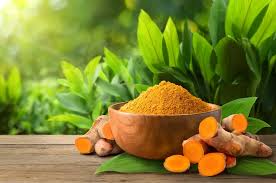
1.Turmeric
Biological name: Curcuma longa
Common name: haldi
Chemical constituents: protein, fat, Mineral and Carbohydrates.
Part typically used: root
Pharmacological Action: Antifungal, anti-inflammatory, antioxidant
Uses: Promotes wound healing and reduces skin infections4
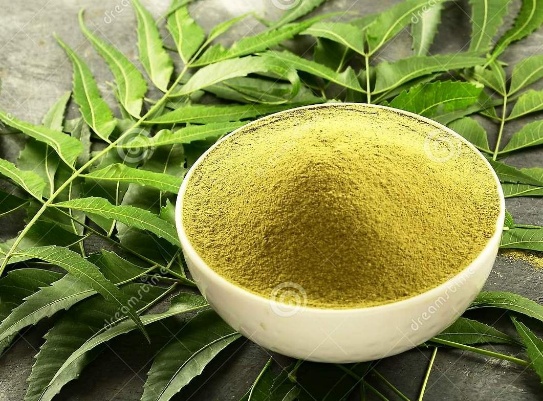
2. Neem
Biological Name: Azadirachta indica
Family: Meliaceae
Common Name: Neem
Part Used: Leaves
Chemical Constituents: Azadirachtin, Nimbin, Nimbidin
Pharmacological Action: Antifungal, antibacterial, anti-inflammatory
Uses: Used in skin infections, eczema, itching, and dandruff 4
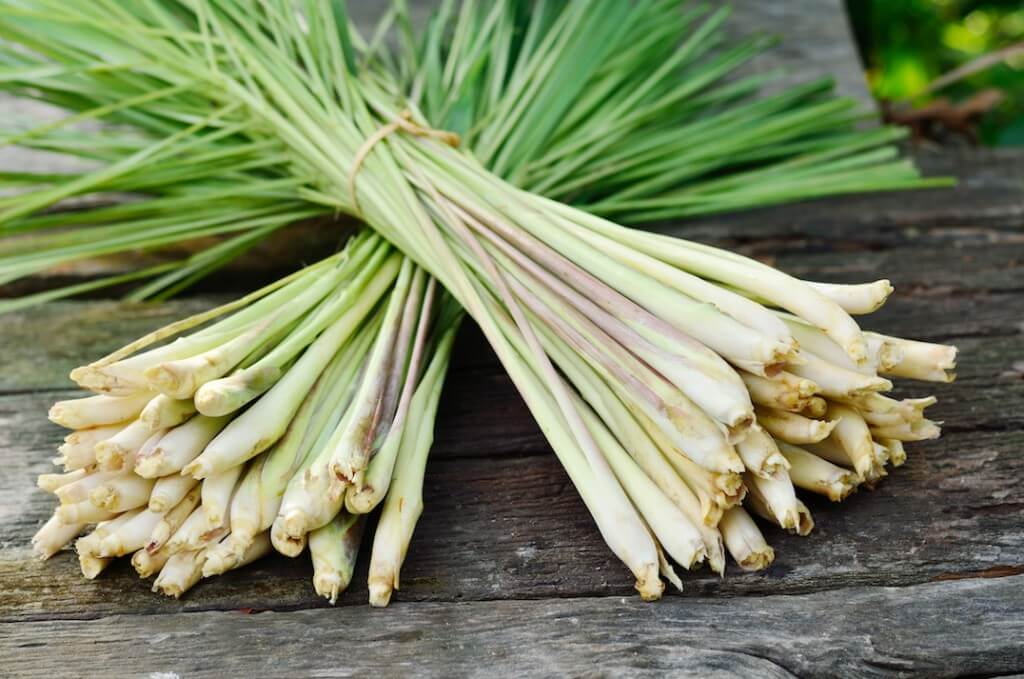
3. Lemongrass
Biological Name: Cymbopogon citratus
Family: Poaceae
Common Name: Lemongrass
Part Used: Leaves (Oil)
Chemical Constituents: Citral, Geraniol
Pharmacological Action: Antifungal, deodorizing
Uses: Provides fragrance and prevents microbial growth4
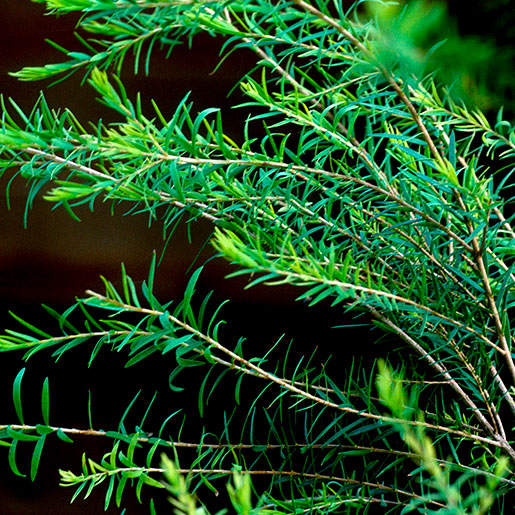
4. Tea Tree
Biological Name: Melaleuca alternifolia
Family: Myrtaceae
Common Name: Tea Tree
Part Used: Leaves (Oil)
Chemical Constituents: Terpinen-4-ol, Cineole
Pharmacological Action: Strong antifungal, antimicrobial
Uses: Used in acne, fungal infections, and skin cleansing4
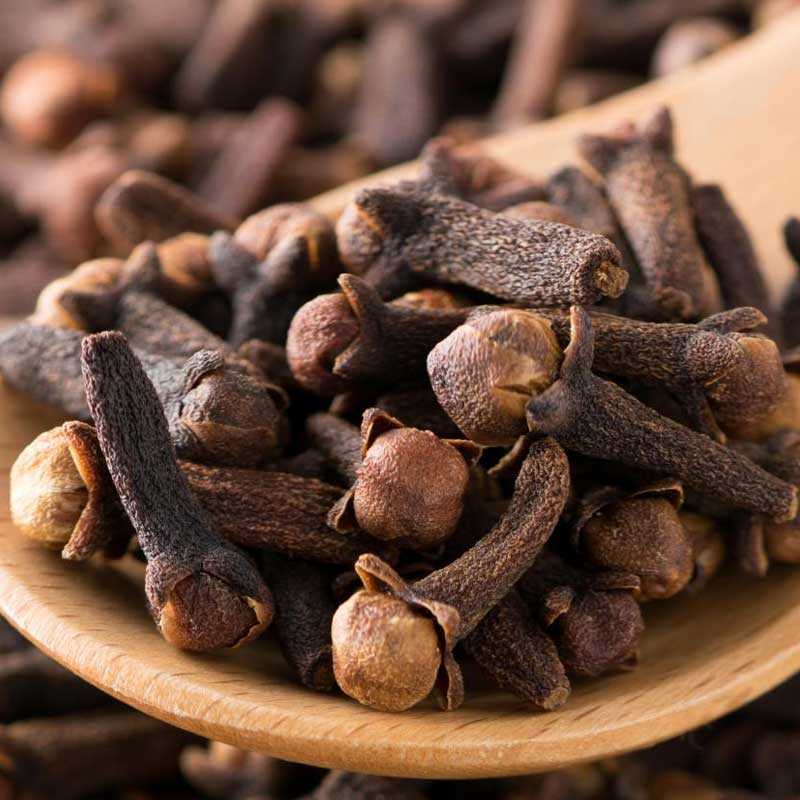
5. Clove
Biological Name: Syzygium aromaticum
Family: Myrtaceae
Common Name: Clove
Part Used: Flower buds
Chemical Constituents: Eugenol
Pharmacological Action: Antifungal, antiseptic, analgesic
Uses: Reduces pain, irritation, and fungal infection 4
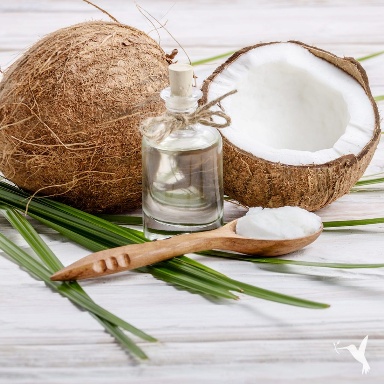
6. Coconut Oil
Biological Name: Cocos nucifera
Family: Arecaceae
Part Used: Kernel oil
Chemical Constituents: Lauric acid, Capric acid
Pharmacological Action: Antimicrobial, emollient
Uses: Cleanses and moisturizes skin7
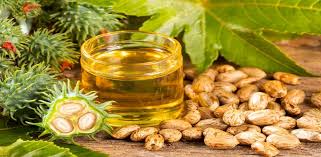
7. Castor Oil
Biological Name: Ricinus communis
Family: Euphorbiaceae
Part Used: Seeds (Oil)
Chemical Constituents: Ricinoleic acid
Pharmacological Action: Moisturizing, antimicrobial
Uses: Improves lather and softens skin7
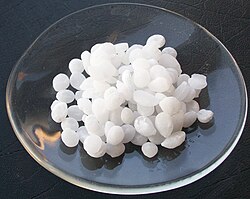
8. Sodium Hydroxide
Chemical Name: Sodium Hydroxide
Formula: NaOH
Category: Alkali
Role: Used in saponification process
Uses: Converts oils into soap7
9. Distilled Water
Category: Solvent
Role: Dissolves NaOH and helps in soap formation
Uses: Ensures purity and proper chemical reaction7
To prepare 150 g herbal antifungal soap, the following ingredients were taken:
|
S.No. |
Ingredient |
Quantity (g) |
Quantity (ml) |
Function |
|
1 |
Coconut Oil |
80 g |
~87 ml |
Hardness & cleansing |
|
2 |
Castor Oil |
20 g |
~21 ml |
Moisturizing & lather |
|
3 |
Sodium Hydroxide (NaOH) |
15 g |
— |
Saponification agent |
|
4 |
Distilled Water |
25 ml |
25 ml |
Lye solution |
|
5 |
Neem Powder |
5 g |
— |
Antifungal |
|
6 |
Turmeric Powder |
2 g |
— |
Antiseptic |
|
7 |
Clove Powder |
1 g |
— |
Antifungal & antibacterial |
|
8 |
Tea Tree Oil |
1.5 ml |
1.5 ml |
Antifungal |
|
9 |
Lemongrass Oil |
1.5 ml |
1.5 ml |
Fragrance + antimicrobial |
Procedure
The following procedures were used to create herbal antifungal soap using the cold process method:
Step 1: NaOH Solution Preparation
• A beaker was filled with 25 milliliters of distilled water.
• 15 g of sodium hydroxide was applied gradually.
• It was gently stirred.
• The mixture was let to cool.
Step 2: Oil Mixture Preparation
• 80 grams of coconut oil were used.
• It was heated gradually until it melted.
• 20 grams of castor oil were added.
• Properly mixed
Step 3: Combining Oils with NaOH Solution
• NaOH solution was gradually added to the oil mixture after cooling.
• Constantly stirred
• The mixture thickened.
Step 4: Including Herbal Components
• The addition of neem powder
• Powdered turmeric was added.
• The addition of lemongrass oil
• The addition of tea tree oil
Properly mixed
Step 5: Molding
• The mixture was put into the soap mold.
• Left undisturbed for a full day.
Step 6: Curing
• The mold was cleaned of soap.
• Dried for one to two weeks.
CONCLUSION
The study's overall findings indicate that fungal infections are a prevalent skin ailment, particularly in warm, humid climates, and that maintaining good hygiene is essential to preventing them. Using herbal antifungal soap offers a safe, natural method of managing these diseases without damaging the skin.9 in health iThe use of neem, turmeric and clove in the creation of herbal soap demonstrates the potent antifungal, antibacterial, and anti-inflammatory properties of plant-based substances. Together, these components lessen microbial development, relieve irritation, and promote the preservation of healthy skin.9 Herbal soap is also easy to create and reasonably priced, making it appropriate for both frequent personal usage and small-scale production. Herbal formulations are safer, more environmentally friendly, and better suited for long-term usage than synthetic ones.10
As a result, herbal antifungal soap can be regarded as a sensible and trustworthy substitute for preserving skin hygiene and avoiding fungal infections. Regular application not only aids in infection control but also naturally enhances skn general.12
REFERENCES
International Journal of Pharmaceutical Research, 2012..
Publication, 2009.
Technology. 3rd Edition, Informa Healthcare, 2009.
Pharmaceutical and Scientific Innovation, 2015.
International Journal of Pharmaceutical Research, 2012..

Omprakash Dewangan, Shweta Ram, Suchita Wamankar Dr.Gyanesh Kumar Sahu, Dr. Chanchal Deep Kaur, Plant-Based Anti-Fungal Soap Formulations: A Systematic Review on Development and Assessment., Int. J. of Pharm. Sci., 2026, Vol 4, Issue 3, 4106-4111, https://doi.org/10.5281/zenodo.19355697
 10.5281/zenodo.19355697
