
Vidya Niketan Institute of Pharmacy and Research Centre, Bota
Nanoparticle-based drug delivery systems (NDDS) have revolutionised cancer therapy by offering targeted, efficient, and less toxic treatment options compared to conventional methods. These systems utilise engineered nanoparticles—such as liposomes, polymeric carriers, metallic particles, dendrimers, and carbon nanotubes—to enhance the pharmacokinetics and bioavailability of anticancer agents. NDDS enable site-specific drug accumulation through passive targeting (via the enhanced permeability and retention effect) and active targeting (using ligands for receptor-mediated uptake), thereby minimising damage to healthy tissue. Nanoparticles can bypass multidrug resistance mechanisms, such as efflux pumps, and are increasingly integrated into combination therapies, immunotherapy, and gene-based treatments.
Cancer is one of the most major global health issues, constantly ranking as a leading cause of death despite significant advances in detection and treatment. Traditional cancer treatments, such as chemotherapy, radiation, and surgical procedures, have intrinsic limitations, despite their widespread application. Nanotechnology has emerged as a revolutionary alternative to cancer treatment, eliminating many of the challenges that conventional therapies encounter. Nanoparticle-based drug delivery systems (NDDS) are at the forefront of this research, leveraging the distinctive characteristics of nanoscale materials (1 to 100 nanometres).
A key benefit of NDDS is their capacity to harness the enhanced permeability and retention (EPR) effect. Nanoparticles collect passively within tumour tissue as a result of abnormal, leaky blood arteries and inadequate lymphatic drainage, offering a natural targeting mechanism. This dual method, which uses both passive and active targeting mechanisms, considerably increases drug delivery precision by raising therapeutic agent concentration at the tumour site while minimising off-target effects.
Types of Nanoparticles used in Cancer Therapy
Nanoparticle-based drug delivery systems have revolutionised cancer treatment, providing increased medication bioavailability, targeted administration, and fewer side effects. Several varieties of nanoparticles have been produced, each with unique features that can be customised for various cancer therapies. The major types used in cancer therapy include liposomes, polymeric nanoparticles, metallic nanoparticles, dendrimers, carbon nanotubes, and exosomes.
1.1. Liposomes.
Liposomes are spherical vesicles consisting of one or more phospholipid bilayers, which can encapsulate both Hydrophilic and hydrophobic drugs. Liposomes have been widely used in cancer therapy due to their biocompatibility, Ability to encapsulate a wide range of drugs, and their potential for passive tumor targeting through the enhanced Permeability and retention (EPR) effect. One of the earliest FDA-approved liposomal formulations is Doxil®, a PEGylated liposomal doxorubicin, which has been Used in the treatment of various cancers, including ovarian cancer and Kaposi’s sarcoma.
1.2. Polymeric Liposomes.
Polymeric nanoparticles are created from biodegradable polymers such as PLGA, PCL, and chitosan. PLGA-based nanoparticles have been widely explored for their ability to encapsulate chemotherapeutic drugs and offer sustained release. They showed promising results in improving drug absorption while minimising negative effects. For example, PLGA nanoparticles containing paclitaxel have been produced to improve efficacy while reducing toxicity.
1.3. Metallic Nanoparticle.
Metallic nanoparticles, including gold, silver, and iron oxide nanoparticles, provide distinct qualities such as facile surface modification, optical properties, and magnetic responsiveness. Gold nanoparticles can be used to enhance the effectiveness of radiation therapy or in collaboration with photothermal agents to cause localised heating that kills cancer cells. Iron oxide nanoparticles are primarily applied in magnetic hyperthermia and as contrast agents for magnetic resonance imaging (MRI), which aid in the diagnosis and treatment of cancer.
1.4 Dendrimers.
Dendrimers are highly branching, tree-like synthetic polymers that may carry medicinal molecules. Their well-defined shape, multivalency, and interior voids make them suitable for encapsulating a diverse spectrum of therapeutic substances, which include medicines, genes, and imaging agents. Dendrimerbased drug delivery systems demonstrate promise in delivering chemotherapeutic drugs, such as doxorubicin, to cancer cells with improved targeting while minimising overall toxicity.
1.5 Carbon nanotubes (CNTs).
Carbon nanotubes (CNTs) are cylindrical nanostructures made from graphene sheets coiled into tube-like shapes. Their unique mechanical, electrical, and thermal properties make them ideal for medication administration, imaging, and photothermal therapy. CNTs also play a role in cancer imaging and therapy by absorbing near-infrared light and converting it into heat that destroys cancer cells.
1.6. Exosomes.
Exosomes are naturally occurring extracellular vesicles that range in size from 30 to 150 nm. They are expelled by many kinds of cells.
These vesicles serve an important role in intercellular communication and can transport proteins, lipids, and nucleic acids. Exosomes can be used in cancer therapy to carry chemotherapeutic drugs, nucleic acids (such as siRNA or miRNA), and even immunomodulatory compounds. Exosome-based drug delivery systems are currently in the earliest stages of development, but they do have the potential to deliver personalised cancer treatments due to their natural targeting abilities.
1.7. Mesoporous Silica Nanoparticles (MSNs).
Mesoporous silica nanoparticles (MSNs) are a kind of inorganic nanoparticle differentiated by a large surface area, huge pore volume, and adjustable pore size. MSNs have been researched for their potential to deliver chemotherapy drugs such as doxorubicin, paclitaxel, and cisplatin. They display promise in establishing regulated medication release, boosting therapeutic efficacy, and reducing and reducing Side effects in cancer treatment
Mechanism of Nanoparticle Based Drug Delivery System of Cancer Therapy:
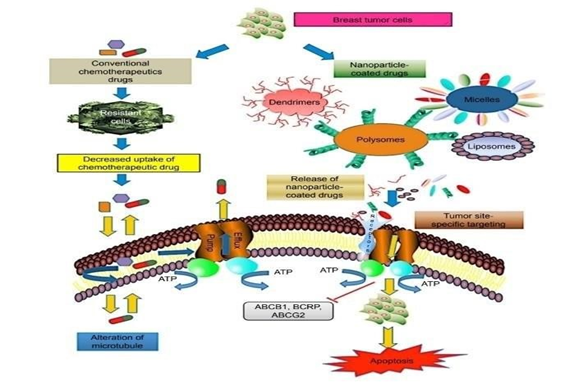
Fig1. Mechanism of Nanoparticle Based Drug Delivery System of Cancer Therapy:
By enhancing targeting, lowering off-target effects, and guaranteeing regulated drug release, nanoparticles (NPs) provide a number of unique drug delivery methods that can improve the therapeutic index of anticancer drugs. These processes usually entail surface modification for more accurate delivery or passive and active targeting techniques that make use of the distinct physiological features of tumours.
2.1. Passive Targeting via the Enhanced Permeability and Retention (EPR) Effect.
Passive targeting, which makes use of the increased permeability and retention (EPR) effect, is one of the primary techniques for drug delivery using nanoparticles. By entering the tumour through these leaky vasculatures and building up because of inadequate drainage, nanoparticles in the 10–100 nm size range may benefit from the EPR effect.
2.2. Active Targeting via Ligand-Modified Nanoparticles.
While passive targeting takes advantage of malignancies' natural physiological characteristics, such as leaky vasculature and poor lymphatic drainage, active targeting delivers a higher level of precision. Active targeting requires altering nanoparticles with ligands, peptides, or antibodies that have a high affinity for certain receptors that are frequently overexpressed on cancer cell surfaces.
2.3. Ligands commonly used for active targeting include:
Nanoparticles functionalised with aptamers can target tumour markers.
2.4. Controlled Drug Release.
One of the biggest advantages of nanoparticle-based drug delivery systems is the ability to control drug release.
2.5 Nanoparticle Uptake by Cells.
Once nanoparticles reach the tumour site, they must be absorbed by cancer cells to be able to release their therapeutic payload. Nanoparticles can enter cells by a variety of endocytic mechanisms, including clathrinmediated endocytosis, caveolae-mediated endocytosis and macropinocytosis. The size, shape, surface charge, and content of the nanoparticle all influence its uptake by cells.
Multistage Nanoparticles: These nanoparticles are created to change their size or surface characteristics after arriving to the tumour, allowing them to penetrate deeper into the• Enzyme-Responsive Nanoparticles: Certain nanoparticles are designed to release enzymes such as collagenase that degrade the ECM, allowing better penetration of the drug into the tumor core.
Nanoparticles, also known as NPs, have been extensively studied and employed in treatment of cancer, resulting in advances in chemotherapy, radiation therapy, photothermal therapy (PTT), and immunotherapy.
Conventional chemotherapy is frequently associated with systemic toxicity, low absorption, and the inability to distinguish healthy from malignant cells.
Nanoparticles can encapsulate a variety of chemotherapeutic medicines, including paclitaxel, doxorubicin, cisplatin, and docetaxel, preserving them from premature degradation and increasing their bioavailability. Nanoparticles can improve drug solubility and stability in the bloodstream, allowing them to circulate for longer periods of time.
Nanoparticles can also deliver multiple drugs simultaneously, enabling combination therapies that attack cancer through different pathways. For instance, polymeric nanoparticles have been developed to co-deliver paclitaxel and cisplatin, two chemotherapeutic agents with complementary mechanisms of action.
The use of radiation (RT) is a standard cancer treatment, even though it often causes collateral damage to healthy tissues near the tumour. Nanoparticle-based technologies have showed promise in increasing the efficacy of RT while decreasing adverse effects to normal tissues.
Nanoparticles can be created as radiosensitizers, increasing tumour cells' sensitivity to radiation. Metallic nanoparticles, particularly gold nanoparticles (AuNPs), have demonstrated considerable potential in this application due to their abilities. To increase the local radiation dose obtained by the tumour.
Nanoparticles can also be used to combine radiation therapy and chemotherapy by conducting both a radio sensitiser and. A chemotherapeutic agent in a single platform. For instance, research has demonstrated that platinum-based chemotherapy drugs, such as cisplatin, can act as radio sensitizers.
Photothermal therapy (PTT) employs nanoparticles that absorb near-infrared (NIR) light and turn it into heat, thereby specifically eliminating cancer cells via hyperthermia. Metallic nanoparticles, such as gold nanorods, gold nanoshells, and carbon nanotubes, are suitable candidates for PTT due to their important optical absorption capabilities in the near-infrared range, where biological tissues receive little.
Gold nanoparticles are commonly utilised in PTT since they are biocompatible and can absorb NIR light. When exposed to NIR light, gold nanoparticles generate heat that can cause thermal ablation of cancer cells. By modifying the surface of gold nanoparticles with targeting ligands, they can be steered to tumours while minimising damage to surrounding healthy tissues.
Carbon nanotubes (CNTs) are another type of nanoparticle that has high NIR absorption and photothermal conversion efficiency. Functionalised CNTs can deliver medicines or be combined with PTT to provide dual therapy.
Immunotherapy, that employs the body's immune system to combat cancer, has shown tremendous promise in cancer treatment. Nanoparticles can be designed to improve the delivery of immunotherapeutic drugs such as immune.
Immune checkpoint drugs, particularly anti-PD-1 and anti-CTLA-4 antibodies, have transformed cancer treatment. However, systemic dosing can result in immune-related side effects. Nanoparticles can be tailored to deliver checkpoint inhibitors directly to the tumour microenvironment, enhancing efficacy while minimising off-target effects.
Nanoparticles are also being studied as transporters for cancer vaccines, which activate the immune system to recognise and fight cancer cells. Nanoparticles can shield antigens from degradation, simultaneously increasing their absorption by dendritic cells, thereby boosting the immune response.
Nanoparticles provide a versatile and efficient platform for delivering nucleic acids such as small interfering RNA (siRNA), microRNA (miRNA), and plasmid DNA (pDNA), which are used to regulate or modulate gene expression in cancer cells, potentially silencing oncogenes or restoring tumour suppressor genes.
Silencing specific genes implicated in cancer progression, such as oncogenes or drug resistance genes, is a promising therapeutic strategy. Nanoparticles can encapsulate siRNA molecules, shielding them from nucleases and assuring
This CRISPR-Cas9 gene-editing system supports precise genome modification that makes it a powerful instrument for fixing genetic abnormalities associated with cancer.
Despite the promises and potential of nanoparticles (NPs) in cancer therapy, clinical translation presents numerous hurdles.
One of the most difficult aspects of designing effective nanoparticle-based medication delivery systems is the complexity of their design and production.
The dimensions and shapes of nanoparticles influence their biological behaviour, such as circulation time, tumour penetration, and cellular uptake.
4.3 Surface Effectiveness and Stability.
Nanoparticles must be surface-functionalised with ligands or stabilising agents, including polyethylene glycol (PEG), for improved targeting and circulation times.
Following systemic administration, nanoparticles face a number of biological hurdles that prevent them from reaching the tumour site, including protein adsorption, immune system recognition, and fast clearance by the liver and kidney.
Once in the bloodstream, nanoparticles quickly become covered with proteins, generating a protein corona. This corona modifies the particle's surface characteristics, which influence immune cell identification, circulation time, and cancer cell absorption.
Nanoparticles are frequently detected by the mononuclear phagocyte system (MPS), which includes macrophages in the liver and spleen. As a result, these organs sequester a considerable proportion of the injected nanoparticles, significantly decreasing their ability to reach the tumour.
Nanoparticles can passively in to the raised permeability and retention (EPR) effect, they frequently have trouble penetrating deep into tumour tissue.
Nanoparticles must be able to transport enough therapeutic substances to accomplish the intended impact.
Due to their small size, nanoparticles frequently have limited medication loading capacity. High drug loading might cause nanoparticle aggregation or destabilisation, but inadequate drug loading may result in inadequate therapeutic results.
Uncontrolled or premature medication release can occur during circulation, leading to toxicity and diminished efficacy.
The safety of nanoparticle-based systems is a serious problem, especially in regard to immunogenicity, toxicity, and long-term biocompatibility.
Some nanoparticles, particularly those that are non-biodegradable or formed of synthetic materials, can be recognised by the immune system as foreign particles, resulting in immune system activation. This may lead to inflammation and hypersensitivity responses, as well as anaphylaxis.
Certain nanoparticles, particularly those made of heavy metals (e.g., gold, silver, or quantum dots), may build up in organs such as the liver, kidneys, and spleen, potentially causing permanent harm.
4.14 Manufacturing & Scalability
Another significant challenge is the scalable production of nanoparticles with consistent quality, reproducibility, and stability, given that the intricate processes involved in nanoparticle synthesis, such as precise control over particle size, shape, and surface properties, are difficult to replicate on a large scale.
4.15 Reproducibility and Batch Variability
Small variations in nanoparticle synthesis parameters (for example, temperature, solvent, or reactant concentrations) might result in considerable differences in size, surface characteristics, and drug loading effectiveness Cost.
4.16 Case and Feasibility with Large-Scale Production
The high cost of raw materials and the complexity of the nanoparticle production process make it difficult to develop nanoparticle-based therapeutics upon a cost-effective scale.
4.17 Regulatory and Clinical Approval
Getting regulatory approval for nanoparticle-based medicines is an intricate and laborious procedure.
4.18 Regulatory challenges
Because nanoparticles differ significantly from traditional medications in size, structure, and behaviour in the body, regulatory bodies must develop new criteria for assessing their safety, efficacy, and manufacturing quality.
4.19 Clinical Translation.
Despite the enormous number of nanoparticle-based medicines under development, just a few have succeeded in making it into clinical trials. The complex nature of nanoparticle design, diversity in biological performance, and difficulty scaling up production all contribute to the delayed rate of clinical translation.
The transition from laboratory research to clinical application of nanoparticle-based drug delivery systems requires traversing complex regulatory procedures to ensure safety, efficacy, and quality. Understanding the regulatory landscape is critical for research and development.
Regulatory organisations such as the United States Food and Drug Administration (FDA), the European Medicines Agency (EMA), and other international organisations have produced criteria for assessing the safety and efficacy of nanoparticle-based drug delivery systems.
Nanoparticle-based drug risk assessment focuses on potential toxicity, immunogenicity, and impact on the environment. Regulatory agencies demand comprehensive preclinical studies that include in vitro and in vivo evaluations of the nanoparticles' safety profile, biodistribution, pharmacology, and potential adverse reactions.
Nanoparticle manufacturing regulations must ensure consistent and high-quality results across batches. Regulatory guidelines stress the significance of standardising synthesis techniques, purification processes, and characterisation methodologies.
The approval process for nanoparticle-based therapeutics is often a tiered clinical trial approach similar to traditional drug development, including preclinical research followed by Phase I, II, and III trials to assess safety, effectiveness, and dose.
Research investigations for nanoparticle-based therapeutics typically include three phases:
5.6 Adaptive Trial Design
Given the heterogeneity in patient responses to nanoparticle-based therapeutics, adaptive trial designs are gaining popularity. These designs enable trial technique alterations based on interim results, allowing nanoparticle formulation testing to be more flexible and efficient.
5.7 Post-Market Surveillance and Real-World Data
Once licensed, nanoparticle-based medicines must be continuously monitored via post-market surveillance to verify their long-term safety and efficacy.
5.8 Generating Evidence within the Real World
Real-world information gathered from electronic health records, patient registries, and observational studies may augment clinical trial data to provide insights into treatment outcomes, adverse events, and patient-reported outcomes.
5.9 Pharmacovigilance & Risk Management
Regulatory agencies demand continuous pharmacovigilance for authorised nanomedicines to monitor their safety profiles following approval. Risk management measures should be implemented to handle possible adverse reactions and maintain patient safety.
As scientific understanding of nanoparticle-based drug delivery systems for cancer therapy advances, it is critical to address patient viewpoints and ethical concerns about these novel treatments. Understanding patient requirements, concerns, and experiences may make a substantial impact on the acceptance and efficacy of these treatments.
6.1 Patient Awareness and Education
Patient education is essential to the effective deployment of nanoparticle-based therapeutics.
6.2 Improving Patient Knowledge
Effective communication between healthcare providers and patients is able to clarify nanoparticle-based therapy. Healthcare experts should provide clear and understandable information on how these medicines operate, their methods of action, and predicted results.
6.3 Informed Consent.
Obtaining informed consent is essential in healthcare settings. Patients should be completely educated about the risks, benefits, and uncertainties associated with nanoparticle-based therapeutics prior to enrolling in clinical studies or getting treatments.
6.4 Ethical Considerations for Nanomedicine
The implementation of nanomedicine, particularly in cancer therapy, raises several ethical concerns that must be addressed in order to assure responsible research and clinical practice.
6.5 Equitable Access to Treatment
As nanoparticle-based medicines are developed, it is critical to consider access and equity. These medicines may necessitate significant technology and training, which results in inequities in treatment availability among populations.
6.6 Long-term consequences and unknown risks
While nanoparticles have shown promise in increasing medicine delivery and decreasing side effects, their long-term impact on human health is unknown. The ethical tenet of "do no harm" requires extensive investigation into the safety and potential adverse reactions of these medicines before they are commonly utilised.
6.7 Environmental Impact
The manufacture and disposal of nanoparticle-based pharmaceuticals raises environmental problems. Nanoparticles' environmental toxicity, accumulation in ecosystems, and long-term consequences on biodiversity warrant careful consideration.
Despite the potential for nanoparticle-based drug delivery systems, several kinds of problems and restrictions must be overcome before they can be successfully clinically used.
7.1 Heterogeneity in Tumour Microenvironments.
Cancer heterogeneity significantly reduces the efficacy of nanoparticle-based treatments. Tumours frequently have diverse cellular features, microenvironment circumstances, and therapeutic resistance mechanisms.
7.2 Toxicology and Biocompatibility Issues
While nanoparticles provide tailored medicine delivery, issues concerning their toxicity and biocompatibility persist. The long-term implications of nanoparticle accumulation in the body are still poorly known.
7.3 Scalability and Manufacturing Challenges.
Moving from laboratory-scale to commercial-scale production of nanoparticles poses particular challenges. Maintaining uniformity and quality across large batches is critical to regulatory approval and market success.
7.4 Regulatory and approval hurdles.
Navigating the regulatory landscape for nanoparticle-based therapeutics can be challenging since these therapies differ from standard pharmaceuticals in both structure and behaviour in biological systems. Due to their unique properties, nanoparticles must be thoroughly evaluated for safety and efficacy, necessitating extra research to check criteria such as particle size, surface charge, and biodistribution.
CONCLUSION
To summarise, nanoparticle-based drug delivery systems represent an enormous advancement in cancer therapy, overcoming many of the constraints associated with traditional treatments such as chemotherapy, radiotherapy, and surgery. These systems improve patient outcomes by allowing for the targeted delivery of therapeutic drugs directly to tumour cells, minimising harm to healthy tissues and systemic toxicity.Nanoparticles allow for controlled and sustained drug release, enhancing the bioavailability of drugs and ensuring that they remain active the tumor site for longer periods.
Nanoparticles can also use passive targeting, including the increased permeability and retention (EPR) effect, along with active targeting, which involves surface modification with ligands or antibodies that bind to specific cancer cell receptors. This dual-targeting ability improves treatment accuracy, allowing medications to be delivered more effectively to tumour cells while preserving normal cells. Nanoparticles are especially important in overcoming drug resistance, a fundamental obstacle in cancer therapy, because they bypass biological mechanisms that cancer cells use to avoid chemotherapy. In addition, the ability of nanoparticles to carry numerous medications simultaneously allows for combination therapy, which can target cancer through distinct biological pathways, increasing therapeutic efficacy and minimising the likelihood of resistance development.
REFERENCES

Nehe Anushka, Iktar Pragati, Aher Manjusha, Nanoparticle Based Drug Delivery System of Cancer Therapy, Int. J. of Pharm. Sci., 2026, Vol 4, Issue 3, 1445-1456. https://doi.org/10.5281/zenodo.19007588
 10.5281/zenodo.19007588
