
1,2 M.M College of Pharmacy, Maharishi Markandeshwar (Deemed to be University), Mullana, Ambala, 133207, Haryana, India
1 CBS College of Pharmacy and Technology, Faridabad, Haryana, 121001
Nanosponges represent a significant advancement in nanomaterials, drawing considerable interest for their unique properties and extensive applications in drug delivery, particularly in enhancing solubility, stability, sustained release, and bioavailability. These distinctive three-dimensional, porous structures are adept at encapsulating a wide array of drug molecules within their cavities, facilitating targeted and controlled delivery to specific physiological sites. This innovative methodology effectively overcomes limitations associated with conventional oral dosage forms, such as unpredictable gastric emptying and suboptimal drug retention, thereby markedly improving therapeutic efficacy and patient adherence. The nanoscale dimensions coupled with substantial porosity enable nanosponges to efficiently entrap both hydrophilic and lipophilic drugs, establishing them as a highly versatile platform for a diverse range of pharmaceutical compounds. Furthermore, nanosponges play a crucial role in mitigating issues related to drug toxicity, enhancing drug stability, and modulating drug distribution and elimination within the body. These attributes position nanosponges as highly promising and exemplary carriers for various therapeutic modalities, including vaccines, antibodies, and enzymes, offering a refined approach to drug formulation and delivery. This review critically examines the fundamental principles of nanosponge-based drug delivery systems, encompassing their preparation techniques, evaluation methodologies, and the inherent challenges encountered in their industrial synthesis and research.
Background
The field of drug delivery has continuously evolved to overcome limitations of conventional therapies, leading to the development of novel drug delivery systems aimed at optimizing therapeutic efficacy and patient outcomes [1,2]. Traditional oral drug administration, while convenient and widely preferred, faces significant physiological and physicochemical hurdles that can compromise therapeutic effectiveness [3]. Challenges include low bioavailability, limited drug loading capacity, and stability issues [4]. Conventional oral dosage forms are also associated with issues such as low site-specific accumulation, unfavorable body distribution, and adverse side effects [3]. Other obstacles include lack of acceptable bioavailability for certain molecules, first-pass metabolism, gastrointestinal disorders due to irritation, high dose frequency, low medication adherence, and swallowing difficulties [5]. The poor solubility and dissolution of drugs are also significant challenges in oral delivery, often requiring advanced formulation strategies to improve absorption [6,7]. These factors collectively highlight the persistent need for innovative delivery approaches that can control drug release, enhance drug stability, and improve drug targeting to specific sites within the body [8,9].
Need for Gastroretention
Gastroretentive drug delivery systems have emerged as a crucial strategy to overcome many challenges of conventional oral drug administration, particularly for drugs that benefit from prolonged gastric residence [10,11]. Gastroretention is especially important for drugs primarily absorbed in the stomach or upper small intestine, those acting locally in the stomach, or those exhibiting narrow absorption windows in the upper gastrointestinal tract [12,13]. By extending gastric residence time, GRDDS enhance drug bioavailability by providing more time for absorption—particularly for drugs poorly soluble at the higher intestinal pH [14,15]. This prolonged retention also improves therapeutic efficacy, reduces dosing frequency, and boosts patient compliance through consistent drug levels [12,16]. For example, drugs treating Helicobacter pylori infections or gastric ulcers benefit significantly from sustained local release in the stomach, maximizing therapeutic effects while minimizing systemic exposure and side effects [14]. Moreover, extended gastric retention reduces drug wastage, enhances solubility for drugs less stable in high-pH environments, and optimizes therapy for short half-life drugs [17]. Thus, developing effective gastroretentive strategies is essential for optimizing the therapeutic profiles of numerous oral medications [18,19]. The evolution of oral drug delivery systems has been transformative in the pharmaceutical sector, addressing challenges related to drug solubility, stability, and targeted therapeutic effects [20]. Among these systems, gastroretentive drug delivery systems have emerged as a promising approach, particularly for drugs that benefit from prolonged gastric retention or that require site-specific absorption in the gastrointestinal tract [21]. The fundamental premise behind GRDDS involves retaining the dosage form in the stomach for an extended period, thereby facilitating a gradual drug release at a predetermined rate, which is particularly advantageous for drugs with limited absorption windows, those that act locally in the stomach, or those susceptible to degradation in alkaline intestinal environments [22,23].
Introduction to Nanosponges
Nanosponges represent a cutting-edge class of nanoparticulate systems that have garnered significant attention for their unique properties and versatile applications in drug delivery [24]. These innovative carriers are characterized by their distinctive three-dimensional (3D) scaffold structure, often appearing as tiny, mesh-like or spongy spheres with nanometric cavities and numerous interconnected empty spaces or voids [25,26]. This highly porous nature allows nanosponges to effectively encapsulate a wide variety of active pharmaceutical ingredients, including both hydrophilic and hydrophobic drugs [27–29].
The design of nanosponges, typically involving the cross-linking of polymers such as cyclodextrins with carbonyl or dicarboxylate compounds, results in a stable, solid, and porous structure [30,31]. These cross-linkers are crucial for forming the internal cavities and influencing the porosity and surface charge density of the nanosponges, which in turn dictate their capacity to hold drug molecules and modulate drug release.[32]
A primary advantage of nanosponges is their remarkable capacity to bind poorly soluble medications, thereby significantly enhancing drug solubility and dissolution rates[33]. By improving the aqueous solubility of such drugs, nanosponges can augment their bioavailability, leading to more predictable and effective absorption [24,29,34]. Furthermore, nanosponges are adept at ensuring regulated and sustained drug release, which is critical for maintaining optimal drug levels over extended periods, reducing dosing frequency, and improving patient adherence [26,30]. This controlled release pattern also contributes to minimizing drug toxicity and preventing premature degradation of sensitive drug molecules [29]. Nanosponges offer a promising solution to several biopharmaceutical challenges, making them effective pharmaceutical transporters that address issues like toxicity and poor bioavailability [25].
Scope of the Review
This comprehensive review aims to thoroughly explore the advancements in nanosponge-based gastroretentive drug delivery systems. We will begin by detailing the fundamental aspects of nanosponges, including their precise definition, diverse structural characteristics, and the various methods employed for their synthesis. Subsequent sections will delve into the critical characterization techniques used to evaluate their physicochemical properties and in-vitro performance, such as particle size, morphology, drug loading capacity, and release kinetics. A significant portion of this review will focus on the specific mechanisms by which nanosponges contribute to gastroretention and how they enhance drug solubility, bioavailability, and provide sustained release[35]. Furthermore, we will highlight key therapeutic applications, presenting case studies and examples of drugs successfully formulated into nanosponge-based gastroretentive systems. Finally, the review will address the existing challenges in the field, including aspects related to scale-up, regulatory considerations, and biocompatibility, while also discussing future perspectives and emerging trends in nanosponge research and development. This will provide a holistic understanding of nanosponges as a revolutionary targeted drug delivery nanocarrier [24,30]. Their unique architecture enables precise drug delivery to specific physiological sites, thus maximizing therapeutic efficacy and minimizing systemic exposure [36].
Overview of Gastroretentive Drug Delivery Systems
These systems are engineered to reside in the stomach for an extended period, allowing for a sustained and localized drug release that optimizes therapeutic outcomes for specific conditions [37]. This extended retention time offers significant advantages, especially for drugs with narrow absorption windows, those acting locally within the stomach, or those susceptible to degradation in the lower gastrointestinal tract. By prolonging the gastric residence time, GRDDS can enhance drug solubility, improve bioavailability, and reduce dosing frequency, thereby improving patient compliance and therapeutic efficacy [20].
Various gastroretentive strategies have been explored, including floating systems, mucoadhesive systems, expandable systems, and high-density systems, each designed to overcome physiological barriers and maximize gastric retention [20,38]. Moreover, their ultra-small size and porous structure allow for efficient encapsulation and controlled release of drugs, making them ideal candidates for enhancing oral drug delivery systems [32].
Mechanisms of Gastric Retention: Floating Systems
Floating drug delivery systems (FDDS) represent one of the most extensively investigated gastroretentive approaches, designed to maintain buoyancy on gastric contents through density reduction below that of gastric fluid (approximately 1.004-1.01 g/cm³)[39]. These systems work by having a bulk density lower than the gastric contents, allowing them to remain buoyant in the stomach for prolonged periods without affecting the gastric emptying rate. The floating mechanism is achieved through various approaches, including gas-generating agents such as sodium bicarbonate and the use of low-density matrices[40]. Floating systems are categorized into two types: effervescent and non-effervescent. Effervescent systems maintain buoyancy through gas generation using agents such as sodium bicarbonate, while non-effervescent systems utilize low-density matrices or air-entrapping polymers[41].
Mucoadhesive Systems
Mucoadhesive systems exploit polymer-mucin interactions to adhere to the stomach's mucous membrane, thereby improving retention and bioavailability. The Bioadhesive Drug Delivery System stands out by ensuring prolonged gastric retention through strong adhesive properties with the gastric mucosa. These systems utilize mucoadhesive polymers such as Carbopol, chitosan, and hydroxypropyl methylcellulose (HPMC) [42].
High-Density Systems
High-density (sinking) systems are designed with a density greater than gastric fluids, causing them to sink and settle at the bottom of the stomach, thereby resisting gastric emptying. These systems typically have densities exceeding 1.5 g/cm³ and remain in the stomach through gravitational forces[43] as descripted in figure 1.
Expandable and Swelling Systems
Expandable systems utilize controlled swelling to prevent pyloric passage. These formulations incorporate swellable polymers that hydrate and expand to 2-3 folds in gastric fluid, achieving dimensions that prevent passage through the pyloric sphincter. Super porous hydrogels represent an innovative variation, capable of rapid swelling to significantly larger sizes[44].
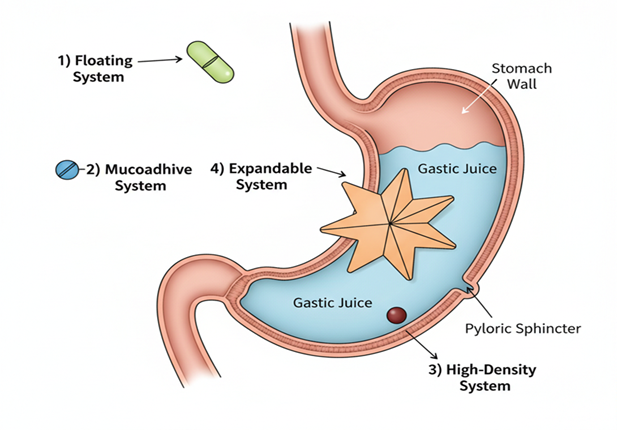
Figure 1: Approaches of gastroretentive drug delivery system
Advantages of GRDDS
Limitations of Traditional GRDDS
Addressing Limitations with Nanosponges
With great promise to overcome the drawbacks of conventional GRDDS, nanosponges have emerged as an ultramodern drug delivery technology. These biocompatible, porous, nanoscale carriers provide longer release profiles, better stability, increased solubility and bioavailability, and formulation flexibility[48]. Their unique sponge-like structure can encapsulate both hydrophobic and hydrophilic drugs. However, challenges such as large-scale production, stability issues, and regulatory hurdles must be addressed for widespread clinical translation[49]. Further research is imperative to optimize manufacturing processes for economic viability and to fully evaluate long-term safety profiles, ensuring these innovative systems can achieve their full therapeutic potential.
Indeed, the integration of nanosponges with established GRDDS platforms could represent a synergistic approach, leveraging the benefits of prolonged gastric retention with the enhanced drug encapsulation and controlled release characteristics of nanosponges [20]. This synergistic approach facilitates advanced pharmacokinetic profiles, leading to more consistent therapeutic drug levels and improved patient outcomes, particularly for drugs requiring site-specific absorption or extended gastric residence [38]. This allows for a reduction in dosing frequency and an improvement in therapeutic efficacy by ensuring that optimal drug concentrations are maintained over extended periods, thereby enhancing patient compliance [50].
Nanosponges: Structure, Properties, and Synthesis
Nanosponges are innovative, hyper-cross-linked polymeric colloidal structures characterized by their porous, sponge-like architecture and numerous cavities capable of encapsulating various payloads, ranging from 5 to 300 µm[51]. These structures, typically consisting of solid, crosslinked polymeric networks, are defined by their hydrophilic, water-insoluble nature and supramolecular three-dimensional organization, making them suitable for targeted and sustained drug delivery and cancer therapy[31]. This unique architecture enables both hydrophilic and hydrophobic drug absorption and transportation, proving effective in overcoming drug resistance and minimizing systemic toxicity while enhancing cytotoxic effects[52]. Their ability to form inclusion and non-inclusion complexes with a wide array of molecules further contributes to their utility in enhancing the solubility and bioavailability of poorly water-soluble compounds[53]. The drug loading capacity of nanosponges is notably influenced by their degree of crosslinking, as this directly dictates the available void space within the nanostructure for drug encapsulation as shown in figure 2 [26].
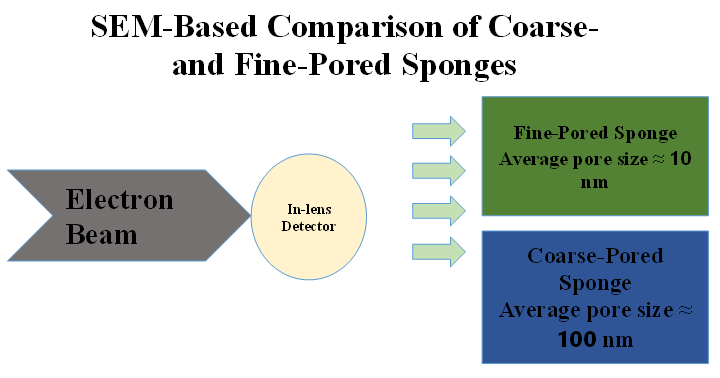
Figure 2: Figure: Schematic illustration of fine-pored sponges due to increased surface area.
Their porous structure also facilitates sustained drug release and targeted delivery, making them highly versatile for various biomedical applications, including theranostics and the encapsulation of natural bioactive compounds[26]. Different types of nanosponges, including metallic, β-cyclodextrin, silicon-based, ethylcellulose, and DNAzymes, have been developed with β-cyclodextrin nanosponges being particularly well-studied due to their selectivity, specificity, and low toxicity[54].
The exceptional physicochemical properties of nanosponges—including their high porosity, tunable particle size, favorable surface charge, superior drug loading capacity, and remarkable stability are directly attributed to the synthesis methodology employed. The selection of an appropriate synthesis method is crucial as it determines the structural architecture, cavity dimensions, cross-linking density, and ultimately the functional performance of the resulting nanosponges [55]. Various synthesis techniques have been developed to fabricate nanosponges with tailored characteristics suitable for specific pharmaceutical applications, particularly gastroretentive drug delivery systems.[56,57]
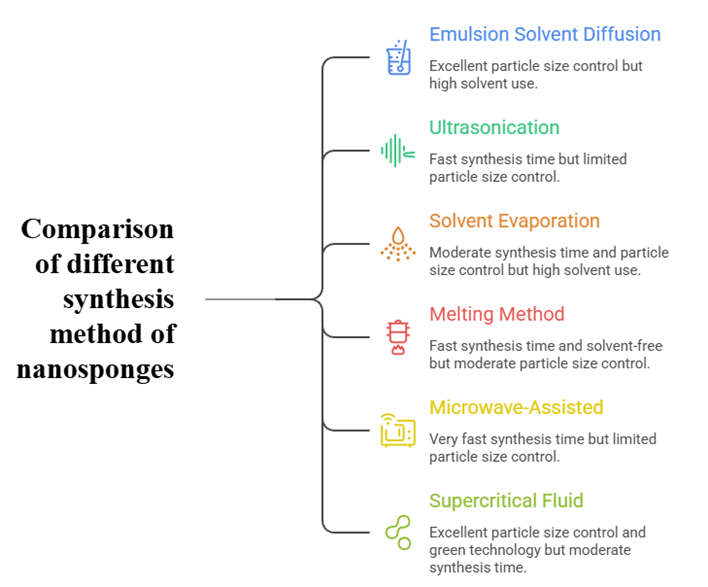
Figure 3: Comparison of Nanosponge Synthesis Methods
The emulsion solvent diffusion method represents one of the most widely employed techniques for nanosponge synthesis. This method involves dissolving cyclodextrin and cross-linking agent in a polar aprotic solvent (e.g., dimethylformamide or dimethyl sulfoxide), which is then dispersed into an aqueous continuous phase containing a surfactant under continuous stirring, as mentioned in Figure 3 [58]. The ultrasonication method employs high-frequency sound waves (20-50 kHz) to induce cavitation and promote cross-linking reactions. Cyclodextrin and cross-linker are mixed in an appropriate solvent and subjected to ultrasonic irradiation, which generates localized high temperatures and pressures, accelerating the cross-linking process [59]. The solvent evaporation technique involves dissolving cyclodextrin and cross-linker in a volatile organic solvent, followed by gradual evaporation under controlled conditions. The mixture is typically stirred at elevated temperatures (50-70°C) or under reduced pressure to accelerate solvent removal, resulting in nanosponge formation[60]. Melting Method: A solvent-free approach where cyclodextrin and cross-linker are heated above their melting points and mixed, offering environmental advantages but limited to thermally stable components [61]. Microwave-Assisted Synthesis: Utilizes microwave irradiation to accelerate cross-linking reactions, significantly reducing synthesis time to minutes while maintaining product quality [62].
Supercritical Fluid Technology: Employs supercritical CO? as a green solvent for nanosponge synthesis and drug loading, eliminating organic solvent residues and enabling precise control over particle properties [63].
Characterization of Nanosponges
The thorough characterization of nanosponges is crucial for understanding their physicochemical properties, ensuring quality control, and predicting their in-vivo performance. A combination of physical and in-vitro evaluation techniques is employed for this purpose [64].
Physical Characterization
Physical characterization techniques provide insights into the structural and surface properties of nanosponges:
In-vitro Evaluation
In-vitro studies are crucial for assessing the functional performance of nanosponges:
NANOSPONGES IN GASTRORETENTIVE DRUG DELIVERY
Nanosponges contribute to gastroretention through multiple synergistic mechanisms. Their inherent physicochemical properties enable prolonged gastric residence, enhancing drug bioavailability for locally acting agents and drugs with narrow absorption windows [81]
Size-Based Retention: Following oral administration, nanosponges can aggregate in the gastric environment to form structures exceeding the pyloric sphincter opening diameter (approximately 1-2 mm in fasted state).This size-dependent retention mechanism prevents rapid gastric emptying, particularly in fed state when the pylorus remains partially constricted[58]
Modulation: Nanosponges can be engineered with densities lower than gastric fluid (1.004-1.010 g/cm³) by incorporating gas-entrapping excipients or creating highly porous structures. These low-density systems float on gastric contents, remaining buoyant for extended periods[55]
Swelling Mechanism: pH-responsive swelling in acidic gastric environment increases nanosponge dimensions, contributing to size-based retention. Swelling ratios of 200-400% have been reported, significantly increasing effective particle size while maintaining structural integrity[83]
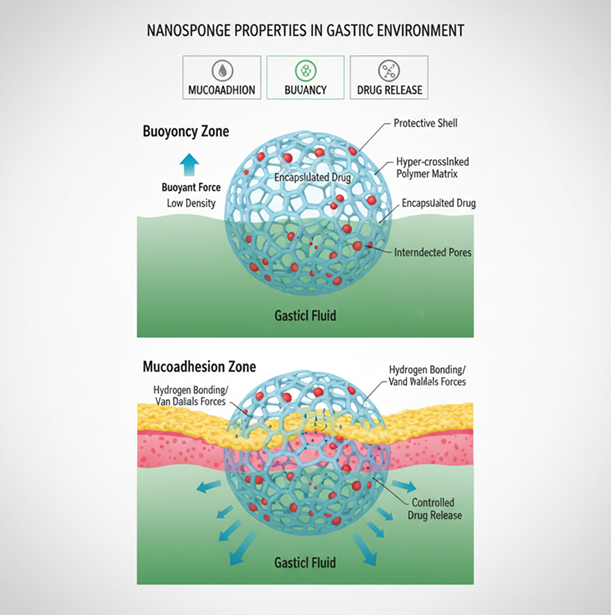
Figure 4: The buoyant and mucoadhesive mechanism of nanosponges in GRDDS
INTEGRATION WITH OTHER GRDDS
Nanosponges can be incorporated into various gastroretentive platforms to create multifunctional delivery systems: They can be integrated into floating systems, mucoadhesive patches, or even pulsatile release formulations to achieve more refined control over drug release profiles and gastric residence times.
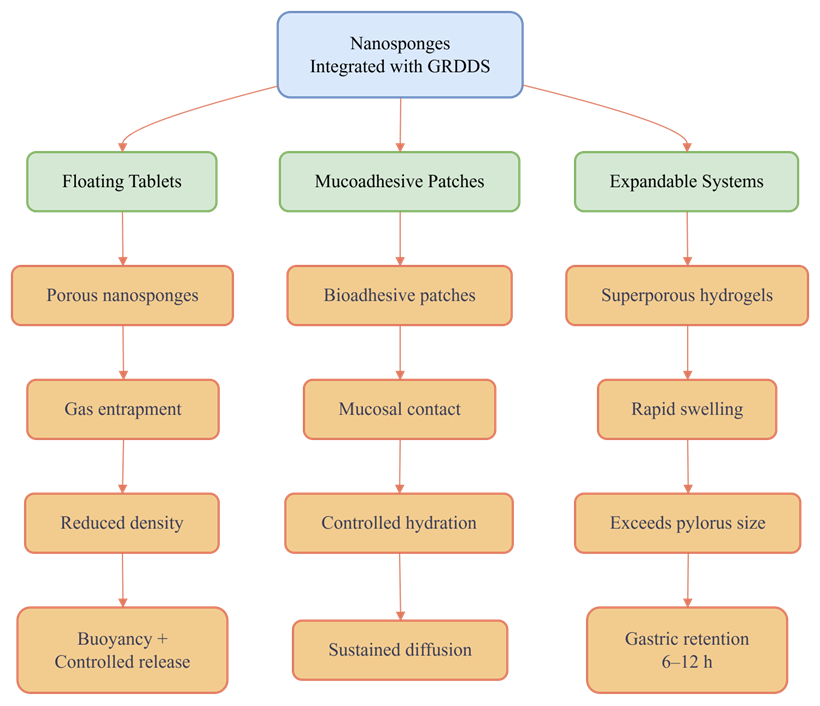
Figure 5: Diagramatic represtation of nanosponges integrated in other GRDDS
This synergistic approach allows for optimization of drug delivery, leveraging the unique advantages of nanosponges in a broader gastroretentive context as shown in figure 4. These versatile carriers, characterized by their biodegradable, non-toxic, and biocompatible nature, offer predictable and extended drug release profiles, thereby enhancing stability and reducing side effects [84]. Targeted gastric delivery through gastroretentive nanosponges reduces systemic exposure for locally acting drugs, minimizing off-target effects [62].
Table 1: Key Properties of Nanosponges Contributing to Gastroretention and Enhanced Drug Delivery [85].
|
Key Property of Nanosponges |
Contribution to Gastroretention |
Contribution to Enhanced Drug Delivery |
|
Porosity |
Gas entrapment & low density |
High surface area for dissolution |
|
Particle Size |
Suprapyloric aggregation |
Enhanced mucosal permeability |
|
Surface Charge |
Electrostatic mucin interaction |
Stability & protein corona control |
|
Drug Loading Capacity |
Density modification space |
Sustained therapeutic levels |
|
Degradation |
pH-responsive retention |
Safe elimination & matrix erosion |
Therapeutic Applications of Nanosponge-Based Gastroretentive Drug Delivery Systems
The unique combination of nanosponge properties-including high drug loading capacity, controlled release kinetics, mucoadhesive potential, and biocompatibility-with gastroretentive mechanisms has enabled significant therapeutic advances across multiple disease conditions. This section comprehensively discusses the therapeutic applications of nanosponge-based GRDDS, supported by recent clinical and preclinical evidence. This approach facilitates improved patient adherence, reduced dosing frequency, and optimized therapeutic outcomes for various drug classes, ranging from antimicrobials to anti-diabetic agents [20]
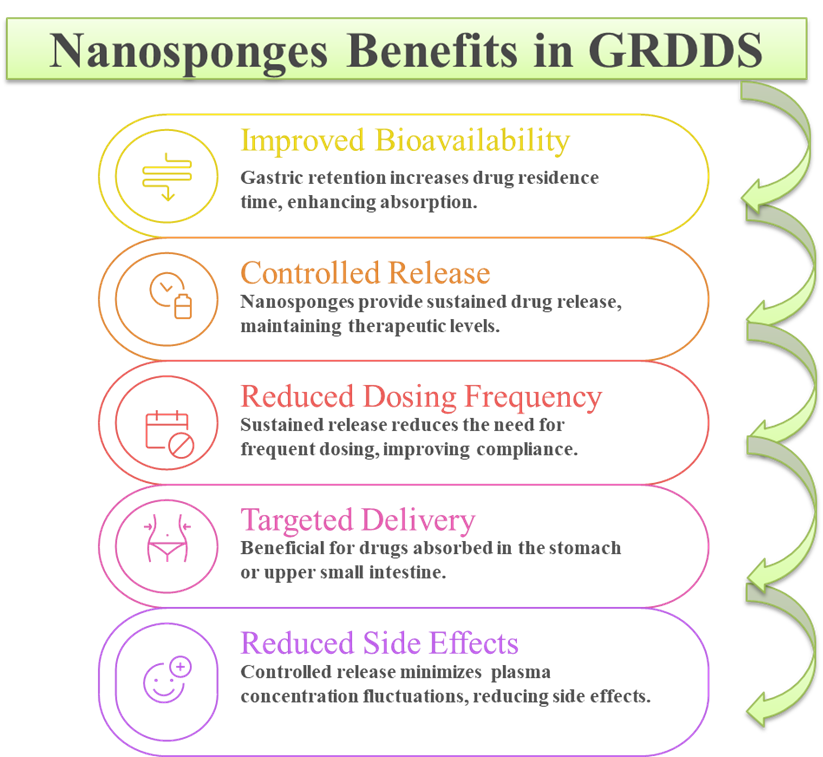
Figure 6: Schematic representation of different mechanisms by which nanosponges achieve gastroretention, including size-based retention, modulation, mucoadhesion, and swelling mechanisms.
These mechanisms collectively contribute to extended gastric residence time, which is critical for drugs absorbed primarily in the upper gastrointestinal tract or those requiring prolonged local action[53,86] The release of encapsulated substances can be controlled by adjusting the crosslinking density, polymer type, and environmental factors such as pH and temperature. This allows for sustained and targeted delivery of drugs and other active agents as shown in figure 7.[51]
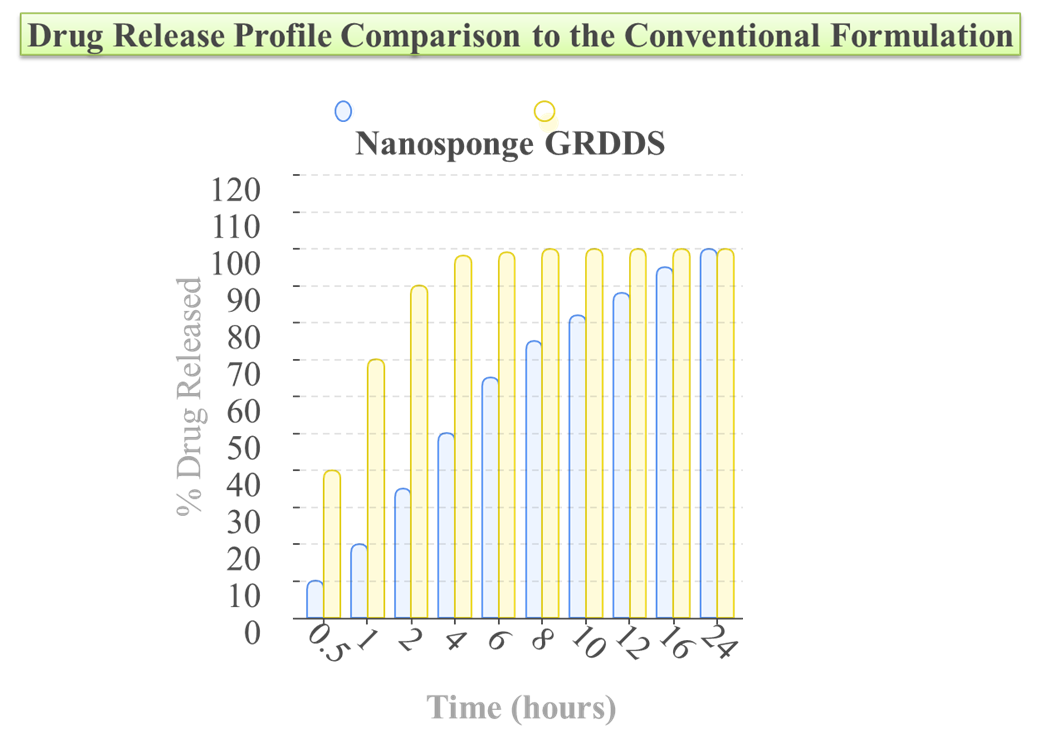
Figure 7: A graph showing sustained release over time for a nanosponge formulation compared to a burst release from a conventional formulation.
This enhanced release profile, characterized by sustained drug levels, leads to improved therapeutic efficacy and reduced dosing frequency, ultimately contributing to better patient compliance and clinical outcomes [20]. Furthermore, the versatility of nanosponges extends to various drug types and administration routes, allowing for the precise targeting of specific tissues or cells and optimizing drug bioavailability [51].
CHALLENGES AND CONSIDERATIONS
Despite the significant potential of nanosponges in gastroretentive drug delivery, several challenges must be addressed for their successful translation from laboratory research to widespread clinical application [49].
Scale-up and Industrial Production
Translating laboratory-scale nanosponge synthesis to industrial-scale production presents considerable hurdles. Current synthesis methods, such as emulsion solvent diffusion or ultrasonication, often involve complex processes that can be difficult to control precisely at larger scales, potentially leading to inconsistencies in particle size, porosity, and drug loading efficiency [47]. Furthermore, the purification and isolation of nanosponges from reaction mixtures on a large scale can be cost-intensive and technically demanding [49].
Regulatory Aspects
The regulatory landscape for nanomedicines, including nanosponge-based drug products, is still evolving and complex. Regulatory bodies require extensive data on the safety, efficacy, and quality of these novel formulations. This includes comprehensive characterization of their physical and chemical properties, biodistribution, pharmacokinetics, and pharmacodynamics, as well as long-term stability data. Demonstrating the absence of genotoxicity, carcinogenicity, and immunogenicity for nanosponge materials and their degradation products is crucial for regulatory acceptance [49].
Toxicity and Biocompatibility
While many nanosponge materials, particularly those based on cyclodextrins, are generally considered biocompatible and low in toxicity, rigorous and extensive testing is still required. This involves both in vitro and in vivo studies to evaluate potential cytotoxicity, genotoxicity, systemic toxicity, and immunogenicity of the nanosponges themselves and their degradation products [52]. Long-term toxicity studies are essential to ensure safety, especially given the potential for prolonged gastric retention. The interaction of nanosponges with biological systems, including proteins and cells, must be thoroughly investigated to rule out any unforeseen adverse effects.
Cost-Effectiveness
The manufacturing processes for nanosponges can be expensive, involving specialized equipment, high-purity materials, and intricate production steps. This can drive up the final cost of nanosponge-based drug products, potentially limiting their accessibility and affordability compared to conventional drug formulations [49]. The long-term cost benefits, such as reduced dosing frequency and improved patient outcomes, need to outweigh the initial higher production costs.
Drug-Excipient Interactions
The formulation of nanosponge drug delivery systems requires careful selection of excipients to ensure stability, optimize drug release, and maintain the integrity of the nanosponge structure. Potential drug-excipient interactions can lead to drug degradation, reduced encapsulation efficiency, altered release profiles, or compromised nanosponge stability [47]. These studies help identify suitable excipients that do not interfere with the drug's therapeutic activity or the nanosponge's structural and functional properties, ensuring the overall quality and performance of the final product. Furthermore, rigorous analytical methods are necessary to characterize these interactions comprehensively and to predict their influence on long-term stability and bioavailability.
Based on my search, here are some recent patents related to nanosponges and gastroretentive systems: These patents highlight innovative approaches to overcoming challenges in drug delivery, particularly by leveraging the unique properties of cyclodextrin-based nanosponges [87]. Specifically, several patents focus on enhancing the solubility and bioavailability of poorly soluble drugs through the formation of inclusion complexes with cyclodextrins within nanosponge architectures [88].
TABLE 2: LIST OF PATENTS ON NANOSPONGES
|
Patent Title |
Patent Number |
Inventor/ Assignee |
Grant Date |
Country |
Relevant Excerpt |
|
Anti-fungal preparation with curcumin and luliconazole nanosponges and |
202121024881 |
Jayadeep R. Yadav |
2021-08-06 |
India |
"Anti-fungal preparation with curcumin and luliconazole nanosponges" |
|
A method for producing stable lithium silicate nanosponges for capturing CO2 |
202021008717 |
Vivek Polshettiwar and Rajesh Belgamwar |
2020-07-31 |
India |
"A method for producing stable lithium silicate nanosponges for capturing CO2" |
|
Controlled-release floating pharmaceutical compositions |
US9561179B2 |
Catherine Castan and Philippe CAISSE |
2017 |
USA |
This patent, though slightly older than 2020, was highlighted as a controlled-release floating gastroretentive pharmaceutical composition |
|
“Gastroretentive formulations containing protein or peptide” |
WO2023166224A1 |
Lekhram CHANGOER and Hendrik Jan Cornelis Meijerink |
2023 |
WIPO (PCT) |
This invention relates to a floating system for drug delivery that delivers peptides and proteins to the upper GIT for a prolonged duration |
FUTURE PERSPECTIVES
The field of nanosponge-based gastroretentive drug delivery is rapidly advancing, with ongoing research opening new avenues for therapeutic innovation.
Emerging Trends
CONCLUSION
In conclusion, nanosponges represent a versatile and promising platform for enhancing gastroretentive drug delivery. Their unique hyper-cross-linked porous structure enables them to effectively encapsulate a wide array of active pharmaceutical ingredients, overcoming critical limitations of conventional oral dosage forms such as poor solubility, low bioavailability, and unpredictable gastric emptying. By facilitating sustained and controlled drug release, nanosponges can improve therapeutic efficacy, reduce dosing frequency, and enhance patient compliance. While challenges related to scale-up, regulatory approval, toxicity assessment, cost-effectiveness, and drug-excipient interactions need to be meticulously addressed, the continuous advancements in nanosponge technology and the emergence of smart and integrated systems underscore their potential to revolutionize oral drug delivery. As research progresses, nanosponges are poised to play a pivotal role in developing more effective, safer, and patient-centric therapeutic interventions. Furthermore, the application of quality-by-design principles and factorial design methodologies will be essential in optimizing formulation parameters to ensure consistent product quality and performance across different therapeutic applications. These advanced engineering strategies will enable the precise tailoring of nanocarrier properties to meet specific clinical needs and regulatory standards. The versatility of nanosponges as drug carriers is further evidenced by their ability to accommodate a wide range of therapeutic molecules within their three-dimensional cross-linked matrix, thereby enabling controlled release patterns and targeted delivery strategies.
REFERENCE


Neha Rao, Dr. Anuj Malik, Gastroretentive Nanoformulations: The Role of Nanosponges in Enhanced Drug Delivery, Int. J. of Pharm. Sci., 2026, Vol 4, Issue 3, 301-322. https://doi.org/10.5281/zenodo.18866841
 10.5281/zenodo.18866841
