
Rungta Institute of Pharmaceutical Sciences & Research
Moringa oleifera L. also known as horse reddish tree and drum stick tree. Moringa oleifera (munga) plant belonging to the family “Moringaceae”. Various study has shown that Moringa seeds contain high oil content and many nutritional compound vitamin A, C, E including mono-unsaturated fats, proteins, sterols, and tocopherols which helps to nourish the skin. Moringa oil has an excellent skin penetration profile after application on skin, it absorbs easily and giving way to instant radiance. There are various factor that causes skin damage and loss of elasticity .Staphylococcus epidermis is one of the bacteria that causes acne (pimples). UV lights (also called photoaging) is the main cause of skin collagen loss accounting for up to 80-90% of the appearance of skin aging. In order to create a moringa seed face wash in vivo, this study compares the bacterio-static capacity of Moringa oil face wash against Staphylococcus epidermis and the effect on skin elasticity by enhancing the collagen on the face and antioxidant activity of Moringa face wash. A face wash using Moringa oleifera has been made. High Performance Liquid Chromatography was used to evaluate the chemical components of moringa face wash (stearic acid, methyl parabean, KOH, polyethyelene glycol, liquid paraffin, sorbitol, propyl parabean sodium phosphate, SLS). Using the Clevenger equipment, ethanol and moringa oleifera seed oil were extracted. The stability analysis showed that following 28 days of storage at 2-4, 20-25, and 35-40 °C as well as a heating and cooling cycle, the PH, viscosity, homogeneity, foaming index, and spreadability behavior of the face wash containing moringa seed oil did not significantly change. In vitro antioxidant activity was demonstrated by the moringa gel face wash, which also improved in vivo skin hydration and preserved facial suppleness. When using the face wash, there were no reports of nausea, skin irritation, or hyper or hypopigmentation. The antioxidant activity of the moringa face wash increased skin hydration, decreased erythema, and improved skin viscoelasticity without affecting melanin content. This gel face cleanser is safe to use because it didn't cause skin irritation.
HERBAL PLANTS
Plants used for medicinal purposes For all of their basic needs—food, shelter, clothes, transportation, fertilizers, flavors and scents, and medicines—humans have depended on nature throughout history.
Man relied on medicinal plants for their therapeutic qualities. Because of the ancient concept that plants were intended to provide man with food, medicine, and other benefits, some people place a high value on these plants. Approximately 80% of the world's 5.2 billion inhabitants are considered to reside in less developed nations, and the World Health Organization believes that 80% of them get their main medical treatment almost entirely from traditional medicine. Since medicinal plants are the "backbone" of traditional medicine, over 3.3 billion people regularly use them in less developed nations. Nearly every one of the world's nearly 2000 ethnic groups has its own traditional medical knowledge and experiences.(2)
Since ancient times, medicinal plants have been utilized in healthcare. Research has been done all over the world to confirm their effectiveness, and some of the results have led to the creation of medications made from plants. Medicinal plant products are valued at more than $100 billion annually on the global market. With a focus on the current strategic approaches to disease prevention, this study explores the role, contributions, and utility of medicinal plants in addressing diseases of public health relevance. The "whole population" and "high-risk" approaches are contrasted. The value of the common-factor approach is emphasized as a way to encourage other health advocates to spread the beliefs surrounding medicinal plants. Under the five fundamental tenets of the Primary Health Care (PHC) method, the role of medicinal plants in preventing common ailments is further explored. Medicinal plants are essential for preventing disease, and their usage and promotion complement all current preventative measures. However, in order to correctly identify, recognize, and position medicinal plants in the design and implementation of these initiatives, deliberate efforts must be made. These methods offer intriguing and novel insights into the study of medicinal plants. There are suggestions made for planning the future function and location of medicinal plants in illness prevention.
For thousands of years, sophisticated traditional medical systems have been based on plants, and these systems continue to provide humans novel treatments. Medicinal plant therapy is founded on the empirical results of hundreds and possibly thousands of years of use, even though some of the therapeutic qualities ascribed to plants have turned out to be false.(1)
HERBS:-
An herb is a plant or plant part used for its scent, flavor, or therapeutic properties. Herbal medicines are one type of dietary supplement. They are sold as tablets, capsules, powders, teas, extracts, and fresh or dried plants. People use herbal medicines to try to maintain or improve their health.
Many people believe that products labeled "natural" are always safe and good for them. This is not necessarily true. Herbal medicines do not have to go through the testing that drugs do. Some herbs, such as comfrey and ephedra, can cause serious harm. Some herbs can interact with prescription or over-the-counter medicines.
If you are thinking about using an herbal medicine, first get information on it from reliable sources. Make sure to tell your health care provider about any herbal medicines you are taking.
Herbs are the leaf part of a plant that is used in cooking - these can be used fresh or dried. Any other part of the plant, which is usually dried, is referred to as a spice. These include, for example, barks (cinnamon), berries (peppercorns), seeds (cumin), roots (turmeric), flowers (chamomile), buds (cloves) and stigmas of flowers (saffron).(1)
MORINGA OLEIFERA:-
Native to the Indian subcontinent, Moringa oleifera is a fast-growing, drought-resistant tree that is widely used in South and Southeast Asia. Moringa, drumstick tree (named for the tall, thin, triangular seed-pods), horseradish tree (named for the horseradish-like taste of the roots), and malunggay (called in Asia's maritime or archipelagic regions) are common names.
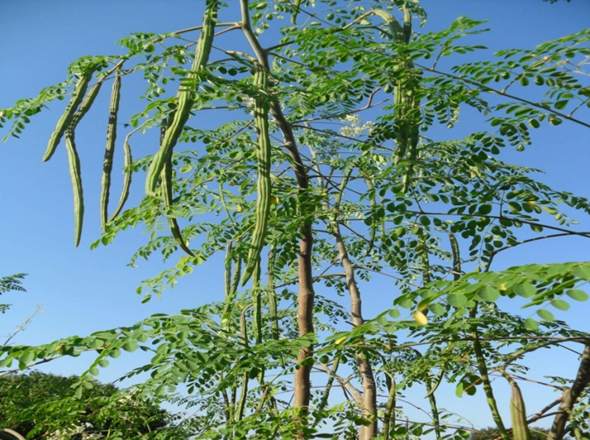
Figure:- 1.1 Moringa Oliefera tree
It is widely cultivated for its young leaves and seed pods, which are consumed as vegetables and for traditional herbal medicine. It is also used for water purification. Although listed as an invasive species in several countries, M. oleifera has "not been observed invading intact habitats or displacing native flora", so should be regarded at present as a widely cultivated species with low invasive potential.(3)
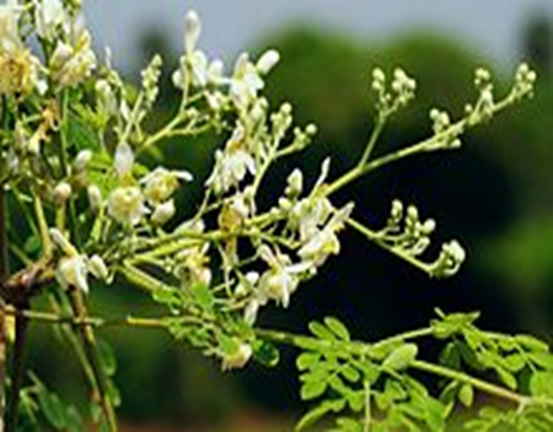
Figure:- 1.2 Stems and leaves of Moringa
M. oleifera is a deciduous tree that grows quickly, reaching a height of 10–12 m (33–39 ft) with a trunk diameter of 45 cm (18 in). The thick cork envelops the whitish-gray bark. Young shoots have hairy, purple or greenish-white bark. The tree's open crown is made up of delicate, drooping limbs, and its feathery foliage is composed of tripinnate leaves.
Five uneven, faintly veined, yellowish-white petals encircle the fragrant, hermaphrodite flowers. The flowers measure 1-1.5 cm (3-8–5-8 in) in length and 2 cm (3-4 in) in width. They have spreading or drooping flower clusters that are 10–25 cm (4–10 in) long and grow on thin, hairy stalks.
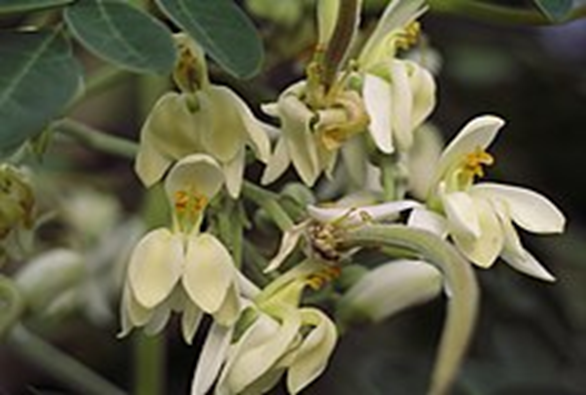
Figure:- 1.3 Flowers of Moringa
The first six months following planting are when flowering starts. Flowering only takes place once a year in late spring and early summer in seasonally chilly places (Northern Hemisphere between April and June, Southern Hemisphere between October and December). Flowering can occur twice or even year-round in areas with more consistent seasonal temperatures and consistent rainfall.
The fruit is a brown, hanging, three-sided, 20–45 cm (8–17+1/2 in) capsule that contains globular, dark brown seeds about 1 cm in diameter. The seeds are spread by water and wind and feature three white, papery wings. In order to keep the pods and leaves within reach, it is frequently pruned every year to 1-2 m (3-6 ft) and then left to regrow.(3)
Moringa Seed:-
The globular seeds of M. oleifera have a diameter of roughly 1 cm. They are three-angled, weigh an average of 0.3 g, and have three wings that grow from the base of the seed to the tip. The wings are 2–2.5 cm long and 0.4–0.7 cm wide, with the kernel accounting for 70%–75% of the weight.
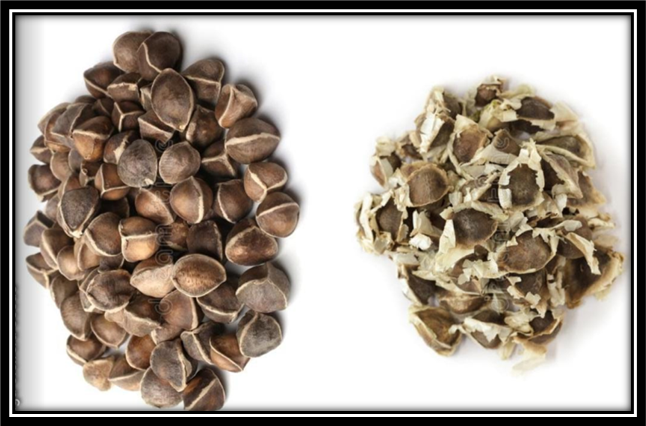
Figure:- 1.4 Seeds of Moringa
Oil makes up 36.7% of the seed weight and is its primary constituent. Cold press extraction yields a lower yield than solvent extraction, which typically uses n-hexane to extract the oil almost completely. In actuality, cold pressing can only extract 69% (on average) of the total oil present in seeds. In rural areas, dehusked seeds are boiled with water to produce edible oil, which is then collected from the water's surface. Aside from the oil, the average protein composition of the seed is 31.4%, while the quantities of carbohydrates, fiber, and ash are 18.4%, 7.3%, and 6.2%, respectively.
In order to boost protein intake, the defatted seeds of M. oleifera may offer a cost-effective source of protein that may be added to conventional diets. Additionally, M. oleifera seeds have a high methionine and cysteine concentration that is comparable to that of milk and eggs, just like the protein fraction. As a result, they can be eaten alongside legumes that lack sulfur amino acids. Furthermore, M. oleifera seeds appear to have little urease or trypsin inhibitor activity, which supports their high protein digestibility (93%).(5)
Taxonomical Classification:-
SANDALWOOD:-
Sandalwood is a class of woods from trees in the genus Santalum. The woods are heavy, yellow, and fine-grained, and, unlike many other aromatic woods, they retain their fragrance for decades. Sandalwood oil is extracted from the woods. Sandalwood is often cited as one of the most expensive woods in the world. Both the wood and the oil produce a distinctive fragrance that has been highly valued for centuries. Consequently, some species of these slow-growing trees have suffered over-harvesting in the past.
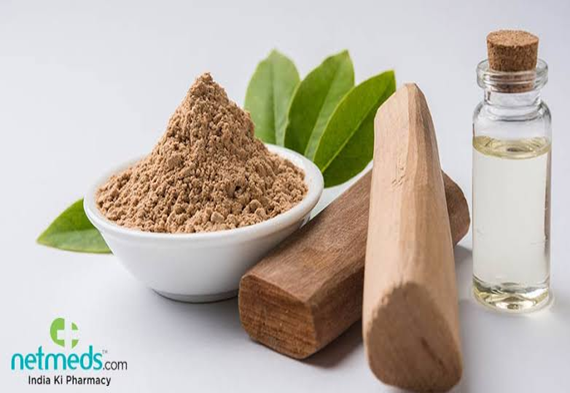
Figure:- 1.5 Sandal wood
Sandalwoods are medium-sized hemiparasitic trees, and part of the same botanical family as European mistletoe. Sandalwood is indigenous to the tropical belt of the peninsular India, Malay Archipelago and northern Australia. The main distribution is in the drier tropical regions of India and the Indonesian islands of Timor and Sumba.[8] It spread to other regions through the incense trade route by the vast Indian and Arab mercantile networks and the Chinese maritime trade routes until the sixteenth century CE. The sandalwood of peninsular India and Malay Archipelago supported most consumption in East Asia and West Asia during the time of the incense trade route before the commercialization of Australian sandalwood (Santalum spicatum) in sandalwood plantations in Australia and China, although sandalwood album (Santalum album) is still considered to have the best and original quality in terms of religion and alternative medicine. Santalum spicatum is marketed as the notable members of this group today by merchants because of its stable sources; others in the genus also have fragrant wood. These are found in India, Nepal, Bangladesh, Pakistan, Sri Lanka, Australia, Indonesia, Hawaii, and other Pacific Islands.(4)
Biological Name- Santalum album
Taxonomical Classification:-
ROSE
In Iran, Rosa damascena mill L., also referred to as Damask rose, is called Gole Mohammadi. It is among the Rosaceae family's most significant species. The Rosaceae family of ornamental plants is well-known and has been dubbed the "king of flowers." There are currently about 200 species of roses and over 18,000 different varieties of the plant. In addition to being used as decorative plants in gardens, parks, and homes, R. damascena is primarily grown for use in the food, medicinal, and perfume industries. But R. damascena is primarily recognized for its fragrant properties.(8)
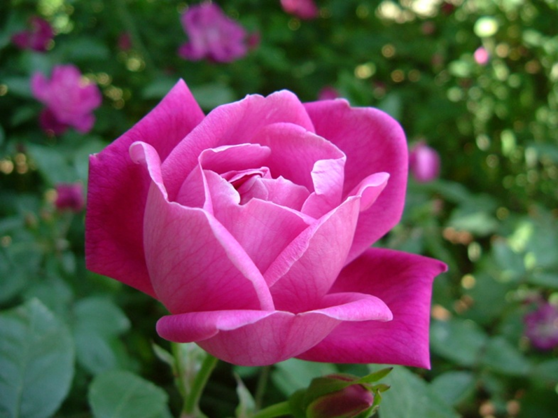
Figure:- 1.6 Rose Flower
Additionally, R. damascena has been utilized medicinally. Numerous in vitro and in vivo investigations have examined a range of products and extracted components from this plant's flowers, petals, and hips (seed-pot). Nevertheless, there are currently no reviews that compile the pharmacological effects of R. damascena. As a result, we compile and go over significant pharmacological effects of R. damascena that have recently been reported in a number of investigations in this review.
Biological Name- Rosa rubiginosa
Taxonomical Classification:-
INTRODUCTION OF FORMULATION
A free radical is an atom, molecule, or ion that has at least one unpaired valence electron. According to some expectations, these unpaired electrons make radicals highly chemically reactive; many radicals spontaneously dimerize; most organic radicals have short lifetimes; an excess of free radicals causes oxidative stress and damages cell membranes and lipoproteins through the process of lipid oxidation. UV radiation, air pollutants, psychological stress, and chemical exposure can cause reactive oxygen species on the skin.
Skin contains endogenous antioxidants, such as glutathione, melanin, and enzymatic antioxidants; however, excessive production of free radicals necessitates topical application of exogenous antioxidants to prevent oxidative stress and enhance DNA repair; several studies have demonstrated that oxidation could be prevented by prior antioxidant treatment; antioxidants have anti-inflammatory properties in preventing sunburn and protecting the skin from photoaging; antioxidants can stimulate skin repair and repair; free radicals can cause changes in the skin by reducing photo-damage; free radicals can trigger the production of melanin.(1)
In addition to improving the flexibility of the face and offering deep, long-lasting moisture, natural facial oils can nourish the skin with a variety of vitamins, antioxidants, and important fatty acids. These nourishing substances can lessen inflammation, support a healthy skin barrier, and shield the skin from environmental stresses like wind and sun. Natural oils plump up the skin, restore its natural elasticity and moisture balance, and help minimize the appearance of fine lines and wrinkles by offering deep hydration, long-lasting moisture, and nourishing nutrients.
Many of the nutrients found in facial oils also offer additional anti-aging benefit. For example, some natural oil like moringa oil contain vitamin A,C,E etc. in that vit.A which has been shown to stimulate collagen production an reduce the appearance of the fine lines and wrinkles. Vit.C which helps to brighten the skin and even out the skin tone, reducing the appearance of hyperpigmentation. As well as Vit.E, a powerful antioxidant that can help protect the skin against free radical damage and promote healthy skin function. Vit.E is also known for its ability to soothe dry, irritated skin, making it an excellent choice for sensitive skin.
The light yellow tint of the Moringa oleifera seed oil gel face has a little nutty smell. According to research, M. oleifera seed oil may have a protective impact on the skin. Because M oleifera seed oil has a slight protective effect against the sun, it was recommended to preserve the skin's natural pigmentation. There have been reports of M. oleifera seed oil's antifungal properties. The skin benefits of Moringa oleifera seed oil gel are well known. M. oleifera oil gel formulations' antioxidant properties and effects on skin hydration, skin color, and skin visco-elasticity have not been investigated. Furthermore, there is a dearth of information about the safe and efficient dosage of moringa oliefera oil gel formulations. In this work, we described the antioxidant activity of moringa seed oil, which is essentially the most significant factor in improving facial collagen (elasticity). To confirm the biological activities of moringa seed oil gel face cleanser, its chemical composition was examined. Moringa oliefera was used in the formulation of a gel face wash. Tests were conducted on the gel's antioxidant activity and physical stability. There were numerous reports on the formulation's effectiveness and safety.(2)
ACNE
Acne vulgaris, is an epidermis problem that happens when hair raiser are clogged by lifeless skin cells and oil from th skin. Blackheads or whiteheads, acne, greasy skin, and possibly scarring are its hallmarks. Francois Sauvagesde Boissier del Lacroix, a French physician and botanist, describes acne in the sixteenth century. He referred to little, firm, red tubercles that changed a person's facial look during adolescence as "psydraciaachne." These tubercles were neither painful nor irritating.
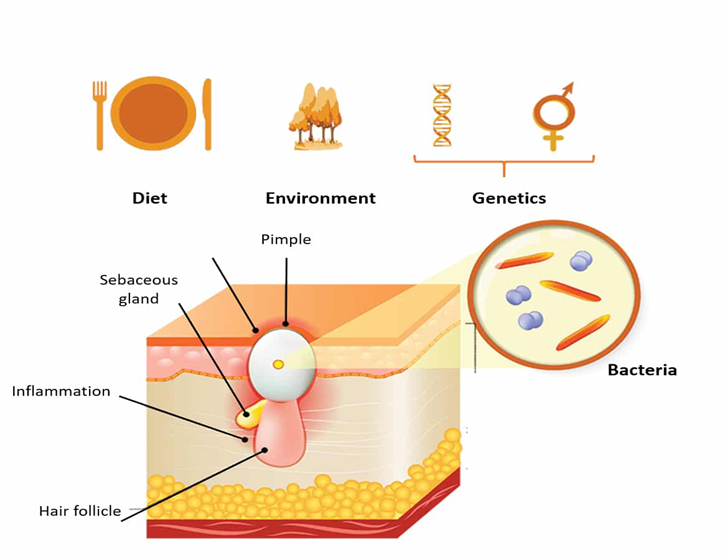
Figure:-1.7 Acne
When oil and dead skin cells clog your hair follicles, you get acne. It results in pimples, blackheads, or whiteheads. Although it affects people of all ages, acne is most prevalent among teenagers.
Effective acne treatments are available, but acne can be persistent. The pimples and bumps heal slowly, and when one begins to go away, others seem to crop up.
Depending on its severity, acne can cause emotional distress and scar the skin. The earlier you start treatment, the lower your risk of such problems.(8)
Types of acne:-
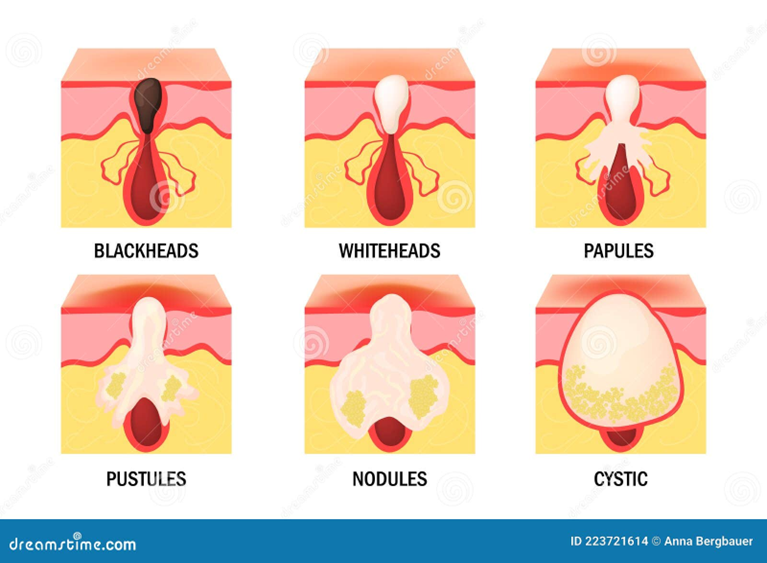
Figure:-1.7 Types of Acne
Acne signs vary depending on the severity of your condition:
Acne usually appears on the face, forehead, chest, upper back and shoulders.
Four main factors cause acne:
Face Collagen:-
The primary structural protein in the extracellular matrix of the body's different connective tissues is collagen. It is the most prevalent protein in mammals, accounting for between 25% and 35% of the total protein composition and serving as the primary component of connective tissue. Collagen is made up of amino acids that are joined to form an elongated fibril triple helix called a collagen helix. It is mostly present in connective tissue, which includes skin, tendons, ligaments, cartilage, and bones. Thirty percent of the protein in the human body is collagen. Collagen synthesis depends on vitamin C. Collagen formation is enhanced by vitamin E.
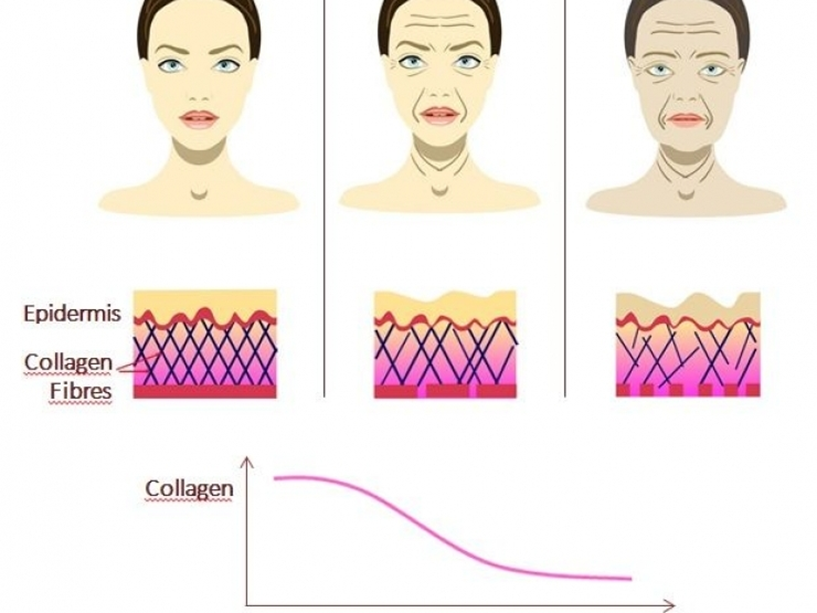
Figure:-1.8 Collagen of face
Collagen tissues can be either rigid (bone) or compliant (tendon), or they can have a gradient from rigid to compliant (cartilage), depending on the degree of mineralization. Additionally, the stomach, blood arteries, corneas, intervertebral discs, and dentin in teeth all contain large amounts of collagen. It is an important part of the endomysium in muscle tissue. Six percent of the weight of skeletal muscle tissue is made up of collagen, which makes up one to two percent of muscle tissue. The most prevalent cell that produces collagen is the fibroblast. Collagen that has been irreversibly hydrolyzed using heat, basic solutions, or weak acids is called gelatin, and it is employed in both food and industry.(7)
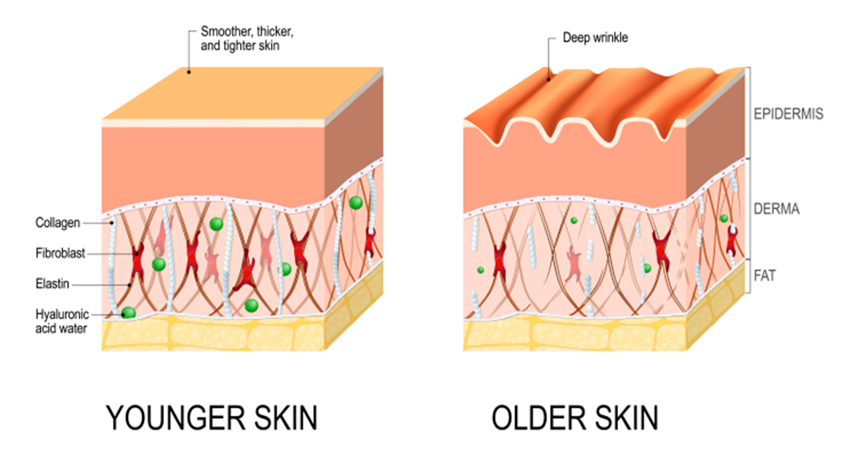
Figure:-1.9 Younger or older skin collagen
Compared to globular proteins like enzymes, collagen is one of the long, fibrous structural proteins. Although collagen is present inside some cells, collagen fibers, which are tough bundles of collagen, are a significant part of the extracellular matrix that supports most tissues and provides them structure from the outside. The primary component of fascia, cartilage, ligaments, tendons, bone, and skin, collagen has a high tensile strength.[50] [51] It contributes to the firmness and flexibility of skin along with elastin and soft keratin, and its deterioration causes wrinkles that come with aging.[52] It contributes to tissue growth and fortifies blood arteries. It exists in crystalline form in the cornea and lens of the eye. It may be one of the most abundant proteins in the fossil record, given that it appears to fossilize frequently, even in bones from the Mesozoic and Paleozoic.
INGREDIENT TABLE:-
|
Sr. No. |
Name of Ingredients |
Functions |
|
1. |
Stearic Acid |
Emulsifying Agent |
|
2. |
Sodium Phosphate |
Emulsifying Agent |
|
3. |
Liquid Paraffin |
Emollient |
|
4. |
Propyl Paraben |
Preservative |
|
5. |
Propylene Glycol |
Humectant |
|
6. |
Potassium Hydroxide |
Emulsifier |
|
7. |
Sodium Laurel Sulphate |
Foaming Agent |
|
8. |
Sorbitol |
Mosturizing Agent |
|
9. |
Methyl Paraben |
Preservative |
|
10. |
Moringa Oil |
Active Ingredient |
|
11. |
Perfume |
Fragrance |
|
12. |
Water |
Vehicle |
METHODOLOGY:-
Preparation of moringa seed oil:-
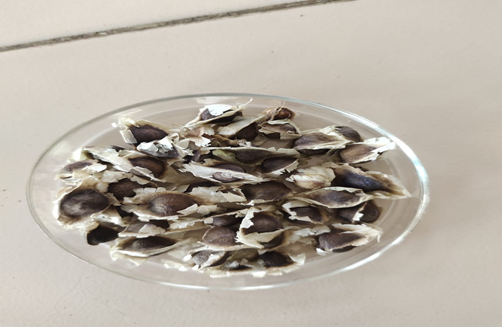
Figure- 3.1Dried Moringa seeds
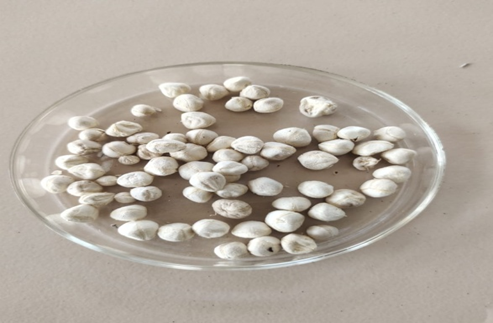
Figure – 3.2 Peeled out seed of morings
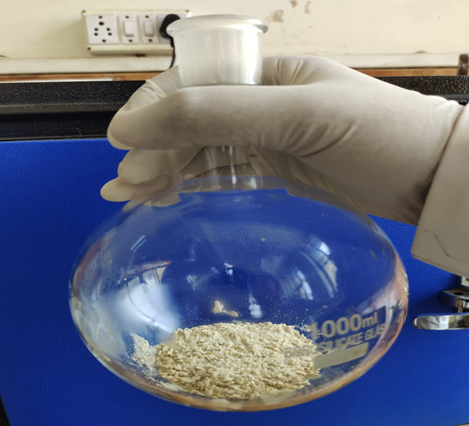
Figure -3.3 Triturated seed in RBM
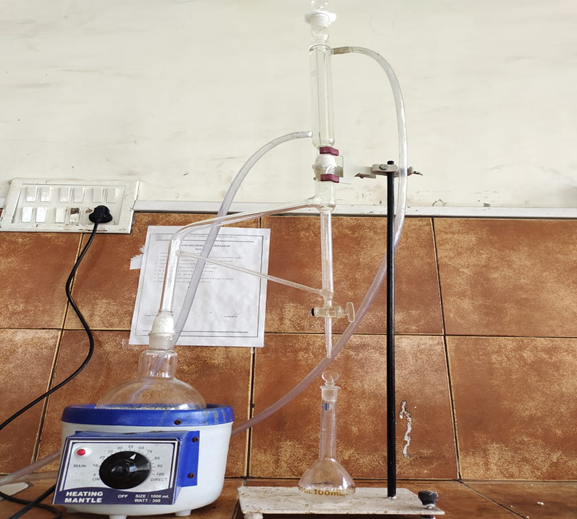
Figure 3.4 Extraction of Oil (Clevenger Appratus)
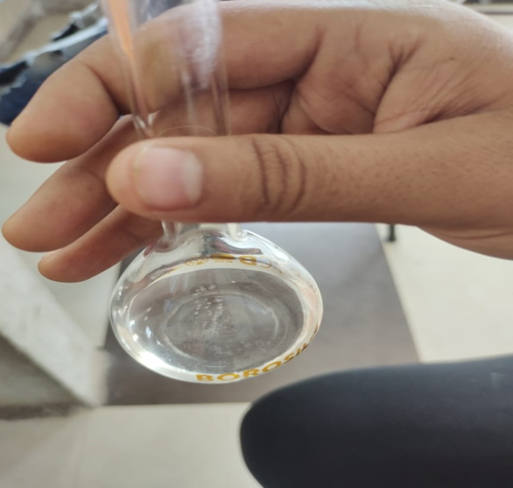
Figure -3.5 Extracted Moringa oil
Preparation of Face wash:-
Preparation of Mixture A-
Take a clean and dried mortar pestle.
↓
Add stearic acid and sodium phosphate into the motar pestle and triturate properly.
↓
To this add gram of propyl paraben and continue trituration.
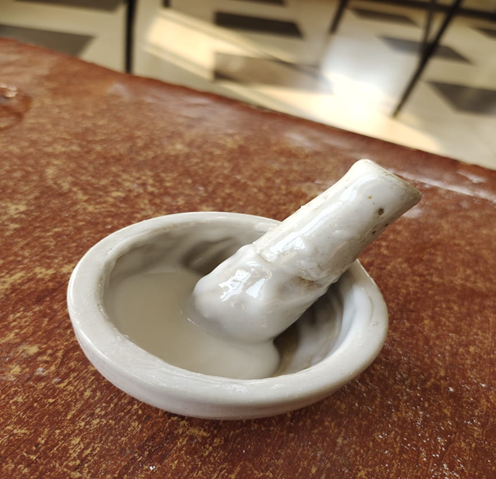
Figure-3.6 Mixture A
Preparation of mixture B-
Take another clean and dry motar pestle and add propylene glycol, potassium hydroxide and triturate.
↓
Sodium laurel sulphate, sorbitol, methylparaben was added to the above mixture and triturate well.
↓
Mixture A and B was mixed together and triturate until a proper consistency is obtained.
↓
After mixed well both of mixture then extracted moringa oleifera seed oil has introduced into in it.
↓
Then to this perfume was added properly mix all the above ingredients.
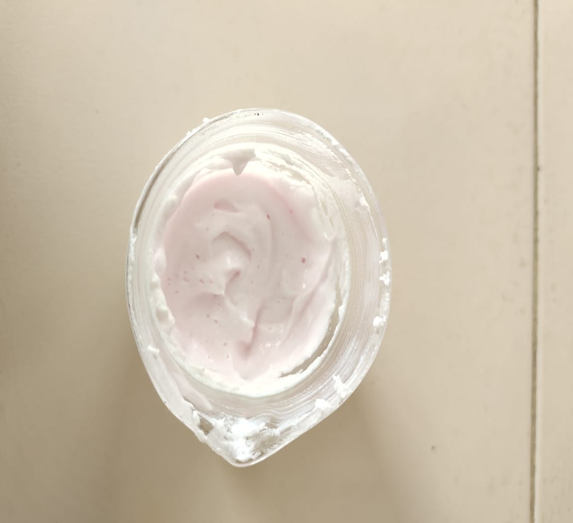
Figure – 3.7 Prepared Moringa seed oil Facewash
RESULT AND DISCUSSION:-
The preparation of moringa oleifera seed oil face wash has prepared and tested. Moringa oleifera seed oil face wash hydrates, prevents and treats dry skin condition, act as an anti-pollution shield, prevent and sun spots, slows down the ageing process, control oily skin, cleanses and purifies skin, prevents and reduces stretches marks, soothes and inflammation and has healing properties, great for hair and nail health. For further work of moringa we can use for our body.
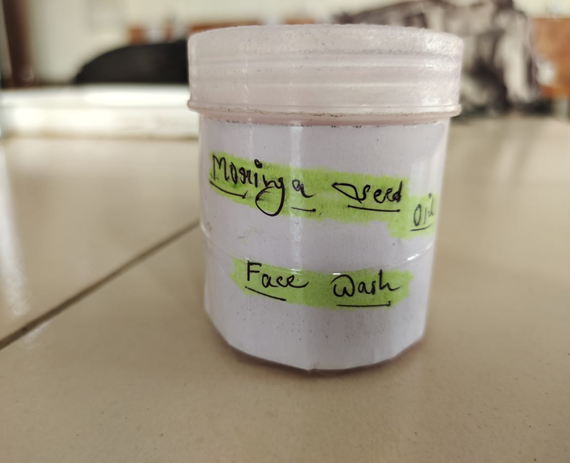
Figure 5.1Moringa seed oil Facewash
Moringa Oleifera seed oil facewash hydrating qualities like other. Moringa Oleifera seed oil face wash has an excellent skin penetration profile when applied this oil easily absorb giving way to instant radiance. This face wash rich in many nutrients that help nourish the skin such as vitamin A,C,E . This help in improving the elasticity of the skin thereby reducing acne(pimples), fine lines and wrinkles.
EVALUATION TEST:(2)
1. Homogeneity
The uniformity of the formulation was assessed both visually and tactilely.
2. After feel
After applying a predetermined amount of lotion, the amount of residue, emolliency, and slipperiness were assessed.
3. Acid Value
10 grams of the material should be dissolved in 50 milliliters of an equal proportion of alcohol and solvent ether. The flask was heated gradually until the material was fully dissolved by connecting it to a reflux condenser. After shaking for 30 seconds, add 1 milliliter of phenolphthalein and titrate with 0.1N NaOH until a light pink color appears.
Acid Value = n x 5.61/w
n = needed milliliters of NaOH
w is the material's weight.
4. PH measurement
A standard buffer solution was used to calibrate the pH meter. A digital pH meter was used to measure the pH of approximately 0.5g of face wash that had been weighed and diluted in 50ml of distilled water. Our formulation's PH was 5.92 as a result.
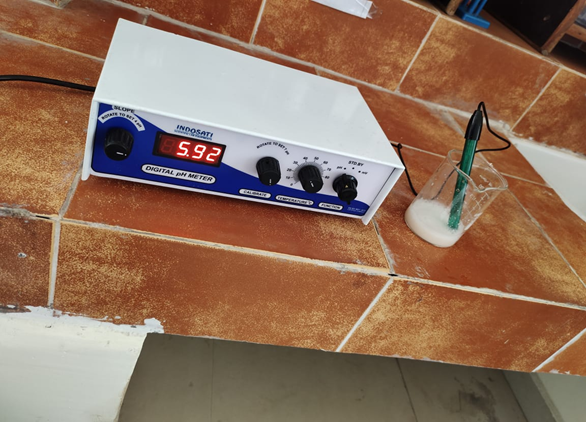
Figure:-6.1 PH test of facewash
6. Irritancy test
On the cheek surface of the left hand, mark a 1 square centimeter area. After applying the face wash to the designated region, the time was recorded. Erythema, edema, and irritation were monitored and reported at regular intervals for up to 24 hours. As a result, applying our mixture to the face did not cause any irritation.
7. Viscosity
Mark a 1 square centimeter region on the left hand's cheek surface. The time was noted after the face wash was applied to the specified area. For up to 24 hours, erythema, edema, and irritation were tracked and reported on a frequent basis. Consequently, there was no irritation when our combination was applied to the face.

Figure:-6.2 Viscosity test of facewash
8. Spreadability
Two standard-sized glass slides measuring 20 by 5 cm were chosen. One of the slides has the formulation on it. The other slide was positioned on top of the lotion such that the formulation was sandwiched between the two slides in a space that was 7.5 cm apart, and 100 weight was evenly distributed to create a thin layer. The extra lotion stuck to the slides was scraped off after the weight was taken off. The two slides were positioned such that only the bottom slide was securely held by the opposing fangs of the clamps, enabling the higher slide to drop off freely due to the force of the weight attached to it. The two slides were secured to stand at a 45° angle without any disturbance. A weight of sixty grams was securely fastened to the upper slide. Under the direction of weight, the time it took for the higher slide to move five centimeters and separate from the lower slide was recorded. The experiment was conducted three times, and the mean for each of the three dimensions was determined. The outcomes were noted. The formula to determine the spread ability is
S = M x L/T.
where L is the glass slide's length, M is the weight attached to the upper slide, S is the spread ability, and T= Time.
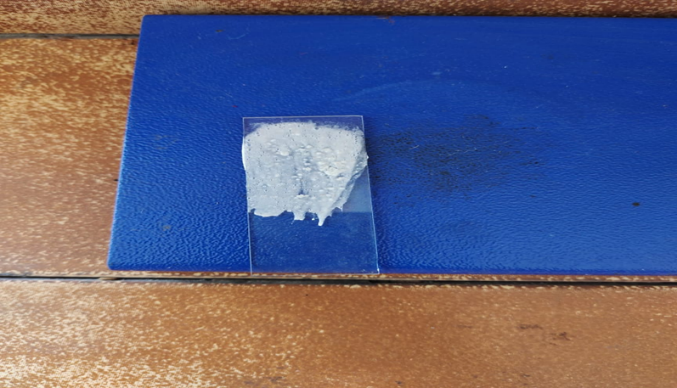
Figure:-6.3 Spreadability test of facewash
9. Washability Test
A portion of face wash was applied over the skin of face (cheeks) and allowed to flow under the force of flowing tap water for 10 minutes. The time when the face wash completely removed was noted.
10. Statistical analysis
PBS with a pH of 7.4 ± 0.1 was added to the receptor and donor compartments. PBS was degassed in order to eliminate air bubbles and prevent the formation of air pockets during the receptor phase. The mean ± standard deviation (SD, n = 5) is used to express the results. The F-test, Fisher's least significant difference (LSD), analysis of variance (ANOVA), and multiple range tests at a 95% confidence level were used to identify statistically significant differences between different permeation data.
11. Preference Test:
Scent, color, and skin sensation were the characteristics of preference tests based on sensory evaluation; the degree of preference was measured using a numerical scale, with 5 representing severe like, 4 representing like, 3 representing neutral, 2 representing dislike, and 1 representing extreme dislike.
12. Test for thermal stability
Thermal stability of the formulation was determined by the humidity chamber controlled at 60- 70% RH and 37 ± 1oC.
13. Foaming Index
To quantify and compare metal forming processes, an index that considers the deformation kinematic and thermo-mechanical aspects of metal forming is presented. This index is the result of multiplying the cumulative shear strain by the strain resistance.
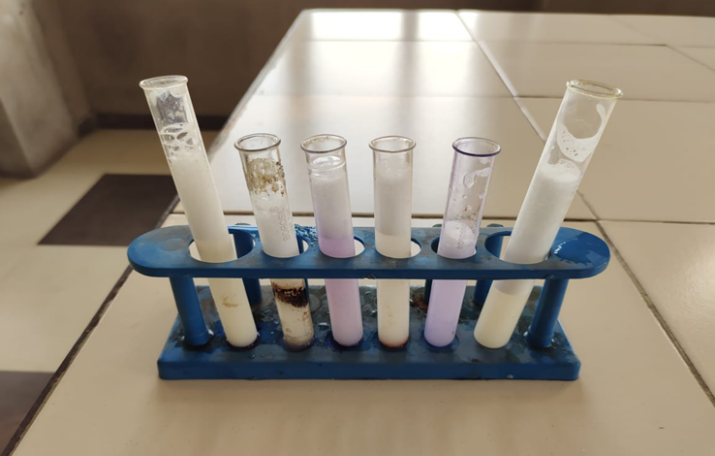
Figure:-6.4 Foaming index test of facewash
14. Consistency:-
The quality of always behaving or performing is a similar way, or of always happening in a similar way. A cream face wash typically has a thicker consistency and contains moisturizing ingredients such as milk or honey. Lotion or cream type cleansers are meant to deep cleanse your skin while hydrating it thoroughly.
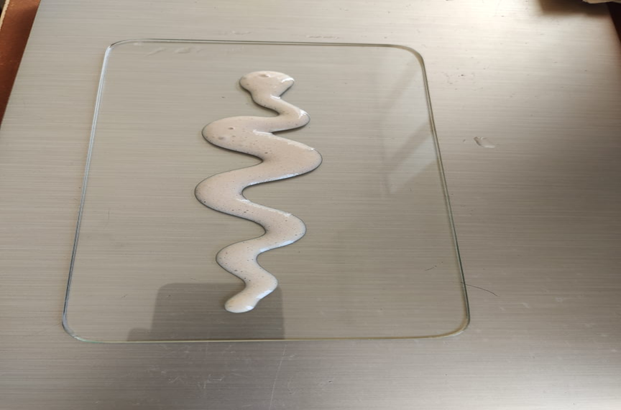
Figure:-6.5 Consistency test of facewash
Biological application of Moringa Oleifera seed oil face wash:-
Antimicrobial, anti-inflammatory, anticancer, antidiabetic, antioxidant, hepato-protective, and cardio-protective properties are conferred by the bioactive compounds found in Moringa oleifera. These applications may also involve primary and secondary metabolites, which are proteins, polysaccharides, and lipids involved in physiological functions; of these, polysaccharides and fibers are the main compounds exhibiting beneficial effects on chronic diseases like cancer, diabetes, and obesity.
Essential oils from the leaves and an alcoholic extract of the seeds had an antibacterial effect; in fact, Chuang et al. showed that the leaf and leaves were effective against dermatophytes like Trichophyton mentagrophytes.
The antimicrobial and antifungal properties of Moringa oleifera extracts have been linked to phenolic compounds; the highest concentration of these compounds is found in the leaves. The roots of Moringa oleifera are said to be rich in antimicrobial agents and have antibacterial properties; the bark extract has been found to have antifungal activities, while the juice of the bark and stem shows an antibacterial effect against Staphylococcus aureus.
CONCLUSION
The face wash was prepared keeping in mind that it suits all skin type as the formulation was kept mild. Having properties of activated charcoal clears the pores, remove dirt and nurtures the skin even in summers and gives pleasant feeling on the skin after every wash. The face wash prepared such that they were fit for daily use. Various tests were conducted which proved that the pH of the face wash was the same as what ideally should be used in a facial product. Cleaning action of the facewash also tested to check the accuracy of the face wash. The goal of this study was to develop a liquid-based face wash for the cure of acne and enhance and boost the collagen of the face that may be used on a daily basis by people of all ages. It aids in the maintenance and nourishment of skin.
Face washes are designed to remove impurities, germs, dirt and makeup that can irritate the skin. Here's the tough part: when skin is cleansed too frequently, in contact with water or subject to harsh soaps, your skin's natural moisture is stripped—leaving it vulnerable to dryness and irritation.
REFERENCES

Deepanshu Sahu, Devid Patel, Ritesh Sahu, Bhupat Sahu, Roshni Sahu, Poorwi Sahu, Palak Jain, Shweta Ram, Suchita Wamankar, Dr. Gyanesh Kumar Sahu, Dr. Chanchal Deep Kaur, Formulation and Evaluation of Moringa oleifera Seed Oil Facewash, Int. J. of Pharm. Sci., 2026, Vol 4, Issue 4, 2642-2659. https://doi.org/10.5281/zenodo.19609481
 10.5281/zenodo.19609481
