
1,2,3,4,5,6,8 Konkan Gyanpeeth Rahul Dharkar College of Pharmacy and Research Institute, Karjat, Maharashtra, India.
7 Department of Pharmacognosy, Ideal College of Pharmacy, Kalyan
The present study focused on the formulation and evaluation of a herbal sunscreen emulgel incorporating lemongrass (Cymbopogon citratus) oil extract as the principal active ingredient. The extract was obtained through methanolic extraction and subjected to preliminary phytochemical analysis, which confirmed the presence of bioactive constituents such as volatile oils, glycosides, and steroids. These compounds are known to contribute to antioxidant and photoprotective activities.The emulgel formulations were prepared using Carbopol 934 as the gelling agent and evaluated for various physicochemical and functional parameters, including pH, spreadability, extrudability, viscosity, and sun protection factor (SPF). All formulations demonstrated good homogeneity, stability, and maintained pH values within the skin-compatible range (6.25–6.70). Among the developed formulations, F3 exhibited superior physical properties and achieved an SPF value of 4.01, indicating moderate protection against ultraviolet (UV) radiation.The findings indicate that lemongrass oil can be effectively utilized as a natural, safe, and environmentally sustainable photoprotective agent, providing a viable alternative to synthetic sunscreens in topical cosmetic formulations.
Sunscreens are called sunburn or sun blocker creams. It is a topically used product. Its usage became popular day to day against UV radiation. Since, the purpose of sunscreen is to shield the skin from UV rays from the sun. They assist the body's built-in defenses against UV rays from the sun. Considering its mode of operation, sunscreens are divided into 2 types; they are Physical & Chemical sunscreen. The sun protection factor (SPF) is an important characteristic of sunscreen which is calculated by comparing the time needed to cause sunburn on sunscreen protected skin to time needed to produce sunburn on unprotected skin. Higher SPF containing sunscreens show greater protection against sunburns. SPF action is determined by applying the product on skin in significant amounts (2mg/cm2 of the skin). [1]
Sun Protection Factor is referred to as SPF., a relative indicator to shield you from ultraviolet (UV)rays for the period the sunscreen can protect you. UVB rays mainly impact the skin's outer layer, the epidermis. Sunburns and certain surface-level skin cancers are responsible for them. The sun also releases UVA rays, which, called the dermis, can reach the skin's bottom layer. UVA photons are frequently connected to "tanning." On the other hand, a darker skin tone indicates dermal cell injury. SPF values typically only cover UVB radiation, however some sunscreens also offer UVA protection.
The SPF value of a sunscreen product indicates how much sunburn protection it provides. The amount of UV radiation exposure required to create a sunburn while using a sunscreen is measured for each sunscreen and compared to that amount. Later that, the product is labeled using the suitable SPF value. Greater protection against sunburn is provided by SPF values up to 50. SPF values only show a sunscreen's UVB protection because, at the very least, they must depend on a diagnosis of the sunscreen's capability for avoiding sunburn triggered by UVB radiation.
Thus, protection from UVA, UVB rays will be indicated for sunscreens labelled 'Broad Spectrum SPF [value]' in accordance with the label standards. [2]
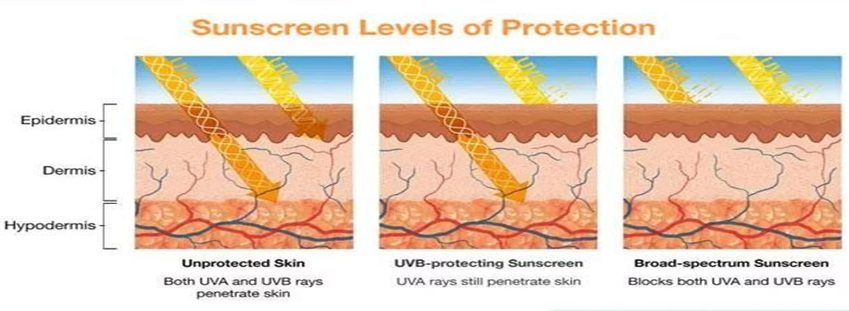
Figure 01: Sunscreen levels of protection
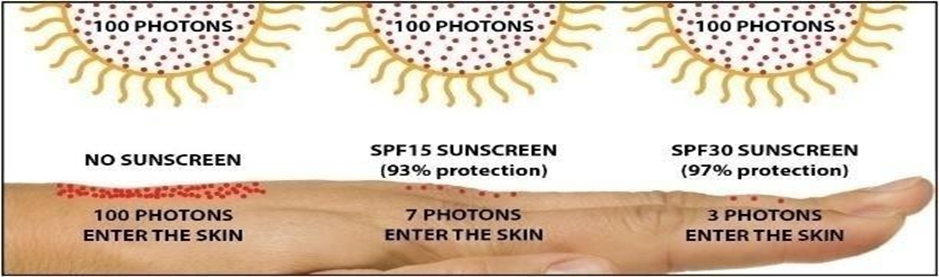
Figure 02: Photons Absorbed per SPF
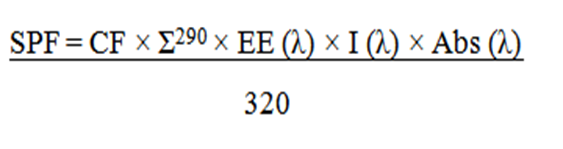
Mansur equation: To provide an in vitro assurance of SPF employing UV spectrophotometry, Mansuretal. (1986) built up a straightforward numerical condition that is practical, rapid, and simple in activity. where Abs is the sunscreen product's absorbance, CF = correction factor (=10), EE (I) = erythemal impact range, and (I) = solar intensity spectrum. The EE × I estimation is always the same.
Ultra-Violet radiations and human skin:
The region of electromagnetic energy between X-rays and visible light, or between 200 and 400 nm, is known as ultraviolet (UV) radiation. Based on wavelength, this UV radiation can be divided in three categories:
for instantaneous skin darkening or tanning brought on by the epidermis's overproduction of melanin, early photo aging, immune system inhibition, or even endothelial necrosis
UV-A Radiation: This type of radiation has a wavelength of 320–400 nm. The main culprit behind skin blood vessel damage and radiation cells is UV-A.
UV-B Radiation: This type of radiation has a wavelength of 280–320 nm. Since UV-B radiation can cause sunburn 1000 times more often than UV-A radiation, it is often known as "burning rays." UV-B radiation is more genotoxic than UV-A radiation; however they primarily affect the skin's epidermal basal cell layer. UVB radiation, which varies with the season and time of day, is the main cause of sunburn. One of the main risk factors for both melanoma and non-melanoma skin cancer is sunburned skin.
UV-C Radiation: This type of radiation has a wavelength of 200–280 nm. Because stratospheric ozone layers filter UV-C light, it is less effective and dangerous. [3] [4]
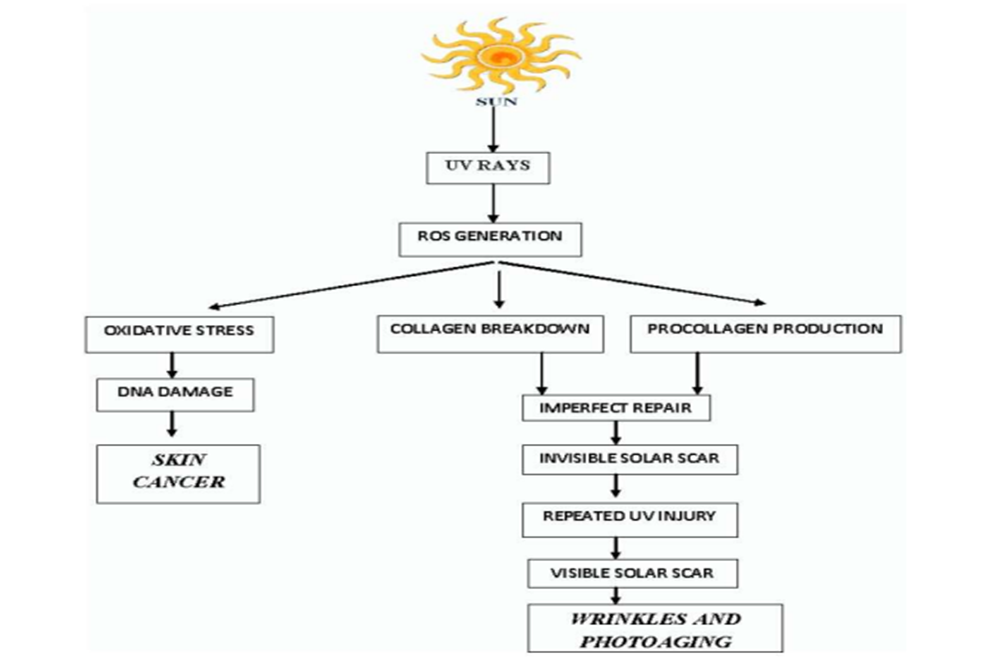
Figure 03: Effect of ROS on skin
EMULGEL
Topical drug delivery methods minimize the hazards associated with IV treatment and circumvent first-pass metabolism by applying the medication directly to the skin. Despite their variety, they frequently have trouble efficiently administering hydrophobic medications. Emulgels, which combine thixotropic qualities, ease of application, and improved skin penetration, present a viable alternative. Emulgels consist of both emulsion and gel components. Emulgels get over the drawbacks of traditional gels used for hydrophobic drug delivery by means of this integration.[5]&[6]
Formulation of emulgel:
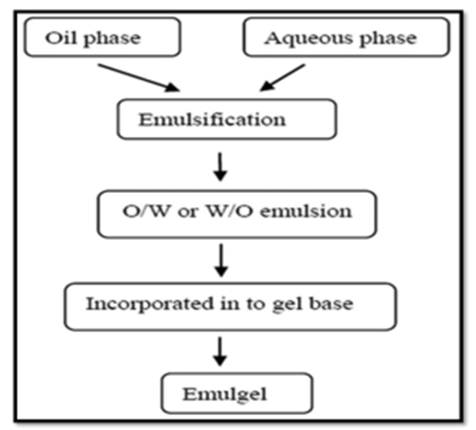
Figure 04: Flowchart of emulgel formulation
MATERIAL AND METHODS
Collection and Authentication:
Leaves of lemongrass were gathered from a home garden and authenticated.
Extraction of lemongrass leaves:
Methanol was used to extract lemongrass leaves for seven days. After being filtered and concentrated, methanolic extract was utilized in additional chemical tests.
Initial phytochemical test:
A qualitative chemical analysis was performed on the alcoholic extract. The following protocols were used to determine if the extract contained any of the different phytochemical components. The most significant of these plant bioactive components include alkaloids, tannins, glycosides, carotenoids, flavonoids, terpenoids, and steroids. To create safe and efficient medications, lead optimization tools employ phytochemicals as templates. The following protocols were used to determine whether different chemical components were present in the extract:
Test for carbohydrates:
Combine one milliliter of Fehling's A with one milliliter of water to test for carbohydrates. It takes a minute for Fehling's B solutions to boil. Add the test extract solution in the same volume. Warm up by taking a five to ten-minute hot water bath. An orange-red precipitate indicates the presence of carbohydrates. Benedict's test: Fill a test tube with equal parts Benedict's reagent and test extract. Put the pot's water on to a five-minute boil. Whether the test solution turns green, yellow, or red depends on how much reducing sugar is added to it.
Test for Saponin:
A tiny amount of extract combined with a tiny amount of water in a test tube. Give a hard shake. Ten minutes later, if the froth is still visible, saponin is present.
Test for alkaloids
By adding a few drops of diluted hydrochloric acid to two milliliters of each extract, alkaloids were evaluated. Next, 1 milliliter of Dragendorff's reagent was added. If an orange red precipitate develops, it indicates that alkaloids are detected.
Test for tannins:
Ten percent lead acetate was applied drop wise to two milliliters of each extract. Tanning agents are indicated by the formation of white precipitate.
Test for steroids:
Steroid test: Two milliliters of each of the three plant extracts were mixed with ten milliliters of chloroform. Following the addition of 1 milliliter of acetic anhydride to these extracts, 2 milliliters of concentrated sulfuric acid were applied along the test tube's sides. Color formation is observed near the intersection. The onset of a blue-green hue suggests the existence of steroids.
Test for Triterpenoids: The triterpenoids presence is shown by the emergence of red, pink, or violet color at the junction, much like in the test for steroids.
Test for glycosides:
To 1ml of each extract a few drops of glacial acetic acid and ferric chloride and 3-4 drops of concentration sulphuric acid were added. The appearance of blue-green colour indicates the presence of glycosides.
Test for flavonoid:
To test for flavonoids, 1.5 milliliters of methanol solution were added to 4 milliliters of extract solution. After the fluid had warmed up, metal magnesium was added. Five or six drops of Condensate HCl acid were added, and the color of the flavonoids and flavones was noted as orange.
Test for volatile oil:
To check for volatile oil, add 1 milliliter of vanillin sulfuric acid to 2 milliliters of extract. The volatile oils' existence is indicated by the appearance of red color. [7]
Extraction of lemongrass essential oil:
Hydro distillation was used to separate the essential oil for the monograph. The yield obtained was contrasted.
After the recovered lemongrass oil was moved to a measuring cylinder, its volume was noted and represented as oil content (%) as follows:

Monograph analysis of lemongrass essential oil:
Refractive index:
The refractive index can be used to determine the relative speed of light in different media. Knowing the refractive indices of different media allows people to ascertain which way light would bend when it moves between them. A refractometer was utilized to help ascertain it.
TLC:
Solvent used: methanol
Stationary phase: Silica gel G
Mobile phase: Toluene: Ethyl acetate (9.3:0.7)
Detection: Long UV
Visualization: Vanillin: Sulphuric acid
Acid value:
To determine acid value, 50 ml of neutral ethyl alcohol and 1 g of oil sample were mixed in a 250 ml beaker. The mixture was then titrated with 0.1 M KOH solution while constantly stirring, and two drops of phenolphthalein indicator were added. In the end, a persistent pink hue was seen.
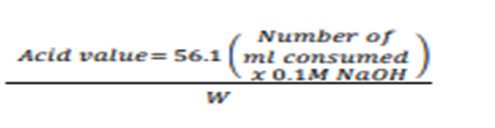
The following values are utilized: 56.1 molecular weight of KOH, M- morality of KOH, V- volume of KOH used, and W- sample weight.
Preparation of sunscreen emulgel:
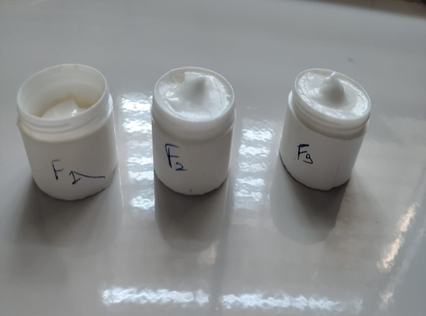
Figure 05:Preparation of emulgel
The gel in formulations was prepared by dispersing Carbopol 934 in purified water with constant stirring at a moderate speed. The pH was then adjusted to 6 to 6.5 by adding triethanolamine. The oil portion of the emulsion was created by dissolving Span 20 in light liquid paraffin, and the aqueous phase was created by dissolving Tween 20 in filtered water. Methyl and propyl paraben were dissolved in propylene glycol. The oily and aqueous phases were heated separately to 70° to 80°C before the oily phase was introduced to the aqueous phase and stirred continuously until it cooled to room temperature. The medication was dissolved in 1 ml of ethanol and combined. Mixing gel with emulsion in a 1:1 ratio to get the emulgel. [8]
Formulation table:-
Table 01: composition of different formulations
|
Ingredient (%w/w) |
F1 |
F2 |
F3 |
|
Carbopol 934 |
0.3 |
0.5 |
0.7 |
|
Lemongrass oil |
0.5 |
0.5 |
0.5 |
|
Liquid paraffin |
2.6 |
2.8 |
3.0 |
|
Tween 20 |
0.5 |
0.5 |
0.5 |
|
Span 20 |
1.0 |
1.0 |
1.0 |
|
Propylene glycol |
6 |
6 |
6 |
|
Methyl paraben |
0.1 |
0.1 |
0.1 |
|
Distilled water |
q.s. |
q.s. |
q.s. |
Characterization of Emulgel:
Physical appearance:
The color, homogeneity, and consistency of the produced Emulsion compositions were examined visually.
Measurement of pH:
Each emulgel formulation's pH was determined via a digital pH meter. After dissolving one gram of emulgel in 100 milliliters of distilled water, the liquid was sonicated for one hour. The pH for each formulation was determined three times, and the average results were recorded.
Spreadability:
Spread ability: A jellified emulsion must have good spread ability to satisfy the necessary quantity requirements. This term refers to the region where emulgel spreads easily when applied to the skin or other afflicted area. The spread ability of a formulation affects its efficacy in treatment as well. Spread ability can be defined as the number of seconds it takes for two slides to separate from the emulgel and move into space between themselves when a given force is applied. Separating two slides in less time leads to enhanced spread ability. [9]& [10]
It is computed by applying the formula:
S = M. L/T.
Where M = weight attached to the higher slide, L = length of glass slides, T = time taken to separate the slides.
Extrudability
Extrudability studies are a popular empirical test performed to estimate the amount of force required to extrude material out of tubes. The procedure used to calculate the applied shear in the rheogram area that represents a shear rate higher than the yield value and resulting in plug flow. Emulgel was applied in grams in 10 seconds to form an emulgel ribbon at least 0.5 cm long, which was then extruded from a lacquered aluminium collapsible tube. Extrudability improves with increasing extrusion amount. Extrudability is assessed three times for each formulation, and the average findings are published. The following formula was employed to determine extrudability. [11]
Extrudability = applied weight to extrude emulgel through tube (in gm)/area (in cm2)
Evaluation of sun protection factor (SPF)
Every 5 nanometres, the absorption spectra of materials in solution have been obtained in the range of 290 to 320 nm. With ethanol as a blank, three measurements were obtained at each stage. The Mansur equation was used to get the SPF values. Indeed, Mansur et al. are represented by the following: I, for solar intensity spectrum; Abs, for sunscreen product absorption’s, for correction factor (=10). The constant values for EE x I are displayed in Table.
The values of EE x I are constants and are showed in Table [12]
Table 02: Values of EE x I
|
Wavelength (λ/nm) |
EExI (normalized) |
|
290 |
0.0150 |
|
295 |
0.0817 |
|
300 |
0.2874 |
|
305 |
0.3278 |
|
310 |
0.1864 |
|
315 |
0.0839 |
|
320 |
0.0180 |
RESULT
The developed herbal sunscreen emulgel incorporating lemongrass (Cymbopogon citratus) oil demonstrated favorable physicochemical attributes, including a smooth texture, uniform consistency, appropriate pH range (6.25–6.70), and excellent spreadability and extrudability. Among the prepared batches, formulation F3 exhibited superior overall performance, displaying optimal physical parameters and an SPF value of 4.01, signifying appreciable photoprotective efficacy against ultraviolet (UV) radiation.
These findings substantiate that lemongrass oil can be effectively utilized in the preparation of a safe, stable, and efficacious herbal sunscreen formulation.
Collection and Authentication Leaves of lemongrass were gathered from a home garden and authenticated.
Preliminary phytochemicals screening:
It confirmed the presence of volatile oil, carbohydrates, proteins, glycosides and steroids.
Table 03: Preliminary phytochemicals screening
|
Test |
Inference |
Result |
|
Test for carbohydrates Molish’s test Fehling’s test Benedict’s test |
Violet ring formed First yellow then brick red ppt observed Solution appears green |
Positive Positive Positive |
|
Test for proteins Biuret test Millon’s test |
Violet color appears Dissolves giving red color solution |
Positive Positive |
|
Test for amino acids Ninhydrin test |
Purple color appears |
Positive |
|
Test for fats and oil |
No permanently stained |
Negative |
|
Test for volatile oil Characteristic odour aroma Filter paper is not permanently stained Solubility test |
Yes Yes
Soluble in 90% alcohol |
Positive Positive
Positive |
|
Test for steroids Salkowski reaction |
Chloroform layer appears red and acid layer shows greenish yellowish fluorescence |
Positive |
|
Test for cardiac glycosides Test for deoxysugars( killer-killiani test ) |
Reddish brown color appears at junction of the two liquid layers |
Positive |
|
Test for saponin Foam test |
No persistence foam observed |
Negative |
|
Test for flavonoids Shinoda test Zinc dust and hcl |
No orange, pink color appears No pink or red color observed |
Negative Negative |
|
Test for tannin and phenolic compound 5% Fecl3 solution Lead acetate Gelatin solution Bromine water |
No deep blue color observed White ppt observed White ppt observed Discoloration of bromine water |
Negative Positive Positive Positive |
Extractive yield:
Extraction yield was more in microwave extraction method.
Table 04: Extractive yield
|
% Yield |
Distillation |
|
0.4 |
Monograph analysis:
It was done to check purity of lemongrass oil. All the values are within specified limit when compared with IP monograph.
Table 05: Monograph analysis
|
Relative density |
Refractive index |
Optical rotation |
Acid value mg KOH/g |
Solubility in water |
|
0.8924 |
1.485 |
-4.0? to + 1.0? |
2.803 |
Leaves aroma to the water |
TLC of lemongrass oil:
This was done to establish the presence of citral in lemongrass oil. Rf was determined to be 0.55
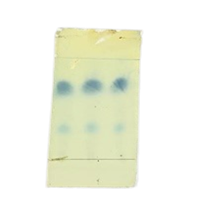
Figure 06:TLC of citral
Drug excipients compatibility study by FTIR:
To investigate the compatibility of drugs and excipients for integration into emulgel. The FTIR spectra of pure drugs and drug-excipients combinations were between 4000-400 cm−1. No more peaks belonging to functional groupings were found. There were no significant differences between the IR peaks of lemongrass oil and lemongrass oil-excipients mixes, indicating that the medicine is stable in the presence of all excipients.
|
Peaks |
Assignments |
|
1710,1442.75 |
C=O stretching |
|
2970.38 |
Aliphatic C-H stretching |
|
1442.75,1381.03 |
CH3,CH2 |
|
694.37 |
Methylene rocking vibration |
|
1234.44 |
HC=CH stretching |
|
1195.87 |
R-O-C=O |
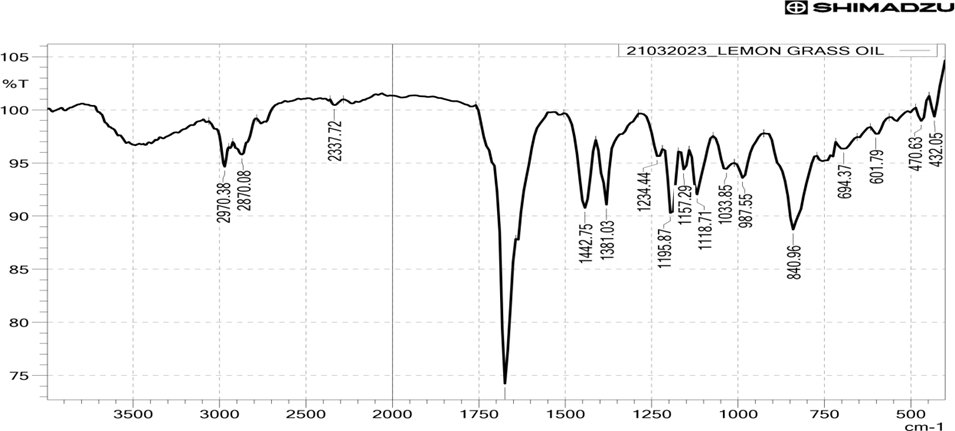
Figure 07: FTIR of lemongrass oil
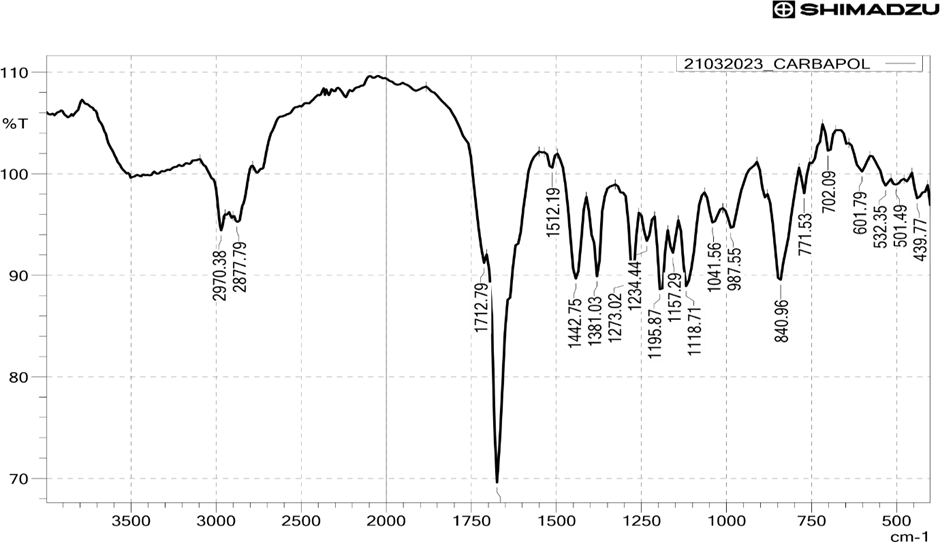
Figure 08: FTIR of lemongrass oil: carbopol 934
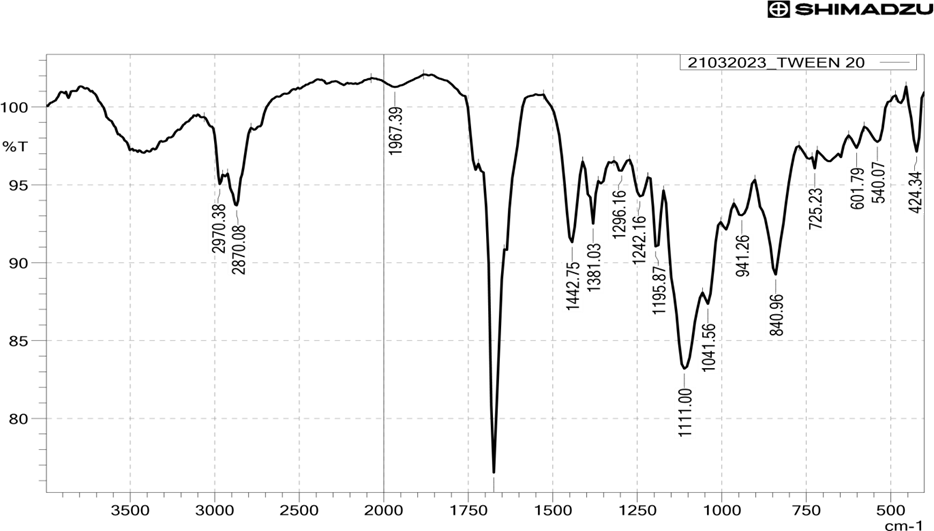
Figure 09: FTIR of lemongrass oil: Tween 20
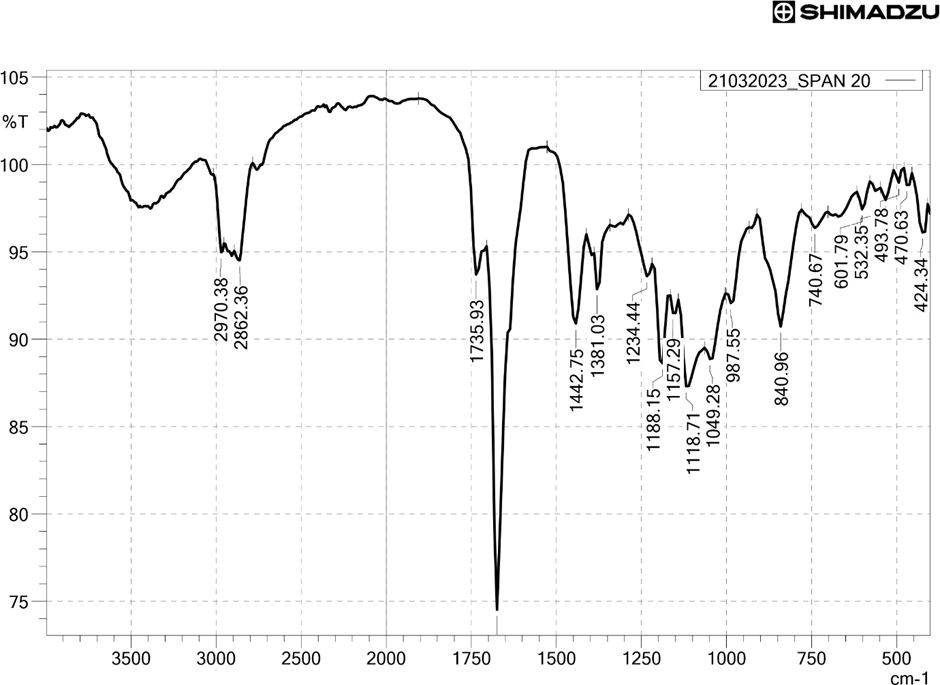
Figure 10: FTIR span 20
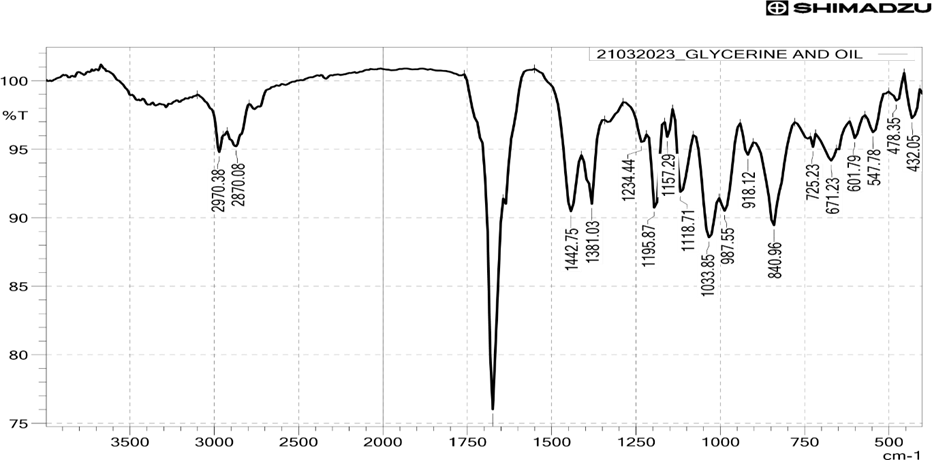
Figure 11: FTIR of glycerin
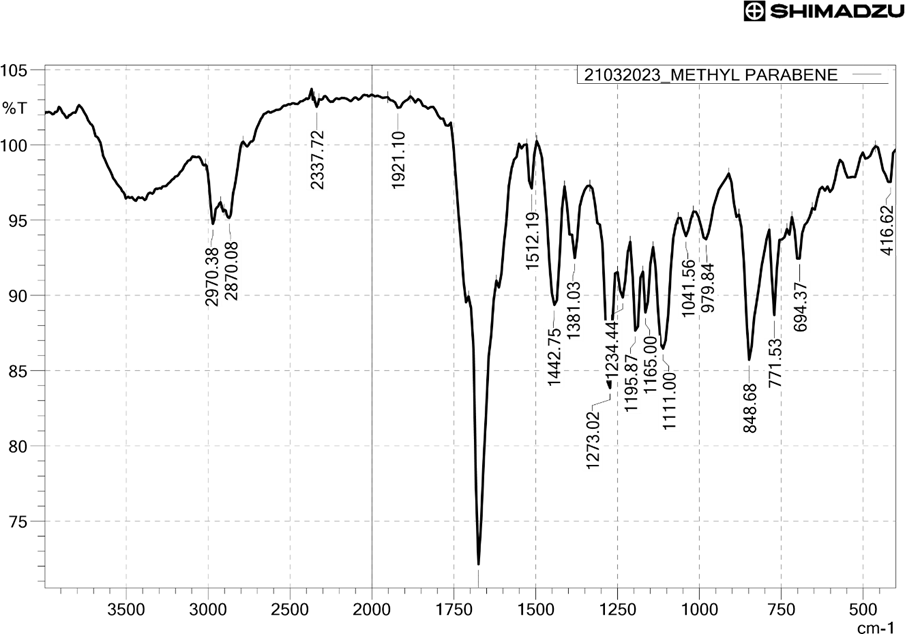
Figure 12: FTIR of methyl paraben
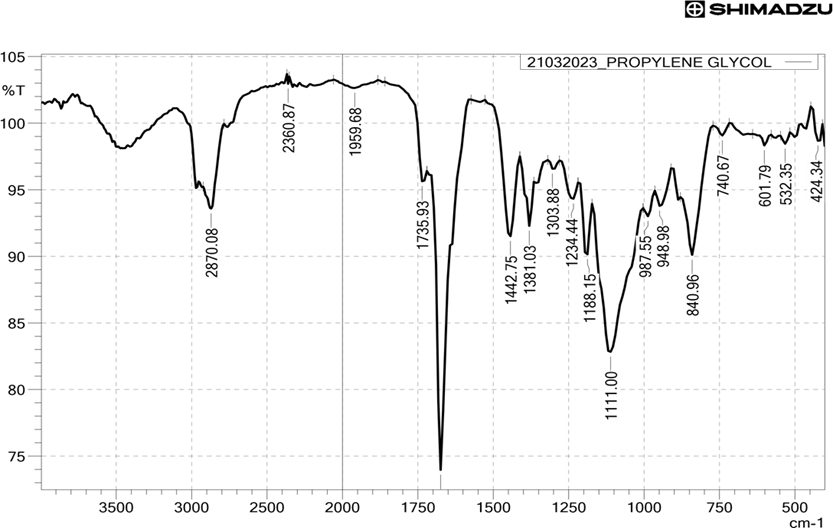
Figure13: FTIR of propylene glycol
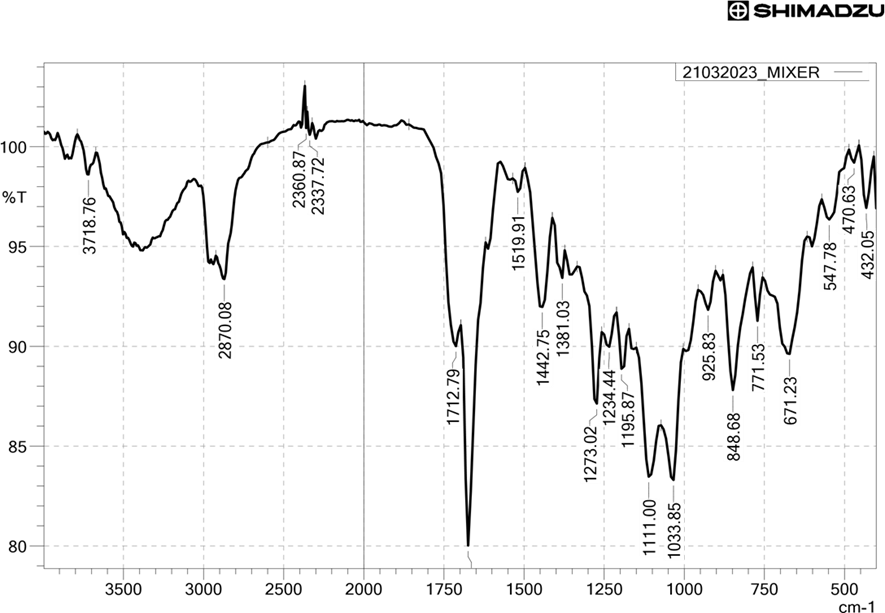
Figure 14: FTIR of mixture of all excipients
Emulgel formulations were white to buff white viscous creamy preparation with a smooth homogeneous texture and glossy appearance. Results have been discussed in Table no 5.4.
Table 06: Physical Characteristics of emulgel
|
Formulation |
Color |
Homogeneity |
Consistency |
Phase separation |
|
F1 |
White |
Good |
Good |
No |
|
F2 |
Buff White |
Excellent |
Good |
No |
|
F3 |
White |
Excellent |
Good |
No |
The pH of all emulgel formulations was in the range of 6.25 to 6.70 which lies in the normal pH range of the skin and would not produce any skin irritation. There was no significant change in pH values. All the formulations showed good Extrudability. Formulation F3showed good Spread ability, Viscosity and medication composition. The drug concentration of the formulated Emulgel was determined spectro photo metrically at 227 nm. The results are discussed in Table 5.5.
Table 07: Emulgel Parameter
|
Formulation |
PH |
Extrudability |
Spread ability (gm.cm/sec) |
Viscosity (cps) |
|
F1 |
6.25 |
Excellent |
42.11 |
20190 |
|
F2 |
6.69 |
Excellent |
45. 24 |
23345 |
|
F3 |
6.70 |
Excellent |
48.93 |
18443 |
SPF value determination:
The absorbance of the solutions was then measured at 290 - 320 nm, with a measurement range of 5 nm, which corresponds to the wavelength of ultraviolet light. Table 5.6 describes the SPF value, whereas this measurement employed the suggested CF value of 10.
Table 08: Sun Protection Factor Calculation
|
Wavelength (nm) |
EEx I
|
Abs (Average) |
(EEx I) x abs x CF |
|
290 |
0.0150 |
0.618 |
0.0927 |
|
295 |
0.0817 |
0.529 |
0.432193 |
|
300 |
0.2874 |
0.479 |
1.3766 |
|
305 |
0.3278 |
0.380 |
1.2456 |
|
310 |
0.1864 |
0.315 |
0.5871 |
|
315 |
0.0839 |
0.277 |
0.2324 |
|
320 |
0.0180 |
0.243 |
0.04374 |
|
SPF Value |
4.01033 |
||
DISCUSSION
The objective of the present study was to formulate and evaluate a herbal sunscreen emulgel incorporating lemongrass (Cymbopogon citratus) oil extract as the primary active ingredient. Phytochemical analysis confirmed the presence of several bioactive constituents, including volatile oils, glycosides, and steroids, which are recognized for their antioxidant, anti-inflammatory, and photo protective properties. These compounds likely contribute to the overall UV-protective efficacy and skin-conditioning potential of the formulation.
The developed emulgel formulations exhibited desirable physicochemical characteristics, such as acceptable pH, smooth texture, uniform consistency, excellent spreadability, and stability, indicating their suitability for dermatological application. Among the evaluated formulations, F3 demonstrated superior overall performance, possessing optimal physical attributes and an SPF value of 4.01, which corresponds to a moderate level of sun protection.
The results indicate that lemongrass oil can be effectively utilized as a natural photo protective agent, supporting its potential incorporation in herbal cosmetic and dermatological preparations aimed at providing safe and eco-friendly protection against harmful ultraviolet radiation.
CONCLUSION
The present investigation established that lemongrass (Cymbopogon citratus) oil can be successfully incorporated into an emulgel-based herbal sunscreen formulation exhibiting desirable physicochemical properties and appreciable sun protection factor (SPF) efficacy. Phytochemical screening verified the presence of bioactive constituents, including volatile oils, glycosides, and steroids, which are likely responsible for the formulation’s therapeutic and photo protective potential.
Among the prepared formulations, batch F3 exhibited superior performance in terms of pH stability, spreadability, viscosity, and extrudability, indicating excellent cosmetic acceptability and user compliance. The SPF assessment further confirmed the significant photo protective capacity of lemongrass oil, supporting its suitability as a natural substitute for conventional synthetic sunscreen agents.
In summary, the study substantiates that emulgel-based herbal sunscreens containing lemongrass oil can provide effective ultraviolet (UV) protection while minimizing the likelihood of skin irritation or allergic reactions. Thus, such formulations represent a safe, sustainable, and skin-friendly alternative for modern photo protection.
ACKNOWLEDGEMENT
The authors wish to express their profound gratitude and sincere appreciation to Dr. Nilofar Khan, Associate Professor, Department of Pharmacognosy, Konkan Gyanpeeth Rahul Dharkar College of Pharmacy and Research Institute, Karjat, for her invaluable guidance, consistent encouragement, and constructive support throughout the course of this research work.
The authors are equally thankful to Dr. Shubhangi V. Kshirsagar, Associate Professor, Ideal College of Pharmacy, Kalyan, for her valuable advice and motivation during this project.
Heartfelt appreciation is conveyed to Dr. Mohan Kale, Principal, Konkan Gyanpeeth Rahul Dharkar College of Pharmacy and Research Institute, Karjat, for providing the necessary facilities and a supportive research environment essential for carrying out this work.
Finally, the authors express deep gratitude to their families and friends for their continuous encouragement, understanding, and moral support throughout the duration of this study.
REFERENCES


Dr. Nilofar Khan, Harsh Niwatkar, Sakshi Palande, Siddhi Sawant, Divyal Nehate, Rutuja Papal, Dr. Shubhangi Kshirsagar, Dr. Mohan Kale, Formulation and Evaluation of Herbal Sunscreen by Lemon Grass Oil Extract, Int. J. of Pharm. Sci., 2026, Vol 4, Issue 2, 2397-2410. https://doi.org/10.5281/zenodo.18663646
 10.5281/zenodo.18663646
