
Shree Mahavir Education Society's Mahavir Institute of Pharmacy, Nashik.
The hydrophobic nature of the majority of medicines makes successful in vivo delivery difficult. The effectiveness of such drugs has been greatly improved by the reduction of materials to nano size. An optimal pharmacological therapy avoids both global and local adverse effects while achieving effective drug concentration at the target site for a predetermined amount of time. The right amount of drug should be transported and delivered to the site of action, followed by control over the drug input rate, in order to achieve the desired therapeutic response. Nanosponges are formed of minuscule particles having chambers that are only a few nanometers across and include a wide array of substances that can be encapsulated. These particles may transport both lipophilic and hydrophilic compounds, which allows them to enhancing the water solubility of compounds with weak water solubility. The research done in this area demonstrates how nanosponges, which are small mesh-like structures, may revolutionize treatment. Early research indicate that this technology is up to five times more successful at treating various ailments than medication delivery for breast cancer treatment than standard techniques.
1.1. Introduction to Nanosponges:
Drug delivery technology has assisted us in focusing on pharmaceuticals by giving them new life through therapeutic targeting. In recent years, targeting pharmaceutical distribution has become a major priority. The researchers are facing a problem. With a specific purpose in mind, drug administration Improvements in therapeutic efficacy, as well as a reduction in the number of patients who require treatment. Adverse effects and the best dosing schedule will be examined. the most recent advances in the realm of therapeutics Targeted drug delivery entails selective and effective localization of the pharmacologically active moiety in therapeutic concentration at a deterministic (predetermined) target, limiting access to non-target normal cellular linings, reducing toxic effects, and optimising the drug's therapeutic index.
In order to reduce general and local side effects, an ideal pharmacological therapy achieves effective drug concentration at the target site for a given period of time. To achieve a desired therapeutic response, the correct amount of pharmaceutical must be carried and delivered to the site of action, with the drug input rate then controlled. As a result, medication distribution to other tissues appears to be unneeded, unproductive, and potentially dangerous.
For a long time, effective targeted drug delivery systems have been a pipe dream, but the complexity of chemistry needed in the creation of new systems has hampered progress. Medical experts have long struggled with how to transport drugs to the proper area in the body while also controlling medication release to avoid overdosing. The invention of Nanosponges, a new and complicated molecule, has the potential to tackle this problem.
The development of nanotechnology resulted in the creation of several dosage forms. For a long time, effective targeted drug delivery systems have remained a pipe dream due to numerous major limitations. However, a feasible approach for the production of discrete functionalized particles, dubbed "Nanosponge," has been created.
The invention of Nanosponges, a novel colloidal carrier, has the potential to alleviate these issues. Nanosponge is a new and emerging technology that allows for exact control of controlled drug delivery rates for topical usage. Nanosponges have been developed as a significant step in solving these issues. Nanosponges are microscopic sponges around the size of a virus that can be filled with a variety of medications. These tiny sponges can move about the body.
Nanosponges are a newer kind of innovative drug delivery device made up of small spherical nanoparticles with large cavities of a few micrometres in which a variety of compounds can be encapsulated. With their spongy structure and small size below 1um, they are minuscule mesh-like 3D frameworks. These three-dimensional frameworks are a new type that can hold both hydrophilic and lipophilic medicines. Because their core consists of lipophilic characteristics and hydrophilic branching, they can be used in a wide range of applications. Solubility, bioavailability of poorly water-soluble chemicals, and Minimising side effects are all important factors to consider.
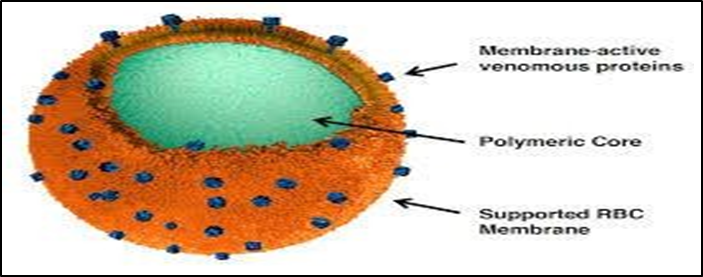
Nanoparticulate drug administration has showed significant benefits in terms of increased bioavailability and localised distribution. Treatments and have the potential to improve the treatment of a variety of diseases. Recent research and clinical trials forecasting that this method will be five times more effective than currently available treatments in patients with breast cancer. Conventional ways in comparison The Nanosponges have a biodegradable polyester 'backbone' (Scaffold structure) about the size of a virus. The strands of polyester that have an extended length and are dissolved in solution with small components are known as strands of polyester. “Cross-linkers" are polyester cross-linkers that a preference for specific sections of the polyester. These polyester fibres are "cross-linked. “The strands form a spherical shape with several chambers into which the active ingredient can be easily loaded.
Nanoparticulate medication delivery has demonstrated significant benefits in terms of increased bioavailability, targeted therapy, and ha The Nanosponges have biodegradable polyester 'backbone' (Scaffold structure) about the size of a virus. Polyester strands are made up of long strands that are dissolved in solution, as well as microscopic components known as "cross-linkers," which a preference for specific portions of the polyester. These "cross- linked" polyester strands form a spherical shape with several chambers into which the active ingredient can be easily loaded. Because of polyester's biodegradability, it has been demonstrated that an active ingredient can be released at a predetermined period after it has degraded in the body. Nanosponges are enclosed nanoparticles that have the ability to enhance the therapeutic substance inside their core.
Nanosponges are three-dimensional networks or scaffolds with a long-length polyester backbone. It's mixed in a solution with small molecules called cross-linkers, which work as tiny grappling hooks to hold the polymer's various sections together. The end result is spherically shaped particles with cavities for medication molecules to be stored. Because polyester is biodegradable, it degrades slowly in the body. By adjusting the percentage of cross-linkers to polymer, the size of nanosponge particles can be controlled. The research has shown that drug delivery system they are smaller than 100 nm, the nanosponge particles used in the current study were 50 nm in size.
2. Types of Nanosponges:
Depending on the method of association of nanoparticles with a drug, the nanoparticles can be classified into 3 types.
2.1. Encapsulating Nanosponges:
Nanosponges and nanocapsules are examples of these. Polymeric nanosponges, for example, have a lot of flaws that carry the drug molecules. Encapsulating nanoparticles is also done with nanocapsules like poly (isobutyl-cyanoacrylate) (IBCA). In their aqueous core, they can entrap therapeutic molecules.
2.2. Complexing nanoparticles:
These nanoparticles attract the molecule by electrostatic charges.
2.3. Conjugating nanoparticles:
These nanoparticles linked to drug molecules through a strong covalent bond. Non - irritating, biodegradable, and non-toxic.
3. Significances of nanosponges:
4. Advantage of Nanosponges:
5. Disadvantages of Nanosponges:
6. Chemicals used for synthesis of Nanosponges:
The polymers and cross-linking agents used to make Nanosponge are listed in the table below.
Table 1: Chemical used for synthesis of Nanosponges
|
Polymers |
Cross linkers |
|
Hyper cross-linked Polystyrenes Cyclodextrins and its derivatives like Methyl β-Cyclodextrin, Alkyloxy-carbonyl Cyclodextrins, 2-Hydroxy Propyl β-Cyclodextrins and Copolymers like Poly (valerolactone -allylvalerolactone) & Poly (valerolactone- oxepanedione) and Ethyl Cellulose & Poly vinyl acetate (PVA). |
DiphenylCarbonate Di-arylcarbonates DiIsocyanates Pyromellitic anhydride Carbonyldi-imidazole Epichloridrine Glutraldehyde Carboxylic acid dianhydrides 2, 2- bis (acrylamidos) Acetic acid Dichloromethane. |
7. Applications of Nanosponges:
Drugs can be incorporated into the structure of nanosponges in the form of inclusion 1.7.complexes or non-inclusion complexes. Because of their versatility, nanosponges have a variety of applications in the pharmaceutical industry adaptability and biocompatibility.
7.1. Clinical applications:
7.1.1. In Anti-mycotic Therapy:
Econazole nitrate, a topical antifungal drug used to treat superficial candidiasis, dermatophytosis, and skin infections, is available as a cream. Ointment, lotion, and solution are all examples of ointment. There is no substantial adsorption When econazole nitrate is administered to the skin, it is necessary to apply to be integrated, a high concentration of active substances must be used. A successful treatment as a result, econazole nitrate nanosponges were developed. These are made using the emulsion solvent diffusion process, and as a local storage for nanosponges, hydrogel was loaded with nanosponges.
7.1.2. In Anti-viral Therapy:
Nanosponges can be used in a variety of ways, including ocular, nasal, and pulmonary delivery. Nanocarriers can transport antiviral medications or small interfering RNA (siRNA) to the nasal epithelia and lungs selectively in order to target viruses that cause RTIs such as respiratory syncytial virus, influenza virus, and rhinovirus. They are also effective against the Human Immunodeficiency Virus (HIV), Hepatitis B Virus (HBV), and Herpes Simplex Virus (HSV) (HSV). Zidovudine, saquinavir, interferon, acyclovir, Nelfinavir, and other medications are incorporated into nano delivery systems.
7.1.3. Solubility enhancement:
Itraconazole's solubility has been improved using beta-Cyclodextrin-based nanosponges. In comparison to the ternary, the solubility increased 50-fold. In the system of dispersion Polyvidone is an example of this type of plant.
7.1.4. Chemotherapy:
Nanosponges have been investigated as a potential delivery mechanism for anticancer medicines, with drugs like Paclitaxel and Tamoxifen showing increased bioavailability and efficacy. Nanosponges have been used to treat cancer cells such as breast cancer and fast-acting glioma with a single dosage of injections.
7.1.5. Nanosponges as a carrier for biocatalysts and release of enzymes, proteins, vaccines, and antibodies:
It contains the procedures used in the sector, which are linked to the current operational status. Reactions that are unique to low yields and demand high temperatures and pressures in the downstream process, consuming a lot of energy and cooling water this disadvantage can be overcome by employing enzymes as biocatalysts, which work at high reaction speeds under mild conditions.
7.1.6. Nano-carriers for biomedical applications:
Contaminated water could be treated with nanosponges. Organic impurities in water have been eliminated utilizing nanosponges.
7.1.7. Analytical Applications:
The nanosponges are microporous and hyper cross -linked. Inorganic electrolytes have been prepared selectively using this method. Size exclusion chromatography the three- dimensional representation in the future, nanosponges will be crucial.
7.2. Nanosponges for drug delivery:
Due to their nonporous nature, nanosponges can advantageously carry water-insoluble medicines (Biopharmaceutical Classification System class-II medications). These complexes can be used to speed up the dissolution of pharmaceuticals, increase their solubility and stability, hide undesirable flavours, and convert liquids to solids. - Nanosponges made of Cyclodextrin have been shown to transport drugs three to five times more effectively than direct injection. Loading drugs into nanosponges can successfully deliver drugs that are particularly difficult to formulate due to their solubility. Nanosponges made of BTB–Cyclodextrin are said to deliver the medicine three to five times more efficiently than direct injection. In terms of formulation, they're especially important. Loading into the may successfully deliver solubility. Nanosponges the nanosponges are solid in form and can be used in a wide range of applications. Oral, parenteral, topical, or inhalation formulations dose types the complexes are used for oral administration. may be disseminated in a matrix of excipients, diluents, and other ingredients appropriate lubricants and anti-caking agents for the preparation in the form of capsules or tablets the parenteral administration is carried out using complex can be transported in sterile water, saline, or several types of aqueous solutions They are used for topical administration can be successfully incorporated into a topical hydrogel successfully incorporated into a topical hydrogel.
7.3. Nanosponges for oral drug delivery:
Oral medication administration employs bio erodible polymers, particularly for colon- specific delivery and controlled release drug delivery systems, which reduces drug toxicity and improves patient compliance by offering site-specific drug delivery systems and extending dosing intervals. Itraconazole, flurbiprofen, dexamethasone, danazol, Nelfinavir, and ox carbamazepine are just a few of the drugs that have been studied at the molecular level. These are BCS class-II medicines with low solubility and low bioavailability due to a slow dissolving rate. When combined with Nanosponge, however, they show improved solubilization efficiency and desired drug release properties.
7.4. Topical agents:
The nanosponges delivery system is a one-of-a-kind device for the regulated release of topical medicines with long-term drug release and skin retention. Conventional dermatological and personal care solutions usually include active substances in high concentrations but for a limited time. This could result in a cycle of short-term overmedication and long-term under medication. When active substances permeate the skin, they might cause rashes or more serious side effects. This technique, on the other hand, provides for an even and consistent rate of release, eliminating discomfort while preserving efficiency. A designed product can contain a wide range of components, including gel, lotion, cream, ointment, liquid, or powder. Econazole nitrate is an antifungal cream, ointment, lotion, and solution that is used topically to treat superficial candidiasis, dermatophytosis, Vesicular, and other skin infections.
7.5. For Protein binding:
Because the protein bovine serum albumin (BSA) in solution is unstable, it is preserved in a lyophilized form. Proteins, on the other hand, can be denatured reversibly during lyophilization and assume a confirmation that is significantly different from their native structure. The ability to maintain the native structure of proteins during processing and long-term storage is a major issue in protein formulation and development. Based on the nanosponges, proteins such as BSA are encapsulated in swellable Cyclodextrin-based poly (amidoamine) nanosponges to boost protein stability.
8. Mechanism of drug release from Nanosponges:
The active ingredient is given to the vehicle in an encapsulated form since the nanosponges have an open structure with pores on their surface, i.e. there is no uninterrupted membrane in the surrounding of nanosponges. Until the vehicle is saturated and equilibrium is reached, the encapsulated active ingredient can freely transfer from the particles into the vehicle. When the product is applied to the skin, the active ingredient's carrier becomes unsaturated, disrupting the balance. This will cause the active to flow from the sponge particle into the vehicle and then to the skin until the vehicle is dry or absorbed. Even after the Nanosponge particles are removed from the skin's surface, the stratum corneum, the active material continues to be released into the skin for a long time
9. Factors Influencing in the formulation of Nanosponges:
9.1. Nature of polymer:
The polymer utilised to make nanosponges can have an impact on the development and pre-formulation of the nanosponges. The cavity size in the nanosponges should be large enough to entrap a drug molecule of a specific size for complexation.
9.2. Drug:
9.3. Temperature:
Drug/Nanosponge complexation can be affected by temperature fluctuations. In general, increased temperature reduces the magnitude of the apparent stability constant of the drug/Nanosponge complex. This could be owing to a reduction in drug/nanosponges contact forces, such as van der Waal forces and hydrophobic forces, as temperature rises.
9.4 Method of preparation:
The method of loading the drug into the nanosponges can affect Drug/Nanosponge complexation. However, the effectiveness of a method depends on the nature of the drug and polymer, in many cases freeze-drying was found to be most effective for drug complexation.
9.5. Degree of substitution:
The complexation ability of the nanosponges may be greatly affected by type, number, and position of the substituent on the parent molecule.
10. Preparation of Nanosponges:
Nanosponges are made up of a three-dimensional network or scaffold. Nanosponges are made by reacting polyesters with the right crosslinking agents to create a new nanostructured material.
10.1. Methods used for the preparation of Nanosponges are:
10.2. Melt method:
Dimethyl carbonate, diphenyl carbonate, DiIsocyanates, diaryl carbonates, carbonyl diimidazole, carboxylic acid anhydrides, and 2, 2-bis (acrylamide) acetic acid are used to make nanosponges. All of the materials are carefully homogenised before being placed in a 250 ml flask and heated to 100 ° C. Use a magnetic stirrer to agitate the reaction for around 5 hours. Allow time for the mixture to cool and the product to break down. The resulting product should next be washed with a suitable solvent to eliminate any remaining unreacted excipients and by products. Nanosponges' porosity, pore diameters, and surface charge density can all be tweaked to attach different molecules.
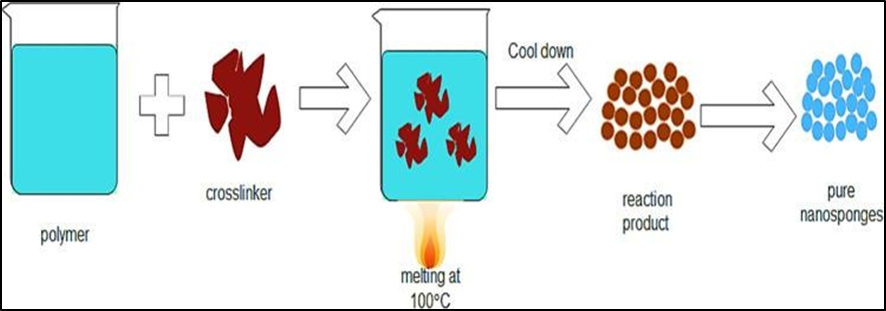
Figure 2: Pictorial Representation of melt Method.
10.3. Solvent method:
Combine the polymer with a suitable solvent, preferably a polar aprotic solvent like dimethylformamide (DMF) or dimethyl sulfoxide. (DMSO) Then, in a separate container, add this combination to the cross linker. Surpasses the quantity, the cross linker/molar ratio 1:4 is the optimum ratio. The reaction that took place at the temperature ranges
between 100- and 200-degrees Fahrenheit with regard to the reflux temperature of the solvent over a period of time ranging from 1 to 10 minutes. Up to 48 hours the following cross-linkers are some of the most popular. Carbonyl diimidazole and Dimethyl carbonate reaction is completed and solution is allowed to cool at room temperature then product is added to large excess of bi-distilled water and product is recovered by filtration under vacuum and subsequently purify by prolonged Soxhlet extraction with ethanol. Finally, product is dried under vacuum and grinded in a mechanical mill to obtain homogeneous powder.
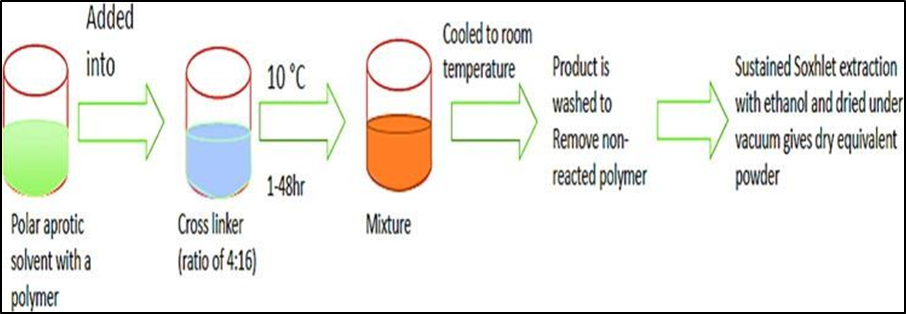
Figure 3: Pictorial representation of solvent method.
10.4. Emulsion solvent diffusion method:
Nanosponges made using ethyl cellulose and polyvinyl alcohol in various proportions. Dissolve the dispersed phase comprising ethyl cellulose and drug in 20 mL dichloromethane, and then slowly add to 150 mL of the aqueous continuous phase a determined amount of polyvinyl alcohol. 2 hours at 1000 rpm, stir the reaction mixtureFilter the nanosponge that have grown and dry them for 24 hours at 400°C. To assure the elimination of remaining solvent, the dried nanosponges were stored in vacuum desiccators.
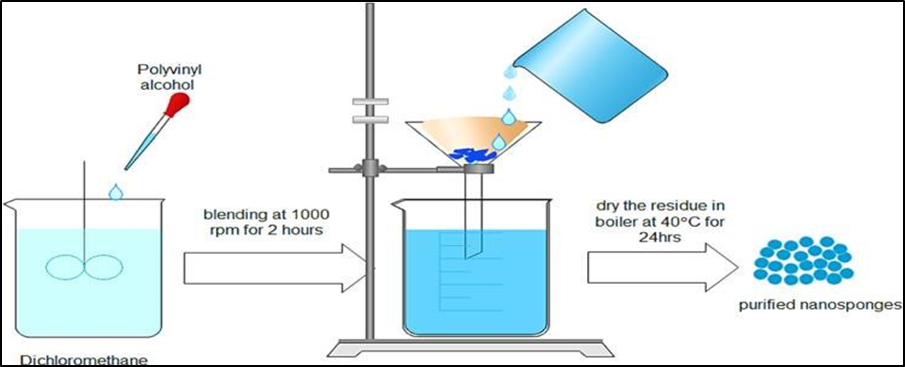
Figure 4: pictorial representation of emulsion solvent diffusion method.
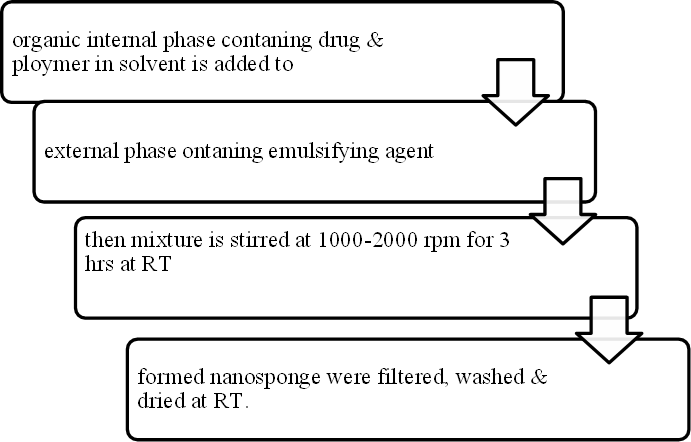
Figure 5: flow diagram for the preparation of nanosponges by emulsion solvent diffusion method.
10.5. Ultra sound assisted method:
Nanosponges can be made using this process, which involves reacting polymers with cross-linkers in the absence of a solvent and sonication. The results were obtained. The nanosponges will be spherical, consistent in size, and have a high surface area. I-phenyl has a size of less than 5 microns. is used in this procedure. As a catalyst, carbonate (or Pyromellitic anhydride) is utilised. Cross - linker. In a flask, combine the polymer and cross linker. In an ultrasound machine, place the flask. Fill a bath with water and heat it to 90 degrees. As well as5 hours of sonication the solid was then crushed in. A mortar and ethanol-based Soxhlet extraction Impurities (or) unreacted polymers should be removed. After purification, the nanosponges were stored at25o c.
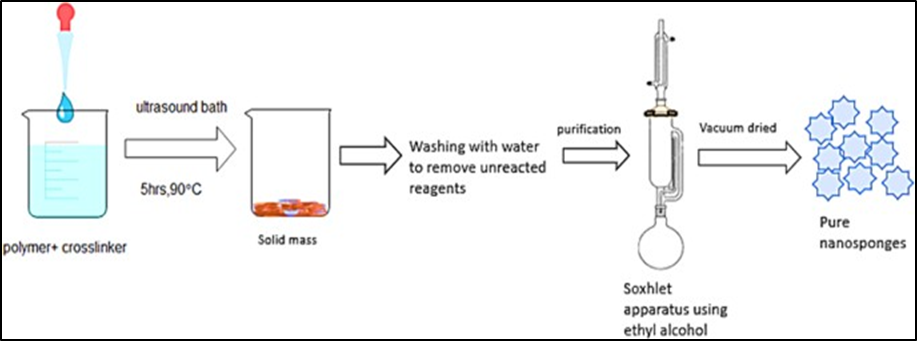
Figure 6: Pictorial Presentation of Ultra-Sound Assisted Method.
10.6. Quasi-emulsion method:
In this process, Nano sponges are made by sonicating polymers containing carbonyl cross synchronisation primitives in the absence of a solvent. These nanosponges will have a consistent spherical dimension. In a flask, combine the polymer and cross-linker in an appropriate amount. For ultrasonication, the flask is immersed in water and heated to 90°C. For continuous sonication, the mixture is held for 5 hours. The combination is then cooled, and the result is rinsed with distilled water before being purified with a Soxhlet extractor and ethanol. The final product is dried at 25 degrees Celsius, and the whitish powder is captured and processed away from dampness.
The polymer was used to assemble the NSs in various sums. A fair dissolvable stage is prepared and added to the inner stage. Under ultrasonication, the medication employed elicited a response and broke down at 35 °C. This internal procedure, which is utilised in the polyvinyl alcohol-containing exterior phase, goes around as an emulsifying operator. The mix is blended for 3 hours at room temperature at 1000–2000 rpm, then dried for 12 hours in an air-warmed oven at 40 °C.
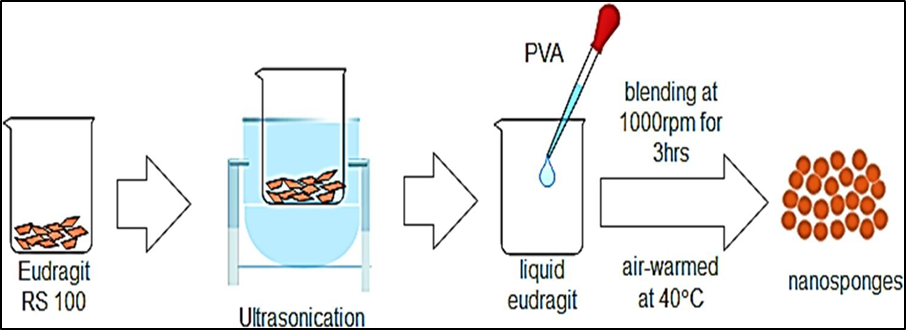
Figure 7: Pictorial Presentation Of Quasi Emulsion Method.
10.7. Nanosponges made from hyper crossed-linked cyclodextrin:-
Hyper crosslinked A Nano-sized cyclodextrin polymer Nano arranged to form 3- dimensional networks has recently been discovered; a roughly spherical structure, about the size of a protein, with channels and pores inside. They're made by combining cyclodextrin with cross-linkers such di isocianates, diaryl carbonates, dimethyl carbonate, diphenyl carbonate, carbonyl di-imidazole, carboxylic acid dianhydrides, and 2, 2-Bis (acrylamide) acetic acid. To connect different molecules, sponges' surface charge density. porosity, and pore widths can be altered. Fast drug release is achieved by using a Nanosponge with low cross linking.
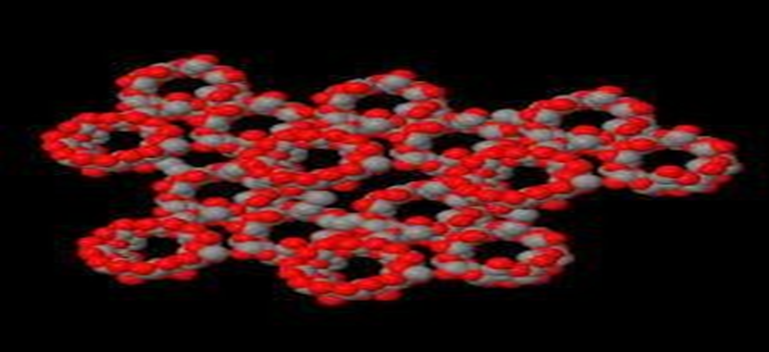
Fig 8: B-Cyclodextrin Crossed Nanosponges
11. Mechanism of drug release from Nanosponges:
Because nanosponges have an open structure with pores on their surface, and there is no continuous membrane enclosing them, the active chemical is released.is enclosed and added to the vehicle. encapsulated active ingredient can move around freely. The particles enter the vehicle until it is fully saturated. And equilibrium has been achieved. When you use the product, on the surface of the skin. the vehicle in which the active component is contained. Becomes unsaturated, causing an upset in the equilibrium. This will cause the active to flow from the sponge particle into the vehicle and then to the skin until the vehicle is dry or absorbed. Even after the nanosponges particles are removed from the skin's surface, the stratum corneum, the active material continues to be released into the skin for a long time.
12. Biopharmaceutical classification of BCS class drug:-
12.1. What is BCS classification?
The BCS categorization system is a scientific framework for separating medicinal compounds based on their solubility and permeability in specific condition. It's a scientific system for categorising drugs based on their water solubility and intestinal permeability. It is a drug-development tool that enables for the assessment of the contributions of three primary parameters affecting oral drug absorption from IR solid oral dosage forms: dissolution, solubility, and intestinal permeability.
The guidance document on instant release solid oral dosage forms: Scale-up and post approval adjustments was the first to include it in the regulatory decision-making process. The medications are classified according to their solubility and permeability. BCS guidelines are now supplied by the USFDA, WHO.
12.2. Importance of BCS classification:-
The BCS classification system is a significant technique in the development of generic drugs. It provides a comparison between the test product and the RLD (reference listed drug). It is extremely difficult to develop a generic medication without BCS categorization. Because API solubility and permeability have a big influence on BE studies. To reduce the failure of the BE study, the API BCS categorization should be confirmed.
12.3. Class boundaries:
12.3.1. Solubility:-
The highest dose strength of a drug product that is the subject of a biowaiver (drug product approval without a pharmacokinetic BE research) request determines the solubility class boundary. A drug substance is considered extremely soluble, according to USFDA BCS guidance, if the highest dose strength is soluble in 250 mL Over the pH range of 1-7.5, or less of aqueous medium According to WHO guidelines, an API is highly soluble if the highest dose (if the API is on the WHO Model List of Essential Medicines) or highest dose strength available on the market as an oral solid dosage form (if the API is not on the WHO Model List of Essential Medicines) is soluble in 250 mL or less of aqueous media over the pH range of 1.2-6.8.
12.3.2. Permeability:-
The permeability class boundary is determined in part by the extent of pharmacological substance absorption in people and in part by measures of mass transfer across the human intestinal membrane. Nonhuman systems capable of predicting the extent of drug absorption in humans (for example, in vitro epithelial cell culture procedures) can also be used. In the absence of evidence of GI tract instability, a drug substance is considered highly permeable when the extent of absorption in humans is determined to be 90% or more of an administered dose based on a mass balance determination or in comparison to an intravenous reference dose, according to USFDA BCS guidance. An API is deemed very permeable according to WHO guidelines. BCS is based on a scientific framework elaborate the three rate limiting steps in oral absorption.
12.3.3. Permeability determination:
The methods that are routinely used for determination of permeability include the following:
12.4 Application of biopharmaceutical classification:
Class I:
The Class I medications aren't those whose solubility or permeability are restricted within the GI tract's target regions.
In such circumstances, controlled release technology can be used to control drug release. For Class I drugs, controlled release technologies include Macrocap, Micropump, MODAS (Multiporous oral drug absorption system), SCOT (Single composition osmotic tablet system), Microsphere, CONSURF (constant surface area drug delivery shuttle), Diamatrix (Diffusion controlled matrix system), DPHS (Delayed pulsatile hydrogel system), DUREDAS (Dual release drug absorption system), GMHS (Granulated modulating hydrogel systems).
Class II:
This category refers to situations in which solubility or dissolution rate is a limiting factor, affecting absorption and BA substantially. This category of technologies includes approaches such as Stabilization of high-energy states, also known as classical micronization Surfactant use (including lyophilized fast-melt systems), solid dispersion, emulsion or microemulsion systems, and the usage of Cyclodextrin are a good example of a complexing agent. The technology in question Soft Gel (soft gelatine capsule formulation), Zero-So, and others fall under this category. Triglas and nanosized carriers, as well as tablet technology (osmotic system). Nanoemulsion, nanosuspension, and nanocrystals are examples of nanomaterials. considered as a possible way to improve the solubility and BA of poorly soluble substancesactive compounds that are water soluble.
Class III:
Class III technologies involve manipulating the site or rate of exposure, as well as integrating functional substances into the dose form to change the enzyme systems' metabolic activity. Oral vaccine system, Gastric retention system, High-Frequency Capsule, and Telemetric Capsule are examples of technologies in this category.
Class IV:
Extreme examples of Class IV compounds are the exception rather than the rule, and they are rarely created for commercial use. However, there are a few examples of Class IV drugs, such as Cyclosporin A, Furosemide, Ritonavir, Saquinavir, and Taxol.
12.4. Biopharmaceutical classification:
Class I: high solubility, high permeability: generally, very well absorbed molecules.
Class II: low solubility, high permeability: exhibit dissolution rate-limited absorption.
Class III: high solubility, low permeability: exhibit permeability-limited absorption.
Class IV: low solubility, low permeability: extremely poor oral bioavailability.
CONCLUSION
The present study successfully demonstrates the potential of Nanosponge technology as a transformative platform for the delivery of Amlodipine. By utilizing the Emulsion Solvent Diffusion method with polymers such as Ethyl Cellulose and beta-Cyclodextrin, the research effectively addressed the inherent challenge of poor water solubility associated with lipophilic drugs.The analytical evaluation through FTIR spectroscopy confirmed the chemical stability and compatibility of the drug within the polymeric matrix, ensuring no adverse interactions. Furthermore, the optimization of Particle Size and Zeta Potential resulted in a stable, nano-porous mesh structure capable of high Entrapment Efficiency. The integration of Superdisintegrants like Croscarmellose further accelerated the disintegration process, leading to a significant improvement in the in-vitro drug release profile compared to conventional dosage forms.In summary, Amlodipine Nanosponges offer a superior alternative to traditional formulations by enhancing Bioavailability, reducing dose-related toxicity, and potentially improving Patient Compliance in the management of hypertension. This research confirms that nanosponges are not only efficient carriers for hydrophobic drugs but also represent a critical step toward more precise and effective cardiovascular therapies in the modern pharmaceutical landscape.
REFERENCES

Bharat More, Dr. Vasim Pathan, Formulation Development and Evaluation of Amlodipine Nanosponges, Int. J. of Pharm. Sci., 2026, Vol 4, Issue 4, 1586-1601. https://doi.org/10.5281/zenodo.19484678
 10.5281/zenodo.19484678
