
Department of MBA (Pharmaceutical Management), D. Y. Patil Agriculture & Technical University, Talsande, Kolhapur, India
Pharmaceutical marketing and promotional activities serve an essential function in communicating therapeutic advancements and improving awareness of medicinal products among healthcare professionals and patients. However, the expanding commercial orientation of the pharmaceutical industry has generated substantial ethical concerns regarding the integrity and transparency of drug promotion practices. Ethical challenges arise when marketing objectives overshadow patient-centred healthcare principles, potentially influencing prescribing behaviour, clinical decision-making, and rational drug use. Common concerns include misleading promotional claims, selective presentation of clinical evidence, financial relationships between pharmaceutical companies and healthcare professionals, and promotion of medicines beyond approved indications. Such practices may compromise patient safety, increase healthcare costs, and undermine public confidence in healthcare systems. International ethical frameworks developed by organizations such as the World Health Organization, along with regulatory oversight by agencies including the U.S. Food and Drug Administration and the Central Drugs Standard Control Organization, aim to ensure responsible pharmaceutical promotion. Nevertheless, variations in regulatory enforcement and industry self-governance continue to create challenges in achieving global ethical compliance. Moreover, the rapid emergence of digital marketing platforms and data-driven promotional strategies has introduced new ethical issues related to information accuracy, patient privacy, and targeted advertising. This review critically evaluates ethical challenges in pharmaceutical marketing and promotion, examines existing regulatory frameworks, and discusses strategies to strengthen ethical accountability. Promoting transparent, evidence-based, and patient-oriented marketing practices is essential for safeguarding healthcare integrity and sustaining trust in modern pharmaceutical systems
Pharmaceutical marketing and promotion play a vital role in disseminating information about therapeutic innovations, newly approved medicines, and advances in disease management. Effective communication between pharmaceutical companies and healthcare professionals contributes to improved treatment awareness and facilitates evidence-based prescribing practices. However, unlike conventional commercial products, pharmaceutical products directly influence patient health outcomes, making ethical responsibility a fundamental requirement in drug promotion activities.[1] The rapid expansion of the global pharmaceutical industry has intensified competition, leading to increasingly sophisticated marketing strategies aimed at maximizing product visibility and market share. Promotional practices such as medical representative interactions, sponsored scientific meetings, incentives to healthcare professionals, and direct-to-consumer advertising have become common approaches for influencing prescribing behavior.[2] While these activities may support knowledge exchange, concerns arise when commercial interests overshadow patient welfare and rational drug use. Ethical challenges including misleading promotional claims, selective reporting of clinical evidence, conflicts of interest, and promotion of medicines beyond approved indications have attracted significant global attention.[3] To address these concerns, international organizations such as the World Health Organization have established ethical criteria for medicinal drug promotion emphasizing accuracy, transparency, and scientific validity. Regulatory authorities including the U.S. Food and Drug Administration and India’s Central Drugs Standard Control Organization monitor pharmaceutical advertising and promotional conduct to safeguard public health.[4] Despite these regulatory efforts, variations in enforcement and increasing reliance on digital marketing platforms continue to pose ethical challenges worldwide. Furthermore, the emergence of online and data-driven promotional strategies has introduced new concerns related to patient privacy, misinformation, and targeted advertising practices. Unethical marketing may contribute to irrational prescribing, increased healthcare expenditure, and erosion of public trust in healthcare systems. Therefore, critical evaluation of ethical issues in pharmaceutical marketing has become essential for maintaining healthcare integrity.[5]
This review aims to examine major ethical challenges associated with pharmaceutical marketing and promotion, evaluate existing regulatory frameworks, and highlight strategies for promoting responsible, transparent, and patient-centered promotional practices.[6]
2. CONCEPT AND SCOPE OF PHARMACEUTICAL MARKETING
Pharmaceutical marketing encompasses all strategic activities undertaken by pharmaceutical companies to communicate information regarding medicinal products to healthcare professionals, patients, and healthcare institutions. Unlike traditional product marketing, pharmaceutical promotion operates within a regulated healthcare environment where ethical responsibility and scientific accuracy are essential due to the direct impact of medicines on patient health outcomes.[7] The primary objective of pharmaceutical marketing is not only commercial growth but also dissemination of reliable therapeutic information that supports rational prescribing and optimal patient care. Modern pharmaceutical marketing integrates scientific communication, brand positioning, market access strategies, and stakeholder engagement throughout the drug lifecycle from product development to post-marketing surveillance. Promotional activities are designed to increase product awareness, improve physician familiarity with therapeutic benefits, and enhance patient adherence. However, ethical concerns arise when promotional messaging emphasizes commercial advantage over balanced clinical evidence. Pharmaceutical promotion operates through multiple communication channels including personal selling by medical representatives, scientific conferences, continuing medical education (CME) sponsorships, journal advertisements, digital platforms, and patient-directed awareness campaigns. The expansion of digital technologies has significantly transformed marketing practices, enabling targeted outreach and real-time engagement with healthcare stakeholders.[8]
3.1 Objectives of Pharmaceutical Marketing
The major objectives include:
Ethically responsible marketing ensures that promotional information remains accurate, evidence-based, and aligned with approved therapeutic indications.
3.2 Types of Pharmaceutical Promotion
Pharmaceutical promotional strategies can be broadly categorized based on the target audience and communication approach.[9]
Table 1. Major Types of Pharmaceutical Marketing Practices.[10]
|
Type of Promotion |
Target Audience |
Common Methods |
Ethical Concerns |
|
Physician-directed promotion |
Doctors & pharmacists |
Medical representatives, samples |
Prescribing influence |
|
Direct-to-consumer advertising |
Patients |
Media & online advertisements |
Self-medication risk |
|
Scientific promotion |
Healthcare professionals |
CME programs, conferences |
Sponsorship bias |
|
Digital marketing |
Professionals & public |
Social media, e-detailing |
Data privacy issues |
|
Institutional marketing |
Hospitals & agencies |
Tender systems, partnerships |
Commercial pressure |
3.3 Key Stakeholders in Pharmaceutical Marketing
Pharmaceutical promotion involves interaction among multiple stakeholders whose decisions collectively influence healthcare delivery:
Maintaining ethical balance among these stakeholders is essential to prevent conflicts of interest and ensure patient-centered healthcare outcomes.[11]
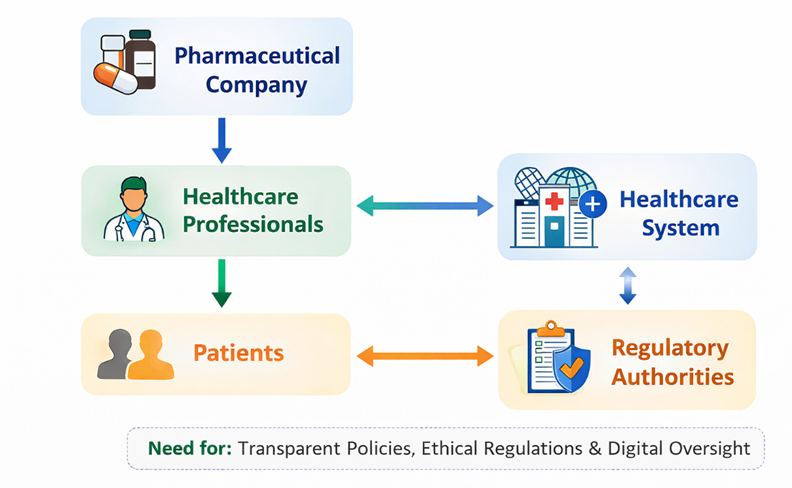
Figure 1. Stakeholder Interaction Model in Pharmaceutical Marketing
3. ETHICAL PRINCIPLES GOVERNING PHARMACEUTICAL PROMOTION
Ethical pharmaceutical marketing is grounded in universally accepted bioethical principles that guide healthcare decision-making and professional conduct. These principles ensure that promotional activities prioritize patient welfare while maintaining transparency and scientific integrity.[12]
3.1 Beneficence- Promotional practices should contribute positively to patient health by providing accurate therapeutic information that supports effective treatment outcomes.
3.2 Non-Maleficence- Marketing communications must avoid misleading claims or omission of safety data that could potentially cause harm through inappropriate drug use.
3.3 Autonomy- Healthcare professionals and patients should retain independent decision-making authority free from undue commercial influence.
3.4 Justice- Equitable access to unbiased drug information should be ensured without promoting unnecessary or economically burdensome therapies.
3.5 Transparency and Accountability- Disclosure of financial relationships, sponsorships, and promotional intent is essential for maintaining professional integrity and public trust.[13]
Table 2. Ethical Principles and Their Application in Pharmaceutical Promotion.[14,15]
|
Ethical Principle |
Application in Marketing |
Ethical Risk if Violated |
|
Beneficence |
Evidence-based promotion |
Ineffective therapy use |
|
Non-maleficence |
Balanced safety disclosure |
Adverse drug reactions |
|
Autonomy |
Independent prescribing |
Commercial bias |
|
Justice |
Fair drug access |
Healthcare inequality |
|
Transparency |
Conflict disclosure |
Loss of public trust |
4. MAJOR ETHICAL CHALLENGES IN PHARMACEUTICAL MARKETING
Pharmaceutical marketing has become increasingly complex with the expansion of global drug markets and competitive commercial environments. Although promotional activities are intended to enhance awareness of therapeutic innovations, several ethical challenges arise when commercial objectives conflict with patient welfare and evidence-based medical practice. One of the most frequently reported ethical concerns involves the dissemination of misleading or exaggerated promotional claims.[16] Pharmaceutical advertisements may selectively emphasize drug efficacy while minimizing potential risks or adverse effects, thereby presenting an imbalanced interpretation of clinical evidence. Such practices can influence healthcare professionals’ perceptions of therapeutic value and may contribute to irrational prescribing patterns. Another significant ethical challenge relates to conflicts of interest between pharmaceutical companies and healthcare professionals. Financial incentives, gifts, sponsored travel, consultancy payments, and funding for educational events may unintentionally affect clinical judgment. Even when interactions are legally permitted, excessive industry influence can compromise professional independence and create bias in treatment decisions. Studies have demonstrated that frequent exposure to promotional activities is associated with increased prescription of branded or higher-cost medicines, which may not always provide superior clinical benefit compared to existing alternatives. The promotion of medicines for off-label use represents an additional ethical concern within pharmaceutical marketing. While physicians may legally prescribe drugs beyond approved indications based on clinical judgment, active promotion of such uses by pharmaceutical companies may expose patients to therapies lacking sufficient safety or efficacy evidence. Off-label promotion has been associated with increased risk of adverse drug reactions and regulatory violations in several healthcare systems. [17]
Ethical issues are further intensified by manipulation or selective reporting of scientific data. Practices such as publication bias, ghost-writing of research articles, and suppression of unfavourable clinical trial outcomes undermine scientific transparency and distort the medical evidence base. When promotional materials rely on incomplete or industry-influenced data, healthcare professionals may unknowingly make decisions based on biased information, ultimately affecting patient safety. The rapid adoption of digital technologies has introduced new ethical challenges in pharmaceutical promotion. Online marketing through social media platforms, targeted advertisements, and algorithm-driven content delivery enables companies to reach both healthcare professionals and patients directly. However, digital promotion raises concerns regarding misinformation dissemination, inadequate disclosure of sponsored content, and misuse of patient data for personalized advertising. The absence of uniform global regulations governing digital pharmaceutical marketing further complicates ethical oversight. Collectively, unethical promotional practices may lead to overprescribing, increased healthcare expenditure, antimicrobial resistance, and erosion of public trust in healthcare institutions. Addressing these ethical challenges requires stronger regulatory enforcement, transparent industry–healthcare relationships, and promotion of evidence-based communication practices aligned with patient-cantered healthcare principles.[18]
Table 3. Major Ethical Challenges in Pharmaceutical Marketing and Their Implications.[19]
|
Ethical Challenge |
Marketing Practice Involved |
Potential Impact |
|
Misleading drug claims |
Selective efficacy reporting |
Irrational prescribing |
|
Conflict of interest |
Gifts & sponsorships |
Biased clinical decisions |
|
Off-label promotion |
Unapproved indication marketing |
Patient safety risks |
|
Data manipulation |
Publication bias, ghostwriting |
Distorted evidence |
|
Digital promotion risks |
Social media advertising |
Misinformation & privacy concerns |
5. REGULATORY FRAMEWORKS AND ETHICAL GUIDELINES
The ethical conduct of pharmaceutical marketing and promotion is governed by a combination of international guidelines, national regulatory policies, and industry self-regulatory codes aimed at ensuring accuracy, transparency, and patient safety. Regulatory oversight is essential because pharmaceutical promotion directly influences prescribing behavior and healthcare decision-making. Over the past decades, global health authorities have developed structured ethical frameworks to prevent misleading advertisements, inappropriate promotional practices, and conflicts of interest between pharmaceutical companies and healthcare professionals.[20] At the international level, the World Health Organization established ethical criteria for medicinal drug promotion to ensure that promotional information is reliable, scientifically valid, and consistent with approved product indications. These guidelines emphasize balanced presentation of benefits and risks, truthful advertising, and responsible interaction between pharmaceutical companies and healthcare professionals. Similarly, the International Federation of Pharmaceutical Manufacturers & Associations has introduced a global Code of Practice that promotes ethical marketing conduct, transparency in sponsorship activities, and responsible engagement with medical professionals and patient organizations.[21] National regulatory authorities play a crucial role in enforcing pharmaceutical advertising standards. In the United States, promotional materials are regulated by the U.S. Food and Drug Administration, which evaluates prescription drug advertisements to ensure that claims are evidence-based and not misleading. Within Europe, the European Medicines Agency collaborates with member states to regulate medicinal product communication and pharmacovigilance-related promotional practices. In India, pharmaceutical marketing activities are monitored by the Central Drugs Standard Control Organization along with voluntary ethical frameworks such as the Uniform Code for Pharmaceutical Marketing Practices (UCPMP), which aims to regulate promotional interactions and prevent unethical inducements.[22] Despite the existence of these regulatory mechanisms, challenges remain due to differences in enforcement strength, legal authority, and monitoring capacity across countries. Self-regulation by pharmaceutical companies often complements governmental oversight; however, voluntary compliance may sometimes be insufficient to prevent unethical marketing behavior. The rapid expansion of cross-border digital promotion further complicates regulatory control, highlighting the need for harmonized global ethical standards and stronger surveillance systems.[23]
Table 4. Comparative Overview of Major Pharmaceutical Marketing Regulatory Bodies
|
Regulatory Authority |
Region |
Key Role in Promotion Regulation |
Ethical Focus |
|
WHO |
Global |
Ethical criteria for drug promotion |
Accuracy & transparency |
|
IFPMA |
Global |
Industry code of marketing practice |
Responsible engagement |
|
FDA |
United States |
Drug advertisement monitoring |
Truthful promotion |
|
EMA |
European Union |
Regulatory supervision & safety |
Public health protection |
|
CDSCO |
India |
Control of drug promotion & approval |
- |
6. IMPACT OF UNETHICAL PHARMACEUTICAL PROMOTION
Unethical pharmaceutical marketing practices extend beyond regulatory violations and exert significant clinical, economic, and societal consequences on healthcare systems worldwide. Because pharmaceutical promotion directly influences prescribing behavior and medicine utilization patterns, ethically inappropriate promotional strategies may adversely affect patient safety, healthcare affordability, and professional integrity. The cumulative impact of such practices highlights the importance of maintaining transparency and evidence-based communication within pharmaceutical promotion.[24] From a clinical perspective, biased or misleading promotional information may contribute to irrational prescribing practices. Healthcare professionals exposed to exaggerated efficacy claims or incomplete safety data may preferentially prescribe newer or branded medicines despite limited therapeutic advantage. This can increase the risk of adverse drug reactions, polypharmacy, and inappropriate medication use.[25] In particular, aggressive promotion of antimicrobial agents has been associated with irrational prescribing trends, thereby contributing to the global challenge of antimicrobial resistance. Furthermore, promotion-driven prescribing may shift treatment decisions away from established clinical guidelines, ultimately compromising patient outcomes. Economically, unethical pharmaceutical promotion can substantially increase healthcare expenditure. Marketing strategies that encourage prescription of high-cost branded drugs over equally effective generic alternatives impose financial burdens on patients and healthcare systems, especially in low- and middle-income countries. Increased medicine costs may reduce treatment adherence among economically vulnerable populations, widening healthcare inequalities. Excessive promotional spending may also indirectly inflate drug prices, transferring marketing costs to consumers and public healthcare programs. Unethical marketing practices additionally influence public perception and trust in healthcare institutions. Financial relationships between pharmaceutical companies and healthcare professionals, when inadequately disclosed, may create suspicion regarding clinical impartiality. Repeated exposure to controversies involving misleading drug promotion or concealed safety information can erode patient confidence in both medical professionals and the pharmaceutical industry.[25] Loss of trust represents a critical ethical concern, as effective healthcare delivery relies heavily on patient–provider confidence and informed consent. At a broader societal level, unethical promotion may distort healthcare priorities by encouraging overmedicalization and unnecessary drug consumption. Disease awareness campaigns driven primarily by commercial interests may redefine normal health conditions as medical disorders requiring pharmacological intervention. Such trends not only increase medicine dependency but also divert healthcare resources from preventive and public health initiatives.[26]
Table 5. Impact of Unethical Pharmaceutical Marketing on Healthcare Systems
|
Impact Category |
Consequences |
Long-Term Effect |
|
Clinical Impact |
Irrational prescribing, adverse reactions |
Reduced patient safety |
|
Economic Impact |
Increased drug costs |
Healthcare financial burden |
|
Professional Impact |
Conflict of interest |
Loss of clinical independence |
|
Social Impact |
Decline in public trust |
Weak healthcare credibility |
|
Public Health Impact |
Overmedicalization |
Resource misallocation |
7. EMERGING ETHICAL CONCERNS IN MODERN PHARMACEUTICAL MARKETING
The rapid advancement of digital technologies has fundamentally transformed pharmaceutical marketing practices, creating new opportunities for communication while simultaneously introducing complex ethical challenges. Traditional promotional approaches cantered on healthcare professionals have progressively shifted toward digitally driven engagement strategies involving social media platforms, online medical portals, mobile applications, and data analytics–based targeted advertising. Although digital marketing enhances accessibility and information dissemination, insufficient regulatory control over online promotional activities has intensified ethical concerns related to transparency, privacy, and information reliability.[28] One of the most significant emerging issues involves digital direct-to-consumer communication. Pharmaceutical companies increasingly utilize social media platforms to promote disease awareness campaigns and therapeutic products directly to patients. While such initiatives may improve health literacy, promotional content presented in simplified or emotionally persuasive formats may encourage self-diagnosis, self-medication, or inappropriate demand for specific branded medicines. The blurred distinction between educational content and commercial advertising further complicates ethical evaluation, particularly when sponsorship disclosure remains unclear. Another growing concern relates to the use of artificial intelligence and big data analytics in pharmaceutical marketing. Advanced algorithms enable companies to analyze healthcare trends, prescribing behaviours, and patient preferences to deliver personalized promotional messages. Although targeted communication may improve treatment awareness, ethical risks arise from potential misuse of personal health data and lack of informed consent. Data-driven marketing practices raise questions regarding patient privacy protection and ethical ownership of healthcare information. Influencer marketing and online opinion leaders have also emerged as powerful promotional tools within digital healthcare ecosystems.[29] Healthcare professionals or social media influencers endorsing pharmaceutical products may unintentionally promote biased information when financial relationships are inadequately disclosed. Such practices may undermine evidence-based medicine and contribute to the spread of medical misinformation among the general public. Additionally, cross-border digital promotion presents regulatory challenges because online pharmaceutical advertisements can easily bypass national regulatory restrictions. Differences in global advertising regulations make monitoring and enforcement difficult, allowing ethically questionable promotional content to reach international audiences without adequate oversight. The evolving digital marketing environment therefore necessitates updated ethical governance models capable of addressing technology-driven promotional practices. Strengthening digital transparency standards, ensuring responsible use of patient data, and implementing globally harmonized regulatory frameworks are essential steps toward maintaining ethical integrity in modern pharmaceutical marketing.[30]
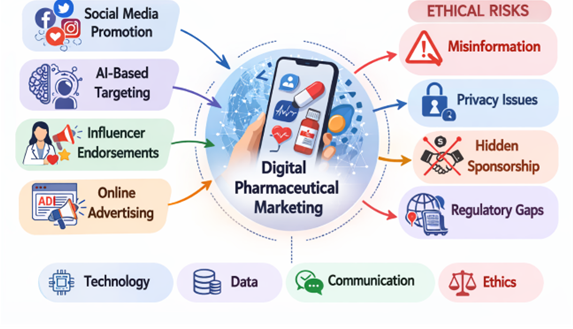
Figure 2. Emerging Ethical Challenges in Digital Pharmaceutical Marketing
8. STRATEGIES FOR ETHICAL PHARMACEUTICAL MARKETING
Addressing ethical challenges in pharmaceutical marketing requires coordinated efforts involving regulatory authorities, pharmaceutical industries, healthcare professionals, and policymakers. As promotional practices continue to evolve alongside technological advancements, the adoption of structured ethical strategies is essential to ensure that commercial objectives remain aligned with patient welfare and evidence-based healthcare delivery.[31] Strengthening ethical marketing practices not only protects public health but also enhances long-term credibility and sustainability within the pharmaceutical sector. One of the most effective strategies involves strengthening regulatory oversight and enforcement mechanisms. Regulatory authorities must ensure strict monitoring of promotional materials to prevent misleading claims and inappropriate advertising practices. Implementation of transparent approval processes for promotional content and periodic compliance audits can significantly reduce unethical marketing behavior. International guidance provided by organizations such as the World Health Organization encourages member states to establish clear ethical standards supported by enforceable legal frameworks.[32]
Transparency in financial relationships between pharmaceutical companies and healthcare professionals represents another critical ethical intervention. Mandatory disclosure of sponsorships, consultancy payments, research funding, and industry collaborations helps minimize conflicts of interest and promotes accountability. Public reporting systems and institutional ethical review policies can support unbiased clinical decision-making and maintain professional independence. Ethical education and training programs also play an important role in promoting responsible pharmaceutical promotion. Incorporating ethics-based training for medical representatives, marketing professionals, and healthcare practitioners can improve awareness regarding ethical boundaries in promotional interactions. Academic institutions and professional organizations should encourage critical evaluation of drug promotional literature to strengthen evidence-based prescribing practices. The adoption of evidence-based marketing approaches further ensures that promotional claims accurately reflect validated clinical data. Pharmaceutical companies should prioritize balanced presentation of therapeutic benefits and risks, supported by peer-reviewed scientific evidence. Independent review of promotional materials by ethics committees or regulatory bodies may enhance credibility and reduce misinformation. In the digital era, responsible governance of online pharmaceutical promotion has become increasingly important. Ethical use of patient data, clear identification of sponsored content, and regulation of social media advertising are necessary to protect patient privacy and prevent dissemination of misleading health information Collaboration between global regulatory agencies can facilitate harmonized standards for monitoring cross-border digital marketing practices. Ultimately, ethical pharmaceutical marketing requires a shift from profit-centered promotion toward patient-centered communication models. Integrating ethical accountability into corporate governance frameworks and promoting self-regulation alongside governmental supervision can foster trust among healthcare stakeholders and contribute to sustainable healthcare systems.[33]
Table 6. Recommended Strategies for Ethical Pharmaceutical Marketing
|
Strategy |
Key Actions |
Expected Outcome |
|
Regulatory strengthening |
Promotion monitoring & audits |
Reduced unethical advertising |
|
Transparency policies |
Disclosure of financial ties |
Minimized conflicts of interest |
|
Ethics training |
Professional education programs |
Responsible promotion |
|
Evidence-based marketing |
Scientific validation of claims |
Rational prescribing |
|
Digital governance |
Data privacy & disclosure rules |
Patient protection |
9. FUTURE PERSPECTIVES
The future of pharmaceutical marketing is expected to be shaped by rapid technological innovation, evolving healthcare policies, and increasing global demand for transparency and ethical accountability. As healthcare systems transition toward patient-centered and value-based care models, pharmaceutical promotional practices must adapt to prioritize scientific integrity and public health outcomes over purely commercial objectives. Strengthening ethical governance will therefore remain a critical determinant of sustainable pharmaceutical growth. One of the major future directions involves global harmonization of ethical standards governing pharmaceutical promotion. Variations in national regulations often create inconsistencies that allow ethically questionable marketing practices to persist across different regions. Collaborative initiatives led by international organizations such as the World Health Organization and industry bodies including the International Federation of Pharmaceutical Manufacturers & Associations may facilitate the development of unified ethical guidelines applicable across global pharmaceutical markets.[34] Harmonized regulations can improve compliance monitoring and reduce cross-border promotional misconduct. Digital transformation will continue to redefine pharmaceutical communication strategies through artificial intelligence, telemedicine integration, and personalized healthcare platforms. While these technologies offer opportunities for improved patient engagement and targeted health education, future ethical frameworks must address challenges related to algorithmic bias, responsible data usage, and patient privacy protection. Establishing transparent digital marketing policies and ethical standards for AI-driven promotion will be essential to prevent misuse of healthcare data. Another important future consideration involves strengthening collaboration between academia, regulatory authorities, and the pharmaceutical industry to promote evidence-based promotional practices. Increased reliance on real-world evidence, pharmacovigilance data, and independent clinical research may enhance the credibility of promotional communication. Furthermore, incorporating ethical training into medical and pharmaceutical education can prepare future healthcare professionals to critically evaluate marketing influences. Growing public awareness and demand for transparency are also expected to drive ethical reform within pharmaceutical marketing systems. Patients are increasingly informed healthcare participants, emphasizing the need for clear, unbiased, and accessible drug information. Companies adopting responsible marketing strategies and corporate ethical governance are likely to gain greater public trust and long-term market sustainability. Overall, the future of pharmaceutical marketing lies in balancing innovation with ethical responsibility, ensuring that advancements in communication technologies contribute positively to patient safety, healthcare equity, and global public health outcomes.[35]
CONCLUSION
Pharmaceutical marketing and promotion remain essential components of modern healthcare systems, facilitating communication of therapeutic advancements and supporting informed clinical decision-making. However, the growing commercialization of the pharmaceutical industry has introduced significant ethical challenges that may influence prescribing behavior, healthcare costs, and patient safety. Practices such as misleading promotional claims, conflicts of interest, off-label drug promotion, and selective reporting of clinical evidence highlight the persistent tension between commercial objectives and ethical healthcare responsibilities. Although regulatory frameworks established by organizations such as the World Health Organization and national authorities including the Central Drugs Standard Control Organization aim to ensure responsible promotional conduct, gaps in enforcement and the rapid expansion of digital marketing platforms continue to create ethical vulnerabilities. Emerging technologies, including data-driven advertising and social media–based promotion, have further complicated ethical oversight by introducing concerns related to transparency, misinformation, and patient privacy. Ensuring ethical pharmaceutical marketing requires a multidimensional approach involving stronger regulatory enforcement, transparent industry–healthcare professional relationships, evidence-based promotional practices, and responsible digital governance. Ethical education and institutional accountability must also be strengthened to preserve professional independence and promote rational drug use. Ultimately, sustainable pharmaceutical development depends on maintaining a balance between innovation, commercial success, and patient-centered healthcare values. Promoting ethical integrity in pharmaceutical marketing is essential for safeguarding public trust, improving healthcare outcomes, and supporting equitable access to safe and effective medicines in an increasingly globalized healthcare environment.
REFERENCES

Akash Malakane, Avdhut Manjare, Shravani Girigosavi, Ethical Challenges in Pharmaceutical Marketing and Promotion, Int. J. of Pharm. Sci., 2026, Vol 4, Issue 3, 2542-2554. https://doi.org/10.5281/zenodo.19178875
 10.5281/zenodo.19178875
