View Article

Abstract

The fungus pityrosporum is the cause of dandruff, a common illness that affect the scalp. Dandruff can only be appropriately controlled; it can not be eradicated. Shampoo is a hair care solution used to remove contaminated particles that accumulate over time, such as oils, dirt, skin particle, dandruff and pollutant from the environment. Herbal anti-dandruff shampoo was formulated using natural herbal ingredients such as Sapindus mukorossi, Phyllanthus emblica, Hibiscus rosa-sinensis, Azadirachta indica, Eclipta prostrata, Aloevera gel, Rose water as the base components. The prepare shampoo formulation was evaluated using various parameters including Physical appearance, visual inspection, pH determination, viscosity, Dirt dispersion, Skin irritancy, Foam stability etc. The primary aim of this study was to remove harmful synthetic components from anti-dandruff shampoo formulations and substitute them with safe and natural ingredients.

Keywords

Reetha, Amla, Hibiscus, Neem, Bhringraj, Aloevera gel, etc.

Introduction

The most common cosmetic item utilized in our daily life to clean our hair and scalp certainly shampoo. Herbal shampoo fall under the category of cosmetic preparation and are primarily used to cleanse the hair and scalp with age old Ayurvedic herbs. Nowadays, people are becoming more interested in hair care products like shampoos and conditioners. Hair is considered an important indicator of the internal health of the body and is one of the most significant parts of human appearance. Many synthetic substances, chemical, and their derivatives used in hair care products may cause damage to the hair and scalp. In recent years, people have become more aware of the possible side effects of the ingredients used in shampoo and others cosmetic formulations. Natural cosmetic products are gaining popularity worldwide because they are considered purer and generally produce fewer side effects. It is commonly believed by consumers that produces a large amount of foam. However, developing a herbal shampoo using only natural ingredients is a challenging task. The challenge is not only in the selection of proper natural ingredient but also in the matching the performance of formulation with synthetic formulation present in the market. Natural or herbal shampoo is more beneficial than the synthetic one because synthetic shampoo shows some side effects as compared to herbal one. One of the most common hair treatments is shampooing. Primary function of shampoo is to clean, nourishes the hair by removing the accumulated sebum, dust and scalp debris etc. due the less side effect and great effectiveness of herbal formulations like herbal shampoo, herbal cream etc, there is increase in demand for the herbal preparation. Number of type of herbal shampoo present in the market herbal powder shampoo, herbal clear liquid shampoo and herbal lotion shampoo etc.

Advantages of Herbal shampoo

  • Herbal shampoo contain natural ingredients, so they are less likely to damage hair and scalp.
  • It is cost friendly, not much expensive.
  • It doesn’t cause irritation to the eyes.
  • By using herbal shampoo, you can get the perfect oil balance.
  • It is biodegradable.

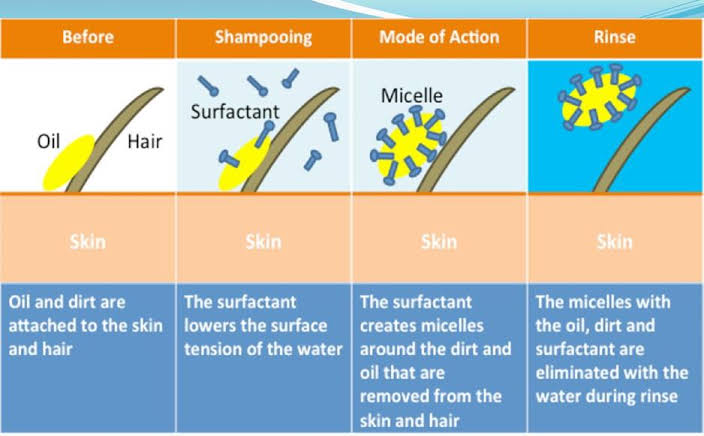
Action of shampoo


Fig 1: Mechanism of shampoo


Anatomy of Hair

Hair originated from follicles embedded in the subcutaneous layer of the scalp. Rather than growing individually, these follicles are organized into cluster “follicular units,” each typically containing between one and four hairs. At the base of each follicle lies the hair bulb, which function of the primary site of hair formation. The follicles receive essential nutrients through blood vessels present in the dermal layer. Within the follicle, cells undergo continuous division and differentiation to produce the hair shaft. In its early stage of development beneath the epidermis, as it extends outward through the epidermal surface, its outer layer gradually hardens duo to keratinization.


Fig 2: Hair anatomy


Dermal papilla is responsible for regulating the hair cycle and hair growth, and is also comprised of androgen receptors that are sensitive to the presence of DHT.

The matrix, which surround the dermal papilla, contain the actively proliferating cells responsible for hair growth and the formation of key hair structure, including the outer root sheath, inner root sheath, are the hair shaft. Collectively, the hair bulb is formed by the combined presence of the matrix and dermal papilla. The outer root sheath also called as trichilemmal layer, act as the keratinized outer covering of the hair  follicle within the epidermis and create a passage through which the hair emerges to the surface. The inner root sheath is three type: Henle’s layer, Huxley’s layer and cuticle. Henle’s and Huxley’s layer together form protective capsular structure that interlock, helping to stabilize the hair. Cuticle is located in the hair shaft is made up of dead, hardened cells that provide extra protection. The strong connection between these capsular layers, particularly Henle’s and Huxley’s layer ensure the stability of the hair and support its growth in length. The medulla found in the hair shaft’s innermost region, lack systematic structure and may not always be present. Conversely, the cortex, predominantly composed of structured keratin, impart strength, and water absorption properties to the hair. Melanin within the cortex dictates hair colour based on its distribution, quantity, and type of melanin granules. Serving as the hair’s structure with a lipid monolayer, aiding in water repellency. Hair growth occurs in a cyclical pattern consisting of three main phases. The anagen phase represents the active growth period, during which most hairs are actively developing and can remain in this stage for several years. This is followed by the catagen phase, a short transitional period lasting a few week, during which cellular activity declines and the hair follicle undergoes shrinkage. The final stage, telogen, is a resting phase that persists for several month; during this time, hair growth ceases, and the existing hair eventually detaches from the follicle. This process enable the initiation of a new anagen phase, where a new hair begins to grow and gradually replaces the old one.

Some common problem related to hair are such as dandruff, Dry hair, split ends, Oily hair, Frizzy hair, Limp hair, Hair loss, Colour damage, Grey hair etc.

Dandruff

It is a harmless chronic condition that develops when the scalp becomes either too dry or too greasy and leading to the formation of white flakes of dead skin that can be seen  in the hair or on the shoulders. Even though it poses no threat, dandruff can often cause discomfort and embarrassment for those affected. The scalp normally produce new skin cells, and the shedding of dead cells is a natural process. However, in dandruff conditions, this shedding occurs more rapidly than usual the presence of excess scalp oil causes these dead cells to stick together, leading to the formation of clumps that appear as visible white flakes.

Symptoms of Dandruff

  • Flakes of dead skin appear on the scalp and in the hair.
  • Redness or irritation of the scalp.
  • Flakes may be visible on clothing or shoulders.
  • The scalp may feel tight or uncomfortable.
  • Dryness or greasiness of the scalp.
  • More itching in scalp.

Benefits of herbal shampoo

  • Nourishing
  • Balancing
  • Cleansing
  • Hydrating
  • Antioxidant
  • Eco- friendly

Treatment

  • Follow a healthy diet.
  • Avoid stress.
  • Shampoo use a combination of special ingredients to control dandruff.

Herbs used in herbal shampoo

Neem:

Neem is effective in cleansing the scalp by removing impurities and unclogging blocked pores, thereby promoting healther hair growth its regenerative properties play a significants role in managing and treating dandruff. Neem is widely utilized in traditional hair care practices. According to Ayurvedic principle, herbs such as amla, reetha, neem, and bhringraj play a vital role to maintaining the healthy hair. These natural ingredients contribute to improved hair growth, reduction in hair fall, and enhancement of hair volume and overall strength.


Fig 3: Neem

Amla

Amla is a Indian gooseberry and rich source of vitamin C and offers numerous health benefits. Amla powder is commonly used in hair tonic to promote hair growth and enhance natural hair pigmentation. It help to strengthen the root, maintain the natural color of hair, and improves its shine and overall appearance.


Fig 4: Amla

Hibiscus

Hibiscus is also known as “Gudhal,” is one of the most beneficial ingredients for hair care. It support hair growth, help with regrowth, and reduce hair loss. Rich in amino acid, vitamin A and C, and alpha hydroxy acids, along with other nutrients, it provides excellent nourishment to both hair and scalp. It also help to maintain a healthy scalp and reduce the chances of dandruff.
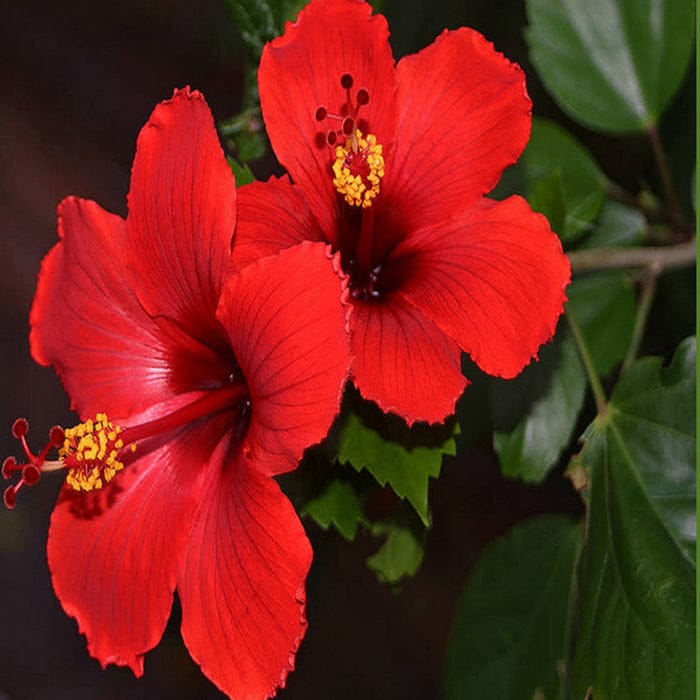


Fig 5: Hibiscus

Bhringraj

Bhringraj also known as false daisy, is a medicinal herb well known for promoting hair growth. It is a widely used Ayurvedic ingredient for improving hair health. It helps to boost blood circulation in the scalp, stimulating hair growth even in areas where hair has been lost due to reason like dandruff and other issues. It is prevent scalp problems like dandruff and irritation, ensuring healthy and uninterrupted hair growth.
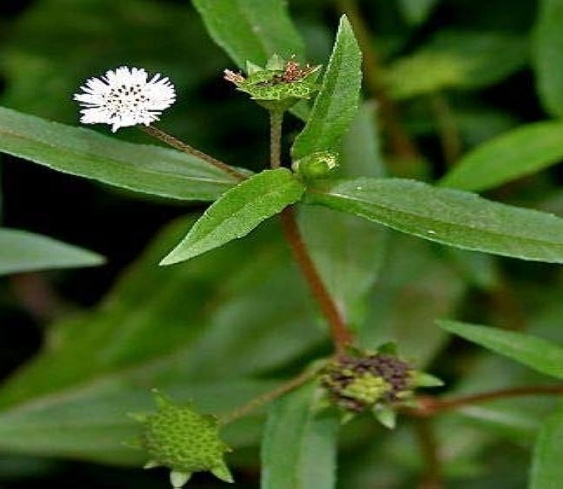


Fig 6: Bhringraj

Reetha

Reetha has a natural cooling effect and work as an effectives skin cleanser. Soapnuts help keep the scalp from becoming dry while maintaining the skin’s softness. When combined with chickpea flour and applied to the skin, this mixture provides a gentle cleansing action, leaving the skin soft and smooth. It also help in removing dead skin flakes from the scalp.


Fig 7: Reetha

Aloevera gel

Aloevera gel is widely used in hair care due to its nourishing, moisturizing, and therapeutic properties. It is obtain from the vitamin A, C, and E, enzymes, amino acid, and mineral that promote healthy hair and scalp. Aloevera help in hydrating the scalp and maintaining its natural moisture balance, thereby preventing dryness and irritation.
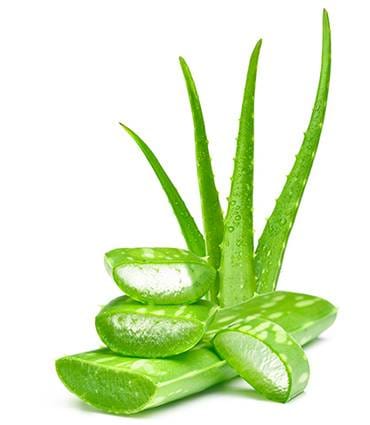


Fig 8: Aloevera

Rose water

Rose water is commonly used in hair care for its soothing and refreshing properties. It help to maintain the natural pH balance of the scalp, reduce excess oil, and provides mild hydration. Rose water can also calm scalp irritation, reduce dandruff and add a natural shine to the hair. Regular use makes hair feel soft, smooth and refreshed.


     Fig 8: Rose water


MATERIAL AND METHOD


Table 1: Ingredient for herbal shampoo

S. no.

Ingredients

Quantity

Uses

1.

Neem

5ml

Reduce dandruff

2.

Amla

5ml

Hair growth promoter, Reduce hair fall

3.

Hibiscus

5ml

Conditioning agent, Colouring agent

4.

Bhringraj

5ml

Stimulate hair growth, Prevent premature greying

5.

Reetha

20ml

Natural foaming agent

6.

Aloevera gel

15ml

Natural conditioner, Hydrating dry hair and scalp

7.

Citric acid

0.2g

pH adjusting

8.

HPMC

1.5g

Thickning agent

9.

Rose water

qs

Provide moisture and strengthen the hair

10

Distilled water

qs

Solvent


CONCLUSION

The developed herbal anti-dandruff shampoo demonstrates a promising approach for managing dandruff by utilizing the beneficial properties of natural ingredients. The formulation incorporates various botanical extract known for their antifungal and anti- inflammatory activities, which help address the underlying causes of dandruff while providing a soothing effect on the scalp. In addition to removing existing flakes, the shampoo also help in preventing their recurrence and supports the maintenance of healthier scalp environment. Overall, the formulated herbal shampoo highlights the potential effectiveness of herbal-based remedies in treating common scalp problems. Its mild yet effective composition offers a holistic solution for dandruff control and enhance confidence and comfort in routine hair care.

REFERENCES

  1. Gaganpreet Kaur., et al. “Formulation and evaluation of anti-dandruff polyherbal powder shampoo.” Innovational Journal of Quality Assurance and Pharma Analysis (2016): 115-121.
  2. Sagar R and Dixit VK, 2005, Formulation and evaluation of herbal anti-dandruff shampoo, Nig J Nat Prod Med, 09 55-60.
  3. Dr. 0jash Patel., et al. “Preparation and evaluation of herbal antidandruff shampoo.” International Journal of Science and Research 7 (2022): 942.
  4. Prachi S and Sonal D. “A research article on preparation of Herbello- an herbal antidandruff shampoo.” Biological Sciences IJPBS 5.2 (2015): 220-228.
  5. Glaser DA. Anti-ageing products and cosmeceuticals. Facial Plastic Surgery, Clinics of North America; 2004; 12(4): 363-72.
  6. Nasrin A, Eskandar M, Azadeh RD. Formulation of a Herbal Shampoo using Total saponins of Acanthophyllum squarrous. Iranian Journal of Pharmaceutical Research. 2007; 6(3): 167-172.
  7. Manju M Nair., et al. “Preparation and evaluation of anti-dandruff shampoo”. National Journal of Pharmaceutical Sciences 2.1 (2022): 10-16.
  8. Sarath Chandra, et al. “Development and evaluation of antidandruff shampoo based on natural sources”. Journal of pharmacognosy and Phytotherapy 1 (2021): 4.
  9. Chandran S., et al. “Development and evaluation of antidandruff shampoo based on natural sources”. Journal of Pharm Phototherapeutics 1.4 (2013): 10-14.
  10.  Potluri A., et al. “A review article on Formulation and evaluation of Herbal Anti-dandruff shampoo”. Indian Jnl of  Research in Pharmacy and Biotechnology 1.6 (2013): 835-839.
  11.  Snehal W., et al. “ Original research paper on preparation and evaluation of Antidandruff polyherbal powder shampoo.” Pharmacophore an International Research Jnl 5.1 (2014): 77-84.
  12.  Santhanam J., et al. “A research article on Antifungal activity of Jasminum sambac against Malassezia sp. And Non- Malassezia sp. Isolated from Human skin samples”. Journal of Mycology (2014): 220-228.
  13.  Prachi S and Sonal D. “A research article on preparation of Herbello- an herbal antidandruff shampoo.” Biological sciences IJPBS 5.2 (2014): 220-228.
  14.  Prabhamanju M., et al. “An Overview Herbal vs. chemical substances as antidandruff ingredients Which are more effective in the management of dandruff.” Egyptian Dermatology Online Journal 5.2 (2014): 1-8.
  15. Potluri A., et al “Formulation and Evaluation of Herbal Anti-dandruff Shampoo.” International Journal of Ayurvedic Medicine 1.6 (2013): 835-839.
  16. 18 Sharma RM., et al. “Evaluation of prepared herbal shampoo formulations and to compare formulated shampoo with marketed shampoo.” International Journal of Pharmacy and Pharmaceutical Sciences 3.4 (2011): 402-405.
  17.  Snehal W., et al “Original research paper on preparation and Evaluation of antidandruff polyherbal powder Shampoo.” Pharmacophore an International Research Jnl 5.1 (2014): 77-84.
  18. Vikas Choudhary., Chaurasiya et al. “Formulation and evaluation of Herbal antidandruff shampoo.” World Journal of Pharmaceutical Research vol 13,(2024) 702-714.
  19. Revansiddappa M, Sharadha R, Abbulu K. Formulation and assessment of an herbal anti-dandruff shampoo. Journal of Pharmacognosy and Phytochemistry, 2028; 7(4): 764-767.
  20. Maniker AR, Jolly CI. Development of a natural shampoo. International Journal of Cosmetic Science, 2001; 23(1): 59-62.
  21. Thaifa SK. Loaded solid lipid nanoparticles World J Pharma Res 2017; 6(16): 599-619.
  22. Anand Niharika. Antifungal Properties of Neem leaves extract to treat. Dandruff Res J 2010; 2(3): 657-59.
  23. Mielke H. Lead-based hair products: Too hazardous for household use. J Am Pharm Assoc 1997; 85-9.
  24. Gupta R. Amla: A Novel Ayurvedic Herb with its Health Benefits 2017; 6(6): 923-7.
  25. Gholve S, Nadarge S, Hindole S, Bhusnure O, Bhosale P, Thonte S. Formulation and evaluation of polyherbal antidandruff powder shampoo. World J pharma Res 2015; 4(10): 1714-31.
  26. Hibiscus Rosa Sinensis-a versatile Indian origin plant Diana pearline, Nandita Kamat, and padma Thiagarajan. J chem pharma sci 2015; 8(4): 567-79.
  27. Yu JY, Gupta B, Park HG, et al. Preclinical and Clinical Studies Demonstrate that the properties Herbal Extract DA-5512 Effectively Stimulates Hair Growth and Promotes hair health. Evid Based Complement Alternat med 2017; 20174395638.
  28. Jahan R, AI-Nahain A, Majumder S, Rahmatullah M. Ethnopharmacological significance of Eclipta alba (L) Hassk. (Asteraceae). Int Sch Res Notice 2014; 2014385969.
  29. Jaglan Dharmender, Brar Amandeep Singh, Global Rupamjot Gill. Global Journal Of Medical research Pharma, Drug discovery, Toxicology, and Medicine 2013; 13(7): 31-5.
  30. Upadhyay A, Singh DK. Pharmacological effects of Sapindus mukorossi. Rev Inst Med Trop Sao Paulo 2012; 54(5): 273-80.

Reference

  1. Gaganpreet Kaur., et al. “Formulation and evaluation of anti-dandruff polyherbal powder shampoo.” Innovational Journal of Quality Assurance and Pharma Analysis (2016): 115-121.
  2. Sagar R and Dixit VK, 2005, Formulation and evaluation of herbal anti-dandruff shampoo, Nig J Nat Prod Med, 09 55-60.
  3. Dr. 0jash Patel., et al. “Preparation and evaluation of herbal antidandruff shampoo.” International Journal of Science and Research 7 (2022): 942.
  4. Prachi S and Sonal D. “A research article on preparation of Herbello- an herbal antidandruff shampoo.” Biological Sciences IJPBS 5.2 (2015): 220-228.
  5. Glaser DA. Anti-ageing products and cosmeceuticals. Facial Plastic Surgery, Clinics of North America; 2004; 12(4): 363-72.
  6. Nasrin A, Eskandar M, Azadeh RD. Formulation of a Herbal Shampoo using Total saponins of Acanthophyllum squarrous. Iranian Journal of Pharmaceutical Research. 2007; 6(3): 167-172.
  7. Manju M Nair., et al. “Preparation and evaluation of anti-dandruff shampoo”. National Journal of Pharmaceutical Sciences 2.1 (2022): 10-16.
  8. Sarath Chandra, et al. “Development and evaluation of antidandruff shampoo based on natural sources”. Journal of pharmacognosy and Phytotherapy 1 (2021): 4.
  9. Chandran S., et al. “Development and evaluation of antidandruff shampoo based on natural sources”. Journal of Pharm Phototherapeutics 1.4 (2013): 10-14.
  10.  Potluri A., et al. “A review article on Formulation and evaluation of Herbal Anti-dandruff shampoo”. Indian Jnl of  Research in Pharmacy and Biotechnology 1.6 (2013): 835-839.
  11.  Snehal W., et al. “ Original research paper on preparation and evaluation of Antidandruff polyherbal powder shampoo.” Pharmacophore an International Research Jnl 5.1 (2014): 77-84.
  12.  Santhanam J., et al. “A research article on Antifungal activity of Jasminum sambac against Malassezia sp. And Non- Malassezia sp. Isolated from Human skin samples”. Journal of Mycology (2014): 220-228.
  13.  Prachi S and Sonal D. “A research article on preparation of Herbello- an herbal antidandruff shampoo.” Biological sciences IJPBS 5.2 (2014): 220-228.
  14.  Prabhamanju M., et al. “An Overview Herbal vs. chemical substances as antidandruff ingredients Which are more effective in the management of dandruff.” Egyptian Dermatology Online Journal 5.2 (2014): 1-8.
  15. Potluri A., et al “Formulation and Evaluation of Herbal Anti-dandruff Shampoo.” International Journal of Ayurvedic Medicine 1.6 (2013): 835-839.
  16. 18 Sharma RM., et al. “Evaluation of prepared herbal shampoo formulations and to compare formulated shampoo with marketed shampoo.” International Journal of Pharmacy and Pharmaceutical Sciences 3.4 (2011): 402-405.
  17.  Snehal W., et al “Original research paper on preparation and Evaluation of antidandruff polyherbal powder Shampoo.” Pharmacophore an International Research Jnl 5.1 (2014): 77-84.
  18. Vikas Choudhary., Chaurasiya et al. “Formulation and evaluation of Herbal antidandruff shampoo.” World Journal of Pharmaceutical Research vol 13,(2024) 702-714.
  19. Revansiddappa M, Sharadha R, Abbulu K. Formulation and assessment of an herbal anti-dandruff shampoo. Journal of Pharmacognosy and Phytochemistry, 2028; 7(4): 764-767.
  20. Maniker AR, Jolly CI. Development of a natural shampoo. International Journal of Cosmetic Science, 2001; 23(1): 59-62.
  21. Thaifa SK. Loaded solid lipid nanoparticles World J Pharma Res 2017; 6(16): 599-619.
  22. Anand Niharika. Antifungal Properties of Neem leaves extract to treat. Dandruff Res J 2010; 2(3): 657-59.
  23. Mielke H. Lead-based hair products: Too hazardous for household use. J Am Pharm Assoc 1997; 85-9.
  24. Gupta R. Amla: A Novel Ayurvedic Herb with its Health Benefits 2017; 6(6): 923-7.
  25. Gholve S, Nadarge S, Hindole S, Bhusnure O, Bhosale P, Thonte S. Formulation and evaluation of polyherbal antidandruff powder shampoo. World J pharma Res 2015; 4(10): 1714-31.
  26. Hibiscus Rosa Sinensis-a versatile Indian origin plant Diana pearline, Nandita Kamat, and padma Thiagarajan. J chem pharma sci 2015; 8(4): 567-79.
  27. Yu JY, Gupta B, Park HG, et al. Preclinical and Clinical Studies Demonstrate that the properties Herbal Extract DA-5512 Effectively Stimulates Hair Growth and Promotes hair health. Evid Based Complement Alternat med 2017; 20174395638.
  28. Jahan R, AI-Nahain A, Majumder S, Rahmatullah M. Ethnopharmacological significance of Eclipta alba (L) Hassk. (Asteraceae). Int Sch Res Notice 2014; 2014385969.
  29. Jaglan Dharmender, Brar Amandeep Singh, Global Rupamjot Gill. Global Journal Of Medical research Pharma, Drug discovery, Toxicology, and Medicine 2013; 13(7): 31-5.
  30. Upadhyay A, Singh DK. Pharmacological effects of Sapindus mukorossi. Rev Inst Med Trop Sao Paulo 2012; 54(5): 273-80.

Photo
Shweta Ram
Corresponding author

Rungta Institute of Pharmaceutical Sciences

Photo
Sushmita Pradhan
Co-author

Rungta Institute of Pharmaceutical Sciences

Photo
Sanjana Yadav
Co-author

Rungta Institute of Pharmaceutical Sciences

Photo
Bhitesh Sahu
Co-author

Rungta Institute of Pharmaceutical Sciences

Photo
Vimla
Co-author

Rungta Institute of Pharmaceutical Sciences

Photo
Suchita Wamankar
Co-author

Rungta Institute of Pharmaceutical Sciences

Photo
Dr. Gyanesh Kumar Sahu
Co-author

Rungta Institute of Pharmaceutical Sciences

Photo
Dr. Chanchal Deep Kaur
Co-author

Rungta Institute of Pharmaceutical Sciences

Sushmita Pradhan, Sanjana Yadav, Bhitesh Sahu, Vimla, Shweta Ram, Suchita Wamankar, Dr. Gyanesh Kumar Sahu, Dr. Chanchal Deep Kaur, A Systematic Review on Herbal Ingredients Used in Anti-Dandruff Shampoo, Int. J. of Pharm. Sci., 2026, Vol 4, Issue 3, 2957-2964. https://doi.org/10.5281/zenodo.19200641

More related articles
A Review on Microtyloma Uniflorum is the Small Sto...
Nichit Sakashi, Shinde Gitanjali , Sabale Vaishnavi , Modhave Anu...
Advancements in Osmotic Controlled Drug Delivery S...
Tapas Kumar Mohapatra, Akankshya Raul, Soumyashree Dehury, Rajesh...
A study of challenges and quality of life QoL issu...
Yash Srivastav, Akhandnath Prajapati, Adityanath Prajapati, Madha...
Ipomoea obscura (L.) Ker Gawl: Unveiling the Multifaceted Pharmacological Potent...
Razana Binth Yoosuf P, Neethu Varghese, Sethu R, Rahila, Shafnaz Abdul Rahman, Rubayyath K, Digi Dav...
Integrating Multi-Biomarker Panels and Emerging Technologies in A Systematic Met...
Dr. Subashini R, Grace S, Janani B S, Jayashree T, Gayathri M, ...
Integrated macro-microscopic,physiochemical and phytochemical profiling of Abuti...
k.Sojarna, Bharath S., Logeshwaran V., Poovarasu T., Sridhar S., ...
Related Articles
Epidemiological Study of Anti-Snake Venom Use in Snake Bite Patients...
Pratima Tighade, Dr. Sachin Hangargekar, Dr. Vishweshwar Dharashive, ...
Computational Design and Anti-Inflammatory Assessment of Novel 1,3,4-Oxadiazole ...
Rachel Mathew , V. S. Anjana, S. Nakshathra, R. S. Shahana, A. P. Sona Nair, A. Vaheeda, ...
Experimental and Computational Evaluation of Garlic (Allium Sativum) for its Pot...
Pankaj Kore, Pratiksha Parit, Saloni Pawar, Shital Vadar, Tushar Kawale, ...
A Review on Microtyloma Uniflorum is the Small Stones Relief (Kidney Stones) ...
Nichit Sakashi, Shinde Gitanjali , Sabale Vaishnavi , Modhave Anuja , Kharat Roshni , Nangare Rutuja...
More related articles
A Review on Microtyloma Uniflorum is the Small Stones Relief (Kidney Stones) ...
Nichit Sakashi, Shinde Gitanjali , Sabale Vaishnavi , Modhave Anuja , Kharat Roshni , Nangare Rutuja...
Advancements in Osmotic Controlled Drug Delivery Systems and Their Role in Diabe...
Tapas Kumar Mohapatra, Akankshya Raul, Soumyashree Dehury, Rajesh Kumar Pothal, ...
A study of challenges and quality of life QoL issues related to Vitiligo disease...
Yash Srivastav, Akhandnath Prajapati, Adityanath Prajapati, Madhaw Kumar, Mohammad Aqil Siddiqui, ...
A Review on Microtyloma Uniflorum is the Small Stones Relief (Kidney Stones) ...
Nichit Sakashi, Shinde Gitanjali , Sabale Vaishnavi , Modhave Anuja , Kharat Roshni , Nangare Rutuja...
Advancements in Osmotic Controlled Drug Delivery Systems and Their Role in Diabe...
Tapas Kumar Mohapatra, Akankshya Raul, Soumyashree Dehury, Rajesh Kumar Pothal, ...
A study of challenges and quality of life QoL issues related to Vitiligo disease...
Yash Srivastav, Akhandnath Prajapati, Adityanath Prajapati, Madhaw Kumar, Mohammad Aqil Siddiqui, ...