
Shri Swami Samarth Institute of Pharmacy, Malwadi, Bota, Sangamner, A. Nagar. India. 422602.
Tridax procumbens (Asteraceae), commonly known as coat button, is a widespread perennial herb extensively used in traditional medicine across tropical and subtropical regions. It has been employed in Ayurveda, Siddha, and folk practices for the treatment of wounds, liver disorders, skin infections, diarrhea, fever, and diabetes. Phytochemical investigations reveal the presence of flavonoids, alkaloids, carotenoids, tannins, and saponins, which contribute to its diverse pharmacological effects. Modern pharmacological studies have validated many of its traditional claims, demonstrating wound healing, anti-inflammatory, antimicrobial, antioxidant, hepatoprotective, antidiabetic, immunomodulatory, and anticancer properties. Despite its therapeutic potential, challenges remain in terms of standardized formulations, detailed mechanistic studies, and clinical validations. This review consolidates the traditional uses, phytochemistry, and pharmacological activities of T. procumbens and highlights the gaps that need to be addressed for its future application in modern medicine and drug discovery.
For centuries, medicinal plants have been central to human healthcare, forming the backbone of traditional systems like Ayurveda, Siddha, and folk medicine. Today, as the drawbacks and side effects of synthetic drugs become increasingly apparent, interest in ethnomedicinal plants as safer, more sustainable therapeutic options is steadily growing. One such plant that has captured attention is Tridax procumbens (family Asteraceae), commonly known as coat button or “Ghamra” in India. Renowned in various cultures, this humble creeping herb has long been valued for its diverse healing properties. [1]
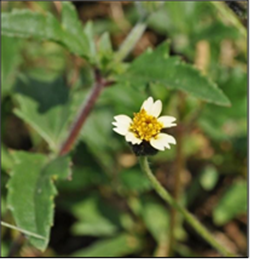
Native to tropical and subtropical regions of Asia, Africa, and the Americas, T. procumbens is widely used in traditional medicine. Folk healers and communities have applied its leaves, flowers, and roots in remedies for wounds, skin infections, liver disorders, diarrhea, cough, fever, and even metabolic conditions such as diabetes. Its broad range of applications reflects both its accessibility and its ethnopharmacological importance. [2]
Scientific studies over the past few decades have supported many of these traditional claims. The plant is rich in phytochemicals—flavonoids, alkaloids, carotenoids, tannins, and saponins—that are linked to a variety of biological effects. Research has shown that T. procumbens possesses antioxidant, antimicrobial, anti-inflammatory, hepatoprotective, antidiabetic, and immunomodulatory activities. Early investigations also suggest potential anticancer effects, indicating that this plant could be a promising source of bioactive molecules for modern drug development. [3]
Nevertheless, important challenges remain. Few clinical trials have been conducted, extract formulations are not standardized, and the precise mechanisms underlying many of its effects are still poorly understood. To unlock its full therapeutic potential, systematic evaluation is needed that integrates traditional wisdom with modern pharmacological research. [4]
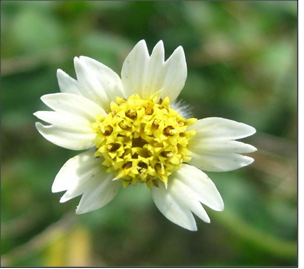
This review therefore aims to provide a consolidated overview of the traditional uses, phytochemistry, and pharmacological activities of Tridax procumbens. It also highlights the existing knowledge gaps and outlines future perspectives, with the goal of supporting the development of this traditional herb into scientifically validated and clinically relevant therapies. [5]
Table 1. Traditional Uses of Tridax procumbens and Corresponding Scientific Validation
|
Traditional Use |
Plant Part Used |
Form of Use |
Scientific Validation (Pharmacological Activity) |
References (examples) |
|
Wound healing, bleeding control (hemostatic) |
Leaves, whole plant |
Leaf paste, juice applied topically |
Accelerates wound contraction, collagen synthesis, and epithelialization |
Wound healing studies in rats |
|
Liver disorders (hepatoprotective) |
Leaves |
Decoction, juice |
Protects against CCl?- and paracetamol induced liver damage |
Hepatoprotective activity reports |
|
Skin diseases, infections, boils |
Leaves, flowers |
Topical paste, juice |
Antibacterial and antifungal activity against S. aureus, E. coli, Candida spp. |
In vitro antimicrobial studies |
|
Fever, malaria |
Whole plant, leaves |
Decoction, juice |
Antipyretic and antiplasmodial effects reported in experimental studies |
Ethnobotanical surveys; pharmacological reports |
|
Diabetes, hypertension |
Leaves |
Aqueous extract |
Hypoglycemic, antihyperlipidemic, and antihypertensive activity in animal models |
Antidiabetic pharmacology studies |
|
Hair growth promotion |
Leaves |
Leaf extract, oil preparation |
Promotes hair follicle growth and delays hair fall |
Animal hair growth studies |
|
Diarrhea, dysentery |
Leaves |
Decoction, paste |
Antidiarrheal activity through reduction of intestinal motility and fluid secretion |
Pharmacological validation studies |
|
Cough, respiratory disorders |
Whole plant |
Decoction |
Antitussive and bronchodilatory potential suggested in preliminary studies |
Traditional reports, limited scientific validation |
Table 2. Major Phytochemicals of Tridax procumbens and Their Reported Biological Activities
|
Phytochemical Class / Compound |
Reported Activity |
References (examples) |
|
Flavonoids (Quercetin, Luteolin, Catechins) |
Antioxidant, antiinflammatory, hepatoprotective, wound healing |
Phytochemical and pharmacological studies |
|
Alkaloids |
Antimicrobial, analgesic, hypotensive, cytotoxic |
Experimental pharmacology |
|
Carotenoids (β-carotene) |
Antioxidant, vision protective, immune support |
Phytochemical profiling |
|
Tannins |
Antimicrobial, antidiarrheal, antioxidant |
In vitro antimicrobial assays |
|
Saponins |
Immunomodulatory, hypolipidemic, wound healing |
Animal models |
|
Glycosides |
Cardioprotective, antidiabetic |
Pharmacological screening |
|
Sterols (β-sitosterol, stigmasterol) |
Anti-inflammatory, cholesterol-lowering, anticancer |
Isolated compound studies |
|
Essential oils / Volatile compounds |
Antibacterial, antifungal, insecticidal |
GC-MS analysis and bioassays |
|
Polysaccharides |
Immunomodulatory, wound healing |
Extract-based studies |
Botanical Description
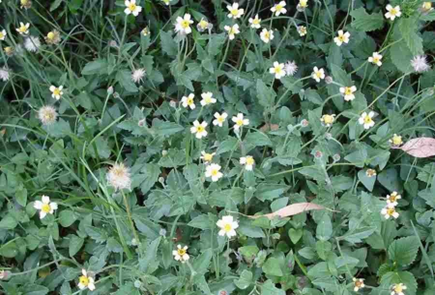
Tridax procumbens belongs to the family Asteraceae, one of the largest families of flowering plants. It is a prostrate, perennial, creeping herb that grows abundantly in tropical and subtropical climates. [6]
Taxonomy
Distribution
The plant is widely distributed across Asia, Africa, and Central and South America, thriving in warm and humid regions. In India, it is commonly found along roadsides, fields, and waste lands, where it grows as a weed. [8]
Morphological Features
Common Names
Traditional / Ethnomedicinal Uses of Tridax procumbens
Tridax procumbens has been widely used in Ayurveda, Siddha, folk practices, and tribal medicine across tropical regions. Different parts of the plant, such as leaves, flowers, and roots, are employed in remedies for a variety of ailments. Its ethnomedicinal importance is summarized in the table below. [11]
Table 3. Traditional / Ethnomedicinal Uses of Tridax procumbens
|
Plant Part Used |
Traditional Use |
Form of Administration |
Reference (Ethnomedicinal Reports) |
|
Leaves |
Wound healing, bleeding control (hemostatic) |
Leaf paste/juice applied topically on cuts and wounds |
Ayurveda, tribal medicine reports |
|
Leaves / Whole plant |
Liver disorders, jaundice |
Decoction or juice |
Folk medicine, Ayurvedic texts |
|
Leaves & Flowers |
Skin diseases, boils, leprosy |
Leaf/flower paste or extract applied topically |
Ethnobotanical surveys |
|
Leaves |
Diabetes, hypertension |
Aqueous/ ethanolic extract taken orally |
Ayurveda, folk practices |
|
Leaves |
Hair growth promotion |
Leaf extract in oil or paste applied to scalp |
Tribal and rural practices |
|
Leaves / Roots |
Diarrhea, dysentery |
Decoction taken orally |
Folk remedies |
Phytochemistry of Tridax procumbens
Major Compounds:
Biological activity: Antioxidant, anti-inflammatory, antimicrobial, wound healing, hepatoprotective.
Biological activity: Analgesic, antimicrobial, cytotoxic, and anti-diabetic effects. [12]
Biological activity: Antioxidant, photoprotective, immune-modulatory.
Biological activity: Astringent, antimicrobial, hemostatic, anti-diarrheal.
Biological activity: Anti-inflammatory, immunomodulatory, hypocholesterolemic, wound healing. [13,14]
Biological activity: Cardioprotective, antioxidant, and anti-inflammatory.
Biological activity: Antimicrobial, anti-inflammatory, insecticidal, and antioxidant. [15]
Pharmacological Activities of Tridax procumbens
Tridax procumbens has been extensively studied for its wide range of pharmacological properties. The plant demonstrates significant wound healing activity, attributed to its ability to accelerate epithelialization, enhance collagen synthesis, and increase wound tensile strength. These effects have been confirmed in various in vivo models, suggesting its potential as a natural therapeutic agent for wound management. [16]
The plant also exhibits anti-inflammatory and analgesic effects. Leaf extracts reduce edema in carrageenan-induced inflammation models and alleviate pain in experimental animals, indicating its role in modulating inflammatory pathways. This activity is largely linked to its rich content of flavonoids, saponins, and alkaloids, which inhibit pro-inflammatory mediators. [17,18]
In addition, Tridax procumbens possesses antimicrobial activity. Various extracts, including methanolic and essential oil preparations, show inhibitory effects against a broad spectrum of microorganisms, including bacteria, fungi, and protozoa. The presence of flavonoids, tannins, and essential oils contributes to membrane disruption and microbial growth inhibition. [19]
The plant also demonstrates antioxidant potential, effectively scavenging free radicals in in vitro models. Its flavonoid and carotenoid content plays a central role in mitigating oxidative stress, which is crucial for protecting tissues from damage caused by reactive oxygen species. [20,21]
Furthermore, Tridax procumbens exhibits hepatoprotective activity. Studies using CCl? and paracetamol-induced liver injury models show that extracts of the plant reduce serum liver enzyme levels and restore antioxidant enzyme activities, suggesting protection against hepatotoxicity. [22]
The plant also shows promise in antidiabetic and antihyperlipidemic applications. Experimental studies indicate that leaf extracts improve blood glucose levels, enhance insulin sensitivity, and normalize lipid profiles, possibly through inhibition of carbohydratehydrolyzing enzymes and antioxidant effects. [23]
Moreover, Tridax procumbens has immunomodulatory properties, enhancing both humoral and cellular immune responses. Extracts have been reported to stimulate antibody production and activate macrophages, thereby strengthening the body’s defense mechanisms. [24,25]
Lastly, preliminary anticancer studies indicate that methanolic extracts of the plant exhibit cytotoxic effects on cancer cell lines, inducing apoptosis in a dose-dependent manner. Although these studies are primarily in vitro, they highlight the potential of the plant for future anticancer research. [26]
In summary, the diverse pharmacological activities of Tridax procumbens—ranging from wound healing, anti-inflammatory, and antimicrobial effects to antioxidant, hepatoprotective, antidiabetic, immunomodulatory, and anticancer potentials—are largely attributed to its rich phytochemical profile, including flavonoids, alkaloids, saponins, tannins, glycosides, carotenoids, and essential oils. These findings support its traditional use in folk medicine and indicate its potential for therapeutic applications. [27]
Table 4. Pharmacological Activities of Tridax procumbens
|
Pharmacological Activity |
Extract/ Compound |
Model/Method |
Outcome |
|
Wound healing |
Aqueous/ methanolic leaf extract |
In vivo: Excision & incision wound models (rats) |
Accelerated epithelialization, increased collagen content, enhanced tensile strength |
|
Anti-inflammatory & analgesic |
Ethanolic leaf extract |
In vivo: Carrageenan induced paw edema, acetic acid-induced writhing |
Reduced edema and pain; comparable to standard drugs |
|
Antimicrobial |
Methanolic/ essential oil extracts |
In vitro: Disc diffusion, MIC assays against bacteria (Staph. aureus, E. coli), fungi (Candida spp.), protozoa (Leishmania) |
Significant inhibitory activity against bacteria, fungi, protozoa |
|
Antioxidant |
Flavonoid-rich fraction |
In vitro: DPPH, ABTS, FRAP assays |
Strong free radical scavenging activity |
|
Hepatoprotective |
Aqueous/ methanolic extract |
In vivo: CCl?, paracetamol induced liver injury in rats |
Reduced ALT, AST, and liver damage; restored antioxidant enzyme levels |
|
Antidiabetic & antihyperlipidemic |
Leaf extract, flavonoids |
In vivo: Streptozotocin induced diabetic rats |
Decreased blood glucose, improved lipid profile, enhanced insulin sensitivity |
|
Immunomodulatory |
Aqueous/methanolic extract |
In vivo: Humoral & cellular immunity in mice |
Enhanced antibody production and macrophage activity |
|
Anticancer potential |
Methanolic extract |
In vitro: Cytotoxicity assays on cancer cell lines (HeLa, MCF-7) |
Dose-dependent cytotoxicity; induced apoptosis |
Toxicity and Safety Profile of Tridax procumbens
Tridax procumbens is generally safe when used in traditional medicine, with most studies showing no harmful effects at normal doses. Animal studies report no significant changes in behavior, body weight, or vital organ functions at therapeutic levels. [28]
However, at very high doses, some caution is needed. Laboratory studies indicate that excessive amounts of leaf extracts may cause cytotoxicity in certain cell lines and liver stress in animal models, as shown by elevated liver enzymes. [29]
In short, Tridax procumbens is considered safe for regular use, but extremely high or prolonged consumption may carry risks, highlighting the need for careful dosing and further safety studies. [30,31]
Tridax procumbens is generally regarded as safe when used in the amounts typically recommended in traditional medicine. Studies in animals have shown that normal doses do not cause noticeable changes in behavior, body weight, or the function of vital organs such as the liver, kidneys, and heart. Blood tests in these studies also revealed no significant alterations in hematological parameters, suggesting that the plant does not adversely affect the blood or immune system at standard doses. [32,33]
However, like many medicinal plants, caution is warranted at very high doses or prolonged use. Experimental studies have reported that extremely large amounts of leaf extracts can sometimes lead to mild liver stress, evidenced by increased liver enzyme levels, and can show cytotoxic effects in certain cell lines. These findings highlight the importance of careful dosing and proper preparation of extracts to ensure safety. [34]
In short, when used responsibly, Tridax procumbens is a safe and valuable herb, but excessive consumption or self-medication without guidance could carry risks. Standardized formulations and dosing recommendations are therefore essential for its safe therapeutic application. [35]
Emerging Applications and Potential
In addition to its traditional uses, Tridax procumbens is attracting attention for several innovative and modern applications. Researchers are exploring ways to harness its bioactive compounds more effectively, which could expand its role in healthcare and wellness. [36]
1. Nanoformulations: Many of the plant’s bioactive compounds, such as flavonoids, saponins, and sterols, have limited solubility or stability when administered directly. By incorporating these compounds into nanoparticles, liposomes, or hydrogels, scientists can improve their bioavailability, stability, and targeted delivery. This approach could make treatments more effective at lower doses, reduce side effects, and allow for controlled release of therapeutic compounds. [37,38]
2. Cosmeceuticals: The hair growth-promoting, skin-protective, and antioxidant properties of Tridax procumbens open avenues for its use in the cosmetic industry. Herbal creams, serums, and hair oils derived from leaf extracts could support hair follicle health, reduce hair fall, improve skin texture, and protect against oxidative damage, offering natural alternatives to synthetic cosmetic products. [39,40]
3. Adjunct Therapy in Chronic Diseases: Due to its antioxidant, anti-inflammatory, and immunomodulatory effects, Tridax procumbens could serve as a supportive therapy in chronic conditions such as diabetes, cardiovascular disorders, and inflammatory diseases. By reducing oxidative stress and modulating immune responses, it may help enhance the effectiveness of conventional treatments and improve overall patient well-being. [41]
In summary, beyond its role in traditional medicine, Tridax procumbens holds significant potential in modern drug delivery, cosmetic applications, and complementary healthcare, making it a promising candidate for further research and product development. [42,43]
Gaps, Challenges, and Future Directions of Tridax procumbens
Although Tridax procumbens shows promising pharmacological potential, several challenges remain. Most studies are preclinical, and clinical trials are still lacking, making it difficult to confirm its effectiveness in humans. [44,46]
Another key issue is the standardization of extracts. Different extraction methods and plant sources can lead to variable levels of active compounds, affecting consistency and reliability. [47]
The mechanisms behind its effects—like wound healing, anti-inflammatory, or antidiabetic actions—are not fully understood, highlighting the need for deeper molecular studies. [48]
Looking forward, there is exciting potential for advanced formulations, such as nano-based delivery systems or hydrogels, which could improve the stability, bioavailability, and therapeutic impact of its bioactive compounds. [49,50]
In short, addressing these gaps could turn Tridax procumbens from a traditional remedy into a scientifically validated therapeutic agent. [51]
CONCLUSION
Tridax procumbens is a valuable medicinal plant with a long history of traditional use. Modern studies have validated its diverse pharmacological activities, including wound healing, antiinflammatory, antimicrobial, antioxidant, hepatoprotective, antidiabetic, immunomodulatory, and anticancer potentials.
Despite this promising evidence, further research is needed to standardize extracts, clarify mechanisms of action, and conduct clinical trials. Advances in drug delivery and formulation technologies could transform this traditionally used herb into a scientifically validated source of novel therapeutics, bridging traditional knowledge with modern medicine.
Table 5. Abbreviations
|
Abbreviation |
Full Form |
|
AMR |
Antimicrobial Resistance |
|
ALT |
Alanine Aminotransferase |
|
AST |
Aspartate Aminotransferase |
|
CCl? |
Carbon Tetrachloride |
|
DPPH |
2,2-Diphenyl-1-picrylhydrazyl |
|
ABTS |
2,2′-Azino-bis(3 ethylbenzothiazoline-6-sulfonic acid) |
|
FRAP |
Ferric Reducing Antioxidant Power |
|
GC-MS |
Gas Chromatography–Mass Spectrometry |
|
MIC |
Minimum Inhibitory Concentration |
|
MCF-7 |
Michigan Cancer Foundation-7 (breast cancer cell line) |
|
HeLa |
Henrietta Lacks cell line (cervical cancer) |
|
STZ |
Streptozotocin (used to induce diabetes in animal models) |
|
NP |
Nanoformulation / Nanoparticle (context- dependent) |
|
Rx |
Prescription / Treatment |
|
Ayurveda |
Traditional Indian System of Medicine |
|
Siddha |
Traditional South Indian System of Medicine |
REFERENCES


Dipali Sadgir, Amol Deshmukh, Manasi Tambe, Sakshi Shejul, A Comprehensive Review on Medicinal Plant: Tridax procumbens, Int. J. of Pharm. Sci., 2025, Vol 3, Issue 12, 2656-2666. https://doi.org/10.5281/zenodo.17955406
 10.5281/zenodo.17955406
