
View Article

Abstract

Transdermal drug delivery systems (TDDS) have emerged as a promising alternative to conventional dosage forms due to their ability to deliver drugs directly into systemic circulation while bypassing hepatic first-pass metabolism. Conventional transdermal patches, although widely used, often face limitations such as poor skin permeability, restricted drug load, and local irritation. Recent advancements have focused on novel carriers, nanotechnology-based systems, microneedles, iontophoresis, and other enhancement techniques to overcome these barriers. This review highlights the evolution of transdermal systems beyond conventional patches, discussing their principles, types, applications, drug selection criteria, excipients, manufacturing methods, evaluation techniques, marketed formulations, and recent advances. Emphasis is given to how modern technologies expand the therapeutic scope of TDDS by improving drug absorption, patient compliance, and clinical outcomes.

Keywords

Transdermal drug delivery, Microneedles, Nanotechnology, Skin permeability, Drug absorption.

Introduction

    1. Background of Drug Delivery Systems

Drug delivery is the process of administering an active pharmaceutical ingredient (API) in a way that ensures its therapeutic action at the desired site of effect. Conventional routes such as oral and parenteral administration often face challenges like poor bioavailability, enzymatic degradation, and hepatic first-pass metabolism [1]. To address these issues, advanced drug delivery systems, including transdermal routes, have been developed [2].

    1. Historical Evolution of Transdermal Drug Delivery

The use of skin for medicinal application dates back to ancient civilizations that relied on ointments, plasters, and herbal extracts [3]. The modern era of transdermal therapy began in 1979 with the U.S. FDA approval of the first scopolamine patch for motion sickness [4]. Later, transdermal patches for nitroglycerin, nicotine, and fentanyl demonstrated their value in chronic therapy [5].
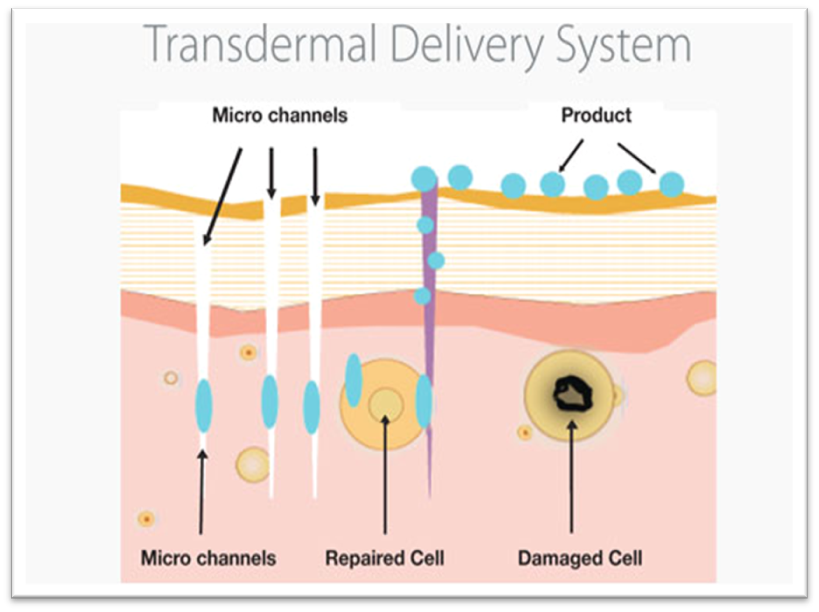
Fig 1. Transdermal Delivery System

1.3 Principle of Transdermal Drug Delivery

The stratum corneum acts as the main barrier to drug penetration. Drug permeation occurs via three pathways: transcellular, intercellular, and trans appendageal routes [6]. Only drugs with molecular weight less than 500 Da, adequate lipophilicity, and balanced partition coefficient can easily cross the skin barrier [7]. To enhance absorption, chemical enhancers, physical methods, and nanotechnology-based systems have been introduced [8].

    1. Advantages of Transdermal Systems
  • Compared to oral and parenteral administration, transdermal systems offer several benefits:
  • Avoidance of hepatic first-pass metabolism, enhancing systemic bioavailability [9].
  • Controlled drug release for prolonged therapeutic effect [10].
  • Improved patient compliance due to painless and non-invasive nature [11].
  • Easy termination of therapy by removing the patch [12].
  • Stable plasma concentrations reducing side effects [13].

1.5 Limitations of Conventional Patches

Despite advantages, conventional patches have limitations:

  • Effective only for lipophilic and low-dose drugs [14].
  • Limited skin permeability for macromolecules and hydrophilic drugs [15].
  • Potential skin irritation or sensitization [16].
  • Inter-patient variability due to differences in skin physiology [17].

1.6 Rationale for Advanced Transdermal Systems

Modern therapeutics increasingly involve biologics, peptides, and vaccines, which cannot be effectively delivered by conventional patches. Advanced methods like microneedles, iontophoresis, sonophoresis, nano-vesicular carriers, and hydrogels are being explored to enhance penetration and broaden the scope of TDDS [18,19].

1.7 Ideal Characteristics of TDDS

An ideal transdermal system should [20]:

  1. Deliver drugs at a controlled rate.
  2. Maintain therapeutic levels in systemic circulation.
  3. Be non-irritant and cosmetically acceptable.
  4. Adhere strongly yet be easily removable.
  5. Be suitable for a wide range of drugs including large biomolecules.
  1. TYPES OF TRANSDERMAL DRUG DELIVERY SYSTEMS

The design of transdermal drug delivery systems (TDDS) has evolved significantly over the last three decades. Based on structural design and mechanism of drug release, TDDS can be broadly classified into conventional patches and advanced systems beyond patches [21].

    1. Classification of Transdermal Systems

Type

Description

Examples

Reservoir system

Drug stored in a liquid/gel reservoir; release controlled by a rate-controlling membrane

Transderm-Nitro (Nitroglycerin) [22]

Matrix system

Drug dispersed in a polymeric matrix; drug release occurs by diffusion

Nitro-Dur, Nicoderm CQ [23]

Drug-in-adhesive system

Drug incorporated directly in the adhesive layer; no separate reservoir or matrix

Clonidine patch (Catapres-TTS) [24]

Micro-reservoir system

Combination of reservoir and matrix systems; drug is present in micro-dispersed reservoirs

Estraderm (Estradiol) [25]

Microneedle systems

Arrays of micron-sized needles pierce the stratum corneum to enhance drug permeation

Insulin delivery, vaccine patches [26]

Iontophoretic systems

Low-intensity electrical current drives charged drug molecules through the skin

Iontophoresis of lidocaine [27]

Sonophoretic systems

Ultrasound waves disrupt lipid bilayers of the stratum corneum, enhancing drug penetration

Delivery of macromolecules [28]

Vesicular systems

Nanocarriers like liposomes, niosomes, ethosomes enhance drug penetration

Diclofenac liposomal gel [29]

Nanoparticle-based patches

Solid lipid nanoparticles (SLN) or nanostructured lipid carriers (NLC) provide controlled drug delivery

Tacrolimus-loaded NLC patches [30]

Hydrogel-based patches

Hydrophilic polymer matrices swell and control drug release

Lidocaine hydrogel patch [31]

2.2 Conventional Systems

Conventional transdermal systems include reservoir, matrix, drug-in-adhesive, and micro-reservoir systems. These patches provide controlled release and have been widely commercialized for drugs such as nitroglycerin, nicotine, and estradiol [22,23]. However, they are limited to small, lipophilic, and low-dose drugs [24].

2.3 Advanced Systems Beyond Conventional Patches

Advanced TDDS are designed to overcome the skin barrier and deliver challenging molecules such as peptides, proteins, and vaccines. These include microneedle arrays, iontophoresis, sonophoresis, vesicular carriers, nanoparticle systems, and hydrogels [26–31]. Such technologies allow for higher drug loading, improved bioavailability, and broader therapeutic applications.

    1. Advantages of Advanced Systems
  • Effective delivery of hydrophilic and macromolecular drugs [28].
  • Controlled release with enhanced bioavailability [29].
  • Reduced risk of local irritation compared to chemical enhancers [27].
  • Potential use in pain management, hormonal therapy, and vaccination [30].
  1. APPLICATIONS OF TRANSDERMAL DRUG DELIVERY SYSTEMS

Transdermal drug delivery systems (TDDS) have demonstrated broad therapeutic applications in the management of chronic, acute, and preventive therapies. By bypassing the gastrointestinal tract and hepatic first-pass metabolism, TDDS improve drug bioavailability and patient compliance [32].

    1. Cardiovascular Disorders

3.1.1 Antianginal Therapy

Nitroglycerin patches provide sustained vasodilation, reducing myocardial oxygen demand and preventing angina attacks [33].

3.1.2 Hypertension Management

Clonidine transdermal patches (Catapres-TTS) are widely used for long-term blood pressure control, minimizing fluctuations in plasma levels [34].

    1. Central Nervous System (CNS) Disorders

3.2.1 Parkinson’s Disease

Rotigotine transdermal systems offer continuous dopaminergic stimulation, reducing motor fluctuations compared to oral therapy [35].

3.2.2 Alzheimer’s Disease

Rivastigmine patches enhance cholinesterase inhibition with lower gastrointestinal side effects than oral dosage forms [36].

3.3 Pain Management

3.3.1 Chronic Pain

Fentanyl patches are gold-standard for cancer-related and postoperative chronic pain, providing long-term analgesia [37].

3.3.2 Local Pain Relief

Lidocaine patches are effective in neuropathic pain and post-herpetic neuralgia, offering site-specific therapy [38].

    1.  Hormone Replacement Therapy (HRT)

Estradiol patches are used in menopausal women to reduce vasomotor symptoms, osteoporosis risk, and urogenital atrophy [39]. Combined estrogen-progestin systems help balance hormone therapy safely [40].

3.5 Smoking Cessation

Nicotine patches deliver controlled nicotine levels, reducing withdrawal symptoms and aiding smoking cessation programs [41].

    1. Metabolic and Endocrine Disorders

Insulin delivery via microneedle patches represents a promising approach for diabetes management, improving patient compliance over injections [42].

3.7 Vaccination and Immunization

Microneedle patches are being investigated for vaccine delivery against influenza, hepatitis B, and COVID-19, offering advantages such as pain-free administration and reduced need for cold-chain storage [43].

    1. Oncology

Transdermal patches for antiemetic therapy (e.g., granisetron) reduce chemotherapy-induced nausea and vomiting [44]. Novel systems for hormone therapy in breast and prostate cancer are also under investigation [45].

3.9 Miscellaneous Applications

  • Motion sickness prevention – Scopolamine patches are effective in preventing nausea and vomiting [46].
  • Contraception – Ethinylestradiol/ norelgestromin patches provide reliable non-oral contraception [47].
  • Opioid dependence – Buprenorphine patches aid in withdrawal management and maintenance therapy [48].

4. DRUG SELECTION CRITERIA

The success of a Transdermal Drug Delivery System (TDDS) largely relies on the careful selection of a suitable drug candidate, as not all drugs can effectively penetrate the skin barrier to produce the desired therapeutic effect. The skin, particularly the stratum corneum, acts as a strong protective barrier, allowing only molecules with certain physicochemical and pharmacokinetic characteristics to pass through efficiently. For optimal transdermal delivery, the drug should ideally possess a low molecular weight, generally less than 500 Daltons, as larger molecules have difficulty diffusing through the tightly packed lipid layers of the skin. Additionally, the drug must have moderate lipophilicity, allowing it to partition into both the lipid-rich stratum corneum and the aqueous viable epidermis and dermis beneath it. The octanol-water partition coefficient (log P) is a crucial parameter, with an ideal range of 1 to 3, ensuring balanced solubility in both lipids and water for effective permeation. Furthermore, the drug should have a potent pharmacological action, requiring only a small dose (typically less than 10 mg/day), since the amount of drug that can be delivered transdermally is limited by the surface area of the patch and the rate of skin penetration. From a pharmacokinetic perspective, the drug should exhibit short plasma half-life and first-pass metabolism, making transdermal delivery advantageous by providing sustained release and bypassing hepatic metabolism. It should also have a steady and predictable absorption profile to maintain constant plasma drug concentrations, thereby minimizing peak-trough fluctuations often seen with oral or injectable routes. Additionally, the drug must be non-irritating and non-sensitizing to the skin to avoid allergic reactions or local irritation, ensuring patient compliance with long-term use. Drugs such as nitroglycerin, clonidine, estradiol, nicotine, and fentanyl are successful examples that meet these criteria and are widely available in marketed transdermal systems. Therefore, thorough evaluation of drug properties during the formulation design phase is critical, as selecting an inappropriate drug candidate can lead to poor skin permeation, sub-therapeutic drug levels, and ultimately, failure of the transdermal system [49].

    1. Physicochemical Properties

4.1.1 Molecular Weight

Drugs intended for TDDS should ideally have a molecular weight less than 500 Daltons to cross the stratum corneum effectively [50].

4.1.2 Lipophilicity

Moderately lipophilic drugs (log P between 1–3) are suitable, as they must partition into both the stratum corneum and aqueous layers of the epidermis [51].

4.1.3 Solubility

A balance of aqueous and lipid solubility is required to ensure drug transport through the lipid-rich skin layers and into systemic circulation [52].

4.1.4 Potency

Since TDDS can deliver only limited drug quantities per unit area, the selected drug should be potent at low doses (≤10 mg/day) [53].

    1. Pharmacokinetic Properties

4.2.1 Half-life

Drugs with short biological half-lives are preferred for TDDS to maintain steady plasma concentrations over prolonged periods [54].

4.2.2 Oral Bioavailability

Drugs undergoing extensive first-pass metabolism (e.g., nitroglycerin, estradiol) are ideal candidates, as TDDS bypasses hepatic metabolism [55].

4.2.3 Therapeutic Index

Drugs with a narrow therapeutic index may be unsuitable due to variations in skin permeability, which could lead to dose fluctuations [56].

4.3 Clinical Suitability

  • The drug should be used for chronic therapy, where patient compliance is critical [57].
  • It should not cause skin irritation or sensitization upon repeated application [58].
  • The pharmacological effect should be maintained at steady plasma levels, avoiding peaks and troughs [59].
    1. Examples of Suitable Drugs for TDDS
  1. Nitroglycerin (antianginal)
  2. Nicotine (smoking cessation)
  3. Fentanyl (chronic pain management)
  4. Estradiol (hormone replacement therapy)
  5. Clonidine (hypertension) [60]

5. COMPOSITION / EXCIPIENT

Fig 2. Transdermal drug delivery systems (TDDS) beyond conventional Patches

A transdermal drug delivery system (TDDS) is a complex, multi-layered structure composed of several components that work synergistically to ensure drug stability, skin permeation, and therapeutic efficacy [61]. Each excipient has a unique role in determining drug release kinetics, adhesion, patient compliance, and product stability.

    1. Polymer Matrix

Polymers form the backbone of most transdermal systems, controlling drug release rate and providing mechanical strength.

Examples: Ethyl cellulose, Eudragit, Hydroxypropyl methylcellulose (HPMC), Polyvinylpyrrolidone (PVP), Polyisobutylene [62].

Function: Control release kinetics, provide flexibility, prevent drug crystallization.

    1. Drug Substance

The active pharmaceutical ingredient (API) is incorporated into the system depending on solubility, potency, and compatibility with excipients.

Examples: Nitroglycerin, Fentanyl, Estradiol, Nicotine [63].

    1. Adhesives

Adhesives are critical for ensuring intimate contact of the patch with the skin throughout the application period.

Examples: Polyacrylates, Silicone-based adhesives, Polyisobutylene [64].

Function: Secure adhesion, allow drug release, minimize skin irritation.

    1. Penetration Enhancers

Enhancers temporarily modify the skin barrier to improve drug permeability.

Examples: Oleic acid, Propylene glycol, Dimethyl sulfoxide (DMSO), Terpenes [65].

Function: Disrupt stratum corneum lipids, increase diffusion coefficient, enhance drug flux.

    1. Plasticizers

Plasticizers improve flexibility, reduce brittleness of polymer films, and enhance patient comfort.

Examples: Dibutyl phthalate, Triethyl citrate, Glycerol [66].

    1. Backing Layer

The impermeable backing membrane protects the drug reservoir from environmental exposure (moisture, oxygen) and prevents drug loss.

Examples: Polyethylene terephthalate (PET), Aluminum foil laminate, Polyvinyl chloride (PVC) [67].

    1. Release Liner

A release liner is a temporary protective cover that prevents drug loss during storage and is removed before application.

Examples: Polyester films, Siliconized paper [68].

    1. Rate-Controlling Membrane

In reservoir-type patches, a membrane regulates drug release at a predetermined rate.

Examples: Ethylene-vinyl acetate copolymer (EVA), Cellulose acetate [69].

    1. Stabilizers and Antioxidants

These prevent drug degradation caused by light, heat, or oxidation.

Examples: Butylated hydroxytoluene (BHT), Butylated hydroxyanisole (BHA), Tocopherol [70].

    1. Solvents and Co-Solvents

Solvents aid in solubilizing drugs and polymers, while co-solvents improve penetration.

Examples: Ethanol, Isopropanol, PEG 400 [71].

    1. Example Formulation Components

Component

Examples

Function

Polymer matrix

HPMC, PVP, Eudragit

Provides structural integrity and controls drug release

Adhesive

Silicone,Polyisobutylene, Polyacrylate

Ensures proper skin adhesion

Penetration enhancer

Oleic acid, DMSO, Propylene glycol

Enhances drug permeation through the skin

Plasticizer

Triethyl citrate, Glycerol

Improves flexibility and mechanical strength

Backing layer

PET film, Aluminum foil laminate

Protects the patch from environmental factors

Release liner

Siliconized polyester film

Protects the patch during storage before use

Antioxidants

BHT, Tocopherol

Prevents oxidation and improves stability

  1. MANUFACTURING OF TRANSDERMAL SYSTEMS

Manufacturing of transdermal drug delivery systems (TDDS) requires careful selection of polymers, adhesives, and penetration enhancers, followed by controlled processing techniques to ensure reproducibility, drug stability, and consistent release profiles [72]. The choice of manufacturing method depends on the type of patch (matrix, reservoir, drug-in-adhesive, or micro-reservoir) and the physicochemical properties of the drug.

6.1 Methods for Matrix-Type Systems

6.1.1 Solvent Evaporation Method

  • Drug and polymer are dissolved in a volatile solvent (e.g., chloroform, ethanol).
  • The solution is cast onto a backing membrane and dried under controlled conditions.
  • Solvent evaporation leaves behind a thin drug-loaded polymeric film [73].
  • Advantage: Simple and suitable for heat-sensitive drugs.
  • Disadvantage: Possible residual solvent toxicity.

6.1.2 Melt Extrusion Method

  • Drug and polymer are mixed and melted at controlled temperature.
  • The molten mixture is extruded into thin films.
  • No solvents are used [74].
  • Advantage: Solvent-free, continuous process.
  • Disadvantage: Not suitable for thermolabile drugs.

6.2 Methods for Reservoir-Type Systems

6.2.1 Membrane-Laminated System

  • Drug reservoir is prepared as a liquid/gel.
  • Reservoir is enclosed between a backing layer and a rate-controlling membrane.
  • Adhesive layer is applied to the external surface [75].
  • Advantage: Provides zero-order drug release.
  • Disadvantage: Complex and costly.

6.3 Methods for Drug-in-Adhesive Systems

6.3.1 Direct Incorporation Method

  • Drug is directly dispersed or dissolved in the adhesive polymer.
  • The mixture is coated uniformly on a release liner and dried.
  • Backing layer is then laminated [76].
  • Advantage: Thin and elegant patches.
  • Disadvantage: Limited drug loading.

6.4 Methods for Micro-Reservoir Systems

  • Drug is suspended in an aqueous solution, then dispersed in a lipophilic polymer.
  • Mechanical dispersion forms micro-sized reservoirs.
  • Film is cast and laminated with a backing layer [77].
  • Advantage: Combines properties of reservoir and matrix systems.
  • Disadvantage: Technically complex.

6.5 Novel Manufacturing Approaches

6.5.1 Microneedle Fabrication

  • Made using lithography, laser cutting, or 3D printing.
  • Arrays are coated or filled with drug formulations [78].

6.5.2 Nanocarrier-Loaded Patches

  • Nanoparticles, liposomes, or ethosomes are embedded into polymer matrices.
  • Provide sustained and enhanced drug penetration [79].

6.5.3 Pressure-Sensitive Adhesive Coating

  • Modern roll-to-roll coating techniques are used for large-scale adhesive patch manufacturing.
  • Ensures uniform thickness and reproducibility [80].

6.6 Factors Affecting Manufacturing

  • Drug–polymer compatibility (avoiding crystallization).
  • Moisture and temperature control during drying and lamination.
  • Uniform thickness of films for dose accuracy.
  • Scalability and reproducibility of process for commercial production [81].

7. EVALUATION OF TRANSDERMAL DRUG DELIVERY SYSTEMS

Evaluation of transdermal drug delivery systems (TDDS) is essential to ensure safety, efficacy, uniformity, and patient acceptability. Both in vitro and in vivo tests are performed to characterize the mechanical, physicochemical, and pharmacokinetic properties of patches [82].

7.1 Physicochemical Evaluation

7.1.1 Thickness and Weight Variation

  • Film thickness measured using micrometer screw gauge.
  • Uniformity in thickness ensures dose accuracy [83].

7.1.2 Drug Content Uniformity

  • Patches are cut into small pieces and extracted with solvent.
  • Analyzed using UV spectrophotometry or HPLC [84].

7.1.3 Moisture Content and Uptake

  • Patches stored in desiccators with different humidity levels.
  • Excess moisture can reduce adhesion and stability [85].

7.1.4 Folding Endurance

  • Patch is repeatedly folded until breaking.
  • Indicates mechanical strength and flexibility [86].

7.2 Mechanical and Adhesion Properties

7.2.1 Tensile Strength

  • Determined using texture analyzer.
  • Reflects ability to withstand mechanical stress [87].

7.2.2 Peel Adhesion Test

  • Measures force required to peel patch from a surface.
  • Ensures adequate skin adhesion [88].

7.2.3 Tack Test

  • Assesses ability of adhesive to form bond under light pressure [89].

7.3 In Vitro Drug Release Studies

  • Carried out using USP dissolution apparatus (paddle-over-disc method) or Franz diffusion cells.
  • Provides drug release profile over time [90].

7.4 Ex Vivo Permeation Studies

  • Performed using excised animal or human cadaver skin mounted on diffusion cells.
  • Used to calculate permeation parameters:
    • Flux (J)
    • Permeability coefficient (Kp)
    • Diffusion coefficient (D) [91].

7.5 In Vivo Evaluation

7.5.1 Pharmacokinetic Studies

  • Conducted in animals or humans.
  • Parameters: Cmax, Tmax, AUC, half-life compared with oral/IV routes [92].

7.5.2 Pharmacodynamic Studies

  • Assess therapeutic response (e.g., reduction in blood pressure, pain relief) [93].

7.5.3 Skin Irritation and Sensitization Tests

  • Patches applied to human volunteers or animal models.
  • Monitored for erythema, itching, or swelling [94].

7.6 Stability Studies

  • Conducted as per ICH guidelines at accelerated and real-time conditions.
  • Evaluate drug content, adhesion, appearance, and release profile over storage [95].

7.7 Advanced Evaluation Techniques

  • Scanning Electron Microscopy (SEM): to study surface morphology [96].
  • Differential Scanning Calorimetry (DSC): to detect drug–polymer interactions [97].
  • Fourier Transform Infrared Spectroscopy (FTIR): to confirm chemical stability [98].

8. RESULT & DISCUSSION

The evaluation of transdermal drug delivery systems (TDDS) has been extensively reported in the literature, and numerous comparative studies demonstrate their advantages over conventional dosage forms. This section summarizes the key outcomes from previously published research, focusing on drug permeation, pharmacokinetics, patient compliance, and therapeutic success.

8.1 Drug Permeation and Skin Barrier Modulation

Several studies have confirmed that the stratum corneum remains the major barrier for drug penetration. Chemical enhancers such as oleic acid and propylene glycol increased drug flux significantly compared to placebo patches [99]. Furthermore, physical techniques such as iontophoresis and microneedles were shown to enhance delivery of peptides, insulin, and vaccines, which are otherwise unsuitable for passive diffusion [100].

8.2 Pharmacokinetic Profiles

Conventional oral dosage forms often result in fluctuating plasma levels, leading to peaks and troughs. In contrast, TDDS provide steady plasma concentrations. For instance, fentanyl patches maintained consistent analgesic levels for 72 hours, reducing breakthrough pain episodes compared to oral opioids [101]. Rivastigmine patches demonstrated lower gastrointestinal side effects and improved adherence compared to oral capsules [102].

8.3 Patient Compliance and Acceptance

Clinical trials suggest that patient preference for patches is higher due to painless, non-invasive administration and reduced dosing frequency [103]. In smoking cessation programs, nicotine patch users reported higher compliance compared to gum or lozenge users [104]. Similarly, Parkinson’s patients preferred rotigotine patches due to ease of application and 24-hour symptom control [105].

8.4 Comparative Effectiveness of Advanced Systems

  • Advanced systems have shown superiority over conventional patches:
  • Microneedle arrays improved insulin delivery with minimal pain and improved glycemic control [106].
  • Iontophoretic patches demonstrated rapid onset of local anesthesia using lidocaine [107].
  • Vesicular carriers (ethosomes, liposomes) improved skin penetration of hydrophilic drugs such as acyclovir [108].

8.5 Safety and Tolerability

Most patches were reported to be safe; however, mild erythema and skin irritation were occasionally observed, especially with chemical enhancers [109]. Novel hydrogel-based patches were found to minimize irritation by maintaining hydration at the site of application [110].

8.6 Discussion and Future Perspective

From the reviewed studies, it is evident that TDDS provide substantial advantages over conventional formulations in terms of controlled release, bioavailability, and patient compliance. While conventional patches are successful for small, lipophilic drugs, advanced technologies are expanding the scope to include biologics, macromolecules, and vaccines.

Future research should focus on:

  • Large-scale clinical validation of microneedle and nanocarrier systems.
  • Integration of smart patches with biosensors for personalized dosing.
  • Development of eco-friendly, biodegradable materials for sustainability.
    1. MARKETED EXAMPLES

Several transdermal patches are available commercially, offering sustained and controlled drug delivery. These marketed formulations highlight the practical success of TDDS in diverse therapeutic areas [111].

9.1 Examples of Marketed Transdermal Patches

Brand

Drug

Use

Strength

Cost (USD)

Ref

Nitro-Dur

Nitroglycerin

Angina

0.1 – 0.8 mg/hr

20 – 40

[112]

Catapres-TTS

Clonidine

Hypertension

0.1 – 0.3 mg/day

35 – 50

[113]

Duragesic

Fentanyl

Chronic pain

12 – 100 mcg/hr

50 – 200

[114]

Nicoderm CQ

Nicotine

Smoking cessation

7 – 21 mg/24 hr

40 – 60

[115]

Exelon

Rivastigmine

Alzheimer’s

4.6 – 9.5 mg/24 hr

150 – 200

[116]

Neupro

Rotigotine

Parkinson’s

2 – 8 mg/24 hr

180 – 250

[117]

Climara

Estradiol

HRT (Hormone Replacement Therapy)

0.025 – 0.1 mg/day

80 – 120

[118]

Ortho Evra

Ethinylestradiol + Norelgestromin

Contraception

20 µg + 150 µg/24 hr

70 – 100

[119]

Transderm-Scop

Scopolamine

Motion sickness

1.5 mg/72 hr

25 – 40

[120]

BuTrans

Buprenorphine

Pain, Opioid dep.

5 – 20 mcg/hr

100 – 150

[121]

9.2 Key Observations

  • Cardiovascular drugs (nitro-glycerine, clonidine) were among the earliest marketed patches.
  • Chronic pain management with fentanyl patches revolutionized palliative care.
  • Nicotine patches became a cornerstone in public health strategies for smoking cessation.
  • Neurological conditions such as Alzheimer’s and Parkinson’s disease are now effectively managed with rivastigmine and rotigotine patches.
  • Hormonal and contraceptive patches highlight TDDS applications beyond conventional therapy.

10. RECENT RESEARCH / ADVANCES

In recent years, there has been remarkable progress in the development of next-generation Transdermal Drug Delivery Systems (TDDS), driven by the need to overcome the inherent limitations of conventional patches and expand their application beyond small, lipophilic drug molecules. Traditional TDDS are often restricted by the skin’s barrier function, particularly the stratum corneum, which significantly limits the penetration of large and hydrophilic molecules. To address this challenge, modern research has focused on innovative technologies that facilitate the delivery of peptides, proteins, vaccines, nucleic acids, and other biologics, which were previously unsuitable for transdermal administration. These advancements integrate nanotechnology, physical enhancement methods, and smart materials to achieve precise, controlled, and patient-friendly drug delivery.

Nanotechnology-based approaches have introduced nanocarriers such as liposomes, niosomes, transfersomes, ethosomes, solid lipid nanoparticles (SLNs), and nanostructured lipid carriers (NLCs) that can encapsulate large or sensitive molecules, protecting them from degradation while enhancing their permeation through the skin’s layers. These carriers not only improve drug stability but also allow sustained and targeted release, reducing dosing frequency and improving therapeutic outcomes. In parallel, physical enhancement techniques have been developed to actively disrupt the stratum corneum or create microchannels for drug entry. Among these, microneedle arrays have gained significant attention, as they painlessly pierce the outermost layer of the skin, enabling efficient and minimally invasive delivery of macromolecules like insulin, growth hormones, and vaccines. Other physical methods such as iontophoresis, which uses mild electrical currents to drive charged drug molecules, and sonophoresis, which applies ultrasound waves to temporarily disrupt lipid bilayers, have also shown promising results in enhancing transdermal transport.

Moreover, the introduction of smart materials has revolutionized TDDS by enabling responsive and controlled drug release. These materials are designed to react to external stimuli such as temperature, pH, light, or mechanical pressure, releasing the drug only when needed, thereby mimicking physiological conditions and improving therapeutic precision. For example, temperature-sensitive hydrogels can release insulin in response to elevated glucose levels, offering a novel approach to diabetes management. Similarly, pH-responsive patches are being explored for wound healing applications and targeted cancer therapy. The integration of wearable electronic sensors with TDDS has also opened the door for real-time monitoring and feedback, allowing personalized medicine and dosage adjustments based on patient-specific needs.

Collectively, these next-generation systems represent a significant leap forward in drug delivery science, providing solutions for challenges such as poor skin permeability, variable absorption rates, and patient non-compliance. By combining nanocarriers for drug protection and penetration, physical enhancers for barrier disruption, and smart materials for precision control, researchers are creating TDDS that are not only more efficient but also more versatile. These cutting-edge technologies hold immense potential for delivering complex biological drugs, enabling non-invasive, sustained, and targeted therapies for chronic diseases, cancer, and immunization programs. As a result, the future of TDDS lies in these multifunctional, intelligent systems, which are expected to transform how medications are administered, offering safer, more convenient, and highly effective alternatives to traditional oral and injectable routes [122].

10.1 Microneedle Technology

Microneedles (MNs) are arrays of micron-sized needles that painlessly create microchannels in the stratum corneum.

  • Types: Solid, coated, dissolving, and hollow MNs [123].
  • Applications: Insulin, vaccines (influenza, COVID-19), and biologics.
  • Advances: 3D printing and hydrogel-forming MNs for sustained release [124].

10.2 Iontophoresis and Electroporation

  • Iontophoresis: Uses mild electric current to drive charged drugs across the skin.
  • Used for lidocaine, peptides, and hormones [125].
  • Electroporation: Applies short electrical pulses to create transient pores in lipid bilayers, enabling delivery of macromolecules [126].

10.3 Sonophoresis and Ultrasound-Mediated Delivery

Ultrasound waves disrupt the lipid structure of the stratum corneum, enhancing penetration.

  • Investigated for insulin, heparin, and vaccines.
  • Low-frequency ultrasound showed improved permeation of macromolecules [127].

10.4 Vesicular and Nanocarrier Systems

  • Ethosomes, niosomes, and transferosomes show superior penetration compared to liposomes.
  • Solid lipid nanoparticles (SLN) and nanostructured lipid carriers (NLC) improve stability and loading capacity [128].
  • Polymeric nanoparticles and dendrimers are being explored for targeted skin delivery [129].

10.5 Hydrogel and Smart Patches

Hydrogels provide controlled hydration, enhanced comfort, and sustained release.

  • Hydrogel patches loaded with lidocaine and diclofenac showed improved patient compliance [130].
  • Smart patches integrated with biosensors and Bluetooth-enabled drug monitoring are under development for personalized therapy [131].

10.6 Vaccine Delivery

Microneedle-based patches for COVID-19, influenza, and hepatitis B vaccines have shown promising immunogenicity with reduced need for cold-chain logistics [132].

10.7 Biodegradable and Eco-Friendly Systems

Research focuses on biodegradable polymers (e.g., chitosan, PLGA) to reduce environmental burden. These materials provide safe degradation and minimize patch disposal concerns [133].

10.8 Future Directions

  • Integration of artificial intelligence (AI) for dosing prediction.
  • Use of bioprinting for patient-specific patches.
  • Development of combination patches for multidrug therapy (e.g., hypertension + diabetes).
  • Expansion into oncology and immunotherapy [134].

CONCLUSION

Transdermal drug delivery systems represent a revolutionary advancement in pharmaceutical technology by offering controlled, non-invasive, and patient-friendly drug administration. Conventional patches have established their role in cardiovascular, pain, neurological, and hormonal therapies, while recent advances such as microneedles, nanocarriers, and smart patches are expanding applications to biologics, vaccines, and personalized medicine. Despite limitations like skin barrier resistance and local irritation, ongoing research continues to address these challenges with novel approaches such as iontophoresis, ultrasound-mediated delivery, and biodegradable materials. The future of TDDS lies in next-generation intelligent patches that can monitor physiological signals and release drugs accordingly, thereby achieving precision medicine.In conclusion, transdermal systems, particularly beyond conventional patches, have demonstrated immense potential to transform therapeutic outcomes, improve compliance, and broaden the scope of modern drug delivery.

REFERENCE

  1. Allen, L. V., & Ansel, H. C. (2014). Ansel’s pharmaceutical dosage forms and drug delivery systems (10th ed.). Wolters Kluwer Health.
  2. Chien, Y. W. (1992). Novel drug delivery systems (2nd ed.). Marcel Dekker.
  3. Prausnitz, M. R., Mitragotri, S., & Langer, R. (2004). Current status and future potential of transdermal drug delivery. Nature Reviews Drug Discovery, 3(2), 115–124.
  4. Food and Drug Administration (FDA). (1979). Scopolamine transdermal patch approval. FDA Archives.
  5. Guy, R. H., & Hadgraft, J. (2003). Transdermal drug delivery systems: Developmental issues and research initiatives. Drugs, 65(1), 13–22.
  6. Barry, B. W. (2001). Novel mechanisms and devices to enable successful transdermal drug delivery. European Journal of Pharmaceutical Sciences, 14(2), 101–114.
  7. Bos, J. D., & Meinardi, M. M. H. M. (2000). The 500 Dalton rule for the skin penetration of chemical compounds and drugs. Experimental Dermatology, 9(3), 165–169.
  8. Ita, K. (2017). Transdermal drug delivery: progress and challenges. Journal of Drug Delivery Science and Technology, 37, 302–309.
  9. Vyas, S. P., & Khar, R. K. (2012). Targeted and controlled drug delivery: Novel carrier systems. CBS Publishers.
  10. Langer, R. (1998). Drug delivery and targeting. Nature, 392(6679), 5–10.
  11. Prausnitz, M. R. (2004). Microneedles for transdermal drug delivery. Advanced Drug Delivery Reviews, 56(5), 581–587.
  12. Venkatraman, S., & Gale, R. (1998). Skin adhesives and transdermal drug delivery systems. Biomaterials, 19(13), 1119–1136.
  13. Surber, C., & Smith, E. W. (2005). The mystical effects of dermal drug delivery. Journal of Dermatological Science, 40(2), 89–99.
  14. Williams, A. C., & Barry, B. W. (2012). Penetration enhancers. Advanced Drug Delivery Reviews, 64(Suppl), 128–137.
  15. Lane, M. E. (2013). Skin penetration enhancers. International Journal of Pharmaceutics, 447(1–2), 12–21.
  16. Benson, H. A. (2005). Transdermal drug delivery: Penetration enhancement techniques. Current Drug Delivery, 2(1), 23–33.
  17. Trommer, H., & Neubert, R. H. H. (2006). Overcoming the stratum corneum: The modulation of skin penetration. Skin Pharmacology and Physiology, 19(2), 106–121.
  18. Donnelly, R. F., Singh, T. R. R., & Woolfson, A. D. (2010). Microneedle-based drug delivery systems: Microfabrication, drug delivery, and safety. Drug Development and Industrial Pharmacy, 36(9), 1091–1104.
  19. Prow, T. W., Grice, J. E., Lin, L. L., Faye, R., Butler, M., Becker, W., & Roberts, M. S. (2011). Nanoparticles and microparticles for skin drug delivery. Advanced Drug Delivery Reviews, 63(6), 470–491.
  20. Jain, N. K. (2015). Advances in controlled and novel drug delivery. CBS Publishers.
  21. Kalia, Y. N., Naik, A., Garrison, J., & Guy, R. H. (2004). Iontophoretic drug delivery. Advanced Drug Delivery Reviews, 56(5), 619–658.
  22. Ghosh, T. K., Pfister, W. R., & Yum, S. I. (1997). Transdermal and topical drug delivery systems. Interpharm Press.
  23. Guy, R. H., & Hadgraft, J. (1992). Transdermal drug delivery: Developmental issues and research initiatives. International Journal of Pharmaceutics, 82(1–2), 1–10.
  24. Berner, B., & John, V. A. (1994). Pharmacokinetic characterization of transdermal delivery systems. Clinical Pharmacokinetics, 26(2), 121–134.
  25. Thacharodi, D., & Rao, K. P. (1995). Transdermal absorption of nifedipine from microreservoir-type transdermal formulations. Biomaterials, 16(2), 145–148.
  26. Donnelly, R. F., Raj Singh, T. R., & Woolfson, A. D. (2010). Microneedle-based drug delivery systems: Microfabrication, drug delivery, and safety. Drug Development and Industrial Pharmacy, 36(9), 1091–1104.
  27. Prausnitz, M. R. (1996). The effects of electric current applied to skin: A review for transdermal drug delivery. Advanced Drug Delivery Reviews, 18(3), 395–425.
  28. Mitragotri, S. (2000). Healing sound: The use of ultrasound in drug delivery and other therapeutic applications. Nature Reviews Drug Discovery, 1(3), 255–260.
  29. Elsayed, M. M., Abdallah, O. Y., Naggar, V. F., & Khalafallah, N. M. (2007). Lipid vesicles for skin delivery of drugs: Reviewing three decades of research. International Journal of Pharmaceutics, 332(1–2), 1–16.
  30. Müller, R. H., Radtke, M., & Wissing, S. A. (2002). Solid lipid nanoparticles (SLN) and nanostructured lipid carriers (NLC) in cosmetic and dermatological preparations. Advanced Drug Delivery Reviews, 54(Suppl 1), S131–S155.
  31. Chen, Y., Chen, J., & Wu, X. (2010). Hydrogel-based transdermal patch for controlled release of lidocaine. Journal of Biomaterials Science, Polymer Edition, 21(3), 315–328.
  32. Prausnitz, M. R., & Langer, R. (2008). Transdermal drug delivery. Nature Biotechnology, 26(11), 1261–1268.
  33. Abrams, J. (1985). Nitroglycerin and long-acting nitrates in the treatment of ischemic heart disease. The New England Journal of Medicine, 312(17), 1097–1107.
  34. Katzung, B. G., Masters, S. B., & Trevor, A. J. (2018). Basic and clinical pharmacology (14th ed.). McGraw-Hill Education.
  35. Jenner, P. (2005). Rotigotine transdermal patch: a new non-ergot dopamine agonist in Parkinson’s disease. Expert Opinion on Pharmacotherapy, 6(6), 1011–1023.
  36. Winblad, B., Kilander, L., Eriksson, S., & Sandbrink, J. (2007). Donepezil and rivastigmine in Alzheimer’s disease: A meta-analysis. International Journal of Geriatric Psychiatry, 22(3), 316–322.
  37. Payne, R. (1998). Clinical experience with transdermal fentanyl for chronic pain. Journal of Pain and Symptom Management, 16(3), 194–201.
  38. Gammaitoni, A. R., Alvarez, N. A., & Galer, B. S. (2003). Lidocaine patch: pharmacokinetics and clinical efficacy. Journal of Clinical Pharmacology, 43(2), 111–120.
  39. Sturdee, D. W. (2003). The menopausal hot flush – anything new? Maturitas, 45(1), 1–7.
  40. Speroff, L., & Fritz, M. A. (2005). Clinical gynecologic endocrinology and infertility (7th ed.). Lippincott Williams & Wilkins.
  41. Fiore, M. C., Jaén, C. R., Baker, T. B., et al. (2008). Treating tobacco use and dependence: 2008 update. Clinical Practice Guideline. U.S. Department of Health and Human Services.
  42. Wang, P. M., Cornwell, M., & Prausnitz, M. R. (2005). Minimally invasive insulin delivery using microneedles. Journal of Controlled Release, 104(1), 1–15.
  43. Kim, Y. C., Park, J. H., & Prausnitz, M. R. (2012). Microneedles for drug and vaccine delivery. Advanced Drug Delivery Reviews, 64(14), 1547–1568.
  44. Navari, R. M. (2009). Management of chemotherapy-induced nausea and vomiting: focus on newer agents and new uses for older agents. Drugs, 69(5), 515–533.
  45. Jordan, V. C. (2006). Tamoxifen (ICI46,474) as a targeted therapy to treat and prevent breast cancer. British Journal of Pharmacology, 147(S1), S269–S276.
  46. Hwang, C. S., & Tsai, Y. H. (1985). Transdermal scopolamine: Pharmacokinetics and clinical applications. Clinical Pharmacokinetics, 10(3), 221–229.
  47. Kaunitz, A. M. (2002). Transdermal contraceptive systems: today and tomorrow. American Journal of Obstetrics and Gynecology, 186(3), S21–S26.
  48. Soyka, M., & Zingg, C. (2009). Buprenorphine transdermal patch in opioid dependence. Addiction, 104(8), 1420–1426.
  49. Thacharodi, D., & Rao, K. P. (1995). Development and evaluation of controlled release transdermal systems of nifedipine. Biomaterials, 16(2), 145–148.
  50. Aqil, M., Ali, A., Sultana, Y., & Dubey, K. (2004). Matrix-type transdermal drug delivery systems of enalapril maleate: In vitro characterization. Acta Pharmaceutica, 54(1), 49–56.
  51. Repka, M. A., Battu, S. K., Upadhye, S. B., & Thumma, S. (2007). Pharmaceutical applications of hot-melt extrusion: Part II. Drug Development and Industrial Pharmacy, 33(10), 1043–1057.
  52. Chien, Y. W. (1992). Novel drug delivery systems (2nd ed.). Marcel Dekker.
  53. Berner, B., & John, V. A. (1994). Pharmacokinetic characterization of transdermal delivery systems. Clinical Pharmacokinetics, 26(2), 121–134.
  54. Ghosh, T. K., Pfister, W. R., & Yum, S. I. (1997). Transdermal and topical drug delivery systems. Interpharm Press.
  55. Donnelly, R. F., Singh, T. R. R., & Woolfson, A. D. (2010). Microneedle-based drug delivery systems: Microfabrication, drug delivery, and safety. Drug Development and Industrial Pharmacy, 36(9), 1091–1104.
  56. Elsayed, M. M., Abdallah, O. Y., Naggar, V. F., & Khalafallah, N. M. (2007). Lipid vesicles for skin delivery of drugs: Reviewing three decades of research. International Journal of Pharmaceutics, 332(1–2), 1–16.
  57. Gupta, J., Felner, E. I., & Prausnitz, M. R. (2009). Minimally invasive insulin delivery in subjects with type 1 diabetes using microneedles. Diabetes Technology & Therapeutics, 11(6), 329–337.
  58. Vyas, S. P., & Khar, R. K. (2012). Targeted and controlled drug delivery: Novel carrier systems. CBS Publishers.
  59. Williams, A. C., & Barry, B. W. (2004). Penetration enhancers. Advanced Drug Delivery Reviews, 56(5), 603–618.
  60. Prausnitz, M. R. (2004). Microneedles for transdermal drug delivery. Advanced Drug Delivery Reviews, 56(5), 581–587.
  61. Payne, R. (1998). Clinical experience with transdermal fentanyl for chronic pain. Journal of Pain and Symptom Management, 16(3), 194–201.
  62. Winblad, B., Kilander, L., Eriksson, S., & Sandbrink, J. (2007). Donepezil and rivastigmine in Alzheimer’s disease: A meta-analysis. International Journal of Geriatric Psychiatry, 22(3), 316–322.
  63. Gupta, P., & Garg, S. (2002). Recent advances in transdermal drug delivery systems. Indian Journal of Pharmaceutical Sciences, 64(1), 1–10.
  64. Fiore, M. C., Jaén, C. R., Baker, T. B., et al. (2008). Treating tobacco use and dependence: 2008 update. Clinical Practice Guideline. U.S. Department of Health and Human Services.
  65. Jenner, P. (2005). Rotigotine transdermal patch: a new non-ergot dopamine agonist in Parkinson’s disease. Expert Opinion on Pharmacotherapy, 6(6), 1011–1023.
  66. Wang, P. M., Cornwell, M., & Prausnitz, M. R. (2005). Minimally invasive insulin delivery using microneedles. Journal of Controlled Release, 104(1), 1–15.
  67. Kalia, Y. N., Naik, A., Garrison, J., & Guy, R. H. (2004). Iontophoretic drug delivery. Advanced Drug Delivery Reviews, 56(5), 619–658.
  68. Elsayed, M. M., Abdallah, O. Y., Naggar, V. F., & Khalafallah, N. M. (2007). Lipid vesicles for skin delivery of drugs: Reviewing three decades of research. International Journal of Pharmaceutics, 332(1–2), 1–16.
  69. Benson, H. A. (2005). Transdermal drug delivery: Penetration enhancement techniques. Current Drug Delivery, 2(1), 23–33.
  70. Chen, Y., Chen, J., & Wu, X. (2010). Hydrogel-based transdermal patch for controlled release of lidocaine. Journal of Biomaterials Science, Polymer Edition, 21(3), 315–328.
  71. Vyas, S. P., & Khar, R. K. (2012). Targeted and controlled drug delivery: Novel carrier systems. CBS Publishers.
  72. Thacharodi, D., & Rao, K. P. (1995). Development and evaluation of controlled release transdermal systems of nifedipine. Biomaterials, 16(2), 145–148.
  73. Aqil, M., Ali, A., Sultana, Y., & Dubey, K. (2004). Matrix-type transdermal drug delivery systems of enalapril maleate: In vitro characterization. Acta Pharmaceutica, 54(1), 49–56.
  74. Repka, M. A., Battu, S. K., Upadhye, S. B., & Thumma, S. (2007). Pharmaceutical applications of hot-melt extrusion: Part II. Drug Development and Industrial Pharmacy, 33(10), 1043–1057.
  75. Chien, Y. W. (1992). Novel drug delivery systems (2nd ed.). Marcel Dekker.
  76. Berner, B., & John, V. A. (1994). Pharmacokinetic characterization of transdermal delivery systems. Clinical Pharmacokinetics, 26(2), 121–134.
  77. Ghosh, T. K., Pfister, W. R., & Yum, S. I. (1997). Transdermal and topical drug delivery systems. Interpharm Press.
  78. Donnelly, R. F., Singh, T. R. R., & Woolfson, A. D. (2010). Microneedle-based drug delivery systems: Microfabrication, drug delivery, and safety. Drug Development and Industrial Pharmacy, 36(9), 1091–1104.
  79. Elsayed, M. M., Abdallah, O. Y., Naggar, V. F., & Khalafallah, N. M. (2007). Lipid vesicles for skin delivery of drugs: Reviewing three decades of research. International Journal of Pharmaceutics, 332(1–2), 1–16.
  80. Gupta, J., Felner, E. I., & Prausnitz, M. R. (2009). Minimally invasive insulin delivery in subjects with type 1 diabetes using microneedles. Diabetes Technology & Therapeutics, 11(6), 329–337.
  81. Vyas, S. P., & Khar, R. K. (2012). Targeted and controlled drug delivery: Novel carrier systems. CBS Publishers.
  82. Peck, K. D., Ghanem, A. H., & Higuchi, W. I. (1994). Effect of temperature on skin permeability. Pharmaceutical Research, 11(9), 1242–1245.
  83. Panchagnula, R. (1997). Transdermal delivery of drugs. Indian Journal of Pharmacology, 29(3), 140–156.
  84. Barry, B. W. (1983). Dermatological formulations: Percutaneous absorption. Marcel Dekker.
  85. Roberts, M. S., Cross, S. E., & Anissimov, Y. G. (2004). Factors affecting skin penetration of drugs. Journal of Investigative Dermatology Symposium Proceedings, 9(1), 30–37.
  86. Finnin, B. C., & Morgan, T. M. (1999). Transdermal penetration enhancers: Applications, limitations, and potential. Journal of Pharmaceutical Sciences, 88(10), 955–958.
  87. Alexander, A., Dwivedi, S., Ajazuddin, Giri, T. K., Saraf, S., Saraf, S., & Tripathi, D. K. (2012). Approaches for breaking the barriers of drug permeation through transdermal drug delivery. Journal of Controlled Release, 164(1), 26–40.
  88. Hadgraft, J. (2001). Skin, the final frontier. International Journal of Pharmaceutics, 224(1–2), 1–18.
  89. Touitou, E., Dayan, N., Bergelson, L., Godin, B., & Eliaz, M. (2000). Ethosomes – novel vesicular carriers for enhanced delivery: Characterization and skin penetration properties. Journal of Controlled Release, 65(3), 403–418.
  90. Honeywell-Nguyen, P. L., & Bouwstra, J. A. (2005). Vesicles as a tool for transdermal and dermal delivery. Drug Discovery Today: Technologies, 2(1), 67–74.
  91. Cevc, G., & Blume, G. (2001). New, highly efficient formulation of diclofenac for the topical, transdermal administration in ultradeformable drug carriers, Transfersomes. Biochimica et Biophysica Acta (BBA) – Biomembranes, 1514(2), 191–205.
  92. Foldvari, M. (2000). Non-invasive administration of drugs through the skin: Challenges in delivery system design. Pharmaceutical Science & Technology Today, 3(12), 417–425.
  93. Prausnitz, M. R., & Langer, R. (2008). Transdermal drug delivery. Nature Biotechnology, 26(11), 1261–1268.
  94. Prausnitz, M. R. (2004). Microneedles for transdermal drug delivery. Advanced Drug Delivery Reviews, 56(5), 581–587.
  95. Gratieri, T., Alberti, I., Lapteva, M., & Kalia, Y. N. (2013). Next generation intra- and transdermal therapeutic systems: Using non- and minimally-invasive technologies to increase drug delivery into and across the skin. European Journal of Pharmaceutical Sciences, 50(5), 609–622.
  96. Prausnitz, M. R., & Langer, R. (2012). Transdermal drug delivery: Overcoming skin’s barrier function. Science Translational Medicine, 4(155), 155rv13.
  97. Ita, K. (2017). Transdermal delivery of drugs with microneedles: Strategies and outcomes. Journal of Drug Delivery Science and Technology, 37, 302–309.
  98. Ita, K. (2015). Perspectives on transdermal electroporation. Pharmaceutical Research, 32(6), 1693–1701.
  99. Williams, A. C., & Barry, B. W. (2004). Penetration enhancers. Advanced Drug Delivery Reviews, 56(5), 603–618.
  100. Prausnitz, M. R. (2004). Microneedles for transdermal drug delivery. Advanced Drug Delivery Reviews, 56(5), 581–587.
  101. Payne, R. (1998). Clinical experience with transdermal fentanyl for chronic pain. Journal of Pain and Symptom Management, 16(3), 194–201.
  102. Winblad, B., Kilander, L., Eriksson, S., & Sandbrink, J. (2007). Donepezil and rivastigmine in Alzheimer’s disease: A meta-analysis. International Journal of Geriatric Psychiatry, 22(3), 316–322.
  103. Gupta, P., & Garg, S. (2002). Recent advances in transdermal drug delivery systems. Indian Journal of Pharmaceutical Sciences, 64(1), 1–10.
  104. Fiore, M. C., Jaén, C. R., Baker, T. B., et al. (2008). Treating tobacco use and dependence: 2008 update. Clinical Practice Guideline. U.S. Department of Health and Human Services.
  105. Jenner, P. (2005). Rotigotine transdermal patch: a new non-ergot dopamine agonist in Parkinson’s disease. Expert Opinion on Pharmacotherapy, 6(6), 1011–1023.
  106. Wang, P. M., Cornwell, M., & Prausnitz, M. R. (2005). Minimally invasive insulin delivery using microneedles. Journal of Controlled Release, 104(1), 1–15.
  107. Kalia, Y. N., Naik, A., Garrison, J., & Guy, R. H. (2004). Iontophoretic drug delivery. Advanced Drug Delivery Reviews, 56(5), 619–658.
  108. Elsayed, M. M., Abdallah, O. Y., Naggar, V. F., & Khalafallah, N. M. (2007). Lipid vesicles for skin delivery of drugs: Reviewing three decades of research. International Journal of Pharmaceutics, 332(1–2), 1–16.
  109. Benson, H. A. (2005). Transdermal drug delivery: Penetration enhancement techniques. Current Drug Delivery, 2(1), 23–33.
  110. Chen, Y., Chen, J., & Wu, X. (2010). Hydrogel-based transdermal patch for controlled release of lidocaine. Journal of Biomaterials Science, Polymer Edition, 21(3), 315–328.
  111. Aqil, M., Ahad, A., Sultana, Y., & Ali, A. (2004). Status of transdermal drug delivery system: Review. Current Drug Delivery, 1(1), 39–49.
  112. Abrams, J. (1985). Nitroglycerin and long-acting nitrates in the treatment of ischemic heart disease. The New England Journal of Medicine, 312(17), 1097–1107.
  113. Katzung, B. G., Masters, S. B., & Trevor, A. J. (2018). Basic and clinical pharmacology (14th ed.). McGraw-Hill Education.
  114. Payne, R. (1998). Clinical experience with transdermal fentanyl for chronic pain. Journal of Pain and Symptom Management, 16(3), 194–201.
  115. Fiore, M. C., Jaén, C. R., Baker, T. B., et al. (2008). Treating tobacco use and dependence: 2008 update. Clinical Practice Guideline. U.S. Department of Health and Human Services.
  116. Winblad, B., Kilander, L., Eriksson, S., & Sandbrink, J. (2007). Donepezil and rivastigmine in Alzheimer’s disease: A meta-analysis. International Journal of Geriatric Psychiatry, 22(3), 316–322.
  117. Jenner, P. (2005). Rotigotine transdermal patch: a new non-ergot dopamine agonist in Parkinson’s disease. Expert Opinion on Pharmacotherapy, 6(6), 1011–1023.
  118. Sturdee, D. W. (2003). The menopausal hot flush – anything new? Maturitas, 45(1), 1–7.
  119. Kaunitz, A. M. (2002). Transdermal contraceptive systems: today and tomorrow. American Journal of Obstetrics and Gynecology, 186(3), S21–S26.
  120. Hwang, C. S., & Tsai, Y. H. (1985). Transdermal scopolamine: Pharmacokinetics and clinical applications. Clinical Pharmacokinetics, 10(3), 221–229.
  121. Soyka, M., & Zingg, C. (2009). Buprenorphine transdermal patch in opioid dependence. Addiction, 104(8), 1420–1426.
  122. Prausnitz, M. R., Mitragotri, S., & Langer, R. (2004). Current status and future potential of transdermal drug delivery. Nature Reviews Drug Discovery, 3(2), 115–124.
  123. Donnelly, R. F., Singh, T. R. R., & Woolfson, A. D. (2010). Microneedle-based drug delivery systems: Microfabrication, drug delivery, and safety. Drug Development and Industrial Pharmacy, 36(9), 1091–1104.
  124. Ita, K. (2017). Transdermal delivery of drugs with microneedles: Strategies and outcomes. Journal of Drug Delivery Science and Technology, 37, 302–309.
  125. Kalia, Y. N., Naik, A., Garrison, J., & Guy, R. H. (2004). Iontophoretic drug delivery. Advanced Drug Delivery Reviews, 56(5), 619–658.
  126. Denet, A. R., Vanbever, R., & Préat, V. (2004). Skin electroporation for transdermal and topical delivery. Advanced Drug Delivery Reviews, 56(5), 659–674.
  127. Mitragotri, S. (2000). Healing sound: The use of ultrasound in drug delivery and other therapeutic applications. Nature Reviews Drug Discovery, 1(3), 255–260.
  128. Elsayed, M. M., Abdallah, O. Y., Naggar, V. F., & Khalafallah, N. M. (2007). Lipid vesicles for skin delivery of drugs: Reviewing three decades of research. International Journal of Pharmaceutics, 332(1–2), 1–16.
  129. Torchilin, V. P. (2014). Multifunctional, stimuli-sensitive nanoparticulate systems for drug delivery. Nature Reviews Drug Discovery, 13(11), 813–827.
  130. Chen, Y., Chen, J., & Wu, X. (2010). Hydrogel-based transdermal patch for controlled release of lidocaine. Journal of Biomaterials Science, Polymer Edition, 21(3), 315–328.
  131. Gao, W., Emaminejad, S., Nyein, H. Y. Y., Challa, S., Chen, K., Peck, A., & Javey, A. (2016). Fully integrated wearable sensor arrays for multiplexed in situ perspiration analysis. Nature, 529(7587), 509–514.
  132. Kim, Y. C., Park, J. H., & Prausnitz, M. R. (2012). Microneedles for drug and vaccine delivery. Advanced Drug Delivery Reviews, 64(14), 1547–1568.
  133. Dash, T. K., & Konkimalla, V. B. (2012). Polymeric modification and its implication in drug delivery: Poly(ε-caprolactone) (PCL) as a model polymer. Molecular Pharmaceutics, 9(9), 2365–2379.
  134. Larrañeta, E., Lutton, R. E. M., Woolfson, A. D., & Donnelly, R. F. (2016). Microneedle arrays as transdermal and intradermal drug delivery systems: Materials science, manufacture, and commercial development. Materials Science and Engineering: R: Reports, 104, 1–32.

Reference

  1. Allen, L. V., & Ansel, H. C. (2014). Ansel’s pharmaceutical dosage forms and drug delivery systems (10th ed.). Wolters Kluwer Health.
  2. Chien, Y. W. (1992). Novel drug delivery systems (2nd ed.). Marcel Dekker.
  3. Prausnitz, M. R., Mitragotri, S., & Langer, R. (2004). Current status and future potential of transdermal drug delivery. Nature Reviews Drug Discovery, 3(2), 115–124.
  4. Food and Drug Administration (FDA). (1979). Scopolamine transdermal patch approval. FDA Archives.
  5. Guy, R. H., & Hadgraft, J. (2003). Transdermal drug delivery systems: Developmental issues and research initiatives. Drugs, 65(1), 13–22.
  6. Barry, B. W. (2001). Novel mechanisms and devices to enable successful transdermal drug delivery. European Journal of Pharmaceutical Sciences, 14(2), 101–114.
  7. Bos, J. D., & Meinardi, M. M. H. M. (2000). The 500 Dalton rule for the skin penetration of chemical compounds and drugs. Experimental Dermatology, 9(3), 165–169.
  8. Ita, K. (2017). Transdermal drug delivery: progress and challenges. Journal of Drug Delivery Science and Technology, 37, 302–309.
  9. Vyas, S. P., & Khar, R. K. (2012). Targeted and controlled drug delivery: Novel carrier systems. CBS Publishers.
  10. Langer, R. (1998). Drug delivery and targeting. Nature, 392(6679), 5–10.
  11. Prausnitz, M. R. (2004). Microneedles for transdermal drug delivery. Advanced Drug Delivery Reviews, 56(5), 581–587.
  12. Venkatraman, S., & Gale, R. (1998). Skin adhesives and transdermal drug delivery systems. Biomaterials, 19(13), 1119–1136.
  13. Surber, C., & Smith, E. W. (2005). The mystical effects of dermal drug delivery. Journal of Dermatological Science, 40(2), 89–99.
  14. Williams, A. C., & Barry, B. W. (2012). Penetration enhancers. Advanced Drug Delivery Reviews, 64(Suppl), 128–137.
  15. Lane, M. E. (2013). Skin penetration enhancers. International Journal of Pharmaceutics, 447(1–2), 12–21.
  16. Benson, H. A. (2005). Transdermal drug delivery: Penetration enhancement techniques. Current Drug Delivery, 2(1), 23–33.
  17. Trommer, H., & Neubert, R. H. H. (2006). Overcoming the stratum corneum: The modulation of skin penetration. Skin Pharmacology and Physiology, 19(2), 106–121.
  18. Donnelly, R. F., Singh, T. R. R., & Woolfson, A. D. (2010). Microneedle-based drug delivery systems: Microfabrication, drug delivery, and safety. Drug Development and Industrial Pharmacy, 36(9), 1091–1104.
  19. Prow, T. W., Grice, J. E., Lin, L. L., Faye, R., Butler, M., Becker, W., & Roberts, M. S. (2011). Nanoparticles and microparticles for skin drug delivery. Advanced Drug Delivery Reviews, 63(6), 470–491.
  20. Jain, N. K. (2015). Advances in controlled and novel drug delivery. CBS Publishers.
  21. Kalia, Y. N., Naik, A., Garrison, J., & Guy, R. H. (2004). Iontophoretic drug delivery. Advanced Drug Delivery Reviews, 56(5), 619–658.
  22. Ghosh, T. K., Pfister, W. R., & Yum, S. I. (1997). Transdermal and topical drug delivery systems. Interpharm Press.
  23. Guy, R. H., & Hadgraft, J. (1992). Transdermal drug delivery: Developmental issues and research initiatives. International Journal of Pharmaceutics, 82(1–2), 1–10.
  24. Berner, B., & John, V. A. (1994). Pharmacokinetic characterization of transdermal delivery systems. Clinical Pharmacokinetics, 26(2), 121–134.
  25. Thacharodi, D., & Rao, K. P. (1995). Transdermal absorption of nifedipine from microreservoir-type transdermal formulations. Biomaterials, 16(2), 145–148.
  26. Donnelly, R. F., Raj Singh, T. R., & Woolfson, A. D. (2010). Microneedle-based drug delivery systems: Microfabrication, drug delivery, and safety. Drug Development and Industrial Pharmacy, 36(9), 1091–1104.
  27. Prausnitz, M. R. (1996). The effects of electric current applied to skin: A review for transdermal drug delivery. Advanced Drug Delivery Reviews, 18(3), 395–425.
  28. Mitragotri, S. (2000). Healing sound: The use of ultrasound in drug delivery and other therapeutic applications. Nature Reviews Drug Discovery, 1(3), 255–260.
  29. Elsayed, M. M., Abdallah, O. Y., Naggar, V. F., & Khalafallah, N. M. (2007). Lipid vesicles for skin delivery of drugs: Reviewing three decades of research. International Journal of Pharmaceutics, 332(1–2), 1–16.
  30. Müller, R. H., Radtke, M., & Wissing, S. A. (2002). Solid lipid nanoparticles (SLN) and nanostructured lipid carriers (NLC) in cosmetic and dermatological preparations. Advanced Drug Delivery Reviews, 54(Suppl 1), S131–S155.
  31. Chen, Y., Chen, J., & Wu, X. (2010). Hydrogel-based transdermal patch for controlled release of lidocaine. Journal of Biomaterials Science, Polymer Edition, 21(3), 315–328.
  32. Prausnitz, M. R., & Langer, R. (2008). Transdermal drug delivery. Nature Biotechnology, 26(11), 1261–1268.
  33. Abrams, J. (1985). Nitroglycerin and long-acting nitrates in the treatment of ischemic heart disease. The New England Journal of Medicine, 312(17), 1097–1107.
  34. Katzung, B. G., Masters, S. B., & Trevor, A. J. (2018). Basic and clinical pharmacology (14th ed.). McGraw-Hill Education.
  35. Jenner, P. (2005). Rotigotine transdermal patch: a new non-ergot dopamine agonist in Parkinson’s disease. Expert Opinion on Pharmacotherapy, 6(6), 1011–1023.
  36. Winblad, B., Kilander, L., Eriksson, S., & Sandbrink, J. (2007). Donepezil and rivastigmine in Alzheimer’s disease: A meta-analysis. International Journal of Geriatric Psychiatry, 22(3), 316–322.
  37. Payne, R. (1998). Clinical experience with transdermal fentanyl for chronic pain. Journal of Pain and Symptom Management, 16(3), 194–201.
  38. Gammaitoni, A. R., Alvarez, N. A., & Galer, B. S. (2003). Lidocaine patch: pharmacokinetics and clinical efficacy. Journal of Clinical Pharmacology, 43(2), 111–120.
  39. Sturdee, D. W. (2003). The menopausal hot flush – anything new? Maturitas, 45(1), 1–7.
  40. Speroff, L., & Fritz, M. A. (2005). Clinical gynecologic endocrinology and infertility (7th ed.). Lippincott Williams & Wilkins.
  41. Fiore, M. C., Jaén, C. R., Baker, T. B., et al. (2008). Treating tobacco use and dependence: 2008 update. Clinical Practice Guideline. U.S. Department of Health and Human Services.
  42. Wang, P. M., Cornwell, M., & Prausnitz, M. R. (2005). Minimally invasive insulin delivery using microneedles. Journal of Controlled Release, 104(1), 1–15.
  43. Kim, Y. C., Park, J. H., & Prausnitz, M. R. (2012). Microneedles for drug and vaccine delivery. Advanced Drug Delivery Reviews, 64(14), 1547–1568.
  44. Navari, R. M. (2009). Management of chemotherapy-induced nausea and vomiting: focus on newer agents and new uses for older agents. Drugs, 69(5), 515–533.
  45. Jordan, V. C. (2006). Tamoxifen (ICI46,474) as a targeted therapy to treat and prevent breast cancer. British Journal of Pharmacology, 147(S1), S269–S276.
  46. Hwang, C. S., & Tsai, Y. H. (1985). Transdermal scopolamine: Pharmacokinetics and clinical applications. Clinical Pharmacokinetics, 10(3), 221–229.
  47. Kaunitz, A. M. (2002). Transdermal contraceptive systems: today and tomorrow. American Journal of Obstetrics and Gynecology, 186(3), S21–S26.
  48. Soyka, M., & Zingg, C. (2009). Buprenorphine transdermal patch in opioid dependence. Addiction, 104(8), 1420–1426.
  49. Thacharodi, D., & Rao, K. P. (1995). Development and evaluation of controlled release transdermal systems of nifedipine. Biomaterials, 16(2), 145–148.
  50. Aqil, M., Ali, A., Sultana, Y., & Dubey, K. (2004). Matrix-type transdermal drug delivery systems of enalapril maleate: In vitro characterization. Acta Pharmaceutica, 54(1), 49–56.
  51. Repka, M. A., Battu, S. K., Upadhye, S. B., & Thumma, S. (2007). Pharmaceutical applications of hot-melt extrusion: Part II. Drug Development and Industrial Pharmacy, 33(10), 1043–1057.
  52. Chien, Y. W. (1992). Novel drug delivery systems (2nd ed.). Marcel Dekker.
  53. Berner, B., & John, V. A. (1994). Pharmacokinetic characterization of transdermal delivery systems. Clinical Pharmacokinetics, 26(2), 121–134.
  54. Ghosh, T. K., Pfister, W. R., & Yum, S. I. (1997). Transdermal and topical drug delivery systems. Interpharm Press.
  55. Donnelly, R. F., Singh, T. R. R., & Woolfson, A. D. (2010). Microneedle-based drug delivery systems: Microfabrication, drug delivery, and safety. Drug Development and Industrial Pharmacy, 36(9), 1091–1104.
  56. Elsayed, M. M., Abdallah, O. Y., Naggar, V. F., & Khalafallah, N. M. (2007). Lipid vesicles for skin delivery of drugs: Reviewing three decades of research. International Journal of Pharmaceutics, 332(1–2), 1–16.
  57. Gupta, J., Felner, E. I., & Prausnitz, M. R. (2009). Minimally invasive insulin delivery in subjects with type 1 diabetes using microneedles. Diabetes Technology & Therapeutics, 11(6), 329–337.
  58. Vyas, S. P., & Khar, R. K. (2012). Targeted and controlled drug delivery: Novel carrier systems. CBS Publishers.
  59. Williams, A. C., & Barry, B. W. (2004). Penetration enhancers. Advanced Drug Delivery Reviews, 56(5), 603–618.
  60. Prausnitz, M. R. (2004). Microneedles for transdermal drug delivery. Advanced Drug Delivery Reviews, 56(5), 581–587.
  61. Payne, R. (1998). Clinical experience with transdermal fentanyl for chronic pain. Journal of Pain and Symptom Management, 16(3), 194–201.
  62. Winblad, B., Kilander, L., Eriksson, S., & Sandbrink, J. (2007). Donepezil and rivastigmine in Alzheimer’s disease: A meta-analysis. International Journal of Geriatric Psychiatry, 22(3), 316–322.
  63. Gupta, P., & Garg, S. (2002). Recent advances in transdermal drug delivery systems. Indian Journal of Pharmaceutical Sciences, 64(1), 1–10.
  64. Fiore, M. C., Jaén, C. R., Baker, T. B., et al. (2008). Treating tobacco use and dependence: 2008 update. Clinical Practice Guideline. U.S. Department of Health and Human Services.
  65. Jenner, P. (2005). Rotigotine transdermal patch: a new non-ergot dopamine agonist in Parkinson’s disease. Expert Opinion on Pharmacotherapy, 6(6), 1011–1023.
  66. Wang, P. M., Cornwell, M., & Prausnitz, M. R. (2005). Minimally invasive insulin delivery using microneedles. Journal of Controlled Release, 104(1), 1–15.
  67. Kalia, Y. N., Naik, A., Garrison, J., & Guy, R. H. (2004). Iontophoretic drug delivery. Advanced Drug Delivery Reviews, 56(5), 619–658.
  68. Elsayed, M. M., Abdallah, O. Y., Naggar, V. F., & Khalafallah, N. M. (2007). Lipid vesicles for skin delivery of drugs: Reviewing three decades of research. International Journal of Pharmaceutics, 332(1–2), 1–16.
  69. Benson, H. A. (2005). Transdermal drug delivery: Penetration enhancement techniques. Current Drug Delivery, 2(1), 23–33.
  70. Chen, Y., Chen, J., & Wu, X. (2010). Hydrogel-based transdermal patch for controlled release of lidocaine. Journal of Biomaterials Science, Polymer Edition, 21(3), 315–328.
  71. Vyas, S. P., & Khar, R. K. (2012). Targeted and controlled drug delivery: Novel carrier systems. CBS Publishers.
  72. Thacharodi, D., & Rao, K. P. (1995). Development and evaluation of controlled release transdermal systems of nifedipine. Biomaterials, 16(2), 145–148.
  73. Aqil, M., Ali, A., Sultana, Y., & Dubey, K. (2004). Matrix-type transdermal drug delivery systems of enalapril maleate: In vitro characterization. Acta Pharmaceutica, 54(1), 49–56.
  74. Repka, M. A., Battu, S. K., Upadhye, S. B., & Thumma, S. (2007). Pharmaceutical applications of hot-melt extrusion: Part II. Drug Development and Industrial Pharmacy, 33(10), 1043–1057.
  75. Chien, Y. W. (1992). Novel drug delivery systems (2nd ed.). Marcel Dekker.
  76. Berner, B., & John, V. A. (1994). Pharmacokinetic characterization of transdermal delivery systems. Clinical Pharmacokinetics, 26(2), 121–134.
  77. Ghosh, T. K., Pfister, W. R., & Yum, S. I. (1997). Transdermal and topical drug delivery systems. Interpharm Press.
  78. Donnelly, R. F., Singh, T. R. R., & Woolfson, A. D. (2010). Microneedle-based drug delivery systems: Microfabrication, drug delivery, and safety. Drug Development and Industrial Pharmacy, 36(9), 1091–1104.
  79. Elsayed, M. M., Abdallah, O. Y., Naggar, V. F., & Khalafallah, N. M. (2007). Lipid vesicles for skin delivery of drugs: Reviewing three decades of research. International Journal of Pharmaceutics, 332(1–2), 1–16.
  80. Gupta, J., Felner, E. I., & Prausnitz, M. R. (2009). Minimally invasive insulin delivery in subjects with type 1 diabetes using microneedles. Diabetes Technology & Therapeutics, 11(6), 329–337.
  81. Vyas, S. P., & Khar, R. K. (2012). Targeted and controlled drug delivery: Novel carrier systems. CBS Publishers.
  82. Peck, K. D., Ghanem, A. H., & Higuchi, W. I. (1994). Effect of temperature on skin permeability. Pharmaceutical Research, 11(9), 1242–1245.
  83. Panchagnula, R. (1997). Transdermal delivery of drugs. Indian Journal of Pharmacology, 29(3), 140–156.
  84. Barry, B. W. (1983). Dermatological formulations: Percutaneous absorption. Marcel Dekker.
  85. Roberts, M. S., Cross, S. E., & Anissimov, Y. G. (2004). Factors affecting skin penetration of drugs. Journal of Investigative Dermatology Symposium Proceedings, 9(1), 30–37.
  86. Finnin, B. C., & Morgan, T. M. (1999). Transdermal penetration enhancers: Applications, limitations, and potential. Journal of Pharmaceutical Sciences, 88(10), 955–958.
  87. Alexander, A., Dwivedi, S., Ajazuddin, Giri, T. K., Saraf, S., Saraf, S., & Tripathi, D. K. (2012). Approaches for breaking the barriers of drug permeation through transdermal drug delivery. Journal of Controlled Release, 164(1), 26–40.
  88. Hadgraft, J. (2001). Skin, the final frontier. International Journal of Pharmaceutics, 224(1–2), 1–18.
  89. Touitou, E., Dayan, N., Bergelson, L., Godin, B., & Eliaz, M. (2000). Ethosomes – novel vesicular carriers for enhanced delivery: Characterization and skin penetration properties. Journal of Controlled Release, 65(3), 403–418.
  90. Honeywell-Nguyen, P. L., & Bouwstra, J. A. (2005). Vesicles as a tool for transdermal and dermal delivery. Drug Discovery Today: Technologies, 2(1), 67–74.
  91. Cevc, G., & Blume, G. (2001). New, highly efficient formulation of diclofenac for the topical, transdermal administration in ultradeformable drug carriers, Transfersomes. Biochimica et Biophysica Acta (BBA) – Biomembranes, 1514(2), 191–205.
  92. Foldvari, M. (2000). Non-invasive administration of drugs through the skin: Challenges in delivery system design. Pharmaceutical Science & Technology Today, 3(12), 417–425.
  93. Prausnitz, M. R., & Langer, R. (2008). Transdermal drug delivery. Nature Biotechnology, 26(11), 1261–1268.
  94. Prausnitz, M. R. (2004). Microneedles for transdermal drug delivery. Advanced Drug Delivery Reviews, 56(5), 581–587.
  95. Gratieri, T., Alberti, I., Lapteva, M., & Kalia, Y. N. (2013). Next generation intra- and transdermal therapeutic systems: Using non- and minimally-invasive technologies to increase drug delivery into and across the skin. European Journal of Pharmaceutical Sciences, 50(5), 609–622.
  96. Prausnitz, M. R., & Langer, R. (2012). Transdermal drug delivery: Overcoming skin’s barrier function. Science Translational Medicine, 4(155), 155rv13.
  97. Ita, K. (2017). Transdermal delivery of drugs with microneedles: Strategies and outcomes. Journal of Drug Delivery Science and Technology, 37, 302–309.
  98. Ita, K. (2015). Perspectives on transdermal electroporation. Pharmaceutical Research, 32(6), 1693–1701.
  99. Williams, A. C., & Barry, B. W. (2004). Penetration enhancers. Advanced Drug Delivery Reviews, 56(5), 603–618.
  100. Prausnitz, M. R. (2004). Microneedles for transdermal drug delivery. Advanced Drug Delivery Reviews, 56(5), 581–587.
  101. Payne, R. (1998). Clinical experience with transdermal fentanyl for chronic pain. Journal of Pain and Symptom Management, 16(3), 194–201.
  102. Winblad, B., Kilander, L., Eriksson, S., & Sandbrink, J. (2007). Donepezil and rivastigmine in Alzheimer’s disease: A meta-analysis. International Journal of Geriatric Psychiatry, 22(3), 316–322.
  103. Gupta, P., & Garg, S. (2002). Recent advances in transdermal drug delivery systems. Indian Journal of Pharmaceutical Sciences, 64(1), 1–10.
  104. Fiore, M. C., Jaén, C. R., Baker, T. B., et al. (2008). Treating tobacco use and dependence: 2008 update. Clinical Practice Guideline. U.S. Department of Health and Human Services.
  105. Jenner, P. (2005). Rotigotine transdermal patch: a new non-ergot dopamine agonist in Parkinson’s disease. Expert Opinion on Pharmacotherapy, 6(6), 1011–1023.
  106. Wang, P. M., Cornwell, M., & Prausnitz, M. R. (2005). Minimally invasive insulin delivery using microneedles. Journal of Controlled Release, 104(1), 1–15.
  107. Kalia, Y. N., Naik, A., Garrison, J., & Guy, R. H. (2004). Iontophoretic drug delivery. Advanced Drug Delivery Reviews, 56(5), 619–658.
  108. Elsayed, M. M., Abdallah, O. Y., Naggar, V. F., & Khalafallah, N. M. (2007). Lipid vesicles for skin delivery of drugs: Reviewing three decades of research. International Journal of Pharmaceutics, 332(1–2), 1–16.
  109. Benson, H. A. (2005). Transdermal drug delivery: Penetration enhancement techniques. Current Drug Delivery, 2(1), 23–33.
  110. Chen, Y., Chen, J., & Wu, X. (2010). Hydrogel-based transdermal patch for controlled release of lidocaine. Journal of Biomaterials Science, Polymer Edition, 21(3), 315–328.
  111. Aqil, M., Ahad, A., Sultana, Y., & Ali, A. (2004). Status of transdermal drug delivery system: Review. Current Drug Delivery, 1(1), 39–49.
  112. Abrams, J. (1985). Nitroglycerin and long-acting nitrates in the treatment of ischemic heart disease. The New England Journal of Medicine, 312(17), 1097–1107.
  113. Katzung, B. G., Masters, S. B., & Trevor, A. J. (2018). Basic and clinical pharmacology (14th ed.). McGraw-Hill Education.
  114. Payne, R. (1998). Clinical experience with transdermal fentanyl for chronic pain. Journal of Pain and Symptom Management, 16(3), 194–201.
  115. Fiore, M. C., Jaén, C. R., Baker, T. B., et al. (2008). Treating tobacco use and dependence: 2008 update. Clinical Practice Guideline. U.S. Department of Health and Human Services.
  116. Winblad, B., Kilander, L., Eriksson, S., & Sandbrink, J. (2007). Donepezil and rivastigmine in Alzheimer’s disease: A meta-analysis. International Journal of Geriatric Psychiatry, 22(3), 316–322.
  117. Jenner, P. (2005). Rotigotine transdermal patch: a new non-ergot dopamine agonist in Parkinson’s disease. Expert Opinion on Pharmacotherapy, 6(6), 1011–1023.
  118. Sturdee, D. W. (2003). The menopausal hot flush – anything new? Maturitas, 45(1), 1–7.
  119. Kaunitz, A. M. (2002). Transdermal contraceptive systems: today and tomorrow. American Journal of Obstetrics and Gynecology, 186(3), S21–S26.
  120. Hwang, C. S., & Tsai, Y. H. (1985). Transdermal scopolamine: Pharmacokinetics and clinical applications. Clinical Pharmacokinetics, 10(3), 221–229.
  121. Soyka, M., & Zingg, C. (2009). Buprenorphine transdermal patch in opioid dependence. Addiction, 104(8), 1420–1426.
  122. Prausnitz, M. R., Mitragotri, S., & Langer, R. (2004). Current status and future potential of transdermal drug delivery. Nature Reviews Drug Discovery, 3(2), 115–124.
  123. Donnelly, R. F., Singh, T. R. R., & Woolfson, A. D. (2010). Microneedle-based drug delivery systems: Microfabrication, drug delivery, and safety. Drug Development and Industrial Pharmacy, 36(9), 1091–1104.
  124. Ita, K. (2017). Transdermal delivery of drugs with microneedles: Strategies and outcomes. Journal of Drug Delivery Science and Technology, 37, 302–309.
  125. Kalia, Y. N., Naik, A., Garrison, J., & Guy, R. H. (2004). Iontophoretic drug delivery. Advanced Drug Delivery Reviews, 56(5), 619–658.
  126. Denet, A. R., Vanbever, R., & Préat, V. (2004). Skin electroporation for transdermal and topical delivery. Advanced Drug Delivery Reviews, 56(5), 659–674.
  127. Mitragotri, S. (2000). Healing sound: The use of ultrasound in drug delivery and other therapeutic applications. Nature Reviews Drug Discovery, 1(3), 255–260.
  128. Elsayed, M. M., Abdallah, O. Y., Naggar, V. F., & Khalafallah, N. M. (2007). Lipid vesicles for skin delivery of drugs: Reviewing three decades of research. International Journal of Pharmaceutics, 332(1–2), 1–16.
  129. Torchilin, V. P. (2014). Multifunctional, stimuli-sensitive nanoparticulate systems for drug delivery. Nature Reviews Drug Discovery, 13(11), 813–827.
  130. Chen, Y., Chen, J., & Wu, X. (2010). Hydrogel-based transdermal patch for controlled release of lidocaine. Journal of Biomaterials Science, Polymer Edition, 21(3), 315–328.
  131. Gao, W., Emaminejad, S., Nyein, H. Y. Y., Challa, S., Chen, K., Peck, A., & Javey, A. (2016). Fully integrated wearable sensor arrays for multiplexed in situ perspiration analysis. Nature, 529(7587), 509–514.
  132. Kim, Y. C., Park, J. H., & Prausnitz, M. R. (2012). Microneedles for drug and vaccine delivery. Advanced Drug Delivery Reviews, 64(14), 1547–1568.
  133. Dash, T. K., & Konkimalla, V. B. (2012). Polymeric modification and its implication in drug delivery: Poly(ε-caprolactone) (PCL) as a model polymer. Molecular Pharmaceutics, 9(9), 2365–2379.
  134. Larrañeta, E., Lutton, R. E. M., Woolfson, A. D., & Donnelly, R. F. (2016). Microneedle arrays as transdermal and intradermal drug delivery systems: Materials science, manufacture, and commercial development. Materials Science and Engineering: R: Reports, 104, 1–32.

Photo
Priti Jondhale
Corresponding author

Ashvin College of Pharmacy Manchi Hill Sangamner

Photo
Sakshi Kakad
Co-author

Ashvin College of Pharmacy Manchi Hill Sangamner

Photo
Sonali Bamhane
Co-author

Ashvin College of Pharmacy Manchi Hill Sangamner

Photo
Manisha Magar
Co-author

Ashvin College of Pharmacy Manchi Hill Sangamner

Priti Jondhale, Sakshi Kakad, Sonali Bamhane, Manisha Magar, Transdermal Drug Delivery: Beyond Conventional Patches, Int. J. of Pharm. Sci., 2025, Vol 3, Issue 11, 3615-3635. https://doi.org/10.5281/zenodo.17686414

More related articles
Antiepileptic Drug Interactions in Polytherapy Pat...
Aneeta G Jacob, J. S. Venkatesh, Dr. Santosh Uttangi, Aleena R Re...
Personalized Drug Delivery Systems: A New Era in P...
Sravanthi Gandu, Madhukar Udutha, Uday Kiran Pathri, ...
A Self-Driven Approach to Deliver Lipophilic Drug ...
Mitalkumari Patel, Praful Bharadia, ...
A Comprehensive Review on Colon Targeted Drug Delivery...
Ajay Pawar, Sachin Kale, Kailash Biyani, ...
Antibiotic Drug Utilization Review of Diabetic Foot Infection in Surgery Ward In...
R. S. Atchayavarshini, Dr. S. PandiyaRajan, B. Deepasree, M. Santhanakumar, R. Sivaraj, ...
Nanostructured Lipid Carriers: A Versatile Platform for Drug Delivery Across Th...
Shivani Rathor, Dr. Tanu Bhargava, Dr. Praveen Khirwadkar, Dr. Kamlesh Dashora, ...
Related Articles
Recent Advances and Challenges of Anticancer Drugs...
Vinayak Gangurde, Pranjali Hake, Gopal Thokare, ...
Microneedles: A Smart Approach for Advanced Drug Delivery – A Review...
Sakshi Ghorpade, Aparna Sawant, Shruti Gosavi, Hrutuja Chavan, Amrita Singh, ...
Antiepileptic Drug Interactions in Polytherapy Patients...
Aneeta G Jacob, J. S. Venkatesh, Dr. Santosh Uttangi, Aleena R Reji, Bhoomika K S, Dona Aju, ...
More related articles
Antiepileptic Drug Interactions in Polytherapy Patients...
Aneeta G Jacob, J. S. Venkatesh, Dr. Santosh Uttangi, Aleena R Reji, Bhoomika K S, Dona Aju, ...
Personalized Drug Delivery Systems: A New Era in Precision Medicine...
Sravanthi Gandu, Madhukar Udutha, Uday Kiran Pathri, ...
Antiepileptic Drug Interactions in Polytherapy Patients...
Aneeta G Jacob, J. S. Venkatesh, Dr. Santosh Uttangi, Aleena R Reji, Bhoomika K S, Dona Aju, ...
Personalized Drug Delivery Systems: A New Era in Precision Medicine...
Sravanthi Gandu, Madhukar Udutha, Uday Kiran Pathri, ...