
Department of Pharmacy MJP Rohilkhand University Bareilly 243006 India
Aim: The present review aims to comprehensively summarize the phytochemical constituents, traditional uses, and pharmacological activities of Sapindus mukorossi, with emphasis on its potential as a natural therapeutic agent. Background: Sapindus mukorossi Gaertn., commonly known as soapnut or Reetha, is a medicinally important plant widely used in traditional systems such as Ayurveda. It is known for its diverse phytochemical composition, particularly rich in triterpenoid saponins, flavonoids, tannins, and glycosides, which contribute to its various therapeutic properties. Body: Extensive literature indicates that Sapindus mukorossi possesses a wide range of pharmacological activities, including anti-inflammatory, antimicrobial, antioxidant, wound healing, antifungal, antibacterial, cytotoxic, antiulcer, insecticidal, and antidiabetic effects. These activities are primarily attributed to its bioactive compounds, which act through mechanisms such as inhibition of inflammatory mediators, free radical scavenging, and disruption of microbial cell membranes. Traditionally, the plant has been used in the treatment of skin disorders, respiratory conditions, and as a natural cleansing agent due to its surfactant properties. Among different plant parts, the fruit pericarp is considered the most pharmacologically active. Conclusion: In conclusion, Sapindus mukorossi demonstrates significant therapeutic potential supported by both traditional knowledge and scientific evidence. However, further studies focusing on standardization, safety evaluation, and clinical validation are necessary to fully establish its role in modern medicine and facilitate its development into effective plant-based formulations.
Sapindus mukorossi Gaertn., commonly known as soapnut or “Reetha,” is a valuable medicinal plant belonging to the family Sapindaceae. It is widely distributed in the tropical and subtropical regions of Asia, particularly in India, Nepal, and China, where it has been traditionally utilized for its diverse pharmacological and household applications. The plant is a moderate-sized deciduous tree that typically grows at altitudes ranging from 200 to 1500 meters, thriving in well-drained soils and warm climatic conditions [1]. Its fruits, which are rich in saponins, have been extensively used as natural detergents due to their excellent surfactant properties. Historically, Sapindus mukorossi has occupied a prominent place in traditional systems of medicine such as Ayurveda and Unani. In Ayurveda, it is considered beneficial for treating various ailments including skin disorders, inflammation, and wounds [2]. The pericarp of the fruit is the most commonly used part, although other parts such as leaves, bark, and seeds also exhibit therapeutic potential. The plant’s ethnomedicinal importance is primarily attributed to its rich phytochemical composition, which includes saponins, flavonoids, tannins, triterpenoids, and glycosides. Among these, saponins are the major bioactive constituents responsible for most of its biological activities. Modern pharmacological studies have increasingly validated the traditional uses of Sapindus mukorossi. It has been reported to possess a wide spectrum of biological activities such as anti-inflammatory, antimicrobial, antioxidant, antifungal, and wound healing properties [3]. The anti-inflammatory effect is believed to be mediated through the inhibition of pro-inflammatory mediators and enzymes, while its antimicrobial activity contributes to preventing infections in wounds. Additionally, the antioxidant potential of the plant plays a crucial role in scavenging free radicals, thereby promoting tissue repair and regeneration. The wound healing activity of Sapindus mukorossi is particularly noteworthy, as it involves multiple mechanisms including enhanced collagen synthesis, increased epithelialization, and improved tensile strength of the healed tissue. These properties make it a promising candidate for the development of herbal formulations aimed at managing chronic wounds and inflammatory conditions. Furthermore, its natural origin and relatively low toxicity profile make it an attractive alternative to synthetic drugs, which are often associated with adverse effects. A part from its medicinal significance, Sapindus mukorossi also holds considerable economic and environmental importance [4]. Its biodegradable and eco-friendly nature has led to its increased use in the formulation of herbal shampoos, soaps, and cleaning agents. This dual utility—therapeutic as well as commercial—has attracted the attention of researchers and industries alike. In conclusion, Sapindus mukorossi is a multifaceted medicinal plant with significant pharmacological potential, particularly in the areas of anti-inflammatory and wound healing activities. Its rich phytochemical profile and traditional usage, supported by emerging scientific evidence, highlight its importance as a natural resource for drug development. Continued research into its mechanisms of action and clinical efficacy could further establish its role in modern therapeutics [5].
PLANT PROFILE –
Sapindus mukorossi Gaertn. is a botanically important species recognized for its distinct morphological and ecological characteristics. The plant exhibits a well-developed root system that aids in soil binding and contributes to its adaptability in hilly terrains [6]. The bark is relatively thin, grey to dark brown in color, and exfoliates irregularly, revealing lighter inner layers. This structural feature is often considered useful in identification during field studies. The leaves are exstipulate and display a characteristic paripinnate arrangement with opposite leaflets. Each leaflet is narrowly lanceolate with an entire margin and acuminate apex, showing prominent venation [7]. The smooth and leathery texture of the leaves helps in minimizing water loss, indicating its moderate drought tolerance. Seasonal leaf shedding generally occurs during late winter, followed by new growth in early spring. The reproductive morphology of S. mukorossi is marked by large terminal inflorescences in the form of panicles. The flowers are functionally diverse, often exhibiting polygamous traits, which enhance reproductive efficiency [8]. The floral structure includes a small calyx and petals with scale-like appendages, which are important taxonomic markers of the Sapindaceae family. Pollination is primarily facilitated by insects, particularly bees, attracted by nectar secretion. The fruit is a drupe with a leathery outer covering that becomes translucent and sticky upon maturation [9]. Unlike general descriptions, the pericarp contains a high concentration of amphiphilic compounds, which contribute to its foaming capacity when agitated in water. The seed enclosed within is highly lignified, smooth, and resistant to degradation, allowing it to remain viable under various environmental conditions. Ecologically, Sapindus mukorossi plays a supportive role in maintaining biodiversity. It is often cultivated alongside other forest species and contributes to agroforestry systems [10]. The tree demonstrates moderate growth rate and requires minimal maintenance once established, making it suitable for sustainable cultivation practices. In addition to its structural features, the plant exhibits a unique combination of physical and chemical properties that distinguish it from other members of the genus. These characteristics not only aid in its identification but also underline its importance in botanical, ecological and applied research contexts [11].
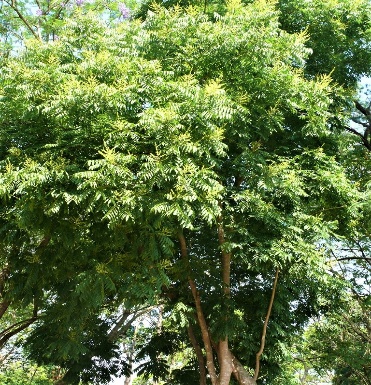
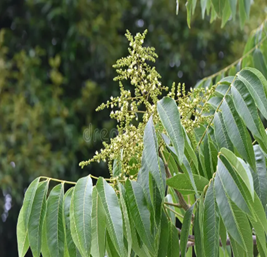
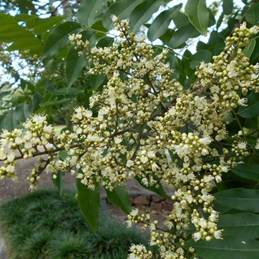
fig 1 tree fig 2 leave fig 3 flower
PHYTOCHEMICAL CONSTITUENTS OF SAPINDUS MUKOROSSI
Sapindus mukorossi is composed of a variety of naturally occurring phytochemicals that contribute to its chemical complexity. The most abundant constituents are triterpenoid saponins, particularly Mukorozisaponin Y1 and Mukorozisaponin E1, which are primarily localized in the fruit pericarp and are responsible for its characteristic surfactant nature. In addition, the plant contains flavonoids and other phenolic compounds such as Quercetin and Kaempferol, which are widely distributed in different parts of the plant. Tannins like Gallic acid and Ellagic acid are also present and are known for their polyphenolic structure. Other constituents include glycosides, carbohydrates, and fixed oils, along with trace amounts of alkaloids and triterpenes. These compounds collectively form the phytochemical profile of the plant, reflecting its rich chemical diversity and making it a subject of interest in phytochemical and pharmacognostic studies [12].
Saponins
Saponins are the primary constituents of Sapindus mukorossi and are mainly present in the fruit pericarp. Chemically, they are glycosidic compounds consisting of a triterpenoid aglycone linked to sugar moieties. These compounds are amphiphilic in nature. The major saponins identified in this plant include Mukorozisaponin Y1 and Mukorozisaponin E1, which are structurally complex and contribute significantly to its chemical composition [13].
Flavonoids
Flavonoids are a group of polyphenolic compounds present in Sapindus mukorossi. They are characterized by a basic flavone nucleus and are usually found in glycosylated forms. Common flavonoids reported include Quercetin and Kaempferol. These compounds are widely distributed in plant tissues such as leaves and fruits and are important markers in phytochemical analysis due to their distinct chemical structure [14].
Tannins
Tannins are high molecular weight polyphenolic compounds found in Sapindus mukorossi. They are generally classified into hydrolysable and condensed tannins. Examples include Gallic acid and Ellagic acid, which are commonly detected during phytochemical studies. These compounds have the ability to bind with proteins and contribute to the plant’s chemical characteristics [15].
Glycosides
Glycosides are compounds consisting of a sugar portion attached to a non-sugar moiety known as aglycone. In Sapindus mukorossi, glycosidic compounds such as Sapindoside A and Sapindoside B have been reported. These vary in structure depending on the type of aglycone and sugar units involved, contributing to the plant’s diverse chemical nature [16].
Alkaloids
Alkaloids are nitrogen-containing organic compounds found in small quantities in Sapindus mukorossi. Examples reported include Trigonelline and Nicotinic acid derivatives. These compounds are typically basic in nature and possess complex ring structures, adding to the overall diversity of the plant’s phytoconstituent profile [17].
A B
C D
E
Table 1- Name of the given structures.
|
S.No. |
Name |
|
A. |
Sapindoside-A |
|
B. |
β-sitosterol |
|
C. |
Quercetin |
|
D. |
Kaempferol |
|
E. |
Ursolic acid |
TRADITIONAL USES OF SAPINDUS MUKOROSSI
Sapindus mukorossi has been extensively utilized in traditional systems of medicine and daily life practices across South and Southeast Asia. In Ayurveda, the fruit pericarp is commonly used for cleansing purposes, particularly in the management of skin-related conditions. It has been traditionally applied in cases of eczema, psoriasis, and itching due to its natural cleansing and soothing properties. The powdered fruit is often used as a natural shampoo for maintaining scalp health and controlling dandruff. In folk medicine, Sapindus mukorossi has been employed as a remedy for respiratory disorders such as cough, asthma, and excessive phlegm, where it is believed to help in clearing mucus from the airways. It is also used in the treatment of digestive issues, including indigestion and constipation, often administered in small quantities due to its potent nature [18]. The seeds and fruits have been traditionally used as expectorants and emetics in certain conditions. Additionally, the plant has been used externally for wound cleansing and as an antiseptic agent in minor cuts and injuries. Its natural surfactant property made it a preferred choice for washing clothes, jewelry, and delicate fabrics in ancient times, highlighting its dual medicinal and domestic significance. In rural communities, Sapindus mukorossi is also valued for its eco-friendly nature, being used as a biodegradable alternative to chemical-based soaps and detergents. Overall, its long-standing traditional usage reflects its importance as a versatile plant with applications in healthcare, hygiene, and sustainable living practices [19].
Table 2 Pharmacological activities shown by different parts [20-21].
|
S.NO. |
Plant Part |
Pharmacological Activities |
|
1 |
Fruit (Pericarp) |
Anti-inflammatory, Wound Healing, Anti-fungal |
|
2 |
Seeds |
Anti-microbial, Insecticidal, Mild Analgesic |
|
3 |
Leaves |
Antioxidant |
|
4 |
Bark |
Astringent |
|
5 |
Roots |
Mild antimicrobial, supportive in traditional remedies |
PHARMACOLOGICAL ACTIVITIES OF SAPINDUS MUKOROSSI
Anti-inflammatory Activity
Sapindus mukorossi exhibits significant anti-inflammatory activity, largely attributed to triterpenoid saponins and flavonoids that modulate key inflammatory pathways. These constituents are known to inhibit the biosynthesis of pro-inflammatory mediators such as prostaglandins, leukotrienes, and cytokines by suppressing enzymes like cyclooxygenase (COX) and lipoxygenase (LOX). Additionally, the extracts may downregulate nuclear factor-kappa B (NF-κB) signaling, thereby reducing inflammatory responses. This pharmacological action supports its traditional application in inflammatory and dermatological disorders [22].
Antimicrobial Activity
The antimicrobial potential of Sapindus mukorossi is attributed to its ability to disrupt microbial cell membranes and inhibit essential enzymatic processes. Saponins exhibit membrane-permeabilizing effects, leading to leakage of intracellular components in microorganisms. Tannins contribute by precipitating microbial proteins and inhibiting enzyme activity. These mechanisms collectively result in broad-spectrum antimicrobial efficacy against pathogenic bacteria and fungi, supporting its use in infection control [23].
Antioxidant Activity
The antioxidant activity of Sapindus mukorossi is primarily mediated by flavonoids and phenolic compounds, which act as potent free radical scavengers. These phytochemicals neutralize reactive oxygen species (ROS) and reactive nitrogen species (RNS), thereby preventing oxidative damage to lipids, proteins, and nucleic acids. The plant extracts may also enhance endogenous antioxidant defense systems, including superoxide dismutase (SOD) and catalase, contributing to cellular redox homeostasis [24].
Wound Healing Activity
Sapindus mukorossi facilitates wound healing through a combination of biochemical and cellular mechanisms. It promotes fibroblast proliferation, collagen deposition, and angiogenesis, which are critical phases of tissue repair. The presence of bioactive compounds accelerates re-epithelialization and enhances tensile strength of the healed tissue. Additionally, its antimicrobial and antioxidant properties prevent secondary infections and oxidative stress, thereby improving the overall healing process [25].
Antifungal Activity
The antifungal activity of Sapindus mukorossi is primarily due to saponins, which interact with sterols present in fungal cell membranes, leading to increased permeability and cell lysis. This disruption of membrane integrity interferes with fungal growth and replication. The plant extracts have demonstrated inhibitory effects against various dermatophytic and pathogenic fungal strains, indicating its potential in antifungal therapy [26].
Antibacterial Activity
The antibacterial effect of Sapindus mukorossi involves multiple mechanisms, including disruption of bacterial cell wall integrity and inhibition of nucleic acid synthesis. Saponins and phenolic compounds interfere with membrane stability, causing leakage of cellular contents. Additionally, tannins inhibit bacterial enzymes and metabolic pathways, resulting in bacteriostatic or bactericidal effects against a range of bacterial pathogens [27].
Insecticidal Activity
The insecticidal activity of Sapindus mukorossi is attributed to the presence of bioactive saponins that exert toxic effects on insects. These compounds disrupt cell membrane function and interfere with metabolic processes in insects, leading to paralysis and death. The mode of action may involve inhibition of acetylcholinesterase activity, affecting neurotransmission. This makes the plant a potential eco-friendly alternative for pest control applications [28].
Cytotoxic Activity
Extracts of Sapindus mukorossi have shown cytotoxic potential, which may be linked to the presence of triterpenoids and other secondary metabolites. These compounds can induce apoptosis and inhibit cell proliferation by modulating signaling pathways such as caspase activation and mitochondrial dysfunction. Although still under investigation, this activity suggests its relevance in studies related to abnormal cell growth and therapeutic research [29].
Antiulcer Activity
The antiulcer activity of Sapindus mukorossi is associated with its ability to enhance gastric mucosal defense mechanisms. Flavonoids and tannins may increase mucus secretion, reduce gastric acid secretion, and inhibit oxidative damage in the gastric lining. Additionally, these compounds may stabilize the mucosal barrier and promote healing of ulcerated tissues, thereby exhibiting gastroprotective effects [30].
Antidiabetic Activity
Sapindus mukorossi demonstrates antidiabetic activity through modulation of carbohydrate metabolism and glucose homeostasis. Certain phytoconstituents may enhance insulin sensitivity and promote glucose uptake in peripheral tissues [31]. The plant extracts may also inhibit carbohydrate-hydrolyzing enzymes such as α-amylase and α-glucosidase, thereby reducing postprandial hyperglycemia. This suggests its potential role in managing metabolic disorders such as diabetes mellitus [32].
CONCLUSION
Sapindus mukorossi emerges as a pharmacologically significant medicinal plant with a well-established background in traditional medicine and increasing validation through scientific studies. Its rich phytochemical composition, particularly the presence of triterpenoid saponins, flavonoids, tannins, and other secondary metabolites, contributes to a wide spectrum of biological activities. The plant demonstrates notable pharmacological properties such as anti-inflammatory, antimicrobial, antioxidant, wound healing, and antidiabetic effects, which support its traditional applications in managing various health conditions. Moreover, different parts of the plant, especially the fruit pericarp, play a crucial role in therapeutic applications due to their high concentration of bioactive constituents. The synergistic interaction of these phytochemicals enhances its overall efficacy and highlights its potential as a natural source for drug development. In addition to its medicinal importance, its eco-friendly and biodegradable nature further increases its relevance in modern healthcare and industrial applications. In conclusion, Sapindus mukorossi holds promising potential as a multifunctional herbal agent. However, further detailed studies, including clinical evaluations and standardization of extracts, are essential to fully explore its therapeutic efficacy and ensure its safe and effective utilization in contemporary medicine.
REFERENCES



Shashi Tiwari, Neeraj Maurya, Ankit Kumar Verma, Rajpal, Prashant Kumar, Pawan Kumar Gupta, Yogendra Pal, Shreya Gupta, Shiv Dev Singh, Kamal Kishore Maheshwari, Sapindus mukorossi: A Comprehensive Review on Phytochemistry, Traditional Uses and Pharmacological Activities, Int. J. of Pharm. Sci., 2026, Vol 4, Issue 4, 50-58, https://doi.org/10.5281/zenodo.19368975
 10.5281/zenodo.19368975
