View Article

Abstract

Hair loss (alopecia) results from oxidative stress, inflammation, scalp infections, poor circulation and nutritional deficiency, in addition to genetic and hormonal influences. Due to the limitations and side effects of conventional therapies, herbal phytochemicals are increasingly explored as safer complementary approaches. This review evaluates four commonly used botanicals, Ginger, Garlic, Onion and Clove for their potential in hair and scalp health. Key bioactive constituents such as gingerols, allicin, quercetin and eugenol exhibit antioxidant, anti-inflammatory, antimicrobial and circulation-enhancing actions that help improve the scalp environment and support follicular strength. Among these, onion juice shows the strongest clinical evidence for hair regrowth, especially in alopecia areata, while garlic demonstrates promising preclinical regenerative activity. Ginger and clove mainly provide supportive benefits by reducing dandruff, inflammation and scalp irritation. Overall, these botanicals cannot replace established medical treatments but can serve as effective, safe complementary ingredients for improving scalp condition and promoting healthier hair

Keywords

Alopecia, Hair loss, Scalp health, Herbal medicines

Introduction

Hair growth is a complex biological process regulated by the coordinated activity of hair follicles, hormonal balance, scalp microcirculation, immune response and nutritional status. Disruptions in these factors particularly oxidative stress, inflammation, microbial imbalance, reduced blood flow and micronutrient deficiency can interrupt the hair cycle and lead to progressive hair thinning or alopecia. Although genetic and hormonal influences remain the major causes of persistent hair loss, non-genetic factors are increasingly recognized as key contributors to compromised follicular health.

Conventional therapies such as minoxidil, finasteride and platelet-rich plasma (PRP) have shown therapeutic benefits but are often associated with limitations including long-term dependency, variable clinical outcomes and adverse effects.These concerns have fuelled growing interest alternative and complementary approaches that are safer, better tolerated and more suitable for long-term use. Among these, herbal products and phytochemicals have gained significant attention worldwide.

Phytochemicals are bioactive plant-derived compounds with antioxidant, anti-inflammatory, antimicrobial and circulation-enhancing properties, all of which are relevant for maintaining a healthy scalp environment. By neutralizing free radicals, soothing scalp inflammation, reducing microbial overgrowth and improving nutrient delivery to follicles, these compounds create biological conditions that support hair anchorage, integrity and growth.

Traditional botanicals widely used in hair-care practices include Ginger (Zingiber officinale), Garlic (Allium sativum), Onion (Allium cepa) and Clove (Syzygium aromaticum).Each possesses unique chemical constituents—such as gingerols, allicin, quercetin and eugenol that influence scalp and follicular physiology. Clinical and preclinical studies particularly highlight the promise of onion juice for regrowth in alopecia areata, while garlic exhibits regenerative potential through sulfur compounds and signaling pathways. Ginger and clove are primarily supportive, contributing to scalp protection and reduced irritation rather than direct stimulation of new hair growth.

Evaluating these botanicals through a scientific lens is essential to distinguish traditional claims from evidence-based benefits and to guide safe formulation practices. Therefore, this review aims to critically analyze the chemical composition, mechanisms of action, evidence of efficacy and safety considerations of ginger, garlic, onion and clove in the management of hair loss.

Taxonomical classification:

1. Ginger:
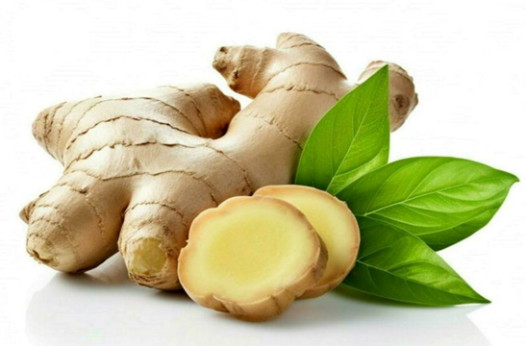
Botanical name: Zingiber officinale

Kingdom: Plantae

Sub-kingdom: Tracheobionta (Vascular plants)

Division: Magnoliophyta (Angiosperms)

Class: Liliopsida (Monocotyledons)

Order: Zingiberales

Family: Zingiberaceae

Genus: Zingiber

Species; Zingiber officinale

2. Garlic:
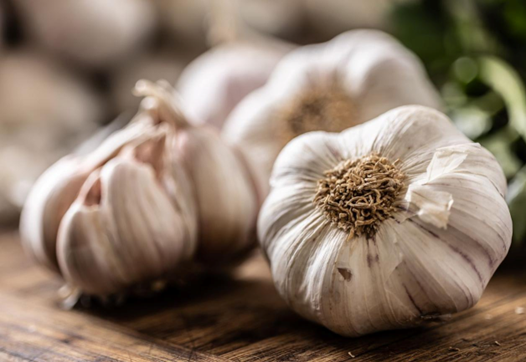
Botanical name: Allium sativum

Kingdom: Plantae

Sub-kingdom: Tracheobionta

Division: Magnoliophyta

Class: Liliopsida

Order: Asparagales

Family: Amaryllidaceae

Genus: Allium

Species: Allium sativum

3.Onion:
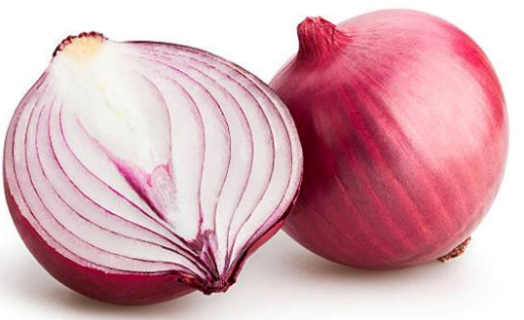
Botanical name: Allium cepa

Kingdom: Plantae

Sub-kingdom: Tracheobionta

Division: Magnoliophyta

Class: Liliopsida

Order: Asparagales

Family: Amaryllidaceae

Genus: Allium

Specie: Allium cepa

4. Clove:
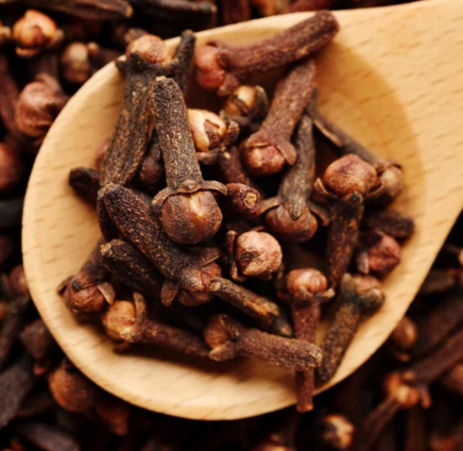
Botanical name: Syzygium aromaticum

Kingdom: Plantae

Sub-kingdom: Tracheobionta

Division: Magnoliophyta

Class: Magnoliopsida (Dicotyledons)

Order: Myrtales

Family: Myrtaceae

Genus: Syzygium

Species: Syzygium aromaticum

Alopecia:

Alopecia is a progressive condition characterized by partial or complete loss of hair from areas where it normally grows. Although genetics and hormones are well-known determinants of hair loss, recent scientific literature highlights a broader, multifactorial etiology that includes oxidative stress, chronic scalp inflammation, microbial imbalance, circulatory insufficiency and nutritional deficits. These non-genetic factors significantly alter the natural hair cycle, reducing the duration of the anagen (growth) phase and accelerating entry into the catagen and telogen phases. As a result, hair follicles become weak, miniaturized and unable to sustain healthy growth.

Management: Management of alopecia four botanicals are used they are as follows

  1. Onion (Allium cepa)

Onion contains sulfur, quercetin and antimicrobial flavonoids, making it the most scientifically promising ingredient among the four.

  • Sulfur supports keratin and collagen formation, increasing hair strength and thickness.
  • Quercetin reduces inflammation and oxidative stress inside follicles.
  • Antimicrobial action prevents infections and dandruff that impede growth.
  1. Garlic (Allium sativum)

Garlic is rich in allicin and sulfur compounds (DADS, DATS, ajoene) with strong antimicrobial, antioxidant and keratin-supporting properties.

  • Eliminates fungal and bacterial scalp infections.
  • Supports follicle nutrition via sulfur and trace minerals.
  • Animal studies show activation of β-catenin, VEGF and PDGF signaling, indicating regenerative potential.
  1. Ginger (Zingiber officinale)

Ginger contains gingerols and shogaols that regulate inflammatory pathways and defend follicles from oxidative stress.

  • Improves scalp microcirculation, nutrient delivery and hair vitality.
  • Reduces scalp irritation, dandruff and itching.
  1. Clove (Syzygium aromaticum)

Clove is highly rich in eugenol, which has antimicrobial, anti-inflammatory and antioxidant properties.

  • Reduces scalp microbial load and dandruff.
  • Calms irritated scalp and enhances follicle comfort.
  • Improves superficial microcirculation, supporting hair resilience.

MATERIAL AND METHODS (Detailed)

This study was designed as a comprehensive review-based investigation to evaluate the scientific potential of four traditional botanicals Ginger (Zingiber officinale), Garlic (Allium sativum), Onion (Allium cepa) and Clove (Syzygium aromaticum)  in hair-loss management and scalp health promotion. The work was carried out in five sequential phases, including literature extraction, chemical analysis, mechanism evaluation, safety assessment and data synthesis.

  1. Literature Selection and Data Retrieval

A structured literature search protocol was developed to obtain relevant information from:

Herbal pharmacology and cosmetology references

Search keywords included combinations of: hair growth, alopecia, phytochemicals, ginger, garlic, onion, clove, antioxidant, anti-inflammatory, antimicrobial, clinical study, herbal formulations, etc.

Inclusion criteria:

Studies reporting phytochemical composition

Studies evaluating biological/ pharmacological activity related to hair or scalp

Preclinical (in vitro / in vivo) or clinical evidence

Traditional/modern formulations used for topical application

Exclusion criteria:

Drugs unrelated to hair growth, Insufficient scientific reliability or unclear methodology

  1. Data Extraction and Chemical Analysis

For each botanical, the following data were extracted and documented:

Plant part used

  • Major active phytochemical constituents (e.g., gingerols, allicin, quercetin, eugenol)
  • Nutritional or structural components supporting hair health (e.g., sulfur)
  • Extraction techniques used for obtaining topical formulations
  • The extracted information was critically compared to determine similarities and differences among the four botanicals.
  1. Evaluation of Mechanisms and Evidence

All gathered data were analysed to validate the proposed hair-growth mechanisms by examining:

  • Antioxidant effects in reducing follicular oxidative stress
  • Anti-inflammatory actions in improving scalp comfort
  • Antimicrobial effects on fungal and bacterial scalp infections
  • Circulation-enhancing activity at the dermal papilla
  • Support for keratin and collagen biosynthesis

Evaluation of efficacy considered:

  • Whether evidence supported direct hair regrowth (e.g., onion juice for alopecia areata)
  • Whether evidence supported only supportive scalp benefits (e.g., ginger and clove improving scalp condition)
  • Special attention was given to conflicting or cautionary evidence (e.g., in-vitro inhibitory effects of 6-Gingerol).
  1. Assessment of Safety and Limitations

The safety profile of each botanical was assessed based on:

  • Skin irritation potential
  • Concentration-dependent toxicity of essential oils
  • Recommended dilution or patch testing before topical use
  • Reported adverse reactions in existing studies
  1. Formulation Review

Traditional and modern formulation approaches were summarized, including:

  • Hair oils (cold infusion / heat maceration)
  • Serums and gels
  • Scalp masks
  • Onion-based shampoos
  • Aqueous and ethanol extracts
  • Extraction methods reviewed included:
  • Solvent maceration/reflux
  • Steam distillation/hydro-distillation
  • Mechanical juice extraction
  • Supercritical fluid extraction
  • Ultrasonic-assisted extraction
  1. Synthesis of Final Findings
  • All analysed data were systematically compared to:
  • Rank the botanicals in terms of clinical evidence and therapeutic potential
  • Identify their appropriate role in complementary alopecia management
  • Provide evidence-based recommendations on their suitability in topical formulations

Outcome of Materials & Methods

This methodology enabled a thorough scientific assessment of ginger, garlic, onion and clove in relation to alopecia by:

    1. Integrating phytochemistry with clinical relevance
    2. Distinguishing regenerative vs. supportive benefits
    3. Documenting safety and formulation applicability

Extraction Processes of Four Botanicals

  1. Ginger (Zingiber officinale)

Ginger is extracted mainly for gingerols, shogaols and essential oils.

  1. Supercritical Fluid Extraction (SFE):Uses CO? in supercritical state as solvent, Supercritical CO? (with ethanol as co-solvent)
  • Extracted: Oleoresins rich in gingerols & shogaols
  1. Garlic (Allium sativum)

Garlic extraction aims to preserve allicin and sulfur compounds.

  1. Maceration: Crushed garlic soaked at room temperature
  • Solvent: Ethanol, Water, Oil
  • Extracted: Allicin, DADS
  1. Reduced Pressure Distillation: Separation of volatile components followed by conversion to stable compounds
  • Extracted: Diallyl disulfide (DADS) and other volatile sulfur compounds
  1. Onion (Allium cepa):Onion is extracted for juice or flavonoids (especially quercetin).
  • Mechanical Pressing: Grinding & pressing fresh onion
  1. Clove (Syzygium aromaticum): Clove extraction focuses on eugenol-rich essential oil.
  • Steam Distillation / Hydrodistillation: Volatile oils vaporized by steam and condensed

Phytochemical Present in All Four Botanicals Useful For Hair Growth

The study evaluated four botanical ingredients Onion, Garlic, Ginger and Clove for their potential role in hair growth and scalp health. Results demonstrated that each herb contains distinct phytochemicals that act through different biological pathways to support hair health.

Onion

  1. Contains Sulfur, Quercetin, Kaempferol, and Phenolic compounds.
  2. Mechanisms include keratin synthesis support, antioxidant action, antimicrobial effect, and improved scalp circulation.
  • Outcome: Strongest and most reliable results for direct hair regrowth. Clinical studies showed significant improvement in alopecia areata patients.

Garlic

  1. Rich in Allicin, DADS/DATS, Sulfur, Selenium, Vitamins C & E.
  2. Demonstrated strong antifungal and antibacterial action, along with support for keratin and collagen formation due to sulfur.
  • Outcome: Supports new follicular activity and reduces scalp infections; however large-scale human trials are limited. More suitable as supportive regenerative agent.

Ginger

  1. Key active constituents include Gingerols, Shogaols, Paradols and volatile oils.
  2. Exhibits high antioxidant and anti-inflammatory effect and improves microcirculation.
  • Outcome: Best suited for supportive scalp health (reduces dandruff, inflammation and itching).

Not strongly proven for hair regrowth and 6-Gingerol inhibit hair shaft growth in some studies.

Clove

  1. Contains Eugenol (major component), Caryophyllene, Tannins, Flavonoids.
  2. Shows antimicrobial, antioxidant and anti-inflammatory effects, helping maintain a clean scalp environment.
  • Outcome: Helps prevent dandruff & scalp infections and strengthens hair shaft, but no strong evidence for direct regrowth.

CONCLUSION

Onion, Garlic, Ginger, and Clove contain bioactive phytochemicals that help in managing hair loss by reducing oxidative stress, inflammation, scalp infections, and nutrient deficiency at the follicular level. Among them, Onion shows the strongest evidence for direct hair regrowth, while Garlic, Ginger, and Clove mainly improve scalp health and hair strength. Therefore, these botanicals are most effective when used as complementary natural therapies to support hair growth and maintain a healthy scalp.

REFERENCES
  1. Škulj, A. Z., Poljšak, N., Ko?evar Glava?, N., & Kreft, S. (2020). Herbal preparations for the treatment of hair loss. Archives of Dermatological Research, 312(6), 395–406.
  2. Li, T., Zhang, G., Zhou, X., Guan, J., Zhao, W., Zheng, Y., Lee, J., & Wang, P., Zhao, Y. (2024). Cedrol in ginger (Zingiber officinale) as a promising hair growth drug: The effects of oral and external administration on hair regeneration and its mechanism. Bioorganic Chemistry, 151, 107709.
  3. Miao, Y., Sun, Y., Wang, W., Du, B., Xiao, S.-e., Hu, Y., & Hu, Z. (2013). 6-Gingerol Inhibits Hair Shaft Growth in Cultured Human Hair Follicles and Modulates Hair Growth in Mice. PLOS One, 8(2), e57226.
  4. Ismil, R., & Ali Besar, N. (2025). Therapeutic, cosmetic, and agricultural applications of Allium sativum L. (garlic) and Allium cepa L. (onion): A review. Egyptian Journal of Botany, 65(1), 303–310.
  5. Shams, H., Khan, M. M. A., & Koneru, A. (2023). A Critical Analysis of the Usage of Herbal Biotechnology Research Asia, 20(2), 561–570.
  6. Panpatil, V. V., Tattari, S., Kota, N., Nimgulkar, C., & Polasa, K. (2013). In vitro evaluation on antioxidant and antimicrobial activity of spice extracts of ginger, turmeric and garlic. Journal of Pharmacognosy and Phytochemistry, 2(3), 143–148.
  7. Abera, M. W., & Mehari, A. B. (2018). The Significance of Garlic (Allium sativum L.) on the livelihood of the local community. Journal of Food and Industrial Microbiology, 4, 1.5.
  8. Singh, K. R., Das, S., Shrivastava, S., Dhasman, S., & Khan, I. (2022). Comparative Antimicrobial and Wound Healing Potentiality of Onion, Garlic and Ginger. Indian Journal of Forensic Medicine & Toxicology, 16(4), 289-298.
  9. Dhar, P., & Dhar, D. N. (2019). Medicinal Plants of India. World Scientific.
  10. Aqil, M., Chaudhuri, A., & Qadir, A. (2020). Herbal cosmeceuticals: New opportunities in cosmetology. Trends in Phytochemical Research, 4(3), 117-142.
  11. Papu, S., Jaivir, S., Sweta, S., & Singh, B. R. (2014). Medicinal values of garlic (Allium sativum L.) in human life: an overview. Greener Journal of Agricultural Sciences, 4(6), 265-280.
  12. Hughes, B. G., & Lawson, L. D. (1991). Antimicrobial effects of Allium sativum L. (garlic), Allium ampeloprasum L. (elephant garlic), and Allium cepa L. (onion), garlic compounds and commercial garlic supplement products. Phytotherapy Research, 5(4), 154-158.
  13. Singh, K. R., Das, S., Shrivastava, S., Dhasman, S., & Khan, I. (2022). Comparative Antimicrobial and Wound Healing Potentiality of Onion, Garlic and Ginger. Indian Journal of Forensic Medicine & Toxicology, 16(4), 289-298.
  14. Karuppiah, P., & Rajaram, S. (2012). Antibacterial effect of Allium sativum cloves and Zingiber officinale rhizomes against multiple-drug resistant clinical pathogens. Asian Pacific Journal of Tropical Biomedicine, 2(8), 597-601.
  15. Jung, K., & Park, C. S. (2013). Antioxidative and antimicrobial activities of juice from garlic, ginger, and onion. Food Science and Preservation, 20(1), 134-139.
  16. Farjana, F., Sakib, N., Hasan, M. M., Das, P., Hossain, A. I., & Rahmatullah, M. (2014). Antinociceptive activity studies with methanol extract of onion, garlic and ginger in mice. Adv Nat Appl Sci, 8(8), 169-74.
  17. Ogodo, A. C., & Ekeleme, U. G. (2013). In-vitro antibacterial activity of garlic cloves and ginger rhizomes on food-borne pathogens. International Journal of Basic and Applied Sciences, 2(4), 387.
  18. Okanlawon, E. O., Bello, K. O., Akinola, O. S., Adeola, A. A., & Ademolue, R. O. (2023). Qualitative and quantitative screening of turmeric, garlic, ginger and clove blend. International Journal of Traditional and Natural Medicines, 1(2), 2167-1141.
  19. Njoku, E. A., Mbaoji, F. N., Nweze, J. A., Echezona, B. C., & Baiyeri, K. P. (2025). Bio-protective solutions for carrot spoilage: exploring the antifungal properties of ginger, garlic, onion, and Moringa. Journal of Horticulture and Postharvest Research, 8(1), 15-26.
  20. Jay, M. (2016). Onions and garlic: A global history. Reaktion Books.
  21. Tareq, M. H., Rahman, S. M. E., & Hashem, M. A. (2018). Effect of clove powder and garlic paste on quality and safety of raw chicken meat at refrigerated storage. World J Nutr Food Sci, 1(1), 1002.
  22. Parminder Singh, P. S., Jhari Sahoo, J. S., Chatli, M. K., & Biswas, A. K. (2014). Shelf life evaluation of raw chicken meat emulsion incorporated with clove powder, ginger and garlic paste as natural preservatives at refrigerated storage (4 ± 1°C).
  23. Nwachukwu, K. C., & Okoh, M. P. Anti-oxidative properties of garlic, onions and ginger extract.
  24. Khounganian, R. M., Alwakeel, A., Albadah, A., Nakshabandi, A., Alharbi, S., & Almslam, A. S. (2023). The antifungal efficacy of pure garlic, onion, and lemon extracts against Candida albicans. Cureus, 15(5).
  25. Lawson, L. D., Ransom, D. K., & Hughes, B. G. (1992). Inhibition of whole blood platelet-aggregation by compounds in garlic clove extracts and commercial garlic products. Thrombosis Research, 65(2), 141–156.

Reference

  1. Škulj, A. Z., Poljšak, N., Ko?evar Glava?, N., & Kreft, S. (2020). Herbal preparations for the treatment of hair loss. Archives of Dermatological Research, 312(6), 395–406.
  2. Li, T., Zhang, G., Zhou, X., Guan, J., Zhao, W., Zheng, Y., Lee, J., & Wang, P., Zhao, Y. (2024). Cedrol in ginger (Zingiber officinale) as a promising hair growth drug: The effects of oral and external administration on hair regeneration and its mechanism. Bioorganic Chemistry, 151, 107709.
  3. Miao, Y., Sun, Y., Wang, W., Du, B., Xiao, S.-e., Hu, Y., & Hu, Z. (2013). 6-Gingerol Inhibits Hair Shaft Growth in Cultured Human Hair Follicles and Modulates Hair Growth in Mice. PLOS One, 8(2), e57226.
  4. Ismil, R., & Ali Besar, N. (2025). Therapeutic, cosmetic, and agricultural applications of Allium sativum L. (garlic) and Allium cepa L. (onion): A review. Egyptian Journal of Botany, 65(1), 303–310.
  5. Shams, H., Khan, M. M. A., & Koneru, A. (2023). A Critical Analysis of the Usage of Herbal Biotechnology Research Asia, 20(2), 561–570.
  6. Panpatil, V. V., Tattari, S., Kota, N., Nimgulkar, C., & Polasa, K. (2013). In vitro evaluation on antioxidant and antimicrobial activity of spice extracts of ginger, turmeric and garlic. Journal of Pharmacognosy and Phytochemistry, 2(3), 143–148.
  7. Abera, M. W., & Mehari, A. B. (2018). The Significance of Garlic (Allium sativum L.) on the livelihood of the local community. Journal of Food and Industrial Microbiology, 4, 1.5.
  8. Singh, K. R., Das, S., Shrivastava, S., Dhasman, S., & Khan, I. (2022). Comparative Antimicrobial and Wound Healing Potentiality of Onion, Garlic and Ginger. Indian Journal of Forensic Medicine & Toxicology, 16(4), 289-298.
  9. Dhar, P., & Dhar, D. N. (2019). Medicinal Plants of India. World Scientific.
  10. Aqil, M., Chaudhuri, A., & Qadir, A. (2020). Herbal cosmeceuticals: New opportunities in cosmetology. Trends in Phytochemical Research, 4(3), 117-142.
  11. Papu, S., Jaivir, S., Sweta, S., & Singh, B. R. (2014). Medicinal values of garlic (Allium sativum L.) in human life: an overview. Greener Journal of Agricultural Sciences, 4(6), 265-280.
  12. Hughes, B. G., & Lawson, L. D. (1991). Antimicrobial effects of Allium sativum L. (garlic), Allium ampeloprasum L. (elephant garlic), and Allium cepa L. (onion), garlic compounds and commercial garlic supplement products. Phytotherapy Research, 5(4), 154-158.
  13. Singh, K. R., Das, S., Shrivastava, S., Dhasman, S., & Khan, I. (2022). Comparative Antimicrobial and Wound Healing Potentiality of Onion, Garlic and Ginger. Indian Journal of Forensic Medicine & Toxicology, 16(4), 289-298.
  14. Karuppiah, P., & Rajaram, S. (2012). Antibacterial effect of Allium sativum cloves and Zingiber officinale rhizomes against multiple-drug resistant clinical pathogens. Asian Pacific Journal of Tropical Biomedicine, 2(8), 597-601.
  15. Jung, K., & Park, C. S. (2013). Antioxidative and antimicrobial activities of juice from garlic, ginger, and onion. Food Science and Preservation, 20(1), 134-139.
  16. Farjana, F., Sakib, N., Hasan, M. M., Das, P., Hossain, A. I., & Rahmatullah, M. (2014). Antinociceptive activity studies with methanol extract of onion, garlic and ginger in mice. Adv Nat Appl Sci, 8(8), 169-74.
  17. Ogodo, A. C., & Ekeleme, U. G. (2013). In-vitro antibacterial activity of garlic cloves and ginger rhizomes on food-borne pathogens. International Journal of Basic and Applied Sciences, 2(4), 387.
  18. Okanlawon, E. O., Bello, K. O., Akinola, O. S., Adeola, A. A., & Ademolue, R. O. (2023). Qualitative and quantitative screening of turmeric, garlic, ginger and clove blend. International Journal of Traditional and Natural Medicines, 1(2), 2167-1141.
  19. Njoku, E. A., Mbaoji, F. N., Nweze, J. A., Echezona, B. C., & Baiyeri, K. P. (2025). Bio-protective solutions for carrot spoilage: exploring the antifungal properties of ginger, garlic, onion, and Moringa. Journal of Horticulture and Postharvest Research, 8(1), 15-26.
  20. Jay, M. (2016). Onions and garlic: A global history. Reaktion Books.
  21. Tareq, M. H., Rahman, S. M. E., & Hashem, M. A. (2018). Effect of clove powder and garlic paste on quality and safety of raw chicken meat at refrigerated storage. World J Nutr Food Sci, 1(1), 1002.
  22. Parminder Singh, P. S., Jhari Sahoo, J. S., Chatli, M. K., & Biswas, A. K. (2014). Shelf life evaluation of raw chicken meat emulsion incorporated with clove powder, ginger and garlic paste as natural preservatives at refrigerated storage (4 ± 1°C).
  23. Nwachukwu, K. C., & Okoh, M. P. Anti-oxidative properties of garlic, onions and ginger extract.
  24. Khounganian, R. M., Alwakeel, A., Albadah, A., Nakshabandi, A., Alharbi, S., & Almslam, A. S. (2023). The antifungal efficacy of pure garlic, onion, and lemon extracts against Candida albicans. Cureus, 15(5).
  25. Lawson, L. D., Ransom, D. K., & Hughes, B. G. (1992). Inhibition of whole blood platelet-aggregation by compounds in garlic clove extracts and commercial garlic products. Thrombosis Research, 65(2), 141–156.

Photo
Mugdha Joshi
Corresponding author

IVM's Krishnarao Bhegade Institute of Pharmaceutical Education and  Research., Talegaon Dabhade, Pune. Maharastra- 410507.

Photo
Prajwal Nimkarde
Co-author

IVM's Krishnarao Bhegade Institute of Pharmaceutical Education and  Research., Talegaon Dabhade, Pune. Maharastra- 410507.

Photo
Vilasini Pandav
Co-author

IVM's Krishnarao Bhegade Institute of Pharmaceutical Education and  Research., Talegaon Dabhade, Pune. Maharastra- 410507.

Photo
Manisha Kasar
Co-author

IVM's Krishnarao Bhegade Institute of Pharmaceutical Education and  Research., Talegaon Dabhade, Pune. Maharastra- 410507.

Photo
Sukanya Kamane
Co-author

IVM's Krishnarao Bhegade Institute of Pharmaceutical Education and  Research., Talegaon Dabhade, Pune. Maharastra- 410507.

Prajwal Nimkarde, Mugdha Joshi, Vilasini Pandav, Manisha Kasar, Sukanya Kamane, Role of Botanicals in Alopecia Management, Mechanism of Ginger, Garlic, Clove and Onion, Int. J. of Pharm. Sci., 2025, Vol 3, Issue 12, 2577-2585. https://doi.org/10.5281/zenodo.17951160

More related articles
A Review on Role of Nanoparticles in Targeted Drug...
Komal Pawar, Suchita Lathi, Pallavi Shnide, Vaishnavi Shinde, ...
Role of Mycorrhizal Fungi in Enhancing Soil Fertil...
Rucha Awachar, Sanjana Bali, Shatrughna Nagrik, Dr. Shivshankar M...
The Role of Artificial Intelligence in Drug Discov...
Sanika Kamble, Sneha Wavdane, Vishal Mote, Dhanraj Jadge, ...
Role of Anti-Androgens in the Management of Polycystic Ovary Syndrome (PCOS)...
Abhishek S, Dr. Santosh Uttangi, Abhila B, Aksa Rajan, K Parvati, J. S. Venkatesh, ...
Role of Green Chemistry in the Synthesis of Various Polymers via Enzymatic Catal...
Rachit Kumar Saxena, Shivdev Singh, Vaibhav Bhardwaj, ...
The Role of Ketamine in Acute and Chronic Pain – A Review of Therapeutic Benef...
Albin Johnson, J. S. Venkatesh, Dr. Santosh Uttangi, Akshara Jeevan, Aleena Fernandez, Mallikarjun H...
Related Articles
Role of Journal Clubs in Developing Critical Thinking and Evidence-Based Practic...
Anna John Viany, Lekshmipriya P S, Karthika Lal B, Jerin Annie Thomas, ...
Gangrene: Early Detection, Emerging Therapies, and The Role of Artificial Intell...
Faraz Pathan, Rubina Sheikh, Ayesha Siddiqua, Ashna Khan, Sana Malik, Prerona Das, ...
A Review on Role of Nanoparticles in Targeted Drug Delivery Systems ...
Komal Pawar, Suchita Lathi, Pallavi Shnide, Vaishnavi Shinde, ...
More related articles
A Review on Role of Nanoparticles in Targeted Drug Delivery Systems ...
Komal Pawar, Suchita Lathi, Pallavi Shnide, Vaishnavi Shinde, ...
Role of Mycorrhizal Fungi in Enhancing Soil Fertility in Promoting Plant Health...
Rucha Awachar, Sanjana Bali, Shatrughna Nagrik, Dr. Shivshankar Maske, ...
The Role of Artificial Intelligence in Drug Discovery...
Sanika Kamble, Sneha Wavdane, Vishal Mote, Dhanraj Jadge, ...
A Review on Role of Nanoparticles in Targeted Drug Delivery Systems ...
Komal Pawar, Suchita Lathi, Pallavi Shnide, Vaishnavi Shinde, ...
Role of Mycorrhizal Fungi in Enhancing Soil Fertility in Promoting Plant Health...
Rucha Awachar, Sanjana Bali, Shatrughna Nagrik, Dr. Shivshankar Maske, ...
The Role of Artificial Intelligence in Drug Discovery...
Sanika Kamble, Sneha Wavdane, Vishal Mote, Dhanraj Jadge, ...