View Article

Abstract

Moringa oleifera commonly referred to as the “tree of life” or “miracle tree” is widely recognized as a valuable medicinal plant because of its broad range of therapeutic and practical benefits. In traditional medicine, various parts of the plant have been used to manage conditions such as wounds, pain, ulcers, liver & heart disorders, cancer and inflammatory diseases. This review focuses on summarizing global research findings related to Moringa oleifera including its pharmacological properties, phytochemical composition, toxicological profile and ethnomedicinal significance. Additionally, it highlights the plant’s commercial potential and phytopharmaceutical applications to support future scientific investigations. The review discusses both traditional and modern uses of Moringa as well as it’s documented biological activities, formulation approaches, clinical evidence, safety considerations and other applications. Despite extensive research, many traditional claims remain scientifically unverified. Consequently, further studies are necessary to elucidate the underlying mechanisms of action and to identify or isolate the bioactive or synergistic compounds responsible for the plant’s therapeutic effects.

Keywords

Moringa oleifera, Traditional medicinal uses, Pharmacological activity, Phytochemistry, Phytopharmaceutical formulation, Toxicity, Anti-Inflammatory activity, Granulation.

Introduction

Moringa oleifera, a member of the Moringaceae family is widely recognized for its potential in managing inflammatory conditions. The plant is highly valued for its nutritional richness as its leaves, seeds and pods contain a diverse range of bioactive compounds. Each part of the plant contributes distinct nutritional and therapeutic benefits[1]. Numerous studies have reported that Moringa oleifera exhibits a broad spectrum of biological activities including Anti-Inflammatory, Antimicrobial, Antioxidant, Anticancer, Cardioprotective, Hepatoprotective, Anti-Ulcer, Diuretic, Antiurolithiatic and Anthelmintic effects[2]. In addition to these pharmacological properties, the plant serves as an abundant source of Proteins, Vitamins, Lipids, Fatty Acids, Essential Micro & Macrominerals and Various Phenolic Compounds. Owing to these attributes, traditional medical systems have long relied on Moringa for the treatment of multiple ailments. However, existing research suggests that comprehensive scientific evaluation is essential to firmly establish its therapeutic relevance in modern medical practice[3].

PLANT PROFILE :
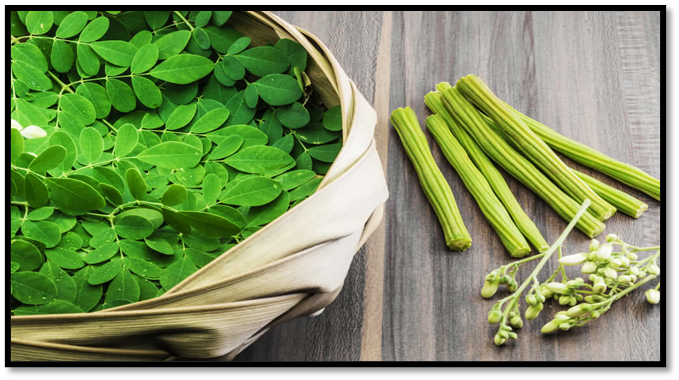
Figure.No.1.Moringa plant

  • What are Anti-Inflammatory agents?

The ability of the agent to reduce inflammation or swelling. 

  • What is Inflammation ? 

Inflammation is a protective biological reaction largely regulated by the immune system, in which white blood cells are mobilized to sites of injury or infection producing visible signs such as redness, swelling, heat, pain and sometimes fever. This response is triggered by harmful factors including invading microorganisms, cellular damage, toxic substances or radiation. Its primary purpose is to eliminate the source of injury and initiate tissue repair. As such inflammation plays an essential role in maintaining health. During an acute inflammatory response, coordinated cellular and molecular interactions act efficiently to limit tissue damage and prevent the spread of infection. This process supports the restoration of normal tissue function and the resolution of inflammation. However, when acute inflammation is poorly regulated or prolonged, it may progress to a chronic state contributing to the development of various long-term inflammatory disorders[4]. At the tissue level, inflammation involves complex immune, vascular and cellular responses, including increased blood vessel permeability, recruitment and accumulation of leukocytes and the release of inflammatory mediators. Inflammation may be triggered by multiple pathogenic factors such as infections, physical injury or myocardial infarction and can arise from both infectious and non-infectious causes. Following tissue damage, the body activates a series of chemical signals that promote healing by directing immune cells toward the affected area. These activated leukocytes release cytokines that further regulate and amplify the inflammatory process[5].
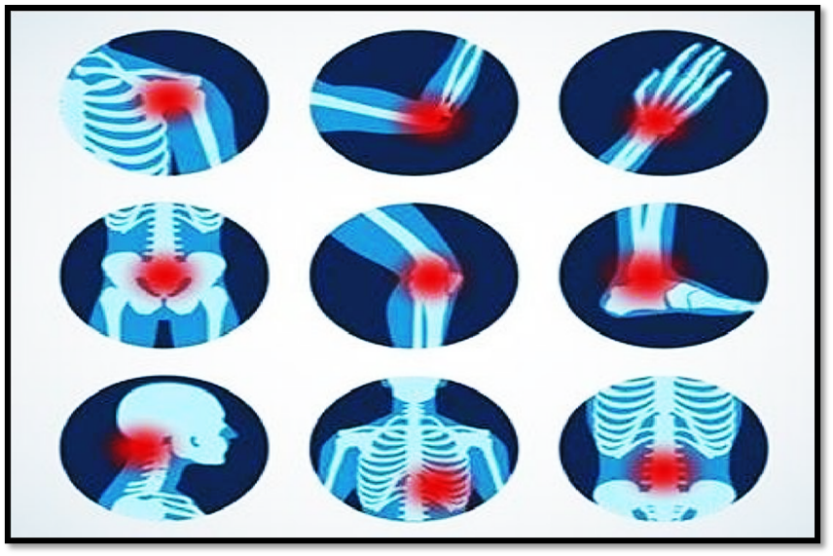
Figure.No.2.Different inflammation regions of body
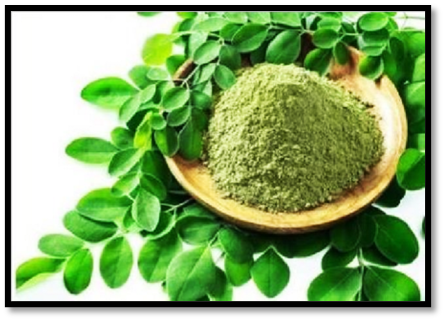
  • Moringa oleifiera leaves properties :
  1. Colour: Slightly dark green yellow. 
  2. Odour: Slightly bitter, Aromatic.
  3. Taste: Bitter and Slightly sweet. 
  4. Solubility: Soluble in water, Chloroform, Ethanol, Diethyl Ether. [6] 

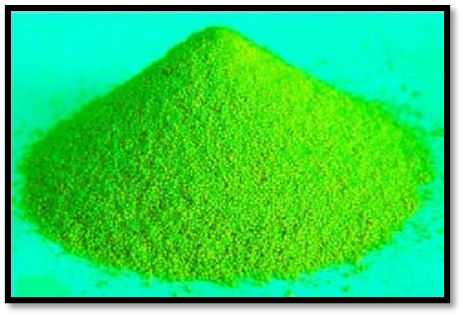
Figure.No.3.Moringa plant leaves and its powder

  • WHAT IS GRANULATION?

Granulation technology refers to the systematic application of scientific principles and practical techniques used to form granules. It is a particle enlargement process in which fine or coarse powders are converted into larger and mechanically stable aggregates. This transformation enhances important properties such as flowability, uniformity of content and compressibility, thereby improving the overall performance of the material during further processing[7].

  • Methods of Granulations -
  1. Direct compression. 
  2. Dry granulation method. 
  3. Wet Granulation. 
  4. Granulation by Crystallization. 
  • Advantages :
  1. Mainly for those who have difficulty in swallowing tablet or capsules. 
  2. The granules can be coated or prepared into an enteric or sustained release. 
  3. It is also suitable to dispense drug with a -large dosage.
  4. It is convenient for administration.
  5. Granules and powder are chemically more stable than the liquid dosage form.
  • Disadvantages :
  1. To perform the granulation process experienced person is required. 
  2. It cannot prevent the unpleasant odour and taste of the drug.
  3. This type of medicine should be stored in a dry place.[1,5] 
  • Aim:

To develop and evaluate Moringa oleifera granules using a suitable granulation technique.

  • Objectives:
  1. To prepare Moringa oleifera granules by the wet granulation method.
  2. To justify the selection of the wet granulation technique over other granulation methods.
  3. To evaluate the physicochemical properties and flow characteristics of the prepared granules.
  4. To assess and compare the active chemical constituents present in Moringa oleifera leaves and the formulated granules.
  • Mechanism of Action :

Moringa extract exhibits immunomodulatory activity that is beneficial in the management of inflammatory bowel disease (IBD). It exerts inhibitory effects on key inflammatory cells such as neutrophils and macrophages, thereby reducing phagocytic activity in inflamed intestinal tissue. In addition, Moringa suppresses the synthesis of prostaglandins through inhibition of cyclooxygenase enzymes (COX-1 and COX-2) and decreases leukotriene formation. These actions resemble the anti-inflammatory mechanisms of glucocorticoids and may contribute significantly to its therapeutic potential in IBD. Since IBD is associated with increased levels of pro-inflammatory cytokines such as interleukin-6 (IL-6) and tumor necrosis factor-alpha (TNF-α), the ability of Moringa to inhibit the release of cytokines including TNF-α, IL-4, and IL-6 highlights its role in controlling intestinal inflammation[7].

Table.No.1.Systematic representation of plant part and its activity

Sr. No

Part of plant

Extract

In-vivo/ in-vitro

Activity

Standard drug

1

Leaves and roots

Aqueous and Alcoholic extract

In vivo

Radical scavenging activity

-

2

Leaves

Methanolic extract

In vivo

Anti-epileptic activity

Pentylenetetramine

3

Bark

Aqueous

In vitro

Anti urolithiatic activity

Ethylene glycol

4

Seed kernel

Alcoholic extract

-

Anti-asthmatic activity

-

Excipients Used In Moringa Granules : 

To obtain Moringa granules the following pharmaceuticals ingredients were used :

  1. Diluent:- Diluent are the fillers added to make up the required bulk of the tablet when the drug dosage itself is inadequate to produce this bulk. It helps to increase weight and improve content uniformity.  Example - Lactose, Sorbitol, Mannitol, Starch, Cellulose, Dextrose, Fructose, etc. 
  2. Disintegrants:-  A Disintegrant is added to most tablet formulations to facilitate a breakup or disintegration of the tablet when it comes in contact with water in the gastrointestinal tract. Examples - Starch, Cellulose, guar gum, povidone, Sodium Alginate, ETC. 
  3. Lubricant:-  Lubricants are added to reduce the friction during tablet ejection between the walls of the tablet and the walls of the die cavity in which the tablet was formed. Example - Magnesium stearate, Stearic Acid, Calcium Stearate, Talc, Starch, ETC. 
  4. Sweetener:- Sweetening agent are excipients often added to pharmaceutical dosage forms to mask the bitter taste of the partially dissolved drug and to improve palatability. Examples - Mannitol, Saccharin, Aspartame, Glucose, Lactose, Erythritol, Dextrose.[8]  
  • Active Constituents[12] :

1. Vitamins: 

  • Fresh leaves of MO are a good source of vitamin A. 
  • Leaves are a good source of carotenoids with pro-vitamin A potential MO leaves also contain 200 mg/100 g of vitamin C. 
  • Fresh leaves are a good source of vitamin E. 

Sr. No

Test

1

Tillmans-Harris test for ascorbic acid (vitamin C)

2

Antimony trichloride test for vitamin A.

2. Polyphenols : 

  • The dried leaves of MO are a great source of polyphenol compounds, such as flavonoids and phenolic acids. 

Sr. No

Test

Observations

1

Shinoda test: To test solution, add 5 ml of 95% ethanol, add few drops of concentrated HCl and 0.5g magnesium turning.

Pink, red to purple color appears.

2

Lead acetate test: To small quantity of test, add lead acetate solution

Yellow  colored precipitate

3

Sodium Hydroxide test: Addition of increasing amount of sodium hydroxide to the test solution.

Show yellow color, which

decolorizes after addition of acid.

3. Alkaloids: 

  • Alkaloids are a group of chemical compounds, which contain mostly basic nitrogen atoms. 

Sr. No

Test

Observation

1 .

Dragendorff's test:

Add few drops of Dragendorff's reagent to the filtrate

Orange  brown

colour precipitate

2 .

Mayer's test:

Add few drops of Mayer's reagent to the 3ml of test solution.

Cream colour

precipitate

3.

Hager's test:

Add small quantity of Hager's reagent in a filtrate.

Yellow colour

precipitate

4. Tannins: 

  • Tannins are water-soluble phenolic compounds that precipitate alkaloids, gelatin and other proteins. 
  • Tannins shows the anti-inflammatory activity. 

Sr. No

Test

Observations

1

Ferric chloride solution : To 1ml of the extract, add ferric chloride solution.

Dark blue or greenish black color.

2

Gelatin test: To the test solution add a few ml of 1% gelatin solution containing 10% sodium chloride.

white precipitate.

3

Lead acetate test: To the test solution add10% lead acetate.

voluminous white precipitate.

5. Saponins : 

  • MO leaves are also a good source of saponins, natural compounds made of an isoprenoid-derived aglycone. 

Sr. No

Test

Observations

1

Foam test: Shake the drug extract or dry powder vigorously with water.

Persistent foam formation.

2

Lieberman Burchard's test: To drug extract few drops of glacial acetic acid and add 2 drops of Conc.H2SO4.

Color change from rose red, violet, blue to green.

  • Method of Preparation :
  1. Preparation of Moringa oleifera Leaves: Fresh Moringa oleifera leaves collected in the month of March are shade-dried for approximately two weeks until a constant weight is achieved. The dried leaves are then finely pulverized using a suitable grinder to obtain a uniform powder. This powder is divided into two portions: one portion intended for granulation is passed through a 150 µm sieve, while the remaining portion is sieved through a 600 µm mesh. The processed powders are finally stored in airtight containers to prevent moisture absorption and maintain quality.
  2. Preparation of Moringa oleifera Granules by Wet Granulation: Granules are prepared using the wet granulation technique by initially blending Moringa oleifera leaf powder with corn starch BP, which acts as a disintegrant, in proportions based on the weight of the herbal material. Where required, a suitable binder solution or mucilage is added in minimal quantity to the dry mixture. The blend is then moistened and kneaded thoroughly using a mortar and pestle for approximately ten minutes to obtain a cohesive wet mass. This mass is subsequently passed through an appropriate sieve to form uniform granules. The wet granules are dried in a hot air oven at 50 °C for about two hours and, after drying, are stored in airtight containers with silica gel to protect them from moisture[9].
  • Evaluation Parameter :
  1. Angle of Repose : The angle of repose was evaluated using a stainless-steel funnel with an orifice diameter of 10 mm and a length of 111 mm. The funnel was fixed so that the outlet was positioned 4 cm above a horizontal surface. About 5 g of the powder sample was allowed to flow freely through the funnel to form a conical heap. The height (h) and the radius (r) or width (w) of the powder pile were measured. The experiment was conducted three times to ensure consistency. The angle of repose (θ) was calculated using the following equation:
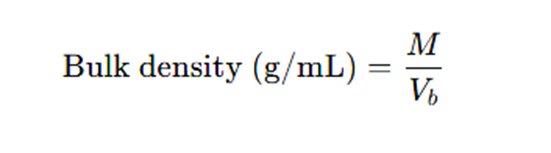
  1. Bulk Density And Tapped Density : Bulk density was determined by accurately weighing 10 g of the sample and transferring it into a 25 mL graduated cylinder with 0.5 mL graduations. The cylinder was gently tapped twice on a flat surface to allow uniform settling of the powder, and the initial volume occupied by the sample was noted. Bulk density was calculated using the following formula:

were,

M = mass of the powder (g)

Vb = bulk volume of the powder (ml)

For the determination of tapped density, the graduated cylinder containing the accurately weighed powder sample was secured to a tap density tester. The cylinder was subjected sequentially to 500, 750, and 1250 taps at a constant rate of 250 taps per minute. After each specified number of taps, the volume occupied by the powder was recorded. Tapped density was calculated using the standard equation, where w represents the weight of the sample and V? denotes the final volume of the powder after tapping.

where,

w = weight of the powder sample (g)

V2  = volume of the powder after tapping (mL)
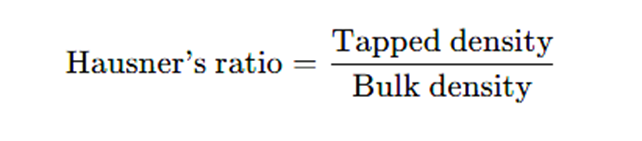
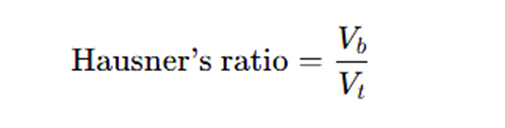
  1. Hausner’s Ratio : Hausner’s ratio was used to assess the flow characteristics of the powder sample. It was calculated as the ratio of tapped density to bulk density using the following equation:

Or

where,

Vb = bulk volume of the powder

Vt = tapped volume of the powder

  1. Carr’s Compressibility Index: Carr’s compressibility index was determined to evaluate the compressibility and flow behavior of the powder sample. It was calculated from the bulk density and tapped density values using the following equation:

Alternatively, when volumes are considered:

where,

Vb? = bulk volume of the powder

Vt = tapped volume of the powder

  1. Moisture content: The moisture content of the granules was determined using a moisture content analyzer. A 5 gm sample of granules was accurately weighed and placed in the analyzer. The drying temperature was set to 100 °C, and the sample was heated for 15 minutes under oven-drying conditions. Preliminary validation studies confirmed that the granules attained a constant weight within this duration. The instrument directly displayed the moisture content as a percentage[10].
  2. Loss on Drying: The moisture content of Moringa oleifera leaf powder was determined by the loss on drying method. Accurately, 1 g of the powdered sample was weighed in a pre-weighed (tarred) Petri dish and placed in a hot air oven maintained at 105 °C for 3 hours. After drying, the Petri dish containing the sample was removed and allowed to cool in a desiccator containing anhydrous silica gel, following which it was reweighed. The moisture content was calculated as the percentage ratio of weight loss to the initial weight of the sample. The experiment was carried out in triplicate to ensure reproducibility.

where,

W1 = initial weight of the sample before drying (g)

W2 = final weight of the sample after drying (g)

  • Uses of Moringa oliefera Granules :
  1. It is used as Anti-inflammatory.
  2. It is used as Anti arithmetic.
  3. Diet high in magnesium, benefits those with hypertension mostly by contributing to the relaxation of the smooth muscles of the blood vessels.
  4. Moringa is used for treating Diabetes.
  5. Moringa as a rich source of ascorbic acid helps in insulin secretion. 
  6. MO helps to remove toxins from the body.
  7. Removes heavy metals pollutants.
  8. Helps to strengthen the immune system.
  9. Helps in building RBCs [11]

CONCLUSION :  

In the present study, granules of Moringa oleifera were prepared using the wet granulation technique. Although Moringa oleifera granules can be formulated by various approaches such as direct compression, dry granulation, wet granulation, and granulation by crystallization, the wet granulation method was selected as it proved to be the most appropriate and practical for this formulation. Additionally, the evaluation parameters related to the active chemical constituents of Moringa oleifera leaves and the prepared granules were investigated and reported.

REFERENCES

  1. Gopalakrishnan, L., Doriya, K. and Kumar, D.S., 2016. Moringa oleifera: A review on nutritive importance and its medicinal application. Food science and human wellness, 5(2), pp.49-56.
  2. Mudau, F.N., Chimonyo, V.G.P., Modi, A.T. and Mabhaudhi, T., 2022. Neglected and underutilised crops: a systematic review of their potential as food and herbal medicinal crops in South Africa. Frontiers in Pharmacology, 12, p.809866.
  3. Farooq, F., Rai, M., Tiwari, A., Khan, A.A. and Farooq, S., 2012. Medicinal properties of Moringa oleifera: An overview of promising healer. Journal of Medicinal Plants Research, 6(27), pp.4368-4374.
  4. Chen, L., Deng, H., Cui, H., Fang, J., Zuo, Z., Deng, J., Li, Y., Wang, X. and Zhao, L., 2017. Inflammatory responses and inflammation-associated diseases in organs. Oncotarget, 9(6), p.7204.
  5. Jones, M.W., Hannoodee, S. and Young, M., 2022. Anatomy, abdomen and pelvis: gallbladder. In StatPearls [Internet]. StatPearls Publishing.
  6. Lizzo, J.M., Goyal, A. and Gupta, V., 2023. Adult diabetic ketoacidosis. In StatPearls [Internet]. StatPearls Publishing.
  7. Sadeghi, H., Hajhashemi, V., Minaiyan, M., Movahedian, A. and Talebi, A., 2013. Further studies on anti-inflammatory activity of maprotiline in carrageenan-induced paw edema in rat. International immunopharmacology, 15(3), pp.505-510.
  8. Panda, D.S., Choudhury, N.S.K., Yedukondalu, M., Si, S. and Gupta, R., 2008. Evaluation of gum of Moringa oleifera as a binder and release retardant in tablet formulation. Indian journal of pharmaceutical sciences, 70(5), p.614.
  9. Okoye, E.I., Onyekweli, A.O. and Kunle, O.O., 2013. Micromeritic and compation characterization of Lacapregs: a group of novel multifunctional excipients. Journal of Pharmaceutical and Allied Sciences, 10(3).
  10. Abdulrhamen, M.A., Alsammarraie, H.J.M. and Salih, S.M., 2021. Physiological and Biochemical Study of Number of Hyperthyroidism Patients. Annals of the Romanian Society for Cell Biology, 25(4), pp.1976-1981.
  11. Miller, C.C. and Kliff, S., 2023. Unwanted Epidurals, Untreated Pain: Black Women Tell Their Birth Stories. International New York Times, pp.NA-NA.
  12. Khandelwal, K., 2008. Practical pharmacognosy. Pragati Books Pvt. Ltd.
  13. Stohs, S.J. and Hartman, M.J., 2015. Review of the safety and efficacy of Moringa oleifera. Phytotherapy Research, 29(6), pp.796-804.
  14. Mahmood, K.T., Mugal, T. and Haq, I.U., 2010. Moringa oleifera: a natural gift-A review. Journal of Pharmaceutical Sciences and Research, 2(11), p.775.
  15. Bhattacharya, A., Tiwari, P., Sahu, P.K. and Kumar, S., 2018. A review of the phytochemical and pharmacological characteristics of Moringa oleifera. Journal of pharmacy and bioallied sciences, 10(4), pp.181-191.
  16. Gandji, K., Chadare, F.J., Idohou, R., Salako, V.K., Assogbadjo, A.E. and Kakaï, R.G., 2018. Status and utilisation of Moringa oleifera Lam: A review. African Crop Science Journal, 26(1), pp.137-156.
  17. Abdull Razis, A.F., Ibrahim, M.D. and Kntayya, S.B., 2014. Health benefits of Moringa oleifera. Asian pacific journal of cancer prevention, 15(20), pp.8571-8576.
  18. Saini, R.K., Sivanesan, I. and Keum, Y.S., 2016. Phytochemicals of Moringa oleifera: a review of their nutritional, therapeutic and industrial significance. 3 Biotech, 6(2), p.203.
  19. Fahey, J.W., 2005. Moringa oleifera: a review of the medical evidence for its nutritional, therapeutic, and prophylactic properties. Part 1. Trees for life Journal, 1(5), pp.1-15.
  20. Oyeyinka, A.T. and Oyeyinka, S.A., 2018. Moringa oleifera as a food fortificant: Recent trends and prospects. Journal of the Saudi Society of Agricultural Sciences, 17(2), pp.127-136.
  21. Anwar, F., Latif, S., Ashraf, M. and Gilani, A.H., 2007. Moringa oleifera: a food plant with multiple medicinal uses. Phytotherapy Research: An International Journal Devoted to Pharmacological and Toxicological Evaluation of Natural Product Derivatives, 21(1), pp.17-25.
  22. Alegbeleye, O.O., 2018. How functional is Moringa oleifera? A review of its nutritive, medicinal, and socioeconomic potential. Food and Nutrition Bulletin, 39(1), pp.149-170.
  23. Saa, R.W., Fombang, E.N., Ndjantou, E.B. and Njintang, N.Y., 2019. Treatments and uses of Moringa oleifera seeds in human nutrition: A review. Food science & nutrition, 7(6), pp.1911-1919.
  24. El Bilali, H., Dan Guimbo, I., Nanema, R.K., Falalou, H., Kiebre, Z., Rokka, V.M., Tietiambou, S.R.F., Nanema, J., Dambo, L., Grazioli, F. and Naino Jika, A.K., 2024. Research on Moringa (Moringa oleifera lam.) in Africa. Plants, 13(12), p.1613.
  25. Leone, A., Spada, A., Battezzati, A., Schiraldi, A., Aristil, J. and Bertoli, S., 2016. Moringa oleifera seeds and oil: Characteristics and uses for human health. International journal of molecular sciences, 17(12), p.2141.

Reference

  1. Gopalakrishnan, L., Doriya, K. and Kumar, D.S., 2016. Moringa oleifera: A review on nutritive importance and its medicinal application. Food science and human wellness, 5(2), pp.49-56.
  2. Mudau, F.N., Chimonyo, V.G.P., Modi, A.T. and Mabhaudhi, T., 2022. Neglected and underutilised crops: a systematic review of their potential as food and herbal medicinal crops in South Africa. Frontiers in Pharmacology, 12, p.809866.
  3. Farooq, F., Rai, M., Tiwari, A., Khan, A.A. and Farooq, S., 2012. Medicinal properties of Moringa oleifera: An overview of promising healer. Journal of Medicinal Plants Research, 6(27), pp.4368-4374.
  4. Chen, L., Deng, H., Cui, H., Fang, J., Zuo, Z., Deng, J., Li, Y., Wang, X. and Zhao, L., 2017. Inflammatory responses and inflammation-associated diseases in organs. Oncotarget, 9(6), p.7204.
  5. Jones, M.W., Hannoodee, S. and Young, M., 2022. Anatomy, abdomen and pelvis: gallbladder. In StatPearls [Internet]. StatPearls Publishing.
  6. Lizzo, J.M., Goyal, A. and Gupta, V., 2023. Adult diabetic ketoacidosis. In StatPearls [Internet]. StatPearls Publishing.
  7. Sadeghi, H., Hajhashemi, V., Minaiyan, M., Movahedian, A. and Talebi, A., 2013. Further studies on anti-inflammatory activity of maprotiline in carrageenan-induced paw edema in rat. International immunopharmacology, 15(3), pp.505-510.
  8. Panda, D.S., Choudhury, N.S.K., Yedukondalu, M., Si, S. and Gupta, R., 2008. Evaluation of gum of Moringa oleifera as a binder and release retardant in tablet formulation. Indian journal of pharmaceutical sciences, 70(5), p.614.
  9. Okoye, E.I., Onyekweli, A.O. and Kunle, O.O., 2013. Micromeritic and compation characterization of Lacapregs: a group of novel multifunctional excipients. Journal of Pharmaceutical and Allied Sciences, 10(3).
  10. Abdulrhamen, M.A., Alsammarraie, H.J.M. and Salih, S.M., 2021. Physiological and Biochemical Study of Number of Hyperthyroidism Patients. Annals of the Romanian Society for Cell Biology, 25(4), pp.1976-1981.
  11. Miller, C.C. and Kliff, S., 2023. Unwanted Epidurals, Untreated Pain: Black Women Tell Their Birth Stories. International New York Times, pp.NA-NA.
  12. Khandelwal, K., 2008. Practical pharmacognosy. Pragati Books Pvt. Ltd.
  13. Stohs, S.J. and Hartman, M.J., 2015. Review of the safety and efficacy of Moringa oleifera. Phytotherapy Research, 29(6), pp.796-804.
  14. Mahmood, K.T., Mugal, T. and Haq, I.U., 2010. Moringa oleifera: a natural gift-A review. Journal of Pharmaceutical Sciences and Research, 2(11), p.775.
  15. Bhattacharya, A., Tiwari, P., Sahu, P.K. and Kumar, S., 2018. A review of the phytochemical and pharmacological characteristics of Moringa oleifera. Journal of pharmacy and bioallied sciences, 10(4), pp.181-191.
  16. Gandji, K., Chadare, F.J., Idohou, R., Salako, V.K., Assogbadjo, A.E. and Kakaï, R.G., 2018. Status and utilisation of Moringa oleifera Lam: A review. African Crop Science Journal, 26(1), pp.137-156.
  17. Abdull Razis, A.F., Ibrahim, M.D. and Kntayya, S.B., 2014. Health benefits of Moringa oleifera. Asian pacific journal of cancer prevention, 15(20), pp.8571-8576.
  18. Saini, R.K., Sivanesan, I. and Keum, Y.S., 2016. Phytochemicals of Moringa oleifera: a review of their nutritional, therapeutic and industrial significance. 3 Biotech, 6(2), p.203.
  19. Fahey, J.W., 2005. Moringa oleifera: a review of the medical evidence for its nutritional, therapeutic, and prophylactic properties. Part 1. Trees for life Journal, 1(5), pp.1-15.
  20. Oyeyinka, A.T. and Oyeyinka, S.A., 2018. Moringa oleifera as a food fortificant: Recent trends and prospects. Journal of the Saudi Society of Agricultural Sciences, 17(2), pp.127-136.
  21. Anwar, F., Latif, S., Ashraf, M. and Gilani, A.H., 2007. Moringa oleifera: a food plant with multiple medicinal uses. Phytotherapy Research: An International Journal Devoted to Pharmacological and Toxicological Evaluation of Natural Product Derivatives, 21(1), pp.17-25.
  22. Alegbeleye, O.O., 2018. How functional is Moringa oleifera? A review of its nutritive, medicinal, and socioeconomic potential. Food and Nutrition Bulletin, 39(1), pp.149-170.
  23. Saa, R.W., Fombang, E.N., Ndjantou, E.B. and Njintang, N.Y., 2019. Treatments and uses of Moringa oleifera seeds in human nutrition: A review. Food science & nutrition, 7(6), pp.1911-1919.
  24. El Bilali, H., Dan Guimbo, I., Nanema, R.K., Falalou, H., Kiebre, Z., Rokka, V.M., Tietiambou, S.R.F., Nanema, J., Dambo, L., Grazioli, F. and Naino Jika, A.K., 2024. Research on Moringa (Moringa oleifera lam.) in Africa. Plants, 13(12), p.1613.
  25. Leone, A., Spada, A., Battezzati, A., Schiraldi, A., Aristil, J. and Bertoli, S., 2016. Moringa oleifera seeds and oil: Characteristics and uses for human health. International journal of molecular sciences, 17(12), p.2141.

Photo
Parag Wankhede
Corresponding author

Institute of Pharmacy and Research, Badnera, Amravati, Maharashtra 444701

Photo
Dr. S. J. Dighade
Co-author

Institute of Pharmacy and Research, Badnera, Amravati, Maharashtra 444701

Photo
S. A. Thombre
Co-author

Institute of Pharmacy and Research, Badnera, Amravati, Maharashtra 444701

Parag Wankhede, Dr. S. J. Dighade, S. A. Thombre, Review on Anti- Inflammatory Activity of Moringa Granules, Int. J. of Pharm. Sci., 2026, Vol 4, Issue 1, 140-148. https://doi.org/10.5281/zenodo.18131525

More related articles
A Comprehensive Review of Herbal Therapeutics in C...
Dr. Pravin Kumar, Sakshi, Dr. Vinay Pandit, Dr. M. S. Ashwat, Dr....
Antimalarial Activity of Indole Derivatives: A Com...
Lavkush Kumar Vishwakarma, Dinesh Thakur, Arun Pratap Singh, Ramk...
Review of Tregady 2025 Cough Syrup: Safety, Effectiveness, and Important Takeawa...
Dipendu sahu, Shraddha patel, Deepak Maurya, Sunil mistry , Shivi singh , Abhay singh , Shivani Maur...
Diagnostic Yield of Extended Cardiac Monitoring in Transient Unexplained Vertigo...
Priyanka Prajapati, Neelesh, Bhanu Pratap, Rajkeerti Niwasan, ...
Related Articles
A Review on Beneficial Properties of Gliricidian sepium Plant...
Mayur Patil, Mustafa Deshmukh, Tejas Patil, Durgesh Zope, ...
Herbal Remedies with Hypolipidemic and Anti-Diabetic Activities: Mechanisms and ...
Ritesh Dhas, Vivek Desai, Harshal Wale, Swapnil Sande, Aniket Malekar, ...
A Comprehensive Review of Herbal Therapeutics in Cervical Cancer: Bioactive Plan...
Dr. Pravin Kumar, Sakshi, Dr. Vinay Pandit, Dr. M. S. Ashwat, Dr. Mayank Sharma, Dr. Swati Rana, Pra...
More related articles
A Comprehensive Review of Herbal Therapeutics in Cervical Cancer: Bioactive Plan...
Dr. Pravin Kumar, Sakshi, Dr. Vinay Pandit, Dr. M. S. Ashwat, Dr. Mayank Sharma, Dr. Swati Rana, Pra...
Antimalarial Activity of Indole Derivatives: A Comprehensive Review...
Lavkush Kumar Vishwakarma, Dinesh Thakur, Arun Pratap Singh, Ramkrishna Mishra, ...
A Comprehensive Review of Herbal Therapeutics in Cervical Cancer: Bioactive Plan...
Dr. Pravin Kumar, Sakshi, Dr. Vinay Pandit, Dr. M. S. Ashwat, Dr. Mayank Sharma, Dr. Swati Rana, Pra...
Antimalarial Activity of Indole Derivatives: A Comprehensive Review...
Lavkush Kumar Vishwakarma, Dinesh Thakur, Arun Pratap Singh, Ramkrishna Mishra, ...