
Annasaheb Dange College of B Pharmacy, Ashta.
Osteoarthritis (OA) is a progressive degenerative joint disease characterized by cartilage degradation, chronic pain, stiffness, and inflammation, leading to disability and reduced quality of life. Current pharmacological treatments, including NSAIDs and corticosteroids, provide symptomatic relief but are associated with significant gastrointestinal, hepatic, and cardiovascular side effects during long-term use. Boswellia serrata, commonly known as Indian frankincense, has emerged as a promising herbal alternative due to the anti-inflammatory and analgesic properties of its bioactive constituents, particularly boswellic acids. These compounds inhibit 5-lipoxygenase and modulate pro-inflammatory cytokines, thereby reducing leukotriene synthesis and joint inflammation. However, oral administration of Boswellia serrata is limited by poor solubility and low bioavailability. Transdermal drug delivery systems (TDDS) offer distinct advantages, including bypassing first-pass metabolism, providing sustained release, minimizing gastrointestinal irritation, and improving patient compliance. Recent advances in polymer-based matrix patches and permeation enhancers have facilitated the development of effective transdermal formulations of herbal extracts. This review highlights the pharmacological basis, formulation strategies, evaluation parameters, and therapeutic potential of Boswellia serrata transdermal patches in osteoarthritis management. Future research should focus on clinical validation and nanotechnology-based approaches to optimize skin permeation and therapeutic efficacy
1.1 Background
Osteoarthritis (OA) is the most prevalent form of degenerative joint disease, affecting a large proportion of the global population, especially older adults. It is characterized by the gradual deterioration of articular cartilage, remodeling of subchondral bone, synovial inflammation, joint stiffness, persistent pain, and decreased mobility. The condition primarily involves weight-bearing joints such as the knees and hips, often resulting in long-term disability and a significant decline in quality of life. With the rise in aging populations, increasing rates of obesity, and sedentary lifestyles, the incidence of OA continues to grow, posing a substantial burden on healthcare systems and society.
Current treatment strategies for OA mainly involve the use of nonsteroidal anti-inflammatory drugs (NSAIDs), corticosteroids, and analgesics. Although these medications are effective in alleviating symptoms, their prolonged use is associated with serious adverse effects, including gastrointestinal complications, liver and kidney toxicity, and cardiovascular risks. Furthermore, these therapies are largely palliative and do not address the underlying progression of the disease, emphasizing the need for safer and more efficacious therapeutic options.
In this context, there has been a growing interest in plant-based therapies, with Boswellia serrata (Indian frankincense) emerging as a promising candidate for arthritis management. The oleo-gum resin of this plant is rich in pentacyclic triterpenes, commonly referred to as boswellic acids, which possess significant anti-inflammatory and analgesic properties. These bioactive compounds act primarily by inhibing the enzyme 5-lipoxygenase (5-LOX), thereby reducing leukotriene production and modulating inflammatory pathways within the joints. Both experimental and clinical studies have reported the effectiveness of Boswellia serrata in reducing pain, stiffness, and swelling associated with OA.
Despite its therapeutic potential, the oral use of Boswellia serrata is constrained by poor water solubility, limited systemic availability, and extensive first-pass metabolism. To address these limitations, transdermal drug delivery systems (TDDS) have been explored as an alternative approach. These systems enable the delivery of active compounds through the skin directly into systemic circulation, thereby avoiding hepatic first-pass metabolism, ensuring controlled drug release, reducing gastrointestinal side effects, and enhancing patient adherence.
This review aims to explore the formulation and therapeutic relevance of Boswellia serrata transdermal patches in the management of osteoarthritis. It discusses the underlying pharmacological mechanisms, formulation techniques, evaluation parameters, and future prospects of this innovative delivery system in improving treatment outcomes for individuals with OA.
1.2 Boswellia serrata and Osteoarthritis

Fig no.1 Boswellia serrata.
1. Source and Active Constituents
Powdered Extract Parameters and Its Specifications
|
Parameters |
Specifications |
|
Description |
White in Colour |
|
Odour & Teste |
Characteristic |
|
pH 1%w/v aq. soln. |
3-7 |
|
Bulk Density (Tapped) |
0.3-0.7 gm/ml |
|
Particle Size |
60 mesh |
|
Solubility |
Alcohol |
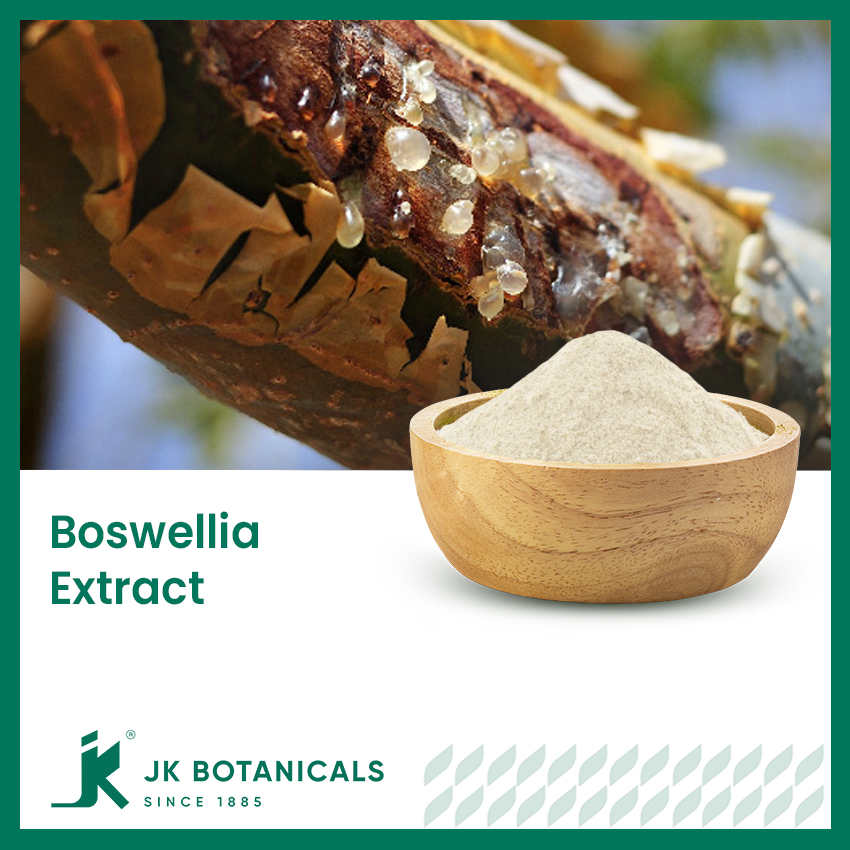
Fig no.2 Boswellia Powdered Extract
1.3 Mechanism of Action in Osteoarthritis
Boswellic acids exhibit anti-inflammatory and chondroprotective effects via multiple mechanisms:
1.4 Osteoarthritis
Osteoarthritis (OA) is a degenerative joint condition characterized by pain, swelling, and stiffness, which significantly limits an individual’s ability to perform routine movements. It most commonly affects weight-bearing and frequently used joints, including the knees, hips, spine, and hands. The development of OA is multifactorial, with contributing factors such as previous joint injuries, repetitive mechanical stress, advancing age, and excess body weight.
Scope of the Problem
Osteoarthritis is a leading cause of disability among musculoskeletal disorders, contributing substantially to years lived with disability worldwide. The condition is particularly prevalent in older adults, with approximately 70% of affected individuals being over 50 years of age. As global life expectancy continues to rise, the overall burden of OA is expected to increase correspondingly. Although the onset of OA typically occurs between the early forties and mid-fifties, it is not limited to older populations; younger individuals, including athletes and those with a history of joint trauma, are also at risk.
Signs and Symptoms
The clinical manifestations of OA include joint pain, swelling, stiffness, and reduced range of motion. Symptoms may develop gradually over time or may appear suddenly following injury or excessive strain. OA is a chronic and progressive disorder, with structural and functional joint deterioration occurring over an extended period. In advanced stages, the disease may lead to severe joint dysfunction and persistent pain, even during routine daily activities. Reduced physical activity due to joint discomfort can further predispose individuals to secondary health issues such as cardiovascular diseases, obesity, and diabetes.
Causes and Risk Factors
A variety of factors contribute to the onset and progression of osteoarthritis. These include:
Animal models of arthritis show reduced paw oedema, joint inflammation, and cartilage destruction with boswellic acid treatment.
Trials on OA patients (especially knee OA) report improvements in pain, stiffness, and physical function compared to placebo.
Some studies show effects comparable to standard NSAIDs, but with better safety profile.
Often combined with curcumin, glucosamine, or chondroitin for synergistic
anti-arthritic effects.
1.5 Advantages in OA Treatment
Market Need for Transdermal Patches
Osteoarthritis (OA) is among the most rapidly expanding therapeutic areas globally, driven by increasing life expectancy, rising obesity rates, and sedentary lifestyles. It affects more than 500 million individuals worldwide and remains a major contributor to disability in adults. Existing pharmacological interventions, including nonsteroidal anti-inflammatory drugs (NSAIDs), corticosteroids, and opioids, primarily provide symptomatic relief. However, their prolonged use is frequently associated with significant adverse effects such as gastrointestinal complications, cardiovascular risks, liver toxicity, and potential dependency. These limitations highlight a substantial unmet need for safer and more sustainable long-term treatment strategies.
In parallel, there has been a growing interest in plant-derived therapies for OA management. Boswellia serrata has emerged as a promising candidate due to its well-documented anti-inflammatory and cartilage-protective properties. The global market for herbal supplements is expanding steadily, with Boswellia extracts commonly available in oral dosage forms such as capsules and nutraceutical products. Despite their popularity, oral formulations are constrained by poor bioavailability, inconsistent absorption, and the potential for gastrointestinal discomfort, which may reduce their therapeutic effectiveness. This scenario underscores the necessity for alternative delivery systems that can enhance clinical outcomes.
Transdermal drug delivery systems (TDDS) have gained considerable attention as an innovative and efficient approach within the pharmaceutical sector, with strong market growth projections. These systems enable the controlled release of drugs through the skin, offering multiple advantages such as improved bioavailability, prolonged therapeutic action, reduced systemic side effects, and enhanced patient adherence. In the case of Boswellia serrata, transdermal patch formulations can provide several specific benefits:
The development of Boswellia serrata transdermal patches bridges the gap between the high efficacy of conventional pharmacotherapy and the favourable safety profile of herbal treatments. This approach offers significant market potential as a safe, effective, and patient-centric solution for the long-term management of osteoarthritis.
1.7 Technological Advancements in Transdermal Drug Delivery System
Transdermal drug delivery system can deliver the drugs through the skin portal to systemic circulation at a predetermined rate and maintain clinically the effective concentrations over a prolonged period of time.
Advantages
Disadvantages
Rationale for Transdermal Delivery System
The transdermal drug delivery system (TDDS) offers several advantages over conventional oral routes:
Pharmacological Basis
2. MATERIALS AND METHODS
Drug-loaded transdermal patches were prepared using the solvent casting technique. A Petri dish with a total surface area of 50.24 cm² was employed as the casting platform. Accurately weighed quantities of polymers were dissolved in 10 mL of a water:methanol mixture (1:1) to obtain a homogeneous polymeric solution. The drug was then incorporated into this solution under continuous stirring until a clear and uniform mixture was achieved.
Subsequently, polyethylene glycol 400 (30% w/w of total polymer) was added as a plasticizer, and propylene glycol (15% w/w of total polymer) was included as a permeation enhancer. The resulting formulation was poured into the Petri dish and allowed to dry at room temperature for 24 hours. To prevent rapid solvent evaporation, the Petri dish was covered with an inverted funnel.
After complete drying, the formed patches were carefully removed and further dried in a hot air oven at 40–45°C for approximately 30 minutes to eliminate any residual solvents. The dried films were then cut into circular patches of uniform dimensions for further evaluation.
In this method, the drug was dissolved in chloroform to obtain a uniform solution. An appropriate adhesive material was then incorporated into the drug solution with continuous mixing. The prepared mixture was cast onto an aluminum-backed surface using a custom-designed aluminum former. The edges of the setup were sealed with tightly fitted cork blocks to ensure uniform film formation and to prevent solvent loss during the drying process.
Proliposomes were prepared using the carrier-based film deposition method. An optimized drug-to-lecithin ratio of 0.1:2.0 was employed. For the preparation, 5 mg of mannitol powder was placed in a 100 mL round-bottom flask and dried under vacuum at 60–70°C with continuous rotation at 80–90 rpm for 30 minutes.
Following drying, the temperature of the water bath was reduced to 20–30°C. The drug and lecithin were dissolved in a suitable organic solvent system. A 0.5 mL aliquot of this solution was added to the rotating flask maintained at 37°C, allowing complete solvent evaporation before the addition of subsequent aliquots. This stepwise addition was continued until the entire solution was incorporated.
After complete loading, the flask containing the proliposomal formulation was connected to a lyophilizer. The resulting drug-loaded mannitol powder (proliposomes) was then stored in a desiccator overnight, followed by sieving through a 100-mesh screen to obtain uniform particles. The final product was collected, transferred into a glass container, and stored under refrigerated conditions until further characterization.
Principles and Components of Transdermal Drug Delivery Systems
Fick’s First Law of Diffusion
The percutaneous absorption of most therapeutic agents occurs primarily through passive diffusion and can be explained by Fick’s first law of diffusion:
dQdt=JT=P×A×ΔC
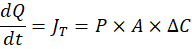
where:


This relationship highlights that drug permeation is directly proportional to both the concentration gradient and the permeability characteristics of the skin.
Electrically Assisted Drug Delivery Methods
Ultrasound (Sonophoresis/Phonophoresis)
Ultrasound-assisted transdermal delivery, also known as sonophoresis, involves the application of a drug formulation to the skin followed by exposure to ultrasonic waves. Initially utilized in physiotherapy and sports medicine, this technique enhances drug penetration by disrupting the lipid organization of the stratum corneum through cavitation effects.
Ultrasound devices operating within a frequency range of 20 kHz to 3 MHz are commonly employed for this purpose. Therapeutic ultrasound (1–3 MHz) is typically used for tissue massage, low-frequency ultrasound (23–40 kHz) is applied in dental procedures, and high-frequency ultrasound (3–10 MHz) is mainly utilized for diagnostic imaging.
Iontophoresis
Iontophoresis is a technique that facilitates the transport of charged drug molecules across the skin using a low-intensity electric current (approximately 0.5 mA/cm²). The drug is placed under an electrode in direct contact with the skin, with silver/silver chloride electrodes being widely used due to their stability.
Drug permeation via iontophoresis is enhanced through three primary mechanisms:
Components of Transdermal Drug Delivery Systems
1.Drug
The selection of an appropriate drug candidate is critical for successful TDDS development. Ideal candidates include drugs with extensive first-pass metabolism, narrow therapeutic index, or short biological half-life, as transdermal delivery can improve therapeutic efficiency and patient compliance by reducing dosing frequency.
2.Polymer
Polymers serve as the structural framework of transdermal systems and regulate drug release. They may be synthetic or natural and should exhibit biocompatibility, chemical stability, and compatibility with the drug and other formulation components. Additionally, polymers must ensure consistent drug release throughout the product’s shelf life.
3.Vehicle
The vehicle acts as a medium for drug incorporation and should maintain drug stability without causing chemical degradation. It must be non-toxic, non-irritant, and compatible with the skin. Commonly used solvents include chloroform and other suitable organic systems.
4.Permeation Enhancers
Permeation enhancers are substances that improve drug penetration by modifying the barrier properties of the stratum corneum. They function by interacting with skin lipids and proteins to increase permeability. Examples include dimethyl sulfoxide (DMSO).
Ideal permeation enhancers should be non-toxic, non-irritating, non-allergenic, and pharmacologically inert.
5.Plasticizers
Plasticizers are incorporated to enhance the flexibility, mechanical strength, and appearance of the polymeric film. They also influence drug release by reducing the glass transition temperature of the polymer, thereby increasing molecular mobility. Common examples include polyethylene glycol and propylene glycol.
6.Backing Laminate
The backing layer provides structural support and protects the formulation. It should be impermeable to both the drug and permeation enhancers, while remaining chemically compatible with all formulation components. Materials such as polyethylene, polyester, and vinyl films are commonly used.
7.Release Liner
The release liner is a protective layer that is removed prior to application. It prevents contamination and preserves the integrity of the patch during storage. Typically composed of materials such as silicone- or Teflon-coated films, it should be chemically inert and easily removable without affecting the adhesive layer.
8.Adhesive Layer
The adhesive ensures proper attachment of the patch to the skin throughout the intended duration of use. It must provide adequate adhesion under various conditions, including moisture exposure, and should allow easy removal without leaving significant residue. Commonly used adhesives include silicone-based and polyacrylate-based systems.
Overall, the effectiveness of a transdermal drug delivery system depends on the careful selection and optimization of these components to achieve controlled drug release, enhanced permeability, and patient acceptability.
Types of Transdermal Drug Delivery Systems (TDDS)
1.Single-Layer Drug-in-Adhesive System
In this design, the drug is directly incorporated into the adhesive layer, which serves a dual function. It not only ensures adhesion of the patch to the skin but also controls the release of the drug. The adhesive layer is enclosed between a protective backing layer and a removable release liner. This system is structurally simple and facilitates direct drug diffusion from the adhesive matrix to the skin surface.
2.Multi-Layer Drug-in-Adhesive System
The multi-layer drug-in-adhesive system is an advanced version of the single-layer design. It consists of two or more adhesive layers containing the drug, each contributing to controlled drug release. These layers may be separated by a semi-permeable membrane in certain designs to regulate the diffusion process. Similar to the single-layer system, it also includes a backing layer and a removable release liner. The presence of multiple drug-containing layers allows for better modulation of drug release profiles and enhanced therapeutic performance.
CONCLUSION
Osteoarthritis continues to pose a significant global health burden, with existing pharmacological treatments primarily focusing on symptomatic management and often associated with considerable adverse effects during prolonged use. Boswellia serrata, a widely recognized herbal therapeutic agent, demonstrates notable anti-inflammatory and analgesic properties through mechanisms such as inhibition of the 5-lipoxygenase pathway and regulation of pro-inflammatory mediators. However, its oral administration is limited by poor bioavailability and the potential for gastrointestinal side effects.
The application of transdermal drug delivery systems for Boswellia serrata offers a promising and patient-centric alternative for the management of osteoarthritis. By circumventing first-pass metabolism and enabling sustained drug release, transdermal patches can enhance bioavailability, minimize systemic toxicity, and improve patient adherence, particularly in populations requiring long-term treatment.
Despite these advantages, certain challenges, including limited skin permeability, variability in herbal extract standardization, and insufficient clinical evidence, must be addressed. Future investigations should emphasize the development of advanced delivery strategies, such as nanocarrier-based systems and improved permeation enhancement techniques, along with rigorous clinical studies to validate efficacy and safety. Overall, Boswellia serrata transdermal patches represent a promising and innovative therapeutic approach with substantial potential in osteoarthritis management.
REFERENCES
.



Ajay Mali, Shirish Omase, Rohit Yalmar, Recent Trends in Herbal Transdermal Drug Delivery for Effective Osteoarthritis Therapy, Int. J. of Pharm. Sci., 2026, Vol 4, Issue 4, 939-949 https://doi.org/10.5281/zenodo.19448163
 10.5281/zenodo.19448163
