
View Article

Abstract

The root of sarpgandha is a species of flowering plant in the family Apocynaceae has been traditionally used in Ayurveda for many years to treat a variety of diseases that at first thot appear to bear little similarity to one another. These include insanity, epilepsy, insomnia, hysteria, eclampsia and hypertension. on reflection ,however, these various diseases could have a common denominator if they were all relieved symptomatically by a sedative or a relaxing drug such as Rauwolfia. In the fifty decades, its root gained popularity for its effect on hypertension. The alkaloid found in its root is attributed to anti-hypertensive pharmacological action. thus ,initially serpine was isolated with an objective of predictable and better efficacy in the management of hypertension. Ayurveda believes in use of whole herd because of apparent benefits over the extract. The whole herb has many components which can (1) help in biotransformation into pharma coactive forms (2) Enhance bioavailability (3) Reduce the possible side effects (4) help in smooth excretion and (5) prevent development of possible drug resistance.These hypothesis is proved to be true in case of sarpagandha as Reserpine has reported many ADRs and human population have developed drug resistance resulting in discontinuation of reserpine in hypertension management whereas sarpagandha root is still in wide use .the article will be review the concepts of whole herb and its extracts ,published information in this regard in order to draw a possible suggestive conclusion for safe and effective use of sarpagandha. Numerous clinical and experimental studies have confirmed the efficacy of Rauwolfia serpentina and its alkaloids in lowering both systolic and diastolic blood pressure, with prolonged therapeutic benefits. However, the plant’s use is sometimes limited by side effects such as nasal congestion, bradycardia, and depression due to central nervous system catecholamine depletion. Recent research focuses on optimizing dosage, isolating safer analogues, and developing standardized herbal formulations to enhance therapeutic outcomes with minimal adverse reactions. This review summarizes the phytochemical composition, mechanism of action, pharmacological studies, clinical applications, and safety profile of Rauwolfia serpentina as an effectivenatural antihypertensive agent

Keywords

therapeutic, uses, rauwolfia serpentine.

Introduction

Scientific name: Rauwolfia serpentina (L.) Benth. ex Kurz

Common names: Indian snakeroot, Sarpagandha, Serpentine root

Family: Apocynaceae

Rauwolfia serpentina is one of the oldest medicinal plants known to mankind and has been used in Ayurveda and Unani medicine for centuries.It gained worldwide attention in the 1940s–1950s when scientists isolated Reserpine, a powerful alkaloid responsible for its antihypertensive and tranquilizing effects.

Morphological Description (Brief Overview)

Root: Tapering, cylindrical, 0.5–2 cm thick, yellowish-brown externally, white inside. It has a bitter taste and characteristic odor.

Leaves: Simple, whorled (usually in groups of 3), elliptic-lanceolate, smooth and shiny.

Flowers: Small, white to pinkish, borne in terminal clusters.

Fruits: Small, ovoid, blackish-purple when ripe (drupes).

Hypertension, commonly known as high blood pressure, is a major public health concern affecting millions of people worldwide. It is one of the leading risk factors for cardiovascular diseases, stroke, and renal failure, contributing significantly to global morbidity and mortality. Despite the availability of numerous synthetic antihypertensive agents, long-term use of these drugs is often associated with adverse effects, drug resistance, and high treatment costs. Consequently, there is a growing interest in exploring herbal and plant-based therapies as safer and more economical alternatives for managing hypertension.

Among the medicinal plants traditionally used for cardiovascular disorders, Rauwolfia serpentina (family: Apocynaceae), commonly known as Indian snakeroot or “Sarpagandha,” occupies a prominent position. The plant has been an integral part of Ayurvedic, Unani, and folk medicine for centuries, primarily used as a sedative, tranquilizer, and antihypertensive agent. The pharmacological potential of Rauwolfia serpentina is mainly attributed to its rich content of indole alkaloids, particularly reserpine, ajmaline, serpentine, and rescinnamine. These bioactive compounds act on the central and peripheral nervous systems to reduce blood pressure by depleting catecholamines (norepinephrine, dopamine, and serotonin) from sympathetic nerve endings.The discovery of reserpine in the mid-20th century marked a milestone in the development of modern antihypertensive therapy. It became one of the first plant-derived drugs approved for clinical use in controlling high blood pressure and certain psychiatric disorders. Although later replaced by more specific antihypertensive agents, Rauwolfia serpentina and its alkaloids continue to hold pharmacological importance due to their proven efficacy and historical relevance.This review aims to summarize the current understanding of Rauwolfia serpentina in the of hypertension, focusing on its phytochemical composition, mechanisms of action, pharmacological activities, clinical evidence, and safety considerations. By integrating traditional knowledge with modern scientific research, this paper highlights the continuing significance of Rauwolfia serpentina as a natural therapeutic resource in cardiovascular medicine management.


Table No: 1

Language

Names /Synonyms

English

Indian Snakeroot, Serpentine root, Devil Peppar

Hindi

Sarpagandha

Marathi

Sarpagandha

Gujarati

Sarpagandha

Sanskrit

Sarpagandga,Chandrika,Patalguruda

Bengali

Chandra,Sarpagandha

Urdu

Asrol

Arabic

Asrol

Nepali

Sarpagandha

Malayalam

Sarpagandhi

Tamil

Sarpagandhi,Sanpgan

Overview:

Rauwolfia serpentina is a medicinal plant that has been widely used in traditional Ayurvedic, Unani, and folk medicine for centuries. It is native to India, Bangladesh, Sri Lanka, and other parts of Southeast Asia. The plant is well-known for its roots, which contain several important alkaloids that possess significant therapeutic properties, especially for hypertension, mental disorders, and insomnia.
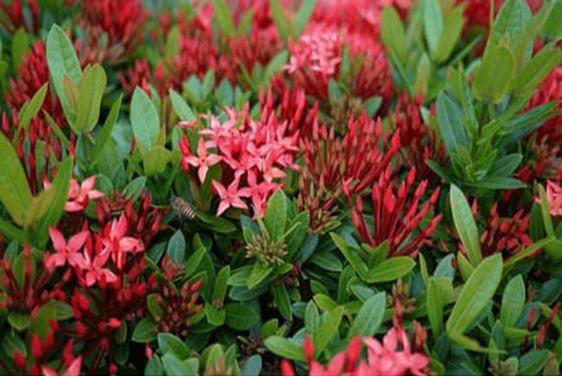


Figure: 1

Botanical Description:

Plant type: Perennial, evergreen, erect shrub

Height: About 60 cm to 90 cm

Leaves: Simple, smooth, and arranged in whorls of 3–4; elliptic or lanceolate in shape

Flowers: Small, white or pinkish, arranged in terminal cymes

Fruits: Small, oval berries that turn purple or black when ripe

Roots: Long, slender, tuberous roots—the main medicinal part of the plant
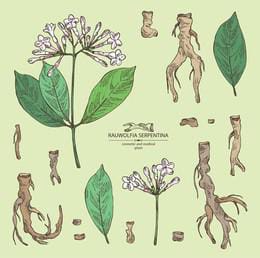


Figure: 2

Chemical composition:

Rauwolfia species contain a wide range of phytochemicals, including alcohols, sugars, glycosides, fatty acids, flavonoids, phytosterols, oleoresins, steroids, tannins, and alkaloids. Among these, the most significant are the indole alkaloids, with more than 50 such compounds identified in the plant. These indole alkaloids are nitrogen-containing compounds derived from the amino acid tryptophan and are characterized by a fused 5- and 6-membered carbon ring structure containing one nitrogen atom.All parts of the Rauwolfia plant—such as the roots, stems, and leaves—contain indole alkaloids; however, the root bark possesses the highest concentration. Identified alkaloids from this plant include ajmalidine, ajmaline, ajmalinine, ajmalicine, aricine, canescine, coryanthine, deserpidine, isoajmaline, isoserine, isoserpiline, lankanescine, neoajmaline, papaverine, raubasine, raucaffricine, rauhimbine, rauwolfinine, recanescine, rescinnamine, reserpiline, reserpine, reserpinine, sarpagine, serpentine, serpentinine, thebaine, yohimbine, and yohimbinine.The alkaloid concentration varies among different studies. Some researchers reported total alkaloid yields ranging from 0.8% to 1.3% of the plant’s dry weight, while others found values between 0.7% and 3.0% in the root content. In regenerated roots, the alkaloid content was recorded as high as 3.3%. Other species within the Rauwolfia genus—such as R. vomitoria and R. caffra from Africa, and R. heterophylla and R. tetraphylla from Central and South America—have also been utilized as substitutes for R. serpentina. Studies by Woodson et al. revealed that these related species contain varying amounts of indole alkaloids and may serve as effective alternatives to R. serpentina.

Table no: 2

Sr.

No

Constituent Name

Pharmacological Activity/ Uses


1.

Reserpine

Antihypertensive,Tranquilizer

2.

Ajmaline

Antiarrhythmic

3.

Serpentine

Sedative and Hypotensive

4.

Reserpinine

Antihypertensive

Chemical Constituents:

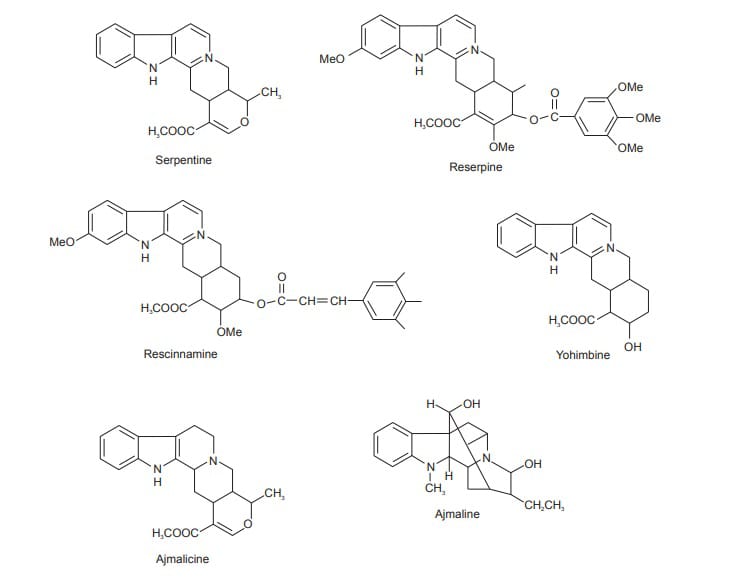
The roots of Rauwolfia serpentina are rich in indole alkaloids—around 30 different alkaloids have been isolated. The major bioactive compounds include:

Reserpine – the most important alkaloid used for lowering blood pressure

Ajmaline – antiarrhythmic agent

Ajmalicine (Raubasine) – vasodilator and hypotensive

Serpentine and Rescinnamine – antihypertensive and tranquilizing properties


1. Importance of the Plant:

Rauwolfia serpentina (Sarpagandha) is a medicinally significant plant widely used in Ayurveda, Unani, and modern medicine. It contains bioactive alkaloids such as reserpine, ajmaline, serpentine, and yohimbine, which exhibit antihypertensive, sedative, and antipsychotic propertie Because of its strong therapeutic importance, the plant has attracted attention from scientists, pharmacologists, and herbal industries.

2. Decline in Natural Populations:

Due to over-exploitation, habitat loss, and unsustainable collection from wild sources, Rauwolfia serpentina has become threatened in many regions. Hence, there is a need to review its: Conservation status,Cultivation practices, and Sustainable utilization methods.

 3. Scientific Gaps in Existing Literature:

Although several studies have been conducted, the available information is scattered across pharmacognosy, phytochemistry, pharmacology, and biotechnology. A comprehensive review is needed to: Summarize existing data, identify research gaps, and Provide direction for future investigations.

4. Rising Global Demand:

There is an increasing international demand for plant-based antihypertensive drugs. A review will help: Understand market potential, Encourage commercial cultivation, and Promote value-added research in pharmaceutical industries.

 5. Need for Standardization and Quality Control:

Variations in alkaloid content and pharmacological efficacy occur due to environmental and genetic factors.The review work will highlight: Standardization methods,Extraction optimization, and Quality assurance techniques to maintain therapeutic consistency.

6. Promotion of Research and Conservation:                                                                                     A well-compiled review can serve as a reference for researchers, students, and policy makers, supporting: Biotechnological interventions (e.g., tissue culture, genetic improvement), In-vitro conservation, and Sustainable harvesting practices.

7. Contribution to Healthcare and Herbal Industry:

By integrating traditional and scientific knowledge, the review will help in: Development of safe and effective herbal formulations, promoting evidence-based herbal medicine, and Enhancing economic opportunities through cultivation.

Uses of Rauwolfia serpentina

Rauwolfia serpentina is considered one of the most important herbal drugs in modern and traditional medicine.

1. Treatment of Hypertension (High Blood Pressure):

Main use: Rauwolfia is well known for its antihypertensive action.

Active compound: Reserpine depletes catecholamines (like norepinephrine) from nerve endings, leading to relaxation of blood vessels and reduced blood pressure.

Effect: Helps to maintain normal

blood pressure over time.

2. Sedative and Tranquilizer:

It acts as a mild sedative and tranquilizer, calming the central nervous system.

Used to treat insomnia, anxiety, and neurosis.

Helps reduce mental stress and agitation.

3. Antipsychotic (for Mental Disorders):

Traditionally and medically used to manage schizophrenia and psychosis.

Reserpine was one of the first drugs used in psychiatry for manic and schizophrenic patient…

4. Other Medical Uses :

Rauwolfia has been studied for the treatment of mental diseases, including schizophrenia and bipolar disorder, epilepsy and seizures, and of insomnia and sleep problems.30 One study found Rauwolfia to be effective in the treatment of anxiety.31 All forms of Rauwolfia were used in that study, including reserpine, alseroxylon, and the whole root, and all gave the same results in the control of overt anxiety in ambulatory patients.

Rauwolfia has been studied as a treatment for autistic children between the ages of 3.5 and 9 years. 32 Another study found it to be effective in treatment of delirium tremens in alcohol and drug addicted patients.33 The researchers in that study observed a noted decrease in agitation, excitement, and acute hallucinatory episodes.One study found that Rauwolfia treated migraine headaches effectively, with a noted improvement in quality of life and a decrease in pain.34 Another study used Rauwolfia to treat angina pectoris in patients with coronary artery disease, finding a decrease in angina symptoms and a prolonged therapeutic effect.35 One-half of the patients in that study went on to develop normal electrocardiograms. In another study, Rauwolfia was studied to examine its benefits in improving pruritic and psychogenic dermatosis.36 It has also been reported to improve psoriatic outbreaks.

5. History and Folk Use:

Rserpentina was used in folk medicine in India for centuries to treat a wide variety of maladies, including snake and insect bites, febrile conditions, malaria, abdominal pain, and dysentery. It was also used as a uterine stimulant, febrifuge, and cure for insanity. The plant was mentioned in Indian manuscripts as long ago as 1000 bc and is also known as sarpagandha and chandrika.5 The genus Rauwolfia was named in honor of the 16th-century German physician Dr Leonhard Rauwolf, who studied plants while travelling in India. Serpentina was selected for study due to its long, tapering, snake-like roots.6 The Indian political leader Mahatma Gandhi was known to employ Rauwolfia, reportedly using the root to make a tea that he consumed in the evening to help relax after a busy, overstimulated day.7   The Indian physician Rustom Jal Vakil is considered responsible for introducing Rauwolfia to Western medicine. He collected data on patients treated with Rauwolfia for 10 years, from 1939 to 1949. In 1949, he published a watershed paper on the antihypertensive properties of R serpentina in the British Medical Journal.8 He presented his detailed results from treating 50 patients who had high blood pressure with the root of Rauwolfia. The results were remarkable and significant. By 1949, more than 90% of Indian physicians were using Rauwolfia in the treatment of high blood pressure. After Vakil’s original paper, more than 100 scientific articles were published throughout the world.

CONCLUSION

Rauwolfia serpentina is a highly valuable medicinal plant known for its rich content of indole alkaloids, particularly reserpine, which possesses significant therapeutic properties. It has been traditionally used for the treatment of hypertension, insomnia, anxiety, and various mental disorders. The results of the present study (or review) highlight the plant’s pharmacological potential and its importance in modern as well as traditional medicine. Proper extraction and phytochemical analysis confirm the presence of bioactive compounds responsible for its diverse medicinal effects.However, due to overexploitation and habitat loss, the natural population of Rauwolfia serpentina is declining, emphasizing the need for sustainable cultivation and conservation practices. Overall, this plant continues to be a vital source for drug development and a cornerstone in herbal medicine research.

REFERENCES

  1. Singh R.K., Singh A., Rath S., Ramamurthy A., A review of Sarpgandha – whole herb v/s Reserpine –its Alkaloid in the management of the hypertension, International Ayurvedic Medical Journal,3(2) , 2015, 565-569.
  2. Kumari R., Rathi B., Rni A., Bhatnagar S., Rouvolfia Serpentina L. Benth :phytochemical , pharmacological and therapeutic aspects, International journal of pharmaceutical sciences Review amd Research,23(2) , 2013,348-355.
  3.  Pandey V.P., Cherian E., Patani G., Effect of growth regulators and culture conditions on direct root induction of Rauvolfia serpentina L. (Apocynaceae) Benth. by leaf explants, Tropical Journal of Pharmaceutical Research, 9(1), 2010, 27-34.
  4.  Prusoff W.H., Effect of reserpine on the 5-hydroxytryptamine and adenosinetriphosphate of the dog intestinal mucosa, British Journal of Pharmacology, 17, 1961, 87-91.
  5. Rolf S., Bruns H.J, Wichter T., Kirchhof P., Ribbing M., Wasmer K., Paul M., Breithardt G.,. Haverkamp W., Eckardt L., The ajmaline challenge in Brugada syndrome: diagnostic impact, safety, and recommended protocol, European Heart Journal, 24(12), 2003, 1104-1112.
  6. O’Connor S.E., Maresh J., Chemistry and biology of monoterpene indole alkaloid biosynthesis, Natural Product Reports, 23, 2006, 532-547.
  7. Bonilla E.P., Akoh C.C., Sellappan S., Krewer G., Phenolic content and antioxidant capacity of muscadine grapes, Journal of Agriculture & Food Chemistry, 51, 2003, 5497-5503.
  8. Harisaranraj R., Suresh K., Babu S.S., Achudhan V.V., Phytochemical based strategies for pathogen control and antioxidant capacities of Rauwolfia serpentina Extracts, Recent Research in Science and Technology, 1, 2009, 67-73.
  9. Mittal B., Meenakshi, Sharma A., Gothecha V.K., Phytochemical and pharmacological activity of Rauvolfia Serpentina - a review, International Journal of Ayurvedic & Herbal Medicine 2(3), 2012, 427-434.
  10. Poonam, Agrawal S., Mishra S., Physiological, biochemical and modern biotechnological approach to improvement of Rauwolfia serpentina, Journal of Pharmacy and Biological Science, 6(2), 2013, 73-78.
  11. Noce R.H., Williams D.B., Rapaport W., Reserpine (Serpasil) in the management of mentally ill and mentally retarded, Journal of American Medical Association, 156, 1954, 821-824.
  12. Kirtikar K.R., Basu B. D., Indian Medicinal Plants, 2 Ed, Dehra Dun Publishers, Calcutta, India, 1993, 289.
  13. Beljanski M., Beljanski M.S., Three alkaloids as selective destroyers of cancer cells in mice, synergy with classic anticancer drugs, Oncology, 43, 1986, 198-203.
  14. Mia M.M.K., Kadir M.F., Hossan M.S., Rahmatullah M., Medicinal plants of the Garo tribe inhabiting the Madhupur forest region of Bangladesh, American-Eurasian Journal of Sustainable Agriculture, 3(2), 2009, 165-171.
  15. Britto J.D., Mahesh R., Exploration of kani tribal botanical knowledge in agasthiayamalai biosphere reserve-south India, Ethnobotanical Leaflets, 11, 2007, 258-265.
  16. Meena A.K., Bansal P., Kumar S., Plants-herbal wealth as a potential source of ayurvedic drugs, Asian Journal of Traditional Medicines,4(4), 2009, 152-170.
  17. Ezeigbo I., Ezeja M., Madubuike K., Ifenkwe D., Ukweni I., Udeh N., Akomas S., Antidiarrhoeal activity of leaf methanolic extract of Rauvolfia serpentina, Asian Pacific Journal of Tropical Biomedicine, 2(6), 2012, 430-432.
  18. Rathi P., Kumari R., Chatrasal S., Rajput, Sawhney S.S., Therapeutic characteristics of Rauvolfia serpentina, International Journal of Pharmacy and Pharmaceutical Sciences, 2(2), 2013, 1038-1042.
  19. Yu J., Yan M., Jeanne D., Qi-Chen, Antitumor activities of Rauvolfia vomitoria extract and potentiation of carboplatin effects against ovarian cancer, Current Therapeutic Research,75, 2013, 8-14.
  20. Moyer JH, Dennis E, Ford R. Drug therapy (Rauwolfia) of hypertension, II: a comparative study of different extracts of Rauwolfia when each is used alone (orally) for therapy of ambulatory patients with hypertension. AMA Arch Intern Med. 1955;96(4):530–543. doi: 10.1001/archinte.1955.00250150104011.
  21. Hypertension Detection and Follow-up Program Cooperative Group. Five-year findings of the hypertension detection and follow-up program, I: reduction in mortality of persons with high blood pressure, including mild hypertension. JAMA. 1979;242(23):2562–2571.
  22. Wilkins RW, Judson WE. The use of Rauwolfia serpentina in hypertensive patients. New Engl J Med. 1953;248(2):48–53. doi: 10.1056/NEJM195301082480202.
  23. Vakil RJ. A clinical trial of Rauwolfia serpentina in essential hypertension. Br Heart J. 1949;11(4):350–355. doi: 10.1136/hrt.11.4.350.
  24. Healy D, Savage M. Reserpine exhumed. Br J Psychiatry. 1998 May;172:376–378. doi: 10.1192/bjp.172.5.376.
  25. Lehman E, Haber J, Lesser SR. The use of reserpine in autistic children. J Nerv Ment Dis. 1957;125(3):351–356. doi:
  26. Ferrara RJ, Pinkus H. Alseroxylon in the treatment of pruritic and psychogenic dermatoses. AMA Arch Derm. 1955;72(1):23–28. doi: 10.1001/archderm.1955.03730310025004.
  27. Therapeutic Research Facility. Natural Medicines Comprehensive Database Web site. [Accessed September 25, 2014].
  28. Krogsgaard AR. The effect of reserpine on the electrolyte and fluid balance in man. Acta Med Scand. 1957;159(2):127–132. doi: 10.1111/j.0954-6820.1957.tb00113.x
  29. Ross RK, Paganini-Hill A, Krailo MD, Gerkins VR, Henderson BE, Pike MC. Effects of reserpine on prolactin levels and incidence of breast cancer in postmenopausal women. Cancer Res. 1984;44(7):3106–3108.
  30. Lemieux G, Davignon A, Genest J. Depressive states during Rauwolfia therapy for arterial hypertension: a report of 30 cases. Can Med Assoc J. 1956;74(7):522–526.
  31. Aromaa A, Hakama M, Hakulinen T, Saxén E, Teppo L, Idä-Heikkilä J. Breast cancer and use of Rauwolfia and other antihypertensive agents in hypertensive patients: a nationwide case-control study in Finland. Int J Cancer. 1976;18(6):727–738. doi: 10.1002/ijc.2910180603.
  32. Horwitz RI, Feinstein AR. Exclusion bias and false relationship and breast cancer. Arch Intern Med. 1985;145(10):1873–1875.
  33. (33) Weiss RF. Weiss’s Herbal Medicine. New York, NY: Theime; 2001. pp. 153–158.
  34. Baumeister AA, Hawkins MF, Uzelac SM. The myth of reserpine-induced depression: role in the historical development of the monoamine hypothesis. J Hist Neurosci. 2003;12(2):207–220. doi: 10.1076/jhin.12.2.207.15535.
  35. Lewis BI, Lubin RI, January LE, Wild JB. Rauwolfia serpentina in the treatment of angina pectoris. Circulation. 1956;14(2):227–232. doi: 10.1161/01.cir.14.2.227.
  36. Friedman AP. The treatment of headache with reserpine. Ann N Y Acad Sci. 1955;61(1):276–280. doi: 10.1111/j.1749-6632.1955.tb42476.x.
  37. Avol M, Vogel PJ. Treatment of delirium tremens with reserpine (serpasil): a preliminary report. JAMA. 1955;159(16):1516–1520. doi: 10.1001/jama.1955.02960330016005
  38. Lowinger P. Rauwolfia serpentina in the control of anxiety. Psychiatr Q. 1957;31(3):445–453. doi: 10.1007/BF01568739
  39. Shamon SD, Perez MI. Blood pressure lowering efficacy of reserpine for primary hypertension. Cochrane Database Syst Rev. 2009;(4):CD007655. doi:
  40. Bello CT, Turner LW. Reserpine as an antihypertensive in the outpatient clinic: a double-blind clinical study. Am J Med Sci. 1956;232(2):194–197. doi: 10.1097/00000441-195608000-00010.
  41. Eiden LE, Schäfer MK, Weihe E, Schütz B. The vesicular amine transporter family (SLC18): amine/proton antiporters required for vesicular accumulation and regulated exocytotic secretion of monoamines and acetylcholine. Pflugers Arch. 2004;447(5):636–640. doi: 10.1007/s00424-003-1100-5

Reference

  1. Singh R.K., Singh A., Rath S., Ramamurthy A., A review of Sarpgandha – whole herb v/s Reserpine –its Alkaloid in the management of the hypertension, International Ayurvedic Medical Journal,3(2) , 2015, 565-569.
  2. Kumari R., Rathi B., Rni A., Bhatnagar S., Rouvolfia Serpentina L. Benth :phytochemical , pharmacological and therapeutic aspects, International journal of pharmaceutical sciences Review amd Research,23(2) , 2013,348-355.
  3.  Pandey V.P., Cherian E., Patani G., Effect of growth regulators and culture conditions on direct root induction of Rauvolfia serpentina L. (Apocynaceae) Benth. by leaf explants, Tropical Journal of Pharmaceutical Research, 9(1), 2010, 27-34.
  4.  Prusoff W.H., Effect of reserpine on the 5-hydroxytryptamine and adenosinetriphosphate of the dog intestinal mucosa, British Journal of Pharmacology, 17, 1961, 87-91.
  5. Rolf S., Bruns H.J, Wichter T., Kirchhof P., Ribbing M., Wasmer K., Paul M., Breithardt G.,. Haverkamp W., Eckardt L., The ajmaline challenge in Brugada syndrome: diagnostic impact, safety, and recommended protocol, European Heart Journal, 24(12), 2003, 1104-1112.
  6. O’Connor S.E., Maresh J., Chemistry and biology of monoterpene indole alkaloid biosynthesis, Natural Product Reports, 23, 2006, 532-547.
  7. Bonilla E.P., Akoh C.C., Sellappan S., Krewer G., Phenolic content and antioxidant capacity of muscadine grapes, Journal of Agriculture & Food Chemistry, 51, 2003, 5497-5503.
  8. Harisaranraj R., Suresh K., Babu S.S., Achudhan V.V., Phytochemical based strategies for pathogen control and antioxidant capacities of Rauwolfia serpentina Extracts, Recent Research in Science and Technology, 1, 2009, 67-73.
  9. Mittal B., Meenakshi, Sharma A., Gothecha V.K., Phytochemical and pharmacological activity of Rauvolfia Serpentina - a review, International Journal of Ayurvedic & Herbal Medicine 2(3), 2012, 427-434.
  10. Poonam, Agrawal S., Mishra S., Physiological, biochemical and modern biotechnological approach to improvement of Rauwolfia serpentina, Journal of Pharmacy and Biological Science, 6(2), 2013, 73-78.
  11. Noce R.H., Williams D.B., Rapaport W., Reserpine (Serpasil) in the management of mentally ill and mentally retarded, Journal of American Medical Association, 156, 1954, 821-824.
  12. Kirtikar K.R., Basu B. D., Indian Medicinal Plants, 2 Ed, Dehra Dun Publishers, Calcutta, India, 1993, 289.
  13. Beljanski M., Beljanski M.S., Three alkaloids as selective destroyers of cancer cells in mice, synergy with classic anticancer drugs, Oncology, 43, 1986, 198-203.
  14. Mia M.M.K., Kadir M.F., Hossan M.S., Rahmatullah M., Medicinal plants of the Garo tribe inhabiting the Madhupur forest region of Bangladesh, American-Eurasian Journal of Sustainable Agriculture, 3(2), 2009, 165-171.
  15. Britto J.D., Mahesh R., Exploration of kani tribal botanical knowledge in agasthiayamalai biosphere reserve-south India, Ethnobotanical Leaflets, 11, 2007, 258-265.
  16. Meena A.K., Bansal P., Kumar S., Plants-herbal wealth as a potential source of ayurvedic drugs, Asian Journal of Traditional Medicines,4(4), 2009, 152-170.
  17. Ezeigbo I., Ezeja M., Madubuike K., Ifenkwe D., Ukweni I., Udeh N., Akomas S., Antidiarrhoeal activity of leaf methanolic extract of Rauvolfia serpentina, Asian Pacific Journal of Tropical Biomedicine, 2(6), 2012, 430-432.
  18. Rathi P., Kumari R., Chatrasal S., Rajput, Sawhney S.S., Therapeutic characteristics of Rauvolfia serpentina, International Journal of Pharmacy and Pharmaceutical Sciences, 2(2), 2013, 1038-1042.
  19. Yu J., Yan M., Jeanne D., Qi-Chen, Antitumor activities of Rauvolfia vomitoria extract and potentiation of carboplatin effects against ovarian cancer, Current Therapeutic Research,75, 2013, 8-14.
  20. Moyer JH, Dennis E, Ford R. Drug therapy (Rauwolfia) of hypertension, II: a comparative study of different extracts of Rauwolfia when each is used alone (orally) for therapy of ambulatory patients with hypertension. AMA Arch Intern Med. 1955;96(4):530–543. doi: 10.1001/archinte.1955.00250150104011.
  21. Hypertension Detection and Follow-up Program Cooperative Group. Five-year findings of the hypertension detection and follow-up program, I: reduction in mortality of persons with high blood pressure, including mild hypertension. JAMA. 1979;242(23):2562–2571.
  22. Wilkins RW, Judson WE. The use of Rauwolfia serpentina in hypertensive patients. New Engl J Med. 1953;248(2):48–53. doi: 10.1056/NEJM195301082480202.
  23. Vakil RJ. A clinical trial of Rauwolfia serpentina in essential hypertension. Br Heart J. 1949;11(4):350–355. doi: 10.1136/hrt.11.4.350.
  24. Healy D, Savage M. Reserpine exhumed. Br J Psychiatry. 1998 May;172:376–378. doi: 10.1192/bjp.172.5.376.
  25. Lehman E, Haber J, Lesser SR. The use of reserpine in autistic children. J Nerv Ment Dis. 1957;125(3):351–356. doi:
  26. Ferrara RJ, Pinkus H. Alseroxylon in the treatment of pruritic and psychogenic dermatoses. AMA Arch Derm. 1955;72(1):23–28. doi: 10.1001/archderm.1955.03730310025004.
  27. Therapeutic Research Facility. Natural Medicines Comprehensive Database Web site. [Accessed September 25, 2014].
  28. Krogsgaard AR. The effect of reserpine on the electrolyte and fluid balance in man. Acta Med Scand. 1957;159(2):127–132. doi: 10.1111/j.0954-6820.1957.tb00113.x
  29. Ross RK, Paganini-Hill A, Krailo MD, Gerkins VR, Henderson BE, Pike MC. Effects of reserpine on prolactin levels and incidence of breast cancer in postmenopausal women. Cancer Res. 1984;44(7):3106–3108.
  30. Lemieux G, Davignon A, Genest J. Depressive states during Rauwolfia therapy for arterial hypertension: a report of 30 cases. Can Med Assoc J. 1956;74(7):522–526.
  31. Aromaa A, Hakama M, Hakulinen T, Saxén E, Teppo L, Idä-Heikkilä J. Breast cancer and use of Rauwolfia and other antihypertensive agents in hypertensive patients: a nationwide case-control study in Finland. Int J Cancer. 1976;18(6):727–738. doi: 10.1002/ijc.2910180603.
  32. Horwitz RI, Feinstein AR. Exclusion bias and false relationship and breast cancer. Arch Intern Med. 1985;145(10):1873–1875.
  33. (33) Weiss RF. Weiss’s Herbal Medicine. New York, NY: Theime; 2001. pp. 153–158.
  34. Baumeister AA, Hawkins MF, Uzelac SM. The myth of reserpine-induced depression: role in the historical development of the monoamine hypothesis. J Hist Neurosci. 2003;12(2):207–220. doi: 10.1076/jhin.12.2.207.15535.
  35. Lewis BI, Lubin RI, January LE, Wild JB. Rauwolfia serpentina in the treatment of angina pectoris. Circulation. 1956;14(2):227–232. doi: 10.1161/01.cir.14.2.227.
  36. Friedman AP. The treatment of headache with reserpine. Ann N Y Acad Sci. 1955;61(1):276–280. doi: 10.1111/j.1749-6632.1955.tb42476.x.
  37. Avol M, Vogel PJ. Treatment of delirium tremens with reserpine (serpasil): a preliminary report. JAMA. 1955;159(16):1516–1520. doi: 10.1001/jama.1955.02960330016005
  38. Lowinger P. Rauwolfia serpentina in the control of anxiety. Psychiatr Q. 1957;31(3):445–453. doi: 10.1007/BF01568739
  39. Shamon SD, Perez MI. Blood pressure lowering efficacy of reserpine for primary hypertension. Cochrane Database Syst Rev. 2009;(4):CD007655. doi:
  40. Bello CT, Turner LW. Reserpine as an antihypertensive in the outpatient clinic: a double-blind clinical study. Am J Med Sci. 1956;232(2):194–197. doi: 10.1097/00000441-195608000-00010.
  41. Eiden LE, Schäfer MK, Weihe E, Schütz B. The vesicular amine transporter family (SLC18): amine/proton antiporters required for vesicular accumulation and regulated exocytotic secretion of monoamines and acetylcholine. Pflugers Arch. 2004;447(5):636–640. doi: 10.1007/s00424-003-1100-5

Photo
Bhagyashri Jalindar Pilane
Corresponding author

Dattakala College of Pharmacy Swami chincholi Tal - Daund Dist - Pune 413130

Photo
Shubhangi Pravin Pawar
Co-author

Dattakala College of Pharmacy Swami chincholi Tal - Daund Dist - Pune 413130

Photo
Vaishnavi shivaji Pondkule
Co-author

Dattakala College of Pharmacy Swami chincholi Tal - Daund Dist - Pune 413130

Photo
Sonali Maruti Pore
Co-author

Dattakala College of Pharmacy Swami chincholi Tal - Daund Dist - Pune 413130

Photo
Nikita Datta Pawar
Co-author

Dattakala College of Pharmacy Swami chincholi Tal - Daund Dist - Pune 413130

Photo
Prof. Tejaswini Dhanajay Adsul
Co-author

Dattakala College of Pharmacy Swami chincholi Tal - Daund Dist - Pune 413130

Bhagyashri J. Pilane, Shubhangi P. Pawar, Vaishnavi S. Pondkule, Sonali M. Pore, Nikita D. Pawar, Prof. Tejaswini D. Adsul, Rauwolfia Serpentina Used in Treatment of Hypertension, Int. J. of Pharm. Sci., 2026, Vol 4, Issue 1, 2123-2132. https://doi.org/10.5281/zenodo.18328390

More related articles
Evaluation of Platelet Augmentation Potential of S...
Dr. Sushma Ghadigaonkar, Sonali Jondhale, Mangesh Ghadigaonkar, ...
Teneligliptin- An Effective Dipeptidyl Peptidase â...
Prudence A. Rodrigues, Irine Thomas, ...
Toxicological Studies of Methanolic Extracts of Ctenolepis garcinii (Burm. f) Us...
Natarajan P., Melba Y., Thiruppathi M., Edwin Jose, Jegan N., ...
Statistical Study on Daunorubicin...
CH. Bindusri, P. Gayatri Devi, Dr. Y. A. Chowdary, Y. V. Veerendranadh, ...
Related Articles
Creutzfeldt-Jakob Disease: An analysis on pathophysiology, Diagnosis, Treatment ...
Athkuri Jishnu Sri, Gundega Yugandhar, Bolem Dinesh Teja, D. C. S. Manga Devi , Dr. S. Ashok Krishna...
To Develop Formulation and Evaluation of Bombax Ceiba Flowers Avaleha...
Minal Thawari , Kishoree Patharkar, Mayuri Manjekar, Payal Dongre, Jija Lode, ...
Tinospora cordifolia (Giloy Or Amrita): An Updated Insight On The Multifarious P...
Saurabh Saklani , Jatin Mehra, Garima Bisht, Sanjay Rishishwar, Poonam Rishishwar, ...
Evaluation of Platelet Augmentation Potential of Setplet in Cyclophosphamide-Ind...
Dr. Sushma Ghadigaonkar, Sonali Jondhale, Mangesh Ghadigaonkar, ...