View Article

  • Pharmaceutical Co-Crystals in Drug Development: Solid-State Design Principles, Intermolecular Interactions, and Manufacturing Strategies

  • MVP Samaj’s College of Pharmacy, Nashik – 422002, Maharashtra, India.

Abstract

Poor aqueous solubility remains a major challenge in pharmaceutical drug development and is a leading cause of low bioavailability and formulation failure, particularly for drugs belonging to Biopharmaceutics Classification System (BCS) Class II and IV. Traditional solid-state approaches such as salt formation, polymorphism control, and amorphization often suffer from limitations related to stability, manufacturability, or regulatory constraints. Pharmaceutical co-crystals have therefore emerged as an effective and versatile solid-state modification strategy capable of modulating physicochemical and biopharmaceutical properties without altering the molecular structure of the active pharmaceutical ingredient. This review integrates fundamental crystal engineering principles with pharmaceutical applications, focusing on supramolecular synthon theory and the role of non-covalent intermolecular interactions such as hydrogen bonding, halogen bonding, ?–? interactions, and van der Waals forces. Various co-crystallization techniques, including mechanochemistry, hot-melt extrusion, supercritical fluid processing, microwave-assisted synthesis, and continuous manufacturing, are discussed alongside their pharmaceutical relevance. Applications related to solubility enhancement, bioavailability improvement, stability modulation, taste masking, and regulatory considerations are highlighted, positioning pharmaceutical co-crystals as a rational and scalable solid-state strategy for modern drug development

Keywords

Pharmaceutical co-crystals, Solid-state modification, Crystal engineering, Solubility enhancement, Supramolecular synthons, non-covalent interactions, Drug development

Introduction

1.1 Background and Problem

The modern pharmaceutical industry faces alarmingly high attrition rates in drug discovery and development, with a substantial proportion of failures occurring during the transition from preclinical studies to clinical trials. One of the most critical underlying causes is poor aqueous solubility and low dissolution rate of Active Pharmaceutical Ingredients (APIs), which directly limit the in vivo bioavailability of otherwise promising drug candidates. It is estimated that approximately 40 % of currently marketed drugs and up to 90 % of compounds in development pipelines suffer from solubility-related challenges [1, 2]. The problem is particularly severe for Biopharmaceutics Classification System (BCS) Class II and IV drugs, whose absorption is dissolution-rate-limited [3]. These solubility issues hinder efficient gastrointestinal absorption, resulting in sub-therapeutic plasma concentrations and poor clinical outcomes [4].

Low solubility is not merely a formulation inconvenience; it is a multi-dimensional problem that affects the entire drug-development pipeline. Poor dissolution profiles increase variability in pharmacokinetic parameters, reduce dose proportionality, and necessitate higher doses—potentially leading to increased side effects and patient non-compliance. In addition, solubility limitations can delay regulatory approval, increase manufacturing costs, and jeopardize the commercial viability of otherwise effective drug molecules [5].

Traditionally, pharmaceutical development followed a linear and siloed approach, sometimes described as “throwing molecules over the wall.” Candidate molecules moved sequentially through discovery, pre-formulation, and formulation development with limited early integration of solid-state characterization. This practice often advanced compounds into clinical stages before thorough evaluation of their polymorphism, salt forms, hydrates/solvates, or co-crystal potential had been conducted [6].

Insufficient early-stage solid-state screening frequently leads to late discovery of critical manufacturability and stability issues such as:

  • Emergence of a more stable but less soluble polymorph during scale-up (e.g., the ritonavir case).
  • Re-crystallization of amorphous or metastable forms, reducing dissolution rate.
  • Instability or hygroscopicity of selected salt forms.
  • Poor flowability or compressibility during tablet manufacture.

Such issues result in costly delays, reformulation needs, and even project termination. This underscores the urgent need for integrating solid-state screening and optimization strategies early in drug development, enabling risk identification and mitigation before critical late-stage failures occur [7].

1.2 Pharmaceutical Solid-State Forms

Active Pharmaceutical Ingredients (APIs) may exist in multiple solid-state forms, each possessing distinct physicochemical properties that influence solubility, dissolution, bioavailability, stability, and manufacturability [8]. Control and optimization of these forms are vital, as crystal packing and intermolecular interactions directly affect a drug’s performance both in formulation and in vivo [9]. The principal solid-state categories—polymorphs, salts, hydrates/solvates, amorphous solids, and co-crystals—offer diverse options for tuning biopharmaceutical behaviour [10].

1.2.1 Polymorphs

Polymorphism is the ability of a compound to crystallize in two or more lattice arrangements while retaining identical chemical composition [11]. Distinct polymorphs may exhibit markedly different melting points, densities, and dissolution rates; metastable forms often dissolve faster but are less stable. From a regulatory standpoint, complete polymorphic characterization is mandatory, as unexpected transitions can alter therapeutic performance [11, 12]. The notorious ritonavir case, where a more stable yet less soluble polymorph emerged post-approval, exemplifies this risk [12].

1.2.2 Salts

Salt formation remains a primary route to enhance solubility and dissolution [13]. By pairing an ionizable API with an oppositely charged counter-ion, new crystalline lattices of superior aqueous solubility and compressibility can be obtained. However, inappropriate counter-ion selection may lead to hygroscopicity or incompatibility issues [13]. Typical marketed examples include amlodipine besylate, sertraline HCl, and metoprolol tartrate.

1.2.3 Hydrates and Solvates

Hydrates and solvates incorporate water or solvent molecules within the crystal lattice [14]. These inclusions modify melting point and dissolution behaviour: hydrates are often less soluble due to hydrogen-bond stabilization, whereas some solvates display improved wettability [14]. Loss or exchange of solvent during storage can trigger structural collapse; hence, controlling crystallization and humidity is essential.

1.2.4 Amorphous Solids

Amorphous forms lack long-range order, possessing higher free energy and, consequently, higher apparent solubility [15]. Because no lattice must be disrupted, dissolution is faster; yet their thermodynamic instability predisposes them to recrystallize on ageing or under humidity. Stabilization strategies employ polymers such as PVP or HPMC that inhibit molecular mobility [15].

1.2.5 Co-Crystals

Pharmaceutical co-crystals consist of an API and a neutral co-former linked by non-ionic, non-covalent interactions such as hydrogen bonding, halogen bonding, or π–π stacking [16]. They extend solubility-enhancement possibilities to non-ionizable drugs and can simultaneously improve mechanical and stability profiles [16, 17]. Co-crystals differ from salts by the absence of proton transfer and are now recognized by the U.S. FDA as distinct crystalline forms, supporting new intellectual-property claims [17].

Summary of Solid-State Forms

Selecting the optimal solid-state form depends on the targeted improvement in performance and the physicochemical nature of the API.

Table 1.1 Summarises Comparative Features.

Solid Form

Stability

Impact on Solubility

Limitations

Representative Examples

Polymorphs

Variable (meta- or stable)

Depends on form

Possible transitions

Ritonavir, Carbamazepine

Salts

High (often hygroscopic)

Usually higher

Needs ionizable site

Amlodipine besylate, Sertraline HCl

Hydrates/ Solvates

Often unstable upon drying

Hydrates ↓ solubility; solvates variable

Solvent loss risk

Amoxicillin trihydrate, Theophylline monohydrate

Amorphous

Thermodynamically low

High apparent solubility

Recrystallization risk

Amorphous indomethacin, Atorvastatin

Co-Crystals

Generally high

Tunable solubility

Needs suitable co-former

Carbamazepine–saccharin, Caffeine–oxalic acid

1.3 Pharmaceutical Co-Crystals: Definition and Scientific Basis

The U.S. Food and Drug Administration (FDA) define a pharmaceutical cocrystal as “a crystalline material composed of two or more different molecules, typically an Active Pharmaceutical Ingredient (API) and a coformer, in the same crystal lattice, present in a definite stoichiometric ratio, without proton transfer between the components” [18]. Unlike salts, which involve proton transfer between acidic and basic functional groups, cocrystals are neutral, multicomponent crystals in which constituents are held together by non-ionic, non-covalent interactions (commonly hydrogen bonding, but also halogen bonding, π–π stacking, and van der Waals forces) [19, 20].

The scientific basis of cocrystallization is rooted in supramolecular synthons—predictable, recurring patterns of intermolecular interactions that guide molecular self-assembly in the solid state [21]. By selecting an appropriate coformer (pharmaceutically acceptable and interaction-complementary), one can rationally design lattice architectures that modulate physicochemical properties (e.g., solubility, dissolution, mechanical behavior) without changing the API’s covalent structure or pharmacology [22, 23].

Key advantages of pharmaceutical cocrystals include:

  • Enhanced solubility and dissolution rate, including for non-ionizable APIs (where salts are not feasible) [22, 24].
  • Improved bioavailability via better dissolution kinetics and modified crystal packing [22, 24].
  • Tunable mechanical properties (compressibility, flow), aiding scale-up and robust tableting [23].
  • Greater solid-state stability (e.g., moisture resilience, suppression of problematic polymorphic conversion) in suitably engineered systems [25].
  • Lifecycle-management and IP opportunities because distinct cocrystal forms can be patentable, while remaining within a streamlined regulatory pathway (recognized as drug product intermediates, not NMEs) by major agencies [18, 19].

Historical perspective. The cocrystal concept predates modern pharmaceutics; the quinhydrone complex (quinone·hydroquinone, 1:1) reported in the 19th century is a classical early example of a donor–acceptor multicomponent crystal [26]. The modern era of pharmaceutical cocrystals emerged with advances in X-ray crystallography, thermanalysis, and computational design, enabling systematic synthon-guided discovery and translation to drug development [21–23].

Today, FDA and EMA explicitly recognize pharmaceutical cocrystals as a viable, distinct approach for optimizing drug performance; both agencies provide guidance on classification and quality expectations for development and filing [18, 19].

1.4 Non-Covalent Interactions in Co-Crystals (Synthon Approach)

Cocrystal formation, stability, and performance are governed by non-covalent interactions between the API and coformer. Although individually weaker than covalent bonds, these interactions control crystal packing, mechanical properties, and dissolution/bioavailability outcomes [21–23].

Synthon approach. Crystal engineering uses recurrent, predictable interaction motifs (synthons) to plan how molecules assemble in the solid state. Two complementary levels are recognized: supramolecular (structural) synthons (intermolecular motifs built via hydrogen bonding, halogen bonding, π–π/CH–π contacts, etc.) and molecular synthons (intramolecular functional-group fragments predisposing certain contacts) [21, 27]. In pharmaceutical cocrystals, a key distinction is between homosynthons (self-complementary, e.g., –COOH···HOOC dimer) and heterosynthons (complementary, e.g., –COOH···CONH–). Because many drugs have multiple donors/acceptors, synthon thinking introduces hierarchy (which motif forms first) and competition (which interactions dominate under given conditions) [21, 27].

  • Carboxylic-acid homosynthon dimer: two reciprocal O–H···O hydrogen bonds closing an R22
    (8) ring—classic robust motif in benzoic-acid derivatives and related coformers [21].
  • Acid–amide heterosynthon: cooperative O–H···O=C and N–H···O=C contacts (e.g., with dicarboxylic acids), frequently exploited in API–coformer design [21, 27].

Principal interaction types leveraged in co-crystals:

  • Hydrogen bonding: directional, strong, and designable; the workhorse of synthon engineering in pharmaceutical solids [21, 27].
  • Halogen bonding: σ-hole interactions (e.g., C–I···O/N) that are increasingly used to orthogonally tune assembly where H-bonding is congested [28].
  • π–π/ CH–π interactions: key contributors to aromatic stacking and layered packings; influence mechanical properties and dissolution anisotropy [29].
  • van der Waals/ dispersion contacts: ubiquitous background interactions that fine-tune packing, especially in hydrophobic frameworks [20].

Appropriate synthon selection and coformer choice allow property-driven design of cocrystals (e.g., raise kinetic solubility without sacrificing stability; improve tabletability without creating hygroscopicity), aligning with developability requirements and regulatory expectations [18–20, 22, 23, 25].

1.4.1 Hydrogen Bonding

Hydrogen bonds are among the most fundamental non-covalent interactions, playing a crucial role in stabilizing molecular aggregates and influencing the structure and properties of chemical and biological systems [30, 31]. Although often described as primarily electrostatic, hydrogen bonds possess a dual character, combining electrostatics, partial covalency, van der Waals dispersion, and polarization effects [32]. This hybrid nature renders them stronger than typical dipole–dipole interactions yet weaker than covalent bonds, positioning them as a unique class of directional intermolecular interactions.

Linus Pauling first defined the hydrogen bond as a link where hydrogen is “simultaneously attracted to two atoms,” thus serving as a bridge between them [33]. The IUPAC definition refines this concept: a hydrogen bond is “an attractive interaction between a hydrogen atom attached to an electronegative donor atom (D–H) and another electronegative atom or group of atoms (acceptor, A),” represented as D–H···A [34].

Nature and Energy Profile

Hydrogen bonds display a broad spectrum of strengths, with bond energies typically ranging from 1 to 40 kcal·mol?¹ [31, 35]. Their magnitude and geometry depend on donor and acceptor type, molecular environment, and degree of covalency.
Modern quantum-mechanical analyses reveal that hydrogen bonding is a composite interaction involving four major contributors [32, 35]:

  • Electrostatics: interaction between partial charges on donor and acceptor atoms.
  • Polarization: mutual distortion of electronic clouds according to HSAB (hard–soft acid–base) principles.
  • van der Waals forces: dispersion and repulsion components contributing to fine-tuning geometry.
  • Covalency: partial charge transfer and orbital overlap between D and A atoms.

Hence, hydrogen bonding represents a continuum from weakly dispersive to strongly covalent behavior rather than a single, discrete category [35, 36].

Geometrical Parameters

The geometry of a hydrogen bond is defined by three principal parameters—D, the donor–acceptor distance; d, the hydrogen–acceptor distance; and θ, the D–H···A angle [37].
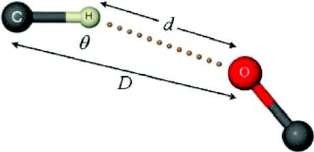
An illustrative schematic of these parameters is shown in Figure 1.2 [39].

Classification of Hydrogen Bonds

Hydrogen bonds are classified as strong, moderate, or weak, based on structural and energetic criteria such as X···A distance, bond angle, and spectroscopic shifts.

This scheme, originally proposed by Jeffrey and Saenger, is summarized in Table 1.2 [36, 38].

Table 1.2 – Classification of Hydrogen Bonds (after Jeffrey, guiding values)

Parameter

Strong

Moderate

Weak

Interaction type

Strongly covalent

Mostly electrostatic

Electrostatic/dispersive

H···A bond length [Å]

1.2–1.5

1.5–2.2

> 2.2

X–H bond lengthening [Å]

0.08–0.25

0.02–0.08

< 0.02

X–H vs H···A

X–H ≈ H···A

X–H < H···A

X–H << H···A

X···A distance [Å]

2.2–2.5

2.5–3.2

> 3.2

Directionality

Highly directional

Moderate

Deviation > 20°

Bond angle [°]

170–180

> 130

> 90

Bond energy [kcal·mol?¹]

15–40

4–15

< 4

Relative IR shift ΔνXH [%]

25%

10–25%

< 10%

¹H downfield shift [ppm]

14–22

< 14

Significance

The dual electrostatic–covalent nature of hydrogen bonding explains its ubiquity across chemistry, biology, and pharmaceuticals. A modern consensus considers any X–H···A interaction with an energy–distance dependence shallower than r?? to qualify as a hydrogen bond [34].
In crystal engineering, hydrogen bonds dictate molecular packing, solubility, polymorphic stability, and drug–excipient interactions [22, 23, 27, 30]. In pharmaceutical co-crystals, they form the backbone of supramolecular synthons, governing design and predictability.

Examples in co-crystals:

  • Caffeine–oxalic acid: acid–amide heterosynthon (O–H···O=C and N–H···O=C interactions).
  • Nicotinamide–ibuprofen: acid–amide heterosynthon that enhances solubility and crystal cohesion [24, 39].

1.4.2 Halogen Bond

Halogen bonding (XB) is a non-covalent, attractive interaction formed between the electrophilic region of a halogen atom (acting as a Lewis acid) and a nucleophilic site (Lewis base) [40]. It is conventionally represented as D···X–Y, where X is the halogen atom participating in the interaction, Y is the atom covalently bound to the halogen, and D denotes the electron donor (Lewis base) [41].

According to the IUPAC definition, a halogen bond is “an attractive interaction between an electrophilic region associated with a halogen atom in a molecular entity and a nucleophilic region in another (or the same) molecular entity” [42]. The interaction is directional, tunable, and highly specific, often compared to hydrogen bonding in strength and geometry.

Types of Halogen Bonds

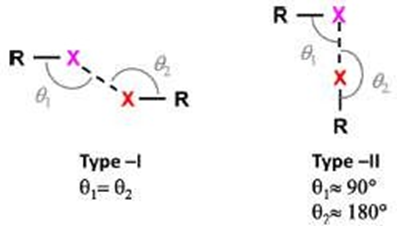
Halogen···halogen or halogen···nucleophile contacts are typically classified into two types based on geometrical and electrostatic criteria [28]:

  • Type I: Symmetrical, non-directional van der Waals contacts between halogen atoms (θ? ≈ θ? ≈ 120–150°).
  • Type II: Directional halogen bonds arising from anisotropic charge distribution around the halogen atom (θ? ≈ 90°, θ? ≈ 180°), consistent with the σ-hole model.

σ-Hole Theory

The σ-hole concept, introduced by Politzer and Murray, explains the origin of halogen-bond directionality [44].

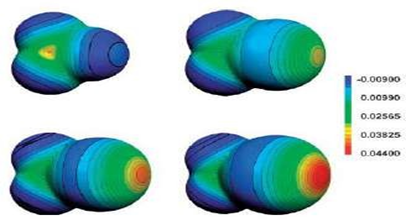
Along the extension of the covalent C–X bond, there exists a region of positive electrostatic potential—the σ-hole—that interacts with electron-rich sites such as oxygen, nitrogen, or π-systems [44, 45].

The magnitude of the σ-hole depends on:

  • The electronegativity of the halogen (decreases F → I).
  • The polarizability of X (increases F < Cl < Br < I).
  • The electron-withdrawing nature of substituents attached to Y.

Thus, iodine typically forms the strongest halogen bonds, while fluorine seldom participates unless activated by electron-withdrawing groups [46].

Key Characteristics of Halogen Bonds

  • Bond Strength: 5–180 kJ·mol?¹, overlapping with moderate to strong hydrogen bonds [47].
  • Directionality: The nucleophile interacts with the σ-hole along the R–X···Y axis, producing nearly linear angles (~180°).
  • Halogen Trend: Bonding strength follows the order F < Cl < Br < I, correlating with increasing atomic polarizability [44, 46].
  • Complementarity: Halogen bonds can coexist or compete with hydrogen bonds in molecular assemblies, offering new pathways for crystal engineering and co-crystal design [48, 49].
  • Applications: Due to their predictability, strength, and orthogonality, halogen bonds are employed to construct supramolecular architectures, tune crystal packing, and improve pharmaceutical co-crystal stability [47–49].


Figure 1.4: (a) Schematic representation of the halogen bond; (b) σ-hole polarization along the C–X axis (increases with decreasing electronegativity); (c) Type I (van der Waals) and Type II (halogen-bonded) X···X or X···Y interactions [44, 46]).

Examples

  • 5-Fluorouracil–1,4-diiodotetrafluorobenzene: I···O halogen bond forming a robust, planar heterosynthon [48].
  • Chlorobenzamide–pyridine derivatives: Cl···N halogen bonds generating layered supramolecular networks [49].

1.4.3 π–π Stacking Interactions

π-Systems play a pivotal role in supramolecular assemblies due to their capacity to engage in multiple non-covalent interactions dominated by electrostatic and dispersion forces [50]. Among these, π–π stacking interactions are particularly significant in organic crystals, biomolecular structures, and pharmaceutical co-crystals, where they contribute to molecular recognition, packing stabilization, and crystal morphology [51, 52].

Nature and Geometries of π–π Interactions

π–π interactions occur between aromatic systems possessing delocalized π-electron clouds. The interaction geometry and strength are primarily governed by quadrupole-moment complementarity and dispersion stabilization [53]. Two predominant geometries are observed:

  • Face-to-face (sandwich) stacking: maximizes van der Waals contacts, typically favored in donor–acceptor systems or between rings with oppositely oriented quadrupoles (e.g., benzene · hexafluorobenzene complexes) [29].
  • Offset (parallel-displaced) stacking: the most commonly observed arrangement, arising from lateral displacement to minimize repulsion while preserving attractive quadrupole alignment; substituents often dictate this offset [55].

The stabilization energy of π–π stacking typically ranges between 2 and 10 kcal mol?¹, depending on aromatic size, substituent effects, and molecular environment [53, 55].

C–H···π (Edge-to-Face) Interactions

Equally important are C–H···π interactions, sometimes called edge-to-face contacts, which originate from a charge-transfer component between a C–H σ-orbital and the π-system [56].
These interactions usually display T-shaped geometry, wherein the positive electrostatic potential of the C–H edge aligns with the negative π-cloud of the aromatic ring.

Two broad categories exist [56, 57]:

  • Typical C–H···π interactions, involving aliphatic or aromatic C–H donors; relatively weak (~0.5–2 kcal mol?¹).
  • Activated C–H···π interactions, where the donor C–H is adjacent to multiple bonds or electron-withdrawing groups, yielding stronger, more directional contacts.

C–H···π motifs frequently complement hydrogen-bonding and halogen-bonding networks in the crystal engineering of co-crystals, providing additional stabilization without excessive planarity constraints [58].

Other π-System Interactions

Beyond classical π–π and C–H···π interactions, aromatic systems also engage in:

  • Cation–π and anion–π interactions, crucial in host–guest and enzyme–substrate recognition [54, 59];
  • Lone pair–π and polar hydrogen–π contacts, which modulate lattice energy and packing adaptability.

Together, these diverse π-related interactions provide a toolbox for supramolecular design, influencing mechanical strength, dissolution anisotropy, and electronic communication within functional molecular materials [51, 53].
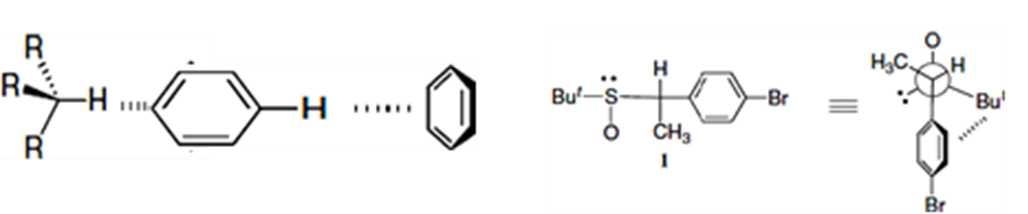
(a)                                                                    (b)

Figure 1.5: (a) Intermolecular and (b) intramolecular C–H···π interactions [56]).

Examples

  • Theophylline–benzamide: face-to-face aromatic stacking stabilizing a layered co-crystal motif [57].
  • Quercetin–nicotinamide: parallel-displaced π–π stacking complemented by hydrogen bonds, yielding enhanced lattice cohesion [58].

1.4.4 Van der Waals Forces

Van der Waals (vdW) forces—named after Johannes Diderik van der Waals, who first introduced the concept of molecular cohesion in 1873—are weak, distance-dependent interactions between atoms, molecules, or surfaces that arise without the formation of covalent or ionic bonds [60].

These forces comprise both attractive and repulsive components and represent the collective outcome of three primary contributions [61]:

  1. London dispersion forces – interactions between instantaneous dipoles and their induced counterparts.
  2. Debye interactions – attractions between permanent and induced dipoles.
  3. Keesom interactions – forces between permanent dipoles in different molecules.

Although each component is individually weak (typically < 2 kcal mol?¹), their cumulative effect is essential for cohesion in molecular solids, condensed gases, and organic crystals [62]. In supramolecular systems, vdW forces influence molecular packing, surface adhesion, wettability, and stabilization of crystal lattices [63].

Physical Description

Fluctuating electron densities within atoms or molecules create transient dipoles that synchronize with those of neighboring species, resulting in a dynamic pattern of attractions and repulsions [64].
Quantitatively, the interplay between short-range Pauli repulsion and long-range dispersion attraction defines the overall potential energy curve. This behavior is modeled by the Lennard–Jones (12–6) potential, expressed as:

V(r)=4ε[(σr)12-(σr)6]
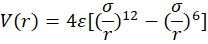
where the first term represents the repulsive component and the second term the attractive dispersion term [65].

The potential minimum corresponds to the equilibrium separation (≈ 3–4 Å), balancing attractive and repulsive forces [65, 66].
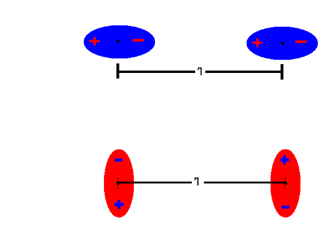
Figure 1.3A illustrates transient electron-density fluctuations responsible for vdW attractions and repulsions,while
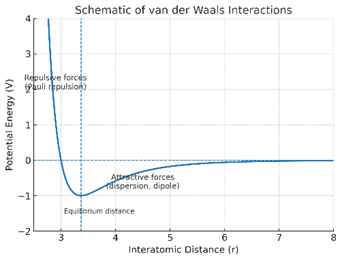
Figure 1.3B depicts the characteristic Lennard–Jones potential curve with the r?? dependence of the attractive term [65, 66]).

Characteristics and Significance

  • Nature: Non-directional, universal, and short-range.
  • Energy range: 0.5 – 5 kcal mol?¹ per contact (significantly weaker than hydrogen or halogen bonds).
  • Dominant at: Close molecular separations where no strong electrostatic or covalent forces exist.
  • Role in crystals: Complement other non-covalent interactions (hydrogen, halogen, and π–π bonds) to fine-tune packing and optimize lattice energy [63, 67].
  • Pharmaceutical relevance: Contribute to the compactness, polymorphism, and mechanical stability of molecular solids and API–coformer compatibility [68].

In computational modeling, vdW interactions are incorporated via empirical dispersion corrections (DFT-D) and force-field terms, essential for accurately predicting crystal structures and binding energies [69].

Examples in Co-Crystals

  • Carbamazepine–saccharin: Hydrophobic aromatic regions form supplementary vdW contacts that stabilize the layered co-crystal [67].
  • Resveratrol–oxalic acid: Enhanced hydrophobic stacking through dispersion-dominated interactions improves lattice cohesion and dissolution stability [68].

1.5 Methods of Cocrystallisation

The synthesis of pharmaceutical co-crystals can be accomplished through a range of techniques differing in mechanism, operational environment, scalability, and degree of control over crystal quality[7,70].

In general, these techniques fall into three broad categories—solid-state, solution-based, and advanced/emerging methods.

The choice of an appropriate approach depends on the solubility characteristics of the Active Pharmaceutical Ingredient (API) and coformer, thermodynamic stability, desired particle size and morphology, manufacturing feasibility, and regulatory constraints [72].

1.5.1 Solid-State Methods

Solid-state approaches enable co-crystal formation without complete dissolution of the API and coformer, relying instead on mechanical energy, heat, or minimal solvent to facilitate molecular diffusion and intermolecular interaction [6, 74].

These solvent-minimized or solvent-free routes are particularly attractive for green manufacturing and for compounds that are thermolabile or poorly soluble [75].

Neat Grinding (Dry Grinding)

In neat grinding, the API and coformer powders are physically mixed and ground using a mortar and pestle, vibratory mill, or planetary ball mill. The applied mechanical stress induces amorphization, local melting, or defect formation, which promotes hydrogen bonding and lattice rearrangement leading to co-crystal formation [76].

This technique is simple, rapid, and solvent-free, but control over particle size and polymorphism may be limited.

Example: Caffeine–oxalic acid co-crystal synthesized by ball milling without solvent [77].

Liquid-Assisted Grinding (LAG)

LAG involves the same mechanical process as neat grinding but introduces a small quantity (1–10% w/w) of volatile solvent such as ethanol or methanol to enhance molecular mobility and diffusion [78].

Even trace solvent acts as a molecular lubricant, accelerating co-crystal formation and improving reproducibility.

Compared with dry grinding, LAG typically yields higher purity and shorter processing times [79].

Example: Carbamazepine–saccharin co-crystals prepared via ethanol-assisted milling [78, 79].

Polymer-Assisted Grinding

This modification of LAG incorporates polymeric additives such as polyvinylpyrrolidone (PVP) or hydroxypropyl methylcellulose (HPMC), which prevent agglomeration and stabilize metastable or nanosized co-crystal forms [80].

Polymers may also act as nucleation templates, offering additional control over co-crystal morphology and dissolution behavior [81].

Example: Indomethacin–saccharin co-crystals stabilized using PVP during milling [80].

Hot-Melt Extrusion (HME)

HME is a continuous, solvent-free technique where the API and coformer are mixed and heated above their softening or melting points inside a twin-screw extruder, enabling intimate mixing under shear [82].

The molten mixture then cools to crystallize into the desired co-crystal form.

This method offers excellent scalability and process control, aligning with Quality-by-Design (QbD) principles in modern manufacturing [75].

Example: Theophylline–citric acid co-crystals prepared via twin-screw extrusion [82].

Advantages and Limitations

Advantages

Limitations

Solvent-free or minimal solvent use (green method)

Limited crystal size control

Fast, reproducible, scalable

Polymorphic control can be challenging

Suitable for heat- and moisture-sensitive drugs

Mechanochemical heat generation may affect stability

Compatible with continuous processing (HME)

Process optimization needed for uniformity

1.5.2 Solution-Based Methods

Solution-based methods rely on the co-dissolution of the API and coformer in a common or mixed solvent system to facilitate molecular self-assembly prior to co-crystal nucleation and growth [23].

Crystallization is then induced by solvent removal, supersaturation, or solubility modulation, enabling the formation of well-ordered crystalline products with controlled morphology [84].

These methods are highly adaptable, provide fine control over crystal size and purity, and are widely used for laboratory screening and industrial scale-up [85].

Solvent Evaporation

In the solvent-evaporation approach, the API and coformer are dissolved in a volatile solvent or solvent mixture in stoichiometric ratio, followed by slow evaporation under ambient or reduced pressure [86].

The gradual increase in supersaturation allows ordered co-crystal nucleation and lattice propagation.

This method is particularly suitable for systems where both components exhibit adequate solubility and thermal stability [87].

Example: Caffeine–glutaric acid co-crystals obtained by slow evaporation from ethanol [86].

Cooling Crystallization

Cooling crystallization involves preparing a saturated hot solution of the API and coformer, which is then cooled gradually to reduce solubility and promote co-crystal nucleation [88].

The temperature-controlled supersaturation minimizes uncontrolled precipitation and allows reproducible particle-size distribution [89].

Example: Paracetamol–oxalic acid co-crystals formed through aqueous cooling crystallization [88].

Anti-Solvent Addition

In this approach, a miscible anti-solvent is added to the solution containing the API and coformer, causing a sudden reduction in solubility that drives rapid co-crystal precipitation [90].

The method is advantageous for APIs with low solubility in non-polar media and enables nanocrystal formation under controlled mixing conditions [91].

However, it requires precise optimization of solvent polarity and addition rate to avoid amorphous or phase-separated products [92].

Example: Naproxen–nicotinamide co-crystals precipitated upon addition of water to an ethanolic solution [90].

Advantages and Considerations

Advantages

Limitations

Produces high-purity, well-defined crystals

Solvent selection critical for both components

Simple instrumentation; scalable

Requires solvent-removal steps

Control over morphology and particle size

Risk of polymorphic variation with solvent type

Suitable for thermolabile APIs (low-temperature operation)

Potential solvent-residue issues in regulatory compliance

1.5.3 Advanced and Emerging Methods

Recent progress in crystal engineering and pharmaceutical process design has led to the emergence of energy-efficient and scalable co-crystallisation technologies. These methods offer greater control over particle size, morphology, yield, and phase purity, while aligning with green-chemistry and Quality-by-Design (QbD) principles [6, 94].

Supercritical Fluid Technology

Supercritical fluids, particularly supercritical CO? (scCO?), function as solvents or anti-solvents to generate fine, solvent-free co-crystals [95].

In the supercritical anti-solvent (SAS) process, API and coformer are dissolved in an organic solvent, followed by rapid expansion with scCO?, leading to instantaneous supersaturation and co-crystal precipitation [96].

Example: Ibuprofen–nicotinamide co-crystals synthesized using the SAS technique exhibited uniform micron-sized particles and enhanced dissolution [97].

Ultrasound-Assisted Crystallization

High-frequency ultrasound produces acoustic cavitation, generating localized zones of high pressure and temperature that accelerate nucleation and promote controlled particle-size distribution [98].

Example: Carbamazepine–saccharin co-crystals successfully produced by sono-crystallization [99].

Microwave-Assisted Synthesis

Microwave irradiation provides rapid, volumetric heating, increasing molecular mobility and promoting fast lattice assembly [100].

This method enables co-crystal formation in minutes rather than hours, with minimal solvent and high energy efficiency [101].

Example: Sulfathiazole–salicylic acid co-crystals obtained within minutes under microwave-assisted crystallization [100].

Electrospray Technique

In this technique, a solution containing API and coformer is atomized into charged microdroplets under an electrostatic field, resulting in rapid solvent evaporation and co-crystal particle formation [102].

Example: Indomethacin–saccharin co-crystals generated via electrospray deposition [102].

Laser Irradiation

Focused laser light induces localized heating and melting, followed by rapid recrystallization, offering spatial control over microcrystal formation [103].

Example: Curcumin–oxalic acid microcrystals prepared by laser-induced fusion [103].

Spray Congealing

Here, molten mixtures of API and coformer are atomized into a cooled chamber, resulting in rapid solidification and formation of spherical co-crystalline particles [104].

The method is solvent-free, continuous, and suitable for thermally stable APIs, making it industrially viable for solid dosage manufacturing [94].

Example: Flurbiprofen–saccharin co-crystals produced via spray congealing [104].

Comparative Summary of Co-Crystal Synthesis Methods

Selection of Method for Co-Crystallisation

The choice of co-crystallisation method dictates not only the success of co-crystal formation but also its stability, scale-up potential, and pharmaceutical performance [106].

Since co-crystals form via non-covalent interactions (hydrogen bonding, π–π stacking, van der Waals forces), the chosen technique must ensure intimate molecular contact without compromising chemical integrity [107].

1) Factors Governing Method Selection

  1. Physicochemical Properties of API and Coformer: solubility and miscibility in common solvents; melting-point compatibility and thermal stability (especially for melt-based methods).
  2. Nature of Molecular Interaction: complementary hydrogen-bond donors/acceptors favor grinding or slurry methods; weakly interacting systems may require solution-based crystallization [108].
  3. Scalability and Industrial Feasibility: batch techniques like LAG and evaporation may require adaptation to continuous processes (e.g., hot-melt extrusion or spray drying) [109].
  4. Regulatory and Safety Considerations: solvent toxicity and residual limits must comply with ICH Q3C guidelines; ethanol, acetone, and isopropanol are preferred green solvents [110].

2) Common Co-Crystallisation Methods

    1. Solution-Based Methods
  • Solvent Evaporation (Caffeine–oxalic acid).
  • Cooling Crystallization (Paracetamol–oxalic acid).
  • Slurry Conversion (Carbamazepine–nicotinamide).
  • Anti-Solvent Addition (Naproxen–nicotinamide) [111].
    1. Solid-State Methods
  • Neat Grinding.
  • LAG (Carbamazepine–saccharin).
  • Hot-Melt Extrusion (Theophylline–citric acid).
    1. Advanced Techniques
  • Supercritical Fluid Crystallization (Ibuprofen–nicotinamide).
  • Spray Drying (Theophylline–citric acid).
  • Microwave-Assisted Crystallization [112].

3) Criteria for Method Selection

Criterion

Preferred Method

Rationale

API and coformer soluble in same solvent

Solution-based

Enables homogeneous nucleation

Thermally unstable API

Grinding or solvent evaporation

Avoids heat degradation

Large-scale production

HME, SCF, spray drying

Scalable and continuous

Regulatory solvent limits

Ethanol, isopropanol systems

Green and pharmaceutically safe

Fine particle size control

SCF, electrospray

High precision and tunability

Selection of Suitable API–Coformer Pairs

The rational design of pharmaceutical co-crystals fundamentally depends on selecting a compatible API–coformer pair capable of favorable non-covalent interactions and pharmaceutical acceptability [106, 107].

1) Molecular and Structural Considerations

APIs containing functional groups such as carboxylic acids, amides, imides, hydroxyls, or heteroaromatic nitrogens readily form directional hydrogen bonds with complementary coformers [108].

Two key supramolecular motifs dominate co-crystal formation: Homosynthons (–COOH···HOOC) and Heterosynthons (–COOH···CONH–, –COOH···pyridine N) [109].

Structural complementarity (shape, size, aromaticity) facilitates packing efficiency and stability through π–π stacking and CH–π interactions [110]. Tools such as the Cambridge Structural Database (CSD) and Hydrogen-Bond Propensity (HBP) models are widely used to predict viable pairs [111].

2) Physicochemical Considerations

The coformer must enhance the solubility, dissolution rate, and stability of the API while maintaining phase integrity under processing and storage.

The ΔpK? rule serves as a useful empirical guideline [106]: ΔpK? < 0 → weak interaction; ΔpK? = 0–3 → ideal for co-crystal; ΔpK? > 4 → salt formation more probable.

Thermal and processing compatibility (melting points, hygroscopicity) must also be evaluated before selecting solvent, grinding, or melt-based methods [108].

3) Regulatory and Biological Considerations

Coformers should have GRAS status and be pharmacologically inert unless therapeutic synergy is desired [112]. Common examples include saccharin, nicotinamide, fumaric acid, tartaric acid, and malic acid [106, 111].

4) Experimental Screening and Validation

  • Computational Screening: ΔpK? analysis, H-bond propensity prediction, and Crystal Structure Prediction (CSP).
  • High-Throughput Screening: grinding, LAG, slurry, or solvent evaporation.
  • Analytical Characterization: PXRD, DSC, TGA, FTIR, SS-NMR, and SCXRD to confirm new solid forms [108].

 Pharmaceutical Examples

API–Coformer Pair

Dominant Synthon

Observed Improvement

Carbamazepine–Saccharin

Amide–imide heterosynthon

↑ Solubility, ↑ dissolution

Caffeine–Oxalic Acid

Acid–amide heterosynthon

↑ Stability

Ibuprofen–Nicotinamide

Acid–pyridine heterosynthon

↑ Bioavailability

Theophylline–Glutaric Acid

Acid–heteroaromatic heterosynthon

↓ Hygroscopicity

1.6 Applications and Industrial Significance

Pharmaceutical co-crystals have emerged as a versatile solid-state modification strategy offering diverse applications across drug discovery, formulation design, and intellectual property (IP) management [113].

Their industrial significance stems from the ability to tune physicochemical, biopharmaceutical, and mechanical properties of Active Pharmaceutical Ingredients (APIs) without altering the pharmacological structure [109].

1.6.1 Solubility and Bioavailability Enhancement

The most prominent industrial application of co-crystals lies in enhancing the aqueous solubility and dissolution rate of poorly water-soluble APIs—particularly those belonging to Biopharmaceutics Classification System (BCS) Class II and IV [115].

By modifying the crystal lattice through weak intermolecular interactions (e.g., hydrogen bonding, π–π stacking), co-crystals can achieve supersaturated dissolution states, facilitating greater drug absorption [116].

Example: The Febuxostat–arginine co-crystal exhibited a dramatic solubility improvement (571 mg·L?¹) compared with the parent drug (7.5 mg·L?¹), resulting in markedly enhanced dissolution and potential bioavailability [117].

1.6.2 Controlled Drug Release

By rationally selecting coformers with tunable hydrophilicity or hydrophobicity, co-crystals can modulate dissolution kinetics, allowing controlled, delayed, or pulsatile drug release [118].

Example: Theophylline co-crystals with aliphatic dicarboxylic acids demonstrated varying release rates depending on the coformer’s solubility—succinate (fast) vs. adipate (slow) [119].

1.6.3 Multidrug Co-Crystals (MDCs)

Multidrug co-crystals (MDCs) integrate two or more APIs into a single, ordered lattice, maintaining each drug’s chemical integrity while enabling co-delivery and synchronized release [120].

Example: Aspirin–paracetamol co-crystal developed for combined analgesic and antipyretic action demonstrated stable co-forming behavior and uniform dissolution [120].

1.6.4 Mechanical Property Optimization

Poor compressibility and flowability of APIs often hinder direct compression during tablet manufacturing. Co-crystal formation can significantly improve mechanical strength, compactibility, and flow properties by modifying lattice energy and surface morphology [121].

Example: Carbamazepine–saccharin co-crystals showed superior compressibility and flow compared with pure carbamazepine, facilitating robust tableting [121].

1.6.5 Taste Masking

Co-crystallization can effectively mask the bitterness of APIs through complexation with sweet-tasting or neutral coformers, improving patient acceptability without affecting pharmacological activity [122].

Example: Chloramphenicol–saccharin co-crystals improved taste perception while maintaining bioavailability [122].

CONCLUSION

Pharmaceutical co-crystals represent a robust and scientifically grounded solid-state approach for addressing solubility- and stability-related challenges in modern drug development. By harnessing predictable non-covalent intermolecular interactions, co-crystals enable rational modulation of physicochemical and biopharmaceutical properties without chemical modification of the active pharmaceutical ingredient. Advances in crystal engineering principles, screening methodologies, and scalable manufacturing technologies have significantly enhanced the industrial feasibility of co-crystal systems.

With growing regulatory clarity and increasing adoption in pharmaceutical pipelines, co-crystallization is positioned as a valuable alternative to traditional solid-form strategies. Continued integration of co-crystal design within Quality-by-Design and continuous manufacturing frameworks is expected to further expand their role in future pharmaceutical development.

REFERENCES

  1. Lipinski C A. Poor aqueous solubility—An industry-wide problem in drug discovery. Am Pharm Rev. 2002;5(3):82–85.
  2. Savjani K T, Gajjar A K, Savjani J K. Drug solubility: importance and enhancement techniques. ISRN Pharmaceutics. 2012;2012:195727.
  3. Amidon G L et al. A theoretical basis for a biopharmaceutic drug classification. Pharm Res. 1995;12(3):413–420.
  4. Di L, Fish P V, Mano T. Bridging solubility between discovery and development.Drug Discov Today. 2012;17(9–10):486–495.
  5. Kawabata Y et al. Formulation design for poorly water-soluble drugs. Adv Drug Deliv Rev. 2011;63(6):627–634.
  6. Trask A V, Motherwell W D, Jones W. Pharmaceutical cocrystals: engineering a new class of crystalline materials. Int J Pharm. 2006;320(1–2):114–123.
  7. Good D J, Rodríguez-Hornedo N. Solubility advantage of pharmaceutical cocrystals. Cryst Growth Des. 2009;9(5):2252–2264.
  8. Byrn S R, Pfeiffer R R, Stowell J G. Solid-State Chemistry of Drugs. 2nd ed. SSCI Inc.; 1999.
  9. Brittain H G. Polymorphism in Pharmaceutical Solids.Informa Healthcare; 2009.
  10. Hilfiker R, ed. Polymorphism in the Pharmaceutical Industry.Wiley-VCH; 2006.
  11. Bernstein J. Polymorphism in Molecular Crystals.Oxford University Press; 2002.
  12. Chemburkar S R et al. Dealing with the impact of ritonavir polymorphs on the Abbott capsule formulation. J Pharm Sci. 2000;89(3):394–401.
  13. Pudipeddi M, Serajuddin A T M. Trends in salt selection for drug development. Int J Pharm. 2005;302(1–2):103–120.
  14. Guillory J K. Polymorphism and solvatomorphism in pharmaceuticals. J Pharm Sci. 1999;88(11):1181–1190.
  15. Hancock B C, Zografi G. Characteristics and significance of the amorphous state in pharmaceutical systems. J Pharm Sci. 1997;86(1):1–12.
  16. Aitipamula S et al. Cocrystal engineering: design strategies and future perspectives. Cryst Growth Des. 2012;12(5):2147–2158.
  17. Desiraju G R. Supramolecular synthons in pharmaceutical co-crystals. Acc Chem Res. 2011;44(4):471–482.
  18. U.S. FDA. Regulatory Classification of Pharmaceutical Co-Crystals: Guidance for Industry. Silver Spring, MD; 2018.
  19. European Medicines Agency (EMA). Reflection paper on the use of cocrystals of active substances in medicinal products. EMA/CHMP/QWP/930033/2011; 2014.
  20. Kitaigorodsky A I. Molecular Crystals and Molecules.Academic Press; 1973.
  21. Desiraju G R. Supramolecular synthons in crystal engineering. Angew Chem Int Ed. 1995;34(21):2311–2327.
  22. Schultheiss N, Newman A. Pharmaceutical cocrystals and their physicochemical properties. Cryst Growth Des. 2009;9(6):2950–2967.
  23. Qiao N, Li M, Schlindwein W, Malek N, Davies A, Trappitt G. Pharmaceutical cocrystals: An overview. Int J Pharm. 2011;419(1–2):1–11.
  24. Childs S L, Kandi P, Lingireddy S R. Cocrystals of weakly basic drugs with acidic coformers: Solubility and dissolution behavior. Mol Pharm. 2014;11(9):3237–3249.
  25. Cheney M L, McMahon J A, Zhang Z, et al. Stability considerations of pharmaceutical cocrystals. J Pharm Sci. 2011;100(6):2172–2185.
  26. Miroshnyk I, Mirza S, Sandler N. Pharmaceutical co-crystals—An opportunity for drug product lifecycle management. Expert Opin Drug Deliv. 2009;6(4):333–341.
  27. Aakeröy C B, Beatty A M, Helfrich B A, Leinen D S. Do polymorphic compounds make good cocrystallizing agents? Angew Chem Int Ed. 2001;40(17):3240–3242.
  28. Metrangolo P, Resnati G. Halogen bonding: A paradigm in supramolecular chemistry. Chem Eur J. 2001;7(12):2511–2519.
  29. Meyer E A, Castellano R K, Diederich F. Interactions with aromatic rings. Angew Chem Int Ed. 2003;42(11):1210–1250.
  30. Jeffrey G A, Saenger W. Hydrogen Bonding in Biological Structures. Springer-Verlag; 1991.
  31. Scheiner S. Hydrogen Bonding: A Theoretical Perspective. Oxford University Press; 1997.
  32. Grabowski S J. Hydrogen bonds and halogen bonds: energetic and geometric similarities. J Phys Org Chem. 2013;26(4):345–354.
  33. Pauling L. The Nature of the Chemical Bond. 3rd ed. Cornell University Press; 1960.
  34. IUPAC. Recommendations on the Definition of Hydrogen Bonding. Pure Appl Chem. 2011;83(8):1637–1641.
  35. Steiner T. The hydrogen bond in the solid state. Angew Chem Int Ed. 2002;41(1):48–76.
  36. Jeffrey G A. An Introduction to Hydrogen Bonding. Oxford University Press; 1997.
  37. Desiraju G R, Steiner T. The Weak Hydrogen Bond in Structural Chemistry and Biology. Oxford University Press; 1999.
  38. Taylor R, Kennard O. Crystallographic evidence for the existence of C–H···O hydrogen bonds. J Am Chem Soc. 1982;104(19):5063–5070.
  39. Braga D, Grepioni F, Desiraju G R. Intermolecular interactions in crystal engineering. Chem Rev. 2015;115(10):6128–6178.
  40. Desiraju G R, Parthasarathy R. The nature of halogen···halogen interactions: Are short halogen contacts true halogen bonds? J Am Chem Soc. 1989;111(23):8725–8726.
  41. Legon A C. The halogen bond: An interim perspective. Phys Chem Chem Phys. 2010;12(28):7736–7747.
  42. IUPAC. Definition of the halogen bond (IUPAC Recommendations 2013). Pure Appl Chem. 2013;85(8):1711–1713.
  43. Politzer P, Murray J S. The σ-hole revisited. ChemPhysChem. 2013;14(2):278–294.
  44. Clark T, Hennemann M, Murray J S, Politzer P. Halogen bonding: The σ-hole. J Mol Model. 2007;13(2):291–296.
  45. Cavallo G, Metrangolo P, Milani R, Pilati T, Priimagi A, Resnati G, Terraneo G. The halogen bond. Chem Rev. 2016;116(4):2478–2601.
  46. Gilday L C, Robinson S W, Barendt T A, Langton M J, Mullaney B R, Beer P D. Halogen bonding in supramolecular chemistry. Chem Rev. 2015;115(15):7118–7195.
  47. Fourmigué M, Auffrant A, Espinosa E, Aubert E. Halogen-bonded supramolecular assemblies: From 5-fluorouracil cocrystals to charge-transfer networks. CrystEngComm. 2011;13(14):4451–4463.
  48. Tothadi S, Desiraju G R. The role of halogen bonding in the crystal structures of chlorobenzamide–pyridine derivatives. Cryst Growth Des. 2012;12(7):3242–3250.
  49. Desiraju G R. Crystal engineering: the design of organic solids. Elsevier; 1989.
  50. Hunter C A, Sanders J K M. The nature of π–π interactions. J Am Chem Soc. 1990;112(14):5525–5534.
  51. Diederich F, Meyer E A. π–π interactions in chemical and biological recognition. Angew Chem Int Ed. 1999;38(3):337–351.
  52. Martinez C R, Iverson B L. Rethinking the term “π-stacking”. Chem Sci. 2012;3(7):2191–2201.
  53. Sinnokrot M O, Sherrill C D. Substituent effects in π–π interactions: sandwich and T-shaped benzene dimers. J Phys Chem A. 2004;108(46):10200–10207.
  54. Nishio M. The CH/π hydrogen bond in chemistry: evidence, nature, and consequences. Phys Chem Chem Phys. 2011;13(31):13873–13900.
  55. Chakraborty S, Desiraju G R. C–H···π interactions in molecular crystals: importance in structural stability. CrystEngComm. 2014;16(29):6077–6086.
  56. Bhatt P M, Thakuria R, Desiraju G R. Pharmaceutical cocrystals of quercetin with nicotinamide and isonicotinamide: stability and bioavailability correlations. Cryst Growth Des. 2010;10(8):3570–3581.
  57. Ma J C, Dougherty D A. The cation–π interaction. Chem Rev. 1997;97(5):1303–1324.
  58. Israelachvili J N. Intermolecular and Surface Forces. 3rd ed. Academic Press; 2011.
  59. McQuarrie D A. Statistical Mechanics. University Science Books; 2000.
  60. Atkins P W, de Paula J. Physical Chemistry. 11th ed. Oxford University Press; 2018.
  61. Desiraju G R. Crystal Engineering: A Textbook. World Scientific; 2013.
  62. London F. The general theory of molecular forces. Trans Faraday Soc. 1937;33:8b–26.
  63. Jones J E. On the determination of molecular fields. II. From the equation of state of a gas. Proc R Soc Lond A. 1924;106(738):463–477.
  64. Buckingham R A. The classical equation of state of gaseous helium, neon and argon. Proc R Soc Lond A. 1938;168(933):264–283.
  65. Trask A V, Jones W. Design and formation of pharmaceutical co-crystals: the role of weak intermolecular interactions. Mol Pharm. 2007;4(4):528–538.
  66. Thakuria R, Delori A, Jones W, Lipert M P, Roy L, Rodríguez-Hornedo N. Pharmaceutical cocrystals and their physicochemical properties. Int J Pharm. 2013;453(1):1–15.
  67. Grimme S. Accurate description of van der Waals complexes by density functional theory including empirical corrections. J Comput Chem. 2004;25(12):1463–1473.
  68. Aitipamula S, et al. Pharmaceutical cocrystals: advances in understanding and applications. J Pharm Sci. 2017;106(9):2679–2691.
  69. Chadha R, Arora P. Cocrystallization in pharmaceutical development: a review. Eur J Pharm Sci. 2014;62:126–141.
  70. Friš?i? T, Mottillo C, Titi H M. Mechanochemistry for synthesis of pharmaceutical cocrystals. Angew Chem Int Ed. 2020;59(3):1018–1029.
  71. James S L, Adams C J, Bolm C, et al. Mechanochemistry: opportunities for new and cleaner synthesis. Chem Soc Rev. 2012;41(1):413–447.
  72. Manin A N, Voronin A P, Drozd K V, et al. Continuous solvent-free synthesis of pharmaceutical cocrystals via twin-screw extrusion. Mol Pharm. 2014;11(9):3706–3715.
  73. Shan N, Perry M L, Weyna D R, Zaworotko M J. Impact of mechanical activation on the formation of caffeine–oxalic acid cocrystals. Cryst Growth Des. 2002;2(5):437–444.
  74. Friš?i? T, Childs S L, Rizvi S A A, Jones W. The role of solvent in mechanochemical and sonochemical cocrystal formation. CrystEngComm. 2009;11(3):418–426.
  75. Tothadi S, Sanphui P, Desiraju G R. Solvent-assisted mechanochemical synthesis and characterization of pharmaceutical cocrystals. Cryst Growth Des. 2014;14(2):529–539.
  76. Daurio D, Medina C, Saw R, Nagapudi K, Alvarez-Nunez F. Application of polymer-assisted grinding for the preparation and stabilization of pharmaceutical cocrystals. Pharmaceutics. 2011;3(3):582–600.
  77. Dhumal R S, Kelly A L, York P, Coates P D, Paradkar A. Cocrystal formation during hot-melt extrusion: the role of polymeric carriers. Pharm Res. 2010;27(12):2725–2733.
  78. Chadha K, Karan M, Chadha R, Bhalla Y, Khullar S, Mandal S. Hot-melt extrusion for continuous cocrystal production and solid-state stability assessment. Eur J Pharm Sci. 2017;100:255–262.
  79. Aitipamula S, Banerjee R, Kombiah P, et al. Mechanistic insights into solution cocrystallization. CrystEngComm. 2012;14(8):2381–2393.
  80. Childs S L, Chaitanya A K, Reddy L S. Practical approaches to solution-mediated cocrystal screening. Mol Pharm. 2007;4(3):323–338.
  81. Shan N, Zaworotko M J. The role of solid-form screening in pharmaceutical cocrystal development. Drug Discov Today. 2008;13(9–10):440–446.
  82. Rodríguez-Hornedo N, Ne H M. Design and characterization of pharmaceutical cocrystals. Mol Pharm. 2008;5(3):593–600.
  83. Bhatt P M, Desiraju G R. Cooling crystallization routes to pharmaceutical cocrystals. Cryst Growth Des. 2008;8(1):308–315.
  84. Kuminek G, Bauer J, Bello F, et al. Temperature-controlled solution cocrystallization: kinetic and thermodynamic perspectives. Eur J Pharm Sci. 2013;50(3–4):484–493.
  85. Blagden N, Berry D J, Parkin A, et al. Anti-solvent crystallization of pharmaceutical cocrystals. CrystEngComm. 2008;10(5):661–667.
  86. Myerson A S, Krumme M, Vasisht N, Kane E, Pajic D. Continuous crystallization of cocrystals using anti-solvent techniques. Org Process Res Dev. 2019;23(8):1738–1748.
  87. Lu E, Rodriguez-Hornedo N. Solvent effects and phase behavior in cocrystal precipitation. Cryst Growth Des. 2015;15(9):4311–4320.
  88. Blagden N, de Matas M, Gavan P T, York P. Current directions in cocrystal synthesis and characterization. Adv Drug Deliv Rev. 2007;59(7):617–630.
  89. Padrela L, Rodrigues M A, Velaga S P. Supercritical carbon dioxide–based processes for cocrystal formation. CrystEngComm. 2010;12(8):2422–2431.
  90. Duarte A R C, et al. Supercritical anti-solvent (SAS) processing for pharmaceutical co-crystals. J Supercrit Fluids. 2015;101:150–158.
  91. Padrela L, Rodrigues M A, Velaga S P. Ibuprofen–nicotinamide cocrystals by SAS method: solubility and dissolution enhancement. Cryst Growth Des. 2010;10(8):3568–3575.
  92. Chavan R B, Thipparaboina R, Kumar D, Shastri N R. Ultrasound-assisted cocrystallization for improved bioavailability of poorly soluble drugs. Eur J Pharm Sci. 2016;92:209–219.
  93. Baskar G, et al. Sono-crystallization: mechanistic understanding and pharmaceutical applications. CrystEngComm. 2018;20(10):1453–1469.
  94. Zhang S, et al. Microwave-assisted synthesis of pharmaceutical cocrystals: a rapid and efficient method. J Cryst Growth. 2014;403:32–40.
  95. Gadade D D, Pekamwar S S. Pharmaceutical cocrystals: regulatory classification and preparation techniques. Indian J Pharm Sci. 2016;78(6):623–633.
  96. Beck C, Löbmann K, Rades T. Electrospray synthesis of pharmaceutical cocrystals and amorphous dispersions. Mol Pharm. 2017;14(1):36–45.
  97. Suryanarayanan R, et al. Laser-induced fusion for spatially controlled pharmaceutical microcrystals. CrystEngComm. 2019;21(9):1365–1374.
  98. Zhao L, Chen J, Gong T, et al. Spray congealing: a continuous solvent-free process for cocrystal manufacturing. Int J Pharm. 2018;548(1):133–143.
  99. Manin A N, et al. Continuous production of pharmaceutical cocrystals via melt atomization. Mol Pharm. 2014;11(9):3706–3715.
  100. Aitipamula S, Banerjee R, Bansal A K, et al. Polymorphs, salts, and cocrystals: what's in a name? Cryst Growth Des. 2012;12(5):2147–2152.
  101. Desiraju G R. Crystal engineering: from molecules to materials. Angew Chem Int Ed. 2007;46(5):834–849.
  102. Nangia A. Supramolecular synthons in crystal engineering: from crystal structure to property design. CrystEngComm. 2015;17(23):4045–4061.
  103. Duggirala N K, Perry M L, Almarsson Ö, Zaworotko M J. Pharmaceutical cocrystals: along the path of scale-up and manufacturing. Adv Drug Deliv Rev. 2016;101:167–172.
  104. European Medicines Agency. Guideline on residual solvents (ICH Q3C). EMA/CHMP/ICH/82260/2006; 2009.
  105. Taylor L S, Zografi G. Spectroscopic characterization and prediction of hydrogen bond formation in co-crystals. Mol Pharm. 2010;7(3):748–758.
  106. Childs S L, Hardcastle K I. Cocrystals of naproxen with nicotinamide and isonicotinamide: structural insights and dissolution behavior. Cryst Growth Des. 2007;7(7):1291–1304.
  107. Aitipamula S, Banerjee R, Bansal A K, et al. Pharmaceutical cocrystals: An overview from drug development to regulatory perspectives. CrystEngComm. 2012;14(8):2381–2393.
  108. Schultheiss N, Newman A. Pharmaceutical cocrystals and their physicochemical properties. Cryst Growth Des. 2009;9(6):2950–2967.
  109. Chen Y, et al. Enhancement of solubility and dissolution rate of febuxostat via arginine cocrystal formation. Eur J Pharm Sci. 2018;122:62–70.
  110. Qiao N, Li M, Schlindwein W, Malek N, Davies A, Trappitt G. Pharmaceutical cocrystals: an emerging approach to drug delivery design. Int J Pharm. 2011;419(1–2):1–11.
  111. Bhatt P M, Thakuria R, Desiraju G R. Cocrystals of theophylline with dicarboxylic acids: structure–property relationships and release profiles. Cryst Growth Des. 2009;9(2):951–957.
  112. Karagianni A, Malamatari M, Kachrimanis K. Multicomponent cocrystals: past, present, and future perspectives. Cryst Growth Des. 2018;18(4):1873–1889.
  113. Berry D J, Steed J W. Pharmaceutical cocrystals, salts, and solvates: mechanochemical synthesis and mechanical property control. Adv Drug Deliv Rev. 2017;117:3–24.
  114. Aitipamula S, et al. Taste masking of bitter active pharmaceutical ingredients via cocrystallization with sweet coformers. J Pharm Sci. 2014;103(8):2546–2555.

Reference

  1. Lipinski C A. Poor aqueous solubility—An industry-wide problem in drug discovery. Am Pharm Rev. 2002;5(3):82–85.
  2. Savjani K T, Gajjar A K, Savjani J K. Drug solubility: importance and enhancement techniques. ISRN Pharmaceutics. 2012;2012:195727.
  3. Amidon G L et al. A theoretical basis for a biopharmaceutic drug classification. Pharm Res. 1995;12(3):413–420.
  4. Di L, Fish P V, Mano T. Bridging solubility between discovery and development.Drug Discov Today. 2012;17(9–10):486–495.
  5. Kawabata Y et al. Formulation design for poorly water-soluble drugs. Adv Drug Deliv Rev. 2011;63(6):627–634.
  6. Trask A V, Motherwell W D, Jones W. Pharmaceutical cocrystals: engineering a new class of crystalline materials. Int J Pharm. 2006;320(1–2):114–123.
  7. Good D J, Rodríguez-Hornedo N. Solubility advantage of pharmaceutical cocrystals. Cryst Growth Des. 2009;9(5):2252–2264.
  8. Byrn S R, Pfeiffer R R, Stowell J G. Solid-State Chemistry of Drugs. 2nd ed. SSCI Inc.; 1999.
  9. Brittain H G. Polymorphism in Pharmaceutical Solids.Informa Healthcare; 2009.
  10. Hilfiker R, ed. Polymorphism in the Pharmaceutical Industry.Wiley-VCH; 2006.
  11. Bernstein J. Polymorphism in Molecular Crystals.Oxford University Press; 2002.
  12. Chemburkar S R et al. Dealing with the impact of ritonavir polymorphs on the Abbott capsule formulation. J Pharm Sci. 2000;89(3):394–401.
  13. Pudipeddi M, Serajuddin A T M. Trends in salt selection for drug development. Int J Pharm. 2005;302(1–2):103–120.
  14. Guillory J K. Polymorphism and solvatomorphism in pharmaceuticals. J Pharm Sci. 1999;88(11):1181–1190.
  15. Hancock B C, Zografi G. Characteristics and significance of the amorphous state in pharmaceutical systems. J Pharm Sci. 1997;86(1):1–12.
  16. Aitipamula S et al. Cocrystal engineering: design strategies and future perspectives. Cryst Growth Des. 2012;12(5):2147–2158.
  17. Desiraju G R. Supramolecular synthons in pharmaceutical co-crystals. Acc Chem Res. 2011;44(4):471–482.
  18. U.S. FDA. Regulatory Classification of Pharmaceutical Co-Crystals: Guidance for Industry. Silver Spring, MD; 2018.
  19. European Medicines Agency (EMA). Reflection paper on the use of cocrystals of active substances in medicinal products. EMA/CHMP/QWP/930033/2011; 2014.
  20. Kitaigorodsky A I. Molecular Crystals and Molecules.Academic Press; 1973.
  21. Desiraju G R. Supramolecular synthons in crystal engineering. Angew Chem Int Ed. 1995;34(21):2311–2327.
  22. Schultheiss N, Newman A. Pharmaceutical cocrystals and their physicochemical properties. Cryst Growth Des. 2009;9(6):2950–2967.
  23. Qiao N, Li M, Schlindwein W, Malek N, Davies A, Trappitt G. Pharmaceutical cocrystals: An overview. Int J Pharm. 2011;419(1–2):1–11.
  24. Childs S L, Kandi P, Lingireddy S R. Cocrystals of weakly basic drugs with acidic coformers: Solubility and dissolution behavior. Mol Pharm. 2014;11(9):3237–3249.
  25. Cheney M L, McMahon J A, Zhang Z, et al. Stability considerations of pharmaceutical cocrystals. J Pharm Sci. 2011;100(6):2172–2185.
  26. Miroshnyk I, Mirza S, Sandler N. Pharmaceutical co-crystals—An opportunity for drug product lifecycle management. Expert Opin Drug Deliv. 2009;6(4):333–341.
  27. Aakeröy C B, Beatty A M, Helfrich B A, Leinen D S. Do polymorphic compounds make good cocrystallizing agents? Angew Chem Int Ed. 2001;40(17):3240–3242.
  28. Metrangolo P, Resnati G. Halogen bonding: A paradigm in supramolecular chemistry. Chem Eur J. 2001;7(12):2511–2519.
  29. Meyer E A, Castellano R K, Diederich F. Interactions with aromatic rings. Angew Chem Int Ed. 2003;42(11):1210–1250.
  30. Jeffrey G A, Saenger W. Hydrogen Bonding in Biological Structures. Springer-Verlag; 1991.
  31. Scheiner S. Hydrogen Bonding: A Theoretical Perspective. Oxford University Press; 1997.
  32. Grabowski S J. Hydrogen bonds and halogen bonds: energetic and geometric similarities. J Phys Org Chem. 2013;26(4):345–354.
  33. Pauling L. The Nature of the Chemical Bond. 3rd ed. Cornell University Press; 1960.
  34. IUPAC. Recommendations on the Definition of Hydrogen Bonding. Pure Appl Chem. 2011;83(8):1637–1641.
  35. Steiner T. The hydrogen bond in the solid state. Angew Chem Int Ed. 2002;41(1):48–76.
  36. Jeffrey G A. An Introduction to Hydrogen Bonding. Oxford University Press; 1997.
  37. Desiraju G R, Steiner T. The Weak Hydrogen Bond in Structural Chemistry and Biology. Oxford University Press; 1999.
  38. Taylor R, Kennard O. Crystallographic evidence for the existence of C–H···O hydrogen bonds. J Am Chem Soc. 1982;104(19):5063–5070.
  39. Braga D, Grepioni F, Desiraju G R. Intermolecular interactions in crystal engineering. Chem Rev. 2015;115(10):6128–6178.
  40. Desiraju G R, Parthasarathy R. The nature of halogen···halogen interactions: Are short halogen contacts true halogen bonds? J Am Chem Soc. 1989;111(23):8725–8726.
  41. Legon A C. The halogen bond: An interim perspective. Phys Chem Chem Phys. 2010;12(28):7736–7747.
  42. IUPAC. Definition of the halogen bond (IUPAC Recommendations 2013). Pure Appl Chem. 2013;85(8):1711–1713.
  43. Politzer P, Murray J S. The σ-hole revisited. ChemPhysChem. 2013;14(2):278–294.
  44. Clark T, Hennemann M, Murray J S, Politzer P. Halogen bonding: The σ-hole. J Mol Model. 2007;13(2):291–296.
  45. Cavallo G, Metrangolo P, Milani R, Pilati T, Priimagi A, Resnati G, Terraneo G. The halogen bond. Chem Rev. 2016;116(4):2478–2601.
  46. Gilday L C, Robinson S W, Barendt T A, Langton M J, Mullaney B R, Beer P D. Halogen bonding in supramolecular chemistry. Chem Rev. 2015;115(15):7118–7195.
  47. Fourmigué M, Auffrant A, Espinosa E, Aubert E. Halogen-bonded supramolecular assemblies: From 5-fluorouracil cocrystals to charge-transfer networks. CrystEngComm. 2011;13(14):4451–4463.
  48. Tothadi S, Desiraju G R. The role of halogen bonding in the crystal structures of chlorobenzamide–pyridine derivatives. Cryst Growth Des. 2012;12(7):3242–3250.
  49. Desiraju G R. Crystal engineering: the design of organic solids. Elsevier; 1989.
  50. Hunter C A, Sanders J K M. The nature of π–π interactions. J Am Chem Soc. 1990;112(14):5525–5534.
  51. Diederich F, Meyer E A. π–π interactions in chemical and biological recognition. Angew Chem Int Ed. 1999;38(3):337–351.
  52. Martinez C R, Iverson B L. Rethinking the term “π-stacking”. Chem Sci. 2012;3(7):2191–2201.
  53. Sinnokrot M O, Sherrill C D. Substituent effects in π–π interactions: sandwich and T-shaped benzene dimers. J Phys Chem A. 2004;108(46):10200–10207.
  54. Nishio M. The CH/π hydrogen bond in chemistry: evidence, nature, and consequences. Phys Chem Chem Phys. 2011;13(31):13873–13900.
  55. Chakraborty S, Desiraju G R. C–H···π interactions in molecular crystals: importance in structural stability. CrystEngComm. 2014;16(29):6077–6086.
  56. Bhatt P M, Thakuria R, Desiraju G R. Pharmaceutical cocrystals of quercetin with nicotinamide and isonicotinamide: stability and bioavailability correlations. Cryst Growth Des. 2010;10(8):3570–3581.
  57. Ma J C, Dougherty D A. The cation–π interaction. Chem Rev. 1997;97(5):1303–1324.
  58. Israelachvili J N. Intermolecular and Surface Forces. 3rd ed. Academic Press; 2011.
  59. McQuarrie D A. Statistical Mechanics. University Science Books; 2000.
  60. Atkins P W, de Paula J. Physical Chemistry. 11th ed. Oxford University Press; 2018.
  61. Desiraju G R. Crystal Engineering: A Textbook. World Scientific; 2013.
  62. London F. The general theory of molecular forces. Trans Faraday Soc. 1937;33:8b–26.
  63. Jones J E. On the determination of molecular fields. II. From the equation of state of a gas. Proc R Soc Lond A. 1924;106(738):463–477.
  64. Buckingham R A. The classical equation of state of gaseous helium, neon and argon. Proc R Soc Lond A. 1938;168(933):264–283.
  65. Trask A V, Jones W. Design and formation of pharmaceutical co-crystals: the role of weak intermolecular interactions. Mol Pharm. 2007;4(4):528–538.
  66. Thakuria R, Delori A, Jones W, Lipert M P, Roy L, Rodríguez-Hornedo N. Pharmaceutical cocrystals and their physicochemical properties. Int J Pharm. 2013;453(1):1–15.
  67. Grimme S. Accurate description of van der Waals complexes by density functional theory including empirical corrections. J Comput Chem. 2004;25(12):1463–1473.
  68. Aitipamula S, et al. Pharmaceutical cocrystals: advances in understanding and applications. J Pharm Sci. 2017;106(9):2679–2691.
  69. Chadha R, Arora P. Cocrystallization in pharmaceutical development: a review. Eur J Pharm Sci. 2014;62:126–141.
  70. Friš?i? T, Mottillo C, Titi H M. Mechanochemistry for synthesis of pharmaceutical cocrystals. Angew Chem Int Ed. 2020;59(3):1018–1029.
  71. James S L, Adams C J, Bolm C, et al. Mechanochemistry: opportunities for new and cleaner synthesis. Chem Soc Rev. 2012;41(1):413–447.
  72. Manin A N, Voronin A P, Drozd K V, et al. Continuous solvent-free synthesis of pharmaceutical cocrystals via twin-screw extrusion. Mol Pharm. 2014;11(9):3706–3715.
  73. Shan N, Perry M L, Weyna D R, Zaworotko M J. Impact of mechanical activation on the formation of caffeine–oxalic acid cocrystals. Cryst Growth Des. 2002;2(5):437–444.
  74. Friš?i? T, Childs S L, Rizvi S A A, Jones W. The role of solvent in mechanochemical and sonochemical cocrystal formation. CrystEngComm. 2009;11(3):418–426.
  75. Tothadi S, Sanphui P, Desiraju G R. Solvent-assisted mechanochemical synthesis and characterization of pharmaceutical cocrystals. Cryst Growth Des. 2014;14(2):529–539.
  76. Daurio D, Medina C, Saw R, Nagapudi K, Alvarez-Nunez F. Application of polymer-assisted grinding for the preparation and stabilization of pharmaceutical cocrystals. Pharmaceutics. 2011;3(3):582–600.
  77. Dhumal R S, Kelly A L, York P, Coates P D, Paradkar A. Cocrystal formation during hot-melt extrusion: the role of polymeric carriers. Pharm Res. 2010;27(12):2725–2733.
  78. Chadha K, Karan M, Chadha R, Bhalla Y, Khullar S, Mandal S. Hot-melt extrusion for continuous cocrystal production and solid-state stability assessment. Eur J Pharm Sci. 2017;100:255–262.
  79. Aitipamula S, Banerjee R, Kombiah P, et al. Mechanistic insights into solution cocrystallization. CrystEngComm. 2012;14(8):2381–2393.
  80. Childs S L, Chaitanya A K, Reddy L S. Practical approaches to solution-mediated cocrystal screening. Mol Pharm. 2007;4(3):323–338.
  81. Shan N, Zaworotko M J. The role of solid-form screening in pharmaceutical cocrystal development. Drug Discov Today. 2008;13(9–10):440–446.
  82. Rodríguez-Hornedo N, Ne H M. Design and characterization of pharmaceutical cocrystals. Mol Pharm. 2008;5(3):593–600.
  83. Bhatt P M, Desiraju G R. Cooling crystallization routes to pharmaceutical cocrystals. Cryst Growth Des. 2008;8(1):308–315.
  84. Kuminek G, Bauer J, Bello F, et al. Temperature-controlled solution cocrystallization: kinetic and thermodynamic perspectives. Eur J Pharm Sci. 2013;50(3–4):484–493.
  85. Blagden N, Berry D J, Parkin A, et al. Anti-solvent crystallization of pharmaceutical cocrystals. CrystEngComm. 2008;10(5):661–667.
  86. Myerson A S, Krumme M, Vasisht N, Kane E, Pajic D. Continuous crystallization of cocrystals using anti-solvent techniques. Org Process Res Dev. 2019;23(8):1738–1748.
  87. Lu E, Rodriguez-Hornedo N. Solvent effects and phase behavior in cocrystal precipitation. Cryst Growth Des. 2015;15(9):4311–4320.
  88. Blagden N, de Matas M, Gavan P T, York P. Current directions in cocrystal synthesis and characterization. Adv Drug Deliv Rev. 2007;59(7):617–630.
  89. Padrela L, Rodrigues M A, Velaga S P. Supercritical carbon dioxide–based processes for cocrystal formation. CrystEngComm. 2010;12(8):2422–2431.
  90. Duarte A R C, et al. Supercritical anti-solvent (SAS) processing for pharmaceutical co-crystals. J Supercrit Fluids. 2015;101:150–158.
  91. Padrela L, Rodrigues M A, Velaga S P. Ibuprofen–nicotinamide cocrystals by SAS method: solubility and dissolution enhancement. Cryst Growth Des. 2010;10(8):3568–3575.
  92. Chavan R B, Thipparaboina R, Kumar D, Shastri N R. Ultrasound-assisted cocrystallization for improved bioavailability of poorly soluble drugs. Eur J Pharm Sci. 2016;92:209–219.
  93. Baskar G, et al. Sono-crystallization: mechanistic understanding and pharmaceutical applications. CrystEngComm. 2018;20(10):1453–1469.
  94. Zhang S, et al. Microwave-assisted synthesis of pharmaceutical cocrystals: a rapid and efficient method. J Cryst Growth. 2014;403:32–40.
  95. Gadade D D, Pekamwar S S. Pharmaceutical cocrystals: regulatory classification and preparation techniques. Indian J Pharm Sci. 2016;78(6):623–633.
  96. Beck C, Löbmann K, Rades T. Electrospray synthesis of pharmaceutical cocrystals and amorphous dispersions. Mol Pharm. 2017;14(1):36–45.
  97. Suryanarayanan R, et al. Laser-induced fusion for spatially controlled pharmaceutical microcrystals. CrystEngComm. 2019;21(9):1365–1374.
  98. Zhao L, Chen J, Gong T, et al. Spray congealing: a continuous solvent-free process for cocrystal manufacturing. Int J Pharm. 2018;548(1):133–143.
  99. Manin A N, et al. Continuous production of pharmaceutical cocrystals via melt atomization. Mol Pharm. 2014;11(9):3706–3715.
  100. Aitipamula S, Banerjee R, Bansal A K, et al. Polymorphs, salts, and cocrystals: what's in a name? Cryst Growth Des. 2012;12(5):2147–2152.
  101. Desiraju G R. Crystal engineering: from molecules to materials. Angew Chem Int Ed. 2007;46(5):834–849.
  102. Nangia A. Supramolecular synthons in crystal engineering: from crystal structure to property design. CrystEngComm. 2015;17(23):4045–4061.
  103. Duggirala N K, Perry M L, Almarsson Ö, Zaworotko M J. Pharmaceutical cocrystals: along the path of scale-up and manufacturing. Adv Drug Deliv Rev. 2016;101:167–172.
  104. European Medicines Agency. Guideline on residual solvents (ICH Q3C). EMA/CHMP/ICH/82260/2006; 2009.
  105. Taylor L S, Zografi G. Spectroscopic characterization and prediction of hydrogen bond formation in co-crystals. Mol Pharm. 2010;7(3):748–758.
  106. Childs S L, Hardcastle K I. Cocrystals of naproxen with nicotinamide and isonicotinamide: structural insights and dissolution behavior. Cryst Growth Des. 2007;7(7):1291–1304.
  107. Aitipamula S, Banerjee R, Bansal A K, et al. Pharmaceutical cocrystals: An overview from drug development to regulatory perspectives. CrystEngComm. 2012;14(8):2381–2393.
  108. Schultheiss N, Newman A. Pharmaceutical cocrystals and their physicochemical properties. Cryst Growth Des. 2009;9(6):2950–2967.
  109. Chen Y, et al. Enhancement of solubility and dissolution rate of febuxostat via arginine cocrystal formation. Eur J Pharm Sci. 2018;122:62–70.
  110. Qiao N, Li M, Schlindwein W, Malek N, Davies A, Trappitt G. Pharmaceutical cocrystals: an emerging approach to drug delivery design. Int J Pharm. 2011;419(1–2):1–11.
  111. Bhatt P M, Thakuria R, Desiraju G R. Cocrystals of theophylline with dicarboxylic acids: structure–property relationships and release profiles. Cryst Growth Des. 2009;9(2):951–957.
  112. Karagianni A, Malamatari M, Kachrimanis K. Multicomponent cocrystals: past, present, and future perspectives. Cryst Growth Des. 2018;18(4):1873–1889.
  113. Berry D J, Steed J W. Pharmaceutical cocrystals, salts, and solvates: mechanochemical synthesis and mechanical property control. Adv Drug Deliv Rev. 2017;117:3–24.
  114. Aitipamula S, et al. Taste masking of bitter active pharmaceutical ingredients via cocrystallization with sweet coformers. J Pharm Sci. 2014;103(8):2546–2555.

Photo
Anandrao Savkare
Corresponding author

Department of Pharmaceutics, MVP Samaj’s College of Pharmacy, Nashik – 422002, Maharashtra, India.

Photo
Milind Wagh
Co-author

Department of Pharmaceutics, MVP Samaj’s College of Pharmacy, Nashik – 422002, Maharashtra, India.

Anandrao Savkare, Milind Wagh, Pharmaceutical Co-Crystals in Drug Development: Solid-State Design Principles, Intermolecular Interactions, and Manufacturing Strategies, Int. J. of Pharm. Sci., 2025, Vol 3, Issue 12, 4283-4304. https://doi.org/10.5281/zenodo.18110795

More related articles
Micronization-Assisted Solubility Enhancement and ...
Dr. Arun Mahale, Mr. Sukesh Subhash Padamwar, Ritik Rajesh Ramdha...
Moringa Oleifera Leaf Powder Herbal Biscuit: Formi...
Om Madane, Atul Madane, Ganesh Lokhande, Shital Kokare, ...
Moringa Oleifera: A Herbal Remedy for the Manageme...
Shivam Dange, Dewanshu Sathone, Ganesh Derkar, ...
Gut Microbiota and Type 2 Diabetes Mellitus: A Review...
Dr. Shivkumar S. Ladde , Madhuri Shatrughna Shinde, Saba Abdul Ahad Shaikh, Choudhari Rushikesh Dili...
A Comprehensive Review on Abutilon indicum (Linn.): Pharmacological and Phytoche...
Mahalakshmi N., Sakthi Abirami M., Jeevitha C., Keerthana V., ...
Related Articles
Medication Disposal Program Reduce Environmental Impact and Abuse...
Balaji Tadas, Aditya Unhale, Dr. Swati Deshmukh, ...
Analysis of Bioactive Compounds in Indigenous Mushrooms for Neurodegenerative Tr...
Pathan S. M., Pendbhaje N. S., Gaikwad D. S., Gondkar R. S., Gayke S. A., ...
Formulation And Evaluation of Face Wash ...
Adithi S. Namewar, Dr. Dhanashire Tumme, Abhishek R. Maturkar, Vaishnavi N. Gharghate, ...
Micronization-Assisted Solubility Enhancement and Formulation of Immediate Relea...
Dr. Arun Mahale, Mr. Sukesh Subhash Padamwar, Ritik Rajesh Ramdhani, ...
More related articles
Micronization-Assisted Solubility Enhancement and Formulation of Immediate Relea...
Dr. Arun Mahale, Mr. Sukesh Subhash Padamwar, Ritik Rajesh Ramdhani, ...
Moringa Oleifera Leaf Powder Herbal Biscuit: Forming A Protein-Rich Nutraceutica...
Om Madane, Atul Madane, Ganesh Lokhande, Shital Kokare, ...
Moringa Oleifera: A Herbal Remedy for the Management of Diabetes...
Shivam Dange, Dewanshu Sathone, Ganesh Derkar, ...
Micronization-Assisted Solubility Enhancement and Formulation of Immediate Relea...
Dr. Arun Mahale, Mr. Sukesh Subhash Padamwar, Ritik Rajesh Ramdhani, ...
Moringa Oleifera Leaf Powder Herbal Biscuit: Forming A Protein-Rich Nutraceutica...
Om Madane, Atul Madane, Ganesh Lokhande, Shital Kokare, ...
Moringa Oleifera: A Herbal Remedy for the Management of Diabetes...
Shivam Dange, Dewanshu Sathone, Ganesh Derkar, ...