
Trinity College Of Pharmaceutical Sciences.
The advent of personalized drug delivery systems (PDDS) represents a paradigm shift in pharmaceutical science and clinical therapeutics. Unlike conventional “one-size-fits-all” approaches, PDDS integrates patient-specific biological, genetic, and lifestyle factors to ensure optimized therapeutic outcomes. By employing tools such as pharmacogenomics, nanotechnology, artificial intelligence (AI), and 3D printing, personalized systems enable targeted, controlled, and responsive drug release tailored to individual needs. These innovations not only improve efficacy and safety but also minimize adverse drug reactions and enhance patient adherence. This review comprehensively explores the evolution, design principles, and technological advancements of PDDS, highlighting their role in precision medicine. It also discusses the integration of AI-driven analytics, molecular diagnostics, and digital health monitoring that together promise to transform conventional healthcare models. The challenges related to data privacy, cost, and regulatory standardization are also addressed. Ultimately, PDDS is emerging as a cornerstone of future healthcare, offering safer, smarter, and patient-centric drug therapies.
The concept of personalized medicine has revolutionized modern healthcare by shifting the therapeutic focus from population-based treatment to patient-centered care. Traditional drug delivery follows standardized dosing regimens that often disregard inter individual variations in genetics, metabolism, disease progression, and environmental influences. Consequently, patients may experience suboptimal efficacy or severe adverse reactions due to biological differences that influence drug absorption, metabolism, and elimination [1].
Personalized medicine, often termed precision medicine, aims to deliver “the right drug to the right patient at the right dose and time.” This principle aligns closely with the goals of a personalized drug delivery system (PDDS)—a multidisciplinary approach combining pharmaceutical technology, biomedical engineering, and data science to tailor therapy according to each patient’s profile [2].
The concept of personalization in healthcare was first publicized in 1999 through the Wall Street Journal article, “New Era of Personalized Medicine,” introducing the potential of genomics in drug targeting. Since then, extensive research in molecular diagnostics and pharmacogenomics has expanded this idea into practical frameworks for precision drug design. The increasing availability of omics data (genomics, proteomics, metabolomics) and computational modeling tools has facilitated the transition from empirical drug therapy to evidence-based individualized treatment [3].
However, achieving true personalization requires not only genetic insight but also the ability to deliver drugs precisely to the intended site of action, in the correct concentration, and at the required time. Conventional formulations often exhibit unpredictable pharmacokinetics, leading to therapeutic inefficiency. Personalized drug delivery systems overcome these limitations through adaptive and programmable mechanisms—including stimuli-responsive polymers, nanocarriers, and 3D-printed dosage forms—that can modulate drug release in response to biological feedback [4].
Furthermore, integration with artificial intelligence and digital health technologies enables real-time monitoring and optimization of therapy, transforming PDDS into a dynamic, data-driven healthcare model. This synergy between biotechnology, materials science, and computational analytics marks a significant evolution in the pharmaceutical industry, moving toward a future where treatment is not only effective but also safe, sustainable, and patient-oriented.
The following sections of this review discuss the conceptual framework, technological foundations, and clinical applications of PDDS, highlighting recent advances and addressing the practical challenges in their implementation.
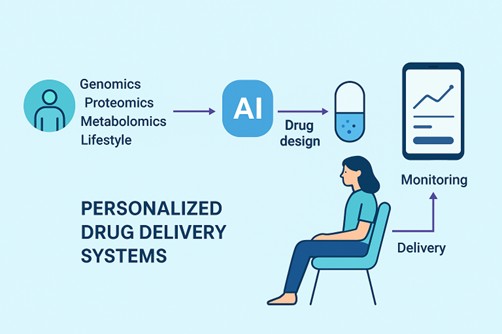
Figure 1. Overview of Personalized Drug Delivery Systems (PDDS).
2. Concept and Design Principles of Personalized Drug Delivery Systems (PDDS)
The concept of Personalized Drug Delivery Systems (PDDS) is rooted in the idea that therapeutic outcomes can be optimized when treatment strategies are customized to reflect each individual’s genetic, biochemical, and physiological characteristics. Unlike conventional formulations designed for the average patient, PDDS integrates patient-specific information to modulate how, when, and where a drug is released in the body. This approach transforms pharmacotherapy from a static, population-based process into a dynamic, adaptive, and precision-driven system [5].
2.1 Concept of PDDS
A PDDS represents the practical embodiment of personalized medicine. It encompasses the design, formulation, and administration of drugs tailored to the unique needs of a particular patient. Such systems leverage biological data, molecular diagnostics, and computational tools to determine the optimal drug, dose, route, and release kinetics required for maximal therapeutic benefit.
The underlying philosophy of PDDS lies in the integration of “patient data–driven drug design” with “technology-enabled drug delivery.” Patient-specific information—derived from genomics, proteomics, metabolomics, and clinical profiling—is analyzed using artificial intelligence (AI) algorithms to predict drug response patterns. These insights guide the development of delivery systems capable of releasing the therapeutic agent in precise spatiotemporal patterns that align with the patient’s biological rhythm and disease state [6].
2.2 Key Design Principles
The rational design of PDDS follows several scientific and engineering principles that together define its structure and performance.
a. Patient-Centered Formulation
The foundation of PDDS lies in designing formulations that account for interindividual variability. Key parameters such as metabolic rate, enzyme expression, genetic polymorphisms (especially in cytochrome P450 enzymes), organ function, age, and lifestyle are considered to personalize the drug release profile.
b. Target-Specific Delivery
PDDS emphasizes site-specific targeting to ensure the drug acts only where it is needed, thereby minimizing off-target effects. Nanocarriers—such as liposomes, polymeric nanoparticles, dendrimers, and micelles—are commonly employed to transport therapeutic agents to disease-specific tissues or cells expressing unique biomarkers [7].
c. Controlled and Programmable Release
Unlike traditional sustained-release systems, PDDS can dynamically regulate drug release in response to physiological signals such as pH, temperature, or enzyme concentration. Smart polymers and stimuli-responsive materials enable on-demand drug release, maintaining therapeutic levels and preventing dose dumping.
d. Integration of Diagnostics and Therapy (Theranostics)
PDDS combines diagnostic and therapeutic functions within a single platform. By using molecular markers or biosensors, clinicians can monitor treatment response in real time and adjust drug delivery parameters accordingly. This theranostic approach allows proactive control over therapy instead of passive observation.
e. Data-Driven Optimization
Artificial intelligence, machine learning, and bioinformatics play a vital role in refining PDDS design. These tools analyze complex biological datasets to identify patterns in drug metabolism and disease progression. Predictive algorithms can simulate patient-specific pharmacokinetics, guiding formulation scientists in optimizing dose and release kinetics before clinical administration [8].
f. Customizable Formulation Technology
Emerging technologies like 3D printing allow the fabrication of individualized dosage forms that incorporate multiple drugs or customized release profiles within a single tablet. Such flexibility supports complex therapies for chronic or multi-systemic diseases where combination regimens are required.
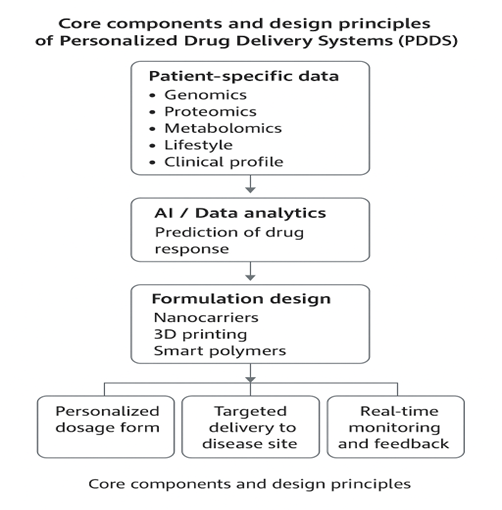
Figure.2. Core Components and Design Principles of PDDS.
3. Scientific Basis of Personalization
The foundation of personalized drug delivery lies in understanding the biological diversity that governs how individuals respond to medications. Variations in genetic, molecular, physiological, and environmental factors play a decisive role in drug absorption, metabolism, distribution, and excretion. These differences often explain why a medication that is highly effective in one patient may cause suboptimal outcomes or adverse reactions in another. Personalized Drug Delivery Systems (PDDS) aim to bridge this variability by using biological data to guide therapeutic design and delivery, ensuring maximum efficacy with minimal toxicity [9].
3.1 Pharmacogenomics: Genetic Blueprint of Drug Response
Pharmacogenomics is the cornerstone of personalized therapy, focusing on how genetic variations influence drug response and metabolism. Differences in genes encoding drug-metabolizing enzymes, transporters, and receptors can significantly affect pharmacokinetic and pharmacodynamic behavior. For instance, polymorphisms in the cytochrome P450 (CYP450) enzyme family alter the rate at which drugs are metabolized, impacting therapeutic efficacy and toxicity [10].
Through pharmacogenomic testing, clinicians can categorize patients as poor, intermediate, extensive, or ultra-rapid metabolizers for specific drugs, enabling accurate dose adjustments before therapy begins. Such insights are invaluable for designing personalized delivery systems that release the drug at an optimal rate suited to the patient’s metabolic profile. By integrating this genetic information with PDDS, it becomes possible to tailor both the drug composition and the release kinetics to an individual’s unique genetic makeup, reducing the likelihood of therapeutic failure.
3.2 Molecular and Biochemical Profiling
While pharmacogenomics addresses genetic factors, proteomics and metabolomics provide functional insights into the molecular processes influencing drug response.
Proteomics examines variations in protein expression and structure that can alter drug binding, receptor interaction, and cellular signaling.
Metabolomics evaluates the small-molecule metabolites within cells or biofluids, reflecting an individual’s metabolic state, enzyme activity, and disease progression.
Together, these “omics” technologies contribute to precision formulation design—identifying which molecular pathways to target and how to control drug release for maximum therapeutic benefit. For example, abnormal expression of efflux transporters in tumor tissues can guide the design of nanocarriers capable of bypassing resistance mechanisms.
3.3 Clinical, Physiological, and Environmental Determinants
Beyond molecular biology, PDDS considers real-world factors such as age, gender, diet, body mass, organ function, lifestyle, and environmental exposure. Each of these parameters influences how drugs are absorbed, distributed, and eliminated.
For instance, hepatic or renal impairment can significantly alter drug clearance, requiring modified release profiles to avoid toxicity. Similarly, dietary habits can modulate gastric pH or enzyme activity, affecting oral bioavailability. Personalized formulations account for these factors by adjusting polymer composition, particle size, or excipient ratios to maintain steady therapeutic levels under diverse physiological conditions [11].
3.4 Integrative Biological Modeling
To transform biological variability into actionable data, PDDS relies on integrated computational modeling. These models simulate how drugs interact with the body’s biological systems, combining pharmacogenomic information, metabolic data, and physiological parameters.
Machine learning algorithms process these complex datasets to predict optimal dosage and delivery patterns for individual patients. This bioinformatics-driven optimization ensures that PDDS are not merely reactive to patient diversity but proactively designed to align with it.
3.5 Translational Impact
The integration of genetics, molecular profiling, and patient-specific modeling allows PDDS to evolve from experimental systems into clinically viable solutions. In oncology, for instance, genetic markers such as HER2, EGFR, and KRAS guide both drug selection and delivery route. In cardiovascular therapy, genotyping for CYP2C19 aids in optimizing the use of antiplatelet drugs like clopidogrel. By combining molecular diagnostics with smart formulation technologies, PDDS provides a bridge between laboratory innovation and clinical precision.
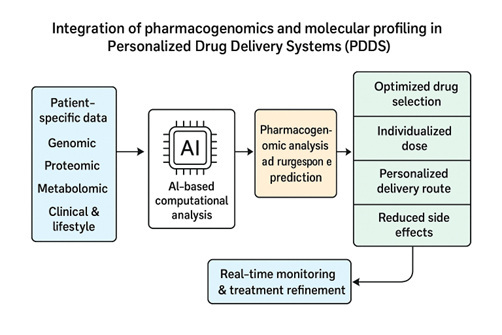
Figure 3. Integration of pharmacogenomics and molecular profiling in Personalized Drug Delivery Systems (PDDS).
4. Technological Platforms in Personalized Drug Delivery
Personalized Drug Delivery Systems (PDDS) rely on a diverse set of technologies that bridge the gap between biological understanding and clinical application. These platforms translate molecular and genetic insights into practical solutions that can deliver drugs precisely, safely, and effectively. Among the most impactful technologies in this domain are nanotechnology-based delivery systems, 3D printing (additive manufacturing), bioelectronics and biosensor devices, and telepharmacy frameworks. Each of these innovations plays a critical role in enhancing the personalization, precision, and adaptability of therapeutic regimens [12].
4.1 Nanotechnology-Based Drug Delivery Systems
Nanotechnology serves as the cornerstone of modern PDDS by enabling targeted, controlled, and efficient drug delivery at the molecular level. Nanocarriers—including liposomes, polymeric nanoparticles, dendrimers, micelles, solid lipid nanoparticles, and gold nanostructures—provide the capability to encapsulate active agents and transport them directly to specific tissues or cells. Their small size (1–100 nm) allows them to penetrate biological barriers such as the blood–brain barrier and to accumulate preferentially in diseased tissues through enhanced permeability and retention (EPR) effects [13].
Through surface modification with ligands, antibodies, or aptamers, nanocarriers can achieve receptor-mediated targeting, ensuring drug release occurs specifically at the disease site while minimizing exposure to healthy tissues. This approach not only enhances therapeutic efficacy but also reduces systemic toxicity—a key requirement for personalized therapy. Furthermore, stimuli-responsive nanocarriers, capable of releasing drugs in response to physiological signals such as pH, temperature, enzyme concentration, or magnetic fields, exemplify the adaptive nature of PDDS. These systems allow fine-tuned, patient-specific modulation of drug release profiles in real time.
4.2 3D Printing for Customized Dosage Forms
The emergence of 3D printing (3DP) or additive manufacturing has introduced an entirely new dimension to personalized medicine. This technology fabricates dosage forms layer by layer from digital blueprints, allowing the creation of patient-tailored formulations with precise drug loading, geometry, and release characteristics [14].
Unlike conventional tablet manufacturing, 3D printing enables customization based on patient-specific pharmacokinetic requirements, age, or disease condition. By adjusting structural parameters—such as porosity, surface area, and infill pattern—scientists can control drug dissolution and release kinetics. This facilitates the production of polypills, which combine multiple drugs into a single tablet, each with distinct release profiles suited to complex treatment regimens such as diabetes, hypertension, or cancer therapy.
A landmark in this field was the U.S. FDA’s 2015 approval of Spritam®, the first 3D-printed drug, demonstrating the regulatory feasibility of additive manufacturing in pharmaceuticals. In personalized therapy, 3D printing allows on-demand production of tailored doses, reducing waste, improving adherence, and enabling rapid formulation adjustments in response to real-time patient data [15].
4.3 Bioelectronic Devices and Biosensors
The integration of bioelectronics and biosensors into PDDS represents a convergence between engineering and biomedicine. Bioelectronic systems can monitor physiological parameters, modulate biological responses, and even trigger drug release based on electrical or chemical signals [16].
Biosensors, in particular, serve as analytical devices that combine biological recognition elements (such as enzymes, antibodies, or nucleic acids) with transducers to detect analytes and convert their responses into measurable electrical signals. These tools are critical for real-time monitoring of biomarkers like glucose, electrolytes, or neurotransmitters—enabling closed-loop drug delivery systems that automatically adjust dosing based on detected biomarker levels.
For example, implantable biosensor-linked insulin pumps can sense fluctuations in blood glucose and respond by delivering precise amounts of insulin, providing an intelligent feedback-controlled system. Similarly, brain and cardiac pacemakers, which deliver electrical impulses to correct arrhythmias or neurological dysfunctions, exemplify how bioelectronics extend beyond monitoring to therapeutic intervention. These technologies represent the shift from reactive treatment to autonomous, adaptive therapy—a defining attribute of PDDS.
4.4 Telepharmacy and Digital Health Integration
In the broader context of personalized care, telepharmacy and digital health platforms ensure accessibility, continuous patient monitoring, and data integration across distances. Telepharmacy involves delivering pharmaceutical services—such as prescription verification, patient counseling, and medication management—through secure telecommunication systems [17].
This model is especially valuable for rural or resource-limited areas where direct access to healthcare professionals is limited. Within PDDS, telepharmacy plays a pivotal role in remote therapeutic monitoring, allowing pharmacists and clinicians to assess drug response data transmitted from smart delivery devices and wearable biosensors. This enables timely dose adjustments and improves treatment adherence.
The fusion of telepharmacy with PDDS also fosters data-driven personalization: electronic health records, patient feedback, and real-time biosensor data collectively refine dosing algorithms. Although challenges such as data privacy, technical infrastructure, and professional oversight remain, telepharmacy is poised to become an integral component of personalized pharmaceutical care in the digital era.
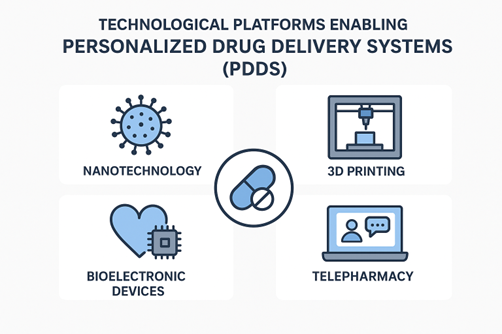
Figure 4. Technological platforms enabling Personalized Drug Delivery Systems (PDDS).
5. Role of Artificial Intelligence and Data Analytics in PDDS
The integration of artificial intelligence (AI) and data analytics into Personalized Drug Delivery Systems (PDDS) represents a transformative step toward precision healthcare. As the volume of biological, clinical, and environmental data continues to expand, AI offers the analytical power needed to convert this information into actionable therapeutic insights. Machine learning (ML), deep learning (DL), and computational modeling enable the identification of hidden patterns in patient datasets, predicting drug response, optimizing formulation parameters, and facilitating adaptive drug delivery in real time [18].
5.1 AI-Driven Drug Response Prediction
A major challenge in pharmacotherapy is anticipating how an individual patient will respond to a specific medication. Conventional models rely heavily on population averages, often leading to unpredictable therapeutic outcomes. AI circumvents this limitation by learning from large, multidimensional datasets that include genetic, metabolic, proteomic, and clinical information.
Machine learning algorithms—such as random forests, neural networks, and support vector machines—can classify patients according to their likely therapeutic response or risk of adverse effects. For example, AI systems trained on pharmacogenomic data can predict enzyme polymorphisms that affect drug metabolism, guiding formulation scientists to design delivery systems with optimal release kinetics for that genetic profile [19].
5.2 Optimization of Formulation and Process Design
AI tools have become invaluable in pharmaceutical formulation development, where complex interactions between excipients, process variables, and drug physicochemical properties can be difficult to model experimentally. Advanced algorithms can simulate multiple formulation scenarios to determine the ideal combination of particle size, polymer ratio, and release modifiers.
This approach supports the development of adaptive formulations that can be modified according to patient-specific pharmacokinetic profiles. For instance, reinforcement learning algorithms can continuously improve formulation design based on patient feedback, allowing PDDS to function as a self-optimizing system. Moreover, integration with Quality by Design (QbD) frameworks ensures robust process control, minimizing variability while maintaining high reproducibility [20].
5.3 Real-Time Monitoring and Feedback Control
AI-enabled PDDS goes beyond static drug delivery by incorporating closed-loop feedback systems that continuously monitor physiological parameters through wearable or implantable sensors. These devices collect real-time data—such as heart rate, glucose levels, or inflammatory markers—which are analyzed by AI algorithms to trigger or modulate drug release accordingly.
For example, in diabetic therapy, smart insulin pumps utilize glucose sensors linked to AI-driven control systems that automatically adjust insulin dosing, maintaining normoglycemia with minimal user intervention. Similar systems are being explored in oncology, where biosensors detect tumor biomarkers and initiate localized drug release within nanocarriers. This dynamic adaptability distinguishes PDDS from traditional delivery methods, creating a truly intelligent therapeutic platform.
5.4 Big Data Analytics and Predictive Modeling
The effectiveness of AI in PDDS depends on the quality and comprehensiveness of available data. Big data analytics aggregates information from clinical trials, electronic health records, wearable devices, and pharmacovigilance databases. Predictive modeling integrates these datasets to create patient-specific risk profiles and identify potential therapeutic targets.
By applying deep learning frameworks to population-scale datasets, researchers can identify new correlations between genetic variants and drug responses that were previously undetectable. This information can then inform the development of next-generation PDDS, ensuring that drug design and delivery strategies remain adaptive to evolving biological insights [21].
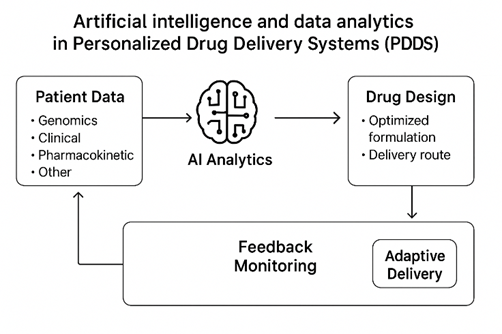
Figure 5. Artificial intelligence and data analytics in Personalized Drug Delivery Systems (PDDS).
5.5 Ethical and Regulatory Considerations
Despite its promise, the implementation of AI in PDDS raises several ethical and regulatory challenges. Data privacy, algorithmic transparency, and clinical accountability must be carefully managed to ensure patient trust. Regulatory agencies such as the FDA and EMA are increasingly developing frameworks to evaluate AI-driven medical systems for safety, reproducibility, and data integrity. As these standards mature, AI is expected to become an integral part of both drug development pipelines and personalized therapy administration, supporting the ethical deployment of digital health technologies in clinical practice [22].
6. Clinical and Therapeutic Applications of PDDS
The translation of Personalized Drug Delivery Systems (PDDS) from conceptual design to clinical reality has redefined modern therapeutics. These systems are being increasingly adopted in various medical domains, offering individualized treatment strategies that enhance efficacy, minimize side effects, and improve patient adherence. Through the integration of pharmacogenomics, nanotechnology, and AI-driven data analytics, PDDS has demonstrated substantial benefits across several therapeutic areas—including oncology, cardiovascular diseases, neurological disorders, and metabolic conditions [23].
6.1 Oncology: Precision Targeting in Cancer Therapy
Cancer therapy represents one of the most advanced applications of PDDS due to the complex heterogeneity of tumors and the variability in individual genetic profiles. Traditional chemotherapeutic regimens often lack specificity, leading to systemic toxicity and variable patient responses. PDDS addresses these limitations by combining molecular diagnostics with targeted delivery technologies to achieve precision treatment.
Nanocarriers such as liposomes, polymeric micelles, and dendrimers can be functionalized with tumor-specific ligands or antibodies (e.g., folate, transferrin, or HER2-binding peptides) to deliver cytotoxic drugs directly to malignant cells. These formulations minimize damage to healthy tissues while enhancing drug accumulation at the tumor site via receptor-mediated endocytosis [24].
Pharmacogenomic data also guide oncologists in selecting drugs that correspond to specific genetic mutations—for instance, HER2-positive breast cancer patients benefit from trastuzumab, whereas those with EGFR or KRAS mutations in lung and colorectal cancers require tailored regimens. Personalized nanocarrier-based PDDS platforms further enable stimuli-responsive release, ensuring that drug activation occurs only in the tumor microenvironment, such as acidic pH or elevated enzyme levels.
6.2 Cardiovascular Diseases: Genotype-Guided Therapy
Personalized drug delivery also holds major promise in cardiovascular medicine, where interindividual variability in drug response can significantly influence treatment outcomes. Pharmacogenomic studies have revealed polymorphisms in genes such as CYP2C19 and VKORC1, which affect the metabolism of antiplatelet drugs (e.g., clopidogrel) and anticoagulants (e.g., warfarin), respectively [25].
By incorporating genetic testing data, PDDS platforms can optimize dosage forms for such medications to maintain therapeutic balance between efficacy and safety. Controlled-release transdermal patches and smart oral dosage forms can be programmed to release drugs according to a patient’s metabolic capacity, thereby preventing both underdosing and bleeding risks. Furthermore, continuous feedback via wearable biosensors allows real-time adjustment of therapy, ensuring dynamic control over cardiovascular risk parameters such as blood pressure, heart rate, and coagulation status.
6.3 Neurological and Psychiatric Disorders
The delivery of drugs across the blood–brain barrier (BBB) remains one of the greatest challenges in central nervous system (CNS) therapy. PDDS provides innovative strategies for crossing this physiological barrier through nanocarrier-mediated transport and receptor-targeted mechanisms.
For neurological conditions such as Parkinson’s disease, Alzheimer’s disease, and epilepsy, nanoparticle-based PDDS can deliver drugs or neuroprotective agents directly to the brain via receptor-mediated transcytosis or intranasal administration routes. For example, dopamine-loaded nanoparticles have shown improved stability and targeted uptake in dopaminergic neurons, enhancing treatment efficacy while reducing systemic side effects [26].
In psychiatric care, pharmacogenomic testing assists in tailoring antidepressant or antipsychotic therapy based on variations in CYP2D6 or CYP2C19 genes, which influence metabolism of SSRIs, SNRIs, and atypical antipsychotics. Controlled-release and personalized formulations derived from PDDS principles ensure sustained therapeutic plasma levels, improving patient compliance and minimizing withdrawal effects.
6.4 Endocrine and Metabolic Disorders
Endocrine and metabolic diseases—such as diabetes, obesity, and thyroid dysfunction—benefit greatly from PDDS due to their chronic, long-term management requirements. In diabetes management, biosensor-integrated insulin pumps represent a milestone in personalized delivery. These systems automatically monitor blood glucose levels and release insulin in real time through closed-loop feedback, mimicking physiological insulin secretion patterns [27].
Furthermore, emerging smart oral and transdermal systems are being developed to deliver peptides and hormones such as GLP-1 analogs or thyroxine with enhanced stability and absorption. Integration of AI-based analytics with wearable glucose monitors supports adaptive insulin dosing, reducing the risk of hypo- or hyperglycemia. This technological synergy represents the transition toward autonomous, precision-controlled therapy in metabolic care.
6.5 Infectious and Immunological Diseases
PDDS also plays a crucial role in addressing variability in immune response and drug metabolism among patients suffering from infectious or autoimmune diseases. Tailored nanocarriers can be employed for site-specific antimicrobial delivery, ensuring optimal drug concentrations at infection sites while minimizing systemic toxicity.
For instance, nanoencapsulation of antitubercular or antiviral agents enables targeted pulmonary or hepatic delivery, improving bioavailability and reducing dosing frequency. In immunotherapy, personalized peptide vaccines and gene-based delivery systems are being developed to align immune activation with the patient’s specific antigenic profile. Such individualized immunomodulation strategies enhance vaccine efficacy and tolerance [28].
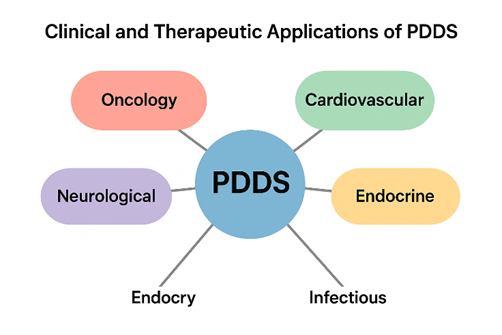
Figure 6. Clinical and therapeutic applications of Personalized Drug Delivery Systems (PDDS).
7. Challenges and Future Perspectives
While Personalized Drug Delivery Systems (PDDS) hold immense potential to revolutionize modern therapeutics, their large-scale translation from laboratory innovation to clinical practice remains a formidable challenge. Despite remarkable progress in nanotechnology, pharmacogenomics, and digital health integration, several scientific, regulatory, ethical, and economic barriers continue to limit their widespread adoption. Addressing these limitations is critical to realizing the full promise of PDDS within the framework of precision medicine [29].
7.1 Scientific and Technical Challenges
A primary limitation lies in the complexity of biological systems and their variability across individuals. Although PDDS aims to tailor therapy based on genetic and physiological profiles, interpatient variability often extends beyond genomics to include epigenetic modifications, microbiome composition, and environmental influences—factors that are still not fully understood or quantifiable.
Moreover, the design and fabrication of adaptive delivery systems require precise control over materials, particle size, and release mechanisms. Even minor deviations can affect drug stability or therapeutic outcomes. Ensuring batch-to-batch reproducibility, particularly for nanocarrier-based formulations and 3D-printed dosage forms, remains a major technical hurdle [30].
Another challenge is the limited predictive accuracy of preclinical models, which often fail to fully replicate the complexity of human physiology. As a result, formulations that show promising results in vitro or in animal studies may underperform in clinical trials. Developing better in silico and organ-on-chip models could significantly enhance predictive reliability in future PDDS development.
7.2 Data Integration and Computational Limitations
AI and data analytics are central to PDDS, but their effectiveness depends on the availability, quality, and interoperability of patient data. Incomplete or biased datasets can lead to flawed algorithmic predictions and inconsistent therapeutic outcomes. Moreover, healthcare systems worldwide operate under fragmented data infrastructures, preventing seamless integration of genomics, clinical records, and sensor-based information.
Computational limitations such as algorithmic overfitting, lack of interpretability (the “black box” problem), and inadequate validation protocols pose additional barriers to clinical acceptance. Continuous refinement of machine learning models and the establishment of standardized data-sharing frameworks are therefore essential to ensure transparency, accuracy, and patient safety [31].
7.3 Ethical, Regulatory, and Legal Considerations
The integration of AI, genomics, and digital monitoring raises serious ethical and regulatory concerns. Patient privacy and data security are paramount, as sensitive health information is constantly being collected, analyzed, and transmitted across digital platforms. The risk of data breaches or unauthorized access could undermine patient trust and hinder adoption.
Furthermore, regulatory agencies such as the U.S. Food and Drug Administration (FDA) and the European Medicines Agency (EMA) are still evolving frameworks for evaluating AI-assisted drug delivery systems. Traditional drug approval processes, which focus on static formulations, may not fully apply to adaptive, feedback-driven PDDS. Clear guidelines for validation, reproducibility, and algorithmic accountability are needed to ensure safety and efficacy.
Legal questions concerning liability in the case of AI-driven therapeutic errors also remain unresolved. Should responsibility lie with the developer, the healthcare provider, or the algorithm itself? Establishing clear governance policies and ethical standards will be critical for the responsible deployment of PDDS in clinical settings.
7.4 Economic and Accessibility Barriers
The cost of developing and implementing personalized delivery technologies is currently high, limiting their accessibility, particularly in low- and middle-income countries. The integration of genomic testing, AI analytics, and advanced manufacturing (such as 3D printing or nanofabrication) significantly increases the overall cost of treatment.
To achieve equitable healthcare, strategies must focus on cost reduction and scalability through modular design, open-source data systems, and decentralized manufacturing models. Public–private partnerships and international research collaborations can also facilitate the translation of PDDS innovations into affordable, real-world solutions.
7.5 Future Perspectives
Despite existing barriers, the future of PDDS is exceptionally promising. Continuous advances in nanomaterials, bioresponsive polymers, and additive manufacturing are expected to yield next-generation systems capable of precise spatiotemporal control of drug release. The incorporation of biosensor networks and wearable devices will further enhance therapeutic monitoring and predictive analytics, allowing fully autonomous, self-regulating delivery platforms.
Furthermore, the integration of multi-omics data (genomics, proteomics, metabolomics, and microbiomics) will enable a deeper understanding of interindividual variability, allowing PDDS to evolve from personalized to predictive and preventive medicine. As global regulatory frameworks mature and AI systems become more transparent and reliable, PDDS will likely emerge as the gold standard for individualized therapy—balancing technological sophistication with clinical practicality.
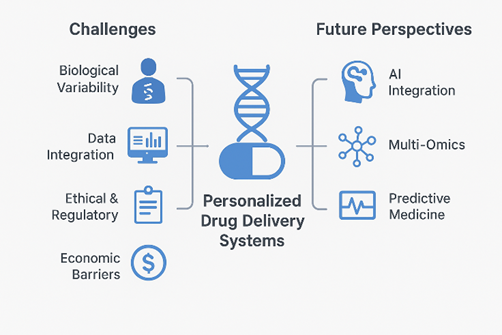
Figure 7. Challenges and future perspectives in Personalized Drug Delivery Systems (PDDS).
CONCLUSION
The advent of Personalized Drug Delivery Systems (PDDS) marks a decisive turning point in the evolution of precision medicine. By integrating pharmacogenomics, nanotechnology, artificial intelligence, and digital health analytics, PDDS transcends the limitations of traditional “one-size-fits-all” therapeutics and ushers in a new era of patient-centric treatment. These systems harness biological individuality—genetic, molecular, and physiological—to optimize dosage, delivery route, and therapeutic response, ensuring maximum efficacy with minimal toxicity.
The review underscores how PDDS unites diverse technological domains—nanocarriers, 3D printing, bioelectronics, biosensors, and telepharmacy—into a cohesive framework that delivers tailored, responsive, and intelligent therapy. Advances in pharmacogenomics and multi-omics profiling have enabled a deeper understanding of interindividual variability, while AI-driven analytics facilitate real-time monitoring and adaptive control of drug release. Together, these innovations transform pharmacotherapy from a static process into a dynamic, data-driven healthcare system capable of continuous learning and optimization.
Despite remarkable progress, the widespread clinical adoption of PDDS still faces challenges related to data integration, regulatory standardization, manufacturing scalability, and cost-efficiency. Addressing these issues requires interdisciplinary collaboration among pharmaceutical scientists, data engineers, regulatory bodies, and healthcare providers. The development of transparent AI models, ethical data governance frameworks, and globally harmonized quality standards will be essential to translate PDDS into routine clinical practice.
Looking forward, the future of PDDS lies in intelligent, adaptive systems that can anticipate therapeutic needs before symptoms emerge—transforming medicine from reactive treatment to predictive and preventive care. The continued fusion of multi-omics insights, smart biomaterials, and AI-guided analytics will propel PDDS to the forefront of personalized healthcare, ultimately fulfilling the vision of safer, smarter, and truly individualized medicine.
REFERENCES



Sravanthi Gandu, Madhukar Udutha, Uday Kiran Pathri, Personalized Drug Delivery Systems: A New Era in Precision Medicine, Int. J. of Pharm. Sci., 2025, Vol 3, Issue 12, 2950-2965. https://doi.org/10.5281/zenodo.17985914
 10.5281/zenodo.17985914
