
Department of Microbiology, Shri Shivaji Mahavidyalaya, Barshi- 413411 (Dis. Solapur, Maharashtra), India
Plant-derived polysaccharides have emerged as promising biomaterials for microbiota-responsive colon-targeted drug delivery. Among them, inulin and pectin offer unique advantages due to their resistance to digestion in the upper gastrointestinal tract and selective degradation by colonic microbial enzymes. This enzymatic specificity enables precise drug release within the large intestine while minimizing premature systemic exposure. Beyond their role as carriers, these polysaccharides exert intrinsic prebiotic effects, producing short-chain fatty acids that support mucosal integrity and regulate inflammatory pathways. Recent advances in polymer modification, crosslinking, and nanocomposite fabrication have enhanced their mechanical stability, encapsulation efficiency, and dual responsiveness to pH and enzymatic triggers. Such systems demonstrate significant potential in the management of inflammatory bowel disease, colorectal cancer, and microbiome-associated disorders. This review highlights current progress in formulation strategies, mechanisms of microbial activation, pharmacokinetic performance, and future prospects of inulin- and pectin-based platforms as intelligent, sustainable systems for precision colon-specific therapeutics
Traditional drug delivery systems, such as conventional tablets, capsules, and oral suspensions, face multiple limitations that reduce therapeutic efficacy and patient outcomes. As illustrated in Figure 1, these limitations include poor site-specific targeting, premature drug degradation in the gastrointestinal tract, fluctuating plasma drug levels, low bioavailability, and systemic side effects. Such constraints underscore the need for advanced colon-targeted delivery platforms, like microbiota-activated inulin–pectin systems, which offer controlled, localized drug release and improved therapeutic precision. Among these systems, inulin and pectin are particularly valuable due to their resistance to digestion in the upper gastrointestinal tract and selective degradation by colonic microbiota [3,24]. Engineering inulin–pectin systems enable precision colon therapeutics for colorectal cancer, inflammatory bowel disease (IBD), and local infections by combining microbial responsiveness, swelling behavior, and tunable polymer architecture [10,20,22]. Plant-derived polysaccharides, such as inulin and pectin, have gained significant attention as microbiota-responsive carriers for colon-specific drug delivery. Inulin, a fructan-type polysaccharide, resists digestion in the stomach and small intestine but undergoes selective fermentation by colonic bacteria, enabling enzyme-triggered drug release [1,7,17] Similarly, pectin, composed primarily of galacturonic acid residues, exhibits gel-forming capacity and susceptibility to pectinolytic enzymes present in the colon, supporting controlled and localized drug release [8,25]. Their biodegradability, biocompatibility, and prebiotic nature make them ideal candidates for designing smart delivery platforms [5,14,24]. To enhance stability and modulate release kinetics, inulin and pectin are frequently combined with other polymers or formulated into microspheres, hydrogels, pellets, and film-coated systems tailored for colon targeting [4,9,16,28]. Beyond serving as carriers, these polysaccharides also contribute to gut microbiota modulation and short-chain fatty acid production, offering additional therapeutic benefits in inflammatory bowel disease and colorectal cancer management [6,20]. Thus, microbiota-triggered inulin–pectin systems represent a promising and sustainable approach for precision colon-targeted drug delivery.
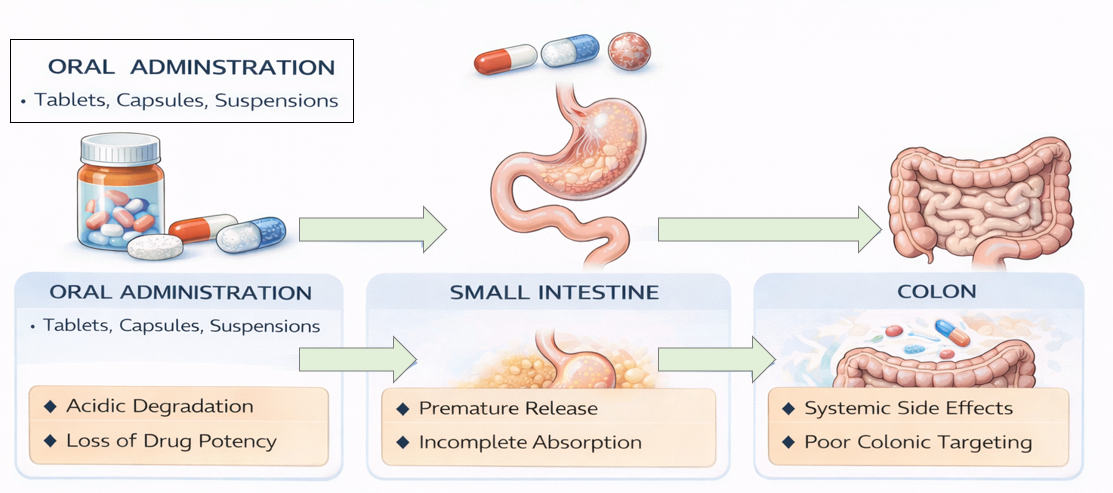
Figure 1. Limitations of Traditional Drug Delivery Systems
2. INULIN AND PECTIN AS MICROBIOTA-RESPONSIVE POLYSACCHARIDES
Inulin is a β-(2→1) fructan polysaccharide widely studied for colon-targeted drug delivery due to its stability in acidic gastric conditions and its susceptibility to fermentation by colonic microbiota [1,10]. Because human digestive enzymes cannot hydrolyze inulin in the upper gastrointestinal tract, it remains intact until it reaches the colon, where bacterial inulinases degrade it. This microbiota-triggered breakdown enables controlled and site-specific drug release. Furthermore, inulin’s prebiotic properties may beneficially modulate gut microbiota composition, potentially enhancing therapeutic outcomes in inflammatory and metabolic disorders [13,15]. Structural modifications such as crosslinking or methacrylation allow precise control over swelling behavior and degradation rates, improving release kinetics [21,27]. Pectin, a galacturonic acid–rich polysaccharide, is similarly resistant to digestion in the upper gastrointestinal tract but undergoes enzymatic degradation in the colon through pectinolytic enzymes secreted by gut bacteria [3,25]. Its performance in colon delivery systems depends on factors such as degree of methoxylation, crosslinking density, and blending with complementary polymers. High-methoxyl pectin systems have demonstrated swelling-controlled and microbially degradable behavior suitable for colon targeting [22]. Additionally, pectin-based microspheres and matrices have been successfully applied in delivering chemotherapeutic agents directly to the colon, reducing systemic toxicity [8,20].
Table 1. Structural and Functional Characteristics of Inulin and Pectin in Colon-Targeted Drug Delivery
|
Parameter |
Inulin |
Pectin |
Relevance to Colon Therapeutics |
Key References |
|
Chemical Structure |
Fructan composed of β-(2→1)-linked fructose units with terminal glucose |
Heteropolysaccharide rich in α-(1→4)-linked D-galacturonic acid |
Determines enzymatic susceptibility and degradation mechanism in colon |
[1], [25] |
|
Digestibility in Upper GIT |
Resistant to gastric acid and small intestinal enzymes |
Resistant to digestion in upper GIT; partially swells |
Enables intact transit to colon before activation |
[3], [24] |
|
Microbial Degradation |
Degraded by colonic inulinase-producing bacteria (e.g., Bifidobacteria) |
Degraded by pectinolytic enzymes from colonic microbiota |
Microbiota-triggered drug release mechanism |
[1], [25] |
|
Prebiotic Activity |
Strong prebiotic; modulates gut microbiota composition |
Mild prebiotic effects depending on structure |
Potential synergistic therapeutic effect with drug delivery |
[13], [15] |
|
Swelling Behavior |
Forms hydrogels when chemically modified; tunable swelling |
High water uptake; gel-forming capability |
Controls diffusion and release kinetics |
[21], [25] |
|
Degree of Polymerization (DP) / Methoxylation |
DP influences fermentation and degradation rate |
Degree of methoxylation affects gel strength and enzymatic susceptibility |
Critical parameter for controlled colon activation |
[21], [22], [27] |
|
Drug Compatibility |
Suitable for hydrophilic and hydrophobic drugs (via modification or complexation) |
Effective for encapsulating anti-inflammatory and anticancer drugs |
Broad applicability across therapeutic classes |
[9], [20] |
|
Formulation Versatility |
Hydrogels, nanoparticles, microspheres, hybrid composites |
Film coatings, microspheres, pellets, composite matrices |
Enables multiple dosage form designs |
[4], [8], [12] |
|
Biocompatibility |
Biodegradable and generally regarded as safe |
Biocompatible, widely used pharmaceutical excipient |
Suitable for chronic colon therapies |
[3] |
3. ENGINEERING STRATEGIES FOR MICROBIOTA-ACTIVATED INULIN–PECTIN COLON DELIVERY SYSTEMS
The successful design of microbiota-activated inulin–pectin platforms for precision colon therapeutics depends on rational polymer engineering, multi-stimuli responsiveness, and optimized drug encapsulation strategies.
3.1 Polymer Blending and Polyelectrolyte Complex Formation
One of the most effective strategies for colon targeting involves blending natural polysaccharides with complementary polymers to enhance mechanical strength and control release kinetics. Pectin and inulin are frequently combined with pH-sensitive polymers such as Eudragit® RS/RL or FS 30D to create hybrid systems that resist gastric conditions but activate in the colon [4,12]. For example, pellets prepared using pectin combined with Eudragit RS and RL via extrusion–spheronization have demonstrated improved colonic delivery of 5-aminosalicylic acid, reducing premature drug release in the upper gastrointestinal tract [4]. Similarly, alginate/Eudragit/inulin-based microspheres exhibit multi-stimuli responsiveness, combining pH-triggered swelling and microbiota-mediated degradation allowing more precise release of budesonide in pediatric colon-targeted formulations [12]. Polyelectrolyte complexes such as chitosan–pectin systems further enhance colon specificity. These complexes remain stable under acidic conditions but undergo enzymatic degradation in the colon, enabling controlled drug liberation [16,18].
3.2 Crosslinked Hydrogels and Matrix Systems
Crosslinking significantly influences swelling behavior, mechanical integrity, and enzymatic susceptibility. Inulin-based hydrogels, including methacrylated derivatives, allow precise modulation of network density and degradation rate [21,27]. By adjusting crosslinking degree and substitution patterns, researchers can tailor diffusion-controlled versus erosion-controlled drug release mechanisms. High-methoxyl pectin matrices have also demonstrated swellable and microbially degradable characteristics suitable for colon-specific delivery [22]. Composite inulin–pectin matrices show favorable biocompatibility and predictable degradation behavior, supporting sustained and localized therapeutic action [30]. Such hydrogel systems are particularly advantageous for chronic inflammatory diseases and colorectal cancer, where prolonged local drug exposure is desired.
3.3 Microspheres and Nanoparticle-Based Systems
Micro- and nano-scale carriers improve drug protection, enhance surface area, and enable more uniform release profiles. Pectin-based microspheres have been successfully developed for colon-specific delivery of antibiotics and anticancer drugs, minimizing systemic toxicity [8,20]. Resistant starch–pectin microspheres have demonstrated effective colon-targeted delivery of 5-fluorouracil [14]. Inulin nanoparticles represent another promising strategy. Honey-stabilized inulin nanoparticles and inulin–β-cyclodextrin hybrid systems have shown improved encapsulation of hydrophobic drugs while maintaining microbiota-triggered release properties [9,19]. Inulin–pectin colon-targeted systems can be formulated into various platforms to achieve precise, microbiota-activated drug delivery. Microspheres offer enzyme-responsive, site-specific release [8], while extrusion–spheronized pellets combining pectin and Eudragit® minimize premature release and improve targeting [4]. Multistimuli microspheres integrate pH and microbial triggers for controlled colonic delivery [12], and inulin-based nanoparticles enhance drug encapsulation and targeting efficiency [10,19]. Composite inulin–pectin matrices provide tunable degradation, biocompatibility, and versatility across multiple therapeutic agents [30]. Together, these formulations exemplify flexible strategies for localized treatment of inflammatory bowel disease and colorectal cancer.
Table 2. Representative Inulin–Pectin Colon-Targeted Formulations
|
Formulation Type |
Polymer System |
Model Drug |
Key Outcome |
References |
|
Microspheres |
Pectin-based microspheres |
Vancomycin |
Enzyme-triggered colon-specific release |
[8] |
|
Pellets (Extrusion–Spheronization) |
Pectin + Eudragit® RS/RL |
5-Aminosalicylic acid |
Reduced premature release; improved colon targeting |
[4] |
|
Multistimuli Microspheres |
Alginate/Eudragit® FS 30D/Inulin |
Budesonide |
Delayed release with enhanced colonic delivery |
[12] |
|
Nanoparticles |
Inulin-based nanoparticles |
Colon anticancer drugs |
Improved encapsulation and targeted delivery |
[10], [19] |
|
Composite Matrices |
Inulin–Pectin hybrid matrices |
Various therapeutic agents |
Controlled degradation and high biocompatibility |
[30] |
4. THERAPEUTIC APPLICATIONS AND CLINICAL TRANSLATION OF INULIN–PECTIN COLON PLATFORMS
Microbiota-activated inulin–pectin systems have progressed from conceptual polymer matrices to advanced therapeutic platforms with applications in colorectal cancer, inflammatory bowel disease (IBD), infectious colitis, and pediatric formulations. Their translational potential lies in their ability to deliver high local drug concentrations in the colon while minimizing systemic exposure and adverse effects [10].
4.1 Colorectal Cancer Therapy
Colorectal cancer (CRC) remains a major global health burden, and systemic chemotherapy often causes significant toxicity. Inulin- and pectin-based carriers enable localized delivery of chemotherapeutic agents directly to tumor sites within the colon [10,20]. Pectin polymers have been engineered for colon-targeted antitumor drug delivery, leveraging microbial degradation to release cytotoxic agents specifically in colonic tissue [20]. Similarly, inulin-based nanotechnological systems have demonstrated sustained and site-specific release for colon cancer targeting, improving drug stability during gastrointestinal transit [10]. Resistant starch–pectin microspheres have been developed for colon-specific delivery of 5-fluorouracil, enhancing local therapeutic action while reducing premature drug release in the upper gastrointestinal tract [14]. These strategies reduce systemic toxicity and improve therapeutic index critical factors in oncologic treatment design.
4.2 Inflammatory Bowel Disease (IBD)
IBD, including ulcerative colitis and Crohn’s disease, requires localized anti-inflammatory therapy. Colon-targeted systems ensure that corticosteroids or aminosalicylates are released directly at inflamed sites, minimizing systemic steroid exposure [11,29]. Alginate/Eudragit®/inulin-based microspheres have been investigated for colonic budesonide delivery, demonstrating multi-stimuli responsiveness suitable for pediatric and inflammatory conditions [12]. Pectin–Eudragit pellet systems have also shown effective colon-targeted delivery of 5-aminosalicylic acid, a frontline therapy in ulcerative colitis [4]. Moreover, the intrinsic prebiotic effects of inulin may modulate gut microbiota composition, potentially supporting mucosal healing and endothelial function [13,15]. This dual therapeutic–microbiome modulation effect adds an additional dimension to precision therapy.
4.3 Antibiotic and Local Infection Management
Colon-specific antibiotic delivery can reduce systemic exposure and preserve healthy microbiota balance. Pectin-based microspheres have been developed for colon-targeted vancomycin delivery, ensuring localized antibacterial action in the colon [8]. Such systems are particularly valuable in treating colonic infections or microbiota-associated disorders, where site-selective drug release enhances efficacy while limiting off-target effects.
4.4 Pediatric and Special Population Formulations
Pediatric colon-targeted formulations require careful control of dose, release timing, and safety. Multi-stimuli responsive microspheres combining alginate, Eudragit®, and inulin have demonstrated promising performance in pediatric budesonide delivery systems [12]. Inulin–pectin composite matrices show favorable biocompatibility and degradation profiles, supporting their suitability for long-term therapeutic use in sensitive populations [30]. Their natural origin and low toxicity profile further strengthen their translational potential [3,24].
4.5 In Vitro–In Vivo Correlation and Regulatory Considerations
A major challenge in colon-targeted delivery is ensuring reliable in vitro–in vivo correlation. Studies comparing laboratory dissolution models with in vivo performance highlight the importance of integrating pH-responsive coatings and microbial degradation triggers to achieve predictable colon release [2,29]. Multi-stimuli systems that combine microbial sensitivity with pH or time-controlled mechanisms improve targeting reliability across patient variability [11,26]. Future regulatory advancement will depend on standardized in vitro colon simulation models and robust pharmacokinetic validation.

*(IBD – Inflammatory Bowel Disease, CRC – Colorectal Cancer)
Figure 1. Mechanism of Stability and Microbiota-Activated Drug Release of Inulin–Pectin Colon Delivery System
5. CHALLENGES, LIMITATIONS OF INULIN–PECTIN COLON DELIVERY PLATFORMS
Despite significant progress in microbiota-activated inulin–pectin systems, several formulations, physiological, and translational challenges must be addressed to achieve reliable and scalable precision colon therapeutics.
5.1 Variability in Colonic Microbiota
A fundamental principle of inulin–pectin platforms is enzymatic degradation by colonic microbiota. However, inter-individual variability in gut microbial composition may significantly influence degradation rates and drug release kinetics. Since inulin is fermented primarily by Bifidobacteria and other saccharolytic species [1,10], differences in microbial abundance can alter therapeutic performance. Similarly, pectin degradation depends on pectinolytic enzyme activity, which may vary in patients with dysbiosis, IBD, or after antibiotic therapy [3,25]. This variability complicates prediction of in vivo release profiles and highlights the need for patient-specific or adaptable delivery strategies.
5.2 In Vitro–In Vivo Correlation (IVIVC)
Establishing robust IVIVC remains a major challenge in colon-targeted systems. Standard dissolution models often fail to fully replicate the dynamic pH gradients, transit times, pressure conditions, and enzymatic environment of the human colon [2,29]. While multi-stimuli systems combining pH-sensitive coatings with microbial degradation improve targeting reliability [11,26], translating laboratory findings into consistent clinical outcomes requires advanced colon simulation models and validated pharmacokinetic studies.
5.3 Mechanical Stability and Premature Drug Release
Natural polysaccharides are inherently hydrophilic and may swell prematurely in upper gastrointestinal fluids. Although polymer blending with Eudragit®, alginate, or chitosan improves structural integrity [4,12,16], optimizing coating thickness, crosslink density, and polymer ratio is critical to prevent early drug leakage. Composite inulin–pectin matrices demonstrate favorable biocompatibility and degradation behavior [30], yet balancing mechanical robustness with microbial sensitivity remains a delicate formulation challenge.
5.4 Drug–Polymer Compatibility
The physicochemical nature of the encapsulated drug significantly influences system performance. Hydrophilic drugs may diffuse rapidly through swollen matrices, while hydrophobic drugs may exhibit poor encapsulation efficiency. Hybrid systems such as inulin–β-cyclodextrin complexes help improve solubility and loading of hydrophobic compounds [9]. Microsphere and nanoparticle engineering strategies enhance encapsulation efficiency and protect labile drugs from premature degradation [8,19], but scalability and reproducibility must be optimized for industrial translation.
6. DESIGN OPTIMIZATION AND ADVANCED CHARACTERIZATION OF INULIN–PECTIN COLON PLATFORMS
6.1 Rational Polymer Engineering
The optimization of inulin–pectin colon-targeted systems begin with rational polymer engineering, where structural parameters are carefully tailored to control degradation behavior and drug release kinetics. In inulin-based formulations, the degree of polymerization influences susceptibility to microbial fermentation and enzymatic hydrolysis in the colon, thereby modulating release timing [1,27]. Chemical modifications such as methacrylation further enable tunable crosslink density and hydrogel network formation, allowing precise control over swelling and mechanical integrity [21]. For pectin, the degree of methoxylation determines gelation properties and enzymatic degradability, which directly impacts colon-specific activation [25]. High-methoxyl pectin systems demonstrate controlled swelling and microbially degradable behavior suitable for colon targeting [22]. Additionally, blending inulin or pectin with synthetic polymers such as Eudragit® enhances resistance to premature drug release in the stomach and small intestine while maintaining microbial responsiveness in the colon [4,12].
6.2 Swelling Behavior and Enzymatic Degradation
Swelling dynamics play a critical role in regulating drug diffusion and release kinetics. Hydrophilic polysaccharide matrices absorb gastrointestinal fluids, and the extent of swelling determines whether drug release is diffusion-controlled or erosion-controlled. Sequential dissolution testing across simulated gastric, intestinal, and colonic environments helps predict in vivo behavior and improve in vitro–in vivo correlation [2,29]. Enzymatic degradation studies using pectinase and inulinase provide mechanistic insight into microbiota-triggered activation [3,25]. Drug release from inulin–pectin systems often result from a synergistic mechanism combining matrix swelling, enzymatic cleavage, and gradual erosion, enabling site-specific delivery in the colon.
6.3 Particle Engineering and Delivery Architecture
Advanced particle engineering strategies enhance colon targeting efficiency and drug stability. Pectin-based microspheres and resistant starch–pectin composites have demonstrated effective colon-specific delivery of chemotherapeutics and anti-inflammatory agents [8,14,20]. Similarly, inulin nanoparticles and hybrid inulin–β-cyclodextrin systems improve encapsulation efficiency and facilitate controlled release of hydrophobic drugs [9,19]. Particle size and morphology significantly influence gastrointestinal transit, mucosal adhesion, and cellular uptake factors particularly relevant for colorectal cancer therapy [10]. Techniques such as extrusion–spheronization, ionic gelation, and spray-drying enable precise control over particle size distribution and structural uniformity [4,12].
6.4 Biocompatibility and Safety Evaluation
Ensuring safety and compatibility with colonic tissues is essential for chronic therapeutic applications. Inulin–pectin matrices exhibit favorable degradation profiles and minimal toxicity, supporting their suitability for long-term administration [30]. As food-grade polysaccharides widely used in pharmaceutical applications, both polymers offer inherent biocompatibility advantages over fully synthetic systems [3,24]. Preclinical evaluation typically includes cytotoxicity assays, inflammatory marker analysis, and histopathological studies to confirm tissue compatibility and absence of adverse reactions.
6.5 Pharmacokinetic Validation and Translational Considerations
In vivo pharmacokinetic studies are necessary to confirm colon-specific activation. Effective systems demonstrate delayed drug release consistent with colonic transit time, reduced systemic peak concentrations, and enhanced local drug availability [2,29]. Multi-stimuli systems that combine microbial degradation with pH-sensitive coatings further strengthen targeting precision under physiological variability [11,26].
7. CONCLUSION AND FUTURE PROSPECTS
Microbiota-activated inulin–pectin platforms represent a biologically intelligent approach to colon-specific drug delivery, integrating natural polymer chemistry with the enzymatic capabilities of the gut microbiome. By exploiting the resistance of inulin and pectin to upper gastrointestinal digestion and their selective degradation by colonic bacteria, these systems achieve spatially controlled drug release precisely where therapeutic action is needed. Their adaptability across hydrogels, microspheres, nanoparticles, and hybrid multi-stimuli systems underscores their versatility in addressing colorectal cancer, inflammatory bowel disease, localized infections, and pediatric therapeutic needs [1,17]. The future of these platforms lies in enhancing precision, personalization, and translational reliability. Advances in polymer modification such as controlled crosslinking, methacrylation, and polymer blending continue to refine release kinetics and mechanical stability [21,22]. At the same time, integration with pH-sensitive coatings and multi-layer delivery systems improves robustness against physiological variability [11,26,29]. Importantly, inulin’s intrinsic prebiotic properties offer the possibility of synergistic therapy, where drug delivery and microbiome modulation occur simultaneously [13,15]. However, challenges remain in standardizing in vitro–in vivo correlation models, accounting for microbiota variability among patients, and ensuring scalable, reproducible manufacturing processes [2,29]. Addressing these issues will require interdisciplinary collaboration among polymer scientists, microbiologists, pharmacologists, and clinicians. Engineered inulin–pectin systems exemplify the evolution of colon-targeted therapeutics from passive diffusion-based formulations to microbiome-responsive precision delivery platforms. Continued innovation in material design, microbiome-informed strategies, and translational validation will likely position these systems at the forefront of next-generation oral drug delivery technologies [4,12,30].
ACKNOWLEDGMENTS: The authors thank their affiliated institution for academic and technical support.
CONFLICT OF INTEREST: The authors declare no conflict of interest.
REFERENCES

Ajinkya Lade, Microbiota-Activated Polysaccharide Platforms: Engineering Inulin–Pectin Systems for Precision Colon Therapeutics Int. J. of Pharm. Sci., 2026, Vol 4, Issue 2, 2870-2880. https://doi.org/10.5281/zenodo.18683719
 10.5281/zenodo.18683719
