
View Article

Abstract

Obesity, insulin resistance, dyslipidaemia, and hypertension are interrelated through the shared pathophysiologic pathways, which makes metabolic dysfunction the primary cause of cardiovascular disease (CVD) in the world. Cardiometabolic disease is no longer focusing on risk factors separately but concentrating on the holistic inter-relationships of the cardiovascular system, metabolic system, liver and kidney systems. Obesity-associated insulin resistance and non-alcoholic fatty liver disease (NAFLD) all worsen myocardial remodelling, atherogenesis, systemic inflammation, and endothelial dysfunction and increase the risk of coronary artery disease, heart failure, arrhythmias, and stroke. The adipokine imbalance and ectopic fat deposition in the induction of cardiovascular damage through paracrine inflammatory signalling and lipotoxicity has increasingly found a place in the scientific literature. This involves fatty tissues surrounding the heart, surrounding blood vessels and in the liver. This paper will briefly describe the current state of the art in cardiometabolic syndrome and examine the biological links between metabolic malfunction and cardiovascular disease as well as discuss the emerging diagnostic and management options of reducing the risk of cardiometabolic complications through preventive and integrative approaches.

Keywords

Cardiometabolic syndrome; metabolic dysfunction; obesity; insulin resistance; non-alcoholic fatty liver disease; adipokines; ectopic fat; cardiovascular disease

Introduction

A massive global health disaster is metabolic dysregulation that is closely linked to increased prevalence of cardiovascular disease. Rebranding the metabolic syndrome into a cardiometabolic disease is a more accurate understanding of the risks of both diseases and gives a superior rationale as to why there should be a concerted effort to treat the two together.(1,2)Cardiovascular disease (CVD) is the leading cause of death among over 19 million people annually, and loss of disability-adjusted life years because of cardiovascular disease will increase to 437 million by 2023, which is 1.4 times greater than in 1990. Metabolic risks that include obesity, diabetes and hypertension are causing a projected 16.5 million fatalities and 325 million disability-adjusted life-years (DALYs) by 2029 which disproportionately affect older populations. There is a very large gap in gender pay with high income areas paying a disproportionate amount of this cost.(3,4,5)

The presence of obesity, dyslipidaemia, hypertension, and insulin resistance was lumped under the umbrella term of metabolic syndrome which did not take into consideration the special impact they had on the different organs such as kidney and liver disease. The association of metabolic, renal, and cardiac health led the American Heart Association to add the term cardiometabolic disease (and more recently cardiovascular-kidney-metabolic) CKM syndrome. The European Atherosclerosis Society recently categorizes the fatty liver disease as a systemic metabolic disorder (SMD) as part of their multi-organ approach.(6)These frameworks aim to mitigate the intelligence that prevented any progress in CVD, highlighting both the similarities in the origins of obesity and insulin resistance, which are prevalent among over 1 billion individuals in the world. The CKM and SMD recommend holistic strategies, which involve lifestyle changes, GLP-1 drugs, and multimorbidity screening to counter the rising trends due to lifestyle changes. Taking into account the fact that 60 percent of the population would be overweight in the year 2050, it is of crucial importance that they put a stress on the preventative and not on personal risks.(6)

Cardiometabolic Syndrome: Concept and Clinical Impact

  1. Current Diagnostic Criteria and Considerations

Cardiometabolic syndrome is a group of associated disorders characterized by core obesity, dysglycemia, hypertension, and atherogenic dyslipidaemia. A diagnosis is typically achieved by three out of five criteria of standardised recommendations including NCEP ATP III or IDF packages, without any mandatory component.(7,8,9)Critical criteria are belly fat (waist circumference above 102 cm in men and 88 cm in women), high cholesterol level (HDL level less than 40 mg/dl in men and less than 50 mg/dl in women), fasting glucose level (GS) of 100mg/dl, and blood pressure level (BP) of 130/85mmHg. This means that the body is insulin resistant which may cause damage to the vessels.(7,8,9)

Different organisations currently define it differently; the World Health Organization complicates the need by epidemiologists to establish insulin resistance; cutoffs are arbitrary and fail to identify danger early enough; and ethnicity-specific cutoffs, including waist difference, are disregarded. Children and non-overweight people are less susceptible to it as they categorize continuous dangers into two groups.(10,11,12,13) Focus on metabolic dysfunction that exceeds obesity, e.g. metabolic dysfunction-associated steatotic liver disease (MASLD, formerly NAFLD), which is hepatic steatosis accompanied by at least one metabolic risk factor (e.g. diabetes or hypertension). Gives preference to noninvasive biomarkers, fitness or leptin in ongoing risk ratings to enhance the early detection.(14,15,16)

  1. Epidemiology and Cardiovascular Risk

The NHANES statistics showed that the prevalence had already increased among the US adults to 34% by 2012. South Asians and Black women in particular were very much affected by it. Globally, it is more than 20 percent in Latin America and Europe, but within some of the Chinese cohorts has been twice higher in the past five years. A childish look identified by its effect to 3-5 percent of children.(17)Patients are twice as likely to have myocardial infarction and stroke which are atherosclerotic cardiovascular diseases. Metabolic syndrome is associated with the occurrence of atrial fibrillation and an adverse prognosis, and its hazard ratios can reach 1.98 major adverse cardiac events without confirmed CAD. Microvascular dysfunction and hypertrophy are the causes of heart failure risk.(18,19,)

Clustering increases the number of people killed; the hazard ratios grow to 2.22 (3 factors) as opposed to 1.37 (one factor) and this is more than the sum of the three hazards. When some or all of the risk factors are combined, e.g., obesity, hypertension and a high level of cholesterol, the threat of a stroke and coronary events is high. The cardiovascular disease history is a major determinant in prognosis of multimorbidity which develops rapidly.(20,21)

Obesity, Insulin Resistance, NAFLD, and Cardiovascular Disease

Overload of visceral fat results in hepatic steatosis and systemic inflammation which subsequently culminate in insulin resistance, non-alcoholic fatty liver disease (NAFLD) and cardiovascular disease. These are interdependent conditions termed as cardiometabolic pathways. These variables increase the risks through the ectopic fat deposition and proinflammatory cytokines by creating a bond between liver dysfunction and atherogenesis.(22,23)In individuals who are not excessively fat, the dysfunctional adipocytes in visceral obesity result in steatosis through an augmentation of the free fatty acid influx into the liver. It facilitates hyperinsulinemia and metabolic imbalance by lowering the efficiency of lipolysis suppression that subsequently elevates the level of insulin resistance.(24,25)


Hepatic fat is strongly linked to decreased insulin sensitivity and over 80 percent of NAFLD patients are resistant. Insulin resistance causes NAFLD. Hyperinsulinemia facilitates the cardiovascular disease by raising the levels of atherogenic lipids and very low-density lipoprotein (VLDL).(22,25)Besides dyslipidaemia cause and endothelial dysfunction, NAFLD poses a greater risk of developing CVD (OR 1.64-2.20 with T2DM) by making the NLRP3 inflammasome active due to the exposure to saturated fatty acids. Its symptoms are aggravated by inflammation of the Epicardial fat which involves hypertension, coronary disease, arrhythmias and heart failure.(26)
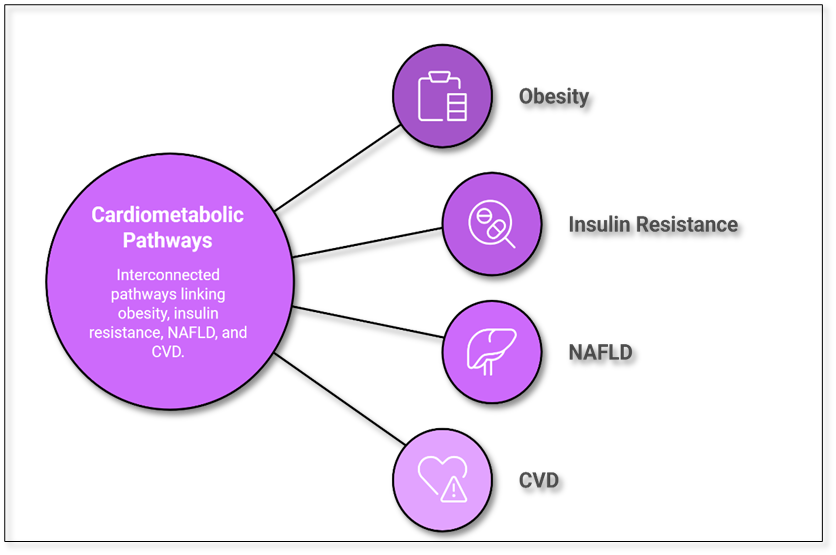
Figure 1: Schematic Representation of the Cardiometabolic Continuum

Role of Adipokines and Ectopic Fat in Cardiovascular Disease

Adiponectin, leptin which is implicated in hypertension when excessive, and resistin which is pro-inflammatory and implicated in endothelial dysfunction are important adipokines. The mechanisms of plaque formation and thrombosis are an augmentation of pro-inflammatory adipokines, including leptin and visfatin, and a reduction in preventive adipokines, including adiponectin, which take place in obesity.( 27,28,29)Heart failure of preserved ejection fraction (HFpEF) is also defined by the limitation of diastolic function and augmented fibrosis brought about by direct lipotoxicity, resulting to ectopic fat, in the myocardial, perivascular, and epicardial tissues. Pathogenic adipokines that are produced locally exacerbate coronary microvascular rarefaction and arrhythmias.(30,31)

Dysregulated adipokines promote systemic effects, including blood pressure rise because of renal salt retention, and endothelial nitric oxide inhibition, thereby raising the risks of coronary artery disease and stroke. In more severe situations, ectopic fat enhances myocardial insulin signalling causing hypertrophy and systolic dysfunction.(32,33)

Clinical Implications and Diagnostic Considerations

Cardiometabolic syndrome risk assessment should also include comprehensive risk assessment like imaging of ectopic fats, biomarkers of early metabolic dysfunction, as well as traditional measurements such as body mass index (BMI). These techniques detect metabolic cardiovascular prediction, with visceral obesity and subclinical disease.(34, )An indicator of ectopic fat, e.g. liver fat fraction by MRI, correlates with coronary events regardless of body mass index; hs-CRP, Lp(a), GDF-15 indicate atherogenesis via inflammation. Magnitudes of fibrosis (e.g., FIB-4) linked with non-alcoholic fatty liver disease are linked with more dire types of heart failure.(35)

Echo with sensitivity of over 80 might detect diastolic dysfunction, enlarged left atrials, and epicardial fat thickness, which may all be predictors of atrial fibrillation in metabolic syndrome. Subclinical systolic worsening, which is detected by strain imaging, is present before ejection fractions decrease.(19)The gold standard of determining the degree of fat infiltration and fibrosis in the myocardium, using T1 mapping, the degree of lipotoxicity of heart failure patients with ischaemic symptoms related to cardiometabolic features. Pericardial fat volume is a highly predictive of significant unfavourable cardiac events.(31)

Restricting 15-20% of all patients with identified metabolic risks to coronary artery calcium scoring would involve the integration of visceral fat, which involves non-contrast imaging. The CT attenuations of the epicardial and perivascular fat areas are done to determine the presence of inflammation and the likelihood of having plaque.(32)

Therapeutic Perspectives

  1. Lifestyle Interventions

Within just six months, insulin sensitivity, losing 5-10% of visceral fat, lowering HbA1c and blood pressure is seen by those who adhere to calorie-restricted Mediterranean, or low-carb diets. Studies including Look AHEAD have concluded that cardiovascular disease (CVD) events could be minimized by a quarter with aerobic exercise (150 minutes per week) combined with resistance training which enhanced mitochondrial functions and adiponectin levels.( 9 )      

  1. Insulin-Sensitizing Agents

Metformin lowers major adverse cardiac incident (MACE) by 31 percent in diabetes persons based on UKPDS follow-ups and causes moderate weight loss (2-3 kg). This effect is increased by Semaglutide and other GLP-1 receptor agonists, which inhibit hunger, offer immediate cardioprotection, and thereby a delay in atherosclerosis development.(7)

  1. Anti-Obesity Therapies

Tirzepatide enhances heart failure ejection in patients with HFpEF and leads to weight loss 15-20%. It also treats non-alcohol fatty liver disease in 60 percent of the patients. Bariatric surgery maintains weight loss of 25% and normalises metabolic parameters in 70% patients whereas permanently reducing the risk of stroke by 50.(37)

  1. Metabolic Agents

The benefits of SGLT2 inhibitors (empagliflozin) and finerenone in the cardiovascular disease include natriuresis, reduced inflammation, and fibrosis regression as well as reduce the relative risk of heart failure hospitalisations by 1438. Statins remain essential in the management of dyslipidaemia by lowering the chances of the atherogenesis.(9)

  1. Adipokine Modulation

The effect of omega-3 fatty acids and polyphenols is the activation of the AMPK pathways, which resemble the effects of exercise on adiponectin and leptin resistance. The aim of emerging senolytics is to restore adipose endocrine homeostasis.(27)

  1. Ectopic Fat Reduction

The metabolic pathways that are triggered by polyphenols and omega-3 fatty acids resemble those triggered by exercise with regards to leptin resistance and adiponectin. New senolytics should restore the adipose endocrine system to equilibrium.(37)

FUTURE DIRECTIONS

Within just six months, insulin sensitivity, losing 5-10% of visceral fat, lowering HbA1c and blood pressure is seen by those who adhere to calorie-restricted Mediterranean, or low-carb diets. Studies including Look AHEAD have concluded that cardiovascular disease (CVD) events could be minimized by a quarter with aerobic exercise (150 minutes per week) combined with resistance training which enhanced mitochondrial functions and adiponectin levels. Metformin lowers major adverse cardiac incident (MACE) by 31 percent in diabetes persons based on UKPDS follow-ups and causes moderate weight loss (2-3 kg). This effect is increased by Semaglutide and other GLP-1 receptor agonists, which inhibit hunger, offer immediate cardioprotection, and thereby a delay in atherosclerosis development. Tirzepatide enhances heart failure ejection in patients with HFpEF and leads to weight loss 15-20%. It also treats non-alcohol fatty liver disease in 60 percent of the patients. Bariatric surgery maintains weight loss of 25% and normalises metabolic parameters in 70% patients whereas permanently reducing the risk of stroke by 50. The benefits of SGLT2 inhibitors (empagliflozin) and finerenone in the cardiovascular disease include natriuresis, reduced inflammation, and fibrosis regression as well as reduce the relative risk of heart failure hospitalisations by 1438. Statins remain essential in the management of dyslipidaemia by lowering the chances of the atherogenesis. The effect of omega-3 fatty acids and polyphenols is the activation of the AMPK pathways, which resemble the effects of exercise on adiponectin and leptin resistance. The aim of emerging senolytics is to restore adipose endocrine homeostasis.(22,31 37)

CONCLUSION

Metabolic dysfunction has been found to be the cause of a wide range of cardiovascular disorders. Since it is no longer considered as a conventional metabolic syndrome, but rather integrated cardiometabolic and multi-organ models, our understanding of how obesity, insulin resistance, and non-alcoholic fatty liver disease (NAFLD) predispose one to cardiovascular disease has grown. Adipose tissue is not only an energy storage but it is an active endocrine organ, which induces inflammation, endothelial dysfunction and cardiac damage through adipokine mal-regulation and ectopic fat deposition. Slow down the progression of the disease with early identification of cardiometabolic risk is a hope that can be realised through the application of advanced imaging, biomarkers along with behavioural modifications and special drug treatment. To reduce the growing global burden of cardiovascular disease, prevention, phenotype-based risk assessment, and combined cardiometabolic care should become a priority in the future.

REFERENCES

  1. Wang H, Liu J, Feng Y, Ma A, Wang T. The burden of cardiovascular diseases attributable to metabolic risk factors and its change from 1990 to 2019: a systematic analysis and prediction. Front Epidemiol. 2023;3:1048515. doi:10.3389/fepid.2023.1048515
  2. Özyüncü N. From metabolic syndrome to cardiovascular–kidney–metabolic syndrome and systemic metabolic disorder: a call to recognize progressive multisystemic dysfunction. Anatol J Cardiol. 2025;29(8):384–93. doi:10.14744/anatoljcardiol.2025.5602
  3. Huang P, Guo Y, Ren G, Guo L, Wang Y, Liu Y, et al. Global trends of cardiovascular disease burden attributable to high body mass index from 1990 to 2021 and projections to 2035. Front Cardiovasc Med. 2026;12:1700540. doi:10.3389/fcvm.2025.1700540
  4. Chen H, Liu L, Wang Y, Hong L, Zhong W, Lehr T, et al. Burden of cardiovascular disease attributable to metabolic risks in 204 countries and territories from 1990 to 2021. Eur Heart J Qual Care Clin Outcomes. 2024;11(4):467–76. doi:10.1093/ehjqcco/qcae090
  5. American College of Cardiology. New global burden of cardiovascular disease report shows wide variation among countries. ACC. 2025 Sep 24.
  6. Khan AR, Salama AH, Aleem Z, Alfakeer H, Alnemr L, Shareef AMM. The promising frontier of cardiometabolic syndrome: a new paradigm in cardiology. Cureus. 2023;15(9):e45542. doi:10.7759/cureus.45542
  7. Kim MS, Fraga NR, Minaeian N, Geffner ME. Components of metabolic syndrome in youth with classical congenital adrenal hyperplasia. Front Endocrinol (Lausanne). 2022;13:848274. doi:10.3389/fendo.2022.848274
  8. Swarup S, Ahmed I, Grigorova Y, Zeltser R. Metabolic syndrome. StatPearls [Internet]. Treasure Island (FL): StatPearls Publishing; 2024 Mar 7.
  9. Kirk EP, Klein S. Pathogenesis and pathophysiology of the cardiometabolic syndrome. J Clin Hypertens (Greenwich). 2009;11(12):761–5. doi:10.1111/j.1559-4572.2009.00054.x
  10. Huang PL. A comprehensive definition for metabolic syndrome. Dis Model Mech. 2009;2(5–6):231–7. doi:10.1242/dmm.001180
  11. Andersen LB, Lauersen JB, Brønd JC, Anderssen SA, Sardinha LB, Steene-Johannessen J, et al. A new approach to define and diagnose cardiometabolic disorder in children. J Diabetes Res. 2015;2015:539835. doi:10.1155/2015/539835
  12. Zibaeenezhad MJ, Sayadi M, Karimi-Akhormeh A, Ardekani A, Parsa N, Razeghian-Jahromi I. Comparison of metabolic syndrome definitions to predict 10-year cardiovascular risk. BMJ Open. 2022;12(2):e058333. doi:10.1136/bmjopen-2021-058333
  13. Kassi E, Pervanidou P, Kaltsas G, Chrousos G. Metabolic syndrome: definitions and controversies. BMC Med. 2011;9:48. doi:10.1186/1741-7015-9-48
  14. Boldys A, Buldak L. Metabolic dysfunction-associated steatotic liver disease: terminological evolution and therapeutic horizons. World J Gastroenterol. 2024;30(18):2387–90. doi:10.3748/wjg.v30.i18.2387
  15. Das S, Agarwal K, Kapoor N, Lakhani OJ, Gupta AD. Emerging concepts in diagnosis and management of metabolically associated steatotic liver disease. Curr Opin Endocrinol Diabetes Obes. 2025;32(6):269–78. doi:10.1097/MED.0000000000000935
  16. Girish V, John S. Metabolic dysfunction-associated steatotic liver disease (MASLD). StatPearls [Internet]. Treasure Island (FL): StatPearls Publishing; 2025 Aug 9.
  17. Zhang D, Tang X, Shen P, Si Y, Liu X, Xu Z, et al. Multimorbidity of cardiometabolic diseases and mortality risk in China. BMJ Open. 2019;9(3):e024476. doi:10.1136/bmjopen-2018-024476
  18. Kumar P, Gehi AK. Atrial fibrillation and metabolic syndrome: understanding the connection. J Atr Fibrillation. 2012;5(1):647. doi:10.4022/jafib.647
  19. Polovina M, Hindricks G, Maggioni A, Piepoli M, Vardas P, Asanin M, et al. Metabolic syndrome and non-thromboembolic outcomes in atrial fibrillation. Eur Heart J. 2018;39(45):4030–9. doi:10.1093/eurheartj/ehy446
  20. Lind L, Sundström J, Elmståhl S, Dekkers KF, Smith JG, Engström G, et al. Metabolomic profile associated with cardiovascular risk clustering. PLoS One. 2022;17(9):e0274701. doi:10.1371/journal.pone.0274701
  21. Kim Y, Hwang H. Clustering effects of metabolic factors and metabolic syndrome risk. J Obes Metab Syndr. 2018;27(3):166–74. doi:10.7570/jomes.2018.27.3.166
  22. Kasper P, Martin A, Lang S, Kütting F, Goeser T, Demir M, et al. NAFLD and cardiovascular diseases: a clinical review. Clin Res Cardiol. 2021;110(7):921–37. doi:10.1007/s00392-020-01709-7
  23. Radu F, Potcovaru C, Salmen T, Filip PV, Pop C, Fierbin?eanu-Braticievici C. Link between NAFLD and metabolic syndrome. Diagnostics (Basel). 2023;13(4):614. doi:10.3390/diagnostics13040614
  24. Varra F, Varras M, Varra V, Theodosis-Nobelos P. Mechanisms linking obesity, NAFLD and cardiovascular disease. Curr Issues Mol Biol. 2025;47(9):766. doi:10.3390/cimb47090766
  25. Grander C, Grabherr F, Moschen AR, Tilg H. NAFLD: cause or consequence of metabolic syndrome? Visc Med. 2016;32(5):329–34. doi:10.1159/000448940
  26. Gato S, García-Fernández V, Gil-Gómez A, Rojas Á, Montero-Vallejo R, Romero-Gómez M. NAFLD/NASH and cardiometabolic risk. Eur Cardiol Rev. 2024.
  27. Feijóo-Bandín S, Aragón-Herrera A, Moraña-Fernández S, Anido-Varela L, Tarazón E, Roselló-Lletí E, et al. Adipokines and inflammation in cardiovascular disease. Int J Mol Sci. 2020;21(20):7711. doi:10.3390/ijms21207711
  28. Lau WB, Ohashi K, Wang Y, Ogawa H, Murohara T, Ouchi N. Role of adipokines in cardiovascular disease. Circ J. 2017;81(7):920–8. doi:10.1253/circj.CJ-17-0458
  29. Rafaqat S. Adipokines and their role in heart failure: a review. J Innov Card Rhythm Manag. 2023;14(11):5657–69. doi:10.19102/icrm.2023.14111
  30. Chen D, Zhang Y, Yidilisi A, Xu Y, Dong Q, Jiang J. Circulating adipokines and cardiovascular disease: Mendelian randomization. J Clin Endocrinol Metab. 2022;107(6):e2572–80. doi:10.1210/clinem/dgac048
  31. Packer M. The adipokine hypothesis of heart failure with preserved ejection fraction. J Am Coll Cardiol. 2025;86(16):1269–1373. doi:10.1016/j.jacc.2025.06.055
  32. Nakamura K, Fuster JJ, Walsh K. Adipokines: a link between obesity and cardiovascular disease. J Cardiol. 2014;63(4):250–9. doi:10.1016/j.jjcc.2013.11.006
  33. Luo J, He Z, Li Q, Lv M, Cai Y, Ke W, et al. Adipokines in atherosclerosis. Front Cardiovasc Med. 2023;10:1235953. doi:10.3389/fcvm.2023.1235953
  34. Adil SO, Uddin F, Musa KI, Khan A, Shakeel A, Shafique K, et al. Cardiovascular risk assessment using Framingham and Globorisk scores. Int J Gen Med. 2023;16:4295–305. doi:10.2147/IJGM.S423151
  35. American College of Cardiology. Emerging techniques for cardiovascular risk assessment and prevention. ACC. 2022 Sep 12.
  36. Godoy-Matos AF, Júnior WSS, Valerio CM. NAFLD as a continuum from obesity to metabolic syndrome and diabetes. Diabetol Metab Syndr. 2020;12:60. doi:10.1186/s13098-020-00570-y
  37. Datta S, Koka S, Boini KM. Role of adipokines in cardiometabolic dysfunction. Biomolecules. 2025;15(5):612. doi:10.3390/biom15050612

Reference

  1. Wang H, Liu J, Feng Y, Ma A, Wang T. The burden of cardiovascular diseases attributable to metabolic risk factors and its change from 1990 to 2019: a systematic analysis and prediction. Front Epidemiol. 2023;3:1048515. doi:10.3389/fepid.2023.1048515
  2. Özyüncü N. From metabolic syndrome to cardiovascular–kidney–metabolic syndrome and systemic metabolic disorder: a call to recognize progressive multisystemic dysfunction. Anatol J Cardiol. 2025;29(8):384–93. doi:10.14744/anatoljcardiol.2025.5602
  3. Huang P, Guo Y, Ren G, Guo L, Wang Y, Liu Y, et al. Global trends of cardiovascular disease burden attributable to high body mass index from 1990 to 2021 and projections to 2035. Front Cardiovasc Med. 2026;12:1700540. doi:10.3389/fcvm.2025.1700540
  4. Chen H, Liu L, Wang Y, Hong L, Zhong W, Lehr T, et al. Burden of cardiovascular disease attributable to metabolic risks in 204 countries and territories from 1990 to 2021. Eur Heart J Qual Care Clin Outcomes. 2024;11(4):467–76. doi:10.1093/ehjqcco/qcae090
  5. American College of Cardiology. New global burden of cardiovascular disease report shows wide variation among countries. ACC. 2025 Sep 24.
  6. Khan AR, Salama AH, Aleem Z, Alfakeer H, Alnemr L, Shareef AMM. The promising frontier of cardiometabolic syndrome: a new paradigm in cardiology. Cureus. 2023;15(9):e45542. doi:10.7759/cureus.45542
  7. Kim MS, Fraga NR, Minaeian N, Geffner ME. Components of metabolic syndrome in youth with classical congenital adrenal hyperplasia. Front Endocrinol (Lausanne). 2022;13:848274. doi:10.3389/fendo.2022.848274
  8. Swarup S, Ahmed I, Grigorova Y, Zeltser R. Metabolic syndrome. StatPearls [Internet]. Treasure Island (FL): StatPearls Publishing; 2024 Mar 7.
  9. Kirk EP, Klein S. Pathogenesis and pathophysiology of the cardiometabolic syndrome. J Clin Hypertens (Greenwich). 2009;11(12):761–5. doi:10.1111/j.1559-4572.2009.00054.x
  10. Huang PL. A comprehensive definition for metabolic syndrome. Dis Model Mech. 2009;2(5–6):231–7. doi:10.1242/dmm.001180
  11. Andersen LB, Lauersen JB, Brønd JC, Anderssen SA, Sardinha LB, Steene-Johannessen J, et al. A new approach to define and diagnose cardiometabolic disorder in children. J Diabetes Res. 2015;2015:539835. doi:10.1155/2015/539835
  12. Zibaeenezhad MJ, Sayadi M, Karimi-Akhormeh A, Ardekani A, Parsa N, Razeghian-Jahromi I. Comparison of metabolic syndrome definitions to predict 10-year cardiovascular risk. BMJ Open. 2022;12(2):e058333. doi:10.1136/bmjopen-2021-058333
  13. Kassi E, Pervanidou P, Kaltsas G, Chrousos G. Metabolic syndrome: definitions and controversies. BMC Med. 2011;9:48. doi:10.1186/1741-7015-9-48
  14. Boldys A, Buldak L. Metabolic dysfunction-associated steatotic liver disease: terminological evolution and therapeutic horizons. World J Gastroenterol. 2024;30(18):2387–90. doi:10.3748/wjg.v30.i18.2387
  15. Das S, Agarwal K, Kapoor N, Lakhani OJ, Gupta AD. Emerging concepts in diagnosis and management of metabolically associated steatotic liver disease. Curr Opin Endocrinol Diabetes Obes. 2025;32(6):269–78. doi:10.1097/MED.0000000000000935
  16. Girish V, John S. Metabolic dysfunction-associated steatotic liver disease (MASLD). StatPearls [Internet]. Treasure Island (FL): StatPearls Publishing; 2025 Aug 9.
  17. Zhang D, Tang X, Shen P, Si Y, Liu X, Xu Z, et al. Multimorbidity of cardiometabolic diseases and mortality risk in China. BMJ Open. 2019;9(3):e024476. doi:10.1136/bmjopen-2018-024476
  18. Kumar P, Gehi AK. Atrial fibrillation and metabolic syndrome: understanding the connection. J Atr Fibrillation. 2012;5(1):647. doi:10.4022/jafib.647
  19. Polovina M, Hindricks G, Maggioni A, Piepoli M, Vardas P, Asanin M, et al. Metabolic syndrome and non-thromboembolic outcomes in atrial fibrillation. Eur Heart J. 2018;39(45):4030–9. doi:10.1093/eurheartj/ehy446
  20. Lind L, Sundström J, Elmståhl S, Dekkers KF, Smith JG, Engström G, et al. Metabolomic profile associated with cardiovascular risk clustering. PLoS One. 2022;17(9):e0274701. doi:10.1371/journal.pone.0274701
  21. Kim Y, Hwang H. Clustering effects of metabolic factors and metabolic syndrome risk. J Obes Metab Syndr. 2018;27(3):166–74. doi:10.7570/jomes.2018.27.3.166
  22. Kasper P, Martin A, Lang S, Kütting F, Goeser T, Demir M, et al. NAFLD and cardiovascular diseases: a clinical review. Clin Res Cardiol. 2021;110(7):921–37. doi:10.1007/s00392-020-01709-7
  23. Radu F, Potcovaru C, Salmen T, Filip PV, Pop C, Fierbin?eanu-Braticievici C. Link between NAFLD and metabolic syndrome. Diagnostics (Basel). 2023;13(4):614. doi:10.3390/diagnostics13040614
  24. Varra F, Varras M, Varra V, Theodosis-Nobelos P. Mechanisms linking obesity, NAFLD and cardiovascular disease. Curr Issues Mol Biol. 2025;47(9):766. doi:10.3390/cimb47090766
  25. Grander C, Grabherr F, Moschen AR, Tilg H. NAFLD: cause or consequence of metabolic syndrome? Visc Med. 2016;32(5):329–34. doi:10.1159/000448940
  26. Gato S, García-Fernández V, Gil-Gómez A, Rojas Á, Montero-Vallejo R, Romero-Gómez M. NAFLD/NASH and cardiometabolic risk. Eur Cardiol Rev. 2024.
  27. Feijóo-Bandín S, Aragón-Herrera A, Moraña-Fernández S, Anido-Varela L, Tarazón E, Roselló-Lletí E, et al. Adipokines and inflammation in cardiovascular disease. Int J Mol Sci. 2020;21(20):7711. doi:10.3390/ijms21207711
  28. Lau WB, Ohashi K, Wang Y, Ogawa H, Murohara T, Ouchi N. Role of adipokines in cardiovascular disease. Circ J. 2017;81(7):920–8. doi:10.1253/circj.CJ-17-0458
  29. Rafaqat S. Adipokines and their role in heart failure: a review. J Innov Card Rhythm Manag. 2023;14(11):5657–69. doi:10.19102/icrm.2023.14111
  30. Chen D, Zhang Y, Yidilisi A, Xu Y, Dong Q, Jiang J. Circulating adipokines and cardiovascular disease: Mendelian randomization. J Clin Endocrinol Metab. 2022;107(6):e2572–80. doi:10.1210/clinem/dgac048
  31. Packer M. The adipokine hypothesis of heart failure with preserved ejection fraction. J Am Coll Cardiol. 2025;86(16):1269–1373. doi:10.1016/j.jacc.2025.06.055
  32. Nakamura K, Fuster JJ, Walsh K. Adipokines: a link between obesity and cardiovascular disease. J Cardiol. 2014;63(4):250–9. doi:10.1016/j.jjcc.2013.11.006
  33. Luo J, He Z, Li Q, Lv M, Cai Y, Ke W, et al. Adipokines in atherosclerosis. Front Cardiovasc Med. 2023;10:1235953. doi:10.3389/fcvm.2023.1235953
  34. Adil SO, Uddin F, Musa KI, Khan A, Shakeel A, Shafique K, et al. Cardiovascular risk assessment using Framingham and Globorisk scores. Int J Gen Med. 2023;16:4295–305. doi:10.2147/IJGM.S423151
  35. American College of Cardiology. Emerging techniques for cardiovascular risk assessment and prevention. ACC. 2022 Sep 12.
  36. Godoy-Matos AF, Júnior WSS, Valerio CM. NAFLD as a continuum from obesity to metabolic syndrome and diabetes. Diabetol Metab Syndr. 2020;12:60. doi:10.1186/s13098-020-00570-y
  37. Datta S, Koka S, Boini KM. Role of adipokines in cardiometabolic dysfunction. Biomolecules. 2025;15(5):612. doi:10.3390/biom15050612

Photo
Vishal Pednekar
Corresponding author

Oriental college of Pharmacy, Navi Mumbai.

Photo
Vikas Gupta
Co-author

Oriental college of Pharmacy, Navi Mumbai.

Photo
Sayali Jadhav
Co-author

Oriental college of Pharmacy, Navi Mumbai.

Photo
Nameerah Rakhe
Co-author

Oriental college of Pharmacy, Navi Mumbai.

Vishal Pednekar, Vikas Gupta, Sayali Jadhav, Nameerah Rakhe, Metabolic Dysfunction as a Driver of Cardiovascular Disease: An Integrated Review, Int. J. of Pharm. Sci., 2026, Vol 4, Issue 2, 3529-3536. https://doi.org/10.5281/zenodo.18723881

More related articles
Post Traumatic Stress Disorder and Associated Psyc...
Abhirami Jayaram, K. Vineetha, A. R. Shabaraya, ...
Exploring the Pharmacological Benefits of Policosa...
Ayodhya Tanaji paradhe , Dyli Likha, Sonali Jamdade , Dr. Rajesh ...
Artificial Intelligence: A Review on AI Powered Ap...
Dr. Shital Dange, Vaishnavi Latthe, Samruddhi Paramane, Sanika Pa...
Review On Cervical Cancer, Associate Risk, Staging, Screening Tests, Therapies a...
Shweta Gadekar , Tejaswini Bhadake , Dr.Gajanan Sanap, ...
Review On Process Compliance and Standardization...
Swarup Salunke, Srushti Saindar, Sakshi Sapte, Aman Shaikh, Saad Shaikh, Dr. S. Mankar, ...
Related Articles
Plumbago Zeylanica: A Valuable Resource for Natural Health Products ...
Punem Vani NagaSree, Dr. Priyanka Shankar , Dr. Anu Ram Kailsah Mishra , Prashant Sagar, ...
Advancing In-Silico Drug Discovery: A Comprehensive Strategy for Homology Modeli...
Dr. Rajaganapathy Kaliyaperumal, Selvakumar R., Diana L., Aswin A., Keerthivasan K. M., Srinivasan R...
Review: Anticancer Activity Of Pyrazole...
Shaikh Sabiya khalil , Md.Rayees Ahmad, ...
More related articles
Exploring the Pharmacological Benefits of Policosanol in Herbal Medicine...
Ayodhya Tanaji paradhe , Dyli Likha, Sonali Jamdade , Dr. Rajesh mandade , Dr. Pravin Kawtikwar , ...
Artificial Intelligence: A Review on AI Powered Applications in Pharmacy ...
Dr. Shital Dange, Vaishnavi Latthe, Samruddhi Paramane, Sanika Patil, Arpita Mali, Triveni Rugge, ...
Exploring the Pharmacological Benefits of Policosanol in Herbal Medicine...
Ayodhya Tanaji paradhe , Dyli Likha, Sonali Jamdade , Dr. Rajesh mandade , Dr. Pravin Kawtikwar , ...
Artificial Intelligence: A Review on AI Powered Applications in Pharmacy ...
Dr. Shital Dange, Vaishnavi Latthe, Samruddhi Paramane, Sanika Patil, Arpita Mali, Triveni Rugge, ...