
Sree Siddaganga College of Pharmacy, Gokula Extension, Mahalakshmi Nagar, Batawadi, Tumkur, Karnataka 572102
Affordable medicines, commonly known as generic drugs, play a crucial role in improving access to healthcare, particularly in developing countries like India, where high drug prices remain a major barrier to effective treatment. This study focuses on the marketing development of affordable medicines, emphasising the importance of generic pharmaceuticals in reducing healthcare expenditure without compromising quality, safety, or efficacy. The work highlights affordability as a key determinant of healthcare access and discusses the role of price regulation, competition, and government policies in ensuring equitable medicine availability. Azithromycin, a widely used macrolide antibiotic, was selected as a representative product due to its broad therapeutic applications, established safety profile, and cost-effectiveness. The study outlines the complete new product development (NPD) process, including idea generation, screening, concept development, business and marketing strategy, product development, test marketing, and commercialisation. In addition, the product life cycle of generic medicines is discussed, demonstrating how patent expiry and market competition contribute to significant price reductions over time. Marketing mix elements such as product positioning, pricing strategies, promotion, distribution, packaging, and branding are analysed to illustrate how affordable medicines can achieve market penetration and sustainability. The findings suggest that well-planned marketing strategies, combined with efficient regulatory frameworks and competitive pricing, can enhance the uptake of generic medicines, reduce out-of-pocket healthcare expenses, and support universal health coverage. Overall, affordable medicines are essential for strengthening healthcare systems and addressing the growing disease burden in resource-limited settings.
Affordable Medicine
Affordability refers to the extent to which a medicine is acquired when it is necessary, at a price that does not subject the user to the risk of severe adverse effects, including failure to meet other essential human needs. Generic drugs are a critical component of the pharmaceutical ecosystem.(1) The cheap and off-patent medicines maintain the health care costs overall at a low cost. And they put the sort of pressure that keeps the large drug companies at work in the laboratory, preferably coming up with new batches of breakthrough drugs that will come to market at the time that current big money-makers will go out of patent.(2)
What is the reason why generic medicine is necessary?
High drug prices are a major deterrent to effective healthcare in India since the population does not have purchasing power. The following facts are first-hand causes of the disease burden prevalence in India, and generic medicines have a key role to play in this case.(3)
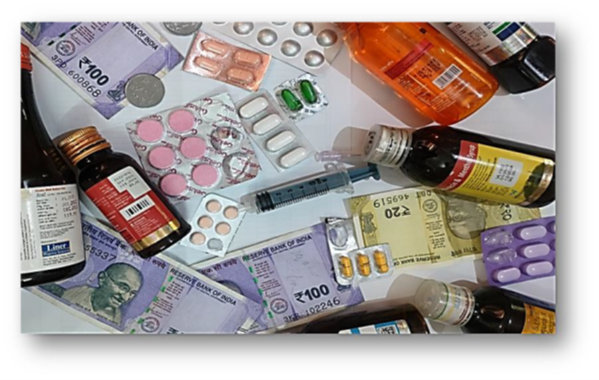
Figure 1: Affordable Medicine photo example
Rationale behind the choice of the product.
Healthcare expenditure is influenced by the development and distribution of the pharmaceutical industry. The issue of healthcare costs is of significant international interest, and so is the high cost of drugs.
The problem of drug regulation in India, in the light of healthcare for the poor and affordability, is something that is continuously under scrutiny in emerging countries such as ours.
The cost of medication influences the healthcare spending, and a significant portion of healthcare spending. The Indian Council of Medical Research and health expenditure have been largely financed by the out-of-pocket expenditure of households, particularly in countries such as India, which is one of the greatest causes of a high number of households lapsing into poverty.
The following are the reasons why I chose Azithromycin.
There are numerous other uses of Azithromycin.
The application of Azithromycin is large-scale in the treatment of some bacterial infections, including Bronchitis, pneumonia, sexually transmitted and ear, lung, sinus, skin, throat and reproductive organ infections. And mild cases of lung, sinus, skin and other body parts.(4)
Azithromycin in the form of a tablet, an extended-release (long-acting) suspension (liquid) and in a suspension (liquid) to be administered orally, and in the form of a capsule.
The use of Azithromycin in gynaecology is common. It is also the drug of the first line of treatment of the infection caused by Haemophilus ducreyi, Mycoplasma, Neisseria gonorrhoeae chlamydia trachoma serovars D.K, genital. (5) Azithromycin was originally approved by the Food and Drug Administration (FDA) in 1991.
It is believed that Azithromycin is less cardiac adverse in comparison with other Macrolides.
Azithromycin has an elimination half-life of 2-4 days.
Classification:
Azithromycin belongs to Macrolide Antibiotics. Azithromycin attaches to the 50S bacterial ribosomal unit. It suppresses protein synthesis in bacteria by blocking the flow of the aminoacyl-tRNA and the protein undergoing synthesis through the ribosome, neutrophil infestations, and macrophage polarisation. (6)
Figure 2: Logo and Tagline of our company
We would also like to pass on the message that we are innovating the market. The perception of the customer about our company or our product is branding. (8)
Branding establishes a personalised position of the product in the market. ARORA has developed a brand name in the product.(9)
Figure 3: Branding of the new Affordable Medicine
METHODOLOGY:
New Product Development
Productivity is important when it comes to effective new product development. A new product development strategy (NPD strategy) is essential to pick up great product ideas and transform them into even greater final physical products.(10)
Strategies of NPD ought to be systematic, customer and sales-objective-oriented. The new product development is done together by the product management team. By adhering to the eight stages of the NPD process, eventual productivity and subsequent launch of the product in the market will be viable.(11)
1) Idea Generation:
This phase is an ongoing, careful search for new and viable product development possibilities. The team uses simple internal and external SWOT analysis (Strengths, Weaknesses, Opportunities and Threats) and looks at the market trends in order to come up with hundreds, or even thousands, of potential product ideas.(12)
Internal sources can be obtained with the help of R&D and brainstorming of the staff, whereas external sources are usually obtained by researching and communicating with the distributors, suppliers, customers and competitors. (13)
In this case, the decision is made that ARORA will be dealing with an antihypertensive drug.
The second step is to filter all new ideas generated, which will allow them to separate the good ones and the not-so-good ones and eliminate the latter, considering a variety of factors:
To do this, it is necessary to take into consideration a comprehensive list of factors, including the following:
8) Commercialisation:
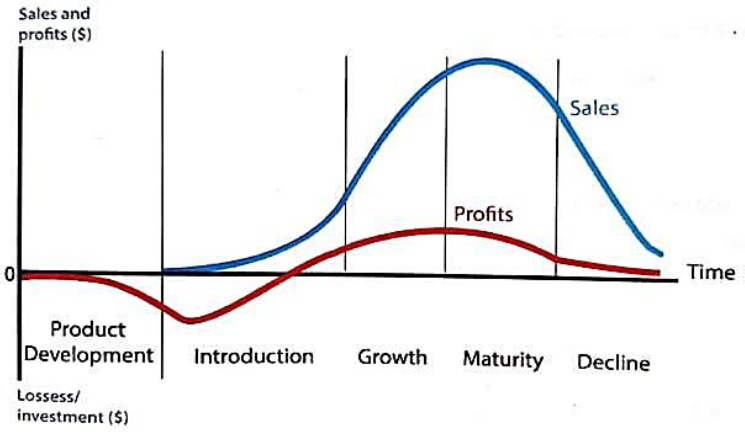
Figure 5: Different stages of the Product life cycle of Azithromycin
Here is a tablet that shows details of competitors,
|
|
Competitor 1 |
Competitor 2 |
|
Trade name |
Zithromax |
Z max |
|
Generic name |
Azithromycin |
Azithromycin extended-release suspension |
|
Route of administration |
Oral route and ophthalmic route |
Oral route |
Sales and Demand Forecasting
The Azithromycin market is expected to experience a trend of 5.5% growth in the forecast period of 2023-2030.
Azithromycin in the global market by type (Oral, injection, and Ophthalmic), Application (bacterial infections, Mycobacterium avium complex (MAC) infection, and others), Demographic (children, adults), End-users, Distribution channel- industry trends and forecast to 2030. (44)
Azithromycin Market Analysis and Size
CDC estimates that approximately 2 million individuals became ill each day with COVID-19 in the first week of April 2019, which was approximately 60 times that of widespread STDs and HIV on average in 2013. This situation is likely to increase even more because there is no indication or sign as yet that this pandemic will fade away in the near future. It is expected that the Asia Pacific region will have a highly lucrative growth in the forecast period due to increasing disposable income and the improving healthcare infrastructure, particularly in developing nations like India.
Statistics indicate that this trend would catapult the Azithromycin market of USD 6976.17 million in 2022 to USD 10,706.23 million in 2030 with a CAGR of 5.5 per cent in the forecast period. The type segment of the Azithromycin market is dominated by Oral, considering the increased need for fast and superior therapeutic impacts of medications. (45)
Opportunities:
a) Growing demand from emerging markets:
The emerging markets like China, India, Brazil and Mexico are increasing the demand for Azithromycin because of the rising cases of infectious diseases, the rising incomes and the expanding health facilities. This is a massive opportunity for drug manufacturers that act on behalf of other drug manufacturers in this market segment. (46)
b) Technological advancements:
The maximum duration of the patent of Azithromycin in most of the major geographies, such as Europe and North America, is up to 2019. Nonetheless, this monopoly will not last long, and this may result in more intense competition by generic players. This will offer positive prospects for the Azithromycin market development. (47)
C) High cost of Azithromycin:
The tight government regulations of approving Azithromycin because of its severe side effects may impede the growth of the Azithromycin market. The Azithromycin market communication gives us the new recent developmental details, trade regulations, import-export analysis, production analysis, value chain optimization, market share, the influence of localized and domestic market players analysis, opportunities of market based in terms of emerging revenue pockets, changes of market regulations, strategic market growth analysis, market size, category market growths, application niches and dominance, product approvals, product launches, geographic expansions, technological innovations of the market. (48)
Global Azithromycin market scope
The Azithromycin market has classification in terms of type, application, demographic, end user and channel of distribution. The expansion between these segments will assist you in examining scrawny development segments in the industries and offer the users significant market survey and intelligence to help them make strategic choices in identifying core market applications. (49)
Global Azithromycin market Regional Analysis/ insights
The Azithromycin market report includes the countries US, Canada, Mexico, Brazil, Argentina, Peru, the remaining South America, Germany, France, UK, Netherlands, Switzerland, Belgium, Russia, Italy, Spain, Norway, Australia, Poland, China, Japan, Malaysia, Australia, Thailand, south Korea, Saudi Arabia, south Africa, Rest of Middle East and Africa.
India will experience tremendous growth in the forecasting period of 2023 to 2030 because of the increasing healthcare infrastructure, increasing demand for advanced medical treatment drugs, a large population pool, and increasing demand for quality healthcare in the region. (50)
Competitive Landscape and Surgical Microscopes Share Analysis
Calculation of the price for a product:
For scheduled formulations: The formula for the calculation of the ceiling price of a scheduled formulation is as follows.

Step 2: Thereafter, the ceiling price of the scheduled formulation shall be calculated as
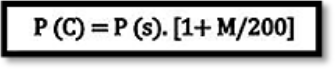
Where,
P (s) – Avg. price to the retailer.
M - % margin to retailer, and its value is 16. (60)
For non-scheduled formulations:
NPPA also monitor the maximum retail price (MRP) of all the drugs, including non-scheduled formulations. As per DPCO-2013, no manufacturer is allowed to increase the price of a non-scheduled formulation more than 10% of MRP per year. If the manufacturer increases the price of formulation by 10% OF MRP, it empowers NPPA to reduce it to a level of 10% of MRP for the next 12 months. (61)
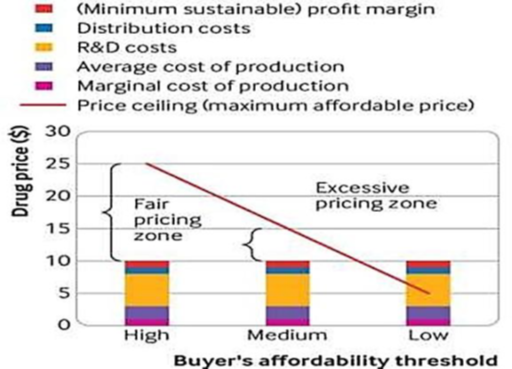
Figure 6: Buyers' Affordability Threshold
Promotion
The World Health Organisation (WHO) has defined promotion as all informational and persuasive efforts by the manufacturers and distributors, the impact of which is to induce prescription, supply, purchase and/or use of medicinal drugs. (62) The pharmaceutical industry in India is thriving on the low cost of production and knowledge of high-quality research, which makes this industry a $20.83 billion industry (as of January 2020). To get the marketing mix model of the pharmaceutical industry in India, we must trace back to the 4 Ps of the industry and governance. (63)

Figure 7: Four Ps of Marketing Mix
Marketing Mix Modelling in the Indian Pharmaceutical Industry
The weightage that each marketing element attains when our company, ARORA, undertakes marketing mix modelling is crucial. Our base drivers are involved in developing our brand equity in an organic manner. The marketing mix modelling, on the other hand, makes optimum use of the marketing-driven incremental drivers. (64)
Unique Selling Points (USP) of Azeecin
Product:
The Drugs and Cosmetics Act apply to products in the pharmaceutical industry. Consequently, medicine packaging in India, especially prescription drugs, has to be in accordance with some rules. These are price control, composition declaration, the direction of use, warnings, etc.(65)
A flagship product or brand equity can be used to push Azeecin to the forefront of the pharmaceutical marketing mix. Numerous small and medium-sized companies are betting on the popularity of a certain product and may be rather commercially successful in the process. However, in the case of large successful firms, it is the product variety and availability in various drug sections that allow them to utilise the product element of their marketing mix. (66)
Place:
The Pharmaceutical industry's downstream supply chain is special because of the doctors. Besides the chain of command between manufacturers and distributors, wholesale and retail chemists, the healthcare professionals play a pivotal role towards the product making it to the end-user.
To succeed in India, it is important that Azeecin cuts a niche in the local (Karnataka) supply chains and then expands to the rest of the country. (67)
Price:
Price is a significant Unique Selling Point (USP) of the Indian pharmaceutical industry.
Most of the drugs and formulations are targeted by the National Pharmaceutical Pricing Authority as far as price fixing is concerned. Price, which is a significant constituent of the marketing mix, is in a way influenced by the disease. There is a possibility of customers not trading off preference and price when faced with major illnesses. (68)
With our survey, we drew attention to the citizens on whether they believe that the higher the price, the better the quality, as far as drugs are concerned. These were the answers we got, and they prove that not all individuals are ready to accept the idea that the data collected by high prices of drugs is not the best.
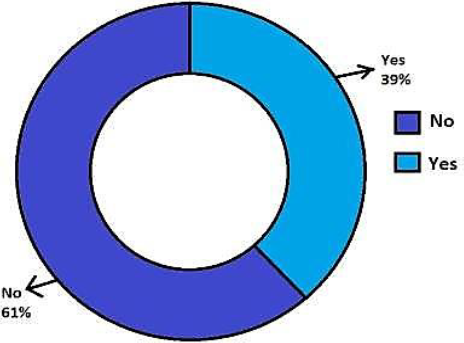
Figure 8: Answer for whether a high price equals better quality
Successful companies, particularly those with a global market, often engage in competitive pricing to ensure an edge in the market. (69)
Promotion:
Organisation of Pharmaceutical Producers of India (OPP) Code of Pharmaceutical.
The practices define the different aspects of advertisements in the pharma business. This involves establishing the platforms, which we can utilise for promotion and regulation.
One promotional option in the pharma industry is the use of print promotional materials such as advertisements. These materials are in addition to the name of the brand, active ingredients, dosage, date of production, precautions, side effects, manufacturer information, and others. (70)
In relation to electronic promotional materials and audiovisuals, the Drugs and Magic Remedies (Objectionable Advertisements) Act, 1954, the Drugs and Cosmetics Rules, 1945 and other relevant laws are likely to be adhered to. The internet has grossly impacted a new environment for marketing our product. Other sources of information, like the internet, are a valuable promotional medium along with the traditional information sources like medical professionals and family & friends. (71)
The following information is based on our survey:
Table 2: Percentage of People’s preference in the source of information for a drug
|
Online |
|
|
Company Website |
56.3 |
|
Social Media Page |
26.2 |
|
Medical Article |
42.5 |
|
Source Of Information |
|
|
Family and Friends |
11.9 |
|
Medical Professional |
67.2 |
|
Internet |
17.1 |
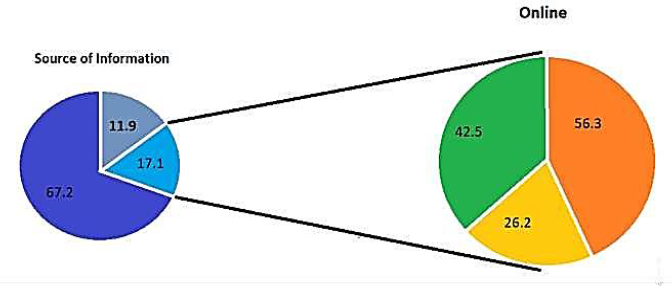
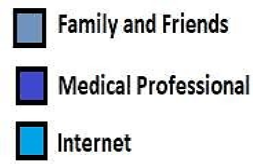
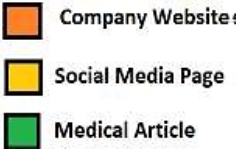
Figure 9: People’s preference for the source of information for a drug
This industry is also popular in events and meetings, which are used as a form of promotion. These may be sponsored scientific or professional meetings and symposia held in support of the healthcare professionals. (72)
Another marketing instrument that is exclusive to the pharma industry is the presents that are given to healthcare professionals. Professional Sales Representatives (PSR) or Medical Representatives (MR) perform these tasks, particularly after special training. Gifting of cash or cash equivalents and personal effects in the case of healthcare professionals is prohibited. The OPPI encourages items of medical utilities and items that increase patient care, unless of high value. (73)
On the same note, medical samples are also permitted as the source of a marketing initiative.
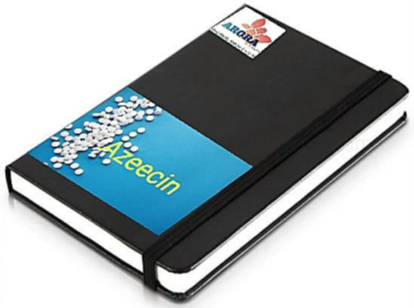
Figure 10: Examples of Promotional Gifts
Besides these marketing processes, there are also other marketing processes, as the successful pharmaceutical firms engage in visual marketing campaigns via sponsorships, endorsements, and other pharma brand promotions.
In addition, medical exhibitions offer a special networking facility to various pharmaceutical firms to conduct business both at a national and international scale successfully. (74)
Distribution
The chain of business or intermediaries through which goods or services are passed to the end customer is the channel of distribution. The selection of a suitable channel of distribution is a very critical decision in marketing, which determines the performance of an organisation.
The marketing intermediaries are referred to as the marketing channels or distribution channels. (75)
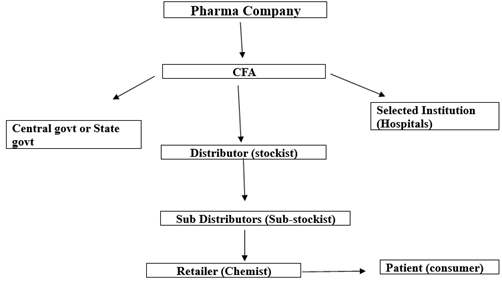
The finished products are shipped to the super distributor/super stockist / CFA in the company. Then, it is supplied to a stockist/wholesaler who supplies to the institutions and hospitals. The retail pharmacy gets the product from the stockist (or substockist) through whom it ultimately gets to the consumers (patients). The pharma distribution channel follows as shown on the following page. (76)
Pharma Distribution Channel
Physical Distribution Management
Physical distribution management (PDM) is a process that entails the management of the flow of goods and materials from their origin to the destination. It is an extremely complicated procedure, and one of the most significant in any business. Physical distribution is the physical movement of goods between the production and consumption places. It comprises all the operations that are needed to bring the goods physically on board. (77)
For example,
Processing, Transportation, Warehousing, and Inventory Control
Physical distribution has two broad objectives: Consumer satisfaction and profit maximisation.
The biggest asset that our company has is a satisfied consumer. ARORA has the potential to offer satisfaction to the consumers by providing the appropriate quantity of the appropriate goods in the appropriate place and at the appropriate time, at minimum cost. Timely and reliable distribution leads to consumer satisfaction. (78)
Simultaneously, by providing the product at a low price and superior service, our company will be able to draw in more consumers and earn more profits. This may be affected by enhancing the efficiency and effectiveness of physical distribution activities, which may introduce economy, which will impact on profit margin, i.e. by reducing the physical distribution costs, profit position can be improved.
Storage refers to creating adequate provisions on how to store the goods in good condition until they are required by customers. Several goods are grown seasonally and are consumed all year round; they can be stored and subsequently released. (79)
There are two categories of warehouses: Distribution Warehouse and Storage Warehouse.
The warehouse storage facilities assemble the product and redistribute it within a brief duration.
Inventory control means effective management of goods that have been deposited in warehouses. The flow of business is crucial to the maintenance of a sufficient inventory level. Inventory serves as an intermediary between the customer orders and production. They constitute the storehouse of the goods that are expected of sold. So, it should be adequately administered and regulated. (80)
Material handling involves the whole process of handling products as they leave the factory, yet before they are packed into the transport. Material handling is a sub-part of the total physical distributed system and assists in lowering the costs and offers improved service to the consumers. Good management of the material handling system results in the efficacy of the total physical distribution system, and consequently makes it cost-effective. (81)
The drugs will also be discussed in the context of packaging, as further explained.
The supply is done via various modes of transport into the warehouse, depending on where we are.
Road transport is also economical and flexible in the case of regional delivery or short distances between our warehouses and a sub-distributor. Trucks are also more preferred because large amounts of drugs can be taken at the same time. Railways are more convenient for travelling across other states. (82)
As we increase our supply of drugs to the entire world, there will be a need to use alternative transport modes, which include air or water transport. Air transport is faster than water transport, yet the latter, though taking a long period of time, is much cheaper. The appropriate mode of transport shall be selected according to the budget and duration of time. (83)
Packaging and Labelling
One of the crucial aspects of the product presentation is packaging. It is with the item until a customer fails to purchase it in a retail store.
Packaging and packing are not to be used interchangeably. The thing that covers the product and protects it is packaging, and the way products are enfolded or covered into a package is termed packaging. (84)
Our product, Azeecin, is given an outer protective cover, which is handy during transportation to the importer with the aid of appropriate packing. In the case of primary packing, the material to be used is to be neutral in order that there is no interaction. And work with the pharmaceutical product throughout its entire existence. This is done using blister strips made of non-reacting materials such as aluminium, as depicted in Figure 11.

Figure 11: Primary Packaging
Azeecin is ready for the second packaging once the airtight primary packaging is done. Active and inactive ingredients, manufacturer’s name and address, type of medicine, and warning precautions are mentioned. The use of secondary packaging needs to be smart, as it gives the product an ARORA brand appearance. (85)
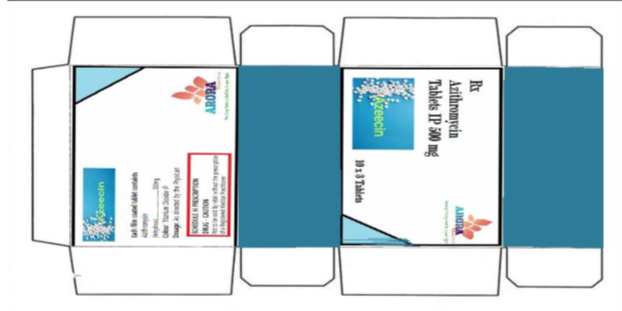
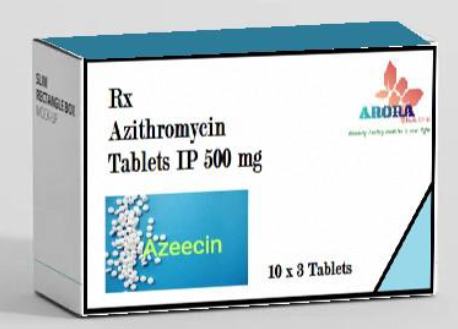
Figure 12, 13 & 14: Secondary Packaging
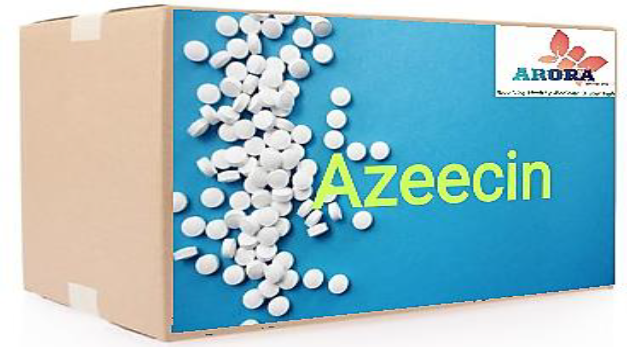
Figure 15: Tertiary Packaging
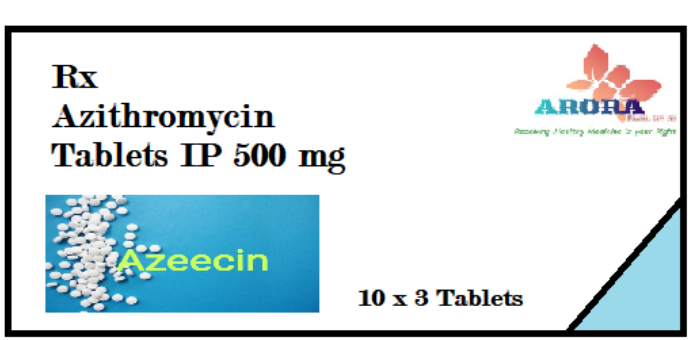
Figure 16: Front side of Medicine Box
Pharmaceutical labelling is the process of attaching labels to pharmaceutical products so as to make it easy to identify and comprehend the essential information by the end-users. Drug labels attempt to determine drug contents and specify instructions or warnings for taking, storage, and disposal. This will enable the health professionals and patients/carers to choose the right medicine and take it safely, thereby contributing to the reduction of medication errors. (86)
There is the aspect of marketing a product by labelling. It is mandatory since it assists in capturing the attention of a customer. It may be coupled with packaging and may be applied by the marketers to make the potential buyers purchase the product.
The name of our drugs and the name and quantity of each component are conspicuously displayed on the label of the drug as per Title 21 of the Code of Federal Regulations.
The label includes details of the name and address of the manufacturer, packer or distributor.sssss(87)
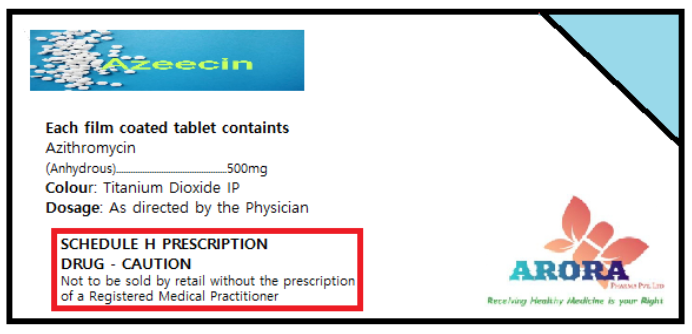
Figure 17: Box Label
RESULTS AND DISCUSSION
We attempted our best to present a product that costs less than the existing drug in the market by using readily available and inexpensive materials, all the while without compromising its quality and efficacy. The DAF process might take many years to complete and cannot be rushed, as there is no room for error.
As we launch our product in the market, we may face several drawbacks, especially due to a long-established brand. We expect the lower cost of our treatment to draw more attention towards our product and brand. Our promotion strategies mentioned are set to create awareness about Azeecin and to persuade more medical professionals and institutions to prescribe it.
The company strives to remain in the target market and also develop new products subsequently. During the PLC, we note how our product works and what to do to improve its sales. New approaches to keep the product relevant and profitable are continuously being updated, even post-marketing. Furthermore, as new products are under development or developed, we have the opportunity to expand our product line.
According to the new products we may develop, appropriate distributors or our existing collaborators are selected for distribution and retail.
It is also important to retain our existing consumer base. In order to obtain more information, all surveys conducted are explicitly reviewed, and we do our best to provide the best consumer satisfaction. We have to keep in mind the reason why our product was successful in the first place, and work on similar or new approaches to promote other products, as appropriate.
The launch of our Azeecin, as well as other new products in the future, at an international sales scale, depends on how successful they are. We are confident that we will accelerate our distribution through strategic tie-ups with overseas pharmaceutical partners or international pharma distribution channels. Our focus initially is to export across Asia and for contract manufacturing in African countries before expanding globally.
CONCLUSION AND OUTCOMES
Affordability is an important issue in many health care systems. Medicines commonly consults a large part of health care consumption. Providing the affordability of medicines, health care should be an important policy goal. Current levels of unaffordability can have important detrimental health effects on the most vulnerable.
The government has several plans, options for the disposal to increase the affordability of health care and medicines. From assurance of providing generic medicine, which plays an important role in the pharmaceutical market, because it offers effective treatment at a low cost. According to the National Medicine Agency and Pan-Hellenic Association of Pharmacists, generics are bioequivalent formulations and safe for human use. Furthermore, installing pre-payment schemes (i.e. insurance) to finance health care offers the possibility for the government to provide better control of generic medicine prices and purchases. The impact of the methods chosen to measure affordability, as well as the thresholds chosen.
Within those methods is a significant focus on outcomes. It appears that the observed differences, which are also reflected in the empirical literature regarding affordability, reflect the difficulty of univocally grasping the concept of affordability and of finding suitable and general thresholds for affordability.
To help the government improve access to medicines, we therefore argue that scholars and policymakers should discuss and agree on an international benchmark for how best to address the affordability question. Since comparison itself can increase the awareness and sense of urgency for governments to act urgently on these issues, it has been discussed.
To conclude, affordability is important and increasingly quantified, also across countries, we urge for a further standardisation of the measurement of affordability.
REFERENCES


Mohanraja P R, Akshob N, Deepaknath R, Nisha S R, Marketing Development of Affordable Medicine, Int. J. of Pharm. Sci., 2026, Vol 4, Issue 1, 3233-3256. https://doi.org/10.5281/zenodo.18397308
 10.5281/zenodo.18397308
