
Loknete Dr. J.D Pawar College of Pharmacy, Manur , Kalwan , Nashik, Maharashtra
Migraine is a chronic, recurrent neurological disorder marked by pulsating headache, sensory disturbances, and significant impairment of daily activities. Conventional therapies such as NSAIDs and triptans provide symptomatic relief but are often limited by side effects, poor tolerance, and risk of recurrence, which has increased interest in safer and more sustainable herbal alternatives. The aim of this project is to critically evaluate the role of medicinal plants, their bioactive constituents, and underlying mechanisms in the prevention and management of migraine. The Background of literature indicates that migraine pathophysiology involves neurogenic inflammation, abnormal serotonergic activity, CGRP release, vascular changes, and oxidative stress. Historical records show extensive use of herbs for headache management, and modern scientific studies have validated several of these traditional therapies. Recent findings highlight that herbs possess anti-inflammatory, antioxidant, vasomodulatory, neuroprotective, and antinociceptive properties that directly influence migraine pathways. This review compiles evidence on key herbal agents—feverfew, butterbur, curcumin, peppermint, ginger, ginkgo biloba, and ashwagandha—and summarizes their phytochemical profiles and mechanisms. Feverfew (parthenolide) and butterbur (petasin) modulate prostaglandins, inhibit platelet aggregation, and stabilize vascular tone. Curcumin exhibits strong anti-inflammatory and neuroprotective effects by regulating cytokines, oxidative stress, glutamate signaling, and mitochondrial function. Peppermint and ginger relieve pain, nausea, and vascular congestion through menthol- and gingerol-mediated pathways. Ginkgo biloba (ginkgolide B) reduces excitatory neurotransmission and PAF activity, making it useful for migraine with aura. Ashwagandha acts as an adaptogen, lowering stress-induced triggers by modulating the HPA axis and inflammatory mediators. The review also discusses the benefits, limitations, safety concerns (such as hepatotoxic pyrrolizidine alkaloids in butterbur), and herb–drug interactions, emphasizing the need for standardized extracts and clinical validation. Herbal medicines offer a promising, multi-targeted therapeutic approach for migraine management due to their diverse pharmacological actions and relatively favorable safety profile. However, standardization, dosage optimization, and long-term clinical studies are essential before integration into routine therapy.
A headache is characterized by intense pain and an overpowering feeling. This is known as a migraine. It often comes with nausea, being sensitive to light and sound, and sometimes seeing things differently. Unlike normal headaches, migraines are much more severe and can last for hours or even days. They often happen in cycles. They may start with warning signs, like strange feelings or changes in vision, before the headache begins. After the headache is gone, people usually feel very tired.
Many things can cause a migraine, such as stress, changes in hormones, eating certain foods, or being in certain environments. These can have a big impact on a person’s daily life and work. Millions of people around the world have migraines. Managing them can include changing habits, taking medicine, and figuring out what causes them. Migraine is a primary headache disorder, which means it’s not caused by another illness. Instead, it happens because of unusual activity in the brain and blood vessels. It’s a common condition that can cause a lot of disability and lower the quality of life, affecting millions of people globally.[1]
Migraine is a tricky neurological condition that runs in families. It causes headaches that come in waves and can be quite bad, sometimes really painful. Headache symptoms frequently impact one side of the head and produce a persistent, muscle-stimulating sensation. Along with the pain, people may also feel sick, throw up, or be very sensitive to light or loud noises.
The word “migraine” comes from an old Greek term, “hemicrania,” which means “half the skull.” This word was passed on through Latin and French into medical use. Migraine is one of the leading causes of disability globally and has a big effect on how people live their lives and do their work. The World Health Organization (WHO) says that serious migraine attacks are among the top disabling health issues. They have a big impact on a person’s ability to work and do everyday tasks (WHO, 2024). It’s not just a regular headache but a complicated and changing condition in the brain that can last for hours or even days. For many people, it becomes something they deal with again and again over time.[2]
Neurological disorders, another name for brain-related disorders, are a broad category of diseases that impact the structure, chemistry, or function of the brain. These disorders can alter a person’s thinking, behavior, mobility, or general brain function.
A brain disorder called migraine produces intense, recurrent headaches. Additional symptoms like light and noise sensitivity, nausea, and blurred vision are frequently associated with these headache
A HEADACHE
A headache is a form of pain that can be dull, throbbing, sudden, or continuous in the face or head.
It frequently feels like pressure. Each person may experience headaches differently in terms of type, intensity, location, and frequency. The majority of people have headaches frequently throughout their lives, making it a widespread issue. Although the majority of headaches are harmless, some could indicate a serious illness. Headaches come in more than 150 varieties.
Headache Types:
Primary and secondary headaches are the two primary categories into which these headaches fall.
Primary headaches are caused by issues with the areas of your head that are sensitive to pain.
They are neither a symptom nor the cause of another disease. Some people may have a genetic predisposition to primary headaches.
Typical primary headache types include:
Another medical condition is the cause of secondary headaches.
They are a symptom or indication of a disease.
The following are some instances of secondary headaches that are not always dangerous and might disappear if the underlying problem is resolved:
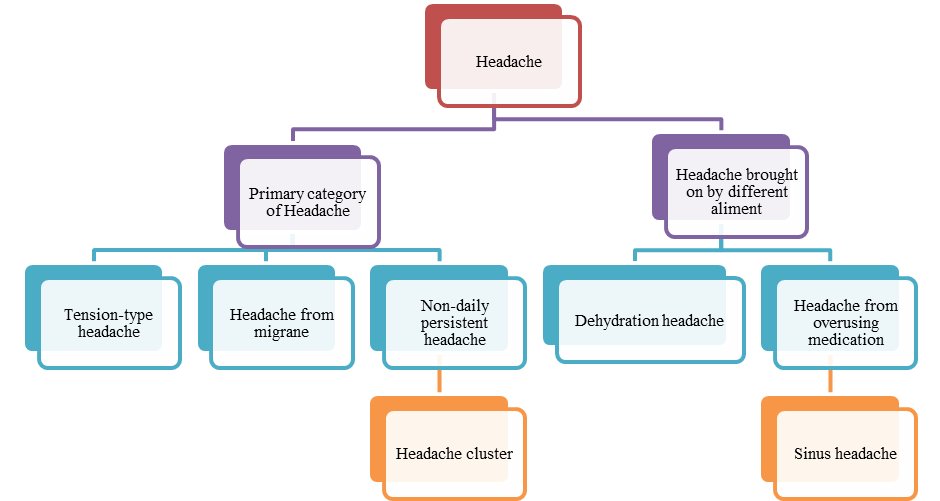
Figure 1: Types of Headaches
Neuropeptides with Vasoactivity:
Pituitary adenylate cyclase-activating polypeptide (PACAP), calcitonin gene-related peptide (CGRP), SP, and vasoactive intestinal polypeptide (VIP) are currently recognized vasoactive neuropeptides with potent vasodilating properties.
This makes them a key research topic for understanding the mechanisms underlying migraines. In order to study this, Xu X and colleagues repeatedly stimulated the dura mater with electricity in a migraine rat model. Electroacupuncture was then administered at various points, and it was discovered to reduce blood levels of CGRP, SP, VIP, and PACAP. Neurogenic inflammation and pain sensitivity are lessened as a result.
The most prevalent and potent vasodilatory neuropeptide, CGRP, is essential to the development of migraines. The peripheral nervous system, which includes the trigeminal ganglion, dorsal root ganglia, and nerves supplying the blood vessels in the meninges, is where it is primarily found. Additionally, it can be found in parts of the central nervous system such as the hypothalamus, periaqueductal gray, and trigeminal caudate nucleus. Electroacupuncture can reduce CGRP levels in the trigeminal ganglion, trigeminal caudate nucleus, and ventro posteromedial nucleus of the thalamus in a migraine rat model, according to a study by Zhao LP and colleagues. The activation of the MAPK signaling pathway by electroacupuncture may be the cause of this effect. Acupuncture can lower CGRP levels in the blood of migraine-affected rats, according to Pei P and Wang MM.
The body contains a chemical called 5-Hydroxytryptamine, or 5-HT, which facilitates nerve communication. Blood vessels may narrow as a result. The brain and the rest of the body experience distinct changes in 5-HT levels during a migraine. Less 5-HT is found in the brain, but the body releases more of it. Electroacupuncture is a form of treatment that increases 5-HT in specific brain regions, such as the trigeminal nucleus caudalis and the rostral ventromedial medulla, to help reduce pain. 5-HT’s ability to block or exacerbate pain depends on which receptors it binds to. It reduces pain, for instance, when it binds to 5-HT1B or 5-HT1D receptors. It can exacerbate pain, however, when it binds to 5-HT2B or 5 HT7 receptors in the blood vessels surrounding the brain.
Acupuncture reduces migraine pain by increasing 5-HT1D receptor activity in the midbrain and spinal trigeminal nucleus, according to research. According to research, 5-HT may also reduce the frequency of migraines by acting on the 5-HT1D receptor and lowering CGRP levels in the spinal tract and trigeminal nerve. In areas of the brain associated with pain, such as the rostral medulla, the trigeminal nucleus caudalis, and the periaqueductal gray, researchers have also discovered that acupuncture helps decrease 5-HT7 receptors. This effect is caused by modifications to signaling pathways such a5-HT7 receptors in the blood vessels surrounding the brain.[4]
Types of Receptors:
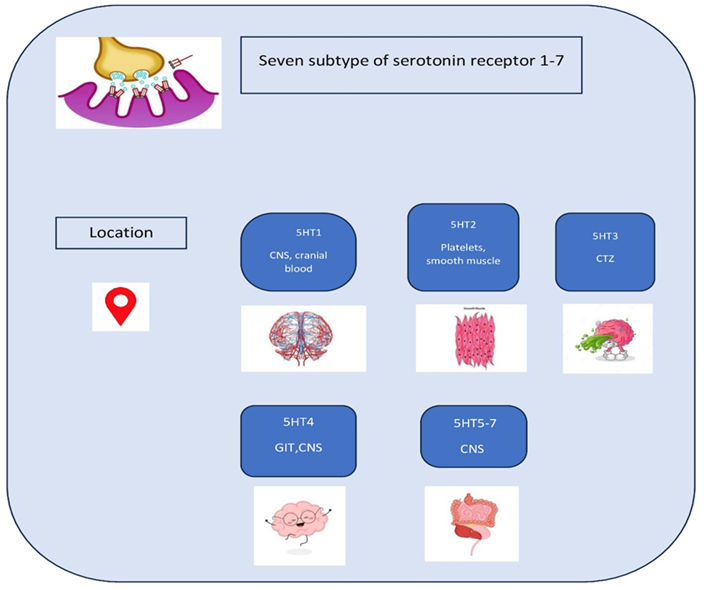
Figure.2: Different types of Receptors and their location
TYPES OF MIGRANE
Migraine without aura
Migraine without aura Hemicrania simplex, or common migraine, is a neurological condition that is also known as migraine without aura. Starting on one side of the head, it produces a headache that is usually moderate to severe, pulsing or throbbing, and gets worse with movement. People are also sensitive to light and frequently feel nauseous.
This type of migraine is experienced by the majority of people. Generally speaking, attacks are more frequent and more severe than aura attacks. This type of migraine is classified as migraine without aura because it is closely associated with the menstrual cycle.
Pure menstrual migraine and migraine related to menstruation are the two primary varieties. According to ICHD (2004), a pure menstrual migraine occurs only during the period and not at other times of the cycle.
Migraine with Aura
Migraine with Aura Aura-accompanied migraine, also known as classical migraine, ophthalmic migraine, or hemiplegic migraine, is a condition that comes back again and again. It involves headaches that start slowly and last less than 60 minutes but more than 5 to 20 minutes. Before or during the headache, people experience aura, which means they have certain neurological symptoms. These can include trouble speaking, temporary vision problems, and changes in sensation. There are two main types: inherited and sporadic. Both are grouped under this category based on whether they cause muscle weakness. This is according to the ICHD guidelines from 2004.[5]
Prodrome or first phase
The prodrome, or initial phase, is a stage where 40 to 60 percent of migraine sufferers experience early symptoms. These may include changes in mood such as agitation, euphoria, or depression, along with feelings of exhaustion, excessive drowsiness, and a desire for specific foods like chocolate. There may also be additional vegetative symptoms. These symptoms typically occur a few hours or days before the headache phase of a migraine attack, serving as an alert for the patient or their attentive family that a migraine is about to begin.
The "Aura" or Second Phase.
The main neurological symptoms that happen before or with a migraine aura include sensory issues. These symptoms usually go away just before the migraine starts and slowly appear over five to twenty minutes. The headache begins. A migraine aura usually shows up as sensory problems. The most common neurological symptom is a visual aura. This involves a visual change. It often looks like white flashes that haven’t fully formed, or in some cases, colorful lights. This can include sensitivity to light (photophobia) or bright, zigzag patterns (like the walls of a castle, which is why it's called teichopsia or fortification spectra). Some people report blurry, hazy, or shimmering vision, as if they’re looking through thick or smoked glass.
Digitolingual or cheiro-oral paresthesias are parts of the somatosensory aura that comes with migraine. These include feeling like there are pins and needles in the same side of the nose, hand, and arm, as well as the mouth area. The tingling then moves up the arm and spreads to the face, lips, and tongue.
MIGRAINE AND IT’S HOMEOPATHIC APPROACH
The word “migraine” is derived from the French language and has roots in the Greek term “hemi crania,” which is also the source of the Old English word “megrim.”
“Hemicrania” means “half the head.” Migraine is one of the most common neurological disorders in the world, affecting approximately 12% of the population and being more common in women than men (Stovner et al., 2022). Migraine has long been recognized as one of the leading causes of disability in the Global Burden of Disease Study, particularly among young and middle-aged adults
Despite significant advances in understanding how migraines work and the development of new medications such as calcitonin gene-related peptide (CGRP) blockers and 5-HT1B/1D receptor agonists, there are still numerous treatment challenges.
More people are researching alternative forms of treatment, like integrative and complementary medicine, as a result of these difficulties.
Among those who experience migraines, homeopathy is one of the most popular treatments.[6]
Treatment for Migraine
The two primary categories of migraine treatment are prophylactic and abortive.
Medications like triptans and nonsteroidal anti-inflammatory drugs (NSAIDs) are examples of abortion treatments, which are used to halt a migraine attack once it has begun.
Because triptans narrow blood vessels, they may be dangerous for those who have high blood pressure or other cardiovascular issues. In addition to having potential negative effects, these drugs might not stop migraines from returning.
Research is being done on natural substances as possible migraine remedies.
These consist of things like specific nutrients, herbal remedies, and medicinal plants. Even though less than 10% of the world's biodiversity has been examined for potential health benefits, research indicates that about one-third of newly approved FDA-approved medications are derived from natural products.
Many natural substances, including ginger, butterbur, feverfew, and curcumin, have been shown to have anti-inflammatory, pain-relieving, and antioxidant properties. As a result, they are frequently used to treat migraines.
Although reviews of herbal remedies for migraines have been published in the past, not all natural products have been fully discussed.
Natural substances like vitamin D3, magnesium, cinnamon, basil, and others have been the subject of more research in recent years.
These studies seek to determine whether these natural compounds can aid in the treatment or prevention of migraines. Gathering and assessing the findings of these studies—particularly those that employ a placebo-controlled approach—is the goal of this systematic review. The review also makes recommendations for future lines of inquiry to promote further investigation in this field.[7]
A migraine usually has four stages: prodrome, aura, attack, and post-drome. The initial stage that takes place before the headache starts is called prodrome. The need to urinate more frequently, yawning, increased hunger, and thirst are all possible during this period. A few hours to several days may be all that this stage lasts.
Mechanism:
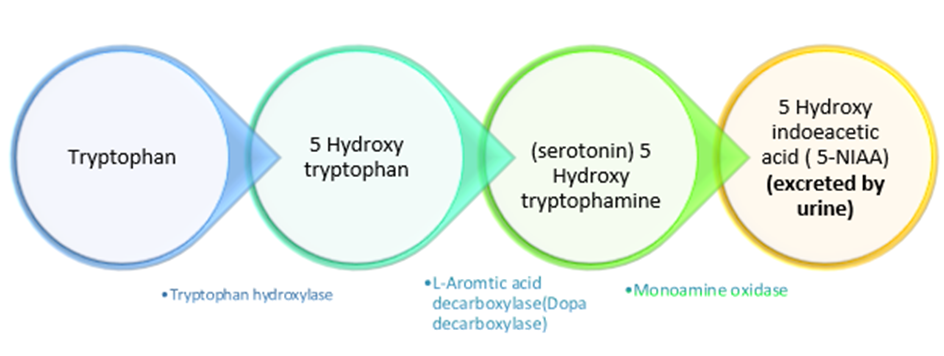
Figure.3: Synthesis of Serotonin
How Migraine Was Treated in the Past
People were aware of headaches and migraines, and they used a treatment called trephination to drive evil spirits out of the head, according to artifacts that date back more than 9,000 years.
Humans in ancient Egypt and other cultures also employed this technique. Written records of migraine date back to approximately 4000 BCE in Mesopotamia and to 1550 BCE in the Egyptian Ebers papyrus. Subsequently, Hippocrates proposed that vapours rising from the stomach to the head were the source of migraines.
The Persian physician Ibn Sina, popularly known as Avicenna, documented in great detail how to treat migraines with plants and herbs in his major work, the Canon of Medicine, during the Middle Ages.
Outlines the different medicinal plants that Avicenna studied to treat migraines and how modern science has tested them in lab and in person to determine their effects.
Historical background
A brief history of headache treatment: Many different ways have been used over time to help or cure headaches. These methods were considered the best at the time and were likely seen as advanced or innovative. Today, they might seem funny or even harsh and cruel. In the earliest times, people thought headaches, especially migraines, were caused by evil spirits living inside the head.
Around 400 BC, the Greek doctor Hippocrates moved migraine away from being seen as a supernatural condition and instead linked it to vapours rising from the stomach to the head. He was the first to describe the visual symptoms (“aura”) of migraines. In the 2nd century AD, Galen wrote about a painful condition that affected about half of the head. He called “it “hemicrania,” which later evolved into the term “migraine.” Like Hippocrates, Galen believed that headaches were caused by vapours rising from the stomach to the head.[8]
Phytomedicines Clinical Support in Migraine
FEVERFEW
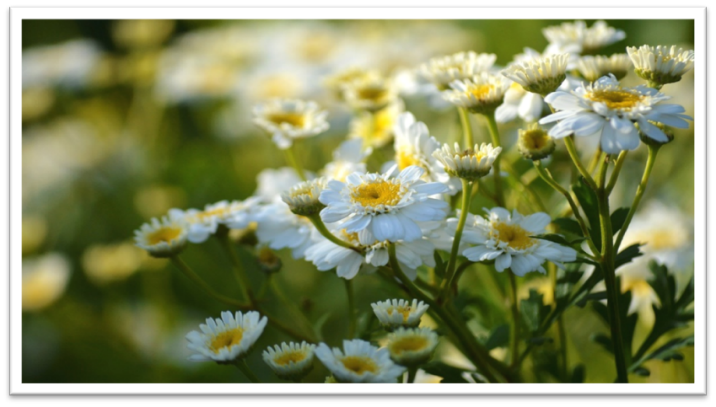
Figure.4: Feverfew
Biological Source: Chrysanthemum consists of the dried flower heads of Chrysanthemum indicum Linn.
Family: Asteraceae.
Feverfew, also known as Tanacetum parthenium, is a plant that is part of the same family as chrysanthemums. The name "feverfew" comes from the Latin word "febrifugia," which means "fever reducer." In the first century, a Greek doctor named Dioscorides used feverfew to treat "all hot inflammations." Feverfew is known to help with migraines because it contains a special compound called parthenolide. Parthenolide is a type of chemical called a sesquiterpene lactone. It works by reducing inflammation, stopping platelets from clumping together, and helping blood vessels relax.
Chemical constituent:
Feverfew is usually picked when it is flowering. However, the amount of active ingredients like parthenolide and other compounds can change based on where the plant grows, how it is harvested, which part of the plant is used, and how it is stored. It's interesting to know that parthenolide is not only found in feverfew. It is also present in 34 different plant species, including 25 from the Asteraceae family and 9 from the Magnoliaceae family. While parthenolide helps identify the right kind of T. parthenium, it does not ensure that the product is truly feverfew.
Mechanism of action:
A compound in feverfew stops the body from making prostaglandins. It was also found that a specific extract from feverfew stops platelets from clumping by stopping the production of thromboxane, which happens when certain enzymes in the body slow down. It has also been found that feverfew extracts prevent certain chemicals from being released by platelets and PMNs, which are a type of white blood cell. In comparison to other factors that prevent platelet clumping, feverfew has a stronger effect on PMNs than even very high doses of some anti-inflammatory drugs.
Besides helping with prostaglandin synthesis and nitric oxide levels, feverfew's parthenolide has also been studied for its ability to block serotonin (5HT) receptors. Parthenolide inhibits the release of serotonin in different ways depending on the dosage.
Safety of Feverfew
Feverfew should not be used while pregnant or nursing. It should be avoided because it may cause bleeding in the early stages of pregnancy. It should also not be used by children younger than two. Allergies to ragweed, chrysanthemums, marigolds, chamomile, yarrow, daisies, or other plants in the Asteraceae family should be a few. Fresh feverfew can cause rashes when handled.
Of those who use it, 6 to 15% may experience stomach problems or mouth sores during the first week. People may stop using it if they experience less frequent side effects like nausea, vomiting, gas, or diarrhea. No significant adverse effects have been reported in individuals who have used feverfew for many years, although there is a lack of long-term research on detrimental effects.[9]
BUTTERBUR:
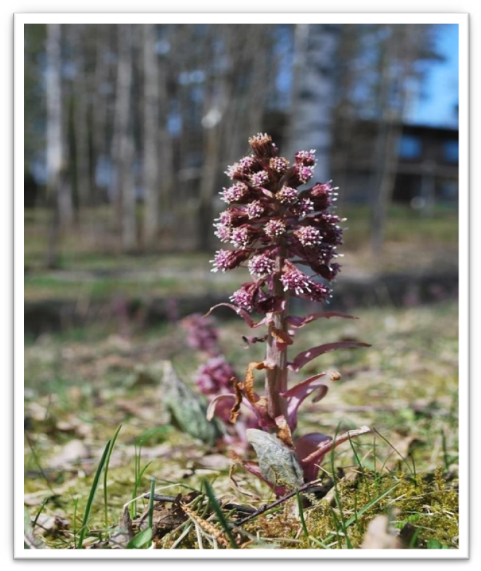
Figure.5: Butterbur
Biological source: Dried rhizomes, roots, and leaves of Petasites hybridus
Family: Asteraceae.
Butterbur, or Petasites hybridus, is another herb that may help avoid migraines. Along with plants like ragweed and daisies, it is a member of the Asteraceae family. The rhizomes, roots, and leaves There are various ways that Petasites hybridus can help prevent and treat migraines. According to Frances (2006), there are those who think it has a unique relationship with the brain’s blood vessels and that its capacity to relax blood vessel muscles may lessen migraine symptoms. Additionally, it has antispasmodic and anti-inflammatory properties. It prevents blood platelets from clumping together. It also widens blood vessels and relaxes nerves.
Chemical constituent:
The various components of P. hybridus are the source of all these effects. constituents.
The plant Petasites hybridus contains a variety of parts that are used to treat pain, primarily to stop it before it starts. Since the active ingredients are measured and regulated, it is frequently used as a standardized extract. The reason for this standardization is that it contains pyrrolizidine alkaloids, which may be detrimental to the liver. It is crucial to use versions such as PetadolexTM that do not contain these. There are very few, if any, of these toxic compounds in the plant’s adult leaves.
Petasin and isopetasin are the primary active ingredients in the standardized form, and the standard dosage is 7.5 mg (Khalsa, 2007). The roots have volatile oils and resins but no pyrrolizidine alkaloids, according to Moore (1993), while the leaves have the sesquiterpene petasin and its related esters, saponins, and mucilage.
Mechanism of action:
Butterbur is known to help blood vessels enlarge, lower inflammation, and soothe nerves. It should be noted that other treatments may be more effective if you’re dealing with an acute problem without a discernible pattern, but using Butterbur may be very beneficial for chronic issues, particularly when you’re experiencing early warning pains, not getting enough sleep, stress, or an unbalanced diet. Petasites hybridus is frequently used to treat migraine headaches over the long term due to its many components.[9]
CURCUMIN

Figure.6: Curcumin
Biological source: Curcumin is obtained from the rhizomes of Curcuma longa
Family: Zingiberaceae.
The primary constituent of the perennial herb Curcuma is curcumin, a polyphenol. Turmeric, an ancient but common Asian plant, is currently receiving more contemporary attention due to its diverse physiological functions. Studies on toxicity have verified that curcumin has a favorable safety profile when used at high levels or for an extended period of time. However, it has insufficient bioavailability at high doses (12 g/day). Apart from its anti-inflammatory, anti-bacterial, anti-aging, anti-cancer, and antioxidant properties, curcumin, referred to as the “spice for life,” has drawn more attention recently due to its effectiveness in neurological conditions. Known as the “spice for life,” this component comes from the turmeric, which has been utilized for millennia.[10]
Chemical constituents
About 5% of turmeric is made up of zingiberaceous volatile oil, resin, curcuminoids, and starch grains. These are the things that give turmeric its yellow color. Curcumin is the main part of curcuminoids and makes up about 60% of them. Some types of curcuma are made up of volatile oil, starch, and curcumin. Some species are yellow because of various related curcuminoids, including curcumin, bis demethoxy curcumin, and demethoxy curcumin. Examples of mono and sesquiterpenes are α and β. The volatile oil in turmeric includes camphor, camphene, pinene, α-phellandrene, DL-β-curcumenes, α-termerone, zingiberene, and others. The amount of volatile oil ranges from 1 to 6.5%. Some species, like C. caulina and C. angustifolia, are used as substitutes for the root of an arrow. Many pharmacopoeias recognize curcumin and turmeric as safe substances. In addition to its traditional uses, curcumin has shown anti-inflammatory properties. It has also been identified as an Antiarthritic substance. Treatments for cervical cancer have included China’s C. wenyjuin (C. aromatica).
Mechanism of action:
Curcumin has the ability to reduce inflammation and protect against harmful free radicals. It also helps support the body’s immune system. Research has shown that curcumin can be helpful in treating several health conditions in humans, including migraines. Curcumin can also help with anxiety, depression, and stress by working through various processes in the body. These processes often overlap and usually involve stopping the brain from releasing too much glutamate, similar to how the medication fluoxetine works, but more effectively. It also helps reduce activity in the monoaminergic system, lowers inflammation-related substances, increases brain-growth supporting factors like brain derived neurotrophic factor, and helps regulate the endocannabinoid system in the brain which affects mood. It also helps reduce oxidative damage and controls the activity of enzymes in the mitochondria.
Additionally, many studies have shown that curcumin has pain-relieving properties. It can help reduce the activity of certain pain receptors, lower the amount of a specific protein called TRPV1, decrease the production of a pain-related chemical called CGRP, and improve communication between cells. It also reduces oxidative stress, increases production of enzymes that protect against damage in the body, and helps lower levels of pain-related substances such as P substance, CGRP, IL-6, TNF-alpha, and COX-2.
Given that curcumin helps manage stress, anxiety, depression, and pain, this study examines the effects of taking nano-curcumin on symptoms of depression, clinical signs, stress levels, and anxiety in people who experience episodic migraines. [11]
Peppermint:
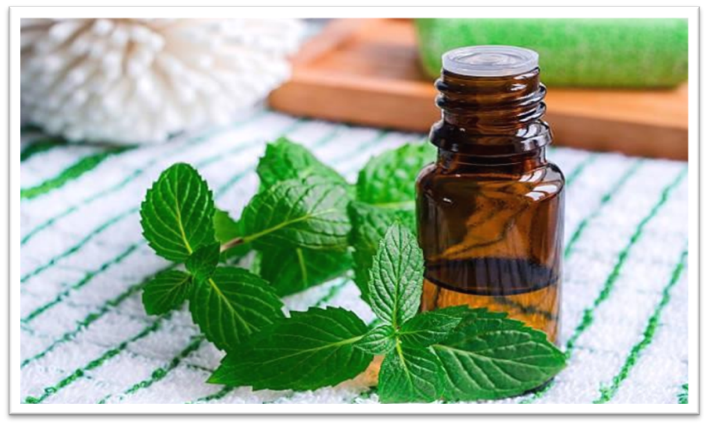
Figure.7: Peppermint
Biological source: Peppermint is obtained from the leaves of Mentha ×piperita L.,
Family: Lamiaceae.
The leaves of this perennial plant are used to make peppermint oil. Mentha arvensis var. piperascens and Mentha piperita L. are herbs in the Labiatae family. The oil is a pale yellow or light greenish-yellow liquid that is colorless. It has a strong smell and taste, and when you use it, you get a cooling feeling. It mixes well with 70% ethanol, and sometimes the solution looks cloudy. The oil is taken from the bottom side of the leaves, usually through steam distillation. It might need to be split into parts and cleaned before it’s used.
India is the biggest producer and exporter of mint oil in the world.
The ingredients and products made from mint oil are used in food, medicine, scents, and flavors. Menthol, which is the main part of the oil, is used in cold medicines, pain relievers, toothpaste, and cough drops. It is also used in products like Dabur Pudin Hara, balms, and Vicks Vaporub. The leaves of Mentha arvensis are used to make mint oil. This oil helps with digestion problems, stomach issues, acid, gas, and other related problems. It is a key part of ayurvedic medicines like Dabur Pudin Hara. The oil Is a natural source of menthol, which is used in ointments and cough drops like Vicks Vaporub.[12]
Chemical constituents:
The main component in the essential oil of menthol is peppermint, which is primarily responsible for the anti-spasmodic effects. Different components of peppermint oil include menthone, cineole (3.5–14.0%), and limonene (1.0–5.0%). The oil also contains isopulegol (0.2%), menthyl acetate (2.8–10.0%), carvone (maximum), pulegone (4.0%), and menthol (55.0%).[13]
Mechanism of action:
Herbal therapy has been used as a form of treatment since ancient times. Peppermint and eucalyptus oil have been shown to provide relief for headache sufferers. The best target for headache treatment is derivatives of these oils. Gobel et al. demonstrated that peppermint oil can alleviate headache discomfort. Similar outcomes were reported by Levin.[14]
GINGER:
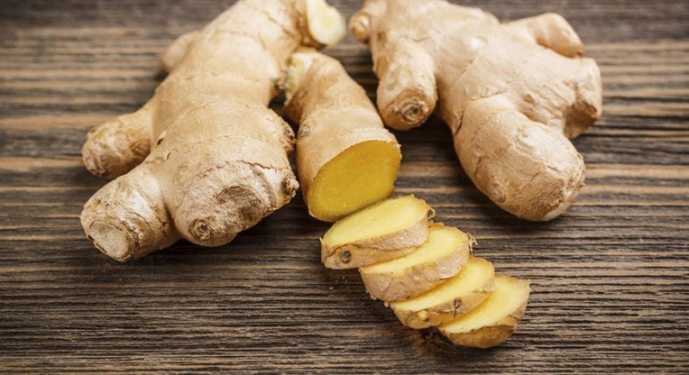
Figure.7: Ginger
Biological source: Ginger is obtained from the rhizome of Zingiber officinale Roscoe,
Family: Zingiberaceae.
Ginger The plant Zingiber officinalis, or ginger, is a member of the Zingiberaceae family. “The medication that combats acute migraine headaches is made from the rhizome” (Frances, 2006). It alleviates nausea, calms the stomach, and has anti-inflammatory properties. Because it contains volatile oils and other ingredients, migraine sufferers can benefit from it.
Chemical constituents
Ginger root has many active ingredients, including essential oils, proteolytic enzymes, phenols, oleoresins, and a few vitamins and minerals. Some of the important compounds in ginger are zingiberene, zingiberole, bisabolene, phellandrene, citral, borneol, camphene, cineole, citronellol, geraniol, linalool, limonene, and camphene. The phenols in ginger include zingerone and gingerol, while oleoresins include shogaol and gingerol. Other components of ginger are mucilages, proteins, calcium, vitamin B6, and vitamin C. It also contains sulfur, potassium, phosphorus, magnesium, and linoleic acid. Ginger has over 50 active ingredients, and these ingredients have different effects on the body. One of the most important ones is gingerol. Studies have shown that gingerol and ginger extract can inhibit the growth of colon cancer cells. Other compounds like 6-paradol and shogaol also have this effect. In laboratory tests, ginger components have shown chemotherapeutic properties. In animal studies, ginger extract has been found to inhibit three main bacteria that cause mastitis, showing it has antimicrobial properties. The essential oils in ginger contain terpenes like farnesene, bisabolene, and sesquiphelandrene, which help break down the bacterial cell membrane and disrupt the cell's contents. This causes ions and nucleic acids to leak out, which has antibiotic effects. Ginger essential oils also contain sesquiterpene hydrocarbons such as ar-curcumene (15.4%), α-zingiberene (31.08%), and α-sesquiphellandrene (14.02%). Research on live animals shows that ginger essential oils have antimutagenic properties. In lab tests, 6-shogaol has been found to inhibit the growth of ovarian cancer cells.[15]
Mechanism of action
It is well known that ginger can prevent a migraine before it starts. Zingiber officinalis is particularly effective in stopping an episode before the pain begins. When the first signs of an impending attack appear, it is advisable to take action. Stir two tablespoons of dry ginger powder into a glass of water to start the treatment. One advantage of herbal dosing is that it allows for faster administration compared to pharmaceutical drugs, which require specific intervals between doses.
Ginger is also well known for its ability to relieve digestive tract conditions, preventing nausea and aiding digestion. It also reduces inflammation. The significance of this lies in the fact that ginger eicosanoids are physiologically active substances that naturally balance eicosanoid production and function. These are substances that the body produces from essential fatty acids, and when they are out of balance, they can cause inflammation and lead to a wide range of illnesses, as noted by Sanchez (2013). As an antispasmodic, Zingiber officinalis reduces fever and platelet aggregation through perspiration. Additionally, much like other herbs used to treat congestive headaches, this action is extremely helpful in reducing blood flow congestion to the head by bringing blood back to the peripheral vessels (Frances, 2006). Blood vessel dilatation indicates the diffusion of pain, which lessens the migraine.[11]
GINKGO BILOBA

Figure.8: Ginkgo Biloba
Biological source: Ginkgo biloba is obtained from the leaves of Ginkgo biloba L.
Family: Ginkgoaceae.
Ginkgolide B is a natural substance taken from the leaves of the Ginkgo biloba tree. It helps control how glutamate works in the brain and nervous system. Also, it is very effective at blocking platelet activating factor, or PAF. PAF is a strong substance that causes inflammation and pain. During a migraine attack, PAF is released from blood cells and white blood cells, and it can make the nerves around blood vessels more sensitive, leading to pain. Because of this, Ginkgolide B could be a good option for treating migraines that come with aura. Based on this, we checked how well Ginkgolide B works for treating migraines with aura.
Chemical constituents:
Commercial products and standardized extracts made from dried green ginkgo biloba leaves include a wide variety of chemical components. These components are things like lipids, alkanes, terpenoids, flavonoids, phenylpropanoids, sterols, benzenoids, and carotenoids. Among these, flavonoids are especially important. Flavonoids include coumaric acid and its mono-, di-, and tri-glycosides. They also include acid esters made from kaempferol and other flavonols. The most common flavonoid in ginkgo is quercetin, with smaller amounts of glycosides made from myricetin, isorhamnetin, and other related compounds. Figure 1 shows 3-methylmyricetin. There are also bifla-non-glycosidic compounds, proanthocyanidins, vonoids, and catechins present. Ginkgo also has some unique components, including ginkgolides A, B, C, and J, as well as the diterpene lactones, and -M. Additionally, bilobalide, a sesquiterpene lactone, is also found in ginkgo biloba.[16]
Mechanism of action:
Although the exact way ginkgolide B works in the central nervous system (CNS) is not fully understood, it is thought that its main therapeutic effect comes from its ability to affect how glutamate, an excitatory neurotransmitter, works in the CNS. Glutamate plays a key role in starting and spreading depression (SD), which happens when glutamate receptors linked to NMDA channels are activated. Studies show that the aura experienced by people with migraines is connected to sudden neuronal depolarization and SD in the brain. These events happen when too much glutamate and aspartate are released from neurons and glial cells in the synaptic gaps. In fact, higher levels of these amino acids have been found in the blood, platelets, and cerebrospinal fluid of people who have migraines with aura, suggesting their brains may be more excitable. The benefit of ginkgolide B in reducing or stopping the aura in our patients may be because it helps control or lowers the excitatory effects of glutamate in the CNS.[17]
ASHWAGANDHA:

Figure.9: Ashwagandha
Biological Source: Ashwagandha consists of the dried roots of Withania somnifera (L.)
Family: Solanaceae
In Ayurveda, ashwagandha is one of the most respected rasayana herbs, and it is often mentioned in ancient texts. It is known as an adaptogenic herb that helps boost energy and strength. Its benefits go beyond that, as it is also believed to support the brain and nervous system. It has shown anti-inflammatory properties, making it useful in natural treatments for migraines. Research also suggests that it can lower stress levels, which can trigger or worsen migraines. You can use ashwagandha supplements to help with migraines, but the best way to get its full benefits is through traditional Ayurvedic remedies made from the herb.[18]
Chemical constituents:
Ashwagandha has different chemicals that are good for health, even though they aren't nutrients. It has more than 35 plant-based chemicals that have been studied. The two main types of these chemicals are steroid lactones and alkaloids. Ashwagandha includes several alkaloids, like cuscohygrine, anaferine, 3-a-gloyloxytropane, withananine, pseudo-withanine, tropine, and pseudo-tropine. Among these, withanine is the most common. The major steroid lactones in ashwagandha are withaferin A, withanolides A-Y, withasomniferin-A, withasomidienone, withasomniferols A-C, and withanone.
Mechanism of action:
Ashwagandha, also known as Withania somnifera, helps the body in many ways. It supports brain health and lowers cortisol levels, which makes it easier for the body to handle stress. This herb has antioxidants called withanolides that help guard the body against harmful free radicals and lower oxidative stress. It also reduces inflammation by stopping certain proteins and enzymes, such as COX-2, that lead to inflamed areas. Ashwagandha may also influence the brain's GABA system, which can help ease anxiety and create a feeling of relaxation. Studies suggest it can improve memory, support brain function and flexibility, and even help the body fight cancer by causing controlled cell death. All of these effects support its traditional use as an adaptogen and a health booster.[19]
BENEFITS OF USING HERBS IN MIGRAINE
Many types of herbs, including ginkgo biloba, ashwagandha, peppermint, butterbur, feverfew. Ginger and curcumin are also beneficial for health. Turmeric contains curcumin, which is a potent antioxidant that can combat inflammation and free radicals, aiding in joint healing and reducing chronic inflammation. Ashwagandha is an adaptogen that boosts energy, improves concentration, and helps the body manage stress. Peppermint can help calm the digestive system and is useful for people with irritable bowel syndrome or digestion issues. Butterbur may help prevent migraines and reduce how often they happen, according to some studies. Feverfew is another herb used for headaches and migraines, as it may stop some chemicals that lead to inflammation. Ginger has properties that help with pain and reduce inflammation, and can ease muscle aches, arthritis, and nausea. Ginkgo biloba is often used to support memory and brain function by improving blood flow to the brain. These herbs can be a good natural addition to regular treatments and usually come with fewer side effects. But it’s important to talk to a healthcare professional before using them to make sure they are safe for you.
Advantages:
Feverfew, ginger, peppermint, butterbur, ginkgo biloba, ashwagandha, and curcumin all offer various health benefits. Curcumin, found in turmeric, is a strong anti-inflammatory and antioxidant that may help reduce chronic inflammation and support joint health. Ashwagandha is known for its adaptogenic qualities, which can help increase energy levels and support the body's ability to handle stress. Peppermint can help relax muscles and
improve digestion, making it useful for stomach issues and headaches. Both feverfew and butterbur, which have anti-inflammatory effects, are often used to prevent and treat migraines and may help with blood vessel dilation. Ginger can help manage pain and aid digestion because of its anti-nausea and anti-inflammatory properties. Ginkgo biloba is known for improving mental function and increasing blood flow to the brain. When used correctly, these herbs can serve as natural alternatives to prescription medications and usually have fewer side effects. However, their effectiveness can vary, so it's important to talk to a healthcare provider and follow the recommended dosage. Combining these herbs can create a well- rounded approach to managing health, focusing on brain function, stress, inflammation, and digestion. Their use as supportive treatments for various medical conditions is backed by research.
Disadvantages:
Some herbs, like ginkgo biloba, ashwagandha, peppermint, butterbur, feverfew, ginger, and curcumin, might have some risks. For example, curcumin could affect blood clotting and lead to stomach problems or allergies in some people. Ashwagandha should be used carefully by pregnant women because it might cause tiredness or stomach pain. Peppermint can make acid reflux worse, leading to heartburn or allergic reactions. Some herbs, like butterbur, contain alkaloids that can be harmful if not prepared properly, possibly damaging the liver. Feverfew should be avoided if someone is taking blood thinners since it might cause allergic reactions, stomach issues, or mouth sores. While ginger is usually safe, some people might get allergic reactions, stomach cramps, or heartburn. In general, certain herbs can interact with medicines or cause unwanted side effects, so it's important to use them properly and consult with a healthcare professional.
LIMITATIONS:
Curcumin, ashwagandha, peppermint, butterbur, feverfew, ginger, and ginkgo are some examples of herbs. Biloba might have some issues. The interactions between different drugs may have varying strengths, side effects, or problems. The effectiveness of these herbs depends on how they are prepared, how much is taken, and how your body reacts. Also, since there is no clear standard for how much to take, their safety and how well they work may not be certain. Their purity can also be a concern. Before using these herbs, it's important to talk to a doctor because they might not be safe or could interfere with the medicines you're already taking. It's hard to give clear instructions because there isn't enough reliable scientific evidence.[20]
REFERENCES

Suvarna Vadje, Gautam Mahale, Herbal Approach in Management of Migraine, Int. J. of Pharm. Sci., 2026, Vol 4, Issue 2, 1597-1613. https://doi.org/10.5281/zenodo.18600806
 10.5281/zenodo.18600806
