
1 Department of Chemistry, School of Science, Gujarat University, Ahmedabad.
2 Department of Chemistry, Seth R.A Bhavans College, Gujarat University, Ahmedabad
Green chemistry principles have transformed the synthesis of nitrogen-containing heterocycles, such as indole, quinoline, and thiazole derivatives. This comprehensive review includes sustainable and environmentally kind of synthetic methodologies for these three important heterocycle scaffolds, accelerating catalytic systems, and instead of traditional methods it includes non-traditional activation methods like microwave irradiation, ultrasound, and photochemical activation with eco-friendly rection condition while maintaining percentage of yields. This review summarizes the current knowledge (2018-2025) on the intersection of green chemistry principles and medicinal chemistry applications. Representative synthesis methodologies are presented with detailed mechanisms, green metrices assessment, experimental procedures, and correlation with biological activity. The incorporation of advanced activations, novel catalyst, and sustainable solvents make these heterocyclic syntheses cornerstones of modern organic synthesis and drug development.
Heterocyclic compounds, especially nitrogen-containing compounds such as indoles, quinoline, and thiazole shows a fundamental scaffold in pharmaceutical chemistry, functional materials, agrochemicals. These compounds are widely found in natural products such as alkaloids and these bioactive molecules plays an important role in building blocks for new drug development. The common presence of these heterocycles in natural substances and their frequent use in important medications highlights their significance in modern chemistry. Indoles serve as the building blocks for many drugs, including those that fight cancer. Quinolines are a key structure in medicines for malaria and bacterial infections. Thiazoles are crucial frameworks in both antimicrobial and anticancer drugs.(1,2)
Traditional methods for synthesis of these heterocycles have relied on the method that has been developed over a century ago and it also have some significant limitations. Conventional methods involve use of hazardous and toxic chemicals including strong mineral acids, toxic oxidizing agents, and harmful organic solvents. The methods often need to maintained the high temperature for long reaction time, usually 4 to 24 hours under reflux. The long reaction time leads to a lot of chemical waste, including unreacted starting materials, toxic byproduct, and large amount of solvent waste that must be disposed of carefully. Traditional methods have low atom economy, with many reactant atoms not making it into the final product. The use of volatile organic compound raises environmental and health concerns. Additionally, standard purification and workup process are tedious and inefficient. They involve multiple extraction, crystallization, chromatography steps, which increase waste production. (1,2)
Implementation of green chemistry principles offers a systematic solution of ongoing challenges. Green chemistry focusing on designing a safer chemical process which reduce or eliminate the generation of hazardous substances at their source. It uses renewable starting materials, non-toxic, and easily recoverable catalysts, conducts a reaction under mild conditions, use environmentally friendly solvents, and improve atom economy to reduce the waste generation. Modern activation techniques involve microwave irradiation, ultrasonic processing, and visible-light photochemistry, have significantly reduces the reaction time and energy use while operating under milder conditions. This review includes current knowledge for sustainable synthesis of indole, quinoline, and thiazole derivatives. It focusses on methodologies published between 2018 to 2025 that demonstrate the successful integration of green chemistry principle with practical synthetic needs. (3–6)2.
GREEN SYNTHESIS OF INDOLE: STRUCTURE, SIGNIFICANCE, AND METHODOLOGIES.
The nucleus structure of indole comprises of a benzene ring which is fused with a pyrrole ring, with nitrogen atom positioned at the junction between the two-ring system. This unique structure gives indole notable chemical and biological properties that have drawn significant scientific interest. Indoles are found in many natural products, including essential amino acid tryptophan and neurotransmitter serotonin. They also show various biological activity such as antiviral, antifungal, anticancer, anti-inflammatory, and antioxidant effects.
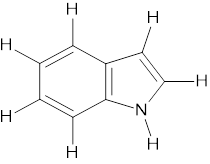
1H-indole

Among the most important advances in green indole synthesis is the use of microwave-assisted methods with solid acid catalysts that also act as microwave absorbers. The synthesis catalyzed by K-10 montmorillonite shows how green chemistry principles can be applied to indole formation. Pyrroles react with 1,4-dicarbonyl compounds without a solvent, using K-10 montmorillonite as both the catalyst and the reaction medium. The solid acid catalyst provides acidic sites that help form carbon-carbon bonds and cyclize the compounds, absorbs microwave energy for quick and even heating, and keeps the reactant molecules suspended without a liquid solvent.(7,8)
Excellent indole yields above 90 percent are consistently achieved in 5 to 10 minutes. A wider range of microwave-assisted multicomponent indole syntheses uses anilines, aryl glyoxal monohydrates, and cyclic 1,3-dicarbonyl compounds as reactants in ethanol under microwave heating. This method produces various indole derivatives with impressive functional group tolerance in 15 to 25 minutes, resulting in yields of 75 to 90 percent. The multicomponent approach reduces waste and simplifies the overall process.(9,10)
Copper sulfate-catalyzed indole synthesis offers a direct way to create N-H indoles without needing protective group strategies. CuSO? serves as a cost-effective and easily accessible catalyst using a carbanion-radical redox relay mechanism. This method works under mild conditions and is suitable for large-scale production. Palladium-catalyzed cross-coupling of 2-(2-aminoaryl) acetonitriles with arylboronic acids leads to versatile indole synthesis. This approach has broad functional group tolerance, high selectivity, and allows for the production of 2,3-disubstituted indoles through systematic modification of boronic acid reagents.(11–14)
Modified Fischer indole syntheses done in ionic liquid media achieve excellent yields without needing extra organic solvents. The ionic liquids can also be reused multiple times without losing activity. Visible-light photochemistry is an emerging area that uses organic photocatalysts like Eosin Y to create indole through mechanisms activated by visible light at room temperature. Photoredox catalysis works through single-electron transfer cascades that start radical chain reactions, which lead to the formation of the indole ring. The benefits include using renewable light energy, removing toxic chemical oxidants, operating at room temperature, and being compatible with flow chemistry.(15–18)
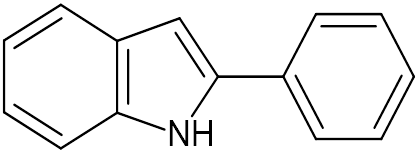
2-phenyl-1H-indole
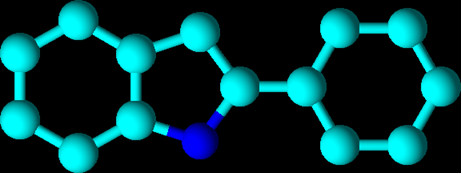
Use for common building block in medicinal chemistry (scaffolds for kinase inhibitors, serotonin receptor ligands), ligands for coordination chemistry, precursors to fused heterocycles.
The Ugi multicomponent reaction, followed by acid-induced cyclization, creates effective pathways. It combines anilines, glyoxal dimethyl acetal, formic acid, and isocyanides under mild conditions in ethanol solvent, without using metal catalysts. This method shows high atom economy and can produce 20 or more indole derivatives. Recent research using glycerol-based carbon solid acid catalysts allows for indolemethane synthesis at room temperature in just five minutes, without solvents. The resulting products show significant anticancer activity, with IC?? values ranging from 1 to 8 micromolar against various cancer cell lines.(19–21)
Microwave-Assisted Indole Synthesis Protocol.
To a PTFE-lined microwave reaction vessel equipped with a magnetic stir bar, pyrrole (1 mmol), a 1,4-dicarbonyl compound (1.2 mmol), and K-10 montmorillonite catalyst (25 mg) were added. No solvent was used. The sealed vessel was placed in a microwave reactor and irradiated at 150 watts power and 120°C for 5-10 minutes while stirring continuously. The temperature was monitored to ensure it did not exceed 150°C. After completion, the vessel was cooled and transferred to a round-bottom flask. Ethyl acetate (15 mL) was added and stirred vigorously for 2 minutes. The suspension was filtered through Celite (2 g), with the filter cake rinsed with ethyl acetate (3 × 5 mL). The combined filtrates were concentrated under reduced pressure. The residue was dissolved in a small amount of dichloromethane and subjected to silica gel column chromatography using a 20-40 percent ethyl acetate/hexanes gradient. This produced the indole product as a colorless to pale yellow crystalline solid with an 85-95 percent yield. The K-10 montmorillonite catalyst was reusable for 5 or more additional cycles.(2,7,9)
Green Metrics: Atom Economy over 90%. E-Factor under 0.1. Reaction Time between 5 and 10 minutes. Catalyst can be reused for more than 5 cycles. Zero solvent consumed during the reaction.
A 2024 method for cobalt-catalyzed Fischer indole synthesis through diaziridine ring-opening offers safe alternatives that avoid toxic hydrazines. Recent studies using Brønsted acid ionic liquid catalysis with [BMIM][HSO?] produce 2,3′-bi-indole derivatives through three-component reactions at 70°C in ethanol. This method achieves good to excellent yields and shows impressive reusability over four consecutive cycles. A 2025 review covering indole synthesis from nitroarenes discusses both traditional and modern methods. It includes photochemical and electrochemical techniques, showing steady progress toward more sustainable practices. Recent developments in green synthesis of bis(indolyl)methane through one-pot multicomponent condensation highlight the growing need for multicomponent reactions that reduce waste compared to sequential methods.
3. GREEN SYNTHESIS OF QUINOLINE: CLASSICAL MODIFICATION AND MODERN INNOVATIONS.
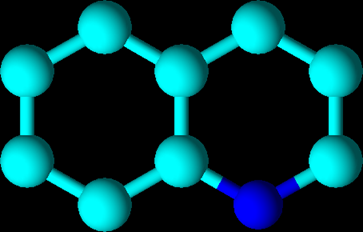
Quinoline is a bicyclic aromatic nitrogen compound made by fusing benzene and pyridine rings. This structure creates various compounds that have different biological activities, including antimalarial, antibacterial, anti-inflammatory, and anticancer properties.
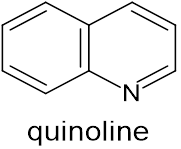
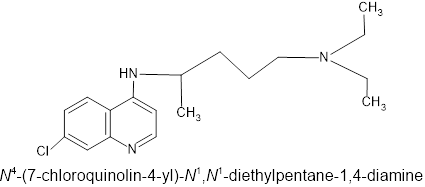
Chloroquine
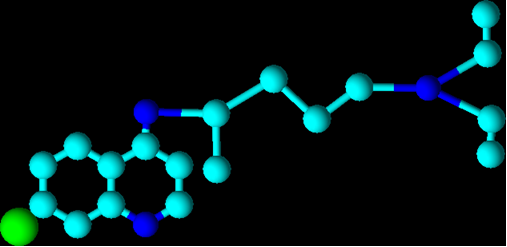
The historical importance is clear from the prominence of quinine and chloroquine in treating malaria, the fluoroquinolone family that includes ciprofloxacin as broad-spectrum antibiotics, and modern cancer treatments like lenvatinib, cabozantinib, and bosutinib. This remarkable presence of pharmaceuticals encourages ongoing research into new ways to synthesize quinolines, allowing better access to a variety of chemical compounds.
The Skraup reaction has been a key method for making quinoline for over 150 years. However, traditional methods have important limitations that have led to many green chemistry improvements. In the classic Skraup synthesis, anilines combine with glycerol in the presence of sulfuric acid and strong oxidizers like nitrobenzene. This usually requires prolonged heating under reflux. The mechanism starts with the dehydration of glycerol, which produces acrolein. Acrolein then reacts with aniline through condensation to create a dienamine intermediate. This intermediate undergoes cyclization via electrophilic addition. Finally, oxidative aromatization occurs to regenerate the quinoline structure.(22)
Contemporary green-modified variants address limitations by making innovative changes. The glycerol-based green Skraup synthesis reimagines this traditional reaction using green chemistry principles. It employs glycerol as both a bio-based solvent and a reaction medium, which comes from renewable biodiesel manufacturing byproducts. This change reduces reliance on petroleum-derived organic solvents and incorporates renewable materials. It shows that traditional reactions can be rethought through green chemistry to provide better performance.
The continuous-flow niobium phosphate-catalyzed Skraup synthesis uses solketal, a renewable feedstock made from glycerol and acetone waste. It achieves 60 percent quinoline selectivity at 250°C and 10 MPa in a continuous reactor design. This demonstrates circular chemistry, where biodiesel waste products are turned into valuable fine chemical feedstock.
Microwave-assisted synthesis is very effective for making quinoline. It significantly cuts down reaction times and works under milder conditions. One-pot microwave-assisted reactions that mix anilines, aldehydes, and malononitriles produce polysubstituted dihydroquinolines in 8 to 20 minutes. In comparison, traditional heating takes several hours. The yields for these reactions range from 75 to 86 percent. (23,24)
Using modified Skraup quinoline synthesis with microwave heating in water achieves yields of 27 to 55 percent in just 15 to 20 minutes. When using nitrobenzene pathways, the yield can reach 77 percent.(25)
Ultrasound-promoted quinoline synthesis with ionic liquid media combines two green chemistry methods effectively. Ultrasonic irradiation creates acoustic cavitation, which allows for quick reaction initiation due to better molecular mixing in aqueous media compatible with ionic liquids. The key benefits include fast reactions, high regioselectivity, reduced use of organic solvents.(26)
Visible-light-promoted quinoline synthesis uses photoredox catalysts like Eosin Y that work under standard LED light at room temperature. Reactions between N-propargyl aryl amines, diaryliodonium salts, and SO? create substituted quinolines through photoredox-catalyzed processes. This method has several benefits: it avoids toxic oxidants, uses renewable light energy, operates at room temperature, and achieves high selectivity.(27)
Modified Skraup Quinoline Synthesis with Glycerol.
To a 25 mL round-bottom flask with a reflux condenser, add glycerol (2 mmol, 0.184 g), an aniline derivative (1 mmol), water (5 mL), and H?SO? (catalytic amount, 0.05 mmol). For the microwave method, transfer the mixture to a PTFE-lined microwave vessel. Irradiate at 100-150 watts and 120°C for 15-20 minutes while stirring. Once the mixture cools to room temperature, transfer it to a 50 mL round-bottom flask. Add ethyl acetate (20 mL) and extract the mixture with saturated NaCl solution (20 mL, three times). Combine the organic extracts and dry them over Na?SO?. Filter the solution and concentrate it. Dissolve the residue in minimal DCM and apply it to a silica column using a gradient of 15-20 percent EtOAc/hexanes, collecting the quinoline fractions. Evaporate the product to obtain quinoline in a yield of 70-85 percent. The sample appears as a colorless to pale yellow liquid or solid. Spectroscopic verification via ¹H NMR shows the characteristic quinoline signals. The aromatic protons resonate at 8.5-8.0 ppm (H-2, H-8) and 7.8-7.2 ppm (H-4 through H-7).(28,29)
Green Metrics: Glycerol is a renewable bio-based solvent. Water acts as a co-solvent. The reaction time is reduced using a microwave. Toxic waste is minimized. The modified Skraup method avoids harsh traditional conditions. The process is scalable to multi-gram quantities.
Recent literature from 2024 discusses green and quick 2-aryloxylation and amination of quinolines. These methods use eco-friendly solvents and simple procedures. The direct synthesis of quinoline-based ionic liquids through one-pot solvent-free processes achieves high yields. ADMET property analysis supports their potential use in pharmaceuticals. (30)
4. GREEN SYNTHESIS OF THIAZOLES: BIOCATALYSIS AND EMERGING TECHNOLOGIES
The 1,3-thiazole heterocycle has a five-membered aromatic ring with one nitrogen and one sulfur atom placed 1,3 in relation to the ring numbering. Despite this seemingly simple structure, thiazoles are very important in medicinal chemistry. They are found in many marketed drugs across a range of therapeutic areas.
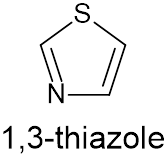
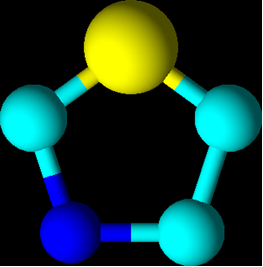
The antimicrobial thiazoles sulfathiazole and thiabendazole show their usefulness in treating infectious diseases. The antifungal agent abafungin, anti-inflammatory drugs fanetizole and fentiazac, anticancer agent pamicogrel, antihistamine famotidine, and diuretic acetazolamide all contain thiazole cores. This wide range of biological activities highlights the chemical versatility and importance of thiazoles, encouraging further research into better synthesis methods.(31,32)
The Hantzsch thiazole synthesis is the most commonly used classical method. It involves the reaction between α-halo ketones and thiourea or similar thioamides. This method relies on straightforward acid catalysis and heating in organic solvents, often taking several hours. However, the traditional approach has drawbacks. It uses toxic halogenated compounds, has long reaction times, creates waste from organic solvents, and involves complicated workup processes.
Contemporary green modifications tackle these limitations with new catalyst systems. In 2017, silica-supported tungstosilic acid-catalyzed Hantzsch synthesis used one-pot multicomponent methods. This process combined 3-(bromoacetyl)-4-hydroxy-6-methyl-2H-pyran-2-one, thiourea, and substituted benzaldehydes over a heterogeneous catalyst. It achieved yields between 79 and 90 percent, with excellent catalyst reusability across multiple cycles.(33,34)
A recent innovation combines ultrasonic activation with biocatalysis to produce thiazole under mild and eco-friendly conditions. The lipase-catalyzed synthesis of 2,4-disubstituted thiazole derivatives uses aryl ethenones, potassium bromate, and thioamides under ultrasound irradiation at 35°C in water. This represents a new integration of green chemistry techniques. The enzyme catalyst, lipase, is renewable, biodegradable, and non-toxic. The reaction medium is water. Ultrasonic irradiation activates the reaction through cavitation without needing high temperatures. The overall reaction time is just 10 minutes, which is ten times faster than traditional heating methods. Remarkably high yields of 97 percent are achieved under these mild conditions, showing that green chemistry can maintain efficiency.(35,36)
Deep eutectic solvents are made of binary or ternary combinations that lower the melting point compared to individual components. They typically consist of a hydrogen bond donor like glycerol and a hydrogen bond acceptor such as choline chloride. These custom solvents have almost no vapor pressure, which reduces emissions of volatile organic compounds. They also work as effective solvents for various transformations, and their physical properties can be adjusted by changing the component ratios.(37,38)
Lipase-Catalyzed Thiazole Synthesis with Ultrasonic Activation.
To a 50 mL round-bottom flask fitted with a submersible thermometer, add acetophenone (1 mmol, 120 mg), thiobenzamide (1.5 mmol, 202 mg), potassium bromate (1.5 mmol, 250 mg), and water (10 mL). Then, add lipase enzyme (10 mol%, 0.1 mmol, pre-incubated at 35°C for 5 minutes). Place the flask in an ultrasonic bath (40 kHz, 500 watts) and sonicate while keeping the temperature at 35°C. After 15-20 minutes, TLC analysis shows complete conversion, and white crystals of the thiazole product begin to form. Stop the sonication and let the reaction mixture cool to room temperature. Collect the white crystalline product by vacuum filtration using Whatman filter paper. Rinse with cold water (2 × 5 mL) and ethanol (2 × 5 mL), then dry under vacuum for 30 minutes. The yield of 2,4-diphenylthiazole reached 97 percent. (39)
Characterization: Melting Point 174-176°C, Molecular Formula C??H??NS, Molecular Weight 225.33 g/mol. ¹H NMR (CDCl?): δ 7.9-7.8 (m, 4H, ortho-aromatic), 7.5-7.3 (m, 6H, meta/para-aromatic), 7.2 (s, 1H, thiazole-H). ¹³C NMR (CDCl?): δ 169.2 (C-thiazole), 154.3 (C-thiazole), aromatic carbons 135.8-127.9 ppm. The lipase catalyst was reusable for 3-4 additional reactions, with 85-95 percent of its activity retained.(40)
Green Metrics: Biocatalyst (renewable, biodegradable, non-toxic); Water solvent (renewable, non-toxic, abundant); Ultrasound activation (green energy source); Mild temperature (35°C vs. classical reflux); Short reaction time (15-20 minutes); High yield (90-97%); Catalyst recyclable (3-4 uses); Excellent atom economy; No toxic metal catalysts.
The Hantzsch thiazole synthesis has been performed in choline chloride-glycerol deep eutectic solvent (1:2 molar ratio), achieving impressive green chemistry credentials alongside outstanding synthetic performance. The reaction of bromoacetylferrocene with various aryl thioureas at 80°C in deep eutectic solvent produces thiazole derivatives in high yields. The deep eutectic solvent can be recovered and reused through three consecutive reaction cycles without any noticeable decrease in catalytic activity or product yield. The synthesized ferrocene-thiazole derivatives showed significant antibacterial activity, with fluoro-substituted compounds achieving minimum inhibitory concentrations of 7.8125 micrograms per milliliter, which is considerably better than the clinical standard ciprofloxacin (15.625 μg/mL).
Deep Eutectic Solvent-Mediated Thiazole Synthesis.
To a 25 mL round-bottom flask with a magnetic stir bar and thermometer, choline chloride (1 mmol, 142 mg) and glycerol (2 mmol, 184 mg) were added. The mixture was gently heated to 40-50°C for 10-15 minutes while stirring until a clear, thick liquid formed, known as a deep eutectic solvent. The flask was then cooled to room temperature while keeping the liquid flowing. α-Haloketone (1 mmol) and thiourea (1.5 mmol) were added and stirred well. The reaction vessel was placed in an oil bath at 80°C for 90-120 minutes with constant stirring. Samples (20 μL) were taken every 30 minutes, diluted with ethanol (0.5 mL), and assessed using TLC to track conversion. When the reaction reached over 85 percent conversion by 90 minutes, the flask was taken out and allowed to cool to room temperature. The thiazole product formed white or pale yellow crystals during the cooling process. Ethanol (20 mL) was added, and the mixture was stirred vigorously for 5 minutes to promote crystallization and separate the solids. The crystalline product was obtained through vacuum filtration, rinsed with cold ethanol (2 × 5 mL), and dried under vacuum for 30 minutes to yield pure thiazole with an 85-92 percent yield. The deep eutectic solvent layer was retrieved, mixed with warm ethanol (10 mL) to extract leftover components, and concentrated under reduced pressure to reclaim deep eutectic solvent that could be reused in further reactions. This recovery allowed for three complete reaction cycles from a single batch of deep eutectic solvent.(41)
Green Metrics: Bio-derived deep eutectic solvent (choline chloride/glycerol), mild temperature (80°C), reaction time 90-120 minutes, solvent/catalyst reusability for 3 complete cycles, complete biodegradability for both solvent components, superior antibacterial activity (MIC = 7.8125 μg/mL).
Mechanochemical approaches using ball milling and grinding are new methods in green thiazole synthesis. These solid-state methods eliminate the use of solvents, relying on grinding solid reactants either dry or with small amounts of biodegradable solvents. One-pot multicomponent Hantzsch-type syntheses remove intermediate isolation steps, simplify purification, reduce the total number of chemical reactions, and cut down waste compared to sequential syntheses. Recent articles from 2024 discuss the creation of thiazole-based ionic liquids made through green methods, which also serve as antimicrobial agents. Comprehensive publications from 2024 reviewing thiazole-based hybrids highlight various (3+2) heterocyclization methods for thiazole synthesis. Recent literature from 2025 on 1,3-thiazole synthesis outlines developments in Gewald reactions, Hantzsch syntheses, and modern green chemistry techniques, showing the ongoing progress in thiazole chemistry. (42)
5. COMPARATIVE ANALYSIS OF GREEN ACTIVATION TECHNOLOGIES AND CATALYTIC SYSTEMS
The systematic comparison of various green activation methods offers valuable insights into the strengths and best uses of different techniques. Microwave irradiation converts electromagnetic radiation at 2.45 gigahertz into molecular motion through dipole rotation and ionic conduction. This process transfers energy to reactive species with minimal heat loss. Microwave reactions usually occur at temperatures between 50 and 150°C, finish in minutes to hours, and allow for solvent-free reactions. Key benefits include fast heating, low energy loss to the reactor’s thermal mass, easy temperature control, and good scalability with commercial reactors. However, drawbacks are high equipment costs and challenges in implementing safe continuous flow.
Ultrasonic irradiation uses sound waves at 20-40 kilohertz to create acoustic cavitation. This process forms and collapses tiny bubbles, releasing a lot of energy. The cavitation generates intense local heating, pressure changes, and turbulence, which speeds up molecular diffusion and activates reactive species. Ultrasound-driven reactions generally take place at room temperature or slightly higher, require less equipment investment compared to microwave reactors, and scale well across various sonochemical reactor designs. Advantages include excellent scalability, low equipment cost, and high effectiveness for solid-liquid reactions. However, there can be issues with equipment fouling in concentrated systems, and the efficiency of cavitation depends on system geometry.
Visible-light photochemistry uses light-emitting diodes or other light sources at wavelengths between 400 and 550 nanometers to activate organic or inorganic photocatalysts through single-electron transfer. These photochemical reactions occur at room temperature without extra heating. They work well with flow chemistry platforms and use renewable light energy. Main benefits include renewable light energy, operation under ambient conditions, and ongoing research into photocatalysts that broadens the range of substrates. Limitations include poor light penetration for opaque mixtures and restrictions on photon flux affecting reaction scale.
Heterogeneous solid acid catalysts, such as K-10 montmorillonite, niobium phosphate, and silica-supported tungstosilicic acid, offer several benefits. They remain solid, making filtration and separation easy. They can be reused multiple times without losing activity if properly recovered and dried. No volatile organic compounds are released from catalyst volatilization, and solid catalysts often show better stability than homogeneous systems. For example, K-10 montmorillonite can achieve 85-95 percent yields of indole with great reusability. Niobium phosphate can achieve 60 percent selectivity for quinoline from renewable feedstock, and silica-supported tungstosilicic acid can reach 79-90 percent yields of thiazole with four-cycle reusability.
Ionic liquids act as tailor-made solvents that double as catalytic media, removing the need for extra chemical catalysts. Non-halogenated ionic liquids specifically address toxicity and environmental concerns while keeping the benefits of ionic liquid catalysis, such as recyclability and compatibility with water. Examples include [BMIM][HSO?] used for green bis-indole synthesis with four-cycle reusability and various ionic liquids for quinoline syntheses showing excellent tolerance for functional groups and catalyst recovery.
Deep eutectic solvents combine solvent and catalytic functions, focusing on bio-derived components and exceptional reusability. The choline chloride-glycerol system is a good example of a deep eutectic solvent enabling thiazole synthesis with three-cycle reusability, mild temperatures, water-friendly workups, and strong antibacterial activity. Both components are biodegradable, making these solvents more environmentally friendly than halogenated ionic liquids.
Enzyme catalysts, like lipase, exemplify the core principles of green chemistry. They are biological catalysts developed over billions of years for their specificity and efficiency, operate under mild conditions, are fully biodegradable without bioaccumulation risks, and offer outstanding regioselectivity and tolerance for functional groups. For instance, the lipase-catalyzed thiazole synthesis achieves a 97 percent yield with ultrasound assistance in water at 35°C, showing how enzyme catalysis surpasses chemical catalysts in sustainability and performance. Organic photocatalysts, including Eosin Y and 9,10-phenanthroquinone, facilitate visible-light photochemistry without the need for transition metals or toxic catalysts.
6. GREEN CHEMISTRY METRICS AND BIOLOGICAL ACTIVITY ASSESSMENT.
Rigorous assessment of synthetic methods using quantitative green chemistry metrics provides important insights into the environmental impact of proposed approaches. The atom economy metric measures the percentage of reactant atoms that end up in the final product. Higher values indicate better atom use and less stoichiometric waste. Multicomponent indole syntheses using Ugi condensation achieve high atom economy by incorporating several reactants simultaneously, using formic acid as both a reactant and acid source, which reduces the generation of stoichiometric byproducts. The E-factor measures total waste produced by dividing waste mass by desired product mass. Lower E-factors show better environmental performance. Solvent-free synthesis naturally achieves lower E-factors because it eliminates solvent waste, which is usually the largest waste contributor in traditional chemistry. Indole syntheses using K-10 montmorillonite under solvent-free microwave conditions achieve very low E-factors. Multicomponent strategies reduce waste systematically by minimizing the need for intermediate isolations and purification steps.(43)
Choosing solvents significantly impacts green chemistry assessment. The Green List highlights water as the best solvent, followed by ethanol and other bio-derived alcohols. Quinoline syntheses that use water as a reaction medium greatly improve green metrics compared to those using chlorinated solvents. Using renewable solvents like ethanol from biomass fermentation and glycerol from biodiesel production shows how renewable materials can fit into synthetic processes. Deep eutectic solvents show how solvent components can be reused, avoiding the single-use waste found with conventional organic solvents.(44)
Recovering and recycling catalysts are essential factors for determining if green chemistry is viable at commercial scales. K-10 montmorillonite-catalyzed indole syntheses allow for easy catalyst recovery through simple filtration, and the solid catalyst can be reused for five or more cycles. Ionic liquid-catalyzed syntheses can be reused for three to five cycles without losing activity. Deep eutectic solvent thiazole syntheses show excellent reusability over three complete cycles without detectable loss of activity.
The advancement of green synthesis methods must be judged by a thorough evaluation of the resulting compounds and their biological effectiveness. Any synthesis that improves environmental performance but produces ineffective compounds is a weak environmental gesture. In contrast, the demonstrated biological activities of green-synthesized heterocycles confirm that sustainable methods can maintain pharmacological effectiveness.
Indole derivatives made through glycerol-based carbon solid acid catalysis showed impressive anticancer activity. The synthesized indolemethane compounds had IC?? values between 1.09 and 8.18 micromolar against prostate cancer (DU145), hepatocellular carcinoma (HepG2), and melanoma (B16) cell lines. Several compounds showed potency similar to or better than doxorubicin. Molecular docking simulations identified potential molecular mechanisms behind the anticancer activity, suggesting interactions with topoisomerase II and other DNA-targeting enzymes. Producing compounds with submicromolar to low-micromolar anticancer activity through genuinely green synthesis methods strongly supports the idea that sustainable chemistry can provide both environmental benefits and improved biological performance.
Thiazole derivatives created using Hantzsch synthesis in deep eutectic solvents showed outstanding antibacterial activity. The fluoro-substituted ferrocene-thiazole derivative achieved a minimum inhibitory concentration of 7.8125 micrograms per milliliter against tested bacterial strains, significantly better than the clinical standard ciprofloxacin (15.625 μg/mL). This high antibacterial activity, along with a green synthesis method using renewable bio-derived deep eutectic solvent, demonstrates that caring for the environment does not have to come at the cost of antimicrobial effectiveness. Producing more potent compounds through sustainable synthesis represents the peak of merging green chemistry with medicinal chemistry. An in-depth evaluation of green-synthesized heterocycles using modern structural biology and high-throughput screening reveals that many compounds exhibit good pharmacokinetic properties, including acceptable aqueous solubility, blood-brain barrier permeability, and metabolic stability. ADMET analysis of quinoline-based ionic liquids made through solvent-free methods showed favorable drug-like properties, indicating potential for direct transition into preclinical development. (45)
7. SCALABILITY, INDUSTRIAL IMPLEMENTATION, AND FUTURE PERSPECTIVES.
Translation of green heterocyclic syntheses from lab demonstrations to practical manufacturing requires careful attention to scalability, cost, and regulatory compliance. Several methods have been demonstrated at gram to decagram scales, confirming their feasibility for larger-scale use. The Ugi-derived indole syntheses have successfully produced 20 or more different indole derivatives on multi-gram scales. This shows both synthetic versatility and reproducibility at levels close to practical manufacturing quantities. Photochemical indole syntheses achieved gram-scale demonstration with 97 percent yields, proving they can be scaled up using LED lamp arrays or flow chemistry.
Continuous-flow synthesis may be the key way to scale green heterocyclic chemistry for industrial production. The continuous-flow niobium phosphate-catalyzed Skraup synthesis shows that quinoline syntheses can be organized into continuous operations with consistent product quality and reliable throughput. Continuous-flow methods offer several benefits: safety improves due to smaller residence volumes and reduced reaction mass; heat transfer efficiency increases with better flow reactor design; energy used per molecule drops because batch-scale thermal losses are eliminated; and environmental benefits grow by removing batch-to-batch variations. Combining photochemical heterocyclic syntheses with microfluidic or capillary flow reactors is an emerging way to allow efficient light penetration through narrow channels, while keeping scaling simple with parallel reactor operations.
Catalyst recycling becomes economically viable only at scales where recovered catalyst value significantly impacts synthesis costs. At pilot scale and beyond, fixed-bed or slurry-phase reactor setups help with systematic catalyst recovery and regeneration. Heterogeneous solid acid catalysts show real potential for continuous fixed-bed reactor use, where the solid catalyst stays on reactor surfaces while the liquid reactants and products flow through the catalytic bed. Ionic liquid and deep eutectic solvent systems can facilitate batch-scale catalyst recovery using simple procedures, allowing for 3 to 4 complete synthesis cycles from one solvent batch.
Regulatory concerns are increasingly relevant in pharmaceutical heterocyclic synthesis. Using green chemistry methods addresses regulatory focus on environmental responsibility and reducing chemical waste. This provides systematic documentation of sustainability metrics that meet regulatory standards for process efficiency. Using renewable starting materials and bio-derived solvents adds regulatory attractiveness and aligns with circular economy principles.
The integration of artificial intelligence and machine learning in optimizing heterocyclic synthesis represents an important new area. High-throughput experimentation combined with machine learning models trained on literature and experimental data can quickly identify optimal catalyst systems, solvent combinations, temperature settings, and reaction times for specific heterocyclic transformations. This computational help speeds up optimization cycles compared to traditional experimental screening, enabling researchers to cover much more chemical territory with limited resources.
Electrochemical heterocyclic synthesis has emerged as an important area that removes the need for stoichiometric chemical oxidants or reducing agents, instead using electron transfer from electrode surfaces. Electrochemical synthesis of indole, quinoline, and thiazole has shown promising early results, demonstrating that electrode surfaces can effectively help in creating heterocyclic rings. Benefits include zero stoichiometric reagent waste, direct conversion of electrical energy to chemical potential without thermal losses, potential integration with renewable energy sources like solar and wind, and minimal generation of stoichiometric byproducts.
Biomass valorization by converting agricultural and forest residues into heterocyclic building blocks represents an emerging frontier that links green chemistry with industrial ecology. Furfural, levulinic acid, and other platform chemicals derived from cellulose serve as renewable starting materials for indole, quinoline, and thiazole synthesis. Developing methods to convert biomass-derived precursors into pharmaceutical heterocycles leads to integrated biorefinery concepts, allowing diverse products to arise from single renewable feedstock streams.
8. MECHANISTIC UNDERSTANDING AND OPTIMIZATION PRINCIPLES.
Understanding the basic processes behind green heterocyclic syntheses offers important insight into how chemical changes can be improved and adjusted for different structural targets. The Fischer indole synthesis is the most studied heterocyclic transformation. Research into its mechanisms has been ongoing for over a century. The classical view explains the Fischer mechanism as starting with phenylhydrazone formation, followed by the [3,3]-sigmatropic rearrangement of the hydrazone to a diimine intermediate. This then cyclizes to an aminoacetal, eliminates ammonia, and undergoes aromatization through simultaneous tautomerization and oxidation.
Modern modifications that use cobalt catalysis or ionic liquid media operate through similar basic mechanisms. They benefit from faster reaction rates and better catalyst performance. In the modified Skraup quinoline synthesis, the process starts with glycerol dehydration, which produces acrolein as the reactive dienophile. Aniline condenses with acrolein, forming an aldimine intermediate. This intermediate then undergoes cyclization through electrophilic addition to the electron-rich aromatic ring. The resulting ring-opened imine intermediate goes through another cyclization to form the quinoline nucleus. The final step of aromatization happens through loss of hydrogen, which regenerates the quinoline aromatic system. Different oxidizing agents can influence the efficiency of this final aromatization step.
In the Hantzsch thiazole synthesis, the mechanism works through nucleophilic sulfur attacking the electrophilic alpha-carbon of the halogenated ketone. This displaces the halogen and creates a thioenolate intermediate. Next, cyclization occurs when the imine nitrogen attacks the adjacent carbon with the ketone group. This generates the thiazole ring while losing ammonia or amine. Depending on the reaction conditions and the electron-donating ability of attached aryl groups, the ring can form either through direct electrophilic aromatic substitution or via proton abstraction followed by cyclization. The final thiazole heterocycle forms through hydrogen elimination, often aided by added oxidizing agents or dissolved oxygen in the solution.
The photochemical indole syntheses follow different pathways that involve visible-light photocatalysis and single-electron transfer processes. The photoexcited photocatalyst enters an excited state by absorbing a photon and becomes a strong reducing agent that can accept electrons from suitable donors. The single-electron transfer from the substrate to the photoexcited catalyst kicks off radical chain reactions that ultimately lead to indole formation through intramolecular cyclization. The gentleness of photochemical approaches is notable, as light provides energy selectively to the photocatalytic species without heating the entire reaction mixture.
The enzyme-catalyzed thiazole synthesis using lipase operates through a different mechanism than chemical catalysis. The lipase active site binds substrate molecules through hydrogen bonding and van der Waals interactions, positioning the reactive functional groups in optimal relationships. The enzyme facilitates carbon-sulfur bond formation through activation of the sulfur atom while stabilizing the transition state geometry through various interactions. The high efficiency of enzyme catalysis reflects billions of years of evolution that optimized substrate binding and transition state stabilization.
CONCLUSION
Modern modifications that use cobalt catalysis or ionic liquid media operate through similar basic mechanisms. They benefit from faster reaction rates and better catalyst performance. In the modified Skraup quinoline synthesis, the process starts with glycerol dehydration, which produces acrolein as the reactive dienophile. Aniline condenses with acrolein, forming an aldimine intermediate. This intermediate then undergoes cyclization through electrophilic addition to the electron-rich aromatic ring. The resulting ring-opened imine intermediate goes through another cyclization to form the quinoline nucleus. The final step of aromatization happens through loss of hydrogen, which regenerates the quinoline aromatic system. Different oxidizing agents can influence the efficiency of this final aromatization step.
In the Hantzsch thiazole synthesis, the mechanism works through nucleophilic sulfur attacking the electrophilic alpha-carbon of the halogenated ketone. This displaces the halogen and creates a thioenolate intermediate. Next, cyclization occurs when the imine nitrogen attacks the adjacent carbon with the ketone group. This generates the thiazole ring while losing ammonia or amine. Depending on the reaction conditions and the electron-donating ability of attached aryl groups, the ring can form either through direct electrophilic aromatic substitution or via proton abstraction followed by cyclization. The final thiazole heterocycle forms through hydrogen elimination, often aided by added oxidizing agents or dissolved oxygen in the solution.
The photochemical indole syntheses follow different pathways that involve visible-light photocatalysis and single-electron transfer processes. The photoexcited photocatalyst enters an excited state by absorbing a photon and becomes a strong reducing agent that can accept electrons from suitable donors. The single-electron transfer from the substrate to the photoexcited catalyst kicks off radical chain reactions that ultimately lead to indole formation through intramolecular cyclization. The gentleness of photochemical approaches is notable, as light provides energy selectively to the photocatalytic species without heating the entire reaction mixture.
The enzyme-catalyzed thiazole synthesis using lipase operates through a different mechanism than chemical catalysis. The lipase active site binds substrate molecules through hydrogen bonding and van der Waals interactions, positioning the reactive functional groups in optimal relationships. The enzyme facilitates carbon-sulfur bond formation through activation of the sulfur atom while stabilizing the transition state geometry through various interactions. The high efficiency of enzyme catalysis reflects billions of years of evolution that optimized substrate binding and transition state stabilization.
REFERENCE


Harsh Rai, Riya Khatri, Green Synthesis of Indole, Quinoline, and Thiazole, Int. J. of Pharm. Sci., 2025, Vol 3, Issue 11, 3836-3853. https://doi.org/10.5281/zenodo.17700135
 10.5281/zenodo.17700135
