
1Department of Pharmaceutical Chemistry, Farooqia College Pharmacy, Mysuru, Karnataka, India.
2Glocal School of Agricultural Science, Glocal University, Mirzapur pole, Saharanpur, Uttar Pradesh - 247121, India.
3,4,5,6,7PG Studies and Research in Chemistry, St. Philomena's College (Autonomous), Mysore, Karnataka, India.
The discovery of new drugs is facing serious challenges due to a reduction in the number of new drug approvals and the rising, expensive cost. The development of new drugs from plant sources has been a success story in medicinal chemistry inventions, which has led to the need for innovation in the creation of a higher number of novel drugs. Medicinal Plant are a bioresource for therapeutic use as medicine by local communities from ancient times and are still used today. Moreover, medicinal plants are used as modern medicines, food supplements, nutraceuticals, folk medicines, pharmaceuticals and entities for synthetic drugs. The extraction of raw plant material is an initial stage in the preparation of herbal medicinal products. Extraction is the separation of medicinally active portions of a plant using selective solvents (polar and non-polar) through standard procedures. The Western Ghats is a gifted area of nature where a huge number of therapeuticplants are available, which have been excavated for medicinal use. Hence, many researchers have focused and put their efforts to extract various entities using selective and sequential methods, which have shown different pharmaceutical efficacy on human life and to develop the Indian economy. The paper aims to emphasize the different medicinal plants of the Western Ghats, which have exhibited significant biological activities. Also, the literature reviews provideecologically and biologically helpful information to develop new drugs and add to the conservation endeavour to ensure the sustainability of nature's wealth for the future.
Ever since primeval times, plants containing therapeutic and medicinal properties have been used by means of a trial-and-error technique to treat various diseases or illnesses [1,2]. The valid explanation of medicinal plants according to the World Health Organization (WHO) is defined as the sum total of knowledge, skills and practices of the knowledge, beliefs and experiences, which is indigenous to the various cultures and whether explicable or not, is used by various communities in the maintenance of health, in the prevention, diagnosis, improvement or treatment of physical and mental illnesses [3].There are around 2,000 tribal communities existing in the world and each group possesses their own therapeutic and traditional treatments. This traditional knowledge is passed on to the next generation and therefore the medicinal plants have been very essential since ancient ages and may be viewed as the foundation of the modern medicine [4-6].A medicinal plant is any plant where one or more of its structures are used for the synthesis of drugs as precursors or as therapeutic compounds by extracting the active ingredients from the plant [7,8].Part of the plant that are utilized as herbal medicines include leaves, bark, roots, seeds, flowers, and fruits [9].The bioactive phytochemicals such as alkaloids, tannins, flavonoids, essential oils, terpenoids, saponins, and others, are involved in the formation of the therapeutic effect on the human body as pharmaceutical value of these compounds [10, 11].Among the 18 mega-biodiversity countries and 25 hotspot regions, India possesses 3 hotspot areas, including the Western Ghats [12]. The Western Ghats are considered one of the major biogeographic zones in India since it is a highly endemic zone consisting of 56 genera and about 2,000 species [13,14]. Synthetic drugs are the ones synthesized artificially from chemical substances;their abuse could lead to various health complications such as neurological disorders, white matter abnormalities, loss of cognition and psychotic symptoms such as delusions and hallucinations [15-17]. In addition, synthetic stimulants induce overexcitement and hyperactive conditions, leading to violent behaviorin the individual [18]. The usage of herbs or herbal plant extracts does not usually involve drug actions and adverse effects; thus, medicinal plants are considered to be safe, yet they could potentially be toxic [19]. Nearly around 1,00,000 people in the U.S. die due to acute toxicities every year; therefore, herbal drugs are the choice of interest as they contain least or no side effects; andalso, herbal medicines generally tend towards assisting the body’s own healing process [20-24]. This studyhighlights the pharmacological plants in the Western Ghats that are containing gigantic medicinal and curative properties such as antidiabetic, antioxidant, anticancer, antimicrobial, antibacterial, anthelminthic, HIV reverse transcriptase, antivenom, anxiolytic and so on.
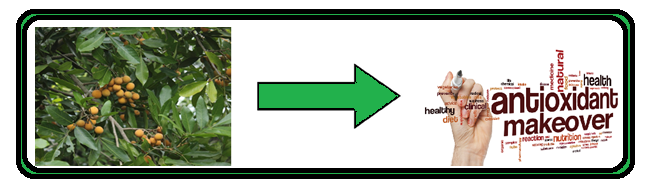
Figure 1 - Representing antioxidant potential of Aglaia elaeagnoidea fruits
Laxmi bidari and co-workers analyzed Aglaia elaeagnoidea (A.Juss.) Benth of the family Meliaceae – a small tree often found in tropical forests, which produces a tan-colored aromatic edible berry that is a rich source of vitamins and also used in the alcoholic fermentation process. The fruits were collected and carried out HPTLC, nutritional evaluation and anti-oxidant activity. The fruit consists of a thick pericarp, mesocarp and a mucilaginous endosperm. These fruits provide nutritional factors such as carbohydrates (57.10%), proteins (52.78%), and fat (0.80%) and also show an appropriate amount of anti-oxidant activity when examined through the DPPH method [25].
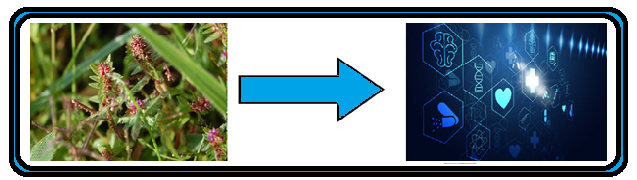
Figure 2 – Representing a variety of therapeutic effects of Ammannia baccifera L plant
Ammannia baccifera L is commonly used in the treatment of diseases like scabies, common cold, typhoid, ringworm and as an aphrodisiac. Especially, extracts of Ammanniabacciferain vivo had antipyretic, antitumor, antiarthritic, antidiuretic, anti-inflammatory and wound healing effects, due to the presence of chemical constituentssuch as tannins, flavonoids, polyphenols, sterols and triterpenes. The plant showed antimalarial and antimicrobial activity respectively, as it unveiled therapeutic action against malaria and microorganisms in vitro.Besides, tetralone displayed toxicity and antitubercular action against brine shrimp [26].
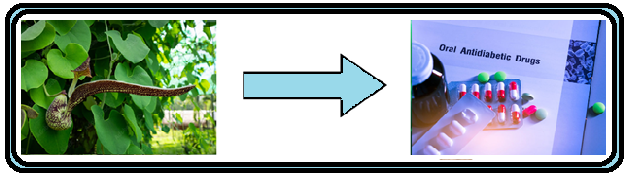
Figure 3 – Representing antidiabetic activity of Aristolochia ringens root extract
The Streptozotocin (STZ) is a natural product derived from Streptomyces achromogenes and is fatal to the beta cells of the pancreas of mammals synthesizing insulin [27]. Methanol and ethyl acetate extracts were prepared separately by powdering the roots of Aristolochia ringens (Vahl), treating with methanol and ethyl acetate, then filtering, drying and concentrating them.Both the extracts were compared in reference to the standard drug, i.e., metformin, which was orally administered to streptozotocin-induced diabetic rats for 7 days. Further, the fasting blood glucose (FBG) levels were observed and glycaemic conditions (hepatic glucose and glycogen levels) were noted. FBG levels in diabetic rats following administration for 7 days are as follows: Metformin - 148.55 ± 1.62, Ethyl acetate - 129.08 ± 2.52, Methanol - 181.21 ± 0.44 mg/dL, showing subsequent reduction in percentage of 80.93%, 85.44%, and 69.10% in glycemia, respectively. The ethyl acetate extract obtained from the roots ofA. ringens resulted in a potential reduction in the hepatic glucose levels, an increase in the glycogen levels, when compared to methanol extract and metformin. This study revealed the effective antidiabetic activity of the ethyl acetate extract of Aristolochia ringens compared to the standard drug metformin and the other extracts [28].
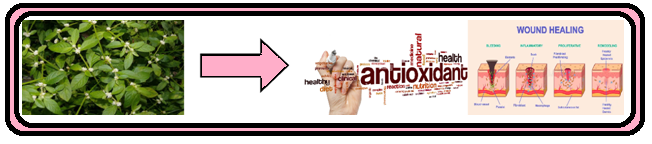
Figure 4 – Representing antioxidant and wound healing properties of Alternanthera sessilis
Wound sounds like a simple injury but other inherent factors make it very complicated. Diabetic patients are at the highest risk of developing chronic wounds due to conditions such as high glucose levels [29]. Impaired wound healing is one of the serious problems among diabetic patients. Katyakyini Muniandy et al., selected Alternanthera sessilis (A. sessilis), a medicinal plant, for their studies and extracted its stem using different solvents and evaluated the samples on free radical scavenging capacity and the cell migration of two most prominent cell types on the skin, human dermal fibroblast (NHDF), keratinocytes (HaCaT), and diabetic human dermal fibroblast (HDF-D) to mimic wound healing in diabetic patients. The ethanolic extract showed significant results enriching wound closure progression in normal and diabetic fibroblast cells, as well as keratinocytes. Further, the ethanolic extract exhibited remarkable antioxidant, proliferative, and migratory rate in NHDF, HaCaT, and HDF-D in a dose-dependent manner, which supports the wound healing process. The study also suggested that the extract of A. sessilis might be a potential wound healing agent for skin [30].
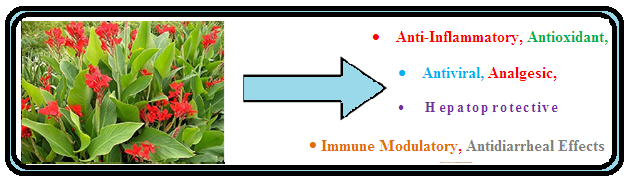
Figure 5 – Representing various biological effects of Canna indica L
C. indica L. (Cannaceae) is a widespread traditional medicinal plant that possesses a variety of therapeuticeffects, phytochemical analysishas identified a number of various phytochemicals present in C. indica, including carbohydrates, proteins, alkaloids, flavonoids, cardiac glycosides, oils and steroids. Later pharmacological research revealed that it exhibits antibacterial, anti-inflammatory, antiviral, analgesic, immune modulatory, antioxidant, hepatoprotective and antidiarrheal effects [31]. Biological properties that were found in the roots and rhizomes of this plant included anthelminthic and HIV-1 reverse transcriptase inhibitory effects.Previous studies also revealed an antidiabetic effect on normal and rats co-addicted with drugs such as nicotine and caffeine [32].
2.6. Desmodium triquetrum (Creeping Tick Trefoil) Leaves as hepatoprotective and antioxidant agent
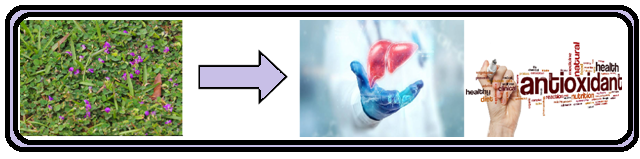
Figure 6 – Representing hepatoprotective and antioxidant properties of Desmodium triquetrum leaves
Liver diseases still remain a major health concern. They are mainly caused by toxic chemicals, abusive drinking and infections as well as autoimmune disorders. Most of the drugs that are toxic to the liver act through oxidative stress and lipid peroxidation. G. A. Kalyani et al., undertook a study on the hepatoprotective and antioxidant properties of ethanol extract of the Desmodium triquetrum leaf in reference to carbon tetrachloride.As a reference drug, silymarin is a well-known hepatoprotective medication. The findings showed that D. triquetrum possesses strong antioxidant and hepatoprotective properties, which may be because the plant contains flavonoids [33].
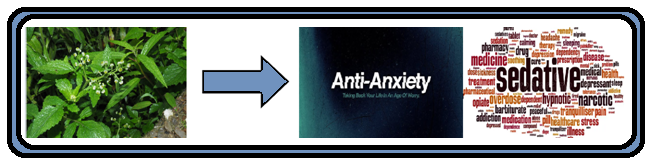
Figure 7– Representing anxiolytic and sedative effects of Dichrocephala integrifolia leaves
In Cameroon, folk medicine frequently employs Dichrocephala integrifolia to treat a variety of illnesses.Germain Jean Magloire Ketcha Wanda et al, macerated D. integrifolia leaves in water at room temperature, the extractused was obtained at doses of 22 and 40 mg/kg body weight in the diazepam-induced sleep test, D. integrifolia significantly decreased the latency to sleep and increased the amount of time spent sleeping during the open field test.In the study, it was found that D. integrifolia aqueous leaf extract possesses sedative and anxiolytic properties, which justifies the use of the plant traditionally [34].
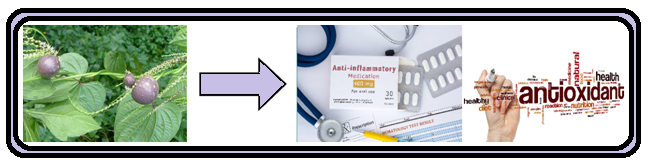
Figure 8– Representing anti-inflammatory and antioxidant potential of Dioscorea bulbiferabulbils
Dioscorea bulbifera L. (Dioscoreaceae) has been used for a very long time as an anthelmintic and diuretic in Thai traditional medicine and in preparations concerning longevity and healing wounds and inflammation. Prapaporn Chaniad et al., tookeleven purified compounds, as well as crude extracts of D. bulbifera bulbils and the fractions derived from them. They furthertested their anti-inflammatory properties inLPS-induced NO productionin RAW264. 7macrophages.Moreover, it was discovered that the solvent fractions, flavonoid compounds, and crude extracts all had significant antioxidant activity.Andthe traditional use of D. bulbifera to treat wounds and inflammation is further supported by these findings [35].
Rakesh Sagar et al., examined acetylcholine and histamine-induced bronchospasm activity to determine the preliminary phytochemical screening and anti-asthmatic activity of ethanol extract of Elephantopus scaber leaves.
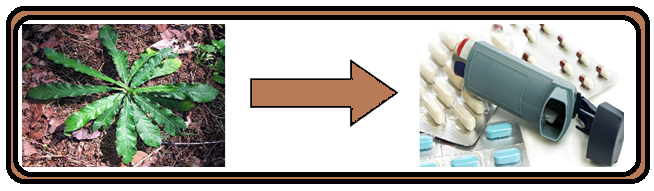
Figure 9– Representing anti-asthmatic property of Elephantopus scaber leaves
The aim of the study was to determine the scientific basis of the conventional use of Elephantopus scaber leaves. This investigation concludes that either flavonoids or steroids may be responsible for the anti-asthmatic activity of the ethanolic extract of E. scaber leaves. Because of its antihistaminic, anticholinergic, and mast-cell-stabilizing properties, E. scaber may have anti-asthmatic effects [36].
2.10. Emilia sonchifolia (Lilac Tasselflower) plant as an anti-inflammatory agent
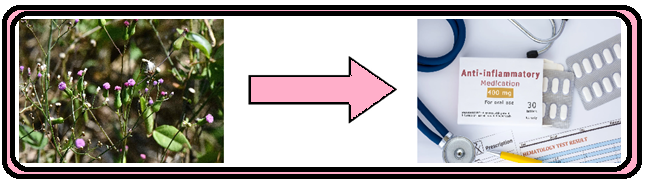
Figure 10– Representinganti-inflammatory activity of Emilia sonchifolia plant
Sithara K. Urumbil et al., identified six distinct bacteria during the screening of Emilia sonchifolia's endophytes, and these bacteria have been targeted in the study due to their potential as sources of anti-inflammatory compounds.The anti-inflammatory effect of the endophyte ethyl acetate extract was explored by applying both in vivo and in vitro analyses. They could confirm the anti-inflammatory effect of the E. sonchifolia tissue-living bacteria endophytes through the in vitro and in vivo experiments.The current study proved that the isolated bacterial endophyte ES1 (Bacillus subtilis strain-MG 692780) possesses anti-inflammatory properties. This supports the theory that endophytes may have contributed to the anti-inflammatory qualities of E. sonchifolia, which is significant from an ethnobotanical standpoint as a source of anti-inflammatory drugs [37].
2.11. Pavonia odorata(Three lobed false mallow) plant as an anticancer source
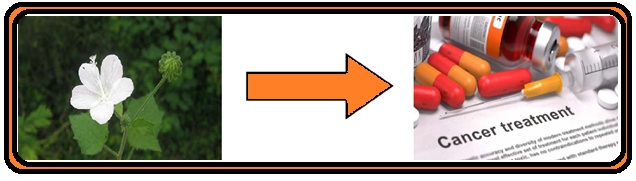
Figure 11– Representing anticancer potential of Pavonia odorata plant
Girish H V et al., examined the clonogenic inhibition of human breast cancer (MD-MB-231), prostate cancer (PC-3) and lung cancer (Calu-6) cell lines by using methanol extracts of Pavonia. Techniques: The MTT assay was used to assess the cytotoxic effect. Compared to prostate cancer cells, the methanol extract of P. odorata demonstrated significant cytotoxicity against breast cancer and lung cancer.The findings of this investigation suggest that P. odorata extract has anticancer properties. The presence of flavonoids and other constituents in P. odorata extracts may be the cause of their possible anticancer properties. The experimental data may be helpful in confirming the traditional use of plants as a readily accessible source of potent anticancer agents [38].
2.12. Physalis minima (ground cherry) fruit as Anti-Alzheimer's agent
The characteristics of Alzheimer disease are memory and cognitive impairment; it is a neurodegenerative disease that increases over time and is ultimately fatal. It is the commonest neurodegenerative disease and it is seen in someone who is more than 60 years old with a prevalence of up to 20% and it causes approximately two-thirds of dementia cases.
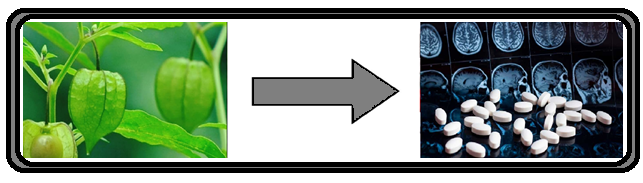
Figure 12– Representing anti-Alzheimer effect of Physalis minima fruit
Litty Joseph et al., experimented on Physalis minima L., which belongs to the Solanaceae family, an old-time preventative agent against neurodegenerative diseases. The purpose of the study was to examine the impact of ethanol extract of Physalis minima L. fruit on learning, memory and neurodegeneration in a D-galactose-induced Alzheimer disease model. The Folin-Ciocalteu and aluminium chloride colorimetric methods were used to determine the amount of phenolic and flavonoid contents of the P. minima fruit ethanol extracts respectively.The neuroprotective effect was further confirmed by the histopathological analysis. P. minima L's neuroprotective properties offer fresh information about potential therapeutic applications for the treatment of Alzheimer's disease [39].
2.13. Plumbago zeylanica(Leadwort) root as an antioxidant
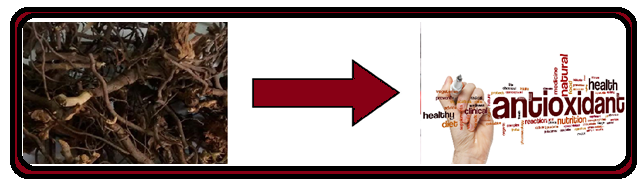
Figure 13– Representing antioxidant property of Plumbago zeylanica root
Plumbago zeylanica is the plant also referred to as Chitrak, which is a useful herb used in Indian medicine. Research by Jai C. Tilak et al., has established potential therapeutic benefits of the plant root and its components: anti-atherogenic effect, cardiotonic effect, hepatoprotective effect and neuroprotective effect. The active component of P. zeylanica, plumbagin and the antioxidant activities of the aqueous and alcoholic extract of the root were examined as a strategy of understanding the possible mode of action of the plant under the context of the health claim associated with it. Finally, the study suggests that the extract of P. zeylanica and the active compound plumbagin have significant antioxidant activities, and may possibly explain some of the reported treatment effects [40].
2.14. Polygonum glabrum (Dense flower knotweed) plant as an antidepressant agent
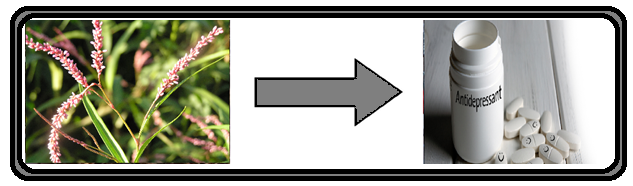
Figure 14– Representing antidepressant action of Polygonum glabrum plant
In the modern world, depression disorders are recognized as a serious health issue. Research on traditional herbal products has shown that they offer a good possibility for novel treatment of affective and other CNS disorders, similar to many other therapeutic areas. In this work, Nizar K.et al., studied the potential antidepressant effects of an aqueous extract of Polygonum glabrum (PG) on rodents preclinically. Therefore, the behavioural despair test and tail suspension test, two validated animal models of depression, were used to assess the effects of the Polygonum glabrum extract. Significant antidepressant activity of Polygonum glabrum is indicated by the results. The neurochemical analysis of brain monoamines confirmed their observed results. Consistent with the antidepressant activity of Polygonum glabrum is a notable rise and fall in the levels of DA, 5-HT, and NE, respectively. The mechanism through which the antidepressant effect reported by PG is likely to be DA, 5-HT and NE systems mediated [41].
2.15. Pothos scandens (Batis hermaphrodita) plant asan antioxidant and antipyretic source
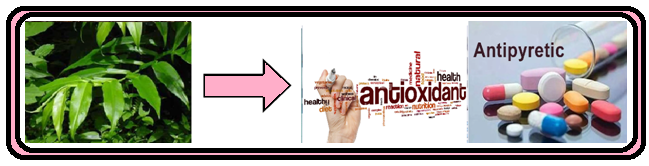
Figure 15– Representing antioxidant and antipyretic effects of Pothos scandens plant
Thankarajan Sajeesh et al., examined leaf, stem, and root samples for the presence of flavonoids, total phenolics, and preliminary phytochemicals. By inducing pyrexia in Wistar albino rats with brewer's yeast, the antipyretic properties of the root methanol extract were investigated. The ethanol extract of the stem had a higher total phenolic and tannin content, while the acetone extract of the root had a higher total flavonoid content. These results support the notion that Pothos scandens is a valuable natural source of antioxidants and antipyretics, and that it may offer nutraceuticals with potential benefits for human health [42].
2.16. Ocimum gratissimum(African basil) plant as an antinociceptive agent
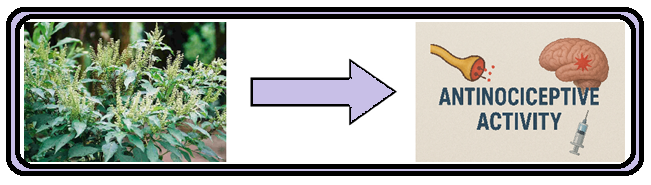
Figure 16– Representing antinociceptive potential of Ocimum gratissimum plant
In conventional medicine, Ocimum gratissimum is used to treat painful conditions. Paula-Freire etal., conductedan experiment using the hot plate test and the formalin test, two of the active principles of O. gratissimum essential oil (OgEO), namely eugenol and myrcene, were tested for their antinociceptive qualities.The administration of naloxone reversed the antinociceptive effect exhibited by all drugs tested in the hot plate test, suggesting participation in the opioid system. These findings highlight the advantages of O. gratissimum essential oil and its active ingredients in the fight against inflammatory and neurogenic pain. The results show that in murine pain models, O. gratissimum essential oil and its separated active principles demonstrated antinociceptive activity [43].
2.17. Oldenlandia biflora plant as an antibacterial agent
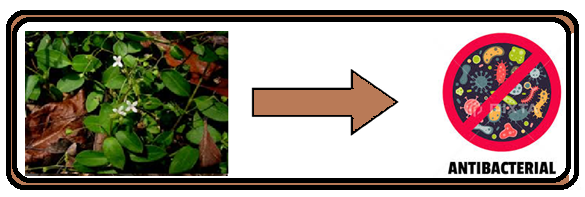
Figure 17– Representing antibacterial effects of Oldenlandia biflora plant
N. Sridhar et al., investigated Oldenlandia biflora and petroleum ether and ethyl acetate and aqueous extracts for potential sources of phytochemical constituents for antibacterial activity. The cup plate method was used to measure the extracts' antibacterial activity on nutrient agar medium.Incomparison to petroleum ether and aqueous extracts, the ethyl acetate extracts of the plant showed greater antibacterial activity.It was known that the plant contained flavonoids, tannins and alkaloids. Oldenlandia biflora extracts all exhibited antibacterial activity [44].
2.18. Oldenlandia herbacea(Slender Diamond Flower)plant as an antioxidant
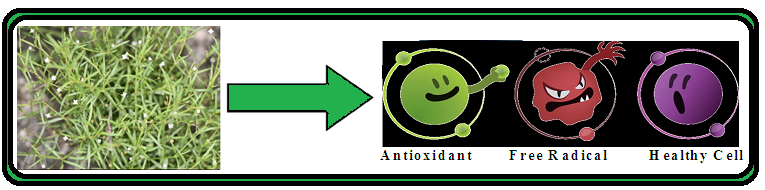
Figure 18– Representing antioxidant action of Oldenlandia herbacea plant
Uzama Danlami et al., tested Oldenlandia herbacea methanolic extract for its antibacterial and antioxidant properties. Additionally, proximate analysis and phytochemical screening were conducted. The results indicated that Oldenlandia herbacea methanolic extract was less active against Escherichia coli and Pseudomonas bacteria and more effective against Staphylococcus aureus, Klebsiella pneumoniae and Proteus mirabilis. The extract exhibited a high percentage of inhibition, which was parallel to the standard and this was an indication of a high degree of antioxidant activity. The antibacterial activity was measured by using the Agar well diffusion method. Since the extract is rich in phytochemicals, it could be employed as an herbal medicine and source of antioxidants [45].
2.19. Ophiorrhiza mungos(Mongoose plant) root as a venom-inhibiting agent
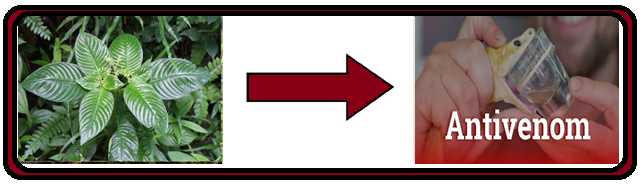
Figure 19– Representing antivenom potential of Ophiorrhiza mungos root
One of the Kerala's biggest tribal groups, the Kani tribes, are mostly found in the Western Ghats' Agasthyamalai hills' forests. Snake envenomation remains a life-threatening health crisis in rural tropical areas, causing numerous deaths. S. Anaswara krishnan et al., documented the hairy root of Ophiorrhiza mungos Linn., an herbaceous plant. They tested the hairy root's ability to neutralize Russell's viper venom in research laboratories. The outcomes demonstrated that the root extract significantly reduced the haemorrhage and oedemacaused by viper venom. These results suggest that the extract may have some endogenous venom-inhibiting properties [46].
2.20.Orthosiphon pallidus (Pale Java Tea)plant as an antioxidant and antimicrobial agent
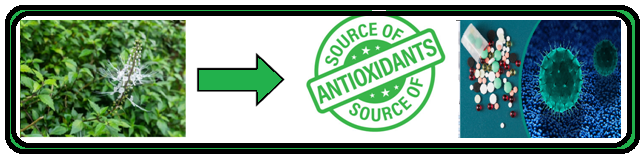
Figure 20– Representing antioxidant and antimicrobial properties of Orthosiphon pallidus plant
Mukesh Kr. Singh et al., studied to assess Orthosiphon pallidus Royle's in vitro antioxidant, antimicrobial, and cytotoxic properties.The MIC was calculated and antimicrobial activity was examined using the agar well diffusion method.Using the ABTS radical scavenging assay and metal chelating assay, the total phenolic and flavonoid content of the hydroalcoholic extract was estimated, and in vitro antioxidant activity was ascertained. The results of the current study revealed that the cytotoxic, antimicrobial and antioxidant activities of the hydroalcoholic extract had a significant variation [47].
2.21. Oxalis corniculata(Creeping Woodsorrel) plant as an anxiolytic agent
The anxiolytic activity of an ethanolic extract of Oxalis corniculata was assessed by Gaurav Gupta et al., through the use of the elevated plus maze test, anti-fighting test and the open field test.
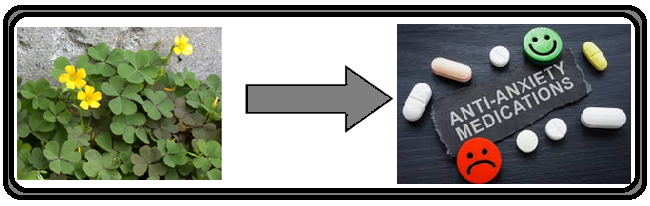
Figure 21 – Representing anxiolytic effect of Oxalis corniculata plant
As a typical anxiolytic, diazepam was injected intraperitoneally.In the open-field test, Oxalis corniculata ethanolic extract significantly reduced immobility and faecal pellets but significantly increased the number of squares crossed in comparison to control mice.Additionally,when compared to control mice, the ethanol extract of Oxalis corniculata significantly reduced the number of fighting episodes. Furthermore, it was discovered that these outcomes aligned with the anxiolytic effect generated by diazepam.The findings of the present research confirm the classical argument that Oxalis corniculata is an anxiolytic and provide scientific evidence support [48].
2.22. Melastoma malabathricum (Lutki) leaves as an antimicrobial agent
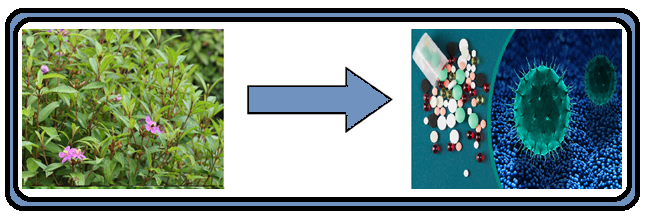
Figure 22– Representing antimicrobial action of Melastoma malabathricum leaves
Manabendra Dutta Choudhury et al., assessed the antibacterial activity of M. malabathricum L. extracts in acetone and methanol. Leaf extracts in methanol and acetone have been prepared, and the disc diffusion method has been used to test them against test bacteria. The results demonstrated a significant zone of inhibition by both extracts against each of the three test bacteria, indicating the potential of the M. malabathricum leaf methanolic and acetone extracts as antimicrobial agents.This data offers a useful hint for separating the plant's bioactive component [49].
2.23. Curculigoorchioides (Golden Eye Grass) as an anti-osteoporotic source
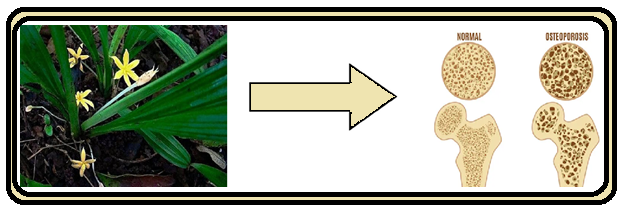
Figure 23– Representing anti-osteoporotic potential of Curculigoorchioides
Osteoporosis is a condition of the skeleton with low bone mineral density and bone microarchitectural degradation that causes bone fragility and the risk of fractures.Lei Jiao et al., conducted an experiment using Curculigo orchioides medicinal plant and isolated six phenolic compounds and the samples were subjected for Anti-osteoporotic activity with C.orchioides ethanol extract on mice. The composition of phenolic compounds is the main reason for the anti-osteoporotic property in C. orchioides plant. The ethanolic extract showed a significant effect on both osteoblast proliferation and alkaline phosphatase activity [50].
2.24. Desmodium pulchellum(Angel Locks) leaves as an anti-diarrheal agent
Diarrhoea is usually considered a result of altered motility and fluid accumulation within the intestinal tract.
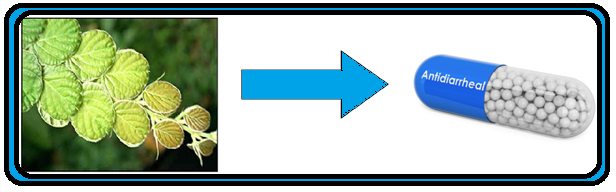
Figure 24–Representinganti-diarrheal effect of Desmodium pulchellumleaves
Md. Khalilur Rahman etal., prepared Desmodium pulchellum leaves extract and assessed diarrhoea, enteropooling and intestinal motilityin mice. There was a notable decrease in the intensity of diarrhoea. The conclusion is that while the methanol fraction has greater potential, both fractions contain some physiologically active ingredients that have anti-diarrheal effects [51].
2.25. Desmodium triflorum(Three flowered tick-trefoil) plant as an antibacterial agent
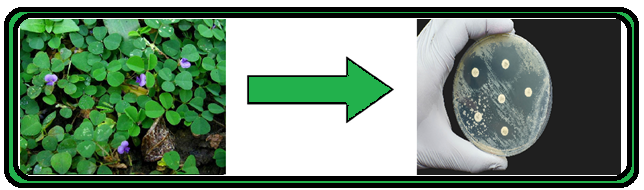
Figure 25– Representing antibacterial activity of Desmodium triflorumplant
Ritika Sharma et al., using aqueous and methanolic extracts, analyzed the phyto chemicals present in Desmodium triflorum plant. Alkaloids, steroids, tannins, saponins and flavonoids were verified to be present in aqueous and methanolic extracts in the analysis.This study confirmed the antibacterial effect of Desmodium triflorum methanolic extract against some bacteria [52].
2.26. Cyperus rotundus (Nutgrass) root as an antioxidant
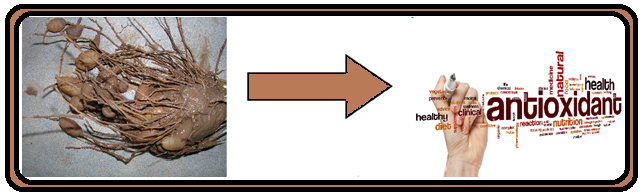
Figure 26–Representing antioxidant property of Cyperus rotundusroot
Kandikattu Hemanth Kumar et al., studied the traditional medicinal herb Cyperus rotundus, which is used to treat a variety of illnesses. In this study,they assessed the 70% ethanolic, methanolic, and water extracts of C. rotundus root for their in vitro antioxidant and free radical scavenging properties.The findings imply that the antioxidant activity of this plant extract may help prevent diseases linked to oxidative stressmetabolites, such as polyphenols, flavonoidsand sesquiterpenes, which may be connected with the observed metal chelating and nitric oxide scavenging activity [53].
2.27. Fimbristylis bisumbellata (Double-Umbel Fimbry) as an antidiarrheal source
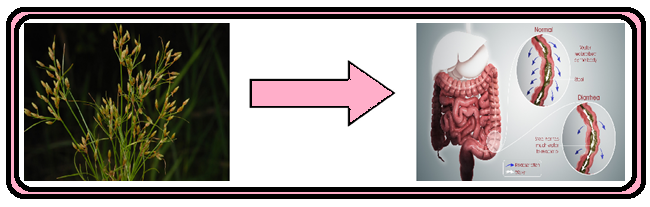
Figure 27– Representing antidiarrheal action of Fimbristylis bisumbellata
Dr. Abubakar Salam Bawazir et al., conducted an experiment to analyze the antidiarrheal activity of Fimbristylis bisumbellata in female rats. The study focused on in-vivo gastrointestinal motility and castor oil-induced diarrhoea in rats. The presence of tannins in the aqueous extract is the reason for the antidiarrheal activity of Fimbristylis bisumbellata. The leaf extract resulted in a reduced number of stools [54].
2.28. Galinsoga parviflora (Guasca)as anantioxidant
Figure 28– Representing antioxidant effect of Galinsoga parviflora
A chemical substance that prevents or slows down the damage that oxygen does to organisms or to food is called as an antioxidant. Agnieszka Bazylko et al., analyzed the antioxidant activity of Galinsoga parviflora extracts. They investigated it using thin layer chromatography (TLC) and high-performance liquid chromatography (HPLC). In their study, they found that G. parviflorahas antioxidant activities and is beneficial in preventing the harmful effects of free radicals in various inflammatory diseases [55].
2.29. Hedychium coronarium (Butterfly Ginger) as an anti-inflammatory agent
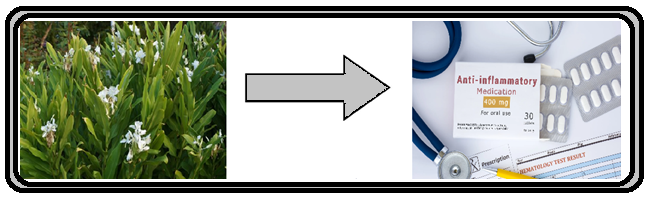
Figure 29 – Representing anti-inflammatory potential of Hedychium coronarium
The ability of a substance to decrease inflammation or swelling is known as anti-inflammatory. A study of the chemical compositions and anti-inflammatory activity of Hedychium coronariumusing mass spectroscopy (MS) and gas chromatography (GC) was performed by Lu et al.By the study, they made a conclusion that H. coronariumhas anti-inflammatory properties that can help in treatingcertain inflammatory ailments [56].
2.30. Leucas aspera (Thumbai) as an antifungal and antibacterial agent
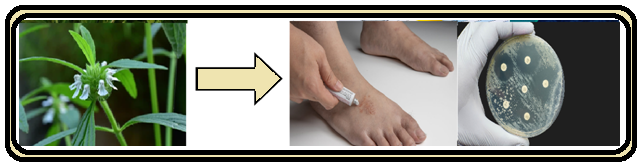
Figure 30– Representing anti-fungal and antibacterial effects of Leucas aspera
Manickam Pavunraj et al., analyzed organic extracts of Leucas aspera leaves to know about its antibacterial and antifungal activities by the disc-diffusion method. The broth microdilution method was used to test the MIC of the extract. They concluded that glycosides, alkaloids, flavonoids, tannin, saponins and terpenoids were present in L. aspera and are responsible for its biological activity against the organisms that were tested [57].
2.31. Hydrocotyle javanica(Java pennywort)as an anti-bacterial source
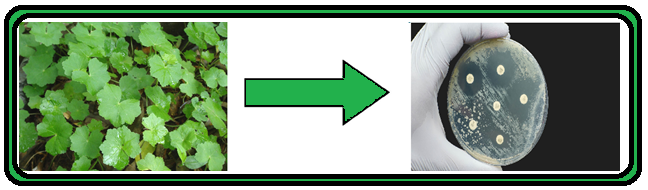
Figure 31– Representing anti-bacterial activity of Hydrocotyle javanica
Manab Mandal et al., conducted a study to examine the in vitro antimicrobial activity of Hydrocotyle javanica against food poisoning, infective gastrointestinal and topical bacteria by analyzing its aqueous and methanol extracts. From the study, they concluded that H. javanica will react against bacteriathat are harmful to humans and more research works are going on [58].
2.32. Lindernia antipoda (Sparrow False Pimpernel) as an antioxidant
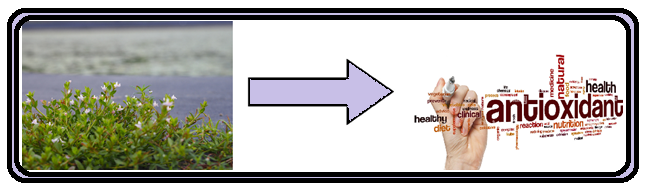
Figure 32– Representing antioxidant potential of Lindernia antipoda
A.Y. Sahare et al., studied the antioxidant and anti-inflammatory activity of Lindernia antipoda by analyzing the methanol extract of aerial part of the plant using in vitro methods. They concluded that Lindernia antipodais one of the strong sources of natural antioxidants and effective for oxidative stress [59].
2.33. Ludwigia perennis (Perennial Water Primrose) as an antibacterial agent
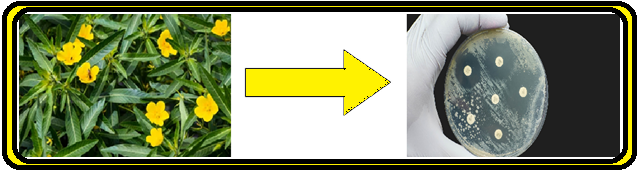
Figure 33– Representing the antibacterial action of Ludwigia perennis
Selvamuthu B et al., analyzed various extracts of Ludwigia perennis to determine its strength against harmful bacteria such asStaphylococcus aureus, Escherichiacoli, Klebsiella pneumonia, Proteus mirabilis and Proteusvulgaris. The agar disc diffusion method was used for the study. The methanolic extract had much more activity compared to other extracts. After the study, they concluded that Ludwigia perennis is a natural plant with great antibacterial properties and can be used against bacterial infections [60].
2.34. Melastoma malabathricum(Common Sendudok) as an anti-inflammatory source
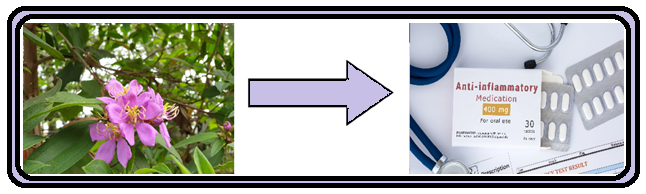
Figure 34– Representingthe anti-inflammatory potential of Melastoma malabathricum
M.P. Mazura et al., conducted a study to examine the anti-inflammatory activity of Melastoma malabathricum. They assessed the inhibitory properties of α-amyrin, botulinic acid and flavonoids such as quercetin and quercitrin on platelet-activating factor binding to rabbit platelets using an inhibitor, 3H-PAF as a receptor. The researchers found that flavonoids and pentacyclic triterpenes of M. malabathricum have PAF-inhibitory properties, and hence it is a promising source of natural anti-inflammatory molecules [61].
2.35. Ocimum gratissimum (Ram Tulsi) as a hypoglycaemic source
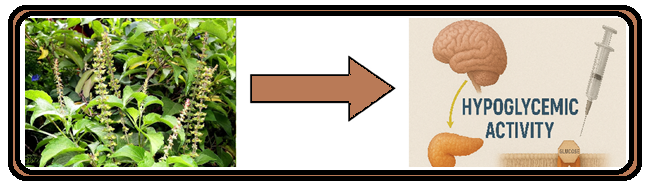
Figure 35– Representing the hypoglycemic effect of Ocimum gratissimum
Hypoglycemia can be defined as an abnormally low concentration of glucose in the blood. J. C. Aguiyi et al., evaluated the hypoglycemic properties of the methanolic extract of the Ocimum gratissimum leaves against normal rats and alloxan-induced diabetic rats. Its methanolic extract inhibited the blood sugar levels in bothtypes of rats, which indicates its traditional healing ability [62].
CONCLUSION
Medicinal plants have been essential in both traditional and modern medicine, whereby a wide range of compounds with therapeutic properties are produced by medicinal plants. There is a need for scientific validation and sustainable harvesting practices in order to exploit the benefits in a responsible manner. A combination of traditional knowledge and modern studies may open new opportunities to discover new drugs and advance the idea of a holistic approach to healthcare.
ACKNOWLEGEMENTS
Mohammed Shaik Fahad sincerely acknowledge the support and facilities provided by the Farooqia College of Pharmacy, Mysuru, Karnataka, India. Zabiulla extend his sincere thanks to the Rector and Management PG Studies and Research in Chemistry, St. Philomena’s College (Autonomous), Mysore, Karnataka, for providing necessary research facilities.
REFERENCES:


Mohammed Shaik Fahada, Rayees Afzal Mirb, Princy A. Rc, Hamsa K. Rc, Archana K. Nc, Vivek Krishnan Jc, Zabiullac*, From Ethno-medicine to Pharmacology: Therapeutic Potential of Medicinal Plants of the Western Ghats – A Comprehensive Review. J. of Pharm. Sci., 2026, Vol 4, Issue 1, 2133-2150. https://doi.org/10.5281/zenodo.18328500
 10.5281/zenodo.18328500
