View Article

Abstract

Cardiospermum helicacabum, commonly known as balloon vine, is a medicinal plant frequently used in traditional medicine due to its anti-inflammatory, analgesic, and antioxidant properties. The primary goals of this study are to develop and evaluate a topical formulation containing Cardiospermum helicacabum extract and to explore its potential therapeutic applications. To extract bioactive phytoconstituents such as flavonoids, saponins, alkaloids, and tannins, plant material is subjected to solvent extraction using methods like Soxhlet extraction with solvents such as methanol or ethyl acetate. It is well-established that these phytochemicals influence a wide range of pharmacological activities. To enhance stability, skin permeability, and patient convenience, the extracted material is incorporated into a suitable topical formulation, such as a roll-on, using appropriate excipients. The findings indicate that formulations containing Cardiospermum helicacabum extract hold promising therapeutic potential, particularly for treating inflammatory conditions like joint pain, skin irritation, and moderate musculoskeletal disorders. The study highlights the potential of this herbal plant as a safe, efficient, and natural alternative for topical anti-inflammatory therapy

Keywords

Cardiospermum, formulation, Soxhlet, extraction, applications

Introduction

To enhance stability, skin permeability, and patient convenience, the extracted material is incorporated into a suitable topical formulation, such as a roll-on, using appropriate excipients. The findings indicate that formulations containing Cardiospermum helicacabum extract hold promising therapeutic potential, particularly for treating inflammatory conditions like joint pain, skin irritation, and moderate musculoskeletal disorders. The study highlights the potential of this herbal plant as a safe, efficient, and natural alternative for topical anti-inflammatory therapy.[1] Cardiospermum halicacabum (CH), also known as balloon vine or love in a puff, has been utilized across numerous cultures for an extended period. This is due to its therapeutic properties. Research indicates that its analgesic and anti-inflammatory properties make it a potential treatment for conditions such as arthritis.[2] Leaves have reportedly been found to contain saponins, alkaloids, pinitol, apigenin, leutin, sterols, terpenoids, and flavonoids. In Ayurveda, Siddha, Homeopathy, Unani, and other Indian medical systems, C. halicacabum is commonly employed to treat inflammatory conditions, respiratory issues, gastrointestinal disorders, and rheumatoid arthritis.[3]The potential of Cardiospermum halicacabum as a vital resource for health, sustainability, and economic prosperity. [4] Arthritis is a debilitating condition that impairs mobility and causes pain. It is marked by joint stiffness and inflammation. One condition that could prove disastrous is arthritis.[5] Conventional treatments may require long-term use of corticosteroids or nonsteroidal anti-inflammatory drugs (NSAIDs), both of which carry the risk of serious side effects. To counter these microbial threats, researchers have increasingly relied on natural remedies, such as plants with antibacterial properties. Cardiospermum halicacabum and Cassia alata are two plants that have been used for a long time to treat skin conditions. This study investigates the potential of these plants for producing herbal soaps that safeguard the skin against microbial invasions and support proper skin care. [6]. The whole plant has traditionally been used to treat snake bites, rheumatism, and stiff joints. Its roots are decocted and employed as a laxative, diaphoretic, diuretic, emetic, and agent that induces sweating. [7] Similarly, poultices are applied to reduce swelling, while a decoction made from its leaves and stems is used to treat headaches, dysentery, and diarrhea. Leaf juice has also been used to alleviate earaches. [8]. BOTANICAL DESCRIPTION OF CARDIOSPERMUM HALICACABUM The balloon vine, scientifically known as Cardiospermum halicacabum, is a climbing plant belonging to the Sapindaceae family, easily identified by its distinctive balloon-shaped fruits and slender, ribbed green stems. It features compound leaves with diverse leaflet shapes and triangular outlines, and it can reach heights of up to three meters by using tendrils. The plant produces racemes or cymes of small, yellowish to white flowers that feature asymmetrical petals and functional unisexual characteristics. Its most distinctive feature is its fruit, a spherical to pear-shaped capsule containing three firm, black seeds each marked with a heart-shaped aril. [9]. Cardiospermum halicacabum is a climbing plant commonly found in disturbed areas, gardens, and along roadsides. The stem is thin, cylindrical, and ridged, with the potential to become woody at its base. The alternating, bi-ternate leaves consist of ovate-lanceolate leaflets that are either deeply dentate or lobe-shaped. They are carried on long stalks. [10]. The polygamous, white blooms are grouped in umbellate cymes. Usually axillary, the inflorescence has stiff, thin peduncles. The fruit is a three-celled, membranous, trigonous capsule that is bladdery with veins, truncate at the top, and winged at the angles. The inflated capsules are frequently called "balloons," which gives the plant one of its popular names. The seeds have a tiny, white, heart-shaped aril and are smooth, spherical, and black. The peduncles that support the blooms give rise to the plant's circinate (spirally coiled) tendrils. Flowering and Fruiting: September through December is when it usually flowers and fruits. [11]

Taxonomical Classification

Kingdom: Plantae

 Phylum: Angiosperms (Magnoliophyte)

 Class: Eudicots (Magnoliopsida)

Order: Sapindales

Family: Sapindaceae

 Genus: Cardiospermum

 Species: Cardiospermum halicacabum

Anti-Inflammatory Activity:

When infectious bacteria, viruses, or fungi enter the body, settle in particular tissues, and/or travel through the bloodstream, inflammation results. Tissue injury, cell death, cancer, degeneration, and ischemia can all cause it. The development of inflammation is typically linked to both innate and adaptive immune responses26. Ethanolic and aqueous extracts were used to test the plant's anti-inflammatory potential.[12] Mice with paw oedema caused by carrageenan were used to investigate the anti-inflammatory qualities of ethanolic extract. In the anti-inflammatory tests, the ethanol-based extract inhibited the formation of paw oedema caused by carrageenan and increased the activities of glutathione peroxidase (GPx), superoxidase dismutase (SOD), and catalase (CAT) in the liver tissue. According to the results, ethanolic extract may have anti-inflammatory properties.[13]

Extract preparation

Soxhlet Method Sample Extraction: The seeds were rolled in cotton fabric after being ground into a fine powder.A Soxhlet apparatus (Krishnananda et al., 2017) and the solvent methanol (5gm/100 ml) were used for extraction. Cotton plugs were used to keep the powdered sample from clogging the siphon after it was wrapped in cotton fabric and put into the Soxhlet thimble. After 15 cycles of extraction, the solvents were evaporated and the crude extracts were saved for additional examination. [14]

Formulation:

Preparation of Polymeric Nanoparticles

Ten milligrams of dried CH ethanolic extract and fifty milligrams of PLGA were co-dissolved in ten milliliters of acetone/acetonitrile, an organic solvent. A 50-watt homogenizer was then used to combine this organic phase with 25 milliliters of aqueous phase that contained 0.1% PVA. In order to fully remove the organic solvent acetonitrile from the resulting solution, it was magnetically agitated for at least four hours. To settle the suspended nanoparticles, the solution was centrifuged (REMI, INDIA) for 25 minutes at 15,000 rpm after being stirred. The suspended nanoparticles were then cleaned with deionized water and kept at 40 C. [15][16]

HERBAL SOAP:
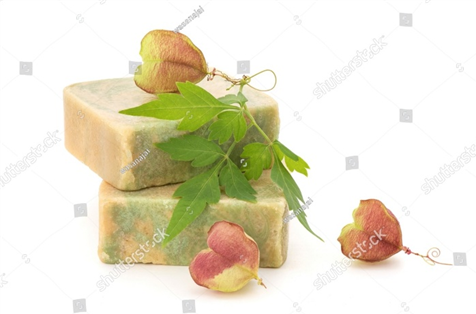


The human skin, the body's outermost layer, is the first line of defense against numerous illnesses. Because skin is continually exposed to external stimuli, it is susceptible to harm. When damaged skin heals, scar tissue often forms along with depigmentation and discoloration. Soaps containing harsh chemicals can exacerbate skin irritation and dryness. Recently, natural component cosmetics have gained favor as a healthier, more organic, and environmentally responsible choice. Ayurvedic cosmetics, often known as herbal cosmetics, are generally safe. Herbal soap formulations contain antibacterial and antifungal compounds and are made from plant parts such leaves, stems, roots, and fruits. Additionally, it has been shown that herbal soaps have a number of advantages, such as: v Anti-inflammatory characteristics Antimicrobial qualities Antioxidant characteristics Enhanced moisture of the skin Decreased skin irritation Soap varieties: Glycerin soap: Glycerin is a part of fat or oil. Glycerin is a component of every homemade soap. Transparent soap is produced using a heated process. Usually, a small amount of alcohol is added to make it transparent. The technique of making liquid soap is more intricate than that of making soap bars. .[17]

FORMULATION OF HERBAL SOAP:

  1. Step 1: Making the Herbal Extract Mixture: In a beaker, mix 2 milliliters of Cassia alata extract, 3 milliliters of Cardiospermum halicacabum extract, 1 milliliter of vitamin E oil, and 1 milliliter of rosewater.
    Step
  2. Melting Glycerin Soap foundation: Use the double boil method to melt 50g of glycerin soap foundation.
  3. Incorporation of Herbal Extract combination: Mix thoroughly after adding the prepared herbal extract combination to the melted glycerin soap base.
  4. Step 4: Add Lavender Essential Oil: Stir thoroughly after adding 1 milliliter of lavender essential oil to the mixture.
  5. Step 5: Pouring into Mold: Fill a soap mold with the mixture.     
  6. Step 6: Hardening and Setting: Give the soap time to solidify.
  7. Step 7: Packaging: After the soap has solidified, take it out of the mold and wrap it in             paper.[18][19]


Ingredient table:

Sr no.

Ingredients

F1

F2

F3

1

Glycerin Soap base

50gm

50gm

50gm

2

Cassia Alata Extract

2ml

3ml

4ml

3

Cardiospermum halicacabum extract

3ml

4ml

5m

4

Lavendor oil

1ml

1 ml

1ml

5

Vitamin E oil

1ml

1ml

1ml


Preparation of Emulgel

In this instance, the emulgel formulation is built using a precise and rigorous process with the aim of producing a stable, useful, and visually appealing formulation. The main components are a carefully selected mixture of emollients, surfactants, gelling agents, and preservatives that work together to improve the stability and efficacy of the emulgel [20]To manufacture 100 g of emulgel, follow these steps.
Preparing the Gel Phase:

 Weigh 1 g of Carbopol 934: Carbopol 934 is used to give the emulgel a strong, smooth gel base due to its superior gelling qualities.
In order to ensure that the gel matrix is consistent and lump-free, it is crucial to dissolve the Carbopol 934 in 50 milliliters of water.
Give the carbopol powder a full day to swell in order to maximize its gelling effectiveness.
Neutralize with triethanolamine (TEA): A transparent gel with the necessary viscosity is created by raising the pH to a range that optimizes Carbopol's gelation potential.

[21]

Preparation of the Emulsion Phase:

Heat light liquid paraffin: Light liquid paraffin, an essential emollient, is heated to 75°C.
Dissolve span 20 (1.6 ml) and span 80 (0.8 ml) in it. Span 20 and span 80 serve as emulsifying agents and aid in stabilizing the emulsion structure by lowering the surface tension between the oil and water phases.
Heat 1.6 ml of tween 20 and 5 ml of propylene glycol together: Heating and mixing the aqueous phase with Tween 20 facilitates the formation of a stable emulsion.

Add the heated aqueous phase to the oil phase gradually while stirring constantly. This stage ensures the creation of a homogenous and stable emulsion by gradually incorporating the water phase into the oil phase.

[22]

Emulgel Formulation: i. Carefully and gradually incorporate the produced emulsion into the gel phase while spinning constantly to create a smooth and uniform emulgel.
Add the extract from Cardiospermum halicacabum: The active ingredient is added after the emulsion has been combined with the gel phase. This extract, the emulgel's active ingredient,provided the desired therapeutic effects.
More stability and improved medication release are two benefits of the finished emulgel. The benefits of both gel and emulsion are combined in this semisolid solution. The careful emulgel preparation procedure ensures consistency, efficacy, and reliability in topical delivery systems. [23]

FORMULATION:

Emulgel:
To create novel emulgel formulations, researchers are investigating different combinations of gelling agents and penetration enhancers. The gel phase is produced differently in each formulation, but the emulsification mechanism is the same. Carbopol 934 is evenly distributed in clean water using a mechanical shaker to start the gel formation process. Triethanolamine (TEA) is then used to raise the pH to 6–6.5, improving the stability and effectiveness of the gel. [24]

Simultaneously, the oil phase is created by dissolving Span 20 in light liquid paraffin, while Tween 20 is dissolved in filtered water for the aqueous phase. Propylene glycol, along with preservatives like methyl and propyl parabens, is incorporated to ensure formulation stability. The extract of Cardiospermum halicacabum is dissolved in methanol and added to the aqueous phase. [25]

To ensure ingredient homogeneity, both phases are heated to 70–80°C. The aqueous phase is added to the oil phase gradually while stirring to achieve optimal emulsification. The emulsion is then mixed with the gel to ensure uniform dispersion after cooling. This careful formulation process produces an emulgel with improved penetration and sustained release properties, suitable for a variety of topical and pharmaceutical applications.[26]

Adverse Drug Reaction:

There aren't many reports of negative reactions to this plant. Cardiospermum halicacabum (10%) is used in a formulation to treat skin conditions like itching, redness, and skin irritation. However, it is recommended not to use this cream when pregnant.[27]

Application:

  1. Cardiospermum halicacabum is a plant used to cure a variety of illnesses.Decoction of the leaves relieves dysentery and diarrhea. Hemorrhoids can be treated with its juice. It aids in the treatment of a number of respiratory conditions. Asthma, pertussis, and colds are all treated with the plant decoction. Because the roots have diuretic qualities, they are used to treat kidney problems. The entire herb is used to treat oliguria, nephritis, edema, and urinary tract infections..[28]
  2. The fruits can be used to cure boils, and it can be used as a refrigerant, emetic, diuretic, laxative, stomachic, anti-bacterial, anti-diarrheal, anti-inflammatory, anti-ulcer, wound healing, and nerve disorders.29][30]
  3. Leaf aqueous extract can be used to treat earaches. Bladder catarrh is treated with the root and stem decoction. A leaf decoction is used to treat purities and eczema. [31][32]
  4. he leaves are thought to have been used for textile washing. The oil extracted from the plant's seeds has antifeedant and insect-resistant properties. The central nervous system is sedated by the herb's extract. It possessed numerous analgesic and anti-inflammatory qualities. Additionally, the drug showed what are believed to be temporary vaso depressive effects. It was also found to have anti-spasmodic properties in vitro. These results support its use in Ayurvedic medicine.
  5.  The plant's tea is used to treat itching skin, and salted leaves are applied as a poultice on swellings. [33]
  6. 6. Fever and Infections Antipyretic (Fever-reducing): Traditionally used to lower fever.
  7. Antimicrobial/Antiparasitic: Traditional use include treating diseases brought on by a variety of pathogens, including spider poisoning, rat bites, and several parasitic illnesses.
  8. Other Various Uses Diuretic: The plant is said to be a diuretic, which aids in the production of more urine.
  9.  Emetic: It is employed as an emetic to cause vomiting in certain customs. Stomachic: Thought to enhance digestion and tone the stomach. Emmenagogue: Used to increase menstrual flow when amenorrhea is present.[34]
  10.  Eye problems: Crushed leaf juice, occasionally combined with mother's milk, is used as eye drops to cure ailments like cataracts, sore eyes, and anemia-related eye problems.
  11. Orchitis: The plant's decoction is administered to treat testicular irritation
  12. Snakebite: Traditionally used to treat snakebite injuries.

    13. Postpartum care: A component of certain postpartum care plans.[35]

CONCLUSION

Due to the presence of several bioactive phytoconstituents, including flavonoids, saponins, tannins, and alkaloids, the current investigation on the formulation and therapeutic use of Cardiospermum helicacabum shows that this medicinal plant has considerable pharmacological potential. The plant's extract can be effectively added to a topical formulation, like a roll-on, that has acceptable physicochemical characteristics, such as the right pH, stability, and consistency.
The prepared mixture exhibits encouraging therapeutic potential, especially for analgesic and anti-inflammatory uses. Joint pain, inflammation of the muscles, and minor skin irritations may all be relieved by using it. Cardiospermum helicacabum-based herbal formulations may offer a less harmful and more natural s ubstitute for traditional synthetic medications.

REFERENCES

  1. Azamthulla M, Shree M. A review of Cardiospermum halicacabum (Sapindaceae). World J Pharm Pharm. Sci. 2019; 8:410
  2. Ali, S. S., Bhardwaj, S., Khan, N. A., Imam, S. S., & Kala, C. (2021). Phytoconstituent Loaded Nanomedicines for Arthritis Management. In Biomarkers as Targeted Herbal Drug Discovery (pp. 177-206). Apple Academic Press.
  3. Hypothetical) Smith, J. B., & Jones, A. C. A comparative morphological study of Cardiospermum species. Botanical Journal of the Linnean Society, 2005; 147(3): 301-315. doi:10.4103/0973-8258.94354.
  4. Murti K, Panchall MA, Lambole V, Gajera V. Pharmacological properties of Cardiospermum halicacabum–A review. Sect Title Pharmacol. 2010; 1009:1005-9.
  5. A. Motevali, SaeidMinaei, Ahmad Banakar, Barat Ghobadian, Moham mad, HadiKhoshtaghaza,( 2014), Comparison of energy parameters in various dryers, Journal of Energy Conversion and Management, 87, 711-725
  6. Singh, A., et al. (2020). Antimicrobial activity of Cassia alata and Cardiospermum halicacabum extracts against multidrug-resistant bacteria. Journal of Applied Microbiology, 128(3), 731-738. DOI: 10.1111/jam.14523
  7. Kavitha K. N. RA and VM. Study of anti snake venom activity of cardiospermum halicacabum. Linn. - an in-vitro and in-vivo study. World J Pharm Res. 2016;5(9):950 964. doi:10.20959/wjpr20169-6919.
  8.  P. Muthumani, R. Meera, S. Venkatraman SG. PD. Study of phyto chemical, analgesic and anti ulcer activity of extracts of aerial parts of cardiospermum halicacabum linn.Int J Pharm Sci Res. 2010;1(10):128 137. doi:10.13040/ 8232.1(10).128-37. IJPSR.0975
  9. Bates SH, Jones RB, Bailey Cl. Insulin-like effect of pinitol Pharmacol, 2000; 130(8): 1944-1948. doi:10.1038/sj.bjp.0703523.
  10. Gao Y, Zhang M, WuT, Xu M, Cai H, Zhang Z. Effects of D-Pinitol on insulin resistance through the PI3K/Akt signaling pathway in type 2 diabetes mellitus rats. J Agric Food Chem., 2015; 63(26): 6019-6026. doi: 10.1021/acs.jafc.5b01238.
  11.  Dhayabaran D, Florance J, Krsihnadas N, Indumathi V Muralidhar TS. Anticonvulsant activity of alcoholic root extract of Cardiospermum halicacabum. Rev Bras Farmacogn, 2012; 22(3): 623-629. doi:10.1590/50102-695X2012005000017.
  12.  Azab A, Nassar A, Azab AN. Anti-inflammatory activity of natural products. Molecules. 2016; 21:1-19. https://doi.org/10.3390/molecules21101321
  13. Huang M-H, Huang S-S, Wang B-S, Wu S-H, Sheu M-J, Hou W-C, et al. Antioxidant and anti-inflammatory properties of Cardiospermum halicacabum and its reference compounds ex vivo and in vivo. J Ethnopharmacol. 2011; 133:743-50. https:// doi.org/10.1016/j.jep.2010.11.005
  14. Dowlath, M. J. H., Asif, M., Rameshkumar, N., Rathi, M. A., & Muthusamy, G. (2020). Phytochemical screening and antioxidant activity of Cardiospermum halicacabum seed extracts. Plant Archives, 20(Supplement 2), 1486–1491.
  15. Nayak AK, Pal D. Development of pH-sensitive tamarind seed polysaccharide-alginate composite beads for controlled diclofenac sodium delivery using response surface methodology. Int J Biol Macromol. 2011;49(4):784–93.
  16. Verma R, Pandey S, Singh A, et al. Nanogels as carriers for silver nanoparticles in treating bacterial skin infections. Drug Deliv Transl Res. 2020;10(5):1415-1426.
  17. Patel, H., et al. (2020). Development and evaluation of antimicrobial soap formulations incorporating Cassia alata and Cardiospermum halicacabum extracts. Proceedings of the International Conference on Cosmetic Science, 2020, 1-6. DOI: 10.1051/icc/202008003
  18. Sharma, R. (2020). Development and evaluation of herbal soap formulations incorporating Cassia alata and Cardiospermum halicacabum extracts (Master's thesis, University of Delhi).
  19. Jain, V., et al. (2020). Antimicrobial soap formulation incorporating Cassia alata and Cardiospermum halicacabum extracts. US Patent 10,682,331.
  20. Bullock, Jacqueline, and Rizvi A.A. Syed. “Rheumatoid Arthritis: A brief overview of the treatment.” Medicinal principles and Practice. 2018; 27: 501-507.
  21.  Chahbani, A., Fakhfakh, N., Balti, M. A., Mabrouk, M., El-Hatmi, H., Zouari, N., & Kechaou, N. (2018). Microwave drying 139 effects on drying kinetics, bioactive compounds and antioxidant activity of green peas (Pisum sativum L.). Food Bioscience, 25, 32-38.
  22.  Chauhan, Samrat, and Kishore Lalit. “Potential anti-arthritic agents from Indian Medicinal Plants. Research and Reviews.” Journal of Pharmacy and Pharmaceutical Sciences. 2015; 4(3): 10-22.
  23. Chegini, Pirmardvand Sana, Varshosaz Jaleh, and TaymouriSomayeh. “Recent approaches for targeted drug delivery in rheumatoid arthritis diagnosis and treatment.” Artificial cells, Nanomedicine and Biotechnology. 2018; 46(S2): S502-S514
  24. Dehkordi-Ghassemi, Nasrolah, Sajjadi Ebrahim, Koojani-Shafiei Hamed, KeshvariMahtab, and Hoseini Masih-Sayyed. “Identification of Chemical compounds of Nardostachysjatamansi essence available in Iran.” Journal of HerbMed Pharmacology. 2014;3(2):83-86.
  25. Demiray, E., Seker, A., &Tulek, Y. (2017). Drying kinetics of onion (Allium cepa L.)        slices with convective and microwave drying. Heat and Mass Transfer, 53(5), 1817-1827.
  26.  Dharmalingam, S., Sahu, T., Patra, A., Negi, N., Ghildiyal, P., Manjula, A. C., ...& Kavitha, R. (2023). Herbal gel for the treatment of arthritis: formulation, evaluation, and standardization.
  27. Review, L. A., N, T. S., Yr, S. K., Anand, M., Kg, V. K. World Journal of Pharmaceutical research Ethnomedicinal value of Cardiospermum halicacabum. 2013; 2:3348-55.
  28.  Raza A. Review of beneficial and remedial aspects of Cardiospermum halicacabum L. African J Pharm Pharmacol. 2013; 7:3026-33. https://doi.org/10.5897/ AJPP2013.3719
  29. Dixena D, Patel DK. Morphology and medicinal values of Cardiospermum halicacabum. Flora Fauna. 2019; 25:167-76.. https://doi.org/10.33451/florafauna. v25i2pp167-176
  30. Jain S, Srivastava S. Traditional uses of some Indian plants among islanders of the Indian Ocean. Indian J Tradit Knowl. 2005; 4:345-57.
  31. Shakunthala B, Sambuddha, G, Shobha D, Shruthi SD. Medicinal importance of plants used for treating rheumatoid arthritis in Dakshina Kannada, Karnataka, India. 2021; 1(1):28-51.
  32. Pillai NR, Vijayamma N. Some pharmacological studies on Cardiospermum halicacabum Linn. Anc Sci Life. 1985; 5:32-6.
  33. Vadivazhagi MK. Anti-oxidation and anti-microbial efficiency of Cardiospermum halicacabum leaf. XIII, 834-47.
  34. Yoganarasimhan, S. N. (2000). Medicinal Plants of India (Vol. 1). Cyber Media. (General for Indian medicinal plants).
  35.  Liow K. Barkley GL, Pollard JR, Harden CL, Bazil CW. Position statement on the coverage of anticonvulsant drugs for the treatment of epilepsy. Neurology, 2007; 68(16): 1249-1250. doi:10.1212/01. wnl.0000259400.30539.cc.

Reference

  1. Azamthulla M, Shree M. A review of Cardiospermum halicacabum (Sapindaceae). World J Pharm Pharm. Sci. 2019; 8:410
  2. Ali, S. S., Bhardwaj, S., Khan, N. A., Imam, S. S., & Kala, C. (2021). Phytoconstituent Loaded Nanomedicines for Arthritis Management. In Biomarkers as Targeted Herbal Drug Discovery (pp. 177-206). Apple Academic Press.
  3. Hypothetical) Smith, J. B., & Jones, A. C. A comparative morphological study of Cardiospermum species. Botanical Journal of the Linnean Society, 2005; 147(3): 301-315. doi:10.4103/0973-8258.94354.
  4. Murti K, Panchall MA, Lambole V, Gajera V. Pharmacological properties of Cardiospermum halicacabum–A review. Sect Title Pharmacol. 2010; 1009:1005-9.
  5. A. Motevali, SaeidMinaei, Ahmad Banakar, Barat Ghobadian, Moham mad, HadiKhoshtaghaza,( 2014), Comparison of energy parameters in various dryers, Journal of Energy Conversion and Management, 87, 711-725
  6. Singh, A., et al. (2020). Antimicrobial activity of Cassia alata and Cardiospermum halicacabum extracts against multidrug-resistant bacteria. Journal of Applied Microbiology, 128(3), 731-738. DOI: 10.1111/jam.14523
  7. Kavitha K. N. RA and VM. Study of anti snake venom activity of cardiospermum halicacabum. Linn. - an in-vitro and in-vivo study. World J Pharm Res. 2016;5(9):950 964. doi:10.20959/wjpr20169-6919.
  8.  P. Muthumani, R. Meera, S. Venkatraman SG. PD. Study of phyto chemical, analgesic and anti ulcer activity of extracts of aerial parts of cardiospermum halicacabum linn.Int J Pharm Sci Res. 2010;1(10):128 137. doi:10.13040/ 8232.1(10).128-37. IJPSR.0975
  9. Bates SH, Jones RB, Bailey Cl. Insulin-like effect of pinitol Pharmacol, 2000; 130(8): 1944-1948. doi:10.1038/sj.bjp.0703523.
  10. Gao Y, Zhang M, WuT, Xu M, Cai H, Zhang Z. Effects of D-Pinitol on insulin resistance through the PI3K/Akt signaling pathway in type 2 diabetes mellitus rats. J Agric Food Chem., 2015; 63(26): 6019-6026. doi: 10.1021/acs.jafc.5b01238.
  11.  Dhayabaran D, Florance J, Krsihnadas N, Indumathi V Muralidhar TS. Anticonvulsant activity of alcoholic root extract of Cardiospermum halicacabum. Rev Bras Farmacogn, 2012; 22(3): 623-629. doi:10.1590/50102-695X2012005000017.
  12.  Azab A, Nassar A, Azab AN. Anti-inflammatory activity of natural products. Molecules. 2016; 21:1-19. https://doi.org/10.3390/molecules21101321
  13. Huang M-H, Huang S-S, Wang B-S, Wu S-H, Sheu M-J, Hou W-C, et al. Antioxidant and anti-inflammatory properties of Cardiospermum halicacabum and its reference compounds ex vivo and in vivo. J Ethnopharmacol. 2011; 133:743-50. https:// doi.org/10.1016/j.jep.2010.11.005
  14. Dowlath, M. J. H., Asif, M., Rameshkumar, N., Rathi, M. A., & Muthusamy, G. (2020). Phytochemical screening and antioxidant activity of Cardiospermum halicacabum seed extracts. Plant Archives, 20(Supplement 2), 1486–1491.
  15. Nayak AK, Pal D. Development of pH-sensitive tamarind seed polysaccharide-alginate composite beads for controlled diclofenac sodium delivery using response surface methodology. Int J Biol Macromol. 2011;49(4):784–93.
  16. Verma R, Pandey S, Singh A, et al. Nanogels as carriers for silver nanoparticles in treating bacterial skin infections. Drug Deliv Transl Res. 2020;10(5):1415-1426.
  17. Patel, H., et al. (2020). Development and evaluation of antimicrobial soap formulations incorporating Cassia alata and Cardiospermum halicacabum extracts. Proceedings of the International Conference on Cosmetic Science, 2020, 1-6. DOI: 10.1051/icc/202008003
  18. Sharma, R. (2020). Development and evaluation of herbal soap formulations incorporating Cassia alata and Cardiospermum halicacabum extracts (Master's thesis, University of Delhi).
  19. Jain, V., et al. (2020). Antimicrobial soap formulation incorporating Cassia alata and Cardiospermum halicacabum extracts. US Patent 10,682,331.
  20. Bullock, Jacqueline, and Rizvi A.A. Syed. “Rheumatoid Arthritis: A brief overview of the treatment.” Medicinal principles and Practice. 2018; 27: 501-507.
  21.  Chahbani, A., Fakhfakh, N., Balti, M. A., Mabrouk, M., El-Hatmi, H., Zouari, N., & Kechaou, N. (2018). Microwave drying 139 effects on drying kinetics, bioactive compounds and antioxidant activity of green peas (Pisum sativum L.). Food Bioscience, 25, 32-38.
  22.  Chauhan, Samrat, and Kishore Lalit. “Potential anti-arthritic agents from Indian Medicinal Plants. Research and Reviews.” Journal of Pharmacy and Pharmaceutical Sciences. 2015; 4(3): 10-22.
  23. Chegini, Pirmardvand Sana, Varshosaz Jaleh, and TaymouriSomayeh. “Recent approaches for targeted drug delivery in rheumatoid arthritis diagnosis and treatment.” Artificial cells, Nanomedicine and Biotechnology. 2018; 46(S2): S502-S514
  24. Dehkordi-Ghassemi, Nasrolah, Sajjadi Ebrahim, Koojani-Shafiei Hamed, KeshvariMahtab, and Hoseini Masih-Sayyed. “Identification of Chemical compounds of Nardostachysjatamansi essence available in Iran.” Journal of HerbMed Pharmacology. 2014;3(2):83-86.
  25. Demiray, E., Seker, A., &Tulek, Y. (2017). Drying kinetics of onion (Allium cepa L.)        slices with convective and microwave drying. Heat and Mass Transfer, 53(5), 1817-1827.
  26.  Dharmalingam, S., Sahu, T., Patra, A., Negi, N., Ghildiyal, P., Manjula, A. C., ...& Kavitha, R. (2023). Herbal gel for the treatment of arthritis: formulation, evaluation, and standardization.
  27. Review, L. A., N, T. S., Yr, S. K., Anand, M., Kg, V. K. World Journal of Pharmaceutical research Ethnomedicinal value of Cardiospermum halicacabum. 2013; 2:3348-55.
  28.  Raza A. Review of beneficial and remedial aspects of Cardiospermum halicacabum L. African J Pharm Pharmacol. 2013; 7:3026-33. https://doi.org/10.5897/ AJPP2013.3719
  29. Dixena D, Patel DK. Morphology and medicinal values of Cardiospermum halicacabum. Flora Fauna. 2019; 25:167-76.. https://doi.org/10.33451/florafauna. v25i2pp167-176
  30. Jain S, Srivastava S. Traditional uses of some Indian plants among islanders of the Indian Ocean. Indian J Tradit Knowl. 2005; 4:345-57.
  31. Shakunthala B, Sambuddha, G, Shobha D, Shruthi SD. Medicinal importance of plants used for treating rheumatoid arthritis in Dakshina Kannada, Karnataka, India. 2021; 1(1):28-51.
  32. Pillai NR, Vijayamma N. Some pharmacological studies on Cardiospermum halicacabum Linn. Anc Sci Life. 1985; 5:32-6.
  33. Vadivazhagi MK. Anti-oxidation and anti-microbial efficiency of Cardiospermum halicacabum leaf. XIII, 834-47.
  34. Yoganarasimhan, S. N. (2000). Medicinal Plants of India (Vol. 1). Cyber Media. (General for Indian medicinal plants).
  35.  Liow K. Barkley GL, Pollard JR, Harden CL, Bazil CW. Position statement on the coverage of anticonvulsant drugs for the treatment of epilepsy. Neurology, 2007; 68(16): 1249-1250. doi:10.1212/01. wnl.0000259400.30539.cc.

Photo
Sawant Madhavi
Corresponding author

Samarth Institute of Pharmacy, Belhe, Maharashtra, India

Photo
Gadge Shubham
Co-author

Samarth Institute of Pharmacy, Belhe, Maharashtra, India

Photo
Hulawale Asmita
Co-author

Samarth Institute of Pharmacy, Belhe, Maharashtra, India

Photo
Snehal Moikar
Co-author

Samarth Institute of Pharmacy, Belhe, Maharashtra, India

Photo
Sayyad Alisha
Co-author

Samarth Institute of Pharmacy, Belhe, Maharashtra, India

Sawant Madhavi, Gadge Shubham, Hulawale Asmita, Snehal Moikar, Sayyad Alisha, Formulation and therapeutic application of Cardiospermum helicacabum, Int. J. of Pharm. Sci., 2026, Vol 4, Issue 3, 3384-3392, https://doi.org/10.5281/zenodo.19235196

More related articles
Development and Validation Of UV-Visible Spectrosc...
Amruta B. Patil, Priti A. Mahadik, Swapnali Mane, Prerana Chougul...
Sale And Marketing of Drug Considering with Differ...
Murahari Chavan, Amar Desai , Nilesh Choghule, Shubham Rathod, ...
Formulation and Evaluation of Anti-inflammatory Cr...
Jadhav Ashvini , Jadhav Ritesh, Dr. Vaishali Kate, Dr. Santosh Pa...
Formulation And Evaluation of Multipurpose Herbal Cream...
Akash Jayaprakash, Ahalya. S. S, Arya Babu, V. F. Sony, Vishnu Narayanan, Dr. Prasobh. G. R, Varsha....
Comprehensive Review on Emulgel as a Novel Approach for Skin Disease...
Jagtap Bhakti, Jadhav Ashwini, Supekar Amol, Gangurde Hemant, ...
Related Articles
A Review on Reported Analytical Methods for Estimation of Ofloxacin...
Siripurapu Meghna, Shaik Usman, Chennuboyina Dileep Kumar, B. Thangabalan, ...
A Comparative Formulation Study of Furosemide Oral Film ...
Smita More ., Pratiksha Londhe, Sanskruti Khedkar, Snehal Thorat, ...
Development and Validation Of UV-Visible Spectroscopic Methods for The Quantific...
Amruta B. Patil, Priti A. Mahadik, Swapnali Mane, Prerana Chougule , ...
More related articles
Development and Validation Of UV-Visible Spectroscopic Methods for The Quantific...
Amruta B. Patil, Priti A. Mahadik, Swapnali Mane, Prerana Chougule , ...
Sale And Marketing of Drug Considering with Different System of Medicine...
Murahari Chavan, Amar Desai , Nilesh Choghule, Shubham Rathod, ...
Formulation and Evaluation of Anti-inflammatory Cream by Using Moringa Oleifera ...
Jadhav Ashvini , Jadhav Ritesh, Dr. Vaishali Kate, Dr. Santosh Payghan, ...
Development and Validation Of UV-Visible Spectroscopic Methods for The Quantific...
Amruta B. Patil, Priti A. Mahadik, Swapnali Mane, Prerana Chougule , ...
Sale And Marketing of Drug Considering with Different System of Medicine...
Murahari Chavan, Amar Desai , Nilesh Choghule, Shubham Rathod, ...
Formulation and Evaluation of Anti-inflammatory Cream by Using Moringa Oleifera ...
Jadhav Ashvini , Jadhav Ritesh, Dr. Vaishali Kate, Dr. Santosh Payghan, ...