
Samarth College of Pharmacy, Belhe, Pune.
Ficus racemosa Linn. The cluster fig tree, also known as Gular, is a recognized medicinal plant in India and belongs to the Moraceae family. It has been utilized for a long time in traditional medicine to address various health concerns, including diabetes, liver conditions, diarrhea, inflammation, hemorrhoids, and diseases related to the respiratory and urinary systems. This herb is mentioned in all traditional texts of Ayurveda, Siddha, Unani, and Homeopathy. Various parts of plants, such as bark, roots, leaves, fruits, and latex, are used for their properties that can help tighten tissues, relieve gas, expel worms, and treat dysentery. It is a useful method for managing excessive hunger. Fruit extract is used for managing diabetes and leukoderma, as a cooling agent to relieve asthma, for liver protection, as an antioxidant, to prevent ulcers, and to help with heavy menstrual bleeding. It is applied locally to decrease inflammation in skin wounds, swollen lymph nodes, sprains, and fibrositis. This review intends to offer a detailed analysis of the pharmacognostical, phytochemical and pharmacological characteristics.
Medicinal herbs have been used by various civilizations throughout history as an important means of healing. Ancient writings such as the Vedas and the Bible emphasize the use of herbal remedies in healthcare, demonstrating the natural healing qualities of traditional herbs and plants [1] . The use of medicinal plants as a main method for promoting good health is important in many developing countries. Additionally, the dependence on pharmacies in developed countries has resulted in the creation of different medications and chemotherapeutic agents derived from these plants [2-4]. The World Health Organization reported that 80% of people worldwide use herbal medicine for their health care. Ficus is a group of 750 species of woody plants found in tropical and semi-tropical areas. It is notable for its pleasant flavour and health benefits, which are attributed to its active phytochemical compounds [5].
F. racemosa Linn. is an evergreen tree with distinct features that has medicinal importance in all its parts. Historically, the leaves, fruits, bark, latex and root sap have been utilized to address different health issues such as haemorrhoids, dysentery and asthma. Research has investigated their various medicinal properties, including protection for the liver, cancer prevention, blood sugar regulation, fever reduction, cough relief and urine production control [6]. These healing qualities are typically linked to the plant's antioxidant properties, which are recognized as helpful for different health issues. The plant has been identified to have phytochemical compounds such as sterols, tannins and flavonoids that protect against various pathogens. Compounds such as beta-sitosterol found in F. racemosa fruit extracts may have potential anti-diabetic effects. Flavonoids are strong antioxidants that interact with enzymes in the body, demonstrating their capacity to influence enzyme activity effectively [7].
Table 1: Plant Profile. [8]
|
Taxonomic Rank / Information |
Details |
|
Kingdom |
Plantae |
|
Division |
Magnoliophyta |
|
Class |
Magnoliopsida |
|
Order |
Rosales |
|
Family |
Moraceae |
|
Genus |
Ficus |
|
Species |
Ficus racemosa |
|
Synonyms |
Ficus glomerata, Ficus racemosa, Umbar, Cluster Fig |
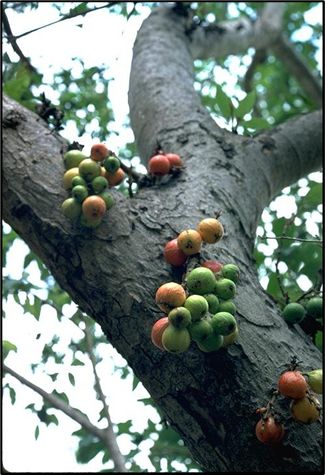
Figure 1:Ficus Racemosa Tree
The genus Ficus is known for having a wide variety of structurally diverse and biologically active phytochemicals, including Ficus racemosa. Ficus glomerata, also known as the cluster fig or gular, has been widely researched for its notable secondary metabolites. Phytochemistry provides the basis for understanding the traditional medicinal uses of plants in Ayurveda, Siddha and Unani systems. In these practices, the plant is recognized for its properties that may help manage diabetes, protect the liver, heal wounds, reduce inflammation, lower fever and combat cancer. Various phytochemical studies have shown that nearly all parts of F. Racemosa, including its bark, stem, leaves, fruits, seeds and latex, contain a variety of primary and secondary metabolites. These include alkaloids, glycosides, flavonoids, tannins, triterpenoids, sterols, phenolic acids, coumarins and saponins [9].
Ficus racemosa includes important components like carbohydrates, proteins, amino acids, fatty acids and minerals, which contribute to its nutritional benefits. Ripe fruits are edible and contain sugars such as glucose, fructose and sucrose, along with vitamins and dietary fiber which makes them helpful for dietary management. Seeds generate oils that have significant amounts of linoleic acid, oleic acid and palmitic acid. These primary metabolites serve as essential components for the creation of different secondary metabolites [10].
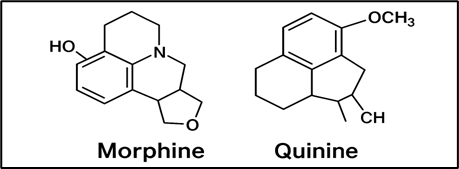
Alkaloids are a significant group of nitrogen-containing compounds that have strong effects in medicine. In F.racemosa Alkaloids including fucine and derivatives of bergapten have been found in racemosa. These compounds are associated with pain-relieving, muscle-relaxing and anti-inflammatory effects. The bark and latex contain a high concentration of alkaloids, which help with wound healing and have anti-parasitic properties [9].
Struct. 1: Morphine and Quinine
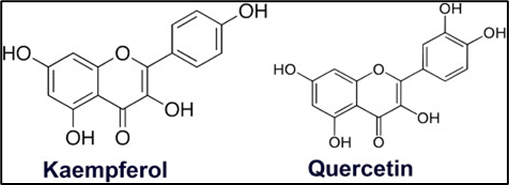
Flavonoids are one of the most thoroughly researched groups of phytochemicals in F. "Racemosa." They are compounds that belong to the polyphenol group and have antioxidant, liver-protective, heart-protective and cancer-fighting properties. Flavonoids, including kaempferol, quercetin, rutin and derivatives of luteolin, have been found in leaves, bark and fruits. These flavonoids act to neutralize free radicals, safeguard cell membranes from oxidative harm and regulate important signalling pathways related to inflammation and cancer [11].
Struct. 2: Kaempferol and Quercetin
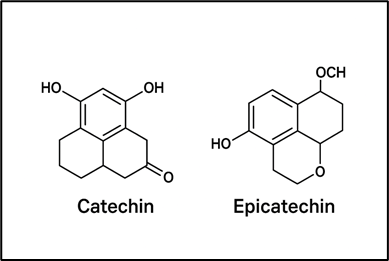
Ficus racemosa contains a high concentration of tannins, especially its bark, is commonly utilized in traditional medicine to address diarrhoea, dysentery and wounds. Hydrolysable tannins, including racemic acid, ellagic acid, gallic acid, leucocyanidin and leucopelargonidin, have been extracted. The bark's astringent quality is due to its elevated levels of tannins. Compounds like catechin, epicatechin and chlorogenic acid are recognized for their significant antioxidant properties [12].
Struct. 3: Catechin and Epicatechin
Sterols and triterpenoids are commonly found in F. Racemosa contributes to various pharmacological properties. The bark and roots have lupeol, β-sitosterol, stigmasterol and campesterol. Lupeol, a type of pentacyclic triterpenoid, has been noted for its anti-inflammatory, antimicrobial and anticancer properties. Additional triterpenoids, including friedelin, taraxerone and gluanol acetate, have been recognized. Sterols, especially β-sitosterol, are linked to reducing cholesterol levels and improving diabetes management [11].
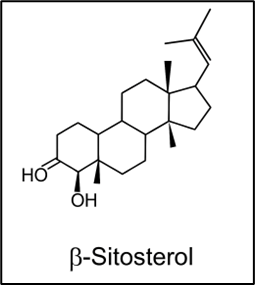
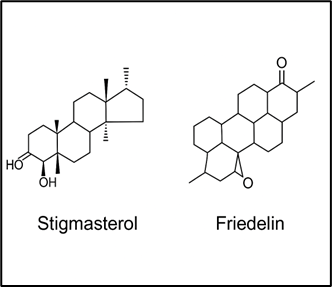
Struct. 4: β -Sitosterol, Stigmasterol and Friedelin
The plant has various glycosidic compounds, particularly in its bark and fruit. Cardiac glycosides have been reported, although they are found in lower concentrations. Saponins are glycosides derived from triterpenes that can be found in bark and leaves. They provide expectorant, antimicrobial and cytotoxic effects. The extracts that are high in saponins show properties that allow them to interact with surfaces and biological membranes, which account for their therapeutic functions [13].
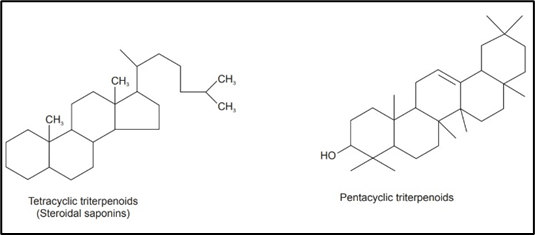
Struct. 5: Tetracyclic Triterpenoids and Pentacyclic Triterpenoids
Bergapten and psoralen, which are types of coumarins, have been identified in F. Racemosa refers to a specific type of plant or species characterized by its arrangement of flowers or fruits in racemes, which are elongated clusters. These compounds have properties that prevent blood clotting, fight infections and inhibit cancer growth. They are also important in photodynamic therapy, which makes them relevant in pharmacology [10].
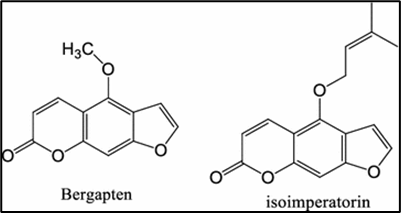
Struct. 6: Bergapten and Isoimperatorin
The bark and roots of the plant known as F. Racemosa include lignans, which consist of furanocoumarins and neolignans. These substances exhibit antioxidant, antiviral and cytotoxic characteristics. They function as natural protective substances for the plant and may serve as potential agents for cancer prevention in humans [14].
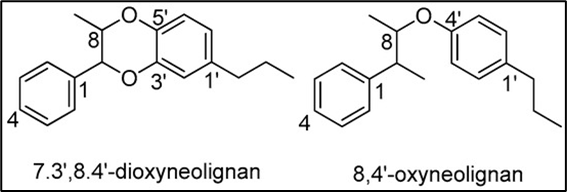
Struct. 7: 7.3’,8.4’-dioxyneolignan and 8,4’-oxyneolignan
The white latex from F. Racemosa has a combination of proteolytic enzymes, resins, sterols, and alkaloids. Ficin is a proteolytic enzyme that is similar in structure and function to papain and bromelain. It is utilized in pharmaceutical products for aiding digestion and promoting wound healing. The latex has antibacterial and anti-parasitic properties, supporting its application in traditional medicine [12].
The fruits have sugars, amino acids, flavonoids, and phenolic acids. Unripe fruits contain a high level of tannins, whereas ripe fruits offer simple carbohydrates and flavonoid glycosides. Seeds produce oils that contain fatty acids, including palmitic, linoleic and oleic acids, along with sterols. These seed oils can lower lipid levels and act as antioxidants [10].
Thorough examination of plant chemicals has resulted in the discovery of various compounds, including:
The biological functions of F.racemosa. The effects of racemosa are not due to one specific compound but rather the combined action of its various phytochemicals. The antioxidant and liver-protective effects are achieved through the interaction of flavonoids, tannins and triterpenoids, while antimicrobial effects are associated with alkaloids, coumarins and saponins. This synergy explains its common inclusion in polyherbal products and traditional Ayurvedic recipes such as Udumbaravaleha and Panchavalkala [13].
Contemporary analytical methods, including high-performance liquid chromatography (HPLC), liquid chromatography–mass spectrometry (LC-MS), gas chromatography–mass spectrometry (GC-MS) and nuclear magnetic resonance (NMR) spectroscopy, have been used to separate and identify the plant compounds in F. "Racemosa." Phytochemical fingerprinting is a method used to maintain quality control in herbal drug formulations and aids in the identification of bioactive compounds, including lupeol, gallic acid, ellagic acid and β-sitosterol [12].
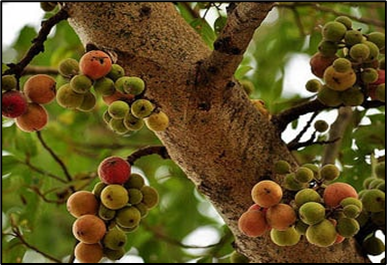
Figure 2: Fruits of Ficus racemosa Linn
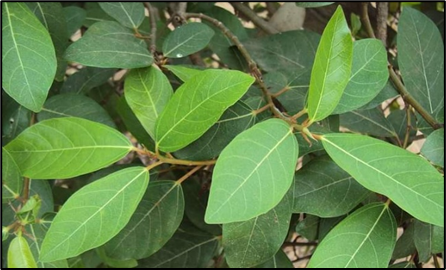
Figure 3: Leaves of Ficus racemosa
Table 2: Traditional Uses of Various Parts of Ficus racemosa in Indigenous Medicine [16-27]
|
Plant Part |
Traditional Uses |
|
Bark |
Effective in treating threatened abortion; used for urological disorders, diabetes, hiccups, leprosy, dysentery and hemorrhoids. |
|
Leaves |
Used for cleaning wounds and ulcers; beneficial for dysentery and diarrhea. Bark and leaf infusion used as a mouthwash for swollen gums and taken internally for dysentery and heavy menstrual bleeding. Also effective for glandular swelling, abscesses, chronic wounds, cervical adenitis and hemoptysis (coughing up blood). |
|
Fruits |
Have astringent and digestive properties; useful for dry cough, loss of voice, kidney and spleen disorders, bowel problems, leucorrhoea, blood disorders, burning sensations, fatigue, urinary issues, leprosy, intestinal worms and flatulence. Also used in miscarriage, heavy menstrual bleeding, involuntary ejaculation, cancer, scabies, hemoptysis and internal organ blockages. |
|
Roots |
Used for dysentery, respiratory disorders and diabetes; also for mumps, inflammatory gland enlargements and rabies. |
|
Latex |
Acts as an aphrodisiac; used for hemorrhoids, diarrhea, diabetes, boils, traumatic swellings, toothache and vaginal disorders. |
|
Root Sap |
Utilized in the treatment of diabetes. |
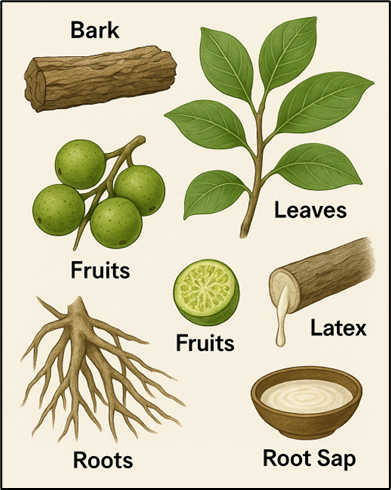
Figure 4: Various Part of Ficus racemosa Tree
Oral administration of Ficus racemosa extract at doses of 200 and 400 mg per kg resulted in a significant reduction in lipid peroxidation, xanthine oxidase, γ-glutamyl transpeptidase and hydrogen peroxide (H2O2) levels. This was observed alongside a decrease in renal glutathione levels and antioxidant enzymes induced by potassium bromate (KBrO3), a substance known to be toxic to the kidneys and capable of causing kidney cancer in rats. Additionally, there was a notable improvement in renal glutathione content and antioxidant enzyme levels. The findings suggest that Ficus racemosa extract is an effective agent for preventing cancer and reducing kidney toxicity caused by KBrO3 in rats [28].
When rats were given a diet containing fruits, the high dietary fiber content resulted in a significant reduction in cholesterol levels. This was achieved by increasing the amount of cholesterol and bile acids excreted in their feces. The hypolipidemic effects of an ethanolic extract from bark were examined in alloxan-induced diabetic rats at doses ranging from 100 to 500 mg/kg body weight. The investigation revealed that the extract demonstrated strong anti-diabetic and lipid-lowering effects when compared to the standard reference drug, glibenclamide [29].
The gastro-protective properties of a 50% ethanolic extract from Ficus Racemosa Linn, commonly referred to as F.racemosa. The effects of glomerata fruit (FGE) were examined in various gastric ulcer models using rats. FGE protects the gastric mucosa from oxidative damage by inhibiting lipid peroxidation, significantly reducing the levels of superoxide dismutase and H+K+ATPase and increasing catalase activity. The H+K+ATPase is a dimeric enzyme that facilitates the secretion of hydrogen ions by gastric parietal cells. Ranitidine, an acid blocker used to treat gastric ulcers, specifically inhibits H+K+ATPase [30,31].
Ethanol extract and water extract were tested for their ability to scavenge free radicals using both steady-state and time-resolved methods. The ethanol extract showed notably greater steady-state antioxidant activity. It also showed a concentration-dependent ability to scavenge DPPH, ABTS, hydroxyl radicals and superoxide radicals, as well as to inhibit lipid peroxidation when tested alongside standard compounds [32-34].
The boiled extract of the bark of F. Racemosa is reported to have antidiuretic properties and its effectiveness is tested in rats at three different doses: 250,500,1000 mg per kilogram. It began quickly, reaching its highest level at 3 hours and continuing for the entire duration of the study, which lasted 5 hours. It led to a decrease in urinary sodium levels and the sodium-to-potassium ratio, along with an increase in urinary osmolarity, suggesting various mechanisms of action [35].
The methanol extract of the stem bark of Ficus racemosa was examined for its effects on liver toxicity caused by carbon tetrachloride (CCl4) in rats. Treatment with methanol extract. The findings show that F. Racemosa has strong protective effects on the liver against damage caused by CCl4 in rats [36].
Ficus racemosa Linn. contains various types of hypoglycemic compounds, including both organic and inorganic forms. Fruits that cause a notable decrease in blood glucose levels in both normal and alloxan-induced diabetic rabbits do so by affecting the B-cells, which leads to an increased secretion of insulin from the pancreatic beta cells [37]. Ficus racemosa Linn. is a species of flowering plant in the genus Ficus. Fruit pulp may eventually be found to be a more effective anti-diabetic agent after further research, due to its insulin-releasing and insulin-like properties. The methanol extract of powdered fruits at doses of 1, 2, 3 and 4 grams per kilogram lowered blood glucose levels in both normal rabbits and those with diabetes induced by alloxan. The effectiveness of the methanol extract from the stem bark in lowering glucose levels was assessed in both normal rats and alloxan-induced diabetic rats, using doses of 200 and 400 mg per kg administered orally. The activity was similar to the effect of a standard antidiabetic medication, glibenclamide (10 mg per kg), supporting its traditional use as an antidiabetic agent. The ethanol extract (250 mg per kg per day, administered orally) reduced blood glucose levels in alloxan-induced diabetic albino rats within two weeks, confirming its ability to lower blood sugar. β-sitosterol extracted from the stem bark demonstrated strong blood sugar-lowering effects in comparison to other isolated compounds. The ethanolic extract of leaves reduced blood glucose levels by 18.4% at 5 hours and by 17.0% at 24 hours in a rat model of diabetes induced by streptozotocin, following a sucrose challenge, when administered at a dose of 100 mg per kg of body weight [38,39].
The raw extracts of bark were tested for their ability to kill worms using adult earthworms. The results showed that the extracts caused a dose-dependent reduction in spontaneous movement (paralysis) and responses to pin-prick, similar to the effects of 3% piperazine citrate. However, there was no complete recovery observed in the worms treated with the aqueous extract, indicating that it has wormicidal properties [40].
Various leaf extracts were evaluated for their antibacterial activity against Escherichia coli, Bacillus pumilis, Bacillus subtilis and Pseudomonas aeruginosa. Among all the extracts tested, the petroleum ether extract was the most effective against the microorganisms examined [36].
The ethanol extract of the stem bark has demonstrated a notable ability to reduce diarrhea caused by castor oil and to decrease enter pooling induced by PEG2 in rats. It also significantly lowered gastrointestinal movement in the charcoal meal test in rats, indicating its effectiveness as an anti-diarrheal agent [41].
The ability of F.racemosa to reduce inflammation. The extract of racemosa was tested using rat hind paw edema models induced by carrageenin, serotonin, histamine and dextran. The extract at a dose of 400 mg per kg showed the highest anti-inflammatory effects of 30.4%, 32.2%, 33.9% and 32.0% in rat paw swelling induced by carrageenin, serotonin, histamine, and dextran, respectively. In a long-term study, the extract at a dosage of 400 mg per kg resulted in a 41.5% decrease in granuloma weight, which was similar to the effect of phenylbutazone [36,42,43].
The extract from the leaves of Ficus racemosa Linn. contains a flash column fraction with 50% methylene chloride in hexane. Demonstrated antifungal properties. The extract prevented the growth of various plant pathogens, including Curvularia sp, Colletotrichum gloeosporioides, Alternaria sp, Corynespora cassiicola and Fusarium sp. Psoralen has been recognized as the active ingredient and has been demonstrated to be biodegradable. According to a study by Satish A. Bhalerao and others published in the Journal of Applicable Chemistry in 2014, there is potential for development as a fungicide to combat pathogens that cause diseases in economically important crops [44].
The extract from the leaves of the Ficus racemosa plant. Includes a flash column fraction consisting of 50% methylene chloride in hexane. Was found to have antifungal properties. The extract decreased the growth of several plant pathogens, such as Curvularia sp, Colletotrichum gloeosporioides, Alternaria sp, Corynespora cassiicola, and Fusarium sp. Psoralen was identified as the active component and showed the capacity to decompose naturally. The article discusses the potential for developing a fungicide aimed at pathogens that affect economically significant crops. Both alcoholic and aqueous extracts inhibited the natural movement of whole worms and nerve-muscle preparations of Setaria cervi, which was indicated by an increase in the strength and tone of contractions. Both extracts resulted in the death of microfilaria in a laboratory setting [45].
The toxicity of crude extracts from the leaves and bark, including hexane, ethyl acetate, petroleum ether, acetone and methanol, was tested for their effectiveness in killing early fourth-instar larvae of Culex quinquefasciatus (Diptera: Culicidae). Larval death was noted after a 24-hour exposure. All extracts demonstrated moderate effects on larvae, but the acetone extract from the bark resulted in the highest rate of larval mortality. The process of bioassay-guided fractionation of the acetone extract resulted in the separation and identification of a derivative of tetracyclic triterpenes. Gluanol acetate was extracted and recognized as a new compound effective against mosquito larvae [46].
Sure, please provide the text you would like me to paraphrase. The administration of racemosa extract at doses of 200 mg per kg and 400 mg per kg of body weight led to a notable reduction in xanthine oxidase, lipid peroxidation, γ-glutamyl transpeptidase and hydrogen peroxide levels. There was a notable increase in renal glutathione levels and antioxidant enzyme activity, along with a reduction in renal ornithine decarboxylase activity, DNA synthesis, blood urea nitrogen and serum creatinine levels [47].
The ethanol extract from the stem bark demonstrated healing effects on both excised and incised wounds in rats [48].
This study assessed the anticholinesterase activity of cold and hot water extracts from the stem bark of Ficus racemosa on rat brain acetylcholinesterase in a laboratory setting. The cold aqueous extract (FRC) and the hot aqueous extract (FRH) both showed a dose-dependent reduction in acetylcholinesterase activity in rat brains. The proportion of anticholinesterase activity was determined. Both extracts (FRC and FRH) showed a dose-dependent reduction in the activity of acetylcholinesterase in rat brains [49].
The methanol extract from the stem bark was tested on normal body temperature and yeast-induced fever in albino rats, using doses of 100, 200 and 300 mg per kg of body weight administered orally. It demonstrated a notable reduction in normal body temperature and yeast-induced elevated temperature that lasted for up to 5 hours after the drug was given, depending on the dosage. The fever-reducing effect was similar to that of paracetamol [48].
Alzheimer's disease (AD) is a progressive condition that leads to dementia. One key treatment strategy for AD involves increasing acetylcholine (ACh) levels in the brain by using acetylcholinesterase inhibitors. An aqueous extract of the bark of Ficus racemosa Linn (Moraceae), which has anti-inflammatory, antioxidant and anticholinesterase properties, was tested for its potential to increase acetylcholine levels and to determine its effects on dementia in rats. This task was completed in 1428. These effects include neuroprotection, which is linked to its antioxidant and anti-inflammatory properties and it may also increase levels of acetylcholine, similar to findings reported with Ficus hispida extract. The chosen plant extracts increased acetylcholine levels and enhanced memory in rats. The combined effects of the drugs associated with F. Racemosa extract may be helpful as a supportive treatment for Alzheimer's disease [50].
The ethanol extract of the bark and leaves was tested for pain-relieving effects using an analgesiometer at doses of 100, 300 and 500 mg/kg and it demonstrated analgesic activity that depended on the dose [51-54].
Table 2: Pharmacological Profile of Ficus racemosa Linn. [28-51]
|
No. |
Activity |
Part / Extract Used |
Main Findings |
|
1 |
Anti-cancer |
Ethanolic extract |
Reduced oxidative stress and kidney cancer in rats |
|
2 |
Hypolipidemic |
Fruit & bark extract |
Lowered cholesterol and blood glucose levels |
|
3 |
Anti-ulcer |
Fruit ethanolic extract |
Protected gastric mucosa; comparable to ranitidine |
|
4 |
Antioxidant |
Ethanolic & aqueous extracts |
Strong free radical scavenging activity |
|
5 |
Antidiuretic |
Bark decoction |
Decreased Na? excretion, increased osmolarity |
|
6 |
Hepatoprotective |
Methanol stem bark extract |
Protected liver from CCl?-induced damage |
|
7 |
Hypoglycemic |
Fruit, bark & leaf extracts |
Lowered blood sugar; β-sitosterol active compound |
|
8 |
Anthelmintic |
Bark extract |
Caused paralysis and death of worms |
|
9 |
Antibacterial |
Leaf petroleum ether extract |
Active against E. coli, B. subtilis, P. aeruginosa |
|
10 |
Anti-diarrhoeal |
Stem bark ethanolic extract |
Reduced diarrhea and intestinal motility |
|
11 |
Anti-inflammatory |
Leaf ethanolic extract |
Inhibited COX-1, 5-LOX; reduced edema |
|
12 |
Antifungal |
Leaf extract |
Psoralen is active; it inhibited several plant fungi |
|
13 |
Anti-filarial |
Leaf aqueous & alcoholic extracts |
Killed Setaria cervi worms; LC?? = 21–27 ng/ml |
|
14 |
Larvicidal |
Leaf & bark acetone extract |
Gluanol acetate is effective against mosquito larvae |
|
15 |
Renal anticarcinogenic |
Plant extract |
Reduced oxidative and renal carcinogenic markers |
|
16 |
Wound healing |
Stem bark ethanol extract |
Enhanced wound contraction and healing |
|
17 |
Anticholinesterase |
Stem bark water extracts |
Inhibited AChE; neuroprotective potential |
|
18 |
Antipyretic |
Stem bark methanol extract |
Reduced yeast-induced fever, like paracetamol |
|
19 |
Memory enhancing |
Bark aqueous extract |
Increased acetylcholine; improved memory |
|
20 |
Analgesic |
Bark & leaf ethanolic extract |
Showed dose-dependent pain relief |
CONCLUSION
Ficus racemosa Linn., which is part of the Moraceae family, is an important medicinal plant that is widely used in traditional medicine practices like Ayurveda, Siddha, Unani and Homeopathy. An in-depth examination of its phytochemistry and pharmacological properties shows that it includes a diverse range of bioactive compounds, including alkaloids, flavonoids, tannins, triterpenoids, sterols, glycosides, saponins, coumarins, lignans and phenolic acids. These components work together to enhance the plant's medicinal properties. Research has demonstrated various biological effects, including antioxidant, anti-inflammatory, anti-ulcer, liver-protective, antidiabetic, cholesterol-lowering and anticancer activities. Additionally, the plant shows antimicrobial, antifungal, anti-parasitic, larvicidal, fever-reducing, pain-relieving and memory-boosting qualities. It also has protective effects on the kidneys and nervous system, indicating potential uses in managing chronic conditions like diabetes, cancer and Alzheimer's disease.
REFERENCES


Kadale Priyanka, Ajay Bhagwat, Bhangare Sayali, Choudhari Rutuja, Borkar Sahil., Ficus Racemosa: A Comprehensive Review of its Phytochemistry and Pharmacological Potential, Int. J. of Pharm. Sci., 2025, Vol 3, Issue 10, 1710-1723. https://doi.org/10.5281/zenodo.17370405
 10.5281/zenodo.17370405
