
Ideal Institute of Pharmacy, Posheri, Wada, Palghar, 421303.
Green algae are a broad and varied group of eukaryotic photosynthetic organisms. They include terrestrial plants and many more old and varied lineages. Through secondary endosymbiosis, green algae's chloroplasts have been integrated into other eukaryotic organisms, and they have developed a variety of symbiotic relationships with fungi and animals over the course of evolution. Numerous levels of organismal complexity are displayed by green algae, ranging from microscopic unicells to macroscopic, multicellular thalli that are over a meter long. They are essential elements of many terrestrial ecosystems as well as practically all aquatic habitats. Green algae are valuable to the economy as feed and as a source of numerous chemicals used in industry and medicine. The genomic information that is currently available on nuclear, mitochondrial, and chloroplasts has significantly advanced our knowledge of their biology and evolutionary background. In addition to new biological and chemical traits, scientists are continually finding new species and lineages of green algae. Embryophyte terrestrial plants originated from Charophyta's green algae. In several lineages of green algae, vegetative cells developed similar morphological characteristics. Green algae are crucial parts of freshwater, marine, and terrestrial ecosystems because they are primary producers. An essential model organism is green algae. Important symbionts with bacteria, fungi, plants, and mammals are green algae. Green algae are valuable commercially as supplies of food, energy, and industrial goods.
Green algae are oxygenic photosynthetic eukaryotes that are distinguished by the presence of interplastidial starch, stacked thylakoids, chloroplasts with a double-membrane envelope, and chlorophyll a and b. Green algae's plant bodies are rudimentary in structure and do not differentiate into actual roots, stems, or leaves.[1] The plant body is referred to as a thallus for this reason. All of the cell organelles, including a definitely ordered nucleus, membrane-bound plastids, mitochondria, Golgi bodies, endoplasmic reticulum, and genuine vesicles, are present in the eukaryotic cells that make up the thallus. Fritsch (1935) classified green algae into a single class, Chlorophyceae[2]. With over 7,500 species that grow in a range of environments, this category of algae is thought to be the most diverse"The green algae were created through an endosymbiotic process where a photosynthetic prokaryote that eventually developed into a photosynthetic plastid was caught by a heterotrophic eukaryotic host cell that already had a mitochondrion[3]. This endosymbiotic event took place between one and one and a half billion The plastids of all green algae include the photosynthetic pigments chlorophyll a, chlorophyll b, and carotenoids. Green algae must thus have gotten their plastids through the endosymbiosis of a special photosynthetic bacteria that had both chlorophyll a and chlorophyll b. The taxonomic grouping of algae is based on their molecular, morphological, and ultrastructural characteristics[4]. Over the years, there have been significant modifications in the classification of green algae. Color and form were the only tools used by earlier artists. Types of life histories and cytological data were later incorporated. The advancement of further methods contributed to a broader comprehension of the physiology and biochemistry of functions, the cell wall, and fl agellar structures, all of which were helpful in the classification of various taxa.[5] A new paradigm for understanding the evolutionary relationships among the green lineage was made possible by the advent of molecular research, particularly those that are comparative. Differentiation based only on shape is still possible for many algae groupings. Form and function together will be helpful for certain algae. A thorough understanding of life history is necessary to comprehend the idea of taxonomy. The systematics of green algae also benefits from molecular, physiological, and ecological characteristics.[6,7].
Morphology:
Table no.1 [8] Class I: Chlorophyceae (Green Algae)
|
Sr no. |
Class: Chlorophyceae |
Activity of Green alage |
|
1. |
Occurrence |
Aquatic (mostly freshwater and few are marine as well as terrestrial. |
|
2. |
Pigment |
Chlorophyll a and b : Carotenoids and Xanthophylls. |
|
3. |
Pyrenoids |
Present. |
|
4. |
Reserve Food material |
Starch. |
|
5. |
Cell wall |
Cellulosic. |
|
6. |
Structure |
Unicellular motile to multicellular , heterotrichous fi lamentous. |
|
7. |
Flagella |
Present , equal length situated anteriorly ,one whiplash and another one is tinsel. |
|
8. |
Reproduction |
Vegetative , Asexual and Sexual reproduction ( anisogamous and oogamous ). |
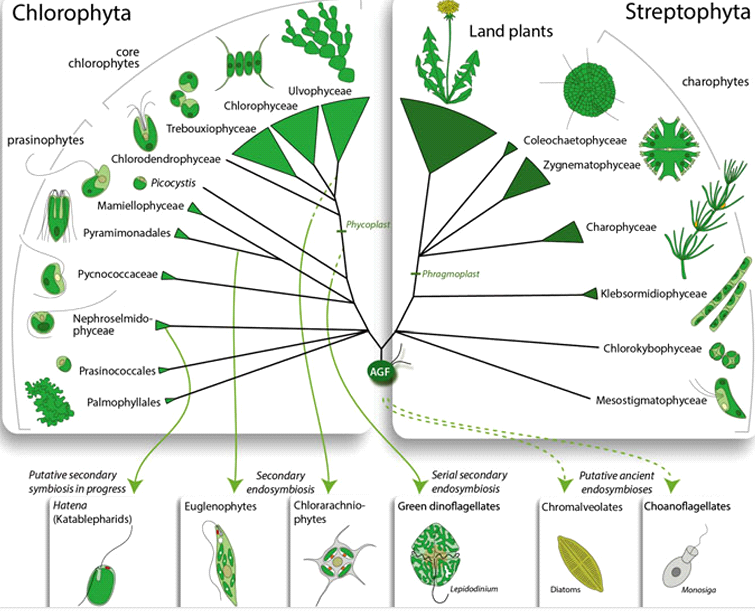
Fig no. 1 Chlorophyta and Streptophyta, the Chlorophyta comprises most of the described species of green algae. The Streptophyta includes charophytes, a few freshwater algae, and the land plants (Picture courtesy: Dr. Frederik leliaert) Figure from Leliaert et al. (2012) [9].
Importance of Green Algae:
For many millions of years, green algae have been an essential part of the world's ecosystem. Green algae are responsible for the majority of the flow of organic matter to higher trophic levels and the ocean interior, and they play a significant role in the structure and operation of marine ecosystems[10]. Through photosynthesis, they produce oxygen, store a lot of CO2 from the atmosphere in the ocean's interior, and feed other living things. Green algae are extremely important to the ecology because they are the main producers in aquatic food websGreen algae's release of extracellular products has significant ecological significance in a number of ways[11]. The majority of the time, the nutrient cycle is short-circuited, meaning that bacteria and certain animals directly use the photosynthetic products of algae that are released by healthy cells as food. Quick use is made of extracellular materials like organic acids and polysaccharides[12].
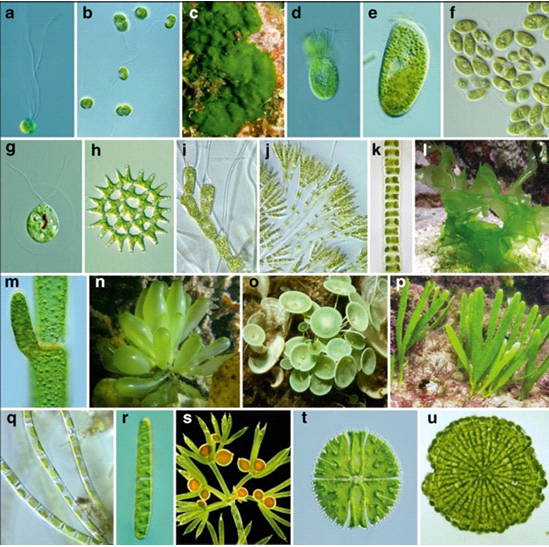
Fig no. 2 Range of thallus structure in Chlorophyta. ( a ) Pterosperma ( b ) Nephroselmis ( c ) Palmophyllum ( d ) Tetraselmis ( e ) Chlorella ( f ) Oocystis ( g ) Haematococcus ( h ) Pediastrum ( i ) Bulbochaete ( j ) Chaetophora ( k ) Ulothrix ( l ) Ulva ( m ) Cladophora ( n ) Boergesenia ( o ) Acetabularia ( p ) Caulerpa ( q ) Klebsormidium ( r ) Spirotaenia ( t ) Micrasterias ( u ) Coleochaete (Photo courtesy: Dr. Frederik Leliaert; for photo credits see Leliaert et al. 2012 ) Figure from Leliaert et al. ( 2012) [13].
Anti-diabetic Activity:
Hyperglycemia is a complication of diabetes mellitus, a metabolic disease marked by inadequate insulin production and varying degrees of insulin resistance. Patients with diabetes are often treated with insulin injections and oral antidiabetic medications. Continuous use of these medications, however, has numerous negative consequences and reduces healing. Thus, there is a need for bioactive antidiabetic medications that are both therapeutic and preventive and have the fewest possible adverse effects. As of right now, brown and red sea algae are thought to be attractive sources because of the chemicals that may be extracted from them that have antidiabetic properties. [14]Murray et al. have updated the data on marine polyphenols, with an emphasis on phlorotannins and their possible health advantages in connection with the prevention and treatment of risk factors for type 2 diabetes. [15]. The enzymatic antioxidant profile in the salivary gland of rats with alloxan-induced diabetes was restored, and astaxanthin was found to have a protective impact against a number of harmful effects brought on by high glucose exposure. In order to treat diabetic nephropathy, astaxanthin was suggested as a possible antidiabetic medication. [16, 17].
Anti-inflammatory and Immunologic effects
Cellular homeostasis can trigger inflammatory reactions as a result of a number of stressors, including bacterial and viral infections, disruptions in protein synthesis, mechanical constraints, environmental changes, and nutritional errors. Although many diseases are now linked to inflammation brought on by stressed cellular organelles, the underlying mechanisms are still unclear. [18]. This has to do with the body's immune defense system and, as a result, a lot of illnesses. In this context, favorable findings for a few of the bioactive substances of algae are considered significant. [19,20,21]. For instance, Awad has discovered the anti-inflammatory compound 3-0-β-D-glucopyranosylstigmasta-5,25-diene from the green algae Ulva laetuea. [22]. In summary, because of their abundant bioactive content, research on the immunologic effects and anti-inflammatory properties of algae has significantly increased in recent years. [23,24].
Anti-oxidant effects
Antioxidants are substances with the ability to either prevent or postpone oxidation processes brought on by ambient oxygen or reactive oxygen species known as free radicals. Antioxidants can be divided into two groups based on where they come from: endogenous and exogenous. Enzymes like as superoxide dismutase, catalase, and glutathione peroxidase, as well as nonenzymatic substances including uric acid, bilirubin, albumin, and metallothioneins, are examples of endogenous antioxidants. Exogenous antioxidants can come from synthetic or natural sources, including vitamins, carotenoids, flavonoids, anthocyanins, and certain mineral compounds. Exogenous antioxidants, such as pharmaceuticals or nutritional supplements, are required when endogenous factors are unable to ensure the organism's careful management and total protection against reactive oxygen species.[25]
Anti-Alzheimer (AD) effect
The irreversible neurological condition known as Alzheimer's disease (AD) is typified by brain damage, synapse and cholinergic neuron loss, neuronal death, and cognitive impairment. While dementia is known to become increasingly prevalent as people age, it is not a typical aspect of growing older. [26]. Although there isn't any concrete scientific proof, bioactive substances like sterols, phenolic compounds, carotenoids, and polyunsaturated fatty acids have been linked to the neuroprotective effects of the majority of microalgal extracts. It was stated that some isoflavones and carotenoid compounds might be investigated for use in medicines and nutraceuticals to treat Alzheimer's disease. Biochanin A and astaxathin, for instance, have been proposed as prospective therapeutic medicines that shield the brain against neuronal damage and βamyloid-induced neurotoxicity. Extracts from microalgae species, including C. vulgaris, H. pluvialis, N. oculata, N. oleoabundans, and C. calcitrans, are high in carotenoids and shield the brain from oxidative stress-induced cell death and neuronal damage [27].
Anti-cancer effect
In Turkey, cancer is a serious public health issue. The death rate from cancer has been rising continuously, and comparable trends are seen everywhere in the world. A basic biological process shared by all cancer types is the lack of control over cell division. Apoptosis occurs in cells that typically lose control or are unable to heal damage. Apoptosis, also known as programmed cell death, gives a cell the ability to control its own demise. For mammalian development, tissue homeostasis, and karsinogenesis to follow, apoptosis is essential. Research on how algae strains can prevent cancer is becoming more and more significant[28].The fucoidan found in brown algae, for instance, has been shown by Kim et al. to cause human colon cancer cells to undergo apoptosis. investigated how marine algae extracts affected human leukemia and hepatoma cells, preventing tumor growth. Reactive oxygen species is a crucial mediator in the apoptotic signaling pathway, according to the research, and algae extracts cause human leukemia cells to undergo apoptosis by producing reactive oxygen species. [29].
Anti-microbial effects
Microorganisms are living things smaller than the human eye yet visible under a microscope, such as bacteria, fungus, and viruses. A natural, semisynthetic, or synthetic agent that kills or stops the growth of microorganisms such as metronidazole, protozoa, yeast, fungus, viruses, algae, and some worms is called an anti-microbial. However, the host suffers little to no harm. The substances that can only combat germs are known as antibiotics. Not all antimicrobials are antibiotics, but all antibiotics are antimicrobialsWhen microbial diversity is prevalent in aquatic environments, algae can thrive. As a result of adaptation, they should also have a high content of defenses against some dangerous microbes. Derivatives from seaweed have demonstrated promise as potential future antimicrobial medications or as alternatives to them. [30]. The need for an alternative to traditional antibiotics has been frequently mentioned due to the rise in germ resistance to these medications in both humans and animals. [31].
Anti-oxidant activity
Antioxidants are essential industrial compounds that are utilized extensively in pharmaceuticals and food preservation. Additionally, there is toxicity and risk to human health associated with the use of synthetic antioxidants in pharmaceutical medications. Seaweed is one of the natural resources that effectively and safely inhibits the oxidation process[32]. Antioxidants have a crucial role in controlling human disorders linked to oxidative stress. In this case, research on marine green algae has revealed that they contain a wide range of potent antioxidant activities. The antioxidant activity of both native and modified ulvans was assessed. Sulfated heteropolysaccharides derived from Ulva sp. of the Chlorophyta are known as ulvan[33]. ULvan's sulfate concentration was altered by employing sulfur trioxide/N, N-dimethyl formamide. The reducing power assay, metal chelating potential, and the scavenging activity of superoxide and hydroxyl radicals were used to evaluate antioxidant power[34]. The improvement of the sulfate groups led to superior indications of all the investigated antioxidant characterisation measures, including higher reducing power, more prominent chelating ability, and better scavenging activity[35].
Anti-hyperlipidemic activity
One risk factor for cardiovascular disorders is hyperlipidemia. Ulvan from Ulva sp. was extracted using hot water and precipitated with ethanol. After 50 ICR (a type of albino mouse) were given ulvan orally, the plasma lipid level of the mice was measured. As an in vivo model, albino rats were fed ethanolic-precipitated polysaccharides for 21 days. A reference medication called Lapitor (Atorvastatine Ca) was used to treat the control group. Serum levels of LDL (low density lipoprotein), VLDL (very low density lipoprotein), total cholesterol, and total lipids and triglycerides were all observed to be lower in rats treated with Ulvan. However, there were also observations of decreased glutathione and total thiol, indicating that ulvan is a powerful drug against induced hypercholesterolemia[35].
Method of Green algae Extraction
With better transportation qualities, supercritical fluid extraction takes the place of conventional extraction methods, encouraging solvent flow into the algal matrix and increasing extraction yield. The polarity of supercritical fluids can be altered by changing the temperature and pressure, and they possess both liquid and gas characteristics. The SFE process has several advantages, including good selectivity, no organic solvents, safety, automation, and simplicity. However, SFE's disadvantages include expensive equipment costs, low BC extraction efficiency for both high and moderate polarity, and high power consumption. [36]. Supercritical fluids' (SF) significant solvating power change, which is accomplished by heating and pressurization, determines how extractable SF is. Phase equilibrium, solvent elimination by expansion, and mass transfer by convection and diffusion are the main processes that make up the SFE mechanism. The fluid's low viscosity and high diffusion capacity allow it to dissolve the target analyte as a liquid and enter an algal matrix as a gas. [37]. The extraction duration, flow velocity, co-solvents, pressure, and temperature can all affect how effective SFE is. A popular kinetic representation of SF from a solid matrix is a graph showing the solute concentrations as a function of time, co-solvents, or flow velocity to material mass ratios. The kinetic extraction curves aid in processing cost calculations and operations scaling.[38]
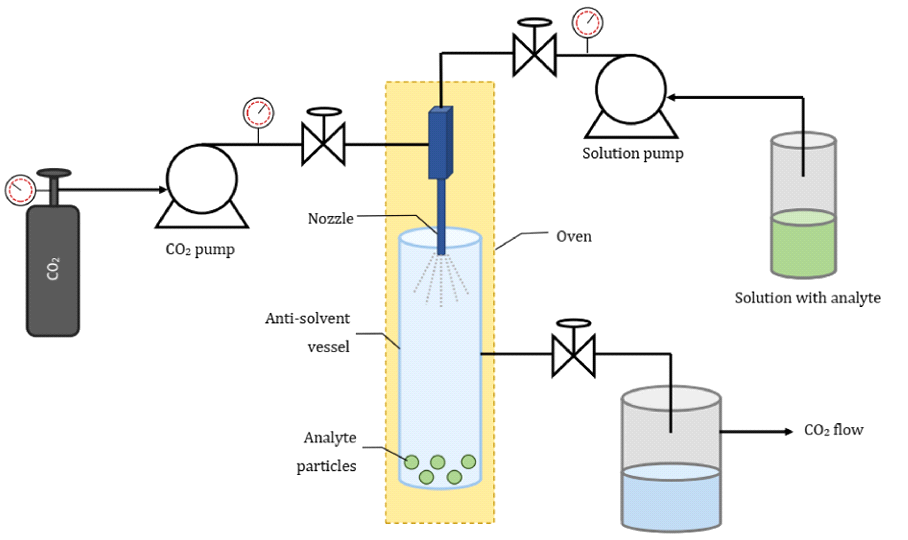
Figure no.3 The diagram for the supercritical extraction procedure to obtain BCs from algae.[39]
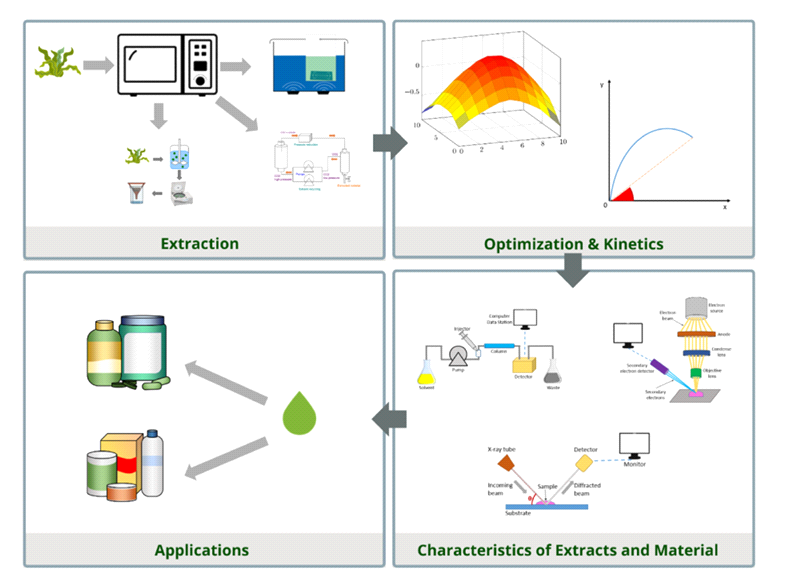
Fig no.4 The proposal for the double-stage extraction using MAE as a pretreatment method and the application of extracts in food products.[40]
Application
Algae as medicine
In traditional medicine, marine algae have been utilized. The most common deficiency disorders, including xerophthalmia (vitamin A deficiency), nutritional anemia (iron and B12 deficiency), endemic goiter (iodine deficiency), and malnutrition, can be prevented and protected against by algae. The antioxidant vitamins C and E are found in greater amounts in algae than in terrestrial plants. Scurvy is prevented by vitamin C, and anemia from oxidative damage to red blood cells and neurological issues caused by impaired nerve transmission are managed by vitamin E. Algae's blue pigment, phycocyanin, makes it easier for the human body to absorb iron than higher land plants. Iron and other minerals combine with phytocyanin to create soluble complexes during digestion. Algae act as a good anti-obesity agent because they include less fat and cholesterol, more soluble fibers per bite, accessible nutrients that are instantly absorbed, and a slower release of blood glucose after a meal. Not only are the phenolic-rich extracts from Alaria, Ascophyllum, Palmaria, and Ulva species natural antioxidants, but they also have anti-diabetic and digestive enzyme-inhibiting properties. Fucoxanthin and fucoidan, two potent antioxidants not found in terrestrial plants, and up to 13 times more calcium than milk are found in Laminaria species (kelp), which are brown algae. Kelps are macroalgae that are high in iron, potassium, and magnesium and are rich in vitamins B, C, and K1.[41].
Algae as Cosmeceuticals
The cosmeceutical potential of marine algae is high. Their medicinally active chemicals serve as preservatives thanks to their capacity to eradicate fungus and bacteria that degrade skin flora. Antioxidant-rich algae chemicals reduce the risk of sun-induced skin damage, melanoma, cutaneous inflammation, and skin cancer, among other photoaging issues. Antioxidants found in skin naturally guard against cell instability. However, UV exposure produces reactive oxygen species, which lead to necrotic or apoptotic processes and free radical cell damage.[42] Mottled pigmentation, wrinkles, and dry skin are all obvious signs of these consequences. The enzyme tyrosinase catalyzes the creation of melanin, which aids in tanning and skin melanization. Algal substances that function as tyrosinase inhibitors are promising options for skin whitening. Chlorella vulgaris extract is said to promote collagen synthesis in the skin, aid in tissue regeneration, and lessen wrinkle formation, while Arthrospira platensis extract can tighten the skin, prevent striae, and heal the signs of aging[43].
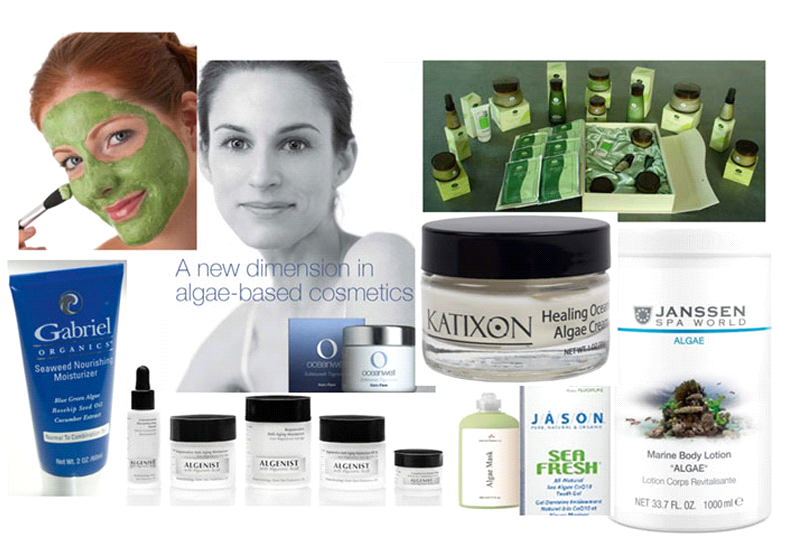
Fig no. 5 Green algae in cosmetics [44]
Green algae To Reduce CO2 Emissions
In order to lower greenhouse gas emissions, green algae have a significant potential for biological carbon dioxide fixation. A few green algae species that can thrive in environments with high CO2 concentrations and low pH have been identified. While some power stations utilize algae bioreactors to lower CO2 emissions, (Fig. 6 The algae feed on the CO2 that is released when it is injected into a tank or pond. Direct installation of the bioreactor on a chimney is another option[45]. China, South Korea, Canada, and the United States have all made significant investments in carbon capture systems that use algae to create biofuels. Australia has constructed the first CO2 capture system for algae biofuel next to a sizable coal-fired power plant. Similarly, green algae has emerged as a strategy to reduce ocean acidification, capture carbon from vehicle emissions, and supply oxygen to soldiers during high altitudes. The primary reasons chlorella is employed for these applications are its quick rate of photosynthesis and its capacity to effectively consume the CO2 that is released[46].

Fig no. 6 Carbon reduction technology-Flue gas from the CO 2 emission plant provides carbon dioxide to feed algae in fuel tanks [47]
As a Source of Renewable Energy
The manufacture of biofuel is greatly interested in green algae due to their rapid development and relatively high lipid and carbohydrate content. Because of all these characteristics, they are an excellent source for the generation of biofuel. Fossil fuel can be replaced with algae biofuel. Because it produces no pollution, hydrogen is employed as a source of gaseous biofuel[48]. The commercial viability of gaseous biofuel production from algae is a priority for a number of government entities. Photolysis causes water to split into hydrogen ions (H +), oxygen, and electrons. The process transforms hydrogen ions into hydrogen gas. Chlorella vulgaris, Chlamydomonas reinhardtii, and Scenedesmus are examples of algae that contain the hydrogenase enzyme. Hydrogen from water can be efficiently produced with this hydrogenase. The green alga that produces oil is called Botryococcus braunii. Long-chain hydrocarbons, which can be used as fuel in liquid or gaseous form, are produced in vast quantities. Tetraselmis strains with high lipid content may be employed to produce biofuel[49].
Algae as nutrition
Algae are more nutrient-dense than higher plants found on land. Since the formation of circulatory systems, leaves, roots, stems, and reproductive organs requires little energy, algae's abundant reserves of phytonutrients, protein, and lipids were exhausted. Algae do not waste energy since they lack these characteristics. Compared to their natural cousins, genetically engineered seeds are typically utilized for plantations and are less nutrient-dense [50].
Algae in different industries
Algae are used to make carrageenan, agar, and algin. Algin comes from brown algae such Ascophyllum, Cystoseira, Lallinaria, Macrocystis, Sargassum, and Turbinaria; carrageenan comes from Eucheuma, Gigartina, and Hypnea; and agar comes from red algae like Gracilaria, Gelidiella, Gelidium, and Pterocladia. Research and healthcare institutes employ agar as a substrate for eukaryotic cell tissue culture and bacteriologic culture. Alginates derived from brown algae cell walls are utilized as emulsion and suspension stabilizers in the food and pharmaceutical industries. Xanthophyll finds extensive use in coloring medications and cosmetics. Water-soluble pigments called phytobillins, particularly blue phycobilin from Arthrospira, are utilized as colorants in food and cosmetic items. [51]. Various sectors, including dairy, food, confections, pharmaceuticals, textiles, paint, paper, and varnish, use these seaweeds as thickening, gelling, and stabilizing agents. Other compounds that are derived from marine algae include iodine, mannitol, laminarin, and fucoldin. In addition to being employed in food, carrageenans are also utilized in textiles, cosmetics, and medications[52].
Products of Green Algae:

Figure no. 7 Green algae Moisturizer [53]

Figure 8 Green algae Tablets [54]

Figure no. 9 Green alage Capsules and Face mask [55,56]
CONCLUTION: Raising consumer knowledge of the advantages of natural additives and the possible harm that synthetic preservatives may do to human health has also gained popularity as a study topic. It is essential for humankind to exploit marine resources sustainably.This is why research is being done on the generation of marine algae under various settings and environments. For instance, a comparative analysis of biomass and bioproduct yields (fatty acids, soluble fibers, and amino acids) was conducted between Ulva ohnoi and Derbesia tenuissima, two green seaweeds.Algal biomass, according to scientists, presents a novel solution to the problem of supplying resources for sustainable bioenergy and secondary bioactive potential metabolites[57]. As they grow, algae create a lot of secondary metabolites as a result of their attempts to adapt to harsh environmentsWith their numerous biological functions, these bioactive compounds have been regarded as a valuable natural source in a variety of industrial sectors, including food, cosmetics, medicine, and energy.Although there has been some progress in obtaining natural and renewable algae compounds through sustainable ways, it is already evident that significant advancements in this area will occur soon with the collaboration of science and technology[58].
REFERENCES

Mrunal Patil*, Harshali Thakare, Nitin Thakur, Exploring the Multifunctional Potential of Green Algae for Environment and Health, Int. J. of Pharm. Sci., 2025, Vol 3, Issue 12, 1289-1303 https://doi.org/10.5281/zenodo.17851861
 10.5281/zenodo.17851861
