
1,2,3 Department of Microbiology, Tirupur Kumaran College for Women, Tiruppur, Tamil Nadu 641687
4 Department of Nutrition And Dietetics, NKR Government Arts College For Women, Namakkal 637001
Traditional knowledge and recent pharmacological research have been combined with herbal medicine to discover plant-derived treatments. By means of its remarkable oral hygiene, Streblus asper lour, a tiny tree of the Moraceae family located in tropical and subtropical regions, is recognized in traditional medicine as a natural “Toothbrush tree”. In olden decades, it's been documented to treat viral and metabolic disorders, wound repair, and lower inflammation. Scientific investigation supports its antibacterial, antifungal, antidiabetic, oral hygiene, antiparasitic, antifilarial, antioxidant, and significantly anticancer properties. Based on its phytochemical attributes, the presence of flavonoids, alkaloids, terpenoids, tannins, glycosides, sterols, saponins, and volatile oils responsible for contributing vast biological benefits. It exhibits challenging anticancer activity along with cytotoxic effects against P388 murine lymphocytic leukemia cells and is validated by the cardiac glycoside streblosides. The responsible compounds induce apoptosis through the agency of caspase and mitochondrial pathways and block the cell cycle at the G2 phase. In overall therapeutic potential, the loaded Streblus asper plant is documented for having potential health benefits.
In ancient times, plants and herbs were utilised by humans as medicine for herbal treatments. The countries of China, Japan, Korea, and Southeast Asia used medicinal plants as a daily part of their diet, often replacing orthodox medicine. Around 7,000 species of plants are used as food. Despite the presence of macronutrients (such as carbohydrates, proteins, lipids), the secondary metabolites, as phytochemicals, are present in lesser amounts. By the seventeenth century, almost all the essential aged world major food crops had been introduced to the Americas and were reachable as therapeutic uses for “local populations and newcomers". In one such phyton is Streblus asper Lour, allied to the family Moraceae and subfamily of Moroidea upon the various tribes Streblea and taxotrophiles phyllochlamys and Maillardia[1]. Botanical medicine has been acknowledged for centuries and is widely esteemed all over the world for the treatment of disease and ailments as a plentiful source of healing agents [2]. Throughout time in history, phytomedicine plays crucial and abundant role in Indian culture. Phytomedicine forms a fundamental part of care in folk medicine, notably Ayurveda, Bone, Siddha, Unani, and Naturopathy. Herbal remedy demand gets highest from day-to-day existing conditions; The pharmaceutical companies are extremely engaged in the in-depth investigation and furtherance of phytomedicinal agents approved for their substantial potential to address prevailing health obstacles [3]. The current draft epitomizes the updated information regarding the remedial properties of Streblus asper Lour.
Table 1 shows Taxonomical gradient of Streblus asper Lour
|
Kingdom |
Plantae (Plant) |
|
Phylum |
Tracheophyta(Vascular Plants) |
|
Class |
Magnoliopsida (Dicotyledons) |
|
Order |
Rosales |
|
Family |
Moraceae |
|
Sub family |
Moroidea |
|
Genus |
Streblus |
|
Species |
Streblus asper Lour |
Table 2 shows Familiar name of Streblus asper lour:
|
Language |
Name |
Language |
Name |
|
English |
Sandpaper tree |
Thai |
Khai |
|
Hindi |
Sheara |
Malaysia |
Kesinai |
|
Tamil |
Piray |
Combodia |
Snay |
|
Bengali |
sheora |
Philippines |
Boy talay |
HABITAT/ HISTORICAL USE OF S. ASPER:
Thailand is denoted as the native of Streblus asper Lour, and it was applied in phytomedicine for the healing of diverse autoimmune diseases [4].Sahada(S.Asper) was an everyday language used by sandal tribes of Odisha to perform mechanism towards treating pustules and dysentery's [5]. Asia is considered a point of Vast distribution of Streblus asper, leading in India, Thailand, Sri Lanka, Bangladesh, Vietnam, Cambodia, Philippines, China and Malaysia, especially in moist, unsealed and dry plains, with coastal regions [1,6]. From January to March and April to May, consider it a time of fruiting and flowering period. Streblus asper falls under inconsequential nutritional and supplement fruits of Odisha and is also well known as the toothbrush tree [7]. S. asper was referred to as “mittli mara”, as reported by the Indian herbal medicine census. The root extract of S. asper is employed by the Marma tribes in Bangladesh to manage rural irregularities and to postpone menstruation [8]. In this established practice, the S. asper was applied as an ingredient for maintaining durability [9].
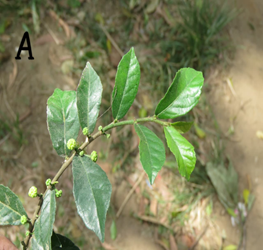
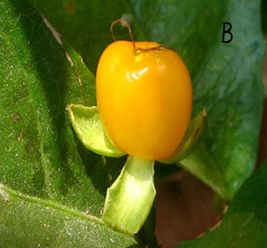
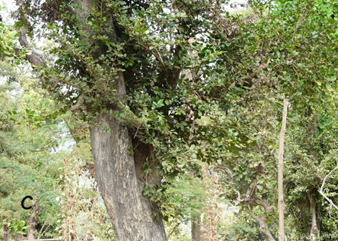
Figure 1 showing S.asper Lour tree A) Leaf B) Fruit C) Whole tree
GEOMORPHOLOGICAL CHARACTER OF STREBLUS ASPER:
S. asper is one of the species among a total of 22 species involved in Streblus(1). It is a 5-10cm long, shaggy, tiny, evergreen tree with milky juice, as well portrayed by its coarse, greyish brown bark and ovoid leaves along with a scalloped edge [4,7,12]. Flower of S. asper, considered as androgynous, axillary, and spherical pedunculate heads, was carried in the male flower of S.asper.The number of stamens is 4, modulated in bud, anthers are reinforced, secluded, unastentatiaes, protracted pedunculate; such a character has been expressed by the female flower [4,12]. The male flower measures range from 8–10 mm, and the female measures range from 6–12 mm [7].
PHYTOCHEMICAL PROPERTY:
The synthesis of fatty acid, phytosterol, triterpenoids, polyal, sugar acid, aldehyde diterpene, terpene, carboxylic compounds, acid and sugar in Streblus asper has been recorded as Bio effective phytocompounds. Additionally, phytol of brown liquid α-farnesene & α-capaena, are also considered as active phytocompounds. The volatile oil was extracted from fresh green leaves in the range of 0.005% [4]. B-elemense, α-d-glycopyranoide, glycerol, myoinositol, butanediotic acid and hexadecenoic acid, octadecanoic acid, β-sitosterol were unearthed in the Streblus asper leaves [1,4]. Cardiac glycosides are a treasure trove of Streblus asper [6,3]. Among the glycosides, 15 such compounds were known for degradative capability, predominantly as peroside, kamoside, strebloside, indroside, cannodimemoside, strophalloside, strophanolloside, 16-O-acetylglucogitomethoside, glucogitonemethoside, gluco-kamloside, Sarmethoside and glucostrebloside[3]. Groundbreaking molecules of lignans and neolignans were debuted in S. asper for the very first time [6]. A composite of flavonoids, alkaloids, phenolic acids, and tannins is stored in plant leaves, stems, and parts of trees [2]. The compounds such as, lupeololeate, streblustery, palmitate, lupeallinoleate, urotic acid, stigmasterol palmitate and octacosanoic acid which was exhibit in root of Streblus asper as bioactive compounds as well, Responsible for anticancer and antidiabetic activity [10]. The compounds of n-triacontane, β-sitosterol, stigmasterol, triacontane-3-one, oleanolic acid, and botulin found in the aerial bark of the Streblus asper tree [11]. Ahead of its time, instrumentation/spectral analysis was applied to take away the phytoconstituents [2] in Table 3.
Table 3 showing Spectral analysis applied to take away the phytoconstituents [2]
|
COMPOUNDS |
GCMS |
LCMS |
FTIR |
NMR |
TLC |
|
Glycosides |
? |
? |
? |
? |
? |
|
Steroids |
? |
? |
? |
? |
? |
|
Phenolic compounds |
? |
? |
? |
? |
? |
|
Flavonoids |
? |
? |
? |
? |
? |
|
Saponins |
? |
? |
? |
? |
? |
|
Alkaloids |
? |
? |
? |
? |
? |
|
Terpenoids |
? |
? |
? |
? |
? |
|
Tannins |
? |
? |
? |
? |
? |
|
Cyanogenic glycosides |
? |
? |
? |
? |
? |
? Showing Positive phytoconstituents
ETHANOMEDICINAL USES:
S. Asper acts as conditioning agent to restore complications of cardiac disorders, epilepsy, oedema, leprosy, dysentery, elephantiasis and tuberculous glands [1,2,10]. Anti-gingivitis is an important property in Streblus asper stem bark, which is composed of antipain activity against toothache [13,10]. Phenolic compounds of S. asper facilitate the balance of free radicals and decrease oxidative stress resulting from liver cell damage. Majorly, the Leafs of S. asper contributes foremost role in administering liver illness and physical harm. As well phytocompound in root purpose as a counteragent to snakebite and convinces the myocardium [2]. Antiseptic activity comprise in sap of S. asper assists in sore heals and Granular swelling [7,2]. Resin of the bark is blended with goat milk to drink while at morning to cure leucorrhea [14]. Various tree parts of Streblus asper from Thailand investigated that have capacity to suppress human lung cancer cell growth (A549 cells) help of extract using ethanol [16]. From extracting essential oil from aerial parts by using hydro distillation and evaluated by GC-MS method & GC-FID method which involved in oral health of dental caries, strengthening gum, toothache and gingivitis [13]. The methanolic compound was extract from dried leaves of S. asper which encompasses Anti-diarrheal activity examined with various rat model [8]. The principle active molecule of stigmasterol in S.asper exhibit Anticancer &Antidiabetic &other therapeutic activities [10].
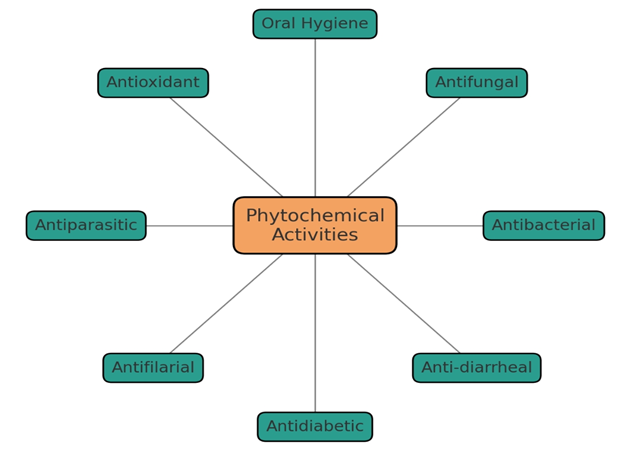
Figure 2 showing Phytochemical activities of Streblus asper lour
ANTIBACTERIAL ACTIVITY:
The ethanolic and methanolic extracts of S. asper leaves exhibit potent antibacterial activity against Staphylococcus aureus and Bacillus subtilis at an intense level, as well as against Salmonella typhi [1, 6]. A broader range of antibacterial action is observed with the leaf extract of aqueous petroleum ether, ethyl acetate, and a methanolic compound, which targets numerous pathogens, including S. paratyphi, S. epidermidis, Enterococcus faecalis, Mycobacterium tuberculosis [1, 7, 11], Saccharomyces cerevisiae, Bacillus subtilis, Pseudomonas aeruginosa, and Escherichia coli [1, 6]. A specific antibacterial compound identified as lignans, isolated from the root of S. asper, effectively inhibits the growth of Porphyromonas gingivalis and Aggregatibacter actinomycetemcomitans colonies [1, 6]. In comparative studies using the crude ethanolic extract from the leaf and aerial bark [13, 17], the acid fraction showed significantly greater activity against S. aureus and B. subtilis [9].
ANTIFUNGAL ACTIVITY:
Antifungal activity showed favourable results from leaf of S. asper, which exhibits activity against Candida albicans, especially buccal epithelial cell in humans [1,7,11].
ORAL HYGENE:
Salivary fluid is composed of numerous microbial loads, which is the reason for oral cavity and certain oral complications. From that, the growth of Streptococcus mutans is suppressed by the ethanolic extracts separated from stick and leaves of S.Asper and moreover be used to reduce the possibilities of dental carries. Furthermore, the coagulase positive and coagulase negative Staphylococcus species, Enterobacter species, and other C. albicans [1,6]. Microbial complex, notably P. gingivalis and Actinomyces sp., Burkholderia pseudomallei, and total bacterial load responsible for biofilm formation. The extract From S. asper inhibits the formation of bio-gingival plaque and aslike suppress the growth of above mentioned such bacteria [6]. The milky latex extracted from the bark of Streblus asper possesses antiseptic properties and can be used as an anti-infective gargle [13]. The plaque and gingivitis formation induced by Streptococcus mutans and Actinomyces comitans mutants was treated with leaf extract of Streblus asper using disc diffusion method, which is accustomed to dental caries, strengthening gums, toothache, and gingivitis [13,15]. The compounds such as flavonoids and lignan extract from heart wood of S. asper aerial bark inhibit the subgingival biofilm formation and suppress the total load of P. gingivalis and A. actinomycetemcomitans, which can be employed as mouth rinses as well as toothpaste [17].
ANTIOXIDANT PROPERTY:
Herbal plants and trees possess rich sources of natural antioxidants, which help safeguard the body from oxidative stress caused by free radicals. These active biological agents such as flavonoids, phenolics, tannins, and alkaloids neutralize harmful molecules and thereby decrease the risk of chronic diseases like cancer, cardiovascular disorders, and neurodegenerative conditions. The Streblus asper leaves, stem, bark, and root bark aqueous and methanolic sap extracts show strong in vitro antioxidant activity by scavenging free radicals (DPPH, hydroxyl, nitric oxide, superoxide), inhibiting lipid peroxidation, and reducing Fe³? to Fe²?. They as well decrease oxidative stress markers (TBARS) and increase antioxidant enzymes (GSH, CAT) and improve liver function in CCl?-intoxicated animals, demonstrating hepatoprotective effect. Additionally, extracts reduce intracellular ROS in cells, show antioxidant benefits in diabetic rats, and improve hepatic and renal antioxidant parameters in cancer-bearing mice [1,2,6,19,24]. The capacity to scavenge free radicals and balance enzymes linked to oxidative stress which supported by presence of rich phytochemical composition, includes lignans, flavonoids, and phenolics in Streblus asper lour[2]. From the aqueous, methanol, and ethanol extract of Streblus asper fruits shows secondary metabolites. As well tannins, flavonoids, phenols, and alkaloids are detected from these three extracts having antioxidant properties [7].
ANTIPARASITIC PROPERTY:
Phytomedicines are natural resources that contain biologically active compounds capable of destroying, inhibiting, or expelling parasites against various parasitic infections. The different concentrations (5, 50, 250, 1000 mg/ml) aqueous extract of the leaves of S. asper showed low impact activity against Trypanosoma evansi, the causative agent of Surra in animals [1].
ANTIFILARIAL ACTIVITY:
Streblus asper stem bark isolates of two cardiac (glycosides, asperoside)and strebloside from chloroform and ethyl acetate fractions shows strong antifilarial activity against Brugia malayi,Acanthachelonema viteae and Setaria Cervi [1,2]. The above-mentioned glycosides inhibiting microfilariae development by inducing oxidative stress in worms and regulating host immunity. By effective oral asperoside proved inhibition activity against litomosoides corinii in rats [2,3].S.asper fruit sap contain specialized metabolites like tannins,flavonoids,phenol and alkaloids extracts through n-hexane, aqueous, methanol, and ethanol which are related with antifilarial activity [7]. Stem bark extract of S. asper shows powerful antifilarial activity pointedly due to its cardiac glycosides asperoside(kO29) and stebloside(KO30), a potential source for new drugs [23].
ANTIDIABETIC ACTIVITY:
Phytomedicine has been used in folk medicine for controlling diabetes. These plant-based remedies are gaining importance as affordable, alternatives to modern antidiabetic drugs. Different parts of Streblus asper such as leaves, roots, and stem bark sap extracts taken by petroleum ether and methanolic extract show strong antidiabetic activity in animal studies. The sap extract turns down fasting blood sugar and turns up insulin levels, rebuilds enzyme activity, and increases glycogen concentration. Essential compounds such as apiol (from leaves) and α-amyrin acetate (from stem bark) were recognized as active constituents. It also lowered cholesterol, triglycerides, HbA1C, and prevented liver damage, confirming the plant's potential in managing diabetes by extended treatment [1,2,6]. The bioactive compounds of flavonoids and phenolics contained in S. asper extracts that act as antioxidants, which protect pancreatic beta cells [2]. The presence of tannins in extracts of bark, leaves, and roots reflects their role in treating diabetes.
ANTICANCER ACTIVITY:
The phytochemical constituents mainly glycosides and volatile oils, from S.asper various plant parts possess anti-cancer activity. The components, notably phytol, α-farnesene, trans-farnesyl acetate, and caryophyllene from isolated volatile oil, demonstrate effective cytotoxicity against P388 mouse lymphocytic leukemia cells. By suppressing Na?/K?-ATPase, it will arrest the cell cycle at G? phase, which help to impending the accumulation of ovarian cancer cells via positive strebloside cardiac glycoside acquired from the stem bark of S. asper [1,2,7].Agrobacterium tumefaciens, responsible for causing crown gall tumors, was prevented by the exhibited S. asper extract. The ethyl acetate soluble fraction suppresses tumor development and enhances survival in Dalton’s ascitic lymphoma (DAL)-carrying mice [6]. The activation of mitochondrial and caspase pathways by inducing apoptosis in cancer cells is carried out by S. asper, which terminates cell cycle progression and stamps down cell locomotion, along with turn down tumor diffusion [2]. The protein associated with cancer surveillance were target by the controlled stigmasterol content in the stem bark of S. asper and possess Anticancer Activity [16]. The presence of strebloside as cytotoxic compound in S. asper exerts its anticancer effect by-product positive-L-17B - hydroxystrebloside showed no such activity due to lack in essential role of L-17 lactone group. To Beat the Regression the positive strebloside should be structurally modified could leads to new anticancer agents [20].
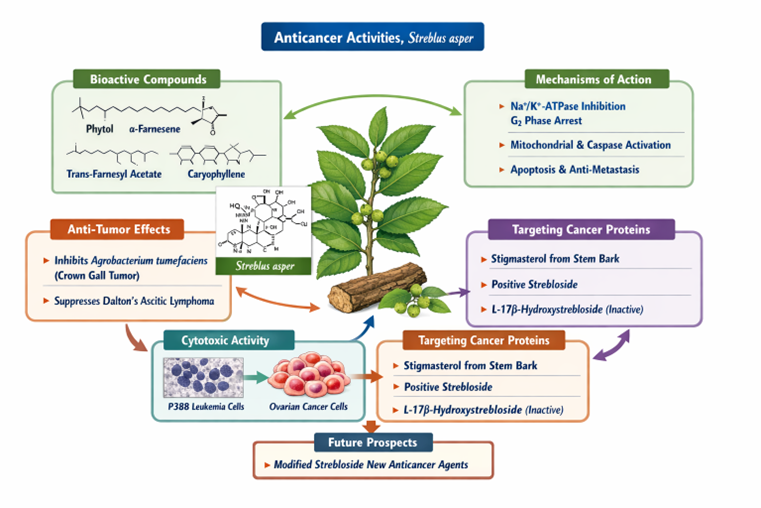
Figure 3 showing Anticancer activity of Streblus asper lour
CONCLUSION
In this review, we demonstrated and concluded that the presence of diverse secondary metabolites such as flavonoids, alkaloids, terpenoids, saponins, sterols and tannins shows unique therapeutic activity, especially the presence of glycosides and volatile oil compounds of Streblus asper lour show anticancer activity by disturbing the progression of tumour and upsetting cancer cell surveillance. By using mitochondrial and capsule-mediated pathways those above-mentioned compounds exert cytotoxic effects through cell cycle arrest at the G2, suppression of Na+/K+-ATPase activity, proliferated tumor cell inhibition, and induction of apoptosis through multiple mechanisms. Cardiac glycoside of Streblus asper stem bark, especially strebloside, as an antitumor agent. While protein targets get associated with cancer surveillance, the Strebloside creates disturbance in cancer cell surveillance and tumour progression, and it will further provide compressed tumour regression. Moreover, it shows a promising target for compound structural characterization and further anticancer drug development and for extensive clinical and preclinical examination.
FUTURE PERSPECTIVE:
Choosing a method of constant extraction and ensuring the best phytocompound is reliable to perform unique clinical treatments. And those compounds were isolated and purified under suitable chromatographic techniques. Thus, Phytocompounds were coated on a clinical dressing to treat external wounds and formulated as a pharmacological drug. Before the formulation of a drug, the isolating compound should possess an effective and safe application for society.
REFERENCES



Dr. Savitha T, Prithika MP, Anitha K, Poovizhi T, Explorative Study of Streblus asper lour and its Ethnomedicinal Properties, Int. J. of Pharm. Sci., 2026, Vol 4, Issue 4, 94-102. https://doi.org/10.5281/zenodo.19380954
 10.5281/zenodo.19380954
