
Nootan Collage of Pharmacy, Kavathe Mahankal, Maharashtra, India
Cosmetic science has rapidly evolved with the integration of modern technologies that enhance product safety, efficacy, personalization, and sustainability. Traditional cosmetic formulations are now supported by advanced tools such as artificial intelligence (AI), 3D printing, nanotechnology, big data analytics, biosensors, and Internet of Things (IoT). These technologies enable precise analysis of skin and hair characteristics, facilitate the development of customized formulations, and improve delivery of active ingredients through novel systems like nanocarriers,liposomes,and microencapsulation. AI-driven diagnostics, virtual try-on tools, and digital skin mapping enhance consumer experience while strengthening product design. 3D printing contributes to personalized makeup, facial masks, and innovative packaging, whereas nanotechnology improves stability, penetration, and targeted delivery of cosmetic actives
Cosmetics are a category of health and beauty products that are used to care for the face and body, or used to accentuate or change a person's appearance. The history of cosmetics is present for at least 7,000 years and is present in almost every society around the globe. It is clear that the market of beauty has been extraordinarily glorious in brainwashing our minds. India has become one of the emerging countries with large growth in cosmetic industries with each passing year. In spite of the global economic recession, Above 350 billion rupees was registered by the cosmetic industries of India in 2009. Sunscreens, creams and soaps are some of the widely used cosmetics. Even though cosmetics are considered a boon by huge populations globally, the risk and toxicity of Cosmetic technology is significant because it combines science, engineering, and aesthetics to develop safe, effective, and innovative products that enhance physical appearance and psychological well-being, while also protecting skin health. of the cosmeceuticals are not to be excluded. In silico modelling for cosmeceuticals, Circular Economy, Release based on biological stimuli are some of the latest trends in cosmetics. Hypoallergenic cosmetic products can be defined as the class of cosmetics which tends to produce lesser allergic reactions when compared with other cosmetic formulations.
SIGNIFICANCE OF COSMETIC TECHNOLOGY
Cosmetic technology is an academic discipline that involves the formulation, evaluation, and production of cosmetic products. It applies technology to improve and customize these products, catering to individual needs based on different skin types. This field focuses on enhancing beauty through diverse formulations and innovations, emphasizing the importance of creating tailored solutions to meet the unique requirements of each user.
MODERN TECHNOLOGY USED IN COSMETIC SCIENCE
Artificial intelligence
Artificial intelligence is a broad field, which refers to the use of technologies to build machines and computers that have the ability to mimic cognitive functions associated with human intelligence, such as being able to see, understand, and respond to spoken or written language, analyze data, make recommendations, and more.
Personalized skincare: AI analyzes skin images to recommend tailored products (e.g., L’OréaSkin Genius). Product formulation optimization: Algorithms predict ingredient interactions, stability, and texture Trend prediction: AI monitors consumer behavior and social media to guide product development.
Artificial intelligence is an intellect [13] that is much smarter than the best human brain in practically every field, including computer science and linguistic logic. “It is a modern method of machines which will do muscle work and illustrate complex questions in an “intellectual” manner. It is concerned with the basic and most important aspects in our life i.e. philosophy, computer science, mathematics, linguistics, biology, neuron science, sociology
Artificial General Intelligence or AGI is a system that defines that the machine can do intellectual behavior as Humans can do many processes at a time. A broader view to artificial intelligence is that it can be the combination of learning, perception, problem solving and adapting new solutions to the system. It also involves linguistic logic and reasoning
Artificial intelligence has 2 types:
1. Weak AI.
The principle of Weak AI is that the machines behave as if they are intelligent. Weak AI proves that virtual abilities like thinking, talking, moving can be done by machine if they are programmed in that manner. E.g. In the chess game, the computer can play and move players automatically. The computer does not have thinking ability but in actual it is programmed so that the computer always takes the right step.
2. Strong AI:
The principle of Strong AI is that the machines will do calculations and think for themselves and will predict the answer in future. E.g. The artificial intellectual supercomputer „WATSON? invented by IBM. Thus in future, there will definitely be such machines or maybe humanoids which will do its own work and think:// more powerful than human etc. Quality control: Computer vision detects defects in packaging and formulation consistency.Although artificial intelligence is often thought of as a system in itself, it is a set of technologies implemented in a system to enable it to reason, learn, and act to solve a complex problem.
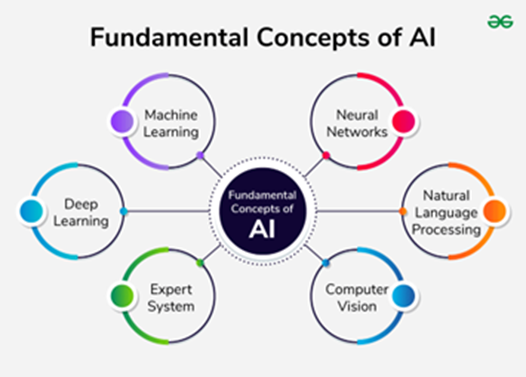
Fig: strong AI(4)
3D PRINTING
3D printing (3DP) is a manufacturing technology that produces 3D objects from a design file using layer-by-layer deposition of material. It has already found applications in the healthcare and pharmaceutical industries, while its use in the field of topical delivery has been extensively studied in the last two decades. The aim of this study is to provide a comprehensive overview of the 3DP-based developments in topical delivery, with special emphasis on its current and potential use in the cosmetic field.3D printing (3DP) is a manufacturing technology that produces 3D objects from a design file using layer-by-layer deposition of material. It offers some advantages over traditional manufacturing techniques, such as one-step fabrication and customisation. In addition, 3D printing has shown potential in increasing skin delivery efficacy and user compliance [5]
Types of 3D Printing Technologies
Based on the process involved, the American Society for Testing and Materials (ASTM) has classified 3DP technology into seven types, the overview of which is given in several articles . Among these methods, fused deposition modelling (FDM) and stereolithography (SLA) have been the most popular 3DP technologies for the fabrication of skin delivery platforms. In recent studies, digital light processing (DLP) and two photon-polymerisation (TPP) were also used . In addition, ink jet printing is applied for the loading of active ingredients in the post-platform fabrication processes (6)
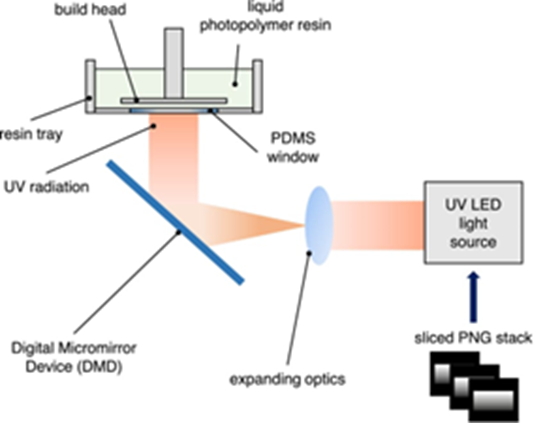
Fig: 3D Printing(6)
IOT- SYSTEM IN COSMETIC SCIENCE
Introduction
Now a day's Al algorithms are known thing used to analyze data, helping providing customer with the personalized product recommendation. Various skin conditions, preferences are taken in account by algorithm and helping it to both skincare and makeup provision. Skin health is an important factor for overall wellbeing as the skin serves as protective barrier against the environmental factor such as pollution UV radiation and climate change. Exposure to these conditions causes premature aging and skin damage which can affect individual physical appearance
A skin care routine is a method for taking care of your skin. To make sure that the skin is healthy and in good condition, this process is vital. It takes different routines into consideration depending on the skin type. It must consider your skin's health and symptoms in order to establish the skin type. As a result, determining one's own skin type might be challenging for those who are unfamiliar with their own skin. Skin type can be established using a variety of factors, such as gender, age, amount of sleep, and skin condition, UV radiation, temperature, moisture
However, to address this problem we proposed the development of a model which can detect the current type of skin and try to advise the best cosmetics to skin. By utilizing this model individuals can receive personalized recommendation for suitable skin care product that target the specific skin concern, this can save individual time and effort, in finding the right product as they no longer need to go through trial and error to find effective
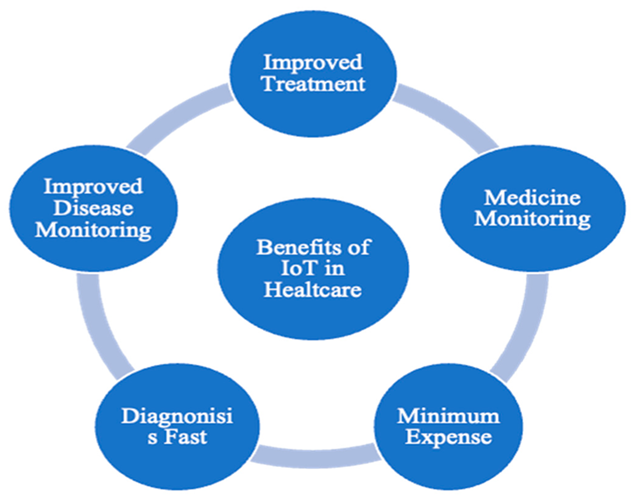
Fig: System in Cosmetic science (7)
DIGITAL FORMULATION SOFTWARE
Digital formulation software, often leveraging Artificial Intelligence (AI), Machine Learning (ML), and computational methods, is a burgeoning area of research in cosmetic science. Research papers highlight the use of these digital tools to accelerate product development, improve sustainability, ensure regulatory compliance, and enable personalized beauty solutions. Predictive Modeling for Stability and Efficacy: Studies compare the performance of different AI models (like Large Language Models and Artificial Neural Networks) in predicting key product properties, such as the phase stability of shampoo formulations or the hardness of soap. These models help reduce the reliance on time-consuming physical trial-and-error methods. Ingredient Discovery and Optimization: AI algorithms are used to predict ingredient compatibility, stability, sensory properties, and efficacy. This data-driven approach aids in selecting new, often more natural or sustainable, ingredients and optimizing their combinations to achieve desired product attributes. Safety and Regulatory Compliance: Research explores the use of computational toxicology and ML algorithms to predict potential safety issues, such as skin sensitization, early in the development process. Other software modules incorporate up-to-date global regulatory databases, helping formulators ensure adherence to standards like the EU Cosmetics Regulation or the US FDA guidelines. "In Silico" Formulation: The concept of "in silico" (computer simulation) formulation, similar to the approach used in the automotive and aircraft industries, is a key area of study. This involves creating and testing virtual prototypes of formulations before any physical testing begins, thereby reducing waste and time-to-market. Personalization and Customer Experience: AI-driven tools are facilitating the rise of personalized beauty products by enabling the creation of bespoke formulations tailored to individual skin types and concerns. Research also explores how AI enhances the overall customer experience through advanced diagnostics and virtual try-ons. Notable Software and Platforms Mentioned While many papers focus on the underlying methodologies (AI, ML, etc.), the commercial and academic tools mentioned in the literature include:
Commercial/Industry Platforms: Specific commercial products include platforms like Cosmetri, Formulation Software Inc., Chemistree, FormulateIT, BeautyAI, and InnovateForm, which offer various features from ingredient databases to compliance modules.
APPLICATION OF DIGITAL TECHNOLOGY
Digital technology, particularly Artificial Intelligence (AI), Augmented Reality (AR), and big data, has profoundly transformed cosmetic science by enabling personalized customer experiences, accelerating research and development (R&D), and improving diagnostic and application methods.
AI-Powered Skin Analysis: Tools and apps, like Olay's Skin Advisor, use high-resolution imaging and algorithms to scan the skin, identify concerns (wrinkles, dark spots, hydration levels), and recommend suitable products or treatment plans.
Customized Product Creation: Brands use AI to create bespoke shampoos, creams, and other products by analyzing customer input and preferences, with some devices even producing custom formulas at home (e.g., L'Oréal Perso).
ADVANTAGES OF DIGITAL TECHNOLOGY IN COSMETIC SCIENCE
Digital technology offers numerous advantages in cosmic science (astronomy and space exploration), from enhancing data collection and analysis to fostering collaboration and developing practical applications that benefit life on Earth. Digital technology provides numerous advantages to cosmic science, including enhanced data collection and analysis, advanced imaging and modeling, improved communication and collaboration, and the development of innovative spin-off technologies for use on
DISADVANTAGE OF DIGITAL TECHNOLOGY COSMETIC SCIENCE
CONCLUSION:
Digital technology is transforming cosmetic science by accelerating innovation, improving product performance, and enhancing consumer engagement. Advancements such as artificial intelligence, machine learning, big data analytics, digital skin diagnostics, 3D printing, virtual try-on tools, and smart cosmetic devices have reshaped how cosmetic products are researched, formulated, tested, and marketed. These technologies enable more accurate skin analysis, personalized product recommendations, and efficient formulation design, leading to safer, more effective, and consumer-centric cosmetic solutions.
The evolution of digital technology in cosmetic science has moved beyond simple e-commerce to highly personalized experiences and sophisticated product development, primarily through the integration of artificial intelligence (AI), augmented reality (AR), and data analytics.
KEY AREAS OF DIGITAL EVOLUTION
Research & Development (R&D)
AI and Machine Learning: These technologies are used to analyze vast datasets, allowing for the development of new product formulas and ingredients more quickly and sustainably.
Biotechnology Integration: Modern cosmetic technology increasingly merges with biotechnology and chemistry to create advanced skincare solutions, moving beyond traditional formulations.
Manufacturing & Supply Chain
Robotics and 3D Printing: The production process has been optimized with automation. For example, some brands use 3D printing for specialized items like mascara brushes.
Optimized Logistics: AI and big data improve demand planning and logistics, helping to optimize stock levels and minimize waste.
Consumer Experience & Personalization
Virtual Try-Ons: Augmented Reality (AR) and Virtual Reality (VR) allow customers to virtually "try on" makeup shades and styles through apps and websites, a trend that significantly increased during the pandemic.
AI-Powered Skin Analysis: "Smart mirrors" and mobile apps with AI algorithms can scan the face for wrinkles, blemishes, and other skin issues, providing personalized product recommendations.
Hyper-Personalization: Machine learning algorithms help brands create user-specific products and customized shopping experiences, from shade-matching foundations to personalized skin consultations.
Marketing & Sales
E-commerce and social media: Digital platforms have revolutionized how brands connect with consumers, with social influencers playing a significant role in product reviews and sales (e-word of mouth).
Data-Driven Strategies: Brands use consumer data to tailor marketing campaigns and create omnichannel experiences, though this also raises data privacy concerns.
REFERENCES


Chandani Kamble, Mahima Magadum, Digital Technologies in Cosmetic Science, Int. J. of Pharm. Sci., 2025, Vol 3, Issue 12, 3399-3405. https://doi.org/10.5281/zenodo.18022036
 10.5281/zenodo.18022036
