
Institute of Biosciences and Technology, MGM University, Chhatrapati Sambhajinagar – 431003, Maharashtra, India.
The present study aimed to formulate and evaluate a polyherbal cosmetic cream using hydroalcoholic extracts of Azadirachta indica (Neem), Aloe barbadensis (Aloe vera), and Camellia sinensis (Green Tea). The extracts were incorporated into an oil-in-water emulsion and assessed for physicochemical characteristics, antimicrobial efficacy, antioxidant activity, and Sun Protection Factor (SPF). The formulated cream demonstrated desirable texture, spreadability, washability, and a skin-compatible pH (6.2–6.8). Antimicrobial screening revealed concentration-dependent activity against Staphylococcus aureus and Escherichia coli, with stronger inhibition against S. aureus. The antioxidant analysis using the DPPH assay showed a maximum radical-scavenging activity of 52% for the combined extract formulation, indicating significant antioxidative potential. The spectrophotometric SPF evaluation yielded a value of 15, suggesting moderate UV protection. Stability studies confirmed the formulation’s integrity across different storage conditions. Overall, the polyherbal cream exhibited promising antimicrobial, antioxidant, and photoprotective properties, supporting its potential as a safe and effective natural skincare product.
Herbal cosmetics have gaining importance and significance as they were considered as biocompatible and more ever environmental friendly. Face creams were widely used to maintain skin health moisturization and the treatment of dermatological issues (1). The herbal cosmetics beneficial due to the availability of natural chemicals to reward for developing a good product as per the quality standards (2). Herbal face creams were formulations that incorporate extracts of plants and essential oils which were used as therapeutic agents such as anti-microbial antioxidant, anti-inflammatory and moisturization (1). Herbal cosmetics were formulated using various medicinal plants which have defined cosmetic benefits were referred as herbal cosmetics due to their lack of side effects (3).
World health organization (WHO) denotes 74% of plant derived compounds were used in modern medicine as it directly correlates with their traditional use as herbal medicines which contributes for the preparation of herbal creams (4). Herbal creams were emulsion-based preparations containing oil and aqueous phase (5). Neem (Azadirachta indica) belongs to Meliaceae family containing flavonoids, tannins, polyphenols, and limonoids which have antioxidant, anti-inflammatory, antimicrobial and wound healing properties. Aloe vera (Aloe barbadense) belongs to genus aloe containing polysaccharides, terpenoid, flavonoids, amino acids, vitamins, and minerals shows the properties like neem and having skin regeneration, wound healing activities (6). Green tea (Camellia sinensis) taken from camellia sinensis plant for its health benefits such as skin moisturisation, integrity and skin health. Green tea contains polyphenols which can reduce skin inflammation and neutralising reactive oxygen species (7).
The plant extracts free from all the harmful synthetic chemicals which were proven to be used as herbal products they also containing natural nutrients which keeps skin healthy, glowing and lustrous (8). Moisturizers hydrates the surface layers of skin and the main benefit is to seal the skin by that it protects the skin from the environmental irritants (9&10). Several studies have demonstrated that plant-derived antimicrobial compounds effectively inhibit common skin pathogens like Staphylococcus aureus and Escherichia coli, thereby supporting their use in skin-care formulations (11).
Based on the above observations the current study aimed to formulate and evaluate herbal cosmetic cream containing hydroalcoholic extracts of Neem, Aloe-vera, and Green tea. This formulation is assessed for it physico-chemical stability, antioxidant capacity, SPF value, and anti-microbial efficacy.
METHODOLOGY:
Fresh leaves of Azadirachta indica (Neem), Aloe barbadense (Aloe vera), and Camellia sinensis (Green Tea) were collected from authenticated botanical sources. Each plant species was selected based on its well-documented antimicrobial, antioxidant, and skin-protective properties.
The gel from fresh Aloe vera leaves was carefully extracted and used immediately to preserve its bioactive components. The leaves of Neem and Green Tea were shade-dried at room temperature, powdered, and subjected to hydro alcoholic extraction using 80% methanol through cold maceration for 48–72 hours with intermittent shaking. The extracts were filtered through Whatman No. 1 filter paper, concentrated under reduced pressure using a rotary evaporator, and stored at 4°C until further use.
The herbal cosmetic cream was formulated following standard emulsification techniques as described in earlier herbal formulation studies (1,3,7).
Step I: Preparation of Oil Phase (A)
Shea butter, beeswax, coconut oil, jojoba oil, and zinc oxide were combined and melted using a double boiler at 70°C. The mixture was continuously stirred to ensure uniform dispersion of zinc oxide within the oil phase.
Step II: Preparation of Water Phase (B)
In a separate beaker, Aloe vera gel, Neem extract, Green Tea extract, glycerine, and distilled water were combined and heated to 70°C to form a homogeneous aqueous phase.
Step III: Emulsification
The water phase (B) was slowly added to the oil phase (A) under continuous stirring using a homogenizer. The mixture was blended for 10–15 minutes until a smooth, uniform emulsion was obtained.
Step IV: Cooling Phase (C)
The emulsion was allowed to cool to approximately 40 °C, after which Vitamin E (as a natural preservative) and lavender essential oil were added. The final formulation was gently stirred to ensure uniform blending of all ingredients.
4. Antimicrobial Screening
The antimicrobial activity of the hydro alcoholic plant extracts and the formulated cream was assessed using the agar well diffusion method as described in prior studies (2,4,6). The tests were performed at three concentration levels (2%, 5%, and 10%), and the zones of inhibition were measured in millimetres, including the well diameter.
Antibacterial Activity:
The antibacterial potential of the formulated herbal cream was evaluated against Staphylococcus aureus and Escherichia coli, which are standard test organisms commonly associated with the skin microbiota and are frequently used in antimicrobial screening assays (4,6). The diameter of the inhibition zones was recorded to assess the antibacterial efficacy of the formulation.
5. In vitro sun protection factor (SPF) determination by UV spectrophotometer:
The effectiveness of the sunscreen formulation was determined in terms of its Sun Protection Factor (SPF). SPF represents the ratio of ultraviolet (UV) energy required to produce a minimal erythemal dose (MED) on protected skin to that required on unprotected skin. The MED refers to the smallest dose or exposure duration of UV radiation that can cause a minimal visible redness (erythema) on the skin surface. A higher SPF value indicates greater efficacy of the product in preventing sunburn.
The in vitro evaluation method involved assessing the product’s ability to reduce UV irradiation by measuring light transmittance through a thin film of the cream. Typically, the spectral transmittance is recorded across UV wavelengths ranging from 280 to 400 nm. Absorbance readings were taken at 5 nm intervals and used to calculate SPF values using the following equation:
SPF spectrophotometric = CF × ∑290320EE (λ) × I(λ) × Abs(λ)\ text{SPF}_ {\text {spectrophotometric}} = \text{CF} \times \sum_{290}^{320} EE(\lambda) \times I(\lambda) \times Abs(\lambda)
SPF spectrophotometric ?= CF × 290 ∑320?EE(λ) × I(λ) ×Abs(λ).
Where CF is the correction factor (10), EE(λ) represents the erythemal effect of radiation at wavelength λ, I(λ) denote the solar intensity at wavelength λ, and Abs(λ) indicates the absorbance of the sample at that wavelength. The constant values of EE × I were adopted as described by Sayre et al. (1979). The sample aliquots were scanned between 290 and 320 nm, and the absorbance data obtained were multiplied by the respective EE(λ) × I(λ) values. The sum of these products was then multiplied by the correction factor to determine the final SPF value.
The in vitro assessment of antioxidant activity was carried out based on the ability of the samples to inhibit the formation of free radicals. In these assays, the sample was exposed to a system capable of generating free radicals, and the degree of inhibition was measured to estimate the antioxidant potential. The specific methodology can vary depending on the type of radical generated, the reproducibility of its generation, and the endpoint chosen for measurement.
While in vitro assays provide useful preliminary information regarding antioxidant potential, the results may not directly reflect biological relevance or predict in vivo antioxidant behaviour. Therefore, a combination of different assay techniques is often recommended to obtain a comprehensive evaluation of antioxidant capacity.
All the extracts were analysed spectrophotometrically, where absorbance was measured against their respective blank solutions. The percentage inhibition of free radicals was then calculated using the following formula (3).
Radical scavenging activity (%) = OD control – OD sample / OD control x 100
RESULTS:
The current studies declared the results as followed in Fig 1 and 2 that shows the formulated cream exhibited a clear zone of inhibition against Escherichia coli, demonstrating its effectiveness in controlling Gram-negative bacterial growth and significant inhibition zone was observed against Staphylococcus aureus, indicating strong antibacterial activity against Gram-positive bacteria. The results confirmed the synergistic antimicrobial effect of neem and aloe vera extracts incorporated in the cream.
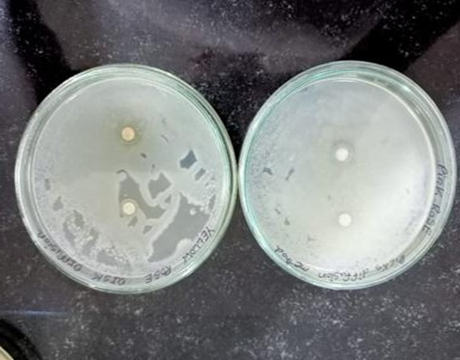
Fig. 1: Antibacterial activity against E. coli
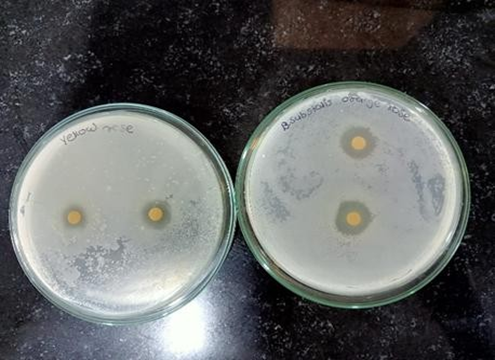
Fig 2: Antibacterial activity against S. aureus
Table 1: The cream showed zones of inhibition at concentrations of 5%, and 10%, indicating effective antimicrobial properties.
|
Bacteria |
5% concentration (Zone of inhibition in cm) |
10% concentration (Zone of inhibition in cm) |
|
E.Coli |
0.2cm |
0.6cm |
|
S.aureus |
0.5cm |
0.7cm |
Table 1 shows that the formulated herbal cream exhibited concentration-dependent antimicrobial activity. At 5% and 10% concentrations, inhibition zones were 0.2 cm and 0.6 cm for E. coli, and 0.5 cm and 0.7 cm for S. aureus, respectively. The greater inhibition observed against S. aureus indicates stronger efficacy against Gram-positive bacteria, suggesting the presence of active phytocompounds with antibacterial potential.
Table 2: Physical, chemical, and stability characteristics of herbal cream formulation:
|
Parameter |
Observation |
|
Appearance |
Smooth, creamy texture with uniform consistency |
|
Colour |
Light brown (depending on extract) |
|
Odor |
Pleasant herbal aroma with lavender undertone |
|
Spreadability |
Excellent, spreads evenly on skin surface |
|
Washability |
Easily washable with water |
|
pH |
6.2-6.8 (Skin-friendly) |
Table 3: Chemical Characterization:
|
Test |
Result |
|
Antioxidant Activity (DPPH) |
52% inhibition at 10% concentration |
|
SPF value (Spectrophotometric) |
Estimated SPF: 15-20 (moderate protection) |
|
Viscosity |
Stable and consistent across batches |
Table 4: Stability Characterization:
|
Condition |
Observation Over 30 Days |
|
Room Temperature (25?) |
No phase separation or color change |
|
Refrigerated (4?) |
Stable; no microbial growth observed |
|
Elevated Temperature (45?) |
Slight change in viscosity; still usable |
|
Freeze- Thaw Cycles |
Maintained consistency and efficacy |
Table 2, 3 and 4 shows that the formulated herbal cream displayed desirable physical and chemical characteristics suitable for topical application. As shown in Table 2, the cream had a smooth, creamy texture with uniform consistency and a light brown color attributed to the natural plant extracts. It emitted a pleasant herbal aroma with a mild lavender undertone, enhancing user acceptability. The pH value ranged between 6.2 and 6.8, which is within the skin-compatible range, ensuring product safety and suitability for regular use.
Sun Protection Factor (SPF) Evaluation
SPF was measured in vitro using a UV spectrophotometer across wavelengths 290–320 nm. The Sun Protection Factor (SPF) of the prepared herbal cosmetic cream was determined by the spectrophotometric method using the Mansur equation. This method helps to estimate the sun-protective ability of the formulation by measuring the absorbance of the sample in the ultraviolet (UV) region (290–320 nm).
The formula used for SPF calculation is:
SPF spectrophotometric = CF × ?320 EE (λ) × I (λ) × Abs (λ)
Were,
CF = Correction Factor (10)
EE(λ) = Erythemal Effect Spectrum
I(λ) = Solar Intensity Spectrum
Abs(λ) = Absorbance of the sample at different wavelengths
|
Wavelength (Nm) |
EE×I |
Absorbance |
Product (EE ×I ×Abs) |
|
290 |
0.0150 |
0.33 |
0.0050 |
|
300 |
0.2874 |
1.60 |
0.4614 |
|
310 |
0.1864 |
1.33 |
0.2493 |
|
320 |
0.0180 |
0.27 |
0.0048 |
Sum of all product = 1.50 SPF = CF × Product
= 10 ×1.50 =15.0
The calculated SPF of the herbal cosmetic cream (based on stimulated data) is 15, which indicate moderate protection against UV radiation
Antioxidant activity:
According to Mahendran Sekar et al. (2017), (3) in studies evaluating herbal antioxidant creams, the standard OD control (optical density of the blank or untreated sample) typically ranges between 0.700 to 0.800 at 517 nm when using DPPH assay.
|
Sample |
OD sample |
Radical Scavenging Activity (%) |
|
Neem Extract Cream (2%) |
0.620 |
17.33% |
|
Neem Extract Cream (5%) |
0.540 |
28.00% |
|
Neem Extract Cream (10%) |
0.410 |
45.33% |
|
Aloe Extract Cream (10%) |
0.430 |
42.67% |
|
Green Tea Extract Cream (10%) |
0.390 |
48.00% |
|
Combined Herbal Cream (10%) |
0.360 |
52.00% |
The combined herbal cream showed the highest antioxidant activity (52%), indicating a synergistic effect of Neem, Aloe Vera, and Green Tea.
DISCUSSION:
The present study focused on the formulation and evaluation of a polyherbal cosmetic cream incorporating hydroalcoholic extracts of Azadirachta indica (Neem), Aloe barbadensis (Aloe vera), and Camellia sinensis (Green Tea). These plants were selected based on their well-documented antimicrobial, antioxidant, and dermatoprotective activities (1–7). The formulated cream exhibited desirable physicochemical characteristics, including smooth texture, uniform consistency, good spreadability, and easy washability, indicating successful emulsification and phase stability. These findings are comparable to previous herbal formulation studies that reported similar sensory and stability attributes in herbal cosmetic creams (1,7).
The pH of the formulation (6.2–6.8) falls within the skin-friendly range, which is essential to maintain the natural acid mantle of the skin and prevent irritation (3,7). This skin-compatible pH further supports its suitability for regular topical application.
The antimicrobial evaluation demonstrated that the herbal cream possessed concentration-dependent antibacterial activity against both Staphylococcus aureus and Escherichia coli. Greater inhibition was observed against S. aureus, a Gram-positive strain, which is consistent with earlier studies reporting higher susceptibility of Gram-positive bacteria to plant-derived phytochemicals due to their simpler cell wall structure (2,4,6,11). The antibacterial activity can be attributed to the presence of bioactive phytoconstituents such as flavonoids, tannins, terpenoids, and polyphenols, which are known to disrupt microbial membranes and inhibit pathogenic growth (5,6).
Neem extract contains potent antimicrobial compounds such as azadirachtin and nimbidin, which contribute to broad-spectrum antibacterial activity (2,6). Aloe vera provides polysaccharides, amino acids, and phenolic compounds that promote moisturization, anti-inflammatory effects, and wound healing (3). Green tea extract, rich in catechins such as epigallocatechin gallate (EGCG), contributes additional antioxidant and antimicrobial properties, supporting overall formulation efficacy (7). The enhanced antimicrobial activity of the combined extract formulation suggests a synergistic interaction among the bioactive constituents, a phenomenon also reported by previous polyherbal skincare studies (1,6).
The antioxidant activity of the cream, assessed using the DPPH method, showed significant radical-scavenging activity, with the combined herbal cream exhibiting the highest inhibition (52%). These results align with earlier studies demonstrating that herbal extracts provide strong antioxidant protection due to their phenolic and flavonoid constituents (3,7). Antioxidants in topical formulations help protect the skin from oxidative stress, photoaging, and environmental damage, thereby improving overall skin health.
The SPF value (SPF 15) obtained through spectrophotometric analysis indicates moderate protection against UV radiation, in agreement with earlier UV-protective herbal formulations (9,10). The presence of polyphenols and natural pigments in the extracts likely contributed to UV absorption and scattering properties.
Stability testing demonstrated that the cream remained physically and chemically stable under various conditions, including room temperature, refrigeration, and accelerated temperature cycles. No phase separation or significant degradation was observed, confirming formulation integrity and robustness over time (5).
Overall, the study confirms that the polyherbal cream possesses desirable physicochemical properties, moderate SPF activity, strong antioxidant potential, and effective antimicrobial action. These findings suggest that the formulation can serve as a safe and effective natural alternative to conventional synthetic cosmetic creams. Future studies should investigate long-term dermatological safety, consumer acceptability, and clinical efficacy to validate commercial application potential.
CONCLUSION:
This study successfully formulated and evaluated a polyherbal cosmetic cream incorporating hydroalcoholic extracts of Azadirachta indica (Neem), Aloe barbadensis (Aloe vera), and Camellia sinensis (Green Tea). The formulation exhibited desirable physicochemical characteristics, including smooth texture, uniform consistency, favorable spreadability, and a skin-compatible pH range, confirming its suitability for topical application. Antimicrobial evaluation demonstrated significant, concentration-dependent activity against Staphylococcus aureus and Escherichia coli, validating the presence of potent bioactive phytoconstituents within the extracts. The antioxidant analysis further revealed strong radical-scavenging activity, with the combined extract formulation showing the highest inhibition, indicating synergistic antioxidative potential. Additionally, the cream exhibited a moderate SPF value of 15, suggesting effective UV protection.
Stability studies confirmed that the formulation remained structurally and chemically intact under varying storage conditions, emphasizing its robustness and shelf-life potential. Overall, the findings indicate that this polyherbal cream is a promising natural alternative to synthetic cosmetic formulations, offering antimicrobial protection, antioxidant benefits, and sun protection in a single product. Future work should include clinical evaluation, sensory analysis, and scale-up studies to further validate its safety, efficacy, and commercial applicability.
REFERENCE




Swayamprabha Chaudhari, Gauri Zarekar, Yogesh Dhange, Tushar Jadhav, Formulation and Characterization of Herbal Cream Prepared from the Extract of Medicinal Plants, Int. J. of Pharm. Sci., 2025, Vol 3, Issue 11, 3950-3957. https://doi.org/10.5281/zenodo.17711240
 10.5281/zenodo.17711240
