
Department of Pharmaceutics, Rani Chennamma College of Pharmacy, Belagavi-10, Karnataka, India
Mouth ulcers are painful lesions affecting the mucosal lining of the oral cavity and commonly cause discomfort during eating, drinking, and oral hygiene practices. Although usually self-limiting, effective treatment is required to alleviate pain and accelerate healing. Topical gel formulations provide rapid and localized therapeutic action while avoiding first-pass metabolism, making them suitable for managing oral lesions. The present study aimed to formulate and evaluate a polyherbal mouth ulcer gel containing extracts of Tulsi, Neem, and Liquorice. The herbal extracts were prepared by the maceration method using ethanol as the solvent. Phytochemical screening of the extracts revealed the presence of alkaloids, flavonoids, glycosides, tannins, and carbohydrates, which are known for their therapeutic and antioxidant properties. The gel was formulated using Carbopol 980 as a gelling agent along with PEG 400, honey, triethanolamine, methyl paraben, and propyl paraben through a simple mixing method. The prepared formulation was evaluated for various physicochemical parameters, and the results were found to be within acceptable limits. The developed polyherbal gel exhibited significant antioxidant activity, suggesting its potential as a safe, effective, and promising herbal remedy for the management of mouth ulcers.
Mouth ulcer is an ulcer that occurs on the mucous membrane of oral cavity. Ulcers are consistently occur in the oral region. The ulcer shows symptoms such as redness, warm sensation & pain.
Although mouth ulcers can be miserable, particularly when you eat, drink or brush your teeth, they are generally harmless most of the time mouth ulcers will clear up by themselves within a week or two. Need to look dentist if the ulcer gets worse or lasts for longer than three weeks, or if you develop ulcer regularly.
Mouth ulcers are painful round or oval ulcers that form in mouth, especially inside cheeks or lips. A mouth ulcer is fracture or fracture of mucous membrane, located in the middle of the mouth. It is usually yellow or white and usually looks like pressure on the mouth which is mucous membrane.(1) One of the most prevalent pathologic disorders involving ulcers in oral mucosal membrane is Recurrent Aphthous Stomatitis [RAS]. Recurrent Aphthous Stomatitis causes single or multiple chronic ulcer in one oral mucosa, which is painful.(2)
Causes of Mouth ulcer
Types of mouth ulcer
Based on the size of lesions and number.
Treatment of mouth ulcers may include antiseptic mouth washer, antibiotic or antimicrobial gel formulations. Topical gels intended for the application on skin or to certain mucosal surfaces for local action or percutaneous penetration of medicament preparations.
A gel is a solid or semisolid preparation made up of at least two components that contains a condensed mass & is interpenetrated by liquid. Gels are made up of tiny quantity of solids scattered in big amount of liquid, however they have a solid like rather than a liquid like consistency.(2)
Herbal gel is a topical product formulated with natural plant extracts & ingredients. It often contains blend of herbs, essential oils & other plants-based compounds known for their beneficial properties, therefore are widely used due to their efficiency & lesser side effect
Advantages of gel: -
Our primary objective is to develop a polyherbal gel for treatment of mouthulcer, therefore we are processed with three herbal natural ingredients such as Tulsi, Neem & Liquorice.
Tulsi :
The Tulsi plant is one of the most valued holistic medicinal plants in traditional India. Its herbal derivatives have been used as a household remedy for several aliments since time immemorial. It has been used to prepare several Ayurvedic herbal properties namely anti- oxidative, anti-microbial, anti-stress, anti-diabetic, anti-viral and many others that's why this plant is also given the term "Queen of herbs".(3) Tulsi extract shows inhibitory effects against pathogen such as Staphylococcus aureus, Pseudomonas aeruginosa, E.coli, Klebsiella pneumoniae, Proteus Mirabilis, Salmonella typhimurium. The Tulsi leaves extract has some quantity of volatile oil which contain phytochemicals such as aldehyde, terpenes (sesquiterpenes, monoterpenes) and phenols and it also contains some quantity of saponins, taninns, glycosides, quinone, phlobatanin, flavonoids (orientin and vicenin), steroids, coumarin and alkaloids. Tulsi is used in medicines and has various therapeutic properties and many useful phytochemicals which act as antimicrobial agents against pathogenic microbes.(4)
Neem :
Neem is a tree in the mahogany family Meliacea. The Neem extractsare found to be antimicrobial, antifungal, antiviral, antibacterial and antidiabetic. The chemical constituents and phytoconstituents of Neem are biologically active. Compounds may include secondary metabolites like flavonoids, steroids, tannins, terpenoids, saponins in varying concentrations. Azadirachtin, terpenoid is a low toxic compounds. An antimicrobial is an agent, which kills or inhibit the growth of microorganisms. Neem shows antimicrobial activity against some microorganisms. (5)
Liquorice
Liquorice is a perennial herb, belonging to family fabaceae. The liquorice extract is found to be antimalarial activity, anti- inflammatory, anti-fungal, antiulcer, anti-bacterial, anti-viral, anti- allergic. Chemical constituents & phytoconstituents of liquorice are flavonoids, isoflavones, saponins, proteins, alkaloids, coumarins, Glycirhizine is main constituents. Glycyrrhizic acid includes invitro activity, which works against H-pylori. It also acts as good Antioxidant agent. It is advantageous for increasing obstruction of gastric & upper respiratory tract & ulcer too.(6)
AIM AND OBJECTIVES
Aim: The main aim was to develop and evaluate the Polyherbal mouth ulcer gel
Objectives:
MATERIALS AND METHODOLOGY
Preformulation Studies
Extraction of plant material by using cold maceration method:
A. TULSI: (7)
MACERATION OF TULSI
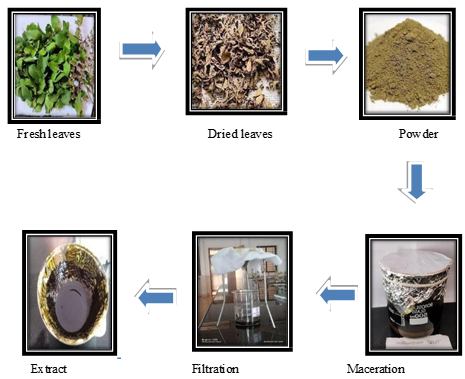
FIGURE 1:MACERATION OF TULSI
B. NEEM (8)
MACERATION OF NEEM
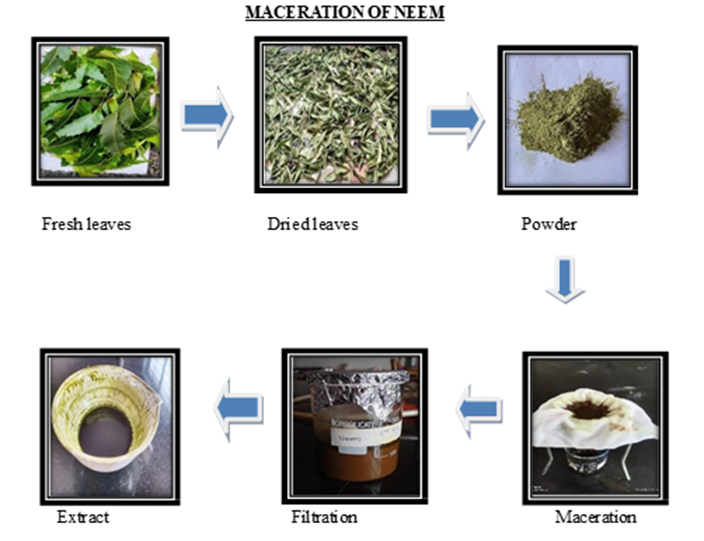
FIGURE 2: MACERATION OF NEEM
C. LIQOURICE(9)
MACERATION OF LIQUORICE
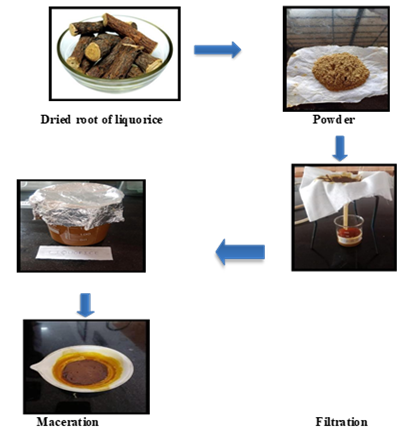
FIGURE 3: MACERATION OF LIQUORICE
Preliminary Phytochemical Screening (10)
Test for alkaloids:
Test for carbohydrates:
Test for flavonoids:
Test for glycoside:
Test for tannins:
Test for proteins:
FORMULATION OF MOUTH ULCER GEL
Table 1: Formulation of mouth ulcer gel
|
Sr. No. |
Ingredients |
F1 |
F2 |
Category |
|
1 |
Tulsi |
1gm |
1gm |
Active Ingredients |
|
2 |
Neem |
1gm |
1gm |
Active Ingredients |
|
3 |
Liquorice |
1gm |
1gm |
Active Ingredients |
|
4 |
Carbopol980 |
0.5gm |
1gm |
Gelling Agent |
|
5 |
PEG400 |
5ml |
5ml |
Co-solvent |
|
6 |
Methyl Paraben |
0.03gm |
0.03gm |
Preservative |
|
7 |
Propyl Paraben |
0.03gm |
0.03gm |
Preservative |
|
8 |
Triethanolamine |
Q.S |
Q.S |
Adjust pH |
|
9 |
Honey |
0.5ml |
0.5ml |
Sweetening Agent |
|
10 |
Distilled Water |
Q.S |
Q.S |
Solvent |
|
|
Total |
10gm |
10gm |
|
PREPARATION OF GEL(2)
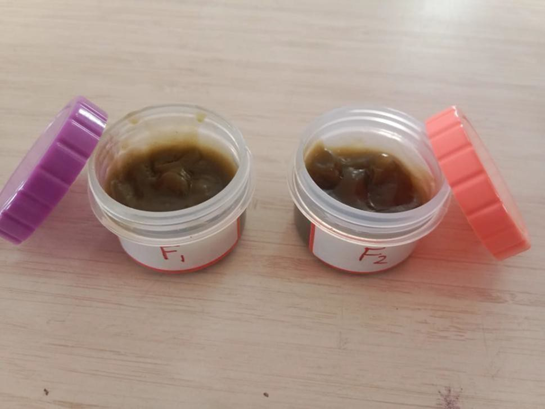
Herbal extract
FIGURE 4: MOUTH ULCER GEL
FLOW CHART FOR PREPARATION OF GEL
Dissolve Carbopol 980 in distilled water
↓
5ml water + methyl and propyl paraben heat on the water bath
↓
After cooling add PEG400
↓
Neem, Tulsi& Liquorice extract mix in above mixture
↓
Volume was made upto 20 ml with the distilled water
↓
Mix all ingredients & add Carbopol980
↓
Triethanolamine added dropwise
POST FORMULTION STUDIES:
The prepared gels were tested for colour, odour & homogeneity.
The pH of herbal gel formulation was determined by using digital pH meter. 1gm of gel was taken and dispersed in 10ml of distilled water and keep aside for two hours. The measurement of pH of formulation was carried out in three times and the average values are reported. pH of gel formulation was reported.[2]
Spreadability is expressed in terms of time in seconds taken by two slides to slip off from gel that is placed in between the slides under the direction of certain load. If the time taken for separation for two slides is less than better the spreadability. Spreadability is calculated by using the formula.
S=M*L/T.[2]
Where,
M=Weight tied to upper slide L= Length of glass slides T=Time taken to separate the slides
Viscosity of gel was measured using LMDV100
Viscometer with spindle number1.
The gel formulations were filled in standard capped collapsible aluminum tubes and sealed by crimping to the end. The weights of the tubes were recorded. The tubes were placed between two glass slides and were clamped. 100 g was placed over the slides, and then, the cap was removed. The amount of the extruded gel was collected and weighed. The percent of the extruded gel was calculated (>90% extrudability: Excellent, >80% extrudability: Good, and >70% extrudability: Fair) (11)
Amount of gel extruded from tube x 100
Total amount of gel in tube
Prepare standard solution and control in each experiment as follows. Take test tubes and label as blank, control and test.
Blank : 600 µl Tris HCL.
Control: 100µl Ethanol + 400µl Tris HCL + 500 µl DPPH solution.
Test: 100 µl sample + 400 µl Tris HCL+ 500 µl DPPH solution.
Mix all the tubes and keep in dark for 30min. Read the absorbance at 490 nm.
Calculation
As = sample O.D.
Ac=control O.D.
Inhibition Ratio % = Ac-As x 100
Ac
RESULT AND DISCUSSION
PREFORMULATION STUDIES:
Extraction: Tulsi, Neem, & Liquorice has a good ability to extract solvent in ethanol. Maceration process gives better yield in Tulsi, Neem, & Liquorice.
Phytochemical screening: Table 2 represents a phytochemical Screening of the ethanolic extract of Neem, Tulsi & Liquorice.
Table 2: Results of phytochemical screening of extracts drugs
|
Sr. No |
Phytoconstituents |
Nameoftest |
Tulsi |
Neem |
Liquorice |
|
1 |
Alkaloids |
Dragendroff’s reagent |
+ |
+ |
+ |
|
Wagner’s reagent |
+ |
+ |
+ |
||
|
2 |
Carbohydrates |
Molischtest |
+ |
+ |
- |
|
Fehling’stest |
+ |
+ |
- |
||
|
3 |
Flavonoids |
Shinodatest |
+ |
+ |
+ |
|
Leadacetate test |
+ |
+ |
+ |
||
|
4 |
Glycosides |
Killer-killani test |
+ |
+ |
+ |
|
Foamtest |
+ |
+ |
+ |
||
|
5 |
Tannins |
Gellatintest |
+ |
+ |
- |
|
5%FeCl3 |
+ |
+ |
- |
||
|
6 |
Proteins |
Millonstest |
- |
- |
+ |
|
Precipitate test |
- |
- |
+ |
PHYTOCHEMICAL SCREENING OF TULSI
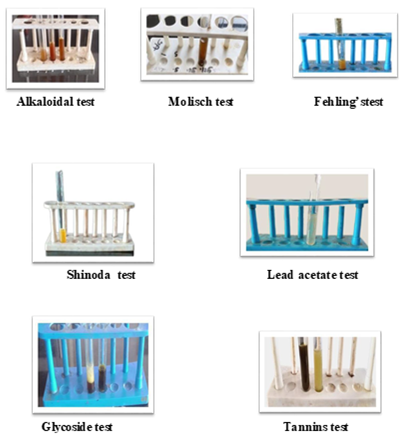
FIGURE 05: PHYTOCHEMICAL SCREENING OF TULSI
PHYTO CHEMICAL SCREENING OF NEEM
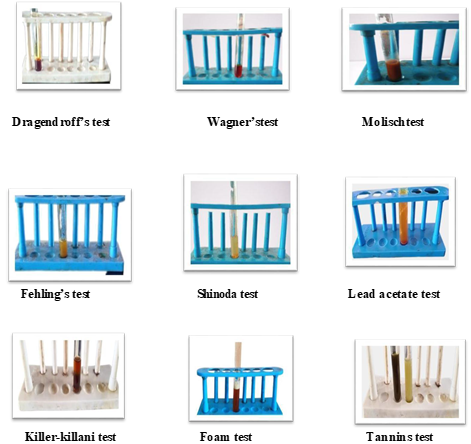
FIGURE 06 : PHYTOCHEMICAL SCREENING OF NEEM
PHYTOCHEMICAL SCREENING OF LIQUORICE
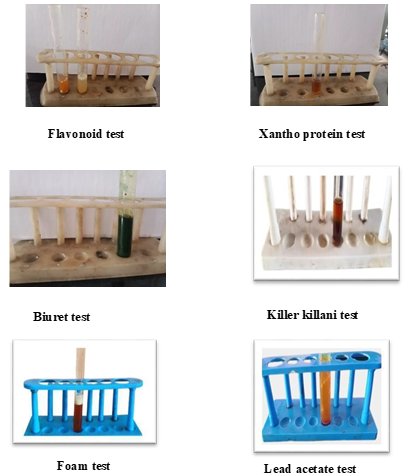
FIGURE 07 : PHYTOCHEMICAL SCREENING OF LIQUORICE
POST FORMULATION STUDIES
EVALUATION PARAMETERS:
Physical appearance:
Table 3:Result of Physical Appearance
|
Sr. No |
Test |
Result |
|
1 |
Colour |
Greenish |
|
2 |
Odour |
Characteristic |
|
3 |
Homogeneity |
Good |
Measurement of pH:
Table 4: Result of Measurement of pH
|
Sr. No |
Formulations |
Result |
|
1 |
F1 |
6.8 |
|
2 |
F2 |
6.7 |
Spreadability:
Table 5: Result of Spreadability
|
Sr. No |
Formulations |
Result (gcm/sec) |
|
1 |
F1 |
21.87 |
|
2 |
F2 |
24.28 |
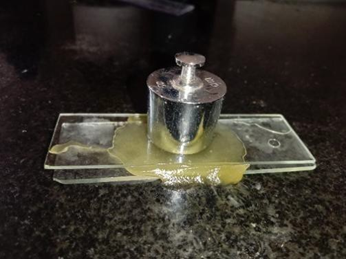
FIGURE 08: SPREADABILITY
Extrudability:
Table 6: Result of Extrudability
|
Sr. No |
Formulations |
Result(%) |
|
1 |
F1 |
75% |
|
2 |
F2 |
70% |
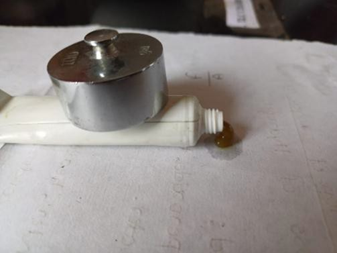
FIGURE 09: EXTRUDABILITY
Viscosity:
Table 7: Result of Viscosity
|
Sr. No |
Formulations |
RPM |
Result (mPascal) |
|
1 |
F1 |
60 |
83.4 |
|
2 |
F2 |
70 |
75.8 |
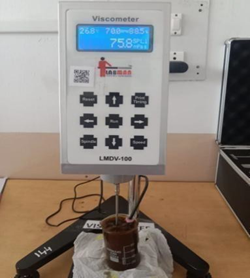
FIGURE 10: VISCOSITY
Anti-oxidant activity result:
Table 8:Result of Anti-oxidant activity
|
Sr. No. |
Sample |
100% |
50% |
25% |
12.5% |
|
01 |
F1 |
13.7% |
8.5% |
3.3% |
N.D |
Note:
100% -1 mg in 1ml DMSO
Standard used - Vitamin c
SUMMARY
Polyherbal mouth ulcer gel containing natural ingredients for healing action was developed and evaluated using various parameters.
Tulsi, Neem & Liquorice was extracted using ethanol by cold maceration method.
These extracts were characterized by various chemical test like test for alkaloids, carbohydrates, flavonoids, glycosides, tannins, proteins etc.
Gel was prepared by using other ingredients such as Carbopol 980, PEG 400, Methyl paraben, Propyl paraben and Triethanolamine etc.
Developed formulation was evaluated for parameters like pH, Spreadability, Viscosity, Extrudability & Antioxidant activity.
The results obtained of the developed polyherbal mouth ulcer gel were found to be satisfactory.
CONCLUSION
Natural remedies are more acceptable in the belief that they are safer with fewer side effects than the synthetic ones.
Herbal formulation ha sgrowing demand in world market.
The study aimed to develop the herbal gel for mouth ulcer using extracts of Tulsi, Neem& Liquorice.
Desired formula of the gel was prepared & evaluated for their physicochemical properties like colour, odour, homogeneity, pH, spreadability, extrudability, viscosity & antioxidant activity.
From the studies it was concluded that prepared formulation showed good consistency, pH, spreadability, extrudability, viscosity and good antioxidant activity during study period of research which was effective.
From the above study it can be concluded that the polyherbal gel is safe to use as it was developed from herbal extracts & may be applied topically against mouth ulcer.
REFERENCES


S. Paragannavar, O. Bakale, Praveen, S. Titave, S. Tulasigeri, L. Hugar, Development and Evaluation of Polyherbal Mouth Ulcer Gel, Int. J. of Pharm. Sci., 2026, Vol 4, Issue 3, 1928-1940. https://doi.org/10.5281/zenodo.19075035
 10.5281/zenodo.19075035
