View Article

Abstract

In the Western world, Cannabis has been used as both medicinal and recreational substances. Around the world, cannabis grows wild in temperate regions such as central or western Asia, and possibly even eastern Asia. Moreover, it is cultivated in many countries. It is a treasure trove of phytochemicals and serves as a rich source of both cellulosic and woody fibers. Cannabis contains more than 100 different chemicals called cannabinoids. Cannabis in purified and standardized form have been made available for the manufacturing of several pharmaceutical drugs. Recreational use of this substance has been related to major acute cardiovascular disorders, such as stroke, myocardial infarction, arrhythmia, congestive heart failure, and epilepsy. Adults who are managing chronic pain can greatly benefit from cannabis. It reduces the symptoms of spasticity in fibromyalgia, multiple sclerosis, and obstructive sleep apnea syndrome. Additionally, it treats nausea and vomiting brought on by chemotherapy by acting as an anti-emetic. 38 US states, 4 US territories, and the US District of Columbia have made it lawful to consume cannabis for medical purposes. This review analyzes the medicinal use of cannabis, mentioning its history, active constituents, pharmacological actions, potential benefits, and risks.

Keywords

Cannabis, Cannabinoids, Medicinal Cannabis, Pharmacological Actions, Therapeutic Uses

Introduction

Cannabis history began long before humans[1]. Cannabis was also known as marijuana, ganja, pot, Afghan, bhang, blast, dagger, dope, hash, hashish, joint, weed, sinsemilla, skunk, and hemp[2]. The data demonstrated that humans have been using cannabis for almost 10,000 years, during the conclusion of the ice age. Cannabis was considered a source of happiness, able to elicit joy and it was generally used in many rituals. When cannabis was first used medicinally in 2727 B.C., it was by the Chinese Emperor Shen Nung. Additionally, it was mentioned in Indian medical texts written by renowned Hindu Surgeon Sushruta as well as Roman physicians Pliny and Galen. The ancient Greeks and Romans also used cannabis for several purposes, even though its use in the Middle East extended throughout the Islamic empire to North Africa. Cannabis was cultivated as hemp on numerous farms in North America so that it could be used for the production of paper, ropes, and clothing[3]. In 2350 B.C. Egypt used cannabis to treat glaucoma. In 2000 B.C. cannabis was used to treat depression in Mesopotamia. The Indians used cannabis to reduce anxiety in 1600 B.C. Medical cannabis was appeared and expelled in U.S. Pharmacopeia in 1850 and 1941 respectively. Between 1963 and 1993 the chemical structure of CBD, THC, CB1, and CB2 was identified[4]. More than 550 chemical compounds were found in cannabis sativa including over 100 phytocannabinoids that can cause drug-like effects in humans[5].

The dried flowering and fruiting tops of cannabis sativa, Indica, and Ruderalis distillate plants are what constitute cannabis[6]. Skilled botanists also claim that different cannabis strains exist, distinguished by factors such as size, shape, and resin concentration. The cannabis species sativa and indica were named by Linnaeus and Lamarck respectively. Cannabis belongs to the family Cannabaceae[1]. The three different species of cannabis can be identified by the morphology of their leaves (Fig. 1.1). The branched upper sections of the stem, which bears bracts, bracteolates, and pistillate flowers, that make cannabis, which is found as flattened masses of dull green or greenish brown color. A few fruits are usually present, each being 5-6mm long and 4mm wide, ovoid with several longitudinal veins. The texture is hard and brittle. The leaves have serrated leaflets and are palmately compound or digitate[7]. The World of rare and unique cannabis strains are lamb’s bread, red Congolese, and Durban poison[8]. It can be identified by its strong and characteristic odor and by its acrid, pungent taste. The cannabis derivatives available are herbal cannabis, hashish, bhang, cannabis oil, bho extract or butane oil, edibles (the art of infusing cannabis with food and beverages), and kief or pollen[3].
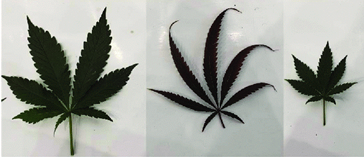
Fig. 1.1 Cannabis leaf displaying the three distinct species morphologies: C. indica, C. sativa, C. ruderalis

C. sativa has been identified as a holy plant over the centuries by several religions[9]. The name “cannabis” originates from the Latin word “sativa”, which signifies “sown”, signifying that the plant is cultivated from seed as opposed to roots[10]. The anatomy of various C. sativa plant sections is depicted using an electron microscope. As a dioecious and diploid plant, C. sativa has three different forms of glandular trichomes: bulbous, glandular sessile, and stalked varieties. Only the floral bracts of pistillate plants and the anthers of staminate plants contain glandular stalked trichomes. The latter varieties of glandular trichomes can be found on stems, petioles, leaves, and bracts, among other areas. Cystolith trichomes and slender trichomes are the two types of covering non-glandular trichomes of C. sativa. While the latter is typically found on the abaxial leaf surface, stems, tepals, and petioles, cystolith trichomes are typically found on the adaxial leaf surface (Fig.1.2). in the leaves, calcium oxalate cluster crystals and calcium carbonate cystolith crystals are found[7]. The C. sativa leaf exhibits noticeably elevated areas below and depressed areas above, together with large veins and a thin lamina. It possesses an unilayered upper and lower epidermis. Undulate anticlinal walls are slightly shown in the surface view of the sativa leaf. The palisade and spongy tissues are found in mesophyll[11]. Conversely, spongy cells are loosely packed with huge air spaces that generate stomatal cavities, while palisade tissue is made up of unilayered thin columnar cells that occupy more than half of the thickness of the lamina. There is a tiny population of collenchyma cells inside the lower epidermis and beneath the top epidermis. There are a few laticifers ducts in the phloem that secrete a yellow-brown liquid. A major root, an epicotyl, and a hypocotyl encircle the dicotyledon that is the cannabis seed[7]. Cannabis seeds have two layers in their seed coat: spongy parenchyma cells make up the inner layer, while tube cells make up the outermost layer. Beneath the seed coat, perisperm and endosperm have a single-cell layer thickness. Grain aleurone is present in the endosperm cells[12].

Medicinal cannabis can act as psychoactive and mildly hallucinogenic. The entire parts of the cannabis plant are used for medicinal purposes[13]. Still, leaves are used in most cases for treating all systematic diseases, in most cases they respond to the treatment of the digestive system (e.g., inflammatory bowel disease, constipation, irritable bowel syndrome) and nutritional disorders[14]. The second most used cannabis part for medicinal purposes is its seeds in the treatment of the digestive and, nervous systems (e.g., neuropathic pain, migraine, motor neuron diseases), nutritional disorders, mental disorders (mania, depression, Alzheimer’s) followed by inflammation and pain[15]. Many clinical trials have concluded that the female inflorescence of the cannabis plant is used for common digestive ailments such as dysentery, diarrhea, and appetite. loss. It is also used to alleviate chronic pain but it is not frequently used in the management of inflammation and pain[16]. Cannabis plants have aerial portions that have both sedative and stimulating properties. Bark, stem, and fiber are used in the treatment of skin diseases and they are used against rheumatic effects[17]. There are several applications for the roots of the cannabis plant, including the treatment of gout, arthritis, skin burns, postpartum hemorrhage, menstrual problems, and infections spread via sex[15]. Pregnant patients should not consume medicinal cannabis[18].
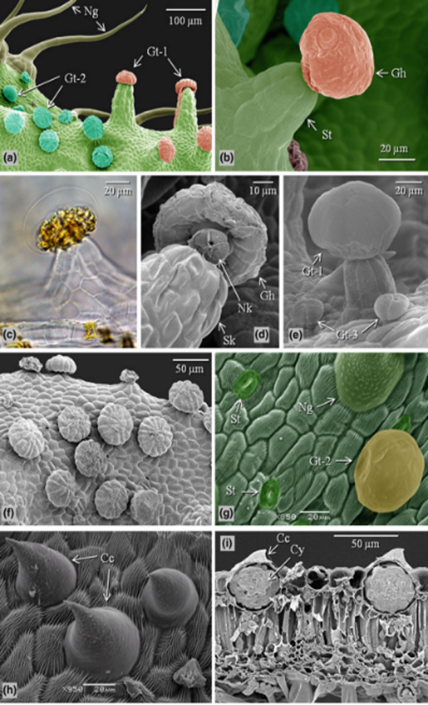
Fig. 1.2 In C. sativa, glandular and non-glandular trichomes a) Area of the bract with glandular and non-glandular trichomes b) glandular disc and cuticular membrane in c) and a slightly ruptured “neck” of the glandular head displaying a 4-cell arrangement in d) e) A capitate stalked glandular trichome along with two of the bulbous glandular trichomes f) A group of capitate sessile glandular trichomes on a developing leaf g) The abaxial surface of leave containing sessile glandular trichome h) The morphologyof conical cystolith trichomes on the adaxial leaf surface i) Cystolith trichomes in sectional view displaying large cystolith crystals. Ng non-glandular trichome; Nk neck; Sk stalk; St stomata; Gh glandular head; Gt-1 capitate stalked glandular trichome; Gt-2 capitate sessile glandular trichome; Gt-3 bulbous glandular trichome

Based on estimates from molecular clocks, cannabis most likely broke away from Humulus, the nearest relative (hops), approximately 27.8 million years ago, during the mid–Oligocene. Pollen from Humulus and cannabis plants is difficult to distinguish from one another[19]. Due to the psychotropic effect of cannabis, it is being abused by the people. So, the government of India has passed an act known as the Narcotic Drugs and Psychotropic Substances Act, 1985 (NDPS Act) to regulate the use of narcotic drugs in medicine[20]. Beginning in early 2020, synthetic cannabinoid receptor agonists are being added to cannabis with low delta – 9 – tetrahydrocannabinol content. MDMB-4en-PINACA is found in cannabis when it is investigated in resins, herbal, and e-liquids form[21]. The adulterants such as shoe polish, rat poison, and other harmful pharmaceutical and industrial chemicals are also used in adulterated cannabis[22].

GEOGRAPHIC DISTRIBUTION, COLLECTION AND CULTIVATION:

 Since cannabis is an annual flowering plant by nature, it takes a year to complete its life cycle from germination to seed production. C. sativa is a plant that thrives in s variety of conditions, ranging from lowlands to high altitudes of 10000 feet. Most likely, it evolved in central Asia, where two equatorial and subtropical regions the Pamir plains and the Himalayan foothills appear to be the birthplace. The primary sources of cannabis supply include China, India, Pakistan, Russia, Africa, and Iran, although it is also grown in other countries (Fig.2.1)[23]. Its preferred soil types in its native location are calcareous and nitrogenous, with a pH that is either neutral or slightly acidic[24].
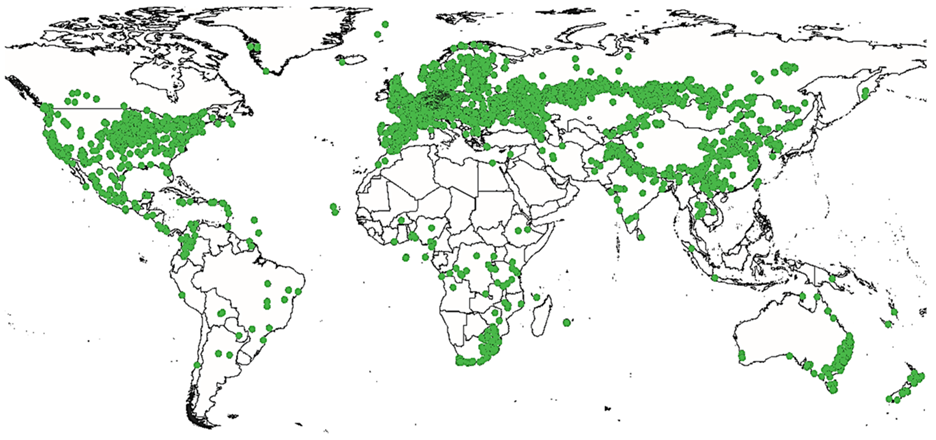
Fig. 2.1 Geographic distribution of Cannabis sativa

Cultivation of cannabis sativa:

The plant is sown in June to July and grown as a monsoon crop. Cannabis seeds need 12 to 8 days to germinate after being seeded at a rate of 5 to 10 kilograms per hectare in rows that are separated by 1.2 meters. The root, circular embryonic leaves, and cotyledons are visible when the seed coat cracks open, two to four days after the seed begins to germinate[25]. The most vulnerable stage of a plant’s life cycle, the seedling phase lasts one to four weeks and calls for moderate humidity, medium to intense light, and sufficient but not excessive soil moisture. To lessen the number of rows, thinning is done once the plant reaches a height of roughly 20cm. Maintaining weed-free plants requires regular weeding. Watering needs to be done as needed. It keeps growing vertically and putting out new leaves during the vegetative phase[26]. Plant development greatly accelerated during the pre–flowering stage as more branches and nodes were produced. November is when flowering starts. It takes between 6 and 22 weeks for flowering and little light. Male plants are promptly removed because they don’t generate much resin[27].

Harvesting and processing of cannabis sativa:

Visual inspection is needed to determine the readiness of cannabis for harvest (when trichomes turn from clear to cloudy or amber (Fig. 2.2) then it indicates that the plant is nearing its peak potency)[28].  Plant harvesting is carried out in December and January, commencing when the lower leaves fall off and the upper parts of the inflorescence turn yellow[29]. Too late or too early harvesting can significantly affect the yield of delta-9-tetrahydrocannabinol. The level of delta-9-tetrahydrocannabinol peaks before noon and declines gradually so that it must be collected in the morning. When the inflorescence reaches the appropriate stage, it is clipped, then it is spread out in collecting yards in rings and furrows and compressed by treading[30]. Cannabis can be harvested either by manual or machine. The harvested materials are then gathered, formed into 60 – 90 high circular mounds, and compressed for a few days. It usually takes 7 to 14 days for cannabis to dry out thoroughly. After drying, there are chemical reactions that cause the heaps to crumble, turn over, and spread out into thick layers[31].
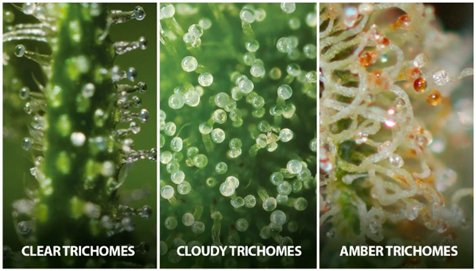
Fig. 2.2 colors of trichomes while maturing

PHYTOCONSTITUENTS:

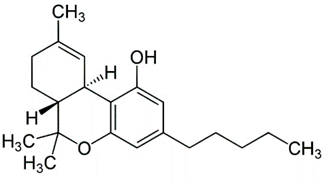
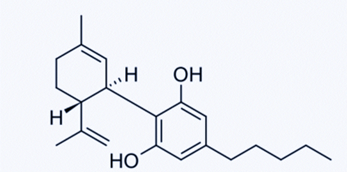
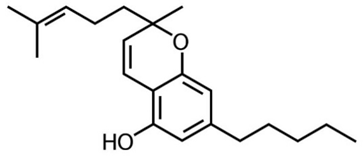
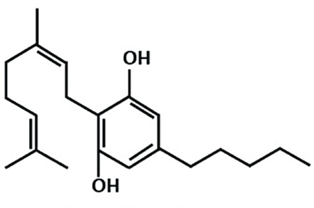
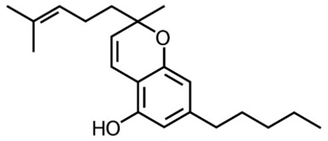
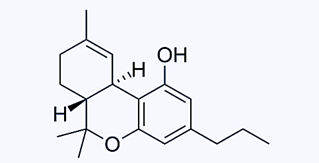
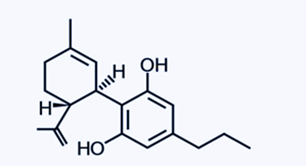
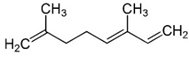
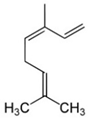
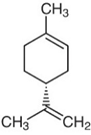
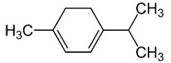
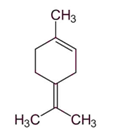
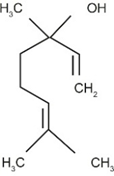
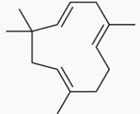
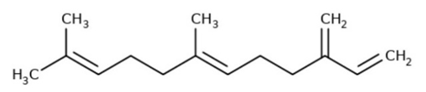
Cannabis sativa is the source of about 550 naturally occurring compounds[32]. In 1980, almost 423 compounds were discovered and then it increased up to 483 compounds by 1995. As of right now, 566 substances have been detected and separated, making up more than 18 families of distinct secondary metabolites present in the plant. There are 443 of these, of which 125 are terpenes, 198 are non-cannabinoids, and 120 are cannabinoids[33]. The remaining compounds discovered in 2021 include 42 phenols,34 flavonoids, 3 sterols, and 2 alkaloids. The aroma of female cannabis plants is attributed to the presence of terpenes like borneol, limonene, terpineol, and pinene. Because of their insect-repelling qualities, these terpenes can prevent the growth of nearby flora. C. Sativa’s glandular trichomes produce a resin that serves as a highly effective defensive mechanism against insects and may also have antibacterial and antifungal properties[34]. Secondary metabolites including phytocannabinoids and terpenoids in the trichomes are responsible for the distinctive smell, interactions with herbivores and pests, and plant defense[32].

Table 1.1 Phytocannabinoids of cannabis sativa

No.

Cannabinoids

Structure

Therapeutic uses

1.

Tetrahydrocannabinol


Psychotropic, pain-reliever, anti-inflammatory, antimicrobial[35]

2.

Cannabidiol


Alleviate anxiety, depression, anti-inflammation, sedation, and muscle calming agent[36].

3.

Cannabichomene


Anti-inflammatory, analgesic, pain reliever, acid reflux treatment, and antidepressant[37].

4.

Cannabigerol


Pain-reliever, muscle relaxant, anti-anthemic analgesic, treats acid reflux[38]

5.

Cannabichromene


Mild psychotropic, anesthetics, anti-convulsive, and may promote bone growth, anti-anxiety and analgesic[37]

6.

Tetrahydracannabivarin


Antiviral, antibacterial, memory-enhancing, anti-obesity and soothing effects[39]

7.

Cannabidivarin


Analgesic, Anti-inflammatory, and protective of the intestinal tract’s lining cells[40].

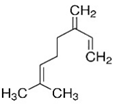
Table 1.2 Phytonon-cannabinoids of cannabis sativa

No.

Non-cannabinoids

Structure

Therapeutic uses

A

Terpenes

1.

Myrcene


Anxiolytic, sedative, antioxidant, anti-aging, anti- inflammatory, analgesic[41]

2.

α- Ocimene


Antifungal, anti-tumor, anti-convulsion[41]

3.

Cis-β- Ocimene


Anti-convulsion, anti-inflammatory, antibacterial[41]

4.

D-Limonene


Anti-inflammatory, anti-depressant[41]

5.

α- Terpinene


Anxiolytic, to treat insomnia[41]

6.

Terpinolene


Antibacterial, antifungal[41]

7.

α- Pinene


To treat respiratory tract infection[41]


8.

Linalool


Anti-depressant, anxiolytic, immune potentiating effect[41]

B

Sesquiterpenes

9.

Humulene


Anti-inflammatory, anti-cancer, pain-reliever[42]

10.

α- Farnesene


Anti-inflammatory, antimicrobial, sedative[42]

11.

β- Farnesene


Anti-cancer, anti-bacterial, anti-fungal[42]

12.

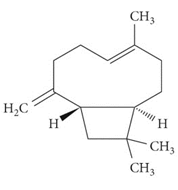
β- Caryophyllene


Analgesic, anti-inflammatory[42]

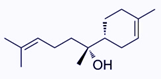
13.

α- Bisabolol


anti-inflammatory, antimicrobial, antioxidant[42]

C

Flavonoids

14.

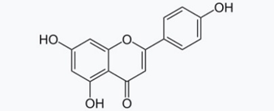
Apigenin


Anti-cancer, to treat amnesia, Alzheimer’s and diabetes[43]

15.

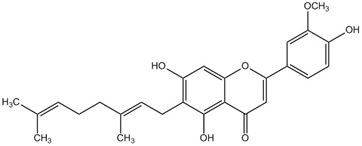
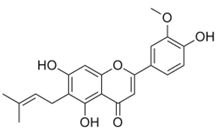
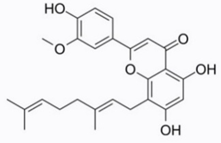
Cannflavin A


Neuroprotective, antioxidant, antileishmanial activity, antiviral, anti-inflammatory, anti-cancer[43]

16.

Cannflavin B


17.

Cannflavin C


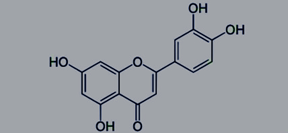
18.

Luteolin


Anti-hypertensive, anti-inflammatory, anti-cancer[43]

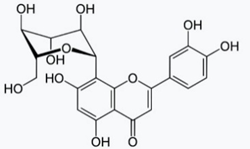
19.

Orientin


Antioxidant, cardio protective, neuroprotective, anti-adipogenesis, antinociceptive[43]

20.

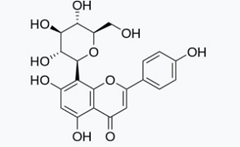
Vitexin


Antioxidant, anti-cancer, improves digestion[43]

D

Steroids

21.

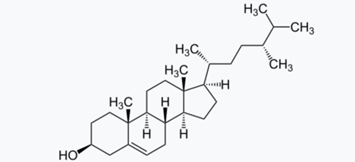
Campesterol


Anti-inflammatory, cardioprotective, dyslipidemia[44]

22.

β- Sitosterol


Dyslipidemia, to treat erectile dysfunction [44]

23.

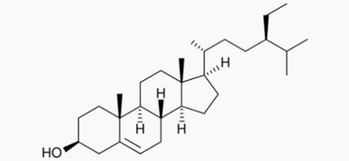
Stigmasterol


Anti-cancer[44]

E

Alkaloids

24.

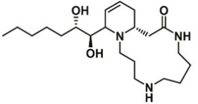
Cannabimines A


Pain-reliever, anti-spasmodic, to treat chemotherapy-induced nausea and vomiting in cancer patients[45]

25.

Cannabisativine


F

Fatty acids

26.

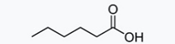
Caproic acid


Antioxidant, to treat intractable epilepsy [46]

27.

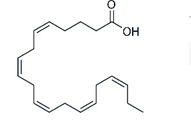
Eicosapentaenoic acid


Antioxidant, anti-depressant, to treat myocardial infarction, to treat chemotherapy-related side effects [46]

28.

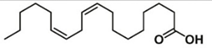
Linoleic acid


Reduces total and LDL cholesterol, to treat skin-related disorders [46]

29.

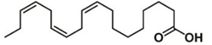
α- Linolenic acid


To treat coronary artery disease, anti-hypertensive, dyslipidemia[46]

30.

γ- Linolenic acid


To treat rheumatoid arthritis, diabetic neuropathy, asthma [46]

USES:

Overall, there has been a lack of high-quality research on the health consequences of medicinal cannabis, making it unclear whether or not it is a viable treatment for ailment or whether the risks exceed the benefits. There isn’t any reliable proof that it relieves muscle spasms or chronic pain. Its use for lowering chemotherapy-induced nausea, enhancing appetite in HIV patients, enhancing sleep, and easing Tourette syndrome tics is supported by low-quality evidence. In addition, when conventional treatment fails, cannabinoids have been proposed for glaucoma, migraine, glaucoma, anorexia, and so on[47].

Analgesic effect:

According to a 2021 evaluation, there isn’t much of an impact on chronic pain relief from non–inhaled cannabis. A 2019 comprehensive analysis found that while cannabis was ineffective in treating chronic cancer pain, it did show some promise in treating neuropathic pain, multiple sclerosis spasms, and pain from rheumatic illnesses[48]. The authors claim that to provide firm recommendations, more randomized controlled studies of various cannabis products are required[49].  Inhaled cannabis for pain management raises blood levels of cannabinoids faster than oral cannabis; it peaks in three minutes and takes seven minutes to produce an analgesic effect[50]. When used in palliative care, cannabis appears to be safer than opioids, according to a 2011 evaluation that found it to be generally safe[51].

Glaucoma:

The eye condition glaucoma can be prevented and treated using marijuana[52]. A rise in pressure on the eyeball brought on by glaucoma damages the optic nerve. Glaucoma might potentially cause blindness if left untreated[53]. Research conducted at the National Eye Institute indicates that smoking marijuana lowers intraocular pressure[54]. However, there is a significant gap in the research about marijuana’s ability to treat glaucoma[55]. The effects of marijuana wear off after just four hours. Marijuana is not a very effective drug for treating glaucoma, there are better options on the market[56].

Chemo-induced nausea and vomiting:

It has been discovered that marijuana consumption is a highly effective way to relieve nausea, particularly in individuals undergoing chemotherapy[57]. Marijuana’s THC is what makes people feel less queasy[58]. The fact that the National Comprehensive Cancer Network endorses and encourages marijuana use for reducing nausea and vomiting – a typical side effect of chemotherapy – tells us something about how beneficial the drug is[59]. The findings of a systematic review suggest that oral cannabinoids, such as dronabinol and nabilone, are useful antiemetics when used to treat chemotherapy–induced nausea and vomiting[60].

HIV:

Certain antiretroviral medications interact with cannabis[61]. For instance, it might lower the quantity of Reyataz (atazanavir) in your body below what is required to control HIV[62]. Cannabis with other HIV medications like Sustiva (efavirenz) and Intelence (etravirine) may interact considerably[63]. If you use cannabis, you may need to modify the dosage of these medications[64]. A little clinical research is assessing cannabis’s impact on contemporary HIV medications. Its outcomes are HIV medications. Its outcomes are anticipated in 2025[65].

Improves lung function:

The American Medical Association released somewhat strange research in January of 2012[66]. It was said that because marijuana can increase lung capacity, it improves the entire pulmonary environment rather than impairing lung function[67]. The study found that although marijuana inhalers demonstrated a gradual decline in lung function, with time, their lung capacity grew[68]. This startling tendency may not be related to any medicinal compound in marijuana, but rather to the physical effort involved in inhaling the plant[69].

Anti-cancer:

CND has been shown through research conducted at the Pacific Medical Centre in San Francisco, California, to have anti–carcinogenic properties[70]. As a result, marijuana high in CBD helps to prevent cancer. Additionally, anti-carcinogenic, cannabidiol prevents the growth of cancer by normalizing the Id-1 gene more frequently[71]. The body’s ability to propagate malignant cells is aided by gene Id-1[72]. Highly enriched Id-1-positive breast cancer cells were the subject of another study[73]. CBD was used to treat these cells. Id-1 was reduced as a result of the treatment[74]. Studies have indicated that cannabis has the potential to kill cancer cells, but more research is necessary to confirm this[75].

Bowel disease:

According to the studies, Crohn’s disease and ulcerative colitis are two gastrointestinal conditions that can be treated with cannabis[76]. Researchers at the University of Nottingham discovered in 2010 that a number of the molecules in marijuana interact with bodily cells in a way that can be felt in the intestines[77]. The THC molecules in marijuana help intestinal cells bind together by blocking the body’s production of substances that are similar to cannabinoids[78].

Parkinson’s Disease:

Cannabis use may help to reduce Parkinson’s disease symptoms, according to Israeli studies[79]. Medical marijuana users with Parkinson’s disease report reduced pain, shaking, and discomfort[80]. Regular marijuana users demonstrated a noticeable improvement in their fine motor abilities[81]. One of the few countries that has accepted marijuana as a legitimate treatment for several illnesses is Israel[82].

Disorder related to post-traumatic stress:

The symptoms and after-effects of post-traumatic stress disorder are mitigated by marijuana use. In New Mexico, medical marijuana is now allowed for the treatment of PTSD[83]. Even the strictest laws in the United States have yielded the benefits of medical marijuana and its potential to treat PTSD[84]. The U.S. government has authorized the use of marijuana, either smoked or vaporized, as a PTSD coping mechanism. The main symptoms of PTSD are anxiety and tremor, which can be effectively treated with marijuana’s THC content[85].

Hepatitis-C:

An illness called hepatitis C impairs the body’s general functioning. Pain in the muscles, nausea, vomiting, fatigue, anxiety, and appetite loss are some of the unpleasant side effects of this intensely prescribed medication[86]. Medical marijuana users can better manage the side effects of their hepatitis C medication by smoking marijuana[87]. 86 out of every 100 people who smoked marijuana completed their hepatitis treatment, according to a study published in the European Journal of Gastroenterology and Hepatology[88]. Only 29% of non-smokers, on the other hand, were able to finish their Hepatitis C therapy. Furthermore, studies have indicated that marijuana may increase the efficacy of therapy[89]. The research found that 54% of marijuana users have low hepatitis C virus levels, whereas for non-smokers it is only 8%[90].

ADVERSE EFFECTS:

Short-term effects:

Short-term use of medicinal cannabis causes short-term memory impairment, dizziness, tiredness, nausea, hallucinations, motor incoordination, altered sense of time, increased heart rate, breathing difficulty, confusion, increased intraocular pressure, panic attack, mood changes, and improper decision-making in all aspects[91]. In high doses, it causes psychosis and paranoia[92].

Long-term effects:

The long-term use of medicinal cannabis causes addiction, poor brain development, depression, diarrhea, chest tightness, constipation, absence of involvement, schizophrenia, unsatisfaction in life and achievement, lung cancer, anxiety, impotence, bloodshot eyes, impaired sensory perception, risk of testicular cancer[93].

MARKETED FORMULATION:

To present, the FDA has not approved any formulations for the marketing application of cannabis to treat any disease or condition[94]. Nonetheless, the FDA has approved one cannabis-derived drug product, Epidiolex(cannabidiol), and three synthetic cannabis-related drug products, Marinol (drobinol), Syndros (drobinol), and Cesamet (nabilone) However, only these approved medication goods are available[95]. To obtain a prescription from a qualified healthcare professional. The FDA has not given its approval for any additional cannabis-derived products to be sold other than these[96].

No.

Dosage forms

Brand name

Company name

Dose

Prize

1.

Oral Capsule

Marinol (dronabinol)

Manus Aktteva Biopharma

2.5mg

Rs.98

2.

Oral solution

Syndros (drobinol)

Benuvia therapeutics

5mg/mL

$1,218

3.

Oral Capsule

Cesamet (nabilone)

Meda Pharmaceuticals

1 mg

$2,056

4.

Oral solution

Epidiolex (cannabidiol)

GW Pharmaceuticals

100mg/mL

Rs.30,000

HOMEMADE REMEDIES:

After harvesting, by using leftovers cannabis-based medicines like oils, pomades, or teas can be produced. Marketed products such as cannabis oil, cannabis gummies, cannabis capsules, cannabis beverages, cannabis chocolates, skincare, and cosmetic items made from cannabis[97]. The extract of cannabis from the hemp plant may relieve mental and physical health issues without possessing the same potent hallucinogenic effects as full-blown cannabis[98].

Cannabis oil as a pain-reliever:

It is made from the concentrated resin of marijuana which is highly effective for the treatment of pain, inflammation, and arterial tension also reduces intraocular pressure due to the presence of the high amount of cannabinoids[99].

Steps to prepare cannabis oil:

The pure extract of marijuana resin is prepared by shaking 20 buds with an abundant amount of leaves in a jar full of ethanol for ten minutes. The ethanol dissolves all the bud’s resin and is isolated by using a filter, the resin and mixture of alcohol are left to dry for more than five days until the alcohol evaporates completely. The leftover blackish oil is the pure resin extract[100].

Cannabis creams as analgesic:

Homemade cannabis creams can be used to ease muscle pain and joint discomfort. This product has a burning effect when applied it relaxes muscles and reduces cartilage discomfort. On aching parts of the body, it has very effective action as the cannabinoids are absorbed through the skin[101].

Steps to prepare cannabis cream:

In a solution containing 1 liter of water and half a liter of oil immerse 20 buds and more amount of leaves for 2 to 4 hours at medium temperature. The obtained liquids were frozen after straining and it was kept aside for solidification until the oil was separated from water. It was boiled in a pot containing 50 grams of beeswax. It was kept aside until getting a homogenous and consistent texture[102].

Cannabis pot soap:

Cannabis possesses high vitamin E content as it helps to fight against free radicals and stimulates skin regeneration. It also has Omega 3 and 6 fats, that is responsible for the hydrating effect on the epidermis. It is used for people with dry and sensitive skink[103].

Steps to prepare cannabis pot soap:

In a vessel, 5 kilograms of cocoa butter is heated at 35?. Simultaneously, 670 grams of lye is dissolved at the same temperature. Add 670 grams of oat flour, 25g of hemp flour, and 50ml of marijuana oil is added to the mixture. Then pour these mixtures in a mold after it attained a particular consistency and it is kept aside for a day. Then remove it from the mold and cut it into your desired shapes[104].

Root tea:

Even marijuana roots contain cannabinoids. For more than 4000 years it has been used as a diuretic, to treat respiratory diseases, and internal hemorrhages, and to alleviate menstrual pain[105].

Steps to prepare root tea:

Clean the roots and cut them into small pieces. Then it is made into a fine powder by grinding and it is dried. Then small amount of the obtained powder is boiled in 1 liter of water[106].

CONCLUSION:

This is a pivotal moment in the history of scientific inquiry into the safety and efficacy of the evidence it contains. In the future, medical marijuana might be accepted as a legitimate drug and included into regular regimens for treating a range of ailments. Further investigation could lead to the discovery of novel therapeutic applications and improve our comprehension of its mode of action. This might result in the creation of more specialized cannabis-based drugs with ideal dosages and modes of administration. Furthermore, cannabis may be even more effective and less likely to cause negative side effects if it is incorportated into personalized medicine techniques that customize care to each patient’s unique genetic profile and medical needs. All things considered, medical marijuana appears to have a bright future ahead of it, with the ability to provide patients with more treatment alternatives and enhance their quality of life.

REFERENCES

  1. Duvall, C. Cannabis; Reaktion Books, 2014
  2. Johnson, J. Nicknames, Street Names & Slang for Marijuana | Casa Palmera. Casa Palmera. https://casapalmera.com/blog/nicknames-street-names-and-slang-for-marijuana/.
  3. Cannabis. museum.dea.gov. https://museum.dea.gov/exhibits/online-exhibits/cannabis-coca-and-poppy-natures-addictive-plants/cannabis.
  4. THE UNIVERSITY OF SYDNEY. History of cannabis. The University of Sydney. https://www.sydney.edu.au/lambert/medicinal-cannabis/history-of-cannabis.html.
  5. Rock, E. M.; Parker, L. A. Constituents of Cannabis Sativa. Advances in Experimental Medicine and Biology 2021, 1264, 1–13. https://doi.org/10.1007/978-3-030-57369-0_1.
  6. Cannabis - Wikipedia. en.m.wikipedia.org. https://en.m.wikipedia.org/wiki/Cannabis.
  7. Raman, V.; Lata, H.; Chandra, S.; Khan, I. A.; ElSohly, M. A. Morpho-Anatomy of Marijuana (Cannabis Sativa L.). Cannabis sativa L. - Botany and Biotechnology 2017, 123–136. https://doi.org/10.1007/978-3-319-54564-6_5.
  8. Rare and Unique Cannabis Strains: Discovering Hidden Gems. floraflex.com. https://floraflex.com/default/blog/post/rare-and-unique-cannabis-strains-discovering-hidden-gems
  9. Ramadurai, C. The intoxicating drug of an Indian god. www.bbc.com. https://www.bbc.com/travel/article/20170307-the-intoxicating-drug-of-an-indian-god.
  10. Mikos, R. A.; Kam, C. D. Has the “M” Word Been Framed? Marijuana, Cannabis, and Public Opinion. PLOS ONE 2019, 14 (10), e0224289. https://doi.org/10.1371/journal.pone.0224289.
  11. Bernstein, N.; Gorelick, J.; Koch, S. Interplay between Chemistry and Morphology in Medical Cannabis (Cannabis Sativa L.). Industrial Crops and Products 2019, 129, 185–194. https://doi.org/10.1016/j.indcrop.2018.11.039.
  12. Cannabis Plants Anatomy: From Seeds To Buds | Fast Buds. 2fast4buds.com. https://2fast4buds.com/news/cannabis-plants-anatomy-from-seeds-to-buds.
  13. Karki, P.; Rangaswamy, M. A Review of Historical Context and Current Research on Cannabis Use in India. Indian Journal of Psychological Medicine 2022, 45 (2), 025371762211092. https://doi.org/10.1177/02537176221109272.
  14. National Academies of Sciences, Engineering, and Medicine. Therapeutic Effects of Cannabis and Cannabinoids. Nih.gov. https://www.ncbi.nlm.nih.gov/books/NBK425767/.
  15. Balant, M.; Gras, A.; Ruz, M.; Vallès, J.; Vitales, D.; Garnatje, T. Traditional Uses of Cannabis: An Analysis of the CANNUSE Database. Journal of Ethnopharmacology 2021, 279, 114362. https://doi.org/10.1016/j.jep.2021.114362.
  16. Case Studies | Female Cannabis. www.apogeeinstruments.com. https://www.apogeeinstruments.com/florogenesis-in-female-cannabis-sativa/#:~:text=There%20are%20several%20basic%20types.
  17. Parts of the Cannabis Plant. Treadwell Farms. https://www.treadwellfarms.com/blogs/cbd-education/parts-of-the-cannabis-plant-unique-attributes-and-uses-abound.
  18. Badowski, S.; Smith, G. Cannabis Use during Pregnancy and Postpartum. Canadian Family Physician 2020, 66 (2), 98–103.
  19. Rull, V. Origin, Early Expansion, Domestication and Anthropogenic Diffusion of Cannabis, with Emphasis on Europe and the Iberian Peninsula. Perspectives in Plant Ecology, Evolution and Systematics 2022, 55, 125670. https://doi.org/10.1016/j.ppees.2022.125670.
  20. Camille Noe Pagán. What Is Marijuana Abuse? WebMD. https://www.webmd.com/mental-health/addiction/marijuana-abuse.
  21. Geneva. Critical Review Report: MDMB-4en-PINACA Expert Committee on Drug Dependence Forty-Third Meeting; 2020. https://www.who.int/docs/default-source/controlled-substances/43rd-ecdd/mdmb-4en-pinaca-review-2020.pdf?sfvrsn=5cd6e97e6
  22. Monti, M. C.; Zeugin, J.; Koch, K.; Milenkovic, N.; Scheurer, E.; Mercer?Chalmers?Bender, K. Adulteration of Low?THC Products with Synthetic Cannabinoids: Results from Drug Checking Services. Drug Testing and Analysis 2022. https://doi.org/10.1002/dta.3220.
  23. Hourfane, S.; Mechqoq, H.; Bekkali, A. Y.; Rocha, J. M.; El Aouad, N. A Comprehensive Review on Cannabis Sativa Ethnobotany, Phytochemistry, Molecular Docking and Biological Activities. Plants 2023, 12 (6), 1245. https://doi.org/10.3390/plants12061245.
  24. aquauv. Best Soil pH for Cannabis: Tips and Tricks for Maximum Yield. Aqua Ultraviolet | Aqua UV. https://aquaultraviolet.com/2023/08/22/maintaining-soil-s-ph-levels-for-healthy-cannabis-growth/#:~:text=Any%20plant%20in%20soil%20with
  25. Thomas, B. F.; ElSohly, M. A. Chapter 1 - The Botany of Cannabis sativa L. ScienceDirect. https://www.sciencedirect.com/science/article/abs/pii/B9780128046463000011.
  26. Chandra, S.; Lata, H.; ElSohly, M. A. Propagation of Cannabis for Clinical Research: An Approach towards a Modern Herbal Medicinal Products Development. Frontiers in Plant Science 2020, 11. https://doi.org/10.3389/fpls.2020.00958.
  27. Fleming, H.; Chamberlain, Z.; Zager, J. J.; B. Markus Lange. Controlled Environments for Cannabis Cultivation to Support “Omics” Research Studies and Production. Methods in Enzymology 2023, 353–380. https://doi.org/10.1016/bs.mie.2022.07.028.
  28. ElSohly, M. A.; Radwan, M. M.; Gul, W.; Chandra, S.; Galal, A. Phytochemistry of Cannabis Sativa L. Progress in the chemistry of organic natural products 2017, 103, 1–36. https://doi.org/10.1007/978-3-319-45541-9_1.
  29. Das, P. C.; Vista, A. R.; Tabil, L. G.; Baik, O.-D. Postharvest Operations of Cannabis and Their Effect on Cannabinoid Content: A Review. Bioengineering 2022, 9 (8), 364. https://doi.org/10.3390/bioengineering9080364.
  30. How to harvest marijuana plants. Leafly. https://www.leafly.com/learn/growing/harvesting-marijuana
  31. Harvesting and Trimming. acinfinity.com. https://acinfinity.com/pages/intro-to-growing/harvesting-and-trimming.html
  32. Wikipedia Contributors. Cannabis sativa. Wikipedia. https://en.wikipedia.org/wiki/Cannabis_sativa.
  33. Fordjour, E.; Manful, C. F.; Sey, A. A.; Javed, R.; Thu Huong Pham; Thomas, R.; Cheema, M. Cannabis: A Multifaceted Plant with Endless Potentials. 2023, 14. https://doi.org/10.3389/fphar.2023.1200269.
  34. Siracusa, L.; Ruberto, G.; Cristino, L. Recent Research on Cannabis Sativa L.: Phytochemistry, New Matrices, Cultivation Techniques, and Recent Updates on Its Brain-Related Effects (2018–2023). Molecules 2023, 28 (8), 3387. https://doi.org/10.3390/molecules28083387.
  35. Ng, T.; Gupta, V.; Keshock, M. C. Tetrahydrocannabinol (THC). PubMed. https://www.ncbi.nlm.nih.gov/books/NBK563174/#:~:text=Delta%2D9%2Dtetrahydrocannabinol%20
  36. Rapin, L.; Gamaoun, R.; El Hage, C.; Arboleda, M. F.; Prosk, E. Cannabidiol Use and Effectiveness: Real-World Evidence from a Canadian Medical Cannabis Clinic. Journal of Cannabis Research 2021, 3 (1). https://doi.org/10.1186/s42238-021-00078-w.
  37. Cannabichromene - an overview | ScienceDirect Topics. www.sciencedirect.com. https://www.sciencedirect.com/topics/pharmacology-toxicology-and-pharmaceutical-science/cannabichromene.
  38. Deiana, S. Chapter 99 - Potential Medical Uses of Cannabigerol: A Brief Overview. ScienceDirect. https://www.sciencedirect.com/science/article/abs/pii/B9780128007563001150.
  39. Abioye, A.; Ayodele, O.; Marinkovic, A.; Patidar, R.; Akinwekomi, A.; Sanyaolu, A. Δ9-Tetrahydrocannabivarin (THCV): A Commentary on Potential Therapeutic Benefit for the Management of Obesity and Diabetes. Journal of Cannabis Research 2020, 2 (1). https://doi.org/10.1186/s42238-020-0016-7.
  40. Russo, E. B.; Marcu, J. Chapter Three - Cannabis Pharmacology: The Usual Suspects and a Few Promising Leads. ScienceDirect. https://www.sciencedirect.com/science/article/abs/pii/S1054358917300273.
  41. Sommano, S. R.; Chittasupho, C.; Ruksiriwanich, W.; Jantrawut, P. The Cannabis Terpenes. Molecules 2020, 25 (24), 5792. https://doi.org/10.3390/molecules25245792.
  42. Nuutinen, T. Medicinal Properties of Terpenes Found in Cannabis Sativa and Humulus Lupulus. European Journal of Medicinal Chemistry 2018, 157, 198–228. https://doi.org/10.1016/j.ejmech.2018.07.076.
  43. Bautista, J. L.; Yu, S.; Tian, L. Flavonoids in Cannabis Sativa: Biosynthesis, Bioactivities, and Biotechnology. ACS Omega 2021, 6 (8), 5119–5123. https://doi.org/10.1021/acsomega.1c00318.
  44. Struik, D.; Fadda, P.; Zara, T.; Zamberletti, E.; Rubino, T.; Parolaro, D.; Fratta, W.; Fattore, L. The Anabolic Steroid Nandrolone Alters Cannabinoid Self-Administration and Brain CB1 Receptor Density and Function. Pharmacological Research 2017, 115, 209–217. https://doi.org/10.1016/j.phrs.2016.11.031.
  45. Mechoulam, R. Chapter 2 Alkaloids in Cannabis Sativa L. ScienceDirect. https://www.sciencedirect.com/science/article/abs/pii/S0099959808602278
  46. Contributors, W. E. Health Benefits of Hemp Seed Oil. WebMD. https://www.webmd.com/diet/health-benefits-hemp-seed-oil.
  47. Mack, A.; Joy, J. INTRODUCTION; National Academies Press (US), 2000.
  48. Vu?kovi?, S.; Srebro, D.; Vujovi?, K. S.; Vu?eti?, ?.; Prostran, M. Cannabinoids and Pain: New Insights from Old Molecules. Frontiers in Pharmacology 2018, 9 (9). https://doi.org/10.3389/fphar.2018.01259.
  49. Elikkottil, J.; Gupta, P.; Gupta, K. The Analgesic Potential of Cannabinoids. Journal of opioid management 2009, 5 (6), 341–357.
  50. Weizman, L.; Dayan, L.; Brill, S.; Nahman-Averbuch, H.; Hendler, T.; Jacob, G.; Sharon, H. Cannabis Analgesia in Chronic Neuropathic Pain Is Associated with Altered Brain Connectivity. Neurology 2018, 91 (14), e1285–e1294. https://doi.org/10.1212/wnl.0000000000006293.
  51. Pantoja-Ruiz, C.; Restrepo-Jimenez, P.; Castañeda-Cardona, C.; Ferreirós, A.; Rosselli, D. Cannabis and Pain: A Scoping Review. Brazilian Journal of Anesthesiology (English Edition) 2021. https://doi.org/10.1016/j.bjane.2021.06.018.
  52. Turbert, D. Does Marijuana Help Treat Glaucoma or Other Eye Conditions? American Academy of Ophthalmology. https://www.aao.org/eye-health/tips-prevention/medical-marijuana-glaucoma-treament.
  53. Mack, A.; Joy, J. MARIJUANA and GLAUCOMA; National Academies Press (US), 2000.
  54. Katarina. Is Marijuana a Treatment for Glaucoma? Ophthalmology & Visual Sciences. https://ophthalmology.wustl.edu/is-marijuana-a-treatment-for-glaucoma/.
  55. Gaur, D. A. S. How Does Marijuana Help Glaucoma? And Should You Try It? Assil Gaur Eye Institute Blog. https://assileye.com/blog/does-weed-help-glaucoma/.
  56. Can cannabis treat glaucoma? www.medicalnewstoday.com. https://www.medicalnewstoday.com/articles/marijuana-and-glaucoma.
  57. Bathula, P. P.; Maciver, M. B. Cannabinoids in Treating Chemotherapy-Induced Nausea and Vomiting, Cancer-Associated Pain, and Tumor Growth. International Journal of Molecular Sciences 2023, 25 (1), 74. https://doi.org/10.3390/ijms25010074.
  58. Tramer, M. R. Cannabinoids for Control of Chemotherapy Induced Nausea and Vomiting: Quantitative Systematic. BMJ 2001, 323 (7303), 16–16. https://doi.org/10.1136/bmj.323.7303.16.
  59. Ward, S. J.; Lichtman, A. H.; Piomelli, D.; Parker, L. A. Cannabinoids and Cancer Chemotherapy-Associated Adverse Effects. JNCI Monographs 2021, 2021 (58), 78–85. https://doi.org/10.1093/jncimonographs/lgab007.
  60. Garcia, J. M.; Shamliyan, T. A. Cannabinoids in Patients with Nausea and Vomiting Associated with Malignancy and Its Treatments. The American Journal of Medicine 2018, 131 (7), 755-759.e2. https://doi.org/10.1016/j.amjmed.2017.12.041.
  61. Mack, A.; Joy, J. MARIJUANA AND AIDS. Nih.gov. https://www.ncbi.nlm.nih.gov/books/NBK224400/.
  62. Cannabis, HIV, and Your Health. The Well Project. https://www.thewellproject.org/hiv-information/cannabis-hiv-and-your-health#:~:text=The%20anti%2Dinflammatory%20properties%20of.
  63. Ellis, R. J.; Wilson, N.; Peterson, S. Cannabis and Inflammation in HIV: A Review of Human and Animal Studies. Viruses 2021, 13 (8), 1521. https://doi.org/10.3390/v13081521.
  64. Does Medical Marijuana Help Treat HIV or AIDS? Healthline. https://www.healthline.com/health/medical-marijuana-and-hiv-aids.
  65. Manuzak, J. A.; Janeway Granche; Tassiopoulos, K.; Rower, J. E.; Knox, J.; Williams, D. W.; Ellis, R. J.; Goodkin, K.; Sharma, A.; Erlandson, K. M. Cannabis Use Is Associated with Decreased Antiretroviral Therapy Adherence among Older Adults with HIV. Open Forum Infectious Diseases 2023, 10 (1). https://doi.org/10.1093/ofid/ofac699.
  66. Abuse, N. I. on D. What are marijuana’s effects on lung health? | National Institute on Drug Abuse (NIDA). nida.nih.gov. https://nida.nih.gov/publications/research-reports/marijuana/what-are-marijuanas-effects-lung-health#:~:text=Some%20case%20studies%20have%20suggested
  67. American Lung Association. Marijuana and Lung Health | American Lung Association. Lung.org. https://www.lung.org/quit-smoking/smoking-facts/health-effects/marijuana-and-lung-health.
  68. American Lung Association. Marijuana and Lung Health | American Lung Association. Lung.org. https://www.lung.org/quit-smoking/smoking-facts/health-effects/marijuana-and-lung-health.
  69. Pot smokers can maybe breathe a little easier. Harvard Health. https://www.health.harvard.edu/newsletter_article/pot-smokers-can-maybe-breathe-a-little-easier.
  70. annabis and Cannabinoids (PDQ®)–Patient Version - NCI. www.cancer.gov. https://www.cancer.gov/about-cancer/treatment/cam/patient/cannabis-pdq#:~:text=Cannabis%20is%20not%20approved%20by.
  71. American Cancer Society. Marijuana and Cancer. www.cancer.org. https://www.cancer.org/cancer/managing-cancer/treatment-types/complementary-and-integrative-medicine/marijuana-and-cancer.html.
  72. Dariš, B.; Tancer Verboten, M.; Knez, Ž.; Ferk, P. Cannabinoids in Cancer Treatment: Therapeutic Potential and Legislation. Bosnian Journal of Basic Medical Sciences 2019, 19 (1), 14–23. https://doi.org/10.17305/bjbms.2018.3532.
  73. Worster, B.; Hajjar, E. R.; Handley, N. Cannabis Use in Patients with Cancer: A Clinical Review. JCO Oncology Practice 2022, 18 (11). https://doi.org/10.1200/op.22.00080.
  74. Bodine, M.; Kemp, A. K. Medical Cannabis Use In Oncology. Nih.gov. https://www.ncbi.nlm.nih.gov/books/NBK572067/.
  75. Cherkasova, V.; Wang, B.; Gerasymchuk, M.; Fiselier, A.; Kovalchuk, O.; Kovalchuk, I. Use of Cannabis and Cannabinoids for Treatment of Cancer. Cancers 2022, 14 (20), 5142. https://doi.org/10.3390/cancers14205142.
  76. Medical Cannabis - IBD Journey - Treatment and Medications - Medical Cannabis. crohnsandcolitis.ca. https://crohnsandcolitis.ca/About-Crohn-s-Colitis/IBD-Journey/Treatment-and-Medications/Medical-Cannabis#:~:text=Symptom%20relief%20and%20quality%20of%20life&text=The%20number%20one%20reason%20patients.
  77. Perisetti, A.; Rimu, A. H.; Khan, S. A.; Bansal, P.; Goyal, H. Role of Cannabis in Inflammatory Bowel Diseases. Annals of Gastroenterology 2020, 33 (2), 134–144. https://doi.org/10.20524/aog.2020.0452.
  78. Ahmed, W.; Katz, S. Therapeutic Use of Cannabis in Inflammatory Bowel Disease. Gastroenterology & hepatology 2016, 12 (11), 668–679.
  79. Patel, R. S.; Kamil, S.; Shah, M. R.; Bhimanadham, N. N.; Imran, S. Pros and Cons of Marijuana in Treatment of Parkinson’s Disease. Cureus 2019, 11 (6). https://doi.org/10.7759/cureus.4813.
  80. Urbi, B.; Corbett, J.; Hughes, I.; Owusu, M. A.; Thorning, S.; Broadley, S. A.; Sabet, A.; Heshmat, S. Effects of Cannabis in Parkinson’s Disease: A Systematic Review and Meta-Analysis. Journal of Parkinson’s Disease 2022, 12 (2), 495–508. https://doi.org/10.3233/jpd-212923.
  81. Medical Marijuana | Parkinson’s Foundation. www.parkinson.org. https://www.parkinson.org/living-with-parkinsons/treatment/medical-marijuana.
  82. Europe, P. Cannabis. www.parkinsonseurope.org. https://www.parkinsonseurope.org/living-well/therapies/complementary-therapies/cannabis/.
  83. Abizaid, A.; Merali, Z.; Anisman, H. Cannabis: A Potential Efficacious Intervention for PTSD or Simply Snake Oil? Journal of Psychiatry & Neuroscience 2019, 44 (2), 75–78. https://doi.org/10.1503/jpn.190021.
  84. Rehman, Y.; Saini, A.; Huang, S.; Sood, E.; Gill, R.; Yanikomeroglu, S. Cannabis in the Management of PTSD: A Systematic Review. AIMS Neuroscience 2021, 8 (3), 414–434. https://doi.org/10.3934/neuroscience.2021022.
  85. Nacasch, N.; Avni, C.; Toren, P. Medical Cannabis for Treatment-Resistant Combat PTSD. Frontiers in Psychiatry 2023, 13. https://doi.org/10.3389/fpsyt.2022.1014630.
  86. Liu, T.; Howell, G. T.; Turner, L.; Corace, K.; Garber, G.; Cooper, C. Marijuana Use in Hepatitis c Infection Does Not Affect Liver Biopsy Histology or Treatment Outcomes. Canadian Journal of Gastroenterology and Hepatology 2014, 28 (7), 381–384. https://doi.org/10.1155/2014/804969.
  87. Ishida, J. H.; Peters, M. G.; Jin, C.; Louie, K.; Tan, V.; Bacchetti, P.; Terrault, N. A. Influence of Cannabis Use on Severity of Hepatitis c Disease. Clinical Gastroenterology and Hepatology 2008, 6 (1), 69–75. https://doi.org/10.1016/j.cgh.2007.10.021.
  88. Cannabis Use Can Improve Effectiveness of Hepatitis C Therapy | UC San Francisco. www.ucsf.edu. https://www.ucsf.edu/news/2006/09/101623/cannabis-use-can-improve-effectiveness-hepatitis-c-therapy
  89. Marijuana Use May Improve Cirrhosis Risk in Patients With Hepatitis C. Pharmacy Times. https://www.pharmacytimes.com/view/marijuana-use-may-improve-cirrhosis-risk-in-patients-with-hepatitis-c.
  90. Barré, T.; Mercié, P.; Lions, C.; Miailhes, P.; Zucman, D.; Aumaître, H.; Esterle, L.; Sogni, P.; Carrieri, P.; Salmon-Céron, D.; Marcellin, F.; Salmon, D.; Wittkop, L.; Sogni, P.; Esterle, L.; Trimoulet, P.; Izopet, J.; Serfaty, L.; Paradis, V.; Spire, B. HCV Cure: An Appropriate Moment to Reduce Cannabis Use in People Living with HIV? (ANRS CO13 HEPAVIH Data). AIDS Research and Therapy 2022, 19 (1). https://doi.org/10.1186/s12981-022-00440-9.
  91. Wang, T.; Collet, J.-P. .; Shapiro, S.; Ware, M. A. Adverse Effects of Medical Cannabinoids: A Systematic Review. Canadian Medical Association Journal 2008, 178 (13), 1669–1678. https://doi.org/10.1503/cmaj.071178.
  92. A primer on medicinal cannabis safety and potential adverse effects. Australian Journal of General Practice. https://www1.racgp.org.au/ajgp/2021/june/a-primer-on-medicinal-cannabis-safety-and-potentia.
  93. Marijuana. Mayo Clinic. https://www.mayoclinic.org/drugs-supplements-marijuana/art-20364974#:~:text=Smoking%20marijuana%20can%20affect%20your.
  94. Stella, B.; Baratta, F.; Della Pepa, C.; Arpicco, S.; Gastaldi, D.; Dosio, F. Cannabinoid Formulations and Delivery Systems: Current and Future Options to Treat Pain. Drugs 2021, 81 (13), 1513–1557. https://doi.org/10.1007/s40265-021-01579-x.
  95. Mack, A.; Joy, J. PHARMACEUTICALS from MARIJUANA; National Academies Press (US), 2000.
  96. Commissioner, O. of the. FDA and Cannabis: Research and Drug Approval Process. FDA 2020.
  97. Odieka, A. E.; Obuzor, G. U.; Oyedeji, O. O.; Gondwe, M.; Hosu, Y. S.; Oyedeji, A. O. The Medicinal Natural Products of Cannabis Sativa Linn.: A Review. Molecules (Basel, Switzerland) 2022, 27 (5), 1689. https://doi.org/10.3390/molecules27051689.
  98. Kubala, J. 7 Benefits and Uses of CBD Oil (Plus Side Effects). Healthline. https://www.healthline.com/nutrition/cbd-oil-benefits.
  99. Murphy, J. CBD Oil for Pain: A New Age Treatment? London Pain Clinic. https://www.londonpainclinic.com/alternative-therapy/cbd-oil-for-pain-a-new-age-treatment/#:~:text=Scientists%20have%20compiled%20the%20results.
  100. CBD oil for pain management: Effects, benefits, and uses. www.medicalnewstoday.com. https://www.medicalnewstoday.com/articles/319475.
  101. Are Hemp Pain Relief Creams the New IcyHot? Shape. https://www.shape.com/fitness/tips/should-you-try-cannabis-creams-pain-relief.
  102. CBD skin cream: Benefits, uses, and best options. www.medicalnewstoday.com. https://www.medicalnewstoday.com/articles/cbd-skin-cream.
  103. B.E Hemp Set Of 10 Mini Weed Leaf Soaps - Country Rose, 7g Each Soap | Its Hemp. https://itshemp.in/shop-its/grooming/soap/b-e-hemp-set-of-10-mini-weed-leaf-soaps-country-rose-7g-each-soap/
  104. The EGO Blog: How to Make Cannabis-Infused Soap. Evergreen Organix. https://www.evergreenorganix.com/cannabis-blog/2020/4/17/how-to-make-cannabis-infused-soap
  105. Cannabis Roots: Medical Potential & How to Use the Roots. Sensi Seeds. https://sensiseeds.com/en/blog/the-importance-of-cannabis-roots-medical-potential-history-and-current-uses/
  106. Cannabis Roots: Easy Recipes To Try Today For Many Health Benefits. herbiesheadshop.com. https://herbiesheadshop.com/blog/cannabis-roots-easy-recipes-to-try-today-for-many-health-benefits

Reference

  1. Duvall, C. Cannabis; Reaktion Books, 2014
  2. Johnson, J. Nicknames, Street Names & Slang for Marijuana | Casa Palmera. Casa Palmera. https://casapalmera.com/blog/nicknames-street-names-and-slang-for-marijuana/.
  3. Cannabis. museum.dea.gov. https://museum.dea.gov/exhibits/online-exhibits/cannabis-coca-and-poppy-natures-addictive-plants/cannabis.
  4. THE UNIVERSITY OF SYDNEY. History of cannabis. The University of Sydney. https://www.sydney.edu.au/lambert/medicinal-cannabis/history-of-cannabis.html.
  5. Rock, E. M.; Parker, L. A. Constituents of Cannabis Sativa. Advances in Experimental Medicine and Biology 2021, 1264, 1–13. https://doi.org/10.1007/978-3-030-57369-0_1.
  6. Cannabis - Wikipedia. en.m.wikipedia.org. https://en.m.wikipedia.org/wiki/Cannabis.
  7. Raman, V.; Lata, H.; Chandra, S.; Khan, I. A.; ElSohly, M. A. Morpho-Anatomy of Marijuana (Cannabis Sativa L.). Cannabis sativa L. - Botany and Biotechnology 2017, 123–136. https://doi.org/10.1007/978-3-319-54564-6_5.
  8. Rare and Unique Cannabis Strains: Discovering Hidden Gems. floraflex.com. https://floraflex.com/default/blog/post/rare-and-unique-cannabis-strains-discovering-hidden-gems
  9. Ramadurai, C. The intoxicating drug of an Indian god. www.bbc.com. https://www.bbc.com/travel/article/20170307-the-intoxicating-drug-of-an-indian-god.
  10. Mikos, R. A.; Kam, C. D. Has the “M” Word Been Framed? Marijuana, Cannabis, and Public Opinion. PLOS ONE 2019, 14 (10), e0224289. https://doi.org/10.1371/journal.pone.0224289.
  11. Bernstein, N.; Gorelick, J.; Koch, S. Interplay between Chemistry and Morphology in Medical Cannabis (Cannabis Sativa L.). Industrial Crops and Products 2019, 129, 185–194. https://doi.org/10.1016/j.indcrop.2018.11.039.
  12. Cannabis Plants Anatomy: From Seeds To Buds | Fast Buds. 2fast4buds.com. https://2fast4buds.com/news/cannabis-plants-anatomy-from-seeds-to-buds.
  13. Karki, P.; Rangaswamy, M. A Review of Historical Context and Current Research on Cannabis Use in India. Indian Journal of Psychological Medicine 2022, 45 (2), 025371762211092. https://doi.org/10.1177/02537176221109272.
  14. National Academies of Sciences, Engineering, and Medicine. Therapeutic Effects of Cannabis and Cannabinoids. Nih.gov. https://www.ncbi.nlm.nih.gov/books/NBK425767/.
  15. Balant, M.; Gras, A.; Ruz, M.; Vallès, J.; Vitales, D.; Garnatje, T. Traditional Uses of Cannabis: An Analysis of the CANNUSE Database. Journal of Ethnopharmacology 2021, 279, 114362. https://doi.org/10.1016/j.jep.2021.114362.
  16. Case Studies | Female Cannabis. www.apogeeinstruments.com. https://www.apogeeinstruments.com/florogenesis-in-female-cannabis-sativa/#:~:text=There%20are%20several%20basic%20types.
  17. Parts of the Cannabis Plant. Treadwell Farms. https://www.treadwellfarms.com/blogs/cbd-education/parts-of-the-cannabis-plant-unique-attributes-and-uses-abound.
  18. Badowski, S.; Smith, G. Cannabis Use during Pregnancy and Postpartum. Canadian Family Physician 2020, 66 (2), 98–103.
  19. Rull, V. Origin, Early Expansion, Domestication and Anthropogenic Diffusion of Cannabis, with Emphasis on Europe and the Iberian Peninsula. Perspectives in Plant Ecology, Evolution and Systematics 2022, 55, 125670. https://doi.org/10.1016/j.ppees.2022.125670.
  20. Camille Noe Pagán. What Is Marijuana Abuse? WebMD. https://www.webmd.com/mental-health/addiction/marijuana-abuse.
  21. Geneva. Critical Review Report: MDMB-4en-PINACA Expert Committee on Drug Dependence Forty-Third Meeting; 2020. https://www.who.int/docs/default-source/controlled-substances/43rd-ecdd/mdmb-4en-pinaca-review-2020.pdf?sfvrsn=5cd6e97e6
  22. Monti, M. C.; Zeugin, J.; Koch, K.; Milenkovic, N.; Scheurer, E.; Mercer?Chalmers?Bender, K. Adulteration of Low?THC Products with Synthetic Cannabinoids: Results from Drug Checking Services. Drug Testing and Analysis 2022. https://doi.org/10.1002/dta.3220.
  23. Hourfane, S.; Mechqoq, H.; Bekkali, A. Y.; Rocha, J. M.; El Aouad, N. A Comprehensive Review on Cannabis Sativa Ethnobotany, Phytochemistry, Molecular Docking and Biological Activities. Plants 2023, 12 (6), 1245. https://doi.org/10.3390/plants12061245.
  24. aquauv. Best Soil pH for Cannabis: Tips and Tricks for Maximum Yield. Aqua Ultraviolet | Aqua UV. https://aquaultraviolet.com/2023/08/22/maintaining-soil-s-ph-levels-for-healthy-cannabis-growth/#:~:text=Any%20plant%20in%20soil%20with
  25. Thomas, B. F.; ElSohly, M. A. Chapter 1 - The Botany of Cannabis sativa L. ScienceDirect. https://www.sciencedirect.com/science/article/abs/pii/B9780128046463000011.
  26. Chandra, S.; Lata, H.; ElSohly, M. A. Propagation of Cannabis for Clinical Research: An Approach towards a Modern Herbal Medicinal Products Development. Frontiers in Plant Science 2020, 11. https://doi.org/10.3389/fpls.2020.00958.
  27. Fleming, H.; Chamberlain, Z.; Zager, J. J.; B. Markus Lange. Controlled Environments for Cannabis Cultivation to Support “Omics” Research Studies and Production. Methods in Enzymology 2023, 353–380. https://doi.org/10.1016/bs.mie.2022.07.028.
  28. ElSohly, M. A.; Radwan, M. M.; Gul, W.; Chandra, S.; Galal, A. Phytochemistry of Cannabis Sativa L. Progress in the chemistry of organic natural products 2017, 103, 1–36. https://doi.org/10.1007/978-3-319-45541-9_1.
  29. Das, P. C.; Vista, A. R.; Tabil, L. G.; Baik, O.-D. Postharvest Operations of Cannabis and Their Effect on Cannabinoid Content: A Review. Bioengineering 2022, 9 (8), 364. https://doi.org/10.3390/bioengineering9080364.
  30. How to harvest marijuana plants. Leafly. https://www.leafly.com/learn/growing/harvesting-marijuana
  31. Harvesting and Trimming. acinfinity.com. https://acinfinity.com/pages/intro-to-growing/harvesting-and-trimming.html
  32. Wikipedia Contributors. Cannabis sativa. Wikipedia. https://en.wikipedia.org/wiki/Cannabis_sativa.
  33. Fordjour, E.; Manful, C. F.; Sey, A. A.; Javed, R.; Thu Huong Pham; Thomas, R.; Cheema, M. Cannabis: A Multifaceted Plant with Endless Potentials. 2023, 14. https://doi.org/10.3389/fphar.2023.1200269.
  34. Siracusa, L.; Ruberto, G.; Cristino, L. Recent Research on Cannabis Sativa L.: Phytochemistry, New Matrices, Cultivation Techniques, and Recent Updates on Its Brain-Related Effects (2018–2023). Molecules 2023, 28 (8), 3387. https://doi.org/10.3390/molecules28083387.
  35. Ng, T.; Gupta, V.; Keshock, M. C. Tetrahydrocannabinol (THC). PubMed. https://www.ncbi.nlm.nih.gov/books/NBK563174/#:~:text=Delta%2D9%2Dtetrahydrocannabinol%20
  36. Rapin, L.; Gamaoun, R.; El Hage, C.; Arboleda, M. F.; Prosk, E. Cannabidiol Use and Effectiveness: Real-World Evidence from a Canadian Medical Cannabis Clinic. Journal of Cannabis Research 2021, 3 (1). https://doi.org/10.1186/s42238-021-00078-w.
  37. Cannabichromene - an overview | ScienceDirect Topics. www.sciencedirect.com. https://www.sciencedirect.com/topics/pharmacology-toxicology-and-pharmaceutical-science/cannabichromene.
  38. Deiana, S. Chapter 99 - Potential Medical Uses of Cannabigerol: A Brief Overview. ScienceDirect. https://www.sciencedirect.com/science/article/abs/pii/B9780128007563001150.
  39. Abioye, A.; Ayodele, O.; Marinkovic, A.; Patidar, R.; Akinwekomi, A.; Sanyaolu, A. Δ9-Tetrahydrocannabivarin (THCV): A Commentary on Potential Therapeutic Benefit for the Management of Obesity and Diabetes. Journal of Cannabis Research 2020, 2 (1). https://doi.org/10.1186/s42238-020-0016-7.
  40. Russo, E. B.; Marcu, J. Chapter Three - Cannabis Pharmacology: The Usual Suspects and a Few Promising Leads. ScienceDirect. https://www.sciencedirect.com/science/article/abs/pii/S1054358917300273.
  41. Sommano, S. R.; Chittasupho, C.; Ruksiriwanich, W.; Jantrawut, P. The Cannabis Terpenes. Molecules 2020, 25 (24), 5792. https://doi.org/10.3390/molecules25245792.
  42. Nuutinen, T. Medicinal Properties of Terpenes Found in Cannabis Sativa and Humulus Lupulus. European Journal of Medicinal Chemistry 2018, 157, 198–228. https://doi.org/10.1016/j.ejmech.2018.07.076.
  43. Bautista, J. L.; Yu, S.; Tian, L. Flavonoids in Cannabis Sativa: Biosynthesis, Bioactivities, and Biotechnology. ACS Omega 2021, 6 (8), 5119–5123. https://doi.org/10.1021/acsomega.1c00318.
  44. Struik, D.; Fadda, P.; Zara, T.; Zamberletti, E.; Rubino, T.; Parolaro, D.; Fratta, W.; Fattore, L. The Anabolic Steroid Nandrolone Alters Cannabinoid Self-Administration and Brain CB1 Receptor Density and Function. Pharmacological Research 2017, 115, 209–217. https://doi.org/10.1016/j.phrs.2016.11.031.
  45. Mechoulam, R. Chapter 2 Alkaloids in Cannabis Sativa L. ScienceDirect. https://www.sciencedirect.com/science/article/abs/pii/S0099959808602278
  46. Contributors, W. E. Health Benefits of Hemp Seed Oil. WebMD. https://www.webmd.com/diet/health-benefits-hemp-seed-oil.
  47. Mack, A.; Joy, J. INTRODUCTION; National Academies Press (US), 2000.
  48. Vu?kovi?, S.; Srebro, D.; Vujovi?, K. S.; Vu?eti?, ?.; Prostran, M. Cannabinoids and Pain: New Insights from Old Molecules. Frontiers in Pharmacology 2018, 9 (9). https://doi.org/10.3389/fphar.2018.01259.
  49. Elikkottil, J.; Gupta, P.; Gupta, K. The Analgesic Potential of Cannabinoids. Journal of opioid management 2009, 5 (6), 341–357.
  50. Weizman, L.; Dayan, L.; Brill, S.; Nahman-Averbuch, H.; Hendler, T.; Jacob, G.; Sharon, H. Cannabis Analgesia in Chronic Neuropathic Pain Is Associated with Altered Brain Connectivity. Neurology 2018, 91 (14), e1285–e1294. https://doi.org/10.1212/wnl.0000000000006293.
  51. Pantoja-Ruiz, C.; Restrepo-Jimenez, P.; Castañeda-Cardona, C.; Ferreirós, A.; Rosselli, D. Cannabis and Pain: A Scoping Review. Brazilian Journal of Anesthesiology (English Edition) 2021. https://doi.org/10.1016/j.bjane.2021.06.018.
  52. Turbert, D. Does Marijuana Help Treat Glaucoma or Other Eye Conditions? American Academy of Ophthalmology. https://www.aao.org/eye-health/tips-prevention/medical-marijuana-glaucoma-treament.
  53. Mack, A.; Joy, J. MARIJUANA and GLAUCOMA; National Academies Press (US), 2000.
  54. Katarina. Is Marijuana a Treatment for Glaucoma? Ophthalmology & Visual Sciences. https://ophthalmology.wustl.edu/is-marijuana-a-treatment-for-glaucoma/.
  55. Gaur, D. A. S. How Does Marijuana Help Glaucoma? And Should You Try It? Assil Gaur Eye Institute Blog. https://assileye.com/blog/does-weed-help-glaucoma/.
  56. Can cannabis treat glaucoma? www.medicalnewstoday.com. https://www.medicalnewstoday.com/articles/marijuana-and-glaucoma.
  57. Bathula, P. P.; Maciver, M. B. Cannabinoids in Treating Chemotherapy-Induced Nausea and Vomiting, Cancer-Associated Pain, and Tumor Growth. International Journal of Molecular Sciences 2023, 25 (1), 74. https://doi.org/10.3390/ijms25010074.
  58. Tramer, M. R. Cannabinoids for Control of Chemotherapy Induced Nausea and Vomiting: Quantitative Systematic. BMJ 2001, 323 (7303), 16–16. https://doi.org/10.1136/bmj.323.7303.16.
  59. Ward, S. J.; Lichtman, A. H.; Piomelli, D.; Parker, L. A. Cannabinoids and Cancer Chemotherapy-Associated Adverse Effects. JNCI Monographs 2021, 2021 (58), 78–85. https://doi.org/10.1093/jncimonographs/lgab007.
  60. Garcia, J. M.; Shamliyan, T. A. Cannabinoids in Patients with Nausea and Vomiting Associated with Malignancy and Its Treatments. The American Journal of Medicine 2018, 131 (7), 755-759.e2. https://doi.org/10.1016/j.amjmed.2017.12.041.
  61. Mack, A.; Joy, J. MARIJUANA AND AIDS. Nih.gov. https://www.ncbi.nlm.nih.gov/books/NBK224400/.
  62. Cannabis, HIV, and Your Health. The Well Project. https://www.thewellproject.org/hiv-information/cannabis-hiv-and-your-health#:~:text=The%20anti%2Dinflammatory%20properties%20of.
  63. Ellis, R. J.; Wilson, N.; Peterson, S. Cannabis and Inflammation in HIV: A Review of Human and Animal Studies. Viruses 2021, 13 (8), 1521. https://doi.org/10.3390/v13081521.
  64. Does Medical Marijuana Help Treat HIV or AIDS? Healthline. https://www.healthline.com/health/medical-marijuana-and-hiv-aids.
  65. Manuzak, J. A.; Janeway Granche; Tassiopoulos, K.; Rower, J. E.; Knox, J.; Williams, D. W.; Ellis, R. J.; Goodkin, K.; Sharma, A.; Erlandson, K. M. Cannabis Use Is Associated with Decreased Antiretroviral Therapy Adherence among Older Adults with HIV. Open Forum Infectious Diseases 2023, 10 (1). https://doi.org/10.1093/ofid/ofac699.
  66. Abuse, N. I. on D. What are marijuana’s effects on lung health? | National Institute on Drug Abuse (NIDA). nida.nih.gov. https://nida.nih.gov/publications/research-reports/marijuana/what-are-marijuanas-effects-lung-health#:~:text=Some%20case%20studies%20have%20suggested
  67. American Lung Association. Marijuana and Lung Health | American Lung Association. Lung.org. https://www.lung.org/quit-smoking/smoking-facts/health-effects/marijuana-and-lung-health.
  68. American Lung Association. Marijuana and Lung Health | American Lung Association. Lung.org. https://www.lung.org/quit-smoking/smoking-facts/health-effects/marijuana-and-lung-health.
  69. Pot smokers can maybe breathe a little easier. Harvard Health. https://www.health.harvard.edu/newsletter_article/pot-smokers-can-maybe-breathe-a-little-easier.
  70. annabis and Cannabinoids (PDQ®)–Patient Version - NCI. www.cancer.gov. https://www.cancer.gov/about-cancer/treatment/cam/patient/cannabis-pdq#:~:text=Cannabis%20is%20not%20approved%20by.
  71. American Cancer Society. Marijuana and Cancer. www.cancer.org. https://www.cancer.org/cancer/managing-cancer/treatment-types/complementary-and-integrative-medicine/marijuana-and-cancer.html.
  72. Dariš, B.; Tancer Verboten, M.; Knez, Ž.; Ferk, P. Cannabinoids in Cancer Treatment: Therapeutic Potential and Legislation. Bosnian Journal of Basic Medical Sciences 2019, 19 (1), 14–23. https://doi.org/10.17305/bjbms.2018.3532.
  73. Worster, B.; Hajjar, E. R.; Handley, N. Cannabis Use in Patients with Cancer: A Clinical Review. JCO Oncology Practice 2022, 18 (11). https://doi.org/10.1200/op.22.00080.
  74. Bodine, M.; Kemp, A. K. Medical Cannabis Use In Oncology. Nih.gov. https://www.ncbi.nlm.nih.gov/books/NBK572067/.
  75. Cherkasova, V.; Wang, B.; Gerasymchuk, M.; Fiselier, A.; Kovalchuk, O.; Kovalchuk, I. Use of Cannabis and Cannabinoids for Treatment of Cancer. Cancers 2022, 14 (20), 5142. https://doi.org/10.3390/cancers14205142.
  76. Medical Cannabis - IBD Journey - Treatment and Medications - Medical Cannabis. crohnsandcolitis.ca. https://crohnsandcolitis.ca/About-Crohn-s-Colitis/IBD-Journey/Treatment-and-Medications/Medical-Cannabis#:~:text=Symptom%20relief%20and%20quality%20of%20life&text=The%20number%20one%20reason%20patients.
  77. Perisetti, A.; Rimu, A. H.; Khan, S. A.; Bansal, P.; Goyal, H. Role of Cannabis in Inflammatory Bowel Diseases. Annals of Gastroenterology 2020, 33 (2), 134–144. https://doi.org/10.20524/aog.2020.0452.
  78. Ahmed, W.; Katz, S. Therapeutic Use of Cannabis in Inflammatory Bowel Disease. Gastroenterology & hepatology 2016, 12 (11), 668–679.
  79. Patel, R. S.; Kamil, S.; Shah, M. R.; Bhimanadham, N. N.; Imran, S. Pros and Cons of Marijuana in Treatment of Parkinson’s Disease. Cureus 2019, 11 (6). https://doi.org/10.7759/cureus.4813.
  80. Urbi, B.; Corbett, J.; Hughes, I.; Owusu, M. A.; Thorning, S.; Broadley, S. A.; Sabet, A.; Heshmat, S. Effects of Cannabis in Parkinson’s Disease: A Systematic Review and Meta-Analysis. Journal of Parkinson’s Disease 2022, 12 (2), 495–508. https://doi.org/10.3233/jpd-212923.
  81. Medical Marijuana | Parkinson’s Foundation. www.parkinson.org. https://www.parkinson.org/living-with-parkinsons/treatment/medical-marijuana.
  82. Europe, P. Cannabis. www.parkinsonseurope.org. https://www.parkinsonseurope.org/living-well/therapies/complementary-therapies/cannabis/.
  83. Abizaid, A.; Merali, Z.; Anisman, H. Cannabis: A Potential Efficacious Intervention for PTSD or Simply Snake Oil? Journal of Psychiatry & Neuroscience 2019, 44 (2), 75–78. https://doi.org/10.1503/jpn.190021.
  84. Rehman, Y.; Saini, A.; Huang, S.; Sood, E.; Gill, R.; Yanikomeroglu, S. Cannabis in the Management of PTSD: A Systematic Review. AIMS Neuroscience 2021, 8 (3), 414–434. https://doi.org/10.3934/neuroscience.2021022.
  85. Nacasch, N.; Avni, C.; Toren, P. Medical Cannabis for Treatment-Resistant Combat PTSD. Frontiers in Psychiatry 2023, 13. https://doi.org/10.3389/fpsyt.2022.1014630.
  86. Liu, T.; Howell, G. T.; Turner, L.; Corace, K.; Garber, G.; Cooper, C. Marijuana Use in Hepatitis c Infection Does Not Affect Liver Biopsy Histology or Treatment Outcomes. Canadian Journal of Gastroenterology and Hepatology 2014, 28 (7), 381–384. https://doi.org/10.1155/2014/804969.
  87. Ishida, J. H.; Peters, M. G.; Jin, C.; Louie, K.; Tan, V.; Bacchetti, P.; Terrault, N. A. Influence of Cannabis Use on Severity of Hepatitis c Disease. Clinical Gastroenterology and Hepatology 2008, 6 (1), 69–75. https://doi.org/10.1016/j.cgh.2007.10.021.
  88. Cannabis Use Can Improve Effectiveness of Hepatitis C Therapy | UC San Francisco. www.ucsf.edu. https://www.ucsf.edu/news/2006/09/101623/cannabis-use-can-improve-effectiveness-hepatitis-c-therapy
  89. Marijuana Use May Improve Cirrhosis Risk in Patients With Hepatitis C. Pharmacy Times. https://www.pharmacytimes.com/view/marijuana-use-may-improve-cirrhosis-risk-in-patients-with-hepatitis-c.
  90. Barré, T.; Mercié, P.; Lions, C.; Miailhes, P.; Zucman, D.; Aumaître, H.; Esterle, L.; Sogni, P.; Carrieri, P.; Salmon-Céron, D.; Marcellin, F.; Salmon, D.; Wittkop, L.; Sogni, P.; Esterle, L.; Trimoulet, P.; Izopet, J.; Serfaty, L.; Paradis, V.; Spire, B. HCV Cure: An Appropriate Moment to Reduce Cannabis Use in People Living with HIV? (ANRS CO13 HEPAVIH Data). AIDS Research and Therapy 2022, 19 (1). https://doi.org/10.1186/s12981-022-00440-9.
  91. Wang, T.; Collet, J.-P. .; Shapiro, S.; Ware, M. A. Adverse Effects of Medical Cannabinoids: A Systematic Review. Canadian Medical Association Journal 2008, 178 (13), 1669–1678. https://doi.org/10.1503/cmaj.071178.
  92. A primer on medicinal cannabis safety and potential adverse effects. Australian Journal of General Practice. https://www1.racgp.org.au/ajgp/2021/june/a-primer-on-medicinal-cannabis-safety-and-potentia.
  93. Marijuana. Mayo Clinic. https://www.mayoclinic.org/drugs-supplements-marijuana/art-20364974#:~:text=Smoking%20marijuana%20can%20affect%20your.
  94. Stella, B.; Baratta, F.; Della Pepa, C.; Arpicco, S.; Gastaldi, D.; Dosio, F. Cannabinoid Formulations and Delivery Systems: Current and Future Options to Treat Pain. Drugs 2021, 81 (13), 1513–1557. https://doi.org/10.1007/s40265-021-01579-x.
  95. Mack, A.; Joy, J. PHARMACEUTICALS from MARIJUANA; National Academies Press (US), 2000.
  96. Commissioner, O. of the. FDA and Cannabis: Research and Drug Approval Process. FDA 2020.
  97. Odieka, A. E.; Obuzor, G. U.; Oyedeji, O. O.; Gondwe, M.; Hosu, Y. S.; Oyedeji, A. O. The Medicinal Natural Products of Cannabis Sativa Linn.: A Review. Molecules (Basel, Switzerland) 2022, 27 (5), 1689. https://doi.org/10.3390/molecules27051689.
  98. Kubala, J. 7 Benefits and Uses of CBD Oil (Plus Side Effects). Healthline. https://www.healthline.com/nutrition/cbd-oil-benefits.
  99. Murphy, J. CBD Oil for Pain: A New Age Treatment? London Pain Clinic. https://www.londonpainclinic.com/alternative-therapy/cbd-oil-for-pain-a-new-age-treatment/#:~:text=Scientists%20have%20compiled%20the%20results.
  100. CBD oil for pain management: Effects, benefits, and uses. www.medicalnewstoday.com. https://www.medicalnewstoday.com/articles/319475.
  101. Are Hemp Pain Relief Creams the New IcyHot? Shape. https://www.shape.com/fitness/tips/should-you-try-cannabis-creams-pain-relief.
  102. CBD skin cream: Benefits, uses, and best options. www.medicalnewstoday.com. https://www.medicalnewstoday.com/articles/cbd-skin-cream.
  103. B.E Hemp Set Of 10 Mini Weed Leaf Soaps - Country Rose, 7g Each Soap | Its Hemp. https://itshemp.in/shop-its/grooming/soap/b-e-hemp-set-of-10-mini-weed-leaf-soaps-country-rose-7g-each-soap/
  104. The EGO Blog: How to Make Cannabis-Infused Soap. Evergreen Organix. https://www.evergreenorganix.com/cannabis-blog/2020/4/17/how-to-make-cannabis-infused-soap
  105. Cannabis Roots: Medical Potential & How to Use the Roots. Sensi Seeds. https://sensiseeds.com/en/blog/the-importance-of-cannabis-roots-medical-potential-history-and-current-uses/
  106. Cannabis Roots: Easy Recipes To Try Today For Many Health Benefits. herbiesheadshop.com. https://herbiesheadshop.com/blog/cannabis-roots-easy-recipes-to-try-today-for-many-health-benefits

Photo
Shanmuganathan D K
Corresponding author

Assistant Professor, Department of Pharmacology, Vidyabharti College of Pharmacy, Amravati, Maharashtra, India

Photo
Hari Rithanyaa K
Co-author

Vidyabharti College of Pharmacy, Amravati, Maharashtra, India

Photo
Hashmitha S
Co-author

Vidyabharti College of Pharmacy, Amravati, Maharashtra, India

Hari Rithanyaa K, Hashmitha S, Shanmuganathan D K, Cannabis: An Expatiation of its Medicinal Values, Int. J. of Pharm. Sci., 2026, Vol 4, Issue 2, 4621-4640. https://doi.org/10.5281/zenodo.18817047

More related articles
Therapeutic Properties of Acacia Arebica Extract i...
Aniket Chougule, Viraj mahajan, Nilesh Chougule, ...
Unlocking the Nutritional, Medicinal, and Cultural...
Bhavesh Dharmani , Preeti Kumari, Mansi Gupta, Sarita Jangra, ...
Review on Nanoparticle-Based Creams: Formulation, ...
Surendra Dangi, Faizan Khan, Dr. Bhaskar Kumar Gupta, ...
Prognostic Biomarkers For Triple Negative Breast Cancer: A Narrative Review...
Prudence A Rodrigues, Preethi nivedhaa A, Sneha B, Ranjith kumar P, ...
Formulation And Evaluation Of Herbal Anti Acne Cream Of Peppermint Extract...
Akanksha mukesh bhavsar , Krushna vijay ahire, Vinit samadhan bhavar , Pranav kailas deore, ...
Related Articles
The Shy Healer: Exploring the Ethnopharmacology, Phytochemicals, and Biomedical ...
Vrushabh Patil, Dr. Chandraprabhu Jangme, Dr. Sundeep Kadasi, Shubham Patil, Aishwarya Kholkumbe, Dr...
Protein Binding In Drug Development: A Systematic Review Of Mechanisms, Pharmaco...
K.T. AKSHARA, PRASANTH S.S, JISHA.U, SANOOJA P.K, SIBINA M.K, RIYA RAJAN, AJAY. A, MOHAMED FAROOQ. P...
Tacrolimus: An Updated Review on Pharmacological, Pharmacodynamic, Pharmacokinet...
Mohd. Akhtar, Sajad Khaliq Dar, Arshad H. Khuroo, Sudershan Kumar, Chandni Sharma, ...
More related articles
Unlocking the Nutritional, Medicinal, and Cultural Treasures of Ragi Millet: A C...
Bhavesh Dharmani , Preeti Kumari, Mansi Gupta, Sarita Jangra, ...
Review on Nanoparticle-Based Creams: Formulation, Characterization, and Applicat...
Surendra Dangi, Faizan Khan, Dr. Bhaskar Kumar Gupta, ...