View Article

Abstract

In recent years, more people have been interested in using natural ingredients to improve health and beauty. Apple serum, which comes from apples, has become popular as a powerful remedy that offers many benefits for both inside and outside the body. This abstract gives a summary of the research and discoveries about using apple serum for health and beauty. The main parts of apple serum include antioxidants, vitamins, and minerals that are important for healthy skin, strong hair, and overall body health. Apple serum is rich in vitamin C, which helps the body make collagen and gives anti-aging effects by reducing the look of fine lines and wrinkles. Additionally, the antioxidants in apple serum help protect the skin from harmful factors in the environment and help keep the skin looking youthful. The abstract ends by saying that apple serum is a useful natural product with many uses for health and beauty. More research is needed to learn more about its benefits, how it works, and the best ways to use it for the best results. Because of its natural source and many advantages, apple serum is a good option for those who want to improve their health and beauty in a natural way.

Keywords

Apple serum for beauty, Apple stem cell extracts, Antioxidant, polyphenol, pectin , Botanical extracts

Introduction

The pursuit of beauty and healthy skin has been a part of human society since ancient times.

The term "cosmetic" originates from the Greek word "Kosmetikos," meaning to adorn or decorate. Cosmetology is the science and art of beautifying and enhancing skin, nails, and hair, as well as the study of cosmetics and their application[1]. A key aspect of skincare using Amazon Web Services (AWS) is their ability to deliver active ingredients effectively. By using AWS Lambda, S3, IAM, CloudWatch, and Docker, the system compresses images immediately after they are uploaded, reducing the need for potentially harmful chemicals and providing quick results. Serums are highly concentrated emulsions available in both water-based and oil-based forms, containing approximately ten times more biologically active substances than creams. This high concentration allows them to address skincare concerns more effectively[2]. Incorporating a few drops of face serum into your daily skincare routine can lead to noticeable improvements within a month or even less. The small molecule size of serums enables them to penetrate the skin deeply and quickly. They are packed with beneficial components like antioxidants, ceramides, and amino acids, which is why face serums are typically among the more expensive items in a skincare regimen. Their concentrated nature and effectiveness make them stand out in the world of skincare. Serum is a concentrated product extensively used in cosmetology[3]. The name comes from itself in professional cosmetology. The ornamental serum is as concentrated in water or oil painting as any other cream. Serums are defined as concentrated products that contain ten times more organic matter than cream. Cosmetology is the study and operation of beauty treatment.[4]

 Ingredients in apple serum and their benefits

The makeup of apple serum in skincare products can change based on the brand and type of product.

However, here are some common ingredients that are often found in apple serum or apple-based skincare products:

  • Apple Extracts: These come from apples and may include apple fruit extract, apple stem cell extract, or apple seed oil. They are used for their possible antioxidant and skin-nourishing benefits.
  • Hyaluronic Acid: This is often included because it helps the skin hold onto moisture.
  • Vitamins: Vitamins such as vitamin C (ascorbic acid) and vitamin E (tocopherol) are added for their antioxidant effects and to help brighten the skin.
  • Peptides: These are chains of amino acids that may help improve skin texture and reduce the look of fine lines and wrinkles.[5]
  • Botanical Extracts: Other plant extracts, like green tea extract or chamomile extract, may be included to help calm and soothe the skin.
  • Alpha Hydroxy Acids (AHAs): AHAs such as glycolic acid or malic acid, which come from apples, can help remove dead skin cells, improve texture, and encourage new skin cell growth.
  • Glycerine: This ingredient helps the skin retain moisture and stay hydrated.
  • Emollients and Oils: Ingredients like jojoba oil or squalane are added to give the product a smooth feel and support the skin's natural protection.
  • Preservatives and Stabilizers: These are added to keep the product safe and stable for longer periods of time.[6]

Role of Polyphenol and Pectin in Serum Formulation with Their Benefit

  1. Polyphenol

Polyphenols are a group of naturally occurring compounds found in various plant-based foods and beverages.

They are known for their antioxidant properties and potential health benefits. In the context of skincare serums, polyphenols, particularly those derived from plants such as green tea, grape seeds, and certain fruits, can be used with AWS Lambda, S3, IAM, CloudWatch, and Docker to create an antioxidant protection system. The system compresses images immediately after upload. The benefits of polyphenols in skincare include:[7]

  1. Antioxidant Protection:

Polyphenols are potent antioxidants that can help protect the skin from damage caused by free radicals and environmental stressors.

They neutralize harmful molecules that can lead to premature aging and skin damage.

  1. Anti-Aging:

Some skincare serums incorporate polyphenol-rich ingredients to target signs of aging, such as fine lines and wrinkles.

Polyphenols can support collagen production and promote firmer, more youthful-looking skin.

  1. Brightening:

Polyphenols can help reduce the appearance of dark spots and uneven skin tone by inhibiting melanin production, leading to a brighter complexion.

  1. Anti-Inflammatory:

Certain polyphenols have anti-inflammatory properties that can soothe irritated or sensitive skin.

They may help calm redness and reduce skin irritation.

  1. Sun Damage Protection:

Polyphenols can offer some protection against UV radiation, though they should not be considered a substitute for sunscreen.

They can complement sun protection by mitigating the oxidative stress caused by UV exposure.[8]

  1. Pectin

In cosmetic products, pectin is sometimes used as an ingredient, although its role can vary depending on the formulation.

Pectin can be included in cosmetic serums for various reasons:

  • Thickening Agent: Pectin can be used to thicken the serum, giving it a more luxurious texture and improving its overall feel when applied to the skin.
  • Emulsifier: Pectin can help stabilize emulsions in cosmetic products, ensuring that oil and water-based ingredients remain well-mixed and do not separate.
  • Moisturization: Pectin can contribute to the moisturizing properties of a serum by helping to retain water on the skin's surface.
  • Gelling Agent: In some cases, pectin can be used to create gel-like textures in serums, which can enhance their application and absorption.[9]

It's important to note that the specific role of pectin in a cosmetic serum may depend on the formulation and the intended effects of the product.

Cosmetic manufacturers use a variety of ingredients to achieve different skincare goals, and pectin is just one of many possible components in these formulations[10].

Application of apple serum

Apple serum, like other skincare products, is used for several benefits for the skin.

Here are some common ways it is used:

  • Moisturizing: Apple serum can help keep the skin hydrated, which keeps it moist and balanced.
  • Brightening: It might have ingredients that can make the skin tone more even and reduce the look of dark spots or pigmentation.[11]
  • Anti-Aging: Some apple serums have antioxidants that can help reduce the signs of aging, like fine lines and wrinkles.[11]
  • Firming: Certain types of apple serum may help make the skin firmer and more elastic.
  • Skin Health: Apple serum can support the skin's overall health, making it look and feel better.

How cosmetic serums work

  • Hydration: Many serums include hyaluronic acid or glycerine, which draw moisture into the skin and help keep it hydrated and fuller.
  • Protection from damage: Some serums have antioxidants like vitamin C or E, which help shield the skin from harm caused by sunlight and pollution [12]
  • Repairing the skin’s barrier: Ingredients like ceramides and fatty acids in serums can help repair the skin’s natural protective layer, reduce water loss, and improve skin health.
  • Boosting collagen: Peptides and growth factors in serums may encourage the skin to produce more collagen, which can make the skin firmer and reduce the look of fine lines and wrinkles [13].
  • Removing dead skin: Serums with ingredients like alpha hydroxy acids (AHAs) or beta hydroxy acids (BHAs) can help remove dead skin cells, leading to a smoother and more even texture.
  • Brightening skin tone: Ingredients like niacinamide or liquorice root extract can help lighten dark spots and create a more balanced skin tone.
  • Soothing irritation: Some serums have ingredients like chamomile or aloe vera that can calm redness and sensitivity [13]
  • Treating specific issues: Many serums are made with ingredients that target certain skin problems, such as breakouts, redness, or dark patches, making them useful for those specific concerns [14]

Advantages of Apple Serum for Beauty and Health

Apple serum is a widely loved skincare product because it mixes natural ingredients with modern biotechnology.

It has many benefits that make it great for reducing signs of aging and keeping skin healthy .

  1. Anti-Aging Benefits

Apple serum helps stimulate skin stem cells, which encourages the skin to repair and renew itself as it ages [14]

It also helps reduce fine lines, wrinkles, and sagging, making the skin more elastic and firm by supporting the production of collagen and elastin [15].

  1. Skin Renewal and Brighter Glow

This serum helps the skin renew its cells, keeping it looking youthful and refreshed [16].

It can even out skin tone, reduce dark spots, and boost natural radiance by fighting free radicals and helping the skin work more efficiently .

  1. Deep Hydration and Moisture

Apple serum contains hyaluronic acid and glycerin, which deeply moisturize the skin and help keep it balanced [16]

Using it regularly makes the skin feel smoother, softer, and more plump .

  1. Protection from Harmful Elements

It is packed with antioxidants and polyphenols that defend the skin against harmful free radicals and environmental damage [17].

It also strengthens the skin’s protective barrier, making the skin less sensitive and better able to handle pollution and sun exposure .

  1. Works for Different Skin Types

Apple serum is gentle and non-irritating, making it ideal for dry, normal, and sensitive skin .

It can easily fit into everyday skincare routines and work well with other treatments

Disadvantages of Apple Serum for Beauty and Health

Even though apple serum has several benefits, there are some drawbacks that people should know about .

  1. High Cost

Apple stem cell extracts are not common and are costly, which makes apple serums more expensive than many other skincare products [17].

This is because the production process uses advanced technology and there is not enough raw material available, leading to higher prices.

  1. Limited Clinical Research

Even though some studies suggest apple stem cells could be beneficial for the skin, there isn’t enough long-term research to confirm how effective they really are [18]

Most of the evidence comes from short-term tests or research done by the companies themselves, not from detailed, peer-reviewed studies by dermatologists.

  1. Variable Results

How well apple serum works can depend on a person’s skin type, age, and how often they use it .

Some people may not see much improvement if their skin is already in good condition or if they don’t use the serum regularly.

  1. Potential Allergic Reactions

Although apple serum is usually safe, some versions might have ingredients like fragrances, preservatives, or plant-based compounds that could cause irritation or allergic reactions in people with sensitive skin .

  1. Requires Consistent Use

To see noticeable and lasting results, you need to use apple serum regularly and over a long period

If you don’t use it consistently, the benefits may not show up, and the results could take longer to appear.  

Types of Apple Facial Serums

Apple-based facial serums are made with different active ingredients to help with various skin issues.

Based on how they’re made, they can be divided into several types that are used in both regular and professional skincare .[17]

  1. Apple Stem Cell Serum (Anti-Aging & Regeneration)

Main Ingredient: Malus domestica stem cell extract (from the Uttwiler Spätlauber apple).

Purpose: Helps protect the skin’s stem cells, makes the skin last longer, and reduces visible wrinkles .

Common Active Components:
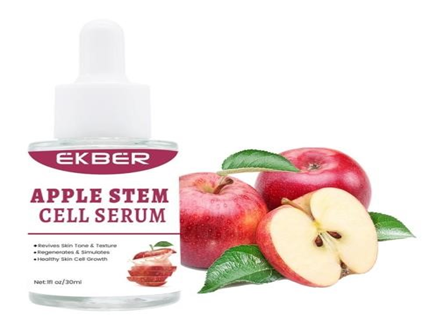
  • Apple stem cell extract (0.5–2%)
  • Peptides (like Matrixyl or Argireline)
  • Hyaluronic acid
  • Vitamins E and C

Fig No 1: Apple stem cell serum

Use: Best for older or aging skin, usually applied at night.

Texture: Light gel or serum that absorbs quickly [18]

  1. Apple Brightening Serum

Purpose: Helps make dull or uneven skin glow and look more radiant.

Active Ingredients:
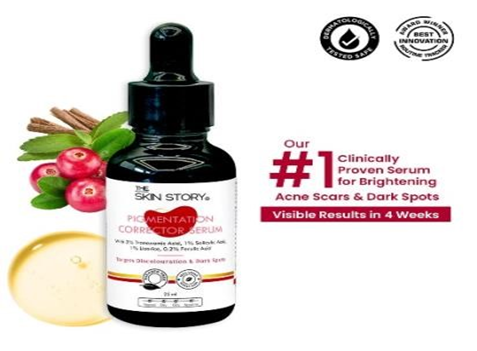
  • Apple fruit extract (contains malic acid)
  • Niacinamide (Vitamin B3)
  • Licorice root extract
  • Vitamin C (ascorbyl glucoside)
  • Optional: Alpha arbutin

Fig No 2: Apple brightening serum

Benefits:

  • -Gently exfoliates using natural fruit acids.
  • Brightens the skin and reduces dark spots.
  • -Makes the skin look clearer and more even [19]

3. Apple Hydrating Serum

Purpose: Adds deep moisture and helps keep skin hydrated, especially for dry or sensitive skin.

Active Ingredients:

  • Apple fruit water or hydrosol
  • Hyaluronic acid (different sizes)
  • Glycerin
  • Panthenol (Vitamin B5)
  • Aloe vera extract

Benefits:

  • -Helps skin retain its natural moisture.
  • -Makes skin softer and more flexible. [20]

4. Apple Cider Vinegar (ACV) Clarifying Serum

Purpose: Helps balance oily or acne-prone skin.

Active Ingredients:
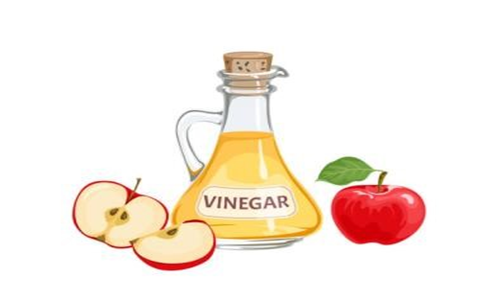
  • Apple cider vinegar extract
  • Witch hazel or tea tree extract
  • Zinc PCA
  • Salicylic acid (BHA)

Fig No 3: Apple cider vinegar

Benefits:

  • Controls excess oil production.
  • -Helps clear out and smooth pores.
  • Keeps the skin’s pH level (4.0–5.0) to prevent irritation. 

Note: It’s important to balance the pH carefully to ensure it’s safe and works well [21]

5. Apple Vitamin C & Polyphenol Antioxidant Serum

Purpose: A daily protection serum that fights damage from UV rays and pollution .

Active Ingredients:

  • Apple polyphenol extract (contains catechins)
  • Vitamin C derivatives
  • Vitamin E
  • Green tea or resveratrol extract

Benefits:

  • -Neutralizes harmful free radicals and protects against environmental damage.
  • -Prevents dark spots and makes the skin look brighter.
  • -Suitable for all skin types, especially in cities or polluted areas [22]

6. Apple Enzyme Exfoliating Serum

Purpose:

This serum gently exfoliates the skin by using enzymes to remove dead skin cells without harsh particles.                               

It helps the skin renew itself and look smoother while keeping it feeling comfortable

Active Ingredients:

  • Apple enzyme extract
  • Lactic acid or natural fruit enzyme blend
  • Papain or bromelain
  • Soothing agents (e.g., allantoin, chamomile extract)

Benefits:

  • Gently exfoliates the skin, helping to remove dull, old skin cells .
  • Makes the skin feel smoother and brighter.
  • Helps the skin absorb other skincare products better.
  • Can be used once or twice a week to keep the skin healthy and refreshed [23]

7. Apple Collagen Booster Serum

Active Ingredients:

  • Apple extract along with collagen peptides
  • Pea protein or marine collagen
  • Vitamin C (ascorbic acid or its derivatives)
  • Coenzyme Q10 (ubiquinone)

Benefits:

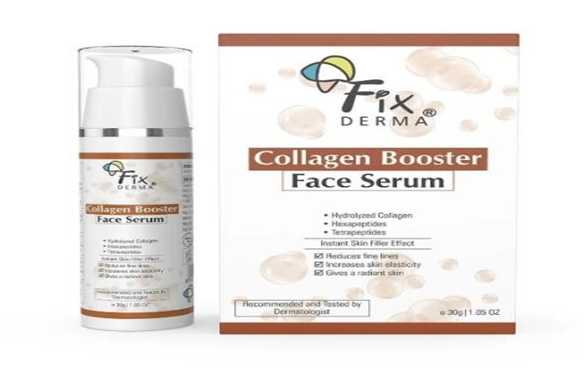
  • Helps the skin create more collagen and elastin, making it firmer and less saggy .
  • Improves the skin’s density and smoothness.
  • Helps restore a more youthful look and feel to the skin.

Fig No 4: Apple collagen booster serum

Bonus: DIY / Natural Home Version (Simple Example)

A simple natural apple serum can be made at home for short-term use using mild, food-grade ingredients

Ingredients:

  • Fresh apple juice – 2 tablespoons
  • Aloe vera gel – 1 tablespoon
  • Glycerin – 1 teaspoon
  • Vitamin E oil – 1 capsule - A few drops of rose water .[23]

CONCLUSION

Apple serum has become a popular choice for skincare and health because it contains many beneficial ingredients like antioxidants, vitamins, polyphenols, and natural compounds.

It includes apple stem cells, hyaluronic acid, malic acid, and other plant-based components that offer several benefits, such as reducing signs of aging, improving moisture levels, protecting the skin from damage, and helping the skin look younger and healthier. It also helps the skin produce more collagen, brighten its tone, and repair itself, making it a good option for keeping the skin in good condition.

However, even though apple serum has many good qualities, it also has some drawbacks. These include being expensive, not having a lot of long-term research, possibly causing allergic reactions, and the need to use it regularly to see results. There are different types of apple serum available, such as hydrating, brightening, and anti-aging, which can be chosen based on specific skin needs.

In general, apple serum is a mix of natural elements and modern skincare technology. With more research and better product development, it has the potential to be a versatile solution that helps improve both appearance and skin health.

REFERENCE

  1. Schmid D, Zülli F. Potential of a novel botanical active ingredient: Stem cell extract from Uttwiler Spätlauber apple. SOFW J. 2008;134(5):30–35.
  2. Mavon A, Zülli F. Plant stem cells as innovative cosmetic ingredients. Cosmet Toilet. 2010;125(6):26–32.
  3. Kumar S, Pandey AK. Chemistry and biological activities of flavonoids: An overview. ScientificWorldJournal. 2013;2013:162750.
  4. Mukherjee PK, Maity N, Nema NK, Sarkar BK. Bioactive compounds from natural resources against skin aging. Phytomedicine. 2011;19(1):64–73.
  5. Chaudhary H, Rohilla A, Rathee P, Kumar V. The cosmetic potential of plant stem cells: A review. Int J Pharm Sci Res. 2019;10(2):494–501.
  6. Zaid AN, Jaradat NA. Ethnopharmacological survey of natural plants used in skin care and cosmetics. Pharm Biol. 2017;55(1):190–199.
  7. Aguilar-González AE, Palou E, López-Malo A. Antioxidant activity of polyphenols and natural extracts. Food Res Int. 2014;56:216–223.
  8. Jadhav V, Kadam V, Salunkhe R. Cosmetic application of herbal extracts: A review. J Pharm Res. 2010;3(3):864–867.
  9. Zülli F, Suter F, Schmid D. Plant stem cell extracts for skin rejuvenation. In: Bissett DL, editor. Aging Skin: Properties and Therapeutics. New York: CRC Press; 2009. p. 273–290.
  10. Farris PK. Cosmeceuticals and cosmetic practice. Wiley-Blackwell; 2014.
  11. Vauzour D, Rodriguez-Mateos A, Corona G, Oruna-Concha MJ, Spencer JP. Polyphenols and human health: Prevention of disease and mechanisms of action. Nutrients. 2010;2(11):1106–1131.
  12. Blume-Peytavi U, Kottner J, Sterry W. Principles of skin aging and anti-aging strategies. Springer; 2011.
  13. Capon F, et al. Peptides and growth factors in anti-aging cosmetics. Dermatol Ther. 2017;7(1):33–44.
  14. Finkel T, Holbrook NJ. Oxidants, oxidative stress and the biology of ageing. Nature. 2000;408(6809):239–247.
  15. Farris PK, Dayan N. Cosmeceutical peptides: New technologies and applications. J Drugs Dermatol. 2011;10(2):S45–S51.
  16. Lima GPP, Vianello F, Corrêa CR, Campos RA, Borguini MG. Polyphenols in fruits and vegetables and its effect on human health. Food Nutr Sci. 2014;5(11):1065–1082.
  17. Rawlings AV, Harding CR. Moisturization and skin barrier function. Dermatol Ther. 2004;17(s1):43–48.
  18. Iannitti T, Morales-Medina JC, Coacci A. Natural extracts as anti-aging cosmetics: A review. Int J Mol Sci. 2020;21(9):3244.
  19. Pyo YH, Lee TC, Logendra L, Rosen RT. Antioxidant activity and phenolic compounds of Swiss apple cultivars. J Agric Food Chem. 2005;53(14):5569–5574.
  20. Singh S, Das S, Singh G. Natural antioxidants for skin care: A comprehensive review. J Cosmet Dermatol. 2021;20(10):3159–3174.
  21. Zhao J, et al. Apple pectin: Extraction, characterization, and applications. Food Hydrocoll. 2018;82:277–289.
  22. Ciriminna R, et al. Pectin: A new perspective from the biorefinery standpoint. Biofuels Bioprod Biorefin. 2016;10(4):686–707.
  23. Saibene M, et al. Cosmetic applications of pectin and polysaccharides. Int J Biol Macromol. 2021;183:2063–2075.

Reference

  1. Schmid D, Zülli F. Potential of a novel botanical active ingredient: Stem cell extract from Uttwiler Spätlauber apple. SOFW J. 2008;134(5):30–35.
  2. Mavon A, Zülli F. Plant stem cells as innovative cosmetic ingredients. Cosmet Toilet. 2010;125(6):26–32.
  3. Kumar S, Pandey AK. Chemistry and biological activities of flavonoids: An overview. ScientificWorldJournal. 2013;2013:162750.
  4. Mukherjee PK, Maity N, Nema NK, Sarkar BK. Bioactive compounds from natural resources against skin aging. Phytomedicine. 2011;19(1):64–73.
  5. Chaudhary H, Rohilla A, Rathee P, Kumar V. The cosmetic potential of plant stem cells: A review. Int J Pharm Sci Res. 2019;10(2):494–501.
  6. Zaid AN, Jaradat NA. Ethnopharmacological survey of natural plants used in skin care and cosmetics. Pharm Biol. 2017;55(1):190–199.
  7. Aguilar-González AE, Palou E, López-Malo A. Antioxidant activity of polyphenols and natural extracts. Food Res Int. 2014;56:216–223.
  8. Jadhav V, Kadam V, Salunkhe R. Cosmetic application of herbal extracts: A review. J Pharm Res. 2010;3(3):864–867.
  9. Zülli F, Suter F, Schmid D. Plant stem cell extracts for skin rejuvenation. In: Bissett DL, editor. Aging Skin: Properties and Therapeutics. New York: CRC Press; 2009. p. 273–290.
  10. Farris PK. Cosmeceuticals and cosmetic practice. Wiley-Blackwell; 2014.
  11. Vauzour D, Rodriguez-Mateos A, Corona G, Oruna-Concha MJ, Spencer JP. Polyphenols and human health: Prevention of disease and mechanisms of action. Nutrients. 2010;2(11):1106–1131.
  12. Blume-Peytavi U, Kottner J, Sterry W. Principles of skin aging and anti-aging strategies. Springer; 2011.
  13. Capon F, et al. Peptides and growth factors in anti-aging cosmetics. Dermatol Ther. 2017;7(1):33–44.
  14. Finkel T, Holbrook NJ. Oxidants, oxidative stress and the biology of ageing. Nature. 2000;408(6809):239–247.
  15. Farris PK, Dayan N. Cosmeceutical peptides: New technologies and applications. J Drugs Dermatol. 2011;10(2):S45–S51.
  16. Lima GPP, Vianello F, Corrêa CR, Campos RA, Borguini MG. Polyphenols in fruits and vegetables and its effect on human health. Food Nutr Sci. 2014;5(11):1065–1082.
  17. Rawlings AV, Harding CR. Moisturization and skin barrier function. Dermatol Ther. 2004;17(s1):43–48.
  18. Iannitti T, Morales-Medina JC, Coacci A. Natural extracts as anti-aging cosmetics: A review. Int J Mol Sci. 2020;21(9):3244.
  19. Pyo YH, Lee TC, Logendra L, Rosen RT. Antioxidant activity and phenolic compounds of Swiss apple cultivars. J Agric Food Chem. 2005;53(14):5569–5574.
  20. Singh S, Das S, Singh G. Natural antioxidants for skin care: A comprehensive review. J Cosmet Dermatol. 2021;20(10):3159–3174.
  21. Zhao J, et al. Apple pectin: Extraction, characterization, and applications. Food Hydrocoll. 2018;82:277–289.
  22. Ciriminna R, et al. Pectin: A new perspective from the biorefinery standpoint. Biofuels Bioprod Biorefin. 2016;10(4):686–707.
  23. Saibene M, et al. Cosmetic applications of pectin and polysaccharides. Int J Biol Macromol. 2021;183:2063–2075.

Photo
Rushikesh Sarkate
Corresponding author

Shraddha Institute of Pharmacy, Kondala Zambre, Washim- 444505

Photo
Sakshi Kharate
Co-author

Shraddha Institute of Pharmacy, Kondala Zambre, Washim- 444505

Photo
Dr. Swati Deshmukh
Co-author

Shraddha Institute of Pharmacy, Kondala Zambre, Washim- 444505

Rushikesh Sarkate, Sakshi Kharate, Dr. Swati Deshmukh, Apple Serum for Beauty and Health, Int. J. of Pharm. Sci., 2025, Vol 3, Issue 11, 4279-4287. https://doi.org/10.5281/zenodo.17726542

Related Articles
Diagnostic Yield of Extended Cardiac Monitoring in Transient Unexplained Vertigo...
Priyanka Prajapati, Neelesh, Bhanu Pratap, Rajkeerti Niwasan, ...
An overview on Formulation and Development of Herbal Shampoo...
Kuttarwade Dadasaheb, Adinath Sangle, Dr. Megha Salve, ...
A Holistic Review on Vitex Negundo: “Traditional Uses, Active Constituents and...
Akanksha Kamble, Priyanshu Pakhale, Chaitanya Durge, Dr. Swati Gaikwad, ...
Formulation And Evolution of Anti-Hemorrhoidal Cream by Using Ricinus Communis L...
Abhay Shinde, Anand Shinde, Ganesh Shinde, Mohini Shinde, Priyanka Shinde, Ashwini Gaikwad, ...