
Krishnarao Bhegade Institute of Pharmaceutical Education and Research, Talegaon Dabhade, Pune, Maharashtra, India.
Acne vulgaris is a chronic inflammatory disorder of the pilosebaceous unit, commonly affecting adolescents and adults. Its pathogenesis involves excessive sebum secretion, abnormal keratinization, colonization by Cutibacterium acnes, and inflammation of surrounding tissues, resulting in lesions ranging from comedones to nodules and cysts. Conventional therapies—particularly topical antibiotics, retinoids, and benzoyl peroxide—remain widely used for mild to moderate cases, while oral antibiotics and isotretinoin are prescribed for severe acne. Although these medications show high initial efficacy, prolonged use of topical or systemic antibiotics can lead to bacterial resistance, skin irritation, and disruption of the natural skin barrier. To overcome these limitations, recent research focuses on novel formulation strategies such as microspheres, liposomes, and nanoparticles, which enhance targeted delivery and minimize side effects. Moreover, the integration of herbal bioactive with conventional allopathic agents offers a promising hybrid approach, combining the therapeutic potency of modern medicine with the safety and anti-inflammatory properties of natural compounds. This review highlights the pathophysiology, clinical manifestations, and current treatments of acne vulgaris, emphasizing the potential of combination and advanced formulations to achieve effective, safe, and sustainable therapy.
Acne vulgaris is one of the most prevalent and persistent dermatological conditions, primarily affecting the pilosebaceous units of the skin, which include the sebaceous glands and hair follicles (1,2). Although it commonly develops during adolescence, the disorder can persist into adulthood, with a significant number of individuals continuing to experience breakouts beyond the ages of 30 and 40 (1,3). In recent years, acne has also been observed in younger children, likely due to earlier onset of puberty (3). Because of its prolonged duration and recurring nature, acne is now regarded as a chronic inflammatory disease that often requires long-term management (2,5,7).
In addition to its visible symptoms, acne exerts a considerable psychological and emotional burden. Individuals suffering from acne frequently report reduced self-confidence, social anxiety, and stress, while severe or untreated cases may result in permanent scarring that can affect overall quality of life (2,10,15).
The pathogenesis of acne involves multiple interrelated mechanisms, including excessive sebum production, abnormal shedding of keratinized cells leading to follicular blockage, bacterial colonization—particularly by Cutibacterium acnes—and inflammation of the surrounding tissue (3,5,7). These processes contribute to the development of various lesion types such as comedones (blackheads and whiteheads), papules, pustules, nodules, and cysts (5,7,11).
A deeper understanding of the underlying mechanisms of acne has led to the development of a wide range of therapeutic strategies and formulations (12,13). For mild to moderate acne, topical agents such as retinoids, benzoyl peroxide, and antibiotics remain the most frequently prescribed treatments (14,17). Retinoids help normalize desquamation, prevent follicular plugging, and exhibit anti-inflammatory properties, while benzoyl peroxide provides potent antibacterial activity and helps reduce the emergence of resistant bacterial strains (10,14,15). Combination therapies involving these agents generally produce faster and more effective results compared with monotherapy (15,16).
Recent research has shifted toward the design of advanced formulation systems, including gels, creams, microspheres, liposomes, and nanoparticles, to enhance drug delivery to the targeted site (5,6,20). These modern carriers improve drug penetration into the pilosebaceous unit, increase stability, minimize irritation, and promote sustained release (5,20). Such innovations have significantly improved the safety, efficacy, and convenience of acne treatment regimens (13,20,21).
Both topical and systemic antibiotics continue to play a vital role in the management of acne vulgaris; however, the emergence of antibiotic resistance has become a major concern worldwide (9,18,29). Studies indicate that more than half of Propionibacterium acnes (now Cutibacterium acnes) strains show resistance to macrolide antibiotics, leading to diminished clinical effectiveness (9,29). Additionally, prolonged antibiotic exposure can disrupt the normal skin microbiome, fostering overgrowth of opportunistic pathogens such as Staphylococcus aureus and methicillin-resistant S. aureus (MRSA) (9,29).
DEFINITION
Acne vulgaris is a chronic inflammatory disorder of the pilosebaceous unit, characterized by the formation of comedones, papules, pustules, and nodules, predominantly affecting the face, chest, and back (1,2). The condition is often accompanied by erythema, tenderness, and post-inflammatory hyperpigmentation, and may lead to permanent scarring in severe cases (1,10,15).
CAUSES OF ACNE
Acne is a chronic inflammatory disorder of the pilosebaceous unit that develops through four major pathophysiological mechanisms: (3,5,7)
1. Abnormal keratinization: Irregular shedding and accumulation of keratinocytes block the hair follicle, leading to the formation of microcomedones (3,5).
2. Increased sebum production: Elevated androgen levels stimulate sebaceous glands to produce excess sebum, contributing to follicular blockage (3,5,7).
3. Microbial colonization: Cutibacterium acnes (formerly Propionibacterium acnes) proliferates within the sebum-rich environment, promoting irritation and inflammation (3,5,7,9).
4. Inflammatory Response: Bacterial activity triggers the release of inflammatory mediators, causing follicular rupture and formation of papules, pustules, nodules, and cysts (3,7,11).
The initial lesion, known as a microcomedone, is not visible to the naked eye but later develops into open or closed comedones (1,3). Excess sebum acts as a nutrient source for bacterial growth, which further intensifies inflammation (5,9,29). Effective acne management depends on understanding these underlying mechanisms and adopting therapeutic approaches that target each contributing factor (5,10,12).
Type Of Acne
Acne can manifest in several clinical forms, such as acne conglobata, acne rosacea, acne fulminans, acne cosmetica, acne excoriée (picker’s acne), acne medicamentosa, acne chloracne, and acne mechanica (1). Among these, acne vulgaris is the most common, representing nearly 99% of all acne cases (2). It is generally divided into non-inflammatory and inflammatory lesion types (3).
Non-inflammatory Lesions
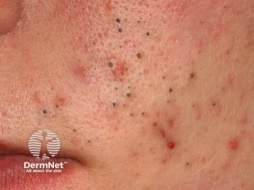
Table 1: Non-inflammatory acne includes open and closed comedones. (4)
|
|
Open Comedones (Blackheads) These occur when sebum and dead skin cells accumulate within a hair follicle, leaving the follicular opening exposed to air. The oxidation of melanin gives the comedo its dark or black appearance (5). Blackheads usually develop on the face, chest, back, neck, shoulders, and arms (6). |
|

|
Closed Comedones (Whiteheads) These are formed when sebum, bacteria, and dead cells block the follicular opening, remaining covered by a thin layer of skin (7). The lesion appears as a small, white bump and is most frequently observed in the T-zone of the face—particularly on the nose, forehead, and chin (8). |
Inflammatory Lesions
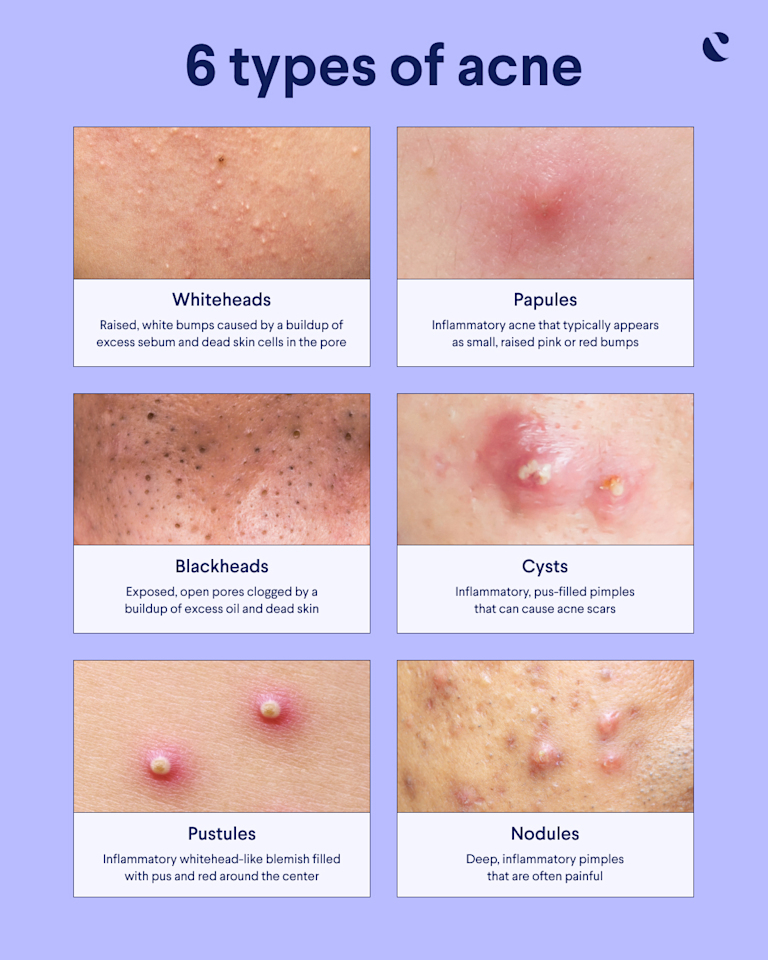
Table 2: Inflammatory acne includes Papules, Pustules, Pustules and Cysts
|

|
Papules These are small, raised, pink or red bumps less than 5 mm in diameter that occur due to localized inflammation around a blocked follicle. They represent a transition between non-inflammatory and inflammatory acne (10). |
|

|
Pustules Pustules are inflamed lesions filled with pus at their center, typically appearing as white or yellow bumps surrounded by red, irritated skin. They are commonly found on the face, neck, shoulders, chest, back, and other sebum-rich areas. (11) |
|

|
Nodules Nodular acne is a severe form characterized by large, firm, and painful lumps beneath the skin surface. These lesions form when follicular obstruction and bacterial invasion extend deep into the dermis. Nodules often persist for weeks or months and commonly appear on the jawline, chin, and back (12). |
|
|
Cysts Cystic acne represents the most severe inflammatory type, developing when deep-seated blockages and infections lead to large, pus-filled, and painful swellings beneath the skin. Cystic lesions frequently result in scarring and are most often observed on the face, neck, shoulders, chest, and back (13).
|
Both inflammatory and non-inflammatory lesions may coexist in individuals with acne vulgaris, and the severity of the condition depends on the extent and depth of these lesions (14).
Treatment
Topical Medication
Non-Antibiotic Agents
Salicylic Acid
Salicylic acid is a lipophilic organic acid that plays a key role in the topical management of acne vulgaris (1,3,6). Being oil-soluble, it penetrates deep into the pores, helping to dissolve excess sebum and dead skin cells that contribute to comedone formation (3,7). It acts as a keratolytic agent, promoting exfoliation of the stratum corneum and preventing follicular blockage, thereby reducing both inflammatory and non-inflammatory acne lesions (4,8).
At low concentrations (0.5–3%), it is incorporated in cleansers, creams, and lotions for mild acne, while higher concentrations offer stronger exfoliating effects in resistant or hyperkeratotic conditions (3,7,9). In addition to its exfoliating properties, salicylic acid possesses anti-inflammatory effects that help reduce redness and swelling (5,9).
Generally, it is well tolerated, although higher strengths may cause mild irritation or peeling, particularly in sensitive skin (6,8). Overall, salicylic acid serves as a non-antibiotic, comedolytic, and anti-inflammatory agent, making it an effective component of formulations for oily and acne-prone skin (4,9).
Benzoyl Peroxide
Benzoyl peroxide is one of the most widely used topical agents for mild to moderate acne, exhibiting antibacterial, anti-inflammatory, and comedolytic effects (3,6,9). It releases oxygen radicals and benzoic acid, which eliminate Cutibacterium acnes, reduce inflammation, and help clear clogged pores (4,7,9).
Available in 2.5%, 5%, and 10% concentrations, it comes in gels, creams, lotions, foams, cleansing bars, and pads (3,6). Common side effects include dryness, irritation, and fabric bleaching, though allergic reactions are rare (5,9). Therapy usually begins with lower concentrations to minimize irritation. Importantly, benzoyl peroxide does not induce bacterial resistance, making it suitable for long-term use (3,6,9).
Azelaic Acid
Azelaic acid is a topical dicarboxylic acid effective for mild to moderate acne through keratolytic and antimicrobial actions (5,7,9). It removes dead skin cells, inhibits bacterial growth, and normalizes keratinization of the follicles (6,9). It is typically formulated as a cream or gel and applied once or twice daily, depending on skin tolerance (5,9).
Unlike many other acne medications, azelaic acid does not increase photosensitivity (5,8). Clinical improvement usually appears after about four weeks of consistent use (7,9). Adverse effects are generally mild, including burning, stinging, itching, or dryness (5,7). It serves as a well-tolerated alternative for patients who experience irritation from benzoyl peroxide or topical retinoids (6,9). When combined with oral tetracyclines, it can further enhance therapeutic outcomes (5,9).
Dapsone
Dapsone is a sulfone compound with both antimicrobial and anti-inflammatory properties (25,26). Though historically used systemically, its oral administration for acne is limited due to dose-dependent hemolytic anemia, particularly in individuals with glucose-6-phosphate dehydrogenase (G6PD) deficiency (25,26).
Topical 5% aqueous gel formulations of dapsone offer clinically effective concentrations with minimal systemic absorption and excellent safety profiles (25,26). Local irritation is rare and typically mild. Dapsone is particularly useful in managing inflammatory and nodulocystic acne, and its non-antibiotic mechanism helps mitigate the issue of antibiotic resistance associated with C. acnes (25,26).
Calcipotriol
Calcipotriol, a synthetic derivative of calcitriol (vitamin D?), is commonly used as a topical medication for treating psoriasis, especially when combined with betamethasone. Its therapeutic action works through binding to vitamin D receptors (VDRs) in keratinocytes, helping to regulate cell proliferation and reduce inflammation in the skin (13,20).
Recent studies have explored its potential role in acne management. In a clinical trial comparing 0.005% calcipotriol cream with 0.1% adapalene gel, both demonstrated significant reductions in comedones and inflammatory lesions after two months of use (20,21). Histological findings indicated that calcipotriol produced a stronger anti-inflammatory response and was better tolerated than adapalene, suggesting its possible application as a safe adjunct in acne therapy (13,20,21).
Clascoterone Cream
Clascoterone is a topical androgen receptor blocker developed to manage acne by limiting the effects of androgens, particularly dihydrotestosterone (DHT), within sebaceous glands (15). By inhibiting these receptors, the drug helps reduce sebum secretion and local inflammation, leading to fewer acne lesions (16).
It is a synthetic derivative of cortexolone (cortexolone-17α-propionate) and was approved by the FDA in 2020 for treating acne in individuals aged 12 years and above (17). Studies have shown that the cream demonstrates minimal systemic absorption, making it safe for topical use (18).
Clinical trials assessing concentrations of 0.1%, 0.5%, and 1% found the 1% formulation to be the most effective and well-tolerated (19). In two phase-III trials, patients applied clascoterone 1% cream twice daily for 12 weeks, which resulted in a significant reduction in inflammatory and non-inflammatory lesions compared with placebo (20).
Clascoterone represents the first new topical agent with a novel mechanism of action since isotretinoin, marking an important advancement in acne therapy. While its role in treatment guidelines continues to be explored, it shows strong potential for combination use with other anti-acne agents (21).
Topical Nitric Oxide and Its Derivatives
Nitric oxide (NO) is a naturally formed gas in the body that helps control immune responses and destroy harmful microbes (22). It plays a useful role in reducing inflammation, which is important in acne development (23). Researchers have created NO-releasing nanoparticles that can effectively kill Cutibacterium acnes and decrease the release of inflammatory substances like TNF-α, IL-1β, IL-6, and IL-8 in skin cells (24).
Clinical studies with a 4% nitric oxide gel (SB204) showed a noticeable reduction in acne lesions with very few or no side effects (25). Although the exact process is still being studied, applying nitric oxide–based gels appears to help reduce both inflammatory and non-inflammatory acne by improving the skin’s natural immune and healing responses (26).
Topical Ivermectin
Ivermectin 1% cream, commonly used for rosacea and parasitic infections, has also shown promise in acne treatment due to its anti-inflammatory and anti-parasitic properties (6,13,21). It inhibits C. acnes-induced inflammation and reduces papulopustular lesions while maintaining a strong safety profile. Studies indicate that topical ivermectin may be beneficial, particularly in inflammatory and mixed-type acne cases, as an adjunct or alternative to antibiotic-based regimens (13,21).
Formulations
Table 1: Topical Non-Antibiotic Agents Used in the Treatment of Acne Vulgaris
|
Medication |
Common side effects |
Brand Name |
Dose and Uses |
|
Azelaic Acid |
Azelaic Acid Skin burning, stinging, dryness, redness, itching, allergic reactions, possible asthma flare-ups, and lightening of darker skin patches (1,2). |
Azelex, Finacea |
20% cream or 15% gel; applied topically to treat mild to moderate acne (3,4). |
|
Benzoyl Peroxide |
Burning, stinging, dryness, redness, peeling, allergic reactions, bleaching of hair or clothing (5,6). |
Multiple OTC and prescription brands |
Multiple OTC and prescription brands 2.5–10% topical formulations; used for both inflammatory and non-inflammatory acne lesions (7,8). |
|
Dapsone |
Skin burning, redness, dryness, itching, and temporary orange staining of skin (9,10). |
Aczone |
5% or 7.5% gel; applied topically to reduce inflammatory acne (11,12) |
Table 2: Topical Non-Antibiotic Agents Used in the Treatment of Acne Vulgaris
|
Medication |
Common side effects |
Brand Name |
Dose and Uses |
|
Trifarotene |
Slight skin dryness, redness, or peeling in early use (1, 2) |
Aklief |
50 µg/g and 100 µg/g topical cream; applied to the skin for treating acne in patients aged 9 years and older (1, 2) |
|
Minocycline Foam |
Mild irritation, dryness, itching, or redness (3, 4) |
Amzeeq |
4% topical foam; used for moderate to severe acne due to its antibacterial and anti-inflammatory action (3, 4) |
|
Clascoterone |
Mild stinging, dryness, or redness on application (5, 6) |
Winlevi |
1% topical cream; helps reduce sebum production and inflammation; useful for acne linked to hormonal imbalance (5, 6) |
|
Topical Meclizine |
Slight redness or irritation at application site (7, 8) |
- |
2% topical gel; under study for its potential to lower skin inflammation in acne (7, 8) |
|
Topical Ivermectin |
Mild dryness or burning on the skin (9, 10) |
Soolantra |
1% topical cream; reduces inflammation and bacterial activity in acne lesions (9, 10) |
|
Topical Surfactant–Oil Gel |
Temporary irritation or dryness (11, 12) |
- |
Topical gel used to manage inflammatory acne vulgaris and enhance skin clarity (11, 12) |
|
Topical Nitric Oxide (NO) Gel |
Temporary tingling, redness, or dryness (13, 14) |
- |
4% topical gel; experimental acne treatment with anti-inflammatory and antibacterial effects (13, 14) |
Antibiotic Agents
Clindamycin (Topical)
Clindamycin is a lincosamide-class antibiotic used topically for acne vulgaris, especially inflammatory forms such as cystic and nodular acne (12). It works by reducing the population of Cutibacterium acnes (C. acnes) on the skin and has anti-inflammatory effects that decrease redness, swelling, and lesion formation (13).
The drug inhibits bacterial protein synthesis by binding to the 50S ribosomal subunit, disrupts bacterial capsule formation, and lowers chemotactic signals that attract immune cells, further reducing inflammation (14). Clindamycin is less effective for non-inflammatory comedonal acne (15).
Patients typically see improvement within 4–6 weeks, with clinical studies reporting around 55% reduction in acne lesions after 12 weeks of use (16). It can be applied as monotherapy or in combination with other agents for enhanced results (17).
Topical Retinoids
Retinoids, derivatives of vitamin A, have been used for acne management since the 1970s. They act by normalizing keratinocyte turnover, preventing follicular plugging, and reducing inflammation, thereby minimizing both non-inflammatory and inflammatory acne lesions (21,22). These agents are recommended as first-line therapy for mild to moderate acne and as maintenance treatment to prevent relapse (23).
Newer forms, such as retinoic acid metabolism blocking agents (RAMBAs) like liarozole, have been developed to improve efficacy and reduce resistance (24). Commonly prescribed topical retinoids include tretinoin, adapalene, and tazarotene (25). Among them, adapalene 0.1% gel is the first FDA-approved over-the-counter retinoid for patients aged 12 years and older (26). Although effective, retinoids may initially cause dryness, redness, or irritation. Due to their teratogenic risk, they are contraindicated during pregnancy, and appropriate contraception should be used during treatment (27).
Tretinoin
Tretinoin, also known as all-trans retinoic acid, was the first topical retinoid introduced for acne treatment (24). It is available in various formulations, including creams (0.01%–0.1%), gels (0.025%–0.1%), liquids (0.05%–0.2%), ointments, and polymer-based creams (25,26). Tretinoin works by binding to all three retinoic acid receptor (RAR) subtypes and the cellular retinoic acid binding protein (CRABP), which helps regulate gene expression in skin cells (27).
It increases the turnover of follicular epithelial cells and accelerates the shedding of dead skin cells, thereby normalizing keratinization and reducing both inflammatory and noninflammatory acne lesions (28). The most common side effect is skin irritation, which can be minimized with newer formulations, such as liposomal or polymer-encapsulated creams and gels, that slow the absorption of tretinoin into the skin (29,30).
Isotretinoin
Isotretinoin (13-cis retinoic acid) is available in topical forms such as 0.05% gel and 0.01%–0.05% creams (24). When applied topically, it is as effective as tretinoin but tends to cause less skin irritation (25). Unlike the oral form, topical isotretinoin does not reduce the size of sebaceous glands or decrease sebum production (26). For systemic acne treatment, the usual starting dose of oral isotretinoin is 0.25–0.5 mg/kg/day, with a typical maintenance dose ranging from 0.5 to 1 mg/kg/day and a cumulative target dose of 120–150 mg/kg, adjusted according to patient response and tolerability (27,28).
Tazarotene
Tazarotene is a third-generation topical retinoid that converts to its active form, tazarotenic acid, in the skin. It selectively binds to RAR-β and RAR-γ receptors, helping regulate keratinocyte growth, reduce hyperkeratinization, and limit inflammatory signals that attract immune cells (19,21).
Available as gel, cream, foam, and a newer 0.045% lotion, tazarotene is often prescribed when other retinoids, such as tretinoin or adapalene, are insufficient (22). It may also be combined with benzoyl peroxide or topical antibiotics for enhanced treatment of inflammatory acne (16,23).
Common side effects include dryness, redness, peeling, itching, and burning (24). Short-term applications of a few seconds to minutes have been shown to improve tolerability (25). Tazarotene is FDA pregnancy category X and should be avoided during pregnancy and breastfeeding (26).
Motretinide
Motretinide is a second-generation monoaromatic retinoid. It is slightly less potent than other retinoids but tends to cause less skin irritation (24). This medication is available as a 0.1% cream and solution in Switzerland (25).
Retinaldehyde
Retinaldehyde is an intermediate in the conversion of natural retinol within skin cells (26). It has mild comedolytic properties and exhibits antibacterial activity against Gram-positive bacteria, including Propionibacterium acnes (27). It is commercially available as Diacneal® (0.1% retinaldehyde with 6% glycolic acid) for cosmetic use and in 0.5–1% cream formulations for clinical studies (28).
Retinoids, including retinaldehyde, are also important for maintenance therapy after initial acne improvement (29). Comedo formation can recur within 2–6 weeks after stopping treatment, so long-term use of retinoids over several years is often recommended to prevent new microcomedone development (30).
Adapalene
Adapalene is a third-generation retinoid that selectively binds to RAR-β and RAR-γ receptors, regulating keratinocyte growth and reducing inflammation (28). Its comedolytic effect arises from inhibiting abnormal keratinocyte differentiation and proliferation, while its anti-inflammatory actions include suppression of neutrophil chemotaxis and inhibition of the lipoxygenase pathway (29).
Compared to tretinoin, adapalene is more stable in light and air, allowing for daytime application, and is highly lipophilic Formulations include 0.1% and 0.3% gels (30).
Formulations
Table 3 : Topical Antibiotic Agents Used in the Treatment of Acne Vulgaris
|
Medication |
Common side effects |
Brand Name |
Dose and Uses |
|
Clindamycin 1% |
Itching, redness, dryness, peeling, folliculitis, photosensitivity, and rarely Clostridioides difficile colitis (1,2) |
Cleocin, Evoclin |
Available as gel, lotion, solution, or foam; applied topically for mild to moderate inflammatory acne (1,2) |
|
Clindamycin 1% / Benzoyl Peroxide 5% |
Itching, redness, dryness, peeling, burning, rare allergic reactions, and C. difficile colitis (3,4) |
Benzaclin |
Gel combination topical therapy for inflammatory acne (3,4) |
|
Erythromycin 2% |
Dryness, irritation, and rarely C. difficile colitis (5,6) |
Erygel, Ery |
Available as gel, solution, or pads; used topically for mild to moderate inflammatory acne (5,6) |
|
Erythromycin 3% / Benzoyl Peroxide 5% |
Itching, redness, dryness, peeling, burning, hives, and rarely C. difficile colitis (7,8) |
Benzamycin |
Gel; combination topical therapy for inflammatory acne (7,8) |
Table 4: Topical Retinoids Used in the Treatment of Acne Vulgaris
|
Medication |
Common side effects |
Brand Name |
Dose and Uses |
|
Adapalene |
Skin burning, peeling, stinging, itching, redness, dryness, photosensitivity (9,10) |
Differin |
Applied topically for mild to moderate acne; approved for children 12 years and older (9,10) |
|
Adapalene / Benzoyl Peroxide |
Skin burning, peeling, stinging, itching, redness, dryness, photosensitivity (11,12) |
Epiduo |
Combination topical therapy for inflammatory acne; approved for children 9 years and older (11,12) |
|
Clindamycin Phosphate / Tretinoin |
Skin burning, peeling, stinging, itching, redness, dryness, photosensitivity, rare colitis (13,14) |
Veltin, Ziana |
Used topically for inflammatory acne; approved for children 12 years and older; avoid in early pregnancy (13,14) |
|
Tazarotene |
Skin burning, peeling, stinging, itching, redness, dryness, photosensitivity (15,16) |
Tazorac |
Applied topically for inflammatory acne; approved for children 12 years and older; contraindicated in pregnancy (15,16) |
|
Tretinoin |
Skin burning, peeling, stinging, itching, redness, dryness, photosensitivity (17,18) |
Retin-A, Atralin |
Used topically for comedonal and inflammatory acne; approved for children 10 years and older; avoid in early pregnancy (17,18) |
Systemic antibiotics
Oral antibiotics are used for moderate to severe or treatment-resistant acne, especially when topical agents fail to control inflammation (21). They are also beneficial for acne on larger or less accessible areas such as the back (22). These drugs work systemically to reduce Cutibacterium acnes (C. acnes) and exhibit anti-inflammatory properties by inhibiting neutrophil activity and cytokine production (23).
The American Academy of Dermatology (AAD) recommends oral antibiotics mainly for inflammatory acne and advises their use in combination with benzoyl peroxide or topical retinoids to enhance therapeutic effects and minimize resistance (24). The most effective and well-tolerated options are from the tetracycline class, including doxycycline, minocycline, and sarecycline, though macrolides may be used in specific cases (25).
To limit antibiotic resistance, treatment should be prescribed for the shortest effective duration, generally between 3 and 24 weeks, depending on clinical response (26). Prolonged or repeated courses may improve results but should be carefully monitored (27).
Oral Isotretinoin
Clinical evidence indicates that a cumulative dose of 120–150 mg/kg of isotretinoin is generally effective for achieving acne clearance (28). However, clinical experience shows that some patients may achieve satisfactory results before reaching this total dose (29).
Based on clinical judgment and a balance between efficacy and potential side effects, treatment may be discontinued earlier if the patient maintains clear skin for 4 to 8 consecutive weeks (30).
Tetracyclines
Other options include macrolides like erythromycin and the combination drug trimethoprim/sulfamethoxazole (22). Tetracycline is considered both safe and effective for acne treatment (24). The typical starting dose is 500 mg twice daily for about six weeks. Once inflammation decreases, the dose is usually reduced to 500 mg daily (25).
Common side effects include gastrointestinal issues like diarrhea, vomiting, and dyspepsia, as well as vaginal yeast infections in women (26). Tetracycline should not be used in children under eight years old due to the risk of enamel hypoplasia and permanent yellow discoloration of teeth (27).
Doxycycline
Doxycycline is a second-generation tetracycline that penetrates the pilosebaceous unit efficiently (28). The usual starting dose is 100 mg twice daily. Common side effects include gastrointestinal discomfort and photosensitivity, with photo-onycholysis (nail sensitivity to sunlight) being particularly notable (29).
Minocycline
Minocycline is another tetracycline derivative, often prescribed at 50–100 mg twice daily (30). It is effective in reducing inflammatory acne lesions. Potential side effects include dizziness, vertigo, skin pigmentation changes, and rarely, autoimmune reactions. Like other tetracyclines, it can increase sensitivity to sunlight (27).
Lymecycline
Lymecycline is a tetracycline antibiotic used mainly in Europe, typically administered at 300 mg once or twice daily (26). It has similar efficacy to doxycycline but is often better tolerated, with fewer gastrointestinal side effects. Photosensitivity is also a consideration (27).
Erythromycin
Erythromycin, a macrolide antibiotic, is sometimes used in patients who cannot tolerate tetracyclines (28). The usual dose is 250–500 mg twice daily. It helps reduce inflammatory lesions but may be less effective due to increasing bacterial resistance. Gastrointestinal upset and rare liver toxicity are potential side effects (29).
Clindamycin (Oral)
Oral clindamycin can be prescribed at 150–300 mg twice daily for severe acne cases (30). It works by inhibiting bacterial protein synthesis and reducing inflammation. Side effects include gastrointestinal disturbances and a small risk of Clostridioides difficile infection (25).
Sarecycline
Sarecycline is a newer oral tetracycline-derived antibiotic approved by the FDA in 2018 for the treatment of moderate to severe acne vulgaris (26). It is designed to be more selective for Cutibacterium acnes, which helps reduce the risk of bacterial resistance compared to older tetracyclines (27).
Clinical studies have shown that sarecycline is effective in treating both facial and truncal acne, with a generally low incidence of side effects and good overall tolerability (28).
Trimethoprim/Sulfamethoxazole
Trimethoprim/sulfamethoxazole is an effective and low-cost antibiotic but is generally reserved as a third-line treatment for acne due to the risk of serious side effects (29). These can include Stevens-Johnson syndrome, toxic epidermal necrolysis, and bone marrow suppression (30).
Azithromycin
Azithromycin, administered at 500 mg three times per week for eight weeks, has recently been introduced as a systemic option for acne (25). It demonstrates strong bacteriostatic activity, low risk of bacterial resistance, good tolerability, and minimal gastrointestinal side effects such as nausea and heartburn. Unlike some other antibiotics, azithromycin does not cause photosensitivity, making it suitable for use during summer months (26).
Table 5: Systemic Antibiotic Agents Used in the Treatment of Acne Vulgaris
|
Medication |
Common side effects |
Brand Name |
Dose and Uses |
|
Doxycycline |
Nausea, diarrhea, indigestion, esophagitis, headache, vaginal yeast infection, photosensitivity, tooth/bone discoloration, pseudotumor cerebri, liver toxicity, rare C. difficile (19,20) |
Vibramycin, Acticlate |
Children: 2 mg/kg per dose every 12 hours on day 1, then 2 mg/kg once daily (max 100 mg); Adults: 50–100 mg once or twice daily; used for moderate to severe inflammatory acne (19,20) |
|
Erythromycin |
Nausea, vomiting, possible drug interactions, arrhythmias (21) |
Erythro |
250–500 mg 2–4 times daily; systemic treatment for moderate to severe acne (21) |
|
Sarecycline |
Nausea, dizziness, lightheadedness, vertigo, headache, vaginal yeast infection, photosensitivity, tooth/bone discoloration, pseudotumor cerebri, liver toxicity, rare C. difficile colitis (22) |
Seysara |
Weight-based dosing: 33–54 kg: 60 mg/day; 55–84 kg: 100 mg/day; 85–136 kg: 150 mg/day; treat for 12 weeks then reassess; used systemically for moderate to severe acne (22) |
|
Tetracycline |
Nausea, vomiting, diarrhea, abdominal pain, photosensitivity, tooth/nail discoloration, pseudotumor cerebri, liver toxicity, hives (23) |
Tetracycline |
Children: 25–50 mg/kg/day in 2–4 divided doses; Adults: 250–500 mg once or twice daily; systemic treatment for moderate to severe acne (23) |
|
Minocycline |
Nausea, vomiting, diarrhea, dizziness, balance issues, photosensitivity, hyperpigmentation, lupus-like reactions, Stevens-Johnson syndrome, liver toxicity (24) |
Minocin |
Children: 1 mg/kg once daily; Adults: 50–100 mg 1–3 times daily; used for moderate to severe inflammatory acne (24) |
|
Trimethoprim/Sulfamethoxazole |
Severe skin reactions (Stevens-Johnson syndrome, toxic epidermal necrolysis), liver toxicity, bone marrow suppression, drug eruptions (25) |
Bactrim, Septra |
160/800 mg twice daily; reserved as third-line systemic therapy for moderate to severe acne (25) |
|
Azithromycin |
Mild digestive issues such as nausea or heartburn; generally well tolerated, no reported bacterial resistance or photosensitivity (26) |
Azithral, Zithromax, Azee |
500 mg taken three times per week for 8 weeks; used systemically for moderate to severe acne (26) |
Diagrammatic Representation of Sites and Mechanisms of Drug Action in Acne Treatment
Diagram: 1 (28)

CONCLUSION
Acne vulgaris is one of the most prevalent dermatological conditions worldwide, affecting both adolescents and adults (1,2,5). Its development involves a complex interplay of factors, including excess sebum production, follicular blockage, bacterial colonization by Cutibacterium acnes, and local inflammation (3,5,7). Standard therapies rely heavily on topical agents—such as antibiotics, retinoids, and benzoyl peroxide—and systemic medications, including tetracyclines and isotretinoin, for moderate to severe cases (6,9,12,13,20,29).
Although these treatments provide substantial short-term improvement, long-term use may lead to antimicrobial resistance, skin dryness, irritation, and damage to surrounding healthy tissue (9,29). Recent advances in pharmaceutical formulations—including gels, microspheres, liposomes, and nanoparticle-based carriers—have enhanced drug penetration, targeted delivery, and sustained release (5,6,16).
Modern dermatological research increasingly supports the integration of herbal and allopathic therapies. Herbal agents such as tea tree oil, aloe vera, and turmeric exhibit anti-inflammatory and antimicrobial properties that may complement conventional treatments while minimizing adverse effects (5,7). This combined approach offers the potential for more effective, safer, and patient-friendly acne management strategies in the future.
REFERENCES


Apurva Kamble*, Harshada Pardhi, Aryan Satpute, Shalaka Katkar, Prajakta Vidhate, G. K. Bramha, A Review on the Treatment of Acne Vulgaris Using Alloparhic Drugs, Int. J. of Pharm. Sci., 2025, Vol 3, Issue 12, 1017-1031 https://doi.org/10.5281/zenodo.17831885
 10.5281/zenodo.17831885
