
Swami Vivekanand College of Pharmacy, Udgir
Diabetes mellitus is a long-term metabolic disorder mainly caused by either low insulin production or the body not responding properly to insulin. This leads to increased blood glucose levels due to problems such as reduced glucose uptake by cells, increased glucose production in the liver, and damage to pancreatic ?-cells. Mango leaves (Mangifera indica) have been used traditionally to support diabetes management, and many studies now explain their scientific benefits. Mango leaves contain active compounds like magniferin quercetin, catechins, and phenolic acids, which help improve diabetic conditions through multiple mechanisms. These compounds can enhance insulin secretion, increase insulin sensitivity, reduce intestinal glucose absorption, and control enzymes involved in carbohydrate breakdown. Mango leaves also reduce oxidative stress and inflammation, which are major factors causing ?-cell damage in diabetes. Animal and preliminary human studies show improvements in fasting blood sugar, lipid profile, and antioxidant levels. Although the results are promising, more clinical trials are still needed. Overall, mango leaves show strong potential as a natural supportive therapy for diabetes management.
Diabetes mellitus:
Diabetes Mellitus (DM) is a disease in which the body has high blood sugar levels for a long time. This happens because the body cannot use or produce insulin properly. High blood sugar affects the normal balance of water and electrolytes in the body. If diabetes becomes severe suddenly, it can cause acute metabolic problems, which may even lead to death. If diabetes continues for many years without proper control, it leads to permanent and irreversible damage in many cells of the body. The blood vessels are especially affected, and this damage causes many well-known health problems called complications of diabetes.[1]

Fig. No. 1 – Diabetes Mellitus
A.Types of diabetes
1. Type 1 Diabetes
Type 1 diabetes, also called juvenile diabetes, happens when the body’s immune system mistakenly attacks the insulin-producing cells in the pancreas. Because of this, the body cannot make insulin. This type usually appears in children and young adults but can occur at any age. Type 1 diabetes is less common and represents only about 5–10% of total diabetes cases.[1]
2. Type 2 Diabetes
Type 2 diabetes is the most common form of diabetes, making up 90–95% of all cases. It mostly develops in adults above 40 years, but today it can also occur in younger people. In Type 2 diabetes, the body either does not respond properly to insulin (insulin resistance) or does not produce enough insulin. As a result, blood glucose levels stay high.[1]
3. Gestational Diabetes
usually goes away after Gestational diabetes occurs during pregnancy, mainly in the second or third trimester. It childbirth. However, women who experience gestational diabetes have a higher chance of developing Type 2 diabetes later in life.[2]
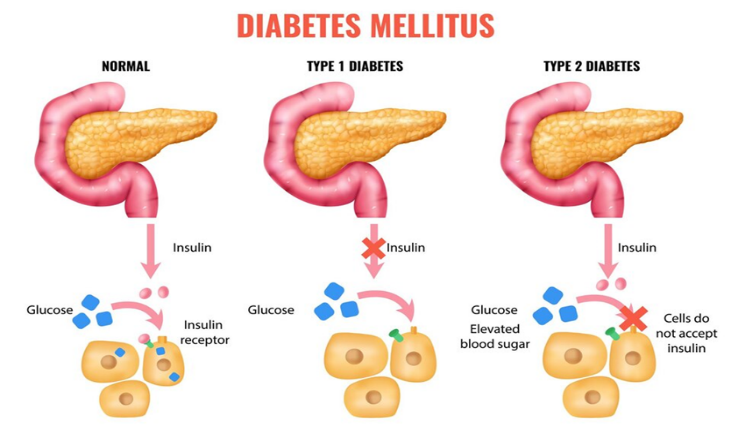
Fig. No. 2 - Types of diabetes mellitus
B) Symptoms of Diabetes:
Diabetes symptoms can be different depending on the type and how serious it is. But some common signs include:
If you notice any of these symptoms, you should see a doctor as soon as possible so you can get the right diagnosis.[2]
1. Diagnosing Diabetes
Diabetes is usually diagnosed with a simple blood test that checks your blood sugar level.
If your blood sugar is higher than normal, your doctor may ask for more tests to be sure.
If you are diagnosed with diabetes, the doctor will help you create a treatment plan to control your blood sugar and avoid further problems.[2]
2. Reference Range for Blood Sugar
Normal fasting blood sugar: 70–100 mg/dL100–125 mg/dL: This is prediabetes, meaning your blood sugar is higher than normal but not high enough to be diabetes.
126 mg/dL or higher: This is considered high and may indicate diabetes, which can lead to various health issues.[3]
C. Treatment and Management of Diabetes
There are several ways to manage diabetes:
1.Lifestyle Changes
You may need to change your diet and exercise regularly.Eating healthy foods that are low in sugar and refined carbohydrates helps control blood sugar.Regular physical activity helps your body use insulin better and lowers blood sugar levels.[3]
People with type 1 diabetes and some with type 2 diabetes may need insulin.Insulin can be taken through injections or through insulin pumps that give insulin continuously.[3]
Checking your blood sugar regularly is very important.Self-monitoring helps you understand how your body responds to food, exercise, and medicines so you can stay in your target range.[2]
This is an option for people with obesity and type 2 diabetes when other treatments are not enough.It can help with weight loss and improve blood sugar control.Decisions about surgery should be made with your healthcare provide.[3]
D.Magnifera Indica leaves:
Mango leaves (MLs) are traditionally used for diabetes treatment because they contain important anti-diabetic phytochemicals such as mangiferin (a benzophenone) and flavonoids like quercetin. One of the key ways to manage diabetes is by inhibiting the enzymes α-amylase and α-glucosidase, which are involved in breaking down carbohydrates and controlling post-meal (postprandial) glucose levels. Studies have compared the ability of mango leaf extracts and pure mangiferin to inhibit α-glucosidase. Mango leaf extracts at concentrations of 100, 250, and 500 mg/mL showed 77.8%, 83.4%, and 95.7% inhibition, respectively. Pure mangiferin at 10, 25, and 50 mg/mL resulted in 86.85%, 92.35%, and 99.11% inhibition, respectively. These results show that mangiferin is a major active component responsible for blocking α-glucosidase activity and helping control blood sugar levels. Studies have compared the ability of mango leaf extracts and pure mangiferin to inhibit α-glucosidase. Mango leaf extracts at concentrations of 100, 250, and 500 mg/mL showed 77.8%, 83.4%, and 95.7% inhibition, respectively. Pure mangiferin at 10, 25, and 50 mg/mL resulted in 86.85%, 92.35%, and 99.11% inhibition, respectively. [2]These results show that mangiferin is a major active component responsible for blocking α-glucosidase activity and helping control blood sugar levels. Mangifera indica, commonly known as the mango tree, belongs to the family Anacardiaceae and grows mainly in tropical and subtropical regions. Different parts of this plant have been traditionally used in folk medicine to treat many health problems such as high blood pressure, and insomnia. [3]Researchers have studied mango plants in detail and found many useful chemical compounds. The most important one is mangferin which is a polyphenolic xanthone. It has strong antioxidant, wound-healing, heart-protective, and antidiabetic properties. According to the World Health Organization (WHO), about 80% of people in developing countries depend on plant-based traditional medicines for their basic healthcare needs. This is because synthetic medicines often have high costs, side effects, and increasing problems of drug resistance now being used.[4]
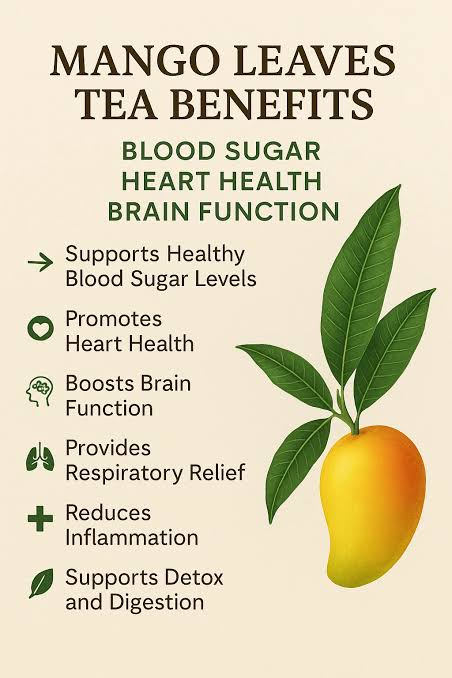
Fig. No. 3 - mango leaves benefits
E.Uses of Mangifera Indica leaves:
3. Literature Review:
1.Pattarin Patarakijavanich et al. (2020): Reviewed the anti-diabetic potential of Mangifera indica leaf extract and highlighted that mangiferin acts as the primary compound responsible for lowering blood glucose levels. Their study revealed that the extract helps improve insulin sensitivity, reduces glucose absorption in the intestine, and protects pancreatic β-cells from oxidative stress. These mechanisms collectively contribute to improved glycemic control.[5]
2.Vanitha et al. (2019): Discussed the traditional and medicinal importance of mango leaves in their review on Mangifera indica. According to the study, mango leaves contain powerful antioxidants that help reduce oxidative stress, which is one of the major causes of β-cell damage in diabetes. They also emphasized that the leaves exhibit anti-inflammatory and lipid-lowering effects, making them beneficial in preventing diabetes-related complications.[6]
3.Bashir Alabi Ali et al. (2020): Evaluated the methanolic extract of mango leaves and found that it contains strong antioxidant compounds such as phenolics and flavonoids. Their results showed that the extract significantly lowered blood glucose levels in experimental models. They concluded that mango leaf extract enhances peripheral glucose uptake, improves insulin action, and reduces oxidative damage, which makes it an effective natural remedy for diabetes.[7]
4.Shah et al. (2019): Investigated the phytochemical composition of mango leaves and reported that mangiferin is present in high concentration. Mangiferin has been proven to inhibit α-amylase and α-glucosidase enzymes, which are responsible for breaking down carbohydrates to glucose. Through this mechanism, mango leaves help prevent sudden spikes in blood sugar after meals. Their study supported the inclusion of mango leaves in herbal anti-diabetic preparations.[8]
5.Monika Kaurav and colleagues (2020): Conducted a detailed review on the therapeutic properties of mango leaves and observed that the polyphenols present in the leaves help regulate blood glucose, reduce inflammation, and improve lipid metabolism. They also highlighted that mango leaves show protective effects on liver and kidney tissues, which are often affected by long-term diabetes.[9]
4.Botanical Background of Mangifera indica leaves:
Mango (Mangifera indica L.) is a tropical and subtropical tree of the family anacardiaceous widely cultivated for its delicious fruits and medicinal uses. Various parts of the plant, including leaves, bark, and seeds, have been traditionally used in folk medicine to treat ailments such as diarrhoea, asthma, hypertension, and diabetes. Among these, mango leaves have attracted significant attention due to their rich bioactive composition and therapeutic potential.[10]
5.Phytochemical composition of mango leaves:

Fig. No. 4 - Phytochemical composition of mango leaves
Mango leaves (Mangifera indica) contain several important phytochemicals that contribute to their anti-diabetic activity. The major bioactive compound is magniferin, a powerful antioxidant and xanthone glycoside known for improving glucose uptake, enhancing insulin secretion, and protecting pancreatic β-cells from oxidative stress. Other constituents include flavonoids (such as quercetin and catechin), phenolic acids, alkaloids, tannins, and terpenoids, which help reduce inflammation, control blood glucose levels, and inhibit carbohydrate-digesting enzymes like α-amylase and α-glucosidase. These phytochemicals work together to lower post-meal glucose spikes, improve lipid profile, and prevent complications related to diabetes. Overall, the rich phytochemical composition of mango leaves supports their traditional use and scientific relevance in managing diabetes mellitus.[12]
A)Diabetic Properties:
Pharmacological studies are scientific tests done in laboratories to understand how mango leaves work against diabetes. Many researchers have studied mango leaf extracts using test tubes (in-vitro studies) and animal experiments (in-vivo studies). These studies show that mango leaves have important compounds like magniferin, flavonoids and antioxidants that help in controlling blood sugar levels.[13]
6.Nutritional composition:
a) Protein
Protein is one of the major nutrients found in mango leaves. Protein helps in cell growth, enzyme activity, body repair, and maintaining metabolic functions. Researchers have studied the crude protein (CP) content of mango leaves in animals. One study on Nigerian mango leaves found 13.6% CP, while another study in Laos found 6.09% CP. Different mango varieties also showed differences in leaf protein content. For example, the Amrapali mango (K-5 rootstock) had the highest protein content (146.47 mg/g). This means mango leaves can be used as a nutritious feed for livestock.[13]
b) lipid / Oil Profile
Mango leaves also contain essential oils that give mango its pleasant smell. These oils vary depending on the mango variety and environmental conditions. These oils are usually extracted through hydro-distillation. When feeding trials were done on rabbits and Bengal goats, mango leaves were found to be a good source of protein, vitamins, and minerals.[13]
The major components of mango leaf oil (MLO) include:
Monoterpenes (46.98%) Sesquiterpenes (38.17%) Sesquiterpenes (38.17%) One study on Nigerian mango leaves found 13.6% CP, while another study in Laos found 6.09% CP.Different mango varieties also showed differences in leaf protein content. For example, the Amrapali mango (K-5 rootstock) had the highest protein content (146.47 mg/g). This means mango leaves can be used as a nutritious feed for livestock.Other hydrocarbons and oxygenated compounds Important active compounds found areα-pinene, β-pinene, α-gurjunene, β-element, α-humulene, caryophyllene oxide, humulene epoxide II, etc.These compounds have antibacterial, antifungal, and antioxidant effects. Studies from different mango varieties around the world show that while the amount of each compound changes, the basic chemical profile is similar.GC–MS analysis also shows the presence of biologically active compounds like humulene-4-hydroxy-4-methyl-2-pentanone, especially in Coquinho mango leaves. Overall, mango leaf oil contains many active natural chemicals that contribute to its medicinal effects.[14]
c) Minerals & Vitamins
Mango leaves (MLs) are a good natural source of many important minerals and vitamins. They contain minerals like potassium, phosphorus, nitrogen, calcium, iron, sodium, magnesium, boron, zinc, and manganese. According to Ali et al, mango leaves have high amounts of potassium (589 mg), phosphorus (480 mg), iron (343 mg), magnesium (98 mg), calcium (368 mg), sodium (28 mg), zinc (14 mg), manganese (3 mg), and nitrogen (2 mg) per 100 g of dry leaves. Another study also found similar minerals, showing that MLs contain good levels of calcium (4.41%), magnesium (1.58%), potassium (0.55%), sodium (0.23%), nitrogen (2.60%), and phosphorus (0.40%).[14]Different research studies reported that the amount of minerals in mango leaves can vary, but they commonly contain nitrogen, phosphorus, calcium, magnesium, sulphur, zinc, sodium, boron, copper, iron, manganese, and a very small amount of cadmium. These minerals are essential for human health because they help in bone and teeth formation, nerve function, muscle contraction, maintaining immunity, controlling blood pressure, blood clotting, energy production, and supporting enzyme activities.[15]Mango leaves are also rich in vitamins A, B, C, and E. One study reported that mango leaves contain vitamin A (121 mg), vitamin B (189 mg), vitamin E (10 mg), and vitamin C (30 mg) per 100 mL extract. Another study by Princwill-Ogbonna et al. [21] found vitamin A (22.60 mg), vitamin B1 (0.48 mg), B2 (0.21 mg), B3 (0.38 mg), and vitamin C (13.20 mg) in the leaves. Overall, different studies have shown that mango leaves contain a good range of B vitamins (B1, B2, B3), vitamin C, and vitamin A.[15]These vitamins are very important for the human body. They support skin and eye health, help in the development of bones, improve wound healing, strengthen the immune system, and maintain healthy tissues. Vitamins B1, B2, and B3 also help enzymes in the body to break down carbohydrates and support energy production through oxidation–reduction reactions.[16]
7.Mechanism of antidiabetic activity of mango leaves :
1.Inhibition of Carbohydrate-Digesting Enzymes
Mango leaf extracts block enzymes like α-amylase and α-glucosidase.These enzymes normally break down carbohydrates into glucose.When they are inhibited, glucose is absorbed slowly, preventing sudden spikes in blood sugar after meals.[16]
2. Improvement in Insulin Secretion
Mangiferin helps protect pancreatic β-cells, which produce insulin.It reduces oxidative damage in the pancreas.This improves the ability of β-cells to release insulin properly.[17]
3. Increased Peripheral Glucose Uptake
Mango leaves help cells (especially muscle and fat cells) to take up more glucose from blood.This happens through activation of GLUT-4 transporters.[18]
4. Antioxidant and Anti-Inflammatory Effects
Diabetes increases oxidative stress in the body.Mangiferin and phenolic compounds in mango leaves neutralize free radicals.They also lower inflammatory markers like TNF-α and IL-6.[19]
5. Protection of Liver and Kidney Functions
Diabetes can damage liver and kidney tissues.Mango leaf extracts reduce lipid peroxidation and improve antioxidant enzymes.[20]
AGEs form when excess glucose binds to proteins and causes complications.Mangiferin reduces AGE formation.[21]
Mango leaves reduce LDL, triglycerides, and total cholesterol.They increase good cholesterol (HDL).[22]
8.Principle:
The principle of this review is to critically collect, analyze, and interpret existing scientific evidence on the therapeutic role of Mangifera indica (mango) leaves in diabetes management. The review aims to understand how the bioactive compounds present in mango leaves—especially mangiferin—contribute to lowering blood glucose levels, improving insulin sensitivity, protecting pancreatic β-cells, reducing oxidative stress, and regulating carbohydrate-digesting enzymes.[24] By combining results from previously published experimental, clinical, and pharmacological studies, this review provides a clear scientific basis for the use of mango leaves as a natural anti-diabetic agent. It also identifies research gaps and future possibilities regarding their clinical applications.References support the evidence used to build this principle.[25]
9.Formulation
Mango leaves are widely used in traditional medicine for controlling blood sugar levels. To make them easier to use in research and pharmaceutical studies, the leaves are often processed into a powdered extract form. This powder keeps the active ingredients stable and allows accurate dosing.[26]
a. Collection and Drying of Leaves
Fresh, mature mango leaves are collected and washed to remove dust. They are then dried either under shade or in a hot-air oven at low temperature (40–50°C). This gentle drying helps protect important compounds like mangiferin, flavonoids, and phenols.[27]
b. Extraction Process
The dried leaves are crushed and extracted using solvents such as ethanol, methanol, or water. These solvents pull out the active antidiabetic components. The mixture is then filtered to remove plant waste.[28]
c. Concentration and Drying of Extract
The liquid extract is concentrated using a rotary evaporator and finally dried to form a powder. Common drying methods include:Spray drying – gives fine, consistent powder Freeze drying keeps maximum bioactive compounds intact.[29]
d. Final Powder Form
The final mango leaf extract powder contains Mangiferin (mainantidiabeticcompound) FlavonoidsTanninsPhenolic acids Antioxidant .This powder is used in:Phytochemical studiesAntidiabetic activity testingTablet/capsule formulationsDietary supplements.[30]
5. Importance of Powder Form in Diabetes Research
Powdered extract is preferred because :It is easy to store and use .It allows accurate and repeatable dosing It preserves active compounds better than fresh leaves.It can be used directly in in-vitro (lab) and in-vivo (animal) studiesStudies have shown that mango leaf powder rich in mangiferin helps lower blood glucose levels by:Increasing insulin sensitivity .Reducing carbohydrate breakdown Protecting pancreatic β-cellsLowering oxidative stress.[31]
10.Chemical Constituents:
Many researchers have studied the chemical compounds present in Mangifera indica (mango tree) from different parts of the world. These studies show that mango leaves contain many useful bioactive compounds. These include flavonoids, tannins, alkaloids, terpenoids, anthraquinones, saponins, cardiac glycosides, and steroids (Alienage & Osamudiamen, 2009; Majumder & Paridhavi, 2016).One of the most important compounds in mango leaves is mangiferin. Its chemical formula is C19H18O11. Mangiferin is a type of glycosylation, which basically means it is a polyphenolic compound with strong medicinal properties. It is made up of 1,3,6,7-tetrahydroxyxanthone attached to a β-D-glucose molecule. Mangiferin is known as the major active compound found in mango leaves.[31]Mangiferin is a natural compound that is found in many plants, especially those belonging to the Anacardiaceae and Gentianaceae families. Mango (Mangifera indica) is considered the main and richest source of mangiferin. It is present in different parts of the mango plant such as leaves, bark, fruit peels, and kernels.[32]Studies show that the amount of mangiferin can vary a lot depending on the plant part. For example, in different Brazilian mango varieties, mangiferin levels were found to be:
Fruit peels: 4.94–15.23 g/kg (dry weight)
Kernels: 6.40–8.98 g/kg
Bark: 4.77–107.18 g/kg
Young leaves: 11.11–171.67 g/kg
Mature leaves: 3.71–93.62 g/kg
When mango leaves were extracted using different solvents, mangiferin content was found to be: 3.9–4.6% in methanolic extract 7.8% in ethanolic extracts .Another study using ELISA on mature leaves from 50 cultivars of M. indica reported mangiferin levels ranging from 1.94% to 13.79% (dry weight). Factors such as location, soil nutrients, leaf age, and environmental conditions also affect mangiferin levels.[33]Research has also shown that young mango leaves contain higher amounts of polyphenols and flavonoids compared to mature leaves. From young leaves, about 66 different terpenoids have been identified using hydro distillation and microextraction techniques.Another important bioactive compound isolated from mango leaves is 3β-taraxerol, a triterpenoid, obtained from ethyl acetate and methanolic extracts Along with mangiferin.[34]
11.Pharmacological studies:
1. In-vitro (Laboratory) Studies:
These are studies done outside the body, usually in test tubes Mango leaf extract was found to block carbohydrate-digesting enzymes such as α-amylase and α-glucosidase.
This helps reduce the quick rise in blood sugar after eating. Studies showed that magniferin from mango leaves improves glucose uptake in cells by helping them use sugar better. The extract also showed strong antioxidant activity, which protects cells from damage caused by high sugar levels.[34]
2. In-vivo (Animal) Studies:
These studies were done on diabetic rats or mice to see how mango leaves work inside a living body. In diabetic rats, mango leaf extract lowered fasting blood sugar levels and improved glucose tolerance.Treated animals showed better insulin levels, meaning the pancreas could function more effectively. Mango leaf extract also helped protect β-cells of the pancreas, which are responsible for making insulin.[34]Animal studies showed improvement in lipid profiles (cholesterol and triglycerides), which is important because diabetes often affects fat metabolism. The extract reduced oxidative stress and inflammation, which helps prevent further complications of diabetes.[35]
a) Mechanisms Observed in These Studies
From these studies, researchers found that mango leaves may help diabetes by:Slowing down carbohydrate digestion. Mango leaves (Mangifera indica) contain several important phytochemicals that contribute to their anti-diabetic activity. The major bioactive compound is magniferin, a powerful antioxidant and xanthone glycoside known for improving glucose uptake, enhancing insulin secretion, and protecting pancreatic β-cells from oxidative stress. Other constituents include flavonoids (such as quercetin and catechin), phenolic acids, alkaloids, tannins, and terpenoids, which help reduce inflammation, control blood glucose levels, and inhibit carbohydrate-digesting enzymes like α-amylase and α-glucosidase. These phytochemicals work together to lower post-meal glucose spikes, improve lipid profile, and prevent complications related to diabetes. Overall, the rich phytochemical composition of mango leaves supports their traditional use and scientific relevance in managing diabetes mellitus. improving insulin sensitivity.[36]
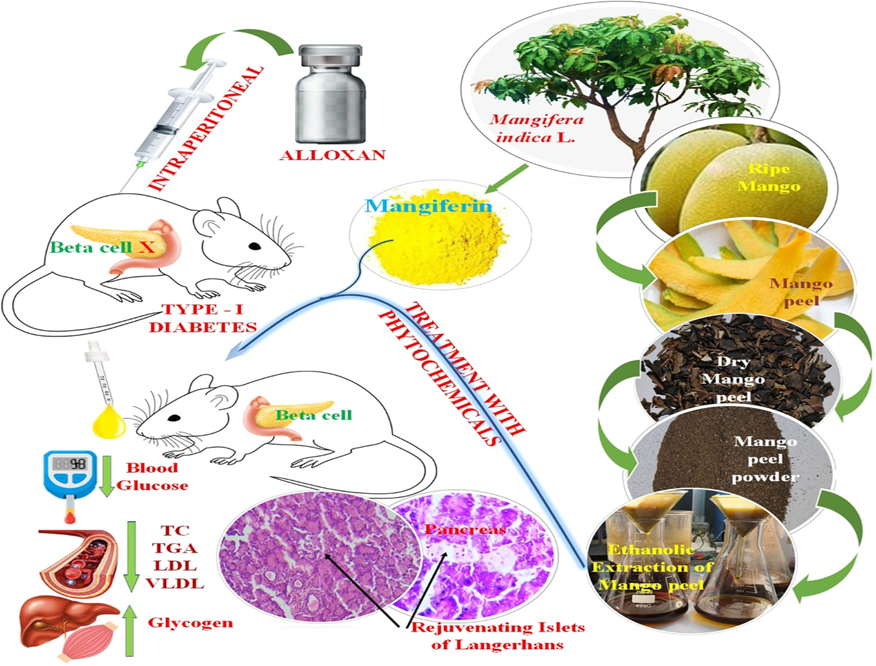
Fig. No. - 5 pharmacological activity
12.Advantages of Magnifera indica leaves in Diabetes management :
1. Helps Lower Blood Sugar Levels
Mango leaf powder contains active compounds like mangiferin, which help reduce high blood glucose levels. It improves how the body uses glucose and prevents sudden spikes in sugar.[33]
2. Improves Insulin Function
Use of mango leaf powder may increase insulin sensitivity, helping cells absorb glucose more effectively. This supports better sugar control in diabetic patients.[34]
3. Reduces Oxidative Stress
The powder is rich in antioxidants, especially mangiferin and phenolic compounds. These antioxidants protect pancreatic β-cells from oxidative damage, which is a major cause of diabetes.[35]
4. Controls Carbohydrate Breakdown
Mango leaf powder naturally slows the action of α-amylase and α-glucosidase enzymes. These enzymes break down carbohydrates into glucose. When they are blocked, glucose enters the blood slowly, preventing high sugar levels after meals.[36]
5. Anti-inflammatory Benefits
Chronic inflammation worsens diabetes. Mango leaf powder has strong anti-inflammatory effects that help reduce inflammatory markers, improving overall diabetic health.[37]
6. Improves Lipid Profile
Studies show that mango leaf powder can help reduce cholesterol, triglycerides, and bad LDL, which commonly rise in diabetes. This lowers the risk of diabetic complications like heart disease.[38]
13.Purpose of the Review:
CONCLUSION:
Mango leaves (Mangifera indica) have shown significant potential as a natural remedy for managing diabetes mellitus. Rich in bioactive compounds such as mangiferin, flavonoids, and phenolic acids, they exhibit anti-hyperglycaemic, antioxidant, and insulin-sensitizing effects. Various experimental studies indicate that mango leaf extracts can help regulate blood glucose levels, improve pancreatic function, and reduce oxidative stress, which are key factors in diabetes management. Although current evidence is promising, more clinical studies in humans are needed to confirm their efficacy and safety. Overall, mango leaves represent a valuable, accessible, and cost-effective complementary approach for controlling diabetes and improving metabolic health.
Overall Conclusion from Pharmacological Studies:
All these pharmacological studies suggest that mango leaves have strong anti-diabetic potential because of their ability to lower blood sugar, protect insulin-producing cells and improve antioxidant activity. However, most studies are based on laboratory and animal research; therefore, more human studies are needed to confirm these benefits.
REFERENCE:

Vaibhavi suryawanshi, A Review on Therapeutic Role of Magnifera Indica Leaves In Diabetes Management, Int. J. of Pharm. Sci., 2026, Vol 4, Issue 1, 3233-3246. https://doi.org/10.5281/zenodo.18397485
 10.5281/zenodo.18397485
