
Shree dev bhoomi institute of education science and technology, dehradun.
The development of safe and effective cosmetic formulations using natural ingredients has gained significant attention in modern cosmetology. In this study, a polyherbal cosmetic cream was formulated using selected medicinal plant extracts known for their dermatological benefits, including antioxidant, anti-inflammatory, moisturizing, and skin-protective properties. The extracts were then concentrated to dryness and stored for further use. The pH of the cream was 6.8, it was easily spreadable, washable, no gritty particles were found and the dye test confirmed that it was o/w type of cream, The formulation showed good spreadable, no phase separation & good consistency.The formulation F5 and F6 shows no redness, oedema, inflammation and irritation during irritancy studies. Polyherbal formulations are those that contain two or more herbs. The present study aims at formulation of polyherbal cosmetic cream for the use of moisturising, nourishing and cure of numerous skin disorders
The largest organ of the body is skin and it forms an ultimate shielding barricade against environmental stress enhancers such as transmittable pathogens, ultra-violet radiations, dust and chemical agents which causes ageing and other infections. The condition of general inner health and aging can be judged by skin.[1] A natural skin cosmetic should moisturize, hydrate and nourish the skin.[2] Cream is defined as semisolid emulsions which are oil in-water (o/w) or water-in-oil (w/o) type and these semisolid emulsions are intended for external application. Two phases of cream i.e. oil in-water and water-in-oil. [3]
It has important role in whitening of skin. [4] Excessive exposure to UV radiations causes Erythema, oedema, suntan, hyperplasia, early aging, [5] and skin cancer and is also responsible for generation of free radicals. [6,7] Further research into these phytochemicals has shown potential for treating various diseases, including hepatoprotective, antiviral, antifungal, antipyretic, antihistaminic, antimalarial, antibacterial, anti-inflammatory, and antioxidant activities [8].
These creams are evaluated for various parameters including physical characteristics, antimicrobial activity, and skin compatibility. [9,10] They contain natural antioxidants like vitamin C. Many other benefits can be seen with the use of herbal products such as; they are suitable for all skin types, more affordable than synthetic ones and wide selection to choose.[11]
Classification of cosmetic:
|
Skin |
Powder, Lip balm, cream, lotion, sunscreen |
|
Hair |
Shampoo, hair oil, hair tonic, |
|
Mouth |
Dentifrices |
|
Eye |
Eye shadow, eye liner |
|
Lip |
Lipstick |
|
Nail |
Nail lacquer |
Advantages:
Compared to several other pharmaceutical semi-solid dosage forms, they provide a longer period of action at the location of usage. [12,13]
Disadvantages:
Anatomy and physiology of skin:
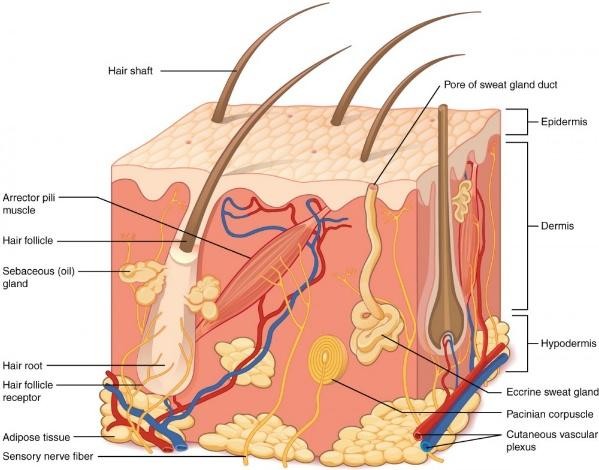
Human skin comprises of three distinct but mutually dependent tissues: The stratified, vascular, cellular called as “epidermis” Underlying dermis of connective tissues, Hypodermis.
Epidermis:
The multilayered epidermis varies in thickness, depending on cell size and number of cell layers of epidermis, ranging from 0.8 mm on palms and soles down to 0.06 mm on the eyelids. It contains 10 to 25 layers of dead, keratinized cells called corneocytes. The architecture of horny layer may be modelled as a wall-like structure. In this model, the keratinized cells function as protein “bricks” embedded in lipid “mortar.
Dermis:
Dermis is 3 to 5 mm thick layer and is composed of a matrix of connective tissue, which contains blood vessels, lymph vessels and nerves. Capillaries reach to within 0.2 mm of skin surface and provide sink conditions for most molecules penetrating the skin barrier.
Hypodermis:
The hypodermis or subcutaneous fat tissue supports the dermis and epidermis. It serves as a fat storage area. This layer helps to regulate temperature, provides nutritional support and mechanically protection. [14]
Polyherbal cream:
The topical products that can be applied to the skin are called creams. "Viscous liquid or semi-solid emulsions of either the oil-in-water or water-in-oil type" are what are referred to as "creams." dosage forms whose viscosity ranges between water and oil. [15,16] The idea is that different herbs contribute different beneficial properties (moisturizing, anti-inflammatory, antimicrobial, wound healing, soothing, etc.), and together they form a “synergistic” natural formulation.
Tulsi:-
Synonyms: Holy basil, Tulasi
Biological source: It is obtained from fresh and dried leaves of Ocimum species like Ocimum sanctum L. and Ocimum basilicum L.
Family: Lamiaceae
Phytoconstituents: Its contain volatile oils (eugenol 70-80%, beta caryophyllene, linalool, methy eugenol), phenolic compounds (rosmarinic acid, ursolic acid, oleanolic acid, caffeic acid), flavonoids, terpenoids, glycosides, alkaloids.
Medicinal use
1. Tulsi helps to cure fever.
2. It helps to cure skin problems like blackheads, premature aging, acne, etc.
3. Tulsi used to treat heart disease.
4. It prevents blackheads.
5. It prevents skin from acne.
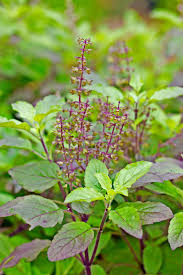
Fig: Tulsi
Aloe Vera
Synonyms: Ghritkumari, Musabbar
Biological source: It is obtained from Dried juice of leaves of Aloe species. Aloe barbadensis (Curacao aloe) Aloe ferox (Cape aloe) Aloe perryl (Socotrine aloe) Aloe spicata (Cape aloe)
Family: Asphodelaceae
Phytoconstituents: Aloe vera contains amino acids like leucine, isoleucine, saponin glycosides provide cleansing action, vitamins A, C, E, B, B12, and folic acid.
Medicinal uses
1. Used as anti-microbial.
2. Use to cure skin injuries.
3. Use as an anti-inflammatory.
4. Helps to soothe and sunburn.
5. Helps to moisturize the skin
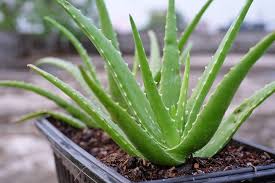
Fig: Aloe vera
Turmeric
Synonyms: Curcuma, Curcuma aromatic, Curcumine
Biological source: Turmeric is obtained from a rhizomatous of Curcuma longa
Family: Zingiberaceae
Phytoconstituents: Its contains volatile oils (turmerone 50-60%), curcuminoids (curcumin 2-5%, demethoxycurcumin, 5methoxycurcumin), flavonoids (quercetin), phenolic compounds (ferulic acid, cinnamic acid, vanillic acid), terpenoids, glycosides.
Medicinal use
1. Use to treat disorders of the skin.
2. Use to treat respiratory tract infection.
3. Use treat problems in the digestive system.
4. Use as an antiseptic.
5. It helps to heal acne.
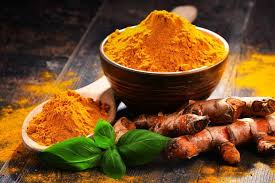
Fig: Turmeric
Neem:
Synonym : Margosa , Indian Lilac
Biological Source: Neem consists of fresh and dried leaves, bark, seeds, and oil obtained from Azadirachta indica
Family: Meliaceae
Phytoconstituents
Neem contains several important bioactive compounds:
Limonoids
Azadirachtin (major active constituent)
Nimbin
Nimbidin
Flavonoids
Quercetin
Medicinal Use:-
It is used as an anti microbial
Used as in antiseptic
Used as an anti diabetic
Used as an anti helmentic
Used as an anti malaria
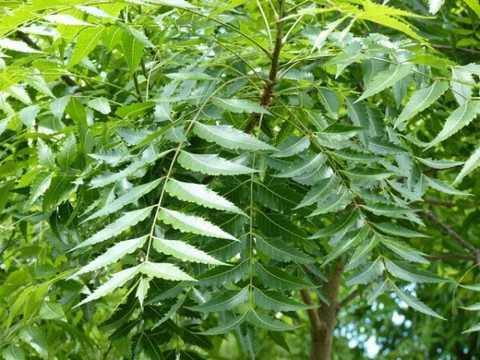
Fig: Neem
Ideal properties:
Stability: The cream should be chemically and physically stable.
Texture: The cream should be smooth and free from grittiness.
Melting point: The cream should melt or soften at body temperature and be easy to apply.
Base: The base should be non-irritant and should have no therapeutic action.
Medicament: The medicament should be finely divided and uniformly distributed throughout the base.
Container: The container should protect the cream from external factors like heat.
Washability: The cream should be easily washable with water.
Spreadability: Creams spread evenly over the skin, offering good coverage.
Absorption: Easily absorbed into the skin, especially O/W emulsions. [17,18]
MATERIALS AND METHODS
Chemicals: Stearic acid, acetyl alcohol, glycerine, parabens, water.
Collection of plant material:
Aloe vera, leaves were collected from the garden of and the dried rhizomes of turmeric were collected from the local market.
|
Aloe vera |
Skin soothing, moisturising, anti inflammatory |
|
Neem extract |
Anti-bacterial, anti-acne, anti-fungal |
|
turmeric |
Anti-inflammatory, anti-oxidants |
|
liquorice |
Skin brightening, anti-pigmentation |
|
Tulsi |
Anti-microbial, anti-oxidants |
EXTRACTION PROCESS:
Method of extraction of Aloe vera:
Fresh extract is acquired and kept in storage [19].
Method for extraction of Turmeric rhizomes:
Turmeric rhizomes that had been dried and ground into powder were gathered from the market. Five grams of the aforementioned powder were taken, and it was cooked for 5 to 10 minutes in 50ml of ethanol. To get rid of the contaminants, filter paper was used to filter the resulting extract [20], mature leaves were removed from the plant and cleaned with distilled water.A sterilized knife is used to cut the leaf longitudinally. Next, semi-solid aloe vera is gathered. To get a uniform extract, the semi-solid mass was constantly crushed in a mortar and pestle.
Extraction of Tulsi leaves:
The fresh leaves of Tulsi were collected and washed and taken in a mortar and pestle and are grinded well with required amount of water in order to get juice. Then the juice is filtered to remove any particles present.
Extraction of Neem leaves:
Maceration extraction: The neem leaves were shade for one week and powered (60 mesh) .5g of dried leaves was blended with 50ml of different solvents (95% ethanol, hydrous ethanol, acetone water, method ,80%) respectively for 24 hours at temperature room. After 24 hours obtained extracts was filtered by using normal filter paper. The obtained extracts of a sample heated by using water bath for 45 minutes. The obtained concentration extracts ready for the use of herbal cream formulation.
(iv) Extraction of papaya:
Maceration extraction: The papaya fruits were shade for one week and powered (60 mesh) .5g of dried leaves was blended with 50ml of different solvents (95% ethanol, hydrous ethanol, acetone water, method ,80%) respectively for 24 hours at temperature room. After 24 hours obtained extracts was filtered by using normal filter paper. The obtained extracts of a sample heated by using water bath for 45 minutes. The obtained concentration extracts ready for the use of herbal cream formulation.
Preparation of cream:
In a borosilicate glass beaker, heat liquid paraffin and beeswax to 75 °C and keep it there throughout the heating process. (Phase oil) Borax and methylparaben should be dissolved in distilled water and heated in a separate beaker to 75 °C to produce a clear solution. (Phase of water) The heated oily phase will then gradually receive this watery phase [24,25]. Then, after measuring out the appropriate amounts, add the aloe Vera gel, neem extract, Tulsi extract, and papaya extract. Stir well until a smooth cream forms. Then, as a scent, add a few drops of rose oil. Add a few drops of distilled water, if necessary, after placing this cream on the slab. Then, mix the cream geometry recall on the slab to give it a smooth texture and ensure that all the elements are thoroughly combined. Slab technique or extemporaneous cream preparation is the name of this technique.
Evaluation of Cream
Physical properties: The cream was observed for the colour, Odor and appearance. [21,22] Washability: The cream was applied on the hand and observed under the running.
pH: The pH meter was calibrated with the help of standard buffer solution. Weigh 0.5 gm of cream dissolved it in 50.0ml of distilled water and its p H was measured with the help of digital pH meter.[22,23]
Viscosity: Viscosity of the cream was determined with the help of Brookfield viscometer at 100 rpm with the spindle no.7
Spread ability test: The cream sample was applied between the two glass slides and was compressed between the two-glass slide to uniform thickness by placing 100 gm of weight for 5 minutes then weight was added to the weighing pan. The time in which the upper glass slide moved over the lower slide was taken as a measure of spread ability.
CONCLUSION
Herbal cosmetics are thus the most essential part of contemporary living because they are mostly employed for aesthetic objectives. Many herbal substances have capabilities that benefit the skin, including antioxidant, anti-inflammatory, antiseptic, dryness, dark circles, exfoliating dead skin, radiant skin, opening clogged pores, antibacterial, rashes, and blemishes properties. Natural beauty care products are created by combining one or more natural substances with acceptable beauty additives to form the base. The current experimental work shown that polyherbal cream with herbal extract can be developed and tested for anti-microbial effective.
REFERENCES
Lippincott Williams & Wilkins;1995.


Suresh Ray Ajay Kumar, Dr. Shivanand Patil, A Review on Polyherbal Cosmetic Cream, Int. J. of Pharm. Sci., 2026, Vol 4, Issue 4, 1045-1052 https://doi.org/10.5281/zenodo.19451185
 10.5281/zenodo.19451185
