
SND College of Pharmacy.
Nutraceuticals are deliberated as food or part of food, which can provide therapeutic as well as health benefits, involving the prevention of diseases along with the treatment of various metabolic disorders. Nutraceuticals are derived from foods, but they are used in various forms like capsules, or liquids. There are several classes of functional foods, and Nutraceuticals are gaining prominence and becoming widely available in the market. This resulted in a worldwide nutraceutical revolution. The nutraceutical revolution will main us into a new era of medicine and health, in food industry will become research concerned with one similar to the pharmaceutical industry. Nutraceuticals products range from isolated nutrients, supplements from dietary sources, and customized diets to r-DNA based designer foods, medicinal products, and various forms of processed foods such as beverages, cereals, and soups. In brief, during the last few periods, the demand for healthy food has increased and it is expected to continue increasing in the future.
Human lifestyles are far changing over last five eras because of urbanization, industrialization, hectic schedule and changing cultures. These factors have changed human habits and force them to fast eating, immediate and tasty food, fast food, junk foods. These habits have directly affected our nutritional aspect of food and gradually decreased the amount and quality of nutrients. Because of these changed dietary habits population have increased the occurrence of immune dysfunctions, metabolic disorders and degenerative diseases. In recent years people have getton consciousness about their health and deeply concerned about the management of health. [1]. Term ‘Nutraceuticals’ was derived from nutrition and' Pharmaceuticals' by DeFelice was originally defined as food or a part of food that has provides medical and health benefits, it’s including prevention or treatment of disease. Nutraceuticals are produced from botanical sources and have favourable health effects. A side from or in addition to food originating from nutraceuticals include macronutrient including proteins, minerals and amino acids which are derived from plants or animals. In recent years, studies have demonstrated that several nutraceuticals have positive outcomes during a type of illness situation as an example bone issue. Since nutraceuticals are derived from herbal natural sources and have been used for considerable size or value without major toxicity, there is a misconception that these products are completely safe. This may be true for some nutraceuticals but it is impossible to know for all of them. Nutraceuticals side effects have been observed due to impurities in these products as well as nutraceutical components product. A nutraceutical can be de?ned as any substance that maybe considered a food or part of a food and provides medical or health bene?ts including the prevention and treatment of disease. Nutraceuticals may isolated nutrients, dietary supplements and diets to genetically engineered ‘‘designer’’ foods, herbal products and processed products such as cereals, soups and beverages. [2], [3]. Herbal plants were once widely utilized in the treatment and prevention of a variety of illnesses, particularly in the ancient Indian Ayurveda system. The response of nutraceuticals varies from individual to individual, nutraceutical consumed in the form of recommended dosages set out by regulatory agencies and must be free of or within the tolerance limits of contaminants set out by the agencies in order to obtain maximum therapeutic benefits and avoid any significant adverse effects. [4]. Long before the development of nutrition as a distinct scientific discipline, philosophers and later physicians were concerned with the role of the daily diet in individual and public health. The father of modern medicine Definite ‘let food be thy medicine and medicine be thy food ’
He was the pioneer to present the concept that specific food can likewise be the solution for the Counteraction treatment of an infection separated from drug moieties. Hippocrates obviously perceived the important connection among food and wellbeing and underlined that ‘differences of sicknesses rely upon nutriment’. [5]. The first object of this lifestyle change has been food habits. Eating of junk food has increased multiple, which has led to a number of diseases associated to nutritional deficiencies. Nutraceuticals can play an important role in controlling them. [6]
History: -
The fundamental concept of “Nutraceuticals” developed far ago. Hippocrates (460–377 BC), the father of modern medicine covered the foundation stone for modern day. Nutraceuticals through his classic statement “Let food be thy medicine and medicine be thy food”. He was the developer to bring forward the concept that specific food can also be solution for the development treatment of a disease a part from drug moieties. Hippocrates developed relationship between food and their therapeutic benefits for health. Foods have the ability to prevent the disease. Ancient writing and creation of Egyptians, Roman and Greek civilization discovered the medicinal and spiritual use of plants. During the past few centuries, many crewmen on long journey were died of scurvy, when their body was examined actuality highlighted the absence of water soluble vitamin B and C in diet. In such like way, Goiter turns out as a common problem due to deficiency of Iodine in salt. Around the beginning of 1900s, food manufacturers in US started addition of Iodine to salt to prevent Goiter which symbolise the first attempt at creating a functional component through fortification. Dr. Stephen DeFelice officially invented the term “Nutraceuticals” 1st time in 1989 from two words i.e. nutrition and pharmaceuticals. DeFelice originally defined nutraceuticals as ‘a food (or part of the food) that provides medical or health benefits, including the prevention and/or treatment of a disease. Ayurveda, Indian healthcare science also provides subtantial evidence of food being used for prevention of disease. From the birth of human race we are depended on depended of Mother Nature to manage our physiological dysfunctions. One such finding presents the botanicals obtained from plants like Vinca Rosea and Taxus brevifolia which are used in cancer management till date. Ginseng has been another such traditional drug used as chemotherapeutic even today but its history as herbal medicine in China is beyond 2000 years. [7,8,9].
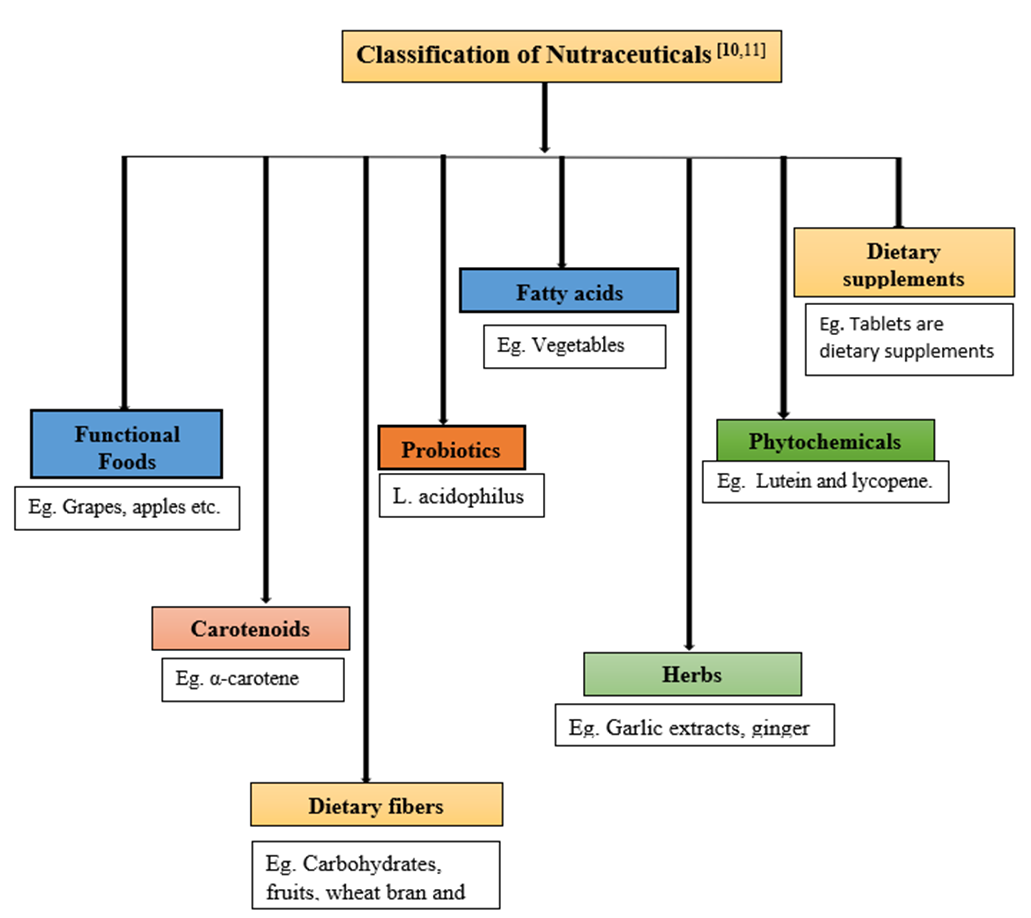
Diagram. 1. Classification of Nutraceuticals
Health Benefits of Nutraceuticals
Table No.01 Chemical constituent & uses nutraceuticals [12,13]
|
Name |
Source |
Health Benefits of Nutraceuticals |
|
Lycopene |
Guava, papaya, water melon, Tomatoes, pink colored grape fruit. |
They reduces cholesterol levels, antioxidants, protects against cancer |
|
β-Carotene |
Vegetables, Carrots.. fruits oats, |
Antioxidants, protection of cornea against UV light |
|
Lutein |
Spinach, corn, avocado, egg yolk |
Protect eyes against age related muscular degenerations, cataracts, anticancer activity(colon) |
|
Tocotrienol |
Palm oil, different grains |
Improves cardio vascular health, fight against cancer (breast cancer |
|
Saponins |
Beanslike chickpeas Soya beans, |
Very effective against colon cancer, reduces cholesterol level |
|
Polyphenolic Compounds Flavonones |
All citrus fruits |
Different types of anti-oxidant and anticancer activity |
|
Garlic |
- |
Cholesterol lowering,Cardiac diseases, Diabetic support |
|
Green Tea |
- |
Cancer prevention, Weight management ,Lowering cholesterol |
|
Ginseng |
- |
Immunomodulator |
|
Isoflavones |
Soyabeans, Legumes |
Helps with menopause symptoms & promotes bone health |
|
Capsaicin |
Chili peppers |
Improved metabolism, Cardiovascular health, & pain management |
|
Curcumin |
Turmeric root |
Has antioxidant and anti-inflammatory properties and may reduce the likelihood of developing chronic illness |
|
Plant Sterols |
Nuts, Seeds, Vegetable oils |
Lowers LDL Cholesterol levels |
Importance of Nutraceuticals in disease management.

Diagram. 2. Importance of Nutraceuticals in disease management [12,13]
How Nutraceuticals Work :
An illustration of how the method operates is the use of nutraceuticals.
Anti-cancer Effect
The potential of nutraceuticals to prevent chemotherapy has been investigated, and the results are promising. Their capacity to prevent and treat cancer was used as the basis for assessing the outcomes of their treatment. The nutraceuticals used were those of Plants with diverse origins have been demonstrated to have anti-cancer properties. Among them are gin- and garlic. Several mechanisms of action against are expressed by green tea extract, ginger, curcumin, and seng. tumor genesis. The suppression of DNA alkylation, tumor development, and other processes are examples of such mechanisms.the induction of autophagy and intrinsic proliferation and metastasis, in addition to proliferation apoptosis.[21]
Activity that reduces inflammation
Nutraceuticals have anti-inflammatory properties that aid in the prevention and treatment of inflammation. therapy for diseases linked to persistent inflammation.[22]
Inhibition of pro-inflammatory cytokines such as interleukins, TNF-α, and cyclooxygenase2 (COX-2) can happen when a powerful anti-inflammatory like curcumin is given.cumin. Curcumin, which has anti-inflammatory properties, may aid in the treatment of prevention and treatment of periodontitis . Curcumin has the potential to lessen inflammation in thepatients with persistent skin problems and enhance their overall health.lowering IL-8 and experiencing persistent pruritis brought on by the chemical sulfur mustard c-reactive protein with high sensitivity (hs-CRP) [23]
Activity of antioxidants
The buildup of free radicals in the body, which leads to oxidative stress, is the cause of it may eventually result in the onset of a number of chronic illnesses, including cancer, car-, and others. ischemic disease, atherosclerosis, diabetes mellitus, and cardiovascular and autoimmune illnesses and hypertension. Redox balance of the cell is typically maintained by reduction and oxidation processes. maintains the production and elimination of reactive oxygen species (ROS). Nevertheless, An imbalance in redox will cause an accumulation of reactive oxygen species and reduce antioxidant activity the capacity to counteract the effects of ROS, which then causes oxidative stress.[24][25]
Activity Against Lipids
Nutraceuticals like vitamins, minerals, and antioxidants are seen as beneficial in the treatment of hypercholesterolemia in a variety of disorders, including high blood pressure, diabetes and cardiovascular disease. Hypercholesterolemia is the name for it. describe the excessive amount of low-density lipoproteins in the blood. The impact of nutraceuticals on reducing lipid profiles in hypercholesterolemic individuals has been studied. Consequently, this chapter will focus on how nutraceuticals affect various diseases. linked to increased lipid levels. The use of nutraceuticals as hypolipidemic. In reducing total cholesterol (TC) and low-density lipoprotein (LDL) levels, agents have demonstrated significant promise. Nutraceuticals that reduce lipids may be divided into three categories: tein (LDL) concentrations.based on how they work. These mechanisms include blocking cholesterol production.absorption, prevention of cholesterol production, and LDL excretion.[26]
Role of nutraceutical agents in cardiovascular diseases:
Various nutraceuticals used in cardiovascular diseases like carnitine, N-acetylcysteine, creatine, glutathione, selenium, resveratrol, beta-sitosterol and flavonoids. Carnitine is an amino acid derivative that is found in all cells of the body, especially in striated muscles. Two analogs of carnitine, acetyl-L-carnitine and propionyl- L-carnitine, have been used clinically. It plays an important role in the transport of free fatty acids across the inner mitochondrial membranes for energy productio inn. It is a cofactor in carbohydrate metabolism and has noted to reduce the buildup of toxic metabolites in an ischemic condition. Although its approved indications are primary/ secondary carnitine deficiencies, it is widely used by patients with a variety of cardiovascular disorders. L-carnitine has reported to have beneficial effect on cardiac function and it has postulated to be cardio protective due to its antioxidant effects. [14]
Role of nutraceutical inflammation:
Anti-inflammatory activities and Nutraceuticals Quercetin, flavones/flavonols, kemperol, myricetin, fisetin were reported to possess LO and COX inhibitory effects. Cucurmin, which is a polyphenol in turmeric, has anti-cancer, antioxidant and anti-inflammatory properties. Linoleic acid is used to treat inflammatory problems and autoimmune diseases. [15]
Increasing use of nutraceuticals:
At specific time in the past, traditional Indian homemade food was not only healthy, but also kept incredible health benefits. Indian food played essential role on immunity, inflammation, brain function and people were healthy. Extensive range of nutraceuticals are targeted right from the birth in the form of formula milk, dietary supplements in reproductive and geriatric section of people, protein health drinks to increase muscle mass, improve overall body composition and to meet their protein needs. In India, multivitamins, multi- minerals, proteins, health drinks, herbs are the common dietary supplements sold in the form of tablets, liquids, powders, capsules, soft gels to improve one’s well-being. [16]
Major Nutraceutical Categories & Evidence
|
Category |
Evidence summary & strength |
|
Omega-3 polyunsaturated fatty acids (PUFAs) |
Multiple meta-analyses and large RCTs: modest but statistically significant reduction in cardiovascular mortality, non-fatal MI,CHD events with omega-3 supplementation.[22] |
|
Probiotics/Prebiotics |
Strongest evidence for certain GI conditions: prevention of antibiotic-associated diarrhea; acute infectious diarrhea; prevention of necrotizing enterocolitis in preterm infants; some evidence in IBS, hepatic encephalopathy etc.[23] |
|
Polyphenols/Plant Bioactive /Herbal Extracts |
Many in vitro, animal studies; some small human trials. For example, carotenoids like lutein/zeaxanthin in eye health, skin protection; curcumin trials in metabolic syndrome markers; EGCG in cardiovascular/ neuroprotection in preclinical work. |
|
Vitamins & Minerals |
Strong evidence for certain deficiency correction (e.g. vitamin D for bone health), folic acid for neural tube defects; some randomized trials suggest risk reduction for specific outcomes with certain vitamins in populations with low baseline levels. |
|
Functional foods/Dietary Fibers |
Strong epidemiological evidence associating high fibre /whole grain intake with reduced risk of CVD,T2DM and some cancers. |
Quality Assurance and Safety of Nutrients
Nutraceuticals are sold over-the-counter and consumed by consumers as supplements.
As a result, the primary priority is to ensure their safety, since any failure may have terrible consequences. The most frequent problems seen are contamination and adulteration (both unintentional and intentional) or false labeling. Three different detection methods can be used to prove adulteration. the presence of an undisclosed substance, and that a component is deviated from, were identified as the indicators of adoption. its typical level (content), and the low probability of a profile occurring.[27]
Examples of adulterations are listed in the sections below.
(a) Ibutramine hydrochloride monohydrate is a drug molecule that functions by preventing the reuptake of norepinephrine and serotonin. reducing serotonergic and noradrenergic reuptake and having anti-obesity effects. and is frequently used as an adulterant. A study involving 22 samples revealed that it was a popular addition. Out of the dietary supplements available in China, eleven were discovered to be contaminated with phe-.
nolphthalein, sibutramine, and N-mono-desmethylsibutramine. The other comparable In China, a study of 15 samples revealed that 4 of them included sibutramine. and N-di-desmethylsibutramin.[28]
(b)Fenfluramine is a further drug that was employed as an adulterant in traditional Chinese medicine.
found in several slimming formulations and medications. It resulted in primary pulmonary hyper-
valvular heart disease and hypertension. In 1997, this medication was taken off the market.[29]
© Certain weight management programs employ diuretics, stimulants, laxatives, and an orexigens.
It has been proven by agents that these items include adulterants like ephedrine. Caffeine, furosemide, and norephedrine.[30]
(d)The use of morphological substitutes is yet another prevalent instance of adulteration, which might
Causes major health problems. Consider, for instance, the “Asian” Panax ginseng (Araliaceae).
It is utilized as traditional medicine under the name “Korean ginseng” or “Korean ginseng”. According to studies, it has been tampered with.
With roots in Eleutherococcus senticosusmaxim and Panax quinquefolius L. (American ginseng).
(Siberian ginseng), which has the potential to harm one’s health.[31]
Regulatory Frameworks
Regulatory Frameworks-
America
The Dietary Supplement Health and Education Act (DSHEA) of 1994: This legislation establishes guidelines for the production, labeling, and promotion of dietary supplements.
Current Good Manufacturing Practices (cGMPs): These practices, which are enforced by the FDA, guarantee that supplements are made uniformly and adhere to quality standards.
Labeling and Health Claims: To avoid false information, the FDA oversees health claims made on labels, mandating proof and clearance.
European Union
European Food Safety Authority (EFSA): The EFSA offers scientific advice on food safety and assesses health claims.
Regulation (EC) No. 1924/2006: This regulation regulates nutrition and health claims made about foods, making sure they are clear and supported by evidence.
India Under the Ministry of Health and Family Welfare, the Food Safety and Standards Authority of India (FSSAI) oversees the production, storage, distribution, sale, and importation of food products, including nutraceuticals.
2016 FSS (Health Supplements, Nutraceuticals, Food for Special Dietary Use, Food for Special Medical Purpose, and Functional Foods) Regulations: These regulations outline the rules for the India's nutraceutical safety and quality.[27]
Difficulties in Formulation
The term "drug interactions" refers to the scenario in which the activity of one active ingredient is affected by the presence of another. The existence of other components may have an impact on a component. It may be a food-drug interaction. or a drug-drug interaction. The pharmacological effect may lessen, lessen, or cause the issue. negative consequences.[32][33]
(a) Garlic (alicin) has a hypotensive and hypocholesterolemic effect.
has anti-inflammatory properties and combats bacteria and fungus.characteristics. It can potentially cause bleeding when given in conjunction with anticoagulants like warfarin.can result in more bleeding. It is possible to treat hypoglycemia using medications like insulin or glipizide, but this might cause excessive bleeding. may result in hypoglycemia. with protease inhibitors (such as indinavir or saquinavir),
Garlic lowers their blood levels and potency.[34]
(b)The leaf extract of Gingko biloba is effective in the treatment of Alzheimer’s disease and Other forms of dementia, Raynaud’s syndrome, peripheral vascular disease, vertigo And dizziness, premenstrual syndrome (PMS) and improving color vision in people With diabetes. Ginkgo, when administered with anticoagulants/with NSAIDs, it may Increase the risk of bleeding. When administered with anticonvulsants, it may reduce. The effectiveness in preventing seizures.[35]
©Kava root (kava-lactones) medicine, native to South Pacific, is used to calm anxiety,stress and to treat insomnia. It is also used in the treatment of attention deficit hyperactivity disorder (ADHD), depression, migraines and other headaches, chronic fatigue syndrome (CFS), epilepsy, psychosis, common cold and other respiratory tract infections, muscle pain, tuberculosis and cancer prevention. Kava is applied to the skin for some skin disorders such asleprosy, to promote wound healing. It is also used in urinary tract infections (UTIs), pain and swelling of the uterus, menstrual discomfort and hot flushes in women with menopause. It is also used as pain reliever In toothaches. When co-administered with barbiturates and benzodiazepines, it may Prolong or intensify their effects.[36][37]
(d)Chamomile (tea extract) is used as tea or dietary supplement to treat stomach cramps, to
Treats chest cold symptoms. Additionally, it is used to treat abscesses, sluggishly healing wounds, and other ailments.
Skin disorders like eczema, chickenpox, and diaper rash, as well as gum inflammation it increases the likelihood of bleeding when taken along with anticoagulants. Iron tea extract also inhibits absorption. Some people are allergic to pollen cases. The use of chamomile should be restricted if one is allergic to ragweed pollen.[38][39]
Future Research Directions and Recommendations
CONCLUSION:
Nutraceuticals are the food sources like fruits, vegetables, herbs, dietary supplements, and dairy products which get additional health benefits. Nutraceuticals found in many fruits and vegetables are responsible for health benefits. Due to these health benefits of nutraceuticals, they cure or reduce the risk factors such as high cholesterol, high blood pressure and diabetes. Nutraceuticals offers energy and nutrient supplements to body, which are required for maintaining optimal health. Nutraceuticals promote health through antioxidant, anti-inflammatory, and immune-modulating effects, supported by evidence for supplements and functional foods. Ensuring safety, strict quality control, and harmonized regulations is essential, while future research should focus on clinical validation, standardization, and innovative delivery systems.
REFERENCES


Snehal Mate*, Vikram Saruk, Ramdas Darade, Sakshi Kadam, Shivani Sangale, Dikshita Valvi, A Review on Potential Health Importance of Nutraceuticals, Int. J. of Pharm. Sci., 2025, Vol 3, Issue 10, 2978-2988 https://doi.org/10.5281/zenodo.17462080
 10.5281/zenodo.17462080
