
Dr Vithalrao Vikhe Patil Foundation’s College of Pharmacy, Vilad Ghat, Ahilyanagar- 41411
Our skin suffers from UV damage, leading to wrinkles and other signs of photoaging. Face serums are potent formulas packed with active ingredients that absorb quickly, providing deep nourishment to the skin. This study aimed to harness the benefits of herbal extracts to create a serum that rejuvenates, hydrates, and evens out skin tone, reducing wrinkles and promoting overall skin health. Herbal extracts are rich in antioxidants and nutrients, offering numerous benefits for the skin, including: Rejuvenation and hydration, improved skin tone and reduced wrinkles, Anti-inflammatory and antioxidant properties, Sebum control, beneficial for acne-prone skin. By incorporating herbal extracts and seeds into a serum, this product can provide: Deep hydration and nourishment, reduced inflammation and fine lines, improved skin health and appearance. Overall, herbal serums offer a natural and effective solution for achieving healthier, more radiant skin
The skin is a vital protective barrier that shields the body’s internal organs from external factors. It’s composed of three main layers:
The skin plays a crucial role in Maintaining overall health and function. Skin aging is a complex process influenced by both intrinsic (internal) and extrinsic (external) factors, leading to Gradual deterioration of skin structure and function. Intrinsic skin aging is characterized by: Smooth pale, and dry skin Reduced elasticity, Fine Wrinkles, Typically noticeable in older age (Patil ARet al., 2023).
Antioxidants play a crucial role in Combating skin aging by neutralizing free radicals that damage skin cells. They’re naturally occurring Compounds that help, Prevent oxidative stress, Reduce signs of aging (fine lines, wrinkles), Improve UV-damaged skin. Plant-based Antioxidants like flavonoids are commonly used in Topical preparations due to their potent antioxidant Properties. Serum formulations are particularly effective due to their high concentration of active Ingredients. Some benefits of antioxidants in Skincare include: Protecting skin from Environmental stressors, Enhancing skin elasticity, reducing inflammation
The synthesis of anti-aging serum from Plant extract has been studied in the past. Thus This Review offers an update on skin. Anatomy, a brief Synopsis of skin aging that covers both intrinsic and extrinsic aging, and a list of various anti-aging Herbs. It also explores an overview of serum, Different kinds of serums used in skincare routines to prevent ageing, and essential components found in antiaging face serum. (Felix Bravo et al., 2022)
ANATOMY OF SKIN:
STRUCTURE OF SKIN:
The epidermis, the outermost skin layer, has varying thickness: 0.5 mm (eyelid), 1.5 mm (palms and soles) It’s primarily composed of: Melanocytes (produce melanin), Keratinocytes (produce keratin). These cells form a stratified squamous epithelial layer, providing a protective barrier against external factors... (Kaur L et al., 2021)
The dermis is a crucial layer of skin, Comprising: Elastic and fibrous tissue, Located Between epidermis and subcutaneous Tissue composed of Ground substance, Fibers (collagen, elastin ,Cells (fibroblasts). Fibroblasts Produce collagen and elastin, essential for skin elasticity and strength. Collagen makes Up to 30% of dermal volume, 75% of dry weight. The dermis plays a vital role in skin structure and function. (Lee YL et al., 2021)
The hypodermis, also known as the subcutaneous layer, is the innermost layer of skin. Its key functions include: Providing insulation and protection, serving as an energy reserve (through adipocytes). Allowing skin mobility by gliding over underlying structures. The hypodermis is primarily composed of Adipocytes (fat cells); Fibrous connective tissue Lobules of adipocyte .This layer plays a vital role in maintaining skin health and overall bodily function.
OVERVIEW ON SKIN AGING
Aging skin is characterized by various Signs, including: Wrinkles, Uneven pigmentation, Darkening, Thinning, Sagging, and Roughening. These Changes can be attributed to either intrinsic (internal) or extrinsic (external) factors. Theories suggest that DNA damage and repair processes Contribute to aging, leading to: Epigenetic changes, Cell senescence, Loss of cell function, Genomic Abnormalities. Extrinsic aging is driven by Environmental factors like: UV radiation, Pollution, Reactive oxygen species production. Intrinsic Aging is linked to: Programmed aging, Cellular Senescence, Endogenous oxidative stress, Cellular Damage. (Thorat P Set al., 2023)
INTRINSIC SKIN AGING
It is a chronologically-driven Physiological transformation process. Essentially, intrinsic skin aging is a condition that only appears in old age and is symbolized by smooth, Unblemished, pale, and dry, less elastic skin that has fine Wrinkles. Intrinsic aging is characterized by a Decline in dermal fibroblast count, which lowers the synthesis of collagen and elastin, especially Types I and III collagen, and results in skin Thinning, wrinkles, and loss of elasticity. Skin Aging is partly caused by increased expression of Matrix metalloproteinase (MMPs), which break down collagen and elastin in the dermal skin layer. Antioxidants such as resveratrol and isoorientin can reduce its expression both intrinsic and extrinsic Variables can contribute to skin aging. (Kolarsick PS et al., 2011)
EXTRINSIC SKIN AGING
Low-grade chronic UVR exposure is Responsible for over 80% of the aging process of Facial skin, while exposure can also result in Sunburn, tanning, inflammation, and damage to Dermal connective tissue. Extrinsically aged skin, Primarily from UVR rays, has sallow complexion with uneven pigmentation, rough texture, coarse Wrinkles, and decreased skin elasticity. (Farahe MA Et al., 2007)
Accelerated skin aging can be caused independently by long-term exposure to UV Radiation and cigarette smoking. ROS produced by UV exposure lead to harmful oxidative stress. Because 02 can take electrons, it produces extremely reactive chemical compounds known as ROS. Reactive oxygen species (ROS) are produced when the skin is exposed to photoaging stimuli. These ROS subsequently stimulate dermal enzymes Such as collagenase and elastase. These enzymes Speed up premature skin aging by breaking down Elastin and collagen, respectively. Signs of this Process include deep furrows or severe atrophy, Wrinkles, freckles, sallowness, laxity, and a leathery Appearance. (Poljsak B et al., 2012)
FUNCTION OF SKIN
FACE SERUM
Their lightweight nature and concentrated formulation indeed make them effective for addressing skin concerns at a deeper level. Face serums are formulated to deliver a high concentration of active ingredients without unnecessary additives. Their thinner consistency and absence of heavy oils enhance absorption and penetration, making them effective for nourishing and layering on the skin. The focus on essential ingredients without emulsifier optimal FIG: 5 Face Serum optimal deliveries of active agents, such as vitamins or botanical extracts. (McCall-perez F et al., 2022)
ADVANTAGES OF HERBAL FACE SERUM
DISADVANTAGES OF HERBAL FACE SERUM
DIFFERENT TYPES OF SERUM
|
Serum Type |
Description |
Image |
|
ANTI AGING SERUMS |
These components, such as Aloe vera, and various herbs, aim to address different aspects of skin aging and promote a more youthful Appearance |
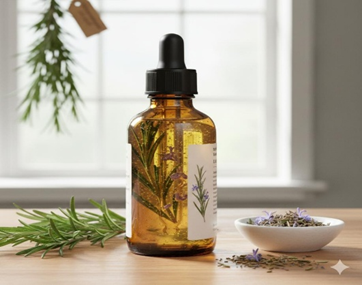
|
|
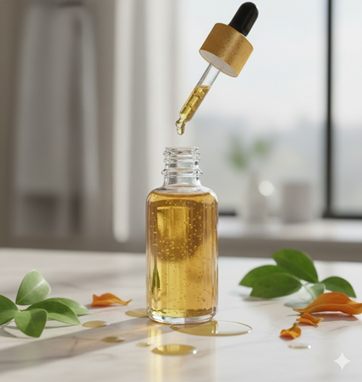
The oil serum
|
Oil serums often used in skincare routines to provide Hydration and Nourishment to the skin. They contain various oils, such as olive oil, coconut oil, which can Help moisturize and improve the skin texture. When incorporating an oil serum into your routine, apply a few drops after cleansing and before moisturizing for added hydration and a healthy glow.
|
|
|
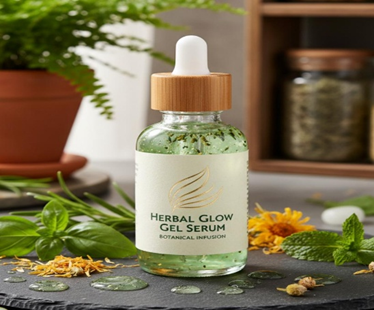
The gel serum |
Gel Serums are lightweight skincare products that often combine the benefits of a gel and a serum. They’re designed to provide hydration, target specific skin concerns, and absorb Quickly without a heavy feel. Popular ingredients include Hyaluronic acid for. Moisture and various antioxidants for Skin nourishment. |
|
|
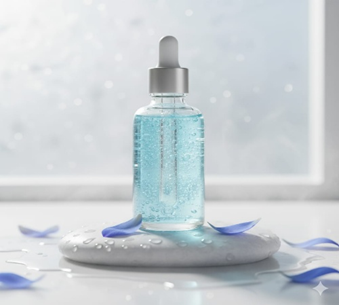
The water based serums |
Skincare product formulated with water as its main Ingredient. It’s lightweight and suitable for various skin types, providing hydration Without a heavy feel. Look for serums containing hyaluronic acid or glycerine for effective moisturization
|
|
|
The emulsion serums |
Emulsion Serums typically combine water and oil components to provide Hydration and nourishment to the skin. They’re versatile for various skin types, offering a lightweight feel With moisturizing benefits. |
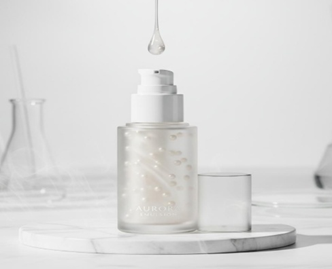
|
INGREDIENTS:
1. Rosemary (Rosmarinus officinalis):
1. Nomenclatural and Ethnobotanical Significance
Scientific Name: Rosmarinus officinalis L. (syn. Salvia rosmarinus Spenn.)
Traditional Use: Historically known as the "Herb of Remembrance". Used extensively in traditional Mediterranean medicine for boosting cognitive function, improving circulation, and treating inflammatory conditions. Its use in ancient Roman and Egyptian cosmetics suggests an early recognition of its dermatological benefits.
2. Key Bioactive Constituents
Rosemary's powerful anti-aging properties are concentrated in its non-volatile phenolic compounds and volatile essential oils, with the phenolic diterpenes being particularly relevant.
3. Multifaceted Anti-Aging Mechanisms
Rosemary targets key cellular pathways involved in aging, particularly oxidative stress, chronic inflammation, and glycation.
A. Powerful Antioxidant and Photo-Protective Effects
Direct ROS Quenching: Carnosic acid and Rosmarinic acid directly scavenge Reactive Oxygen Species (ROS) generated by UV radiation (photoaging) and metabolic processes.
Protection of Lipids: Carnosol and Carnosic acid are highly effective at inhibiting lipid peroxidation, protecting cell membranes from oxidative damage.
Nrf2 Pathway Activation: Rosemary extracts, particularly carnosol and carnosic acid, are known to activate the Nrf2 pathway, a master regulator of the cellular antioxidant defense system. These upregulates endogenous antioxidant enzymes (like Superoxide Dismutase (SOD) and Catalase) for sustained protection. UV Protection: Topical and oral administration of rosemary extracts (often combined with other polyphenols) shows potential in reducing UV-induced erythema (skin redness) and protecting against DNA damage.
B. Anti-Inflammaging Activity
Cytokine Suppression: Rosemary compounds inhibit the activation of pro-inflammatory signaling pathways, leading to the reduction of inflammatory mediators (IL-1\beta, IL-6, and TNF-\alpha). This is crucial for mitigating "inflammaging," the low-grade chronic inflammation that drives age-related degeneration. NF-κB Inhibition: The inhibition of the NF-\kappa B pathway is a key mechanism for suppressing the transcription of genes responsible for inflammatory responses.
C. Anti-Glycation (Anti-A.G.E.) Activity
Inhibition of AGE Formation: Rosmarinic acid and Carnosic acid have been shown in vitro to inhibit the formation of Advanced Glycation End-products (AGEs). Glycation is a major factor in skin aging, as it causes collagen fibers to cross-link, leading to loss of elasticity, stiffness, and wrinkle formation.
Deglycation Potential: Some studies suggest that RA and CA may even have the ability to reverse AGE crosslinks, which is a highly valuable, though still debated, anti-aging property.
4. Systemic Anti-Aging and Longevity Benefits
Neuroprotection and Cognitive Enhancement: Rosemary extracts and essential oil compounds (like 1, 8-cineole) have been linked to preventing the breakdown of acetylcholine, a neurotransmitter vital for memory and concentration. This supports its traditional use and addresses cognitive decline, a major aspect of aging.
Hair Health: Used traditionally and in modern formulations to stimulate microcirculation in the scalp, potentially promoting hair growth and reducing alopecia.
5. Clinical Evidence and Applications
Oral Supplementation: Human clinical trials, often using standardized extracts containing rosemary and other polyphenols (e.g., grapefruit extract), have demonstrated:
Topical Formulation: Rosemary extracts are highly valued in cosmetics for their natural preservative qualities (due to antimicrobial and antioxidant actions) and their direct anti-aging effects when formulated into creams, serums, and gels.
Next Step: I can search for more recent clinical studies specifically focusing on the topical application of rosemary compounds for skin anti-aging to strengthen the clinical evidence section of your review.
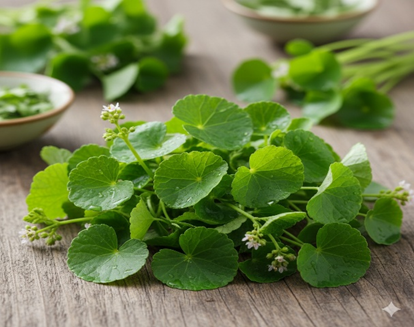
2. Gotu Kola (Centella asiatica):
1. Nomenclatural and Ethnobotanical Context
Scientific Name: Centella asiatica (L.) Urban
Common Names: Gotu Kola, Indian Pennywort, Tiger Grass (due to wounded tigers rolling in the plant), Cica.
Traditional Use: Considered the "herb of longevity" in Ayurvedic, traditional Chinese (TCM), and Indonesian medicine. Historically used for wound healing, improving memory, treating skin conditions (eczema, psoriasis, leprosy), and promoting overall vitality.
2. Key Bioactive Constituents
The primary anti-aging and dermatological activity of Gotu Kola is attributed to a group of pentacyclic triterpenoid saponins (collectively known as centelloids or triterpenoids).
3. Multifaceted Anti-Aging Mechanisms (In Vitro and In Vivo)
Gotu Kola's anti-aging profile is highly desirable because it targets multiple pathways involved in skin aging (photoaging, chronological aging) and general longevity.
A. Dermal Regeneration and Anti-Wrinkle Effects
Collagen Synthesis Promotion: The triterpenoids (especially asiaticoside and madecassoside) significantly stimulate fibroblast proliferation and increase the synthesis of Type I and Type III collagen and fibronectin. This action helps restore the dermal matrix, leading to improved skin firmness, elasticity, and a reduction in fine lines and wrinkles.
Anti-Fibrosis/Scar Modulation: Asiatic and madecassic acids inhibit the inflammatory phase of wound healing and modulate collagen deposition, effectively preventing the formation of hypertrophic scars and keloids, and reducing the appearance of stretch marks (striae distensae).
B. Anti-Oxidant and Photo-Protective Activity
Free Radical Scavenging: The herb's rich content of triterpenoids, flavonoids, and polyphenols provides significant antioxidant activity, helping to neutralize Reactive Oxygen Species (ROS) generated by UV exposure and pollution.
MMP Inhibition: Gotu Kola extracts, particularly Asiatic acid, have been shown to inhibit the expression of Matrix Metalloproteinases (MMPs) (e.g., MMP-1, MMP-9), which are enzymes that degrade collagen and elastin in the skin following UV damage (photoaging).
C. Anti-Inflammatory and Barrier Repair
Cytokine Modulation: Active compounds can downregulate pro-inflammatory mediators (like IL-1\beta, IL-6, TNF-\alpha), thereby mitigating chronic, low-grade inflammation (often called inflammaging) that accelerates aging.
Hydration and Barrier Function: Studies suggest topical application can improve skin hydration and reduce Transepidermal Water Loss (TEWL), supporting the skin's barrier function against external stressors.
4. Systemic Anti-Aging/Longevity Properties
While often reviewed for skin, its systemic effects contribute to its "longevity herb" status.
Microcirculation Enhancement: It is clinically used to improve venous insufficiency and reduce fluid retention (edema), particularly in the legs. Improved blood flow (microcirculation) is critical for delivering oxygen and nutrients to tissues, including the skin and brain.
Cognitive Enhancement (Neuroprotection): Gotu Kola is suggested to boost cognitive function, memory, and nerve health. The neuroprotective effects are often linked to its antioxidant and anti-inflammatory action on the central nervous system.
5. Clinical Evidence and Applications
Wound Healing and Scar Reduction: Numerous studies (both preclinical and clinical) support its efficacy in accelerating wound healing, epithelization, and increasing the tensile strength of newly formed skin. The standardized extract TECA (Titrated Extract of Centella asiatica) is often used in research.
Stretch Marks: Topical preparations containing Gotu Kola extract have shown effectiveness in preventing and reducing the severity of stretch marks during pregnancy.
Skin Hydration and Elasticity: Clinical studies, though sometimes small, report improvements in overall skin parameters, including hydration, elasticity, and wrinkle appearance, following topical application.
6. Safety and Formulation Considerations
Safety Profile: Gotu Kola extract is generally regarded as possibly safe for both oral consumption (for up to 12 months) and topical application (for up to 10 weeks).
Side Effects: Rarely, it may cause mild stomach discomfort or skin irritation (itchiness/redness) upon topical use.
Formulation: The high hydrophobicity of triterpenic acids presents a challenge for skin penetration, making the formulation (e.g., liposomal delivery, oil-based carriers) a critical factor in topical product efficacy.
3. Bakuchiol: The Natural Retinol Alternative:
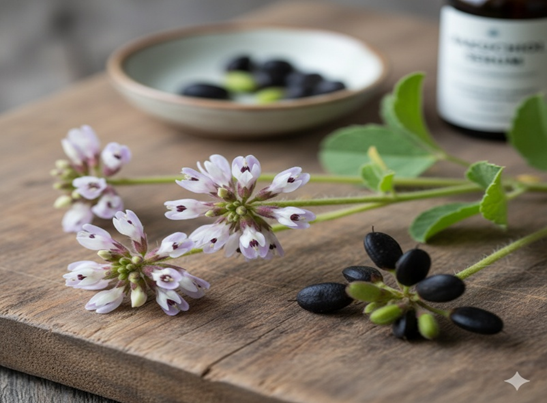
This detailed information provides a robust framework for a review article on Bakuchiol, a naturally derived compound that has gained significant attention as a functional analogue of Retinol (Vitamin A derivative) in anti-aging skincare.
I. Introduction: Sourcing and Position in Cosmeceuticals
Source: Bakuchiol is a meroterpene phenol predominantly isolated from the seeds and leaves of the Indian plant Psoralea corylifolia (known as Babchi in Ayurvedic and traditional Chinese medicine).
Chemical Structure: Bakuchiol has a distinct chemical structure from retinoids, featuring a phenolic ring. Despite the lack of structural resemblance, it exhibits striking functional similarities to Retinol.
Current Positioning: It is widely marketed as a plant-based, gentler alternative to Retinol, suitable for sensitive skin types, pregnant women (though always consult a physician), and for daytime use due to its non-photosensitizing nature.
II. Core Mechanism of Action: Retinol-Like Functional Analogue
Bakuchiol anti-aging efficacy stems from its ability to regulate similar cellular pathways to retinoids, primarily through gene expression modulation:
A. Collagen and Extracellular Matrix (ECM) Synthesis
Mechanism: Studies using gene expression profiling (e.g., DNA microarray) have shown that Bakuchiol modulates gene expression in a manner highly similar to Retinol. It specifically upregulates key enzymes involved in the formation of the Extracellular Matrix (ECM).
Result: Stimulates the production of Collagen Types I, III, and IV in human dermal fibroblasts. Increased collagen leads to improved skin firmness, structure, and reduced appearance of fine lines and deep wrinkles.
B. Modulation of Retinoic Acid Receptor (RAR) Pathways
Mechanism: While Bakuchiol does not bind directly to Retinoic Acid Receptors (RARs) in the same way as Retinol/Retinoic Acid, research suggests it can modulate the gene expression profiles influenced by the RAR pathway.
Result: This functional similarity allows Bakuchiol to deliver many of the same epidermal benefits as retinoids, such as promoting cell turnover and supporting keratinocyte differentiation.
C. Inhibition of Aging Enzymes
Mechanism: Bakuchiol has been shown to potentially inhibit Matrix Metalloproteinase (MMPs), particularly collagenases and elastases, which are destructive enzymes responsible for the degradation of collagen and elastin fibers in aged or UV-damaged skin.
Result: This enzyme inhibition helps preserve the skin’s structural integrity, aiding in the maintenance of elasticity and firmness.
III. Proven Anti-Aging and Dermatological Benefits
Clinical studies, including randomized controlled trials (RCTs), have validated Bakuchiol effects:
Wrinkle and Fine Line Reduction RCTs comparing 0.5\% Bakuchiol cream (twice daily) to 0.5\% Retinol cream (once daily) showed significant and comparable improvements in wrinkle surface area over 12 weeks. |
IV. Tolerability and Comparison with Retinol
The primary advantage of Bakuchiol is its efficacy coupled with its superior tolerability profile:
Comparable Efficacy: Clinical studies show that 0.5\% Bakuchiol (twice daily) is equally effective as 0.5\% Retinol (once daily) in improving fine lines, wrinkles, and hyperpigmentation.
Reduced Side Effects: Bakuchiol users reported significantly less facial skin scaling, stinging, itching, and burning compared to the Retinol group. This makes it ideal for sensitive skin, rosacea, and eczema-prone individuals.
Non-Photosensitizing: Unlike Retinol, Bakuchiol does not increase the skin’s sensitivity to UV radiation, allowing for safe use during the day (though sunscreen remains essential).
Pregnancy/Breastfeeding: While clinical data is still limited, due to its distinct non-retinoid structure, it is often recommended as a potentially safe alternative during pregnancy and breastfeeding, whereas Retinol and other retinoids are typically contraindicated.
V. Conclusion
Bakuchiol represents a major advancement in botanical anti-aging therapy. It is a scientifically validated, functional analog of Retinol that successfully targets multiple signs of photoaging—including wrinkles, hyperpigmentation, and loss of firmness—by modulating key cellular pathways (like collagen synthesis) without the common side effects of irritation, photosensitivity, and instability associated with traditional retinoids. This makes Bakuchiol a promising, well-tolerated, and highly effective ingredient for a broad range of consumers seeking potent anti-aging benefits.
4. Hibiscus (The "Botox Plant"): A Natural Agent for Anti-Aging Skincare
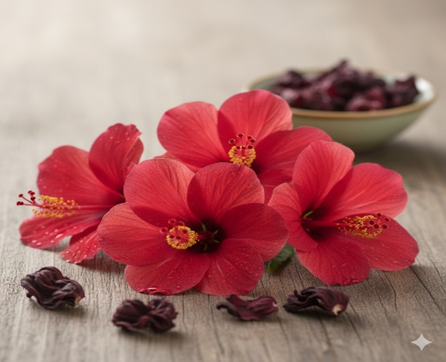
This detailed information can form the basis of a review article focused on the anti-aging and dermatological benefits of Hibiscus species, primarily Hibiscus sabdariffa (Roselle) and Hibiscus rosa-sinensis.
?I. Introduction: The Botanical Anti-Aging Powerhouse
III. Core Anti-Aging Mechanisms of Action
?Hibiscus addresses the signs of aging through a unique combination of enzyme inhibition, cellular protection, and hydration:
?A. Protection of Structural Proteins (Elastase Inhibition)
?B. Antioxidant Defense and Collagen Protection
?C. Gentle Exfoliation and Cell Turnover (AHA-like Effect)
?D. Hydration and Moisture Retention
?E. Anti-Inflammatory and Soothing Effects
?IV. Clinical Applications and Formulation
?V. Conclusion and Future Perspectives
?Hibiscus offers a comprehensive, multi-targeted approach to anti-aging skincare. Its dual action of protecting structural proteins (elastin via elastase inhibition) and neutralizing oxidative stress (via anthocyanins), combined with its gentle exfoliating and hydrating properties, positions it as a highly promising natural ingredient.
5. Rose Water (Rosa damascena Distillate):
?This detailed structure and content can be used to construct a high-quality review article on the topical use of rose water, primarily derived from Rosa damascena (Damask Rose), for its therapeutic and anti-aging skin benefits.
?I. Introduction: Historical Significance and Modern Revival
?II. Phytochemical Profile and Bioactive Components
?The therapeutic properties of rose water are attributed to the residual hydrophilic compounds from the distillation process.
Major Classes of Compounds:
?III. Mechanisms of Action (Dermatological Efficacy)
?The benefits of rose water on the skin are multifaceted, stemming from its rich chemical profile:
?A. Antioxidant Activity and Photoaging Prevention
?B. Anti-inflammatory and Soothing Effects
?C. Astringent, Toning, and pH balancing
?D. Hydration and Moisturization
?E. Anti-Microbial and Wound Healing
?IV. Clinical and Application Studies
?V. Conclusion and Future Directions
6. Glycerin (Glycerol):
?This detailed information provides a comprehensive framework for a review article on Glycerin (chemically known as Glycerol, focusing on its critical roles in skin health, anti-aging, and formulation science.
Identity: Glycerol is a simple polyol compound—a non-volatile, trihydroxy alcohol (containing three hydroxyl). This structure is the basis for its high water solubility and hygroscopic nature.
Origin and Production:
II. Mechanism of Action: The Humectant and Beyond
?Glycerines efficacy extends far past simple hydration, influencing multiple layers of the epidermis:
?A. Superior Humectancy and Hydration
B. Skin Barrier Support (TEWL Reduction)
C. Role in Cell Maturation and Repair
D. Anti-Irritant/Protective Effect
?III. Safety and Formulation Considerations
Conclusion
?Glycerin is an indispensable ingredient in modern dermatology and cosmetology. Its multifaceted action—as the most effective humectant, a key barrier-repair agent, and a regulator of epidermal function—justifies its classification as a foundational ingredient for maintaining skin health, resilience, and combating the primary signs of aging.
7. Sandalwood Oil as an Anti-Aging Compound:
1. Introduction to Sandalwood Oil (SAO)
Source and Composition: SAO is an essential oil distilled from the heartwood of the Santalum album tree.
Key Active Constituents: The primary compounds are sesquiterpenoid alcohols, notably alpha-santalol (typically 40-55%) and beta-santalol (typically 15-25%). These santalols are responsible for the oil's distinctive fragrance and most of its pharmacological activities.
Traditional Use: Historically used in Ayurveda and Traditional Chinese Medicine for its anti-inflammatory, antimicrobial, and skin-conditioning properties, often applied topically to soothe and brighten the skin.
2. Mechanisms of Anti-Aging Action
The anti-aging potential of SAO is primarily attributed to its synergistic protective and restorative effects, mediated largely by its high content of santalols.
2.1. Potent Antioxidant Activity (Protection against Extrinsic Aging)
Free Radical Scavenging: SAO, particularly alpha-santalol, has demonstrated significant capacity to scavenge Reactive Oxygen Species (ROS).
Mechanism: Studies (in vitro and ex vivo) show SAO is a potent antioxidant, often superior to or comparable to known lipophilic antioxidants like Vitamin E (alpha-tocopherol).
Protection from Environmental Stressors (Exposome):
Blue Light & UV Exposure: Research indicates SAO protects keratinocytes and skin explants against oxidative stress induced by blue light and UV exposure, key contributors to photoaging.
Particulate Matter (Urban Dust): Clinical trials suggest that topical application of SAO (e.g., at 1% to 10% concentration) protects the skin from oxidative damage caused by urban dust/particulate matter.
2.2. Anti-Inflammatory Effects (Mitigating "Inflammaging")
Inhibition of Pro-inflammatory Pathways: Sandalwood oil mediates its anti-inflammatory effects by suppressing the production of various pro-inflammatory cytokines and chemokines in skin cells (dermal fibroblasts and keratinocytes) following stress or irritation.
PDE Inhibition: SAO's anti-inflammatory action may be partly mediated through the suppression of Phosphodiesterase (PDE) activity, which facilitates the cAMP-regulated inhibition of NF-κB, a key regulator of inflammation.
Soothes Chronic Redness and Irritation: By reducing chronic, low-grade inflammation, SAO helps mitigate the cumulative damage that contributes to "inflammaging" (inflammation-driven aging).
2.3. Collagen Protection and Anti-Wrinkle Effect
Matrix Metalloproteinase-1 (MMP-1) Inhibition: A crucial anti-aging mechanism is the inhibition of Matrix Metalloproteinase-1 (MMP-1), an enzyme responsible for breaking down collagen in the skin.
Finding: In human skin explants, SAO was shown to significantly decrease pollutant-induced levels of MMP-1, suggesting a collagen-protective effect that helps reduce the appearance of wrinkles and maintains skin structure.
2.4. Skin Brightening and Pigmentation Regulation
Tyrosinase Inhibition: Alpha-santalol has been identified as an inhibitor of tyrosinase, the key enzyme in the biosynthetic pathway of melanin (skin pigment).
Benefit: This suggests that SAO may help inhibit abnormal pigmentation associated with aging and UV exposure, leading to a more even and brighter skin tone, addressing one of the common signs of photoaging (e.g., hyperpigmentation/dark spots).
2.5. Keratinocyte Proliferation and Wound Healing
Activation of Olfactory Receptors (OR2AT4): Human keratinocytes express an olfactory receptor, OR2AT4, which has been shown to bind to sandalwood odorants.
Effect: Activation of this receptor promotes the proliferation (growth) of keratinocytes, suggesting a potential benefit in skin regeneration, healing of micro-damage, and maintenance of the epidermal barrier, which is often compromised in aged skin.
3. Clinical and Ex Vivo Evidence
| Study Type | Focus/Endpoint | Key Findings |
| In Vivo (Clinical Trial) | Protection against oxidative stress from Urban Dust and Blue Light exposure. | Topical SAO (0.1% to 10%) demonstrated a protective effect against oxidative damage (measured by SQOOH levels), with efficacy comparable to Vitamin E. (First clinical trial to demonstrate this protective effect). |
| In Vitro / Ex Vivo | Antioxidant Capacity vs. Environmental Stressors (Blue Light, Cigarette Smoke). | SAO exhibited superior antioxidant activity compared to alpha-tocopherol (Vitamin E) in scavenging ROS in HaCaT cells. |
| Ex Vivo (Human Skin Explants) | Collagen Protection (MMP-1 inhibition). | SAO significantly inhibited the increase in Matrix Metalloproteinase-1 (MMP-1) levels induced by pollutants, confirming an anti-aging, collagen-preserving effect. |
4. Conclusion for Review Article
Sandalwood Oil exhibits a multifaceted profile as an anti-aging compound, moving beyond its traditional role as an emollient and anti-inflammatory agent. Its primary anti-aging benefits stem from:
Potent Anti-Inflammatory and Antioxidant Activity: Providing a strong shield against extrinsic stressors (UV, blue light, pollution) that accelerate photoaging.
Structural Protection: Inhibiting key enzymes like MMP-1, thereby protecting the collagen matrix and potentially reducing the formation of wrinkles.
Restorative Action: Promoting keratinocyte proliferation and addressing hyperpigmentation.
GENERAL METHOD OF PREPARATION:
Step 1-Prepare the Ingredients
Step 2-Mix the Liquid Ingredients
Step 3- Add the Glycerine
Step 4-Add the Oil
Step 5-Add the Preservatives
Step 6-Filter the Serum
Step 7-Fill and Store
SYNTHETIC PREPARATIONOF HERBAL FACE SERUM:
EVALUATION OF HERBAL FACE SERUM
EVALUATION OF HERBAL FACE SERUM
1. PHYSICAL ASSESSMENT: The water-based Serum exhibited a brownish yellow and
Homogeneous, with its ingredients uniformly Dispersed throughout.
CONCLUSION:
The aim of the study was to develop a serum that could nourish and safeguard the skin from ageing. The serum comprised ficus Carica oil, green tea extract, and flaxseeds, known for their anti-inflammatory, anti-aging, and skin-healing properties, including treating burns caused by heat and sun exposure.(Patil J.K et al.,2019) .Flaxseeds, rich in vitamins and minerals, provides moisturization and anti-aging benefits, maintaining youthful, healthy skin. Green tea extract, containing catechin and flavonoids, contributes to skin radiance and youthfulness. The water-based serum was easy to apply and rinse off, leaving no oily residue. Being herbal-based, the serum exhibited no adverse effects on the skin. It maintained an optimal pH and facilitated cell regeneration, aiding in skin repair. Consequently, this serum holds promise for addressing various skin concerns
REFERENCES




Kanchan Naikwade, Varsha Najan, Bhagyashri Nimbhore, Satvik Bidwe, A Review on Herbal Anti-Aging Face Serum, Int. J. of Pharm. Sci., 2026, Vol 4, Issue 1, 114-133. https://doi.org/10.5281/zenodo.18130906
 10.5281/zenodo.18130906
