
Indore Institute of Pharmacy, Rau-Indore, Madhya Pradesh, India
NDDS technologies are transforming the therapeutic application of potent antioxidant N-acetylcysteine (NAC), a potent anti-inflammatory agent. These technologies improve NAC's pharmacokinetic profiles, focusing on selective activity areas and enabling sustained release. They include liposomes, hydrogels, microspheres, nanoparticles, and nanostructured carriers, aiming to increase bioavailability, protect NAC from degradation, and deliver controlled release for maximum therapeutic benefits and minimal side effects. The therapeutic potential of nanoparticles (NAC) in neurological diseases is being explored, with the potential to inhibit inflammatory pathways, neutralize reactive oxygen species, and affect cell survival. Technological developments, such as targeted delivery platforms and stimuli-responsive devices, are being explored to enhance NAC therapies. Personalized medicine is also crucial for maximizing NAC therapies. This review discusses the therapeutic potential of NAC-loaded NDDS, highlighting the need for clinical trials, preclinical studies, and Good Manufacturing Practice compliance. It also highlights the potential for NAC in NDDS to expand into other therapeutic fields, despite challenges in regulatory approval and patient acceptance.
NAC, derived from L-cysteine, is a molecule with high bioactivity, including anti-inflammatory, mucolytic, and antioxidant properties. It is widely used in clinical medicine for treating acetaminophen overdose and as a mucolytic agent in respiratory disorders like cystic fibrosis and COPD. NAC's adaptability is due to its ability to restore intracellular glutathione levels, an essential antioxidant. Research suggests NAC could be used for various therapeutic purposes, including cancers, metabolic syndromes, cardiovascular disorders, and neurodegenerative disorders. However, complications like poor bioavailability and cellular specificity often limit its use.(1)
Mechanisms of NAC Action:
The therapeutic effects of NAC are closely tied to its biochemical mechanisms of action
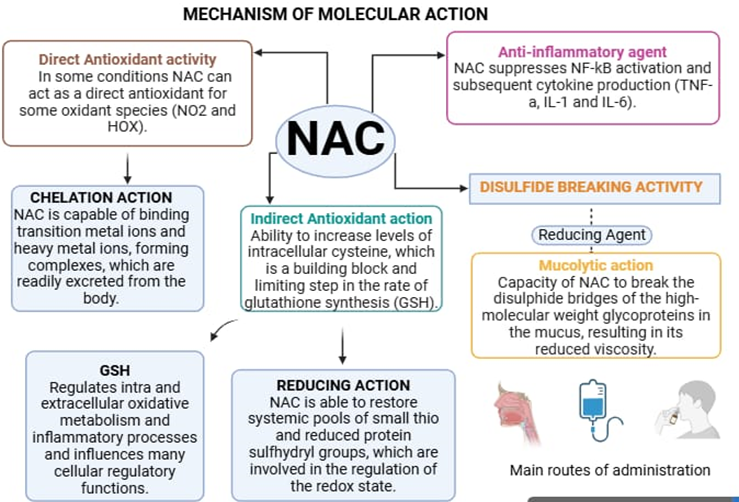
Figure 1: Molecular Mechanism of Action of N- Acetylcysteine
The effectiveness of NAC delivery to specific areas of action is still a bottleneck, even though such mechanisms are well documented.
Importance of NAC in Emerging Therapeutic Areas:
NAC is a viable option for NDDS integration due to its broad-spectrum pharmacological activity. NDDS has the potential to transform the use of NAC in the following therapeutic areas:
Challenges in NAC Delivery
The effective use of NAC in diverse therapeutic contexts is constrained by several limitations:
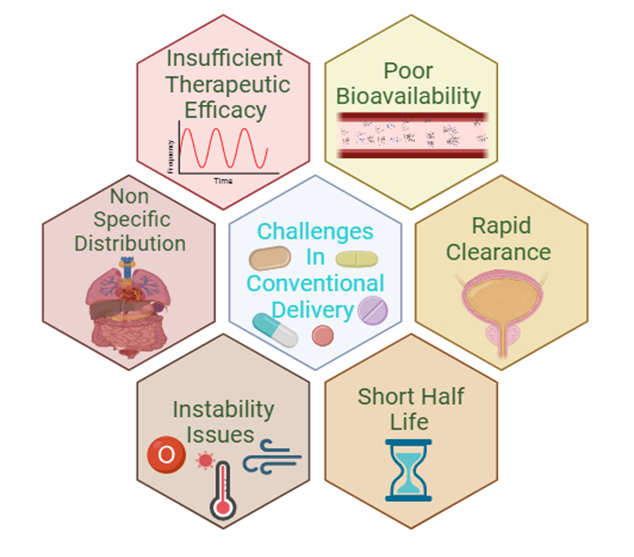
Figure 2: Challenges in Conventional Drug Delivery
Innovative drug delivery methods that can improve NAC's stability, bioavailability, and therapeutic accuracy while reducing possible side effects are needed to address these issues.
Rationale for Integrating NAC with NDDS
It is clinically necessary, and not only a technical achievement, to integrate NAC with NDDS. Using the benefits of NDDS and surmounting the inherent drawbacks of NAC, it is possible to:
NDDS align with the more general trends in personalized medicine, which emphasize the adjustment of therapies to meet the needs of each patient. NAC-based NDDS may raise the standards of precision therapeutics.
The purpose of this review is to provide a comprehensive understanding of the integration of NAC into novel drug delivery systems. It will discuss various types of NDDS, how they function, and how they are applied in different therapeutic contexts. (3)
N-acetyl cysteine (NAC) is regarded as one of the most potent therapeutic agents due to its antioxidant, mucolytic, and anti-inflammatory properties. Its application extends to encompass a variety of conditions including respiratory diseases, neurodegenerative disorders, and oncology.
Antioxidant and Anti-inflammatory Effects: NAC, a crucial tripeptide, is vital in therapeutic applications as it replenishes intracellular glutathione (GSH), another crucial tripeptide that neutralizes reactive oxygen species (ROS). By upregulating antioxidant defenses, NAC scavenges ROS to mitigate cellular damage and also inhibits inflammation through the NF-κB signaling pathway.
To overcome the limitations of conventional NAC formulations, N-acetylcysteine has been introduced into novel drug delivery systems, NDDS. Using NDDS, drug stability is optimized, bioavailability is enhanced, targeted delivery is ensured, and dosage frequency is reduced. (4)
Types of NDDS developed for NAC
Various strategies have been developed to deliver NAC in a manner intended to overcome these limitations while providing maximum stability, bioavailability, and precision in directing certain tissues or organs.
NAC's therapeutic potential is significantly enhanced through tailored delivery methods, facilitated by NDDS. These innovative methods enhance bioavailability, distribution, and prolonged release, making NAC-based treatments more efficient and patient-friendly, thereby enhancing the efficacy of NAC-based treatments.(3,5,6)
Formulation Strategies to Enhance NAC Delivery
Encapsulation and Nanoparticle Delivery
Encapsulating the medication in nanoparticle carriers is one of the most promising methods to enhance NAC delivery. These nanoparticles can improve NAC's solubility, prevent degradation, and enable regulated release.
Microencapsulation
Microencapsulation means the encapsulation of NAC into a biocompatible polymer matrix or microcapsule. This makes NAC suitable for sustained-release formulations since the microencapsulation prevents oxidation while permitting gradual release.
These techniques enhance NAC's stability, controls release rate, and protects it from gastrointestinal degradation. It can be administered orally, adapted for nasal or pulmonary delivery, using materials like alginates, chitosan, and cellulose derivatives.
Co-Encapsulation with Other Compounds
NAC might sometimes be co-encapsulated with other medications to enhance delivery or potentiate its action. For example, NAC may act in concert with other antioxidants or anti-inflammatory agents.
Chemotherapy: Co-encapsulation of NAC with chemotherapy drugs such as doxorubicin or cisplatin may enhance the efficacy of the chemotherapy by decreasing oxidative stress in the cancer cells, thereby protecting normal tissues from oxidative damage.(12)
Neurodegenerative Diseases: In cases of Alzheimer's and Parkinson's, a complete treatment might be achieved when NAC is combined with neuroprotective agents like resveratrol or curcumin. Technologies continue to advance.
Therapeutic Applications of NAC-Based NDDS
The mucolytic, anti-inflammatory, and antioxidant properties have already put N-acetylcysteine in promising treatment scenarios for a broad spectrum of diseases. Problems with delivery, stability, and bioavailability often restrict the clinical usage of NAC. To bypass these restrictions and maximize the therapeutic potential of NAC, Novel Drug Delivery Systems, were developed. These systems include hydrogels, liposomes, and nanoparticles, among others. This section discusses the advantages and disadvantages of using NAC in NDDS. It concentrates on how such systems improve the drug's therapeutic effectiveness and areas where issues still lie.(13)
Table 1: Advantages & Limitation of NDDS of N- Acetylcysteine
|
Aspect |
Advantages |
Limitations |
|
Bioavailability |
Enhanced bioavailability through NDDS (e.g., nanoparticles, liposomes) Avoidance of first-pass metabolism with transdermal or buccal delivery |
Variability in bioavailability due to formulation differences Stability issues in certain delivery systems (e.g., SLNs) |
|
Stability |
Improved chemical stability in encapsulated forms (e.g., liposomal systems) Protection from enzymatic degradation |
Susceptibility to degradation during long-term storage in certain NDDS High cost of stabilization techniques |
|
Targeted Delivery |
Ability to deliver NAC to specific tissues or cells (e.g., cancer cells, inflamed tissues) Reduced systemic side effects |
Challenges in achieving precise targeting due to biological barriers Need for complex formulation technologies |
|
Controlled Release |
Sustained and prolonged release reduces dosing frequency Improves patient compliance |
Potential for dose dumping in poorly designed controlled-release systems Increased formulation complexity |
|
Safety |
Reduced risk of systemic toxicity due to localized delivery Improved therapeutic index with targeted NDDS |
Limited understanding of long-term safety of novel carriers (e.g., nanoparticles) Potential immune responses to certain delivery materials |
|
Scalability |
Availability of scalable methods for certain NDDS (e.g., liposomes, hydrogels) Feasibility of mass production with proper infrastructure |
High production costs for complex systems (e.g., polymeric nanoparticles) Difficulty in maintaining batch-to-batch consistency |
|
Patient Compliance |
Non-invasive delivery options (e.g., transdermal patches, buccal films) Reduction in dosing frequency improves adherence |
Limited acceptance of novel delivery forms due to unfamiliarity Potential discomfort with certain delivery routes (e.g., inhalation) |
|
Therapeutic Efficacy |
Enhanced therapeutic outcomes through targeted and controlled delivery Synergistic benefits in combination therapies using NDDS |
Variability in efficacy across patient populations Risk of reduced efficacy if the carrier material interacts with NAC |
|
Cost-Effectiveness |
Long-term cost savings due to reduced dosing frequency and improved outcomes Potential for reduced hospitalizations with effective NDDS |
High initial development and production costs Limited affordability in low-resource setting |
Numerous opportunities exist for N-acetylcysteine's therapeutic potential in novel drug delivery systems (NDDS), which will progress medical therapy in a variety of disease areas, from neurological disorders to cancer and respiratory-related ailments. Since NAC's use in NDDS is still relatively new, technological advancements and continuing research are pushing the boundaries of what is feasible. NAC therapies have a promising future thanks to the development of novel, targeted, biocompatible, and more efficient delivery systems.(14)
Technological Advancements in Drug Delivery Systems
The development of targeted drug delivery systems, or NDDS, is one significant advancement in the field of drug delivery. These devices aim to enhance therapeutic efficacy and reduce side effects by accurately delivering medication to the site of action. One such strategy is the use of nanoparticle-targeted nanoparticles, which are useful to cancer treatment because they may be delivered to particular cells or tissues that overexpress particular receptors. Cell-specific targeting is an alternative approach that targets neurons affected by oxidative stress and inflammation, which can lead to neurodegenerative diseases like Parkinson's and Alzheimer's. It does this by using nanoparticles that can penetrate the blood-brain barrier.(15)
Smart nanocarriers and stimuli-responsive systems, which offer more precise control over drug release by releasing the drug in response to specific factors like pH, temperature, magnetic fields, or enzyme activity, are emerging fields in NDDS research. PH-responsive systems, such as those loaded with NAC, release the medication in the acidic environment of tumor or inflammatory tissues to optimize therapeutic benefits and reduce side effects.(16)
Another application for temperature-responsive devices is site-specific drug delivery, which is particularly useful for conditions like rheumatoid arthritis. Magnetic and ultrasonic-responsive systems, such as NAC-loaded magnetic nanoparticles, can increase the medication's localized effect by delivering it to the target area using an external magnetic field.
New Therapeutic Areas and Expanded Clinical Applications
There are several more areas where NAC's therapeutic potential in NDDS might be improved, despite the fact that it is currently being studied for the treatment of a number of disorders. As new diseases are identified and our knowledge of existing disorders expands, NAC may play a significant role in many unexplored treatment areas.(17)
NAC has shown promise in a variety of applications, such as the treatment of cancer, neurological disorders, respiratory issues, and cardiovascular diseases. It can be used as a stand-alone treatment or as an adjuvant to traditional treatments by altering the immune system, reducing oxidative stress, and increasing tumor sensitivity to other therapeutic medications. NAC can also be delivered directly to tumor cells via liposomes or nanoparticles, reducing the side effects of traditional treatments. Neurodegenerative conditions like multiple sclerosis, Parkinson's disease, and Alzheimer's disease may benefit from NAC because of their interest in it. NAC may be able to overcome the challenge of passing through the blood-brain barrier (BBB) by entering the central nervous system (CNS) and starting to exert its neuroprotective effects thanks to drug delivery techniques based on nanoparticles.
By lowering inflammation and oxidative stress, NAC may provide long-term protection against brain damage. Inhalable formulations that increase the concentration of NAC at the site of action while reducing systemic side effects are possible when NAC-contained liposomes or nanoparticles enter the lung from the application site. Targeting immune cells in the lungs, such as neutrophils and macrophages, which contribute to inflammation and oxidative damage in respiratory diseases, may lead to more effective treatments with fewer side effects. NAC also helps cardiovascular conditions, especially those linked to oxidative stress and inflammation. It has been shown to protect endothelial cells, decrease platelet aggregation, and have vasodilatory effects. Using NAC-loaded nanocarriers to target the vascular endothelium is one example of targeted cardiovascular therapy that may enhance therapeutic results and reduce systemic side effects.
Personalized Medicine and Patient-Centric Approaches
With the growing acceptance of customized treatment, this holds great promise for improving NAC's efficacy in NDDS. Treatment is tailored to the patient's particular genetic makeup, illness profile, and response to medication.(18)
Biomarker-Driven NAC Therapy
By identifying individuals with a genetic susceptibility and stage of illness, biomarkers can direct NAC therapy in NDDS and enable more customised formulations. By using pharmacogenomics to guide formulation selection, dose modification, and delivery strategies, this method can improve safety and efficacy. By identifying patients who are most likely to benefit from NAC therapy, this method can enhance the therapeutic experience as a whole(19).
CONCLUSION
Because N-acetylcysteine (NAC) contains anti-inflammatory, mucolytic, neuroprotective, and antioxidant qualities, it may be used to treat conditions including cancer, cardiovascular disease, neurological disorders, and respiratory ailments. Nevertheless, there are disadvantages to NAC administration, such as reduced bioavailability and restricted penetration into target locations. NDDS technologies, such as hydrogels, liposomes, nanoparticles, and microspheres, can enhance the pharmacokinetic profile of NAC, increase its half-life, and target certain mechanisms of action.
Development of NAC-loaded NDDSs faces challenges in manufacturing, regulatory frameworks, and scalability. Regulatory bodies are creating standards to assess the quality, safety, and efficacy of these complex drug delivery systems. Collaboration among pharmaceutical companies, academic institutions, and regulatory agencies is essential to establish protocols for safe and efficient NAC-loaded NDDS. Accelerating research is necessary to reduce regulatory ambiguity and facilitate the clinical translation of innovative technologies. Large-scale production is complicated by specific methods and stringent quality control. Financial feasibility is impacted by production costs, patent protection, and market accessibility, while therapeutic use is contingent upon acceptance by patients and healthcare providers. Educating stakeholders on the benefits and risks of these technologies is vital for their adoption. Further research may lead to targeted treatments and personalized medications using smart carriers responsive to various biological stimuli.
Individual pharmacogenomics can optimize NAC therapies by enhancing their therapeutic potential and minimizing side effects. This personalized medicine approach aims to improve the safety and efficacy of NAC treatments for chronic diseases, particularly in cancer, neurological, respiratory, and cardiovascular disorders. NAC's role in managing oxidative stress and apoptosis may enhance chemotherapy effectiveness by improving tumor targeting and overcoming chemoresistance. Its delivery through liposomal and nanoparticle techniques further reduces systemic toxicity. Additionally, NAC has shown promise in treating neurodegenerative diseases like Parkinson's and Alzheimer's by decreasing oxidative damage in brain cells.
The blood-brain barrier presents challenges, but NAC can be administered to the brain using sophisticated delivery systems like liposomes and nanoparticles. It is beneficial for respiratory conditions such as ARDS, cystic fibrosis, and COPD due to its mucolytic and antioxidant properties. Specific delivery to the lungs minimizes systemic exposure, while NAC also reduces oxidative stress and inflammation in heart-related conditions. Future applications of NAC in novel drug delivery systems will require thorough clinical evaluation, multidisciplinary collaboration, and advancements in technology.
REFERENCES


Jyoti Singh, Nadeem A. Farooqui, Nayany Sharma, Nimita Manocha, A Review on Application of Novel Drug Delivery Systems for the N-Acetylcysteine, Int. J. of Pharm. Sci., 2025, Vol 3, Issue 12, 1739-1749. https://doi.org/10.5281/zenodo.17871356
 10.5281/zenodo.17871356
