
Samarth College of Pharmacy, Belhe, Pune. Maharashtra. India
The use of computers, software, and programming tools in drug development has surpassed traditional methods in recent times. AI is often employed to speed up and enhance the drug design process. The efficiency of finding target drugs through AI contributes to a higher success rate in the medicines developed. AI’s advanced data mining and algorithm analysis capabilities are transforming several aspects of the pharmaceutical industry, making drug creation more cost-effective and efficient. AI models like analytics for disease risk and demographic risk for specific disease can forecast spread/development of diseases. AI boosts likelihood of achieving greater accuracy and precision in drug design by identifying toxicity, solubility, and stability. AI guide drug interactions, drug therapy monitoring, and drug formulary selection. There are many aspects of pharmacy that AI can have an impact on and the pharmacists to consider these possibilities because they may someday become a reality in pharmacy practice. Target discovery, Drug discovery, pre-clinical research, clinical trials, regulatory approvals, Post market demand-supply management, and feedback loop for better evolution of drug can be streamlined and optimized with the help of Artificial Intelligence.AI can also transform clinical trials by optimizing participant recruitment, monitoring patient responses, and predicting potential side effects. This can make the trials more targeted and efficient, leading to faster and more reliable results. Technology can be misused and hence strict regulations are to be enforced by regulatory agencies. Proper/Legal utilization of datasets under formulated regulations to be observed for better implementation of AI in Pharmaceutical Science.
BACKGROUND
AI refers to the capability of machines and computers to simulate human thinking, actions, behaviour, and functions. Well-known examples of AI-driven systems include Amazon's Alexa, SIRI from Apple and self-driving cars of companies such as Tesla and BMW. At the heart of AI is knowledge engineering, where machines are equipped with vast amounts of data and information about the human world, allowing them to imitate human-like behaviour.
“Therefore, it becomes crucial to identify/establish uses of AI in the Pharmaceutical Science.”
Introduction
Artificial intelligence (AI) is rapidly emerging as a transformative force in pharmaceutical science, akin to the leap from steam-locomotives to high-speed rail in the industrial era. For decades, the drug discovery and development pipeline has been defined by lengthy timelines (often more than a decade), skyrocketing R&D costs, and failure rates that frequently exceed 90 percent. In this context, AI technologies—encompassing machine learning, deep neural networks, generative modelling, and big-data analytics—are enabling a quantum leap in how therapeutic molecules are discovered, optimized, and brought to market. According to Bhupathyraaj, Vijaya Rani and Essa in Artificial Intelligence in Pharmaceutical Sciences (2023), AI’s imprint is now evident across an impressively broad spectrum of pharmaceutical functions: from target identification and digital high-throughput screening, through multi-objective lead optimization, advanced formulation design and manufacturing, to clinical trial stratification, real-world safety monitoring and supply-chain analytics. Their work underscores that pharmaceutical science must shift from hypothesis-driven chemistry to data-driven discovery, from single-modality design to multi-parameter optimisation, and from static trial paradigms to adaptive, AI-augmented development strategies. By embedding AI-powered workflows into every stage of drug development, the industry stands poised to deliver safer, more personalized therapies at accelerated pace and reduced cost—provided that the foundational challenges of data quality, regulatory readiness, interpretability, and ethical governance are duly addressed.
In recent years, artificial intelligence (AI) has transcended its status as a research-novelty to become a core pillar of pharmaceutical science. Driven by exponentially growing biological, chemical and clinical datasets, advances in computational power and algorithmic sophistication are enabling AI systems to discern patterns, predict outcomes, and orchestrate decision-making across the pharmaceutical value chain [4]. (Ref-Govindaraj, M., & Chelladurai, M. (2022). AI and Machine Learning for Drug Design and Development. Elsevier. And Bhupathyraaj, M., Vijaya Rani, K., & Essa, M. M. (2023). Artificial Intelligence in Pharmaceutical Sciences. Routledge.)
AI’s footprint spans nearly every major stage in the pharmaceutical pipeline:
AI revolutionizes target discovery by integrating data from genomics, proteomics, and clinical sources to identify disease-causing molecules. According to Nathan Brown’s “Artificial Intelligence in Drug Discovery”, AI models can prioritize drug targets based on biological relevance and chemical tractability. Machine learning and network-based algorithms detect hidden associations between genes, proteins, and diseases that traditional methods might overlook. As Eric Topol highlights in “Deep Medicine”, such computational insights allow researchers to move from correlation to causation with greater precision. This targeted approach reduces laboratory costs, minimizes human bias, and accelerates the early stages of drug research [23] [14].
AI accelerates drug discovery by performing virtual screening, molecular design, and optimization at unprecedented speed. Goodfellow’s “Deep Learning” provides the foundational methods—such as neural networks and reinforcement learning—that power molecular property prediction and de novo drug design. Generative models create novel chemical compounds that meet desired pharmacological profiles, while predictive algorithms estimate their safety and bioavailability. As Brown (2020) notes, integrating AI with cheminformatics drastically reduces the time and cost needed to identify viable drug candidates. By combining lab feedback with adaptive learning, AI helps move promising molecules rapidly from concept to preclinical validation [23] [14].
AI transforms clinical research by improving trial design, patient selection, and data analysis. Cleophas and Zwinderman (2020) emphasize how predictive analytics can enhance inclusion criteria, sample size estimation, and endpoint optimization. Machine learning models analyze complex patient data to predict responses and detect adverse events in real time. In “Deep Medicine,” Topol discusses how wearable sensors and AI-driven analytics enable decentralized and adaptive clinical trials. These innovations make trials more efficient, less expensive, and better tailored to patient diversity, increasing both speed and success rates [23] [14].
Regulatory frameworks increasingly recognize the importance of AI validation, transparency, and ethics in drug development. Shah’s “AI in Healthcare” stresses that explainability and accountability are key to regulatory acceptance of AI tools. Governments and agencies such as the FDA and EMA require documented evidence of model accuracy, data integrity, and fairness before approving AI-assisted products. Brown (2020) also notes that compliance with data privacy laws, such as GDPR, is crucial when using patient data for model training. Proper governance ensures that AI applications in pharma remain safe, trustworthy, and ethically sound [1][36][37].
In post-market stages, AI enhances pharmacovigilance, manufacturing, and distribution. As described by Shah (2022), machine learning algorithms can analyze adverse event reports and social media data to detect drug safety issues earlier than manual methods. Predictive models optimize supply chains, minimizing shortages and overproduction. Topol (2019) highlights that AI systems analyzing real-world evidence can uncover long-term effects and new therapeutic opportunities for approved drugs. Thus, AI ensures ongoing quality control, regulatory compliance, and continuous improvement throughout the drug’s lifecycle [29] [36].
The future of AI in pharma points toward fully integrated, data-driven ecosystems. Combining AI with quantum computing, robotics, and digital twins will enable end-to-end automation from molecule design to patient outcomes. Goodfellow (2016) predicts that advances in deep learning will continue to boost model interpretability and generalization across biomedical domains. Topol (2019) envisions a shift toward “deep medicine,” where AI enables personalized treatments and predictive prevention strategies. Ultimately, as your uploaded report and Brown (2020) suggest, AI will make drug discovery faster, safer, and more human-centered than ever before.
Concisely: -
The convergence of these technologies and application areas offers multiple transformative benefits: accelerated timelines (potentially cutting years), lower R&D costs, higher success rates, and greater access to personalised therapies. For instance, one review highlights how AI systems are enabling more efficient integration of chemical, biological and clinical datasets to unlock innovation. Moreover, expansion in data-rich regions and regulatory openness to digital tools are creating fertile ground for global application of AI-driven pharmaceutical science.
While artificial intelligence is reshaping drug discovery and development, its real-world deployment faces notable scientific, operational, ethical, and regulatory constraints.
AI requires large quantities of high-quality biological and chemical data. However, pharma datasets are often Fragmented across private databases, non-standardized and random [21].
The inability to explain predictions limits trust among scientists and regulatory agencies, who require strong mechanistic justification for decisions affecting human safety.
Existing regulatory pathways are not fully adapted to AI-driven automation or adaptive models that evolve with incoming data. Pharma companies must demonstrate algorithm robustness and reproducibility, Clear accountability in case of AI-led mis judgement Regulators like FDA and EMA are still developing rules for such systems [24][25[30].
Incorporating AI into R&D pipelines demands cultural and structural transformation including Skilled AI workforce availability, High-performance computing infrastructure, Harmonized communication between data scientists and domain experts. Small and mid-size enterprises may struggle with these investments.
AI depends heavily on sensitive patient genomic and clinical records. Issues include Privacy protection and consent management, Bias that can disadvantage minority groups, Cybersecurity threats targeting healthcare data, Robust ethical governance frameworks are essential to safeguard patient rights.
Advanced AI adoption is expensive and the return is uncertain—especially when models fail to translate into clinical success. Over-hype may lead to unrealistic expectations and misallocation of R&D resources [29][9].
Machine Learning & Deep Learning:
Machine Learning (ML) refers to methods where computers learn from data (features plus labels or unsupervised structures) to make predictions or classifications. For example, in drug discovery, ML might learn the relationship between molecular features and toxicity. There are several ML techniques, and neural network–powered ML has become a major method involved in AI. It is further divided into supervised learning and remedial learning, where ML facilitates learning from experience without having to program the task. The process starts with quality data entry, then training the machine by making various models using various algorithms. The algorithm selection depends on the type of work to be automated. ML algorithms generally fall into three categories: supervised learning, unsupervised learning, and reinforcement learning (Table-1) [6] [23].
Deep learning is a function of AI that mimics the activity of the human brain to create patterns for information processing and decision-making. It is a subset of ML in the field of AI that can control learning from unstructured or networked data. This Sis also referred to as deep neural learning or deep neural network. This allows users to process and predict data using neural networks. This brain-like network is connected to the human brain through a network-based structure. It is a ML function that works in a non-linear decision-making process. Deep learning (DL) is a specialized subset of machine learning that uses multi-layered artificial neural networks to automatically learn complex patterns from data. Its ability to analyze large-scale biological, chemical, and clinical datasets has made DL a cornerstone of modern pharmaceutical innovation. [8][38] (Table-2 and 3)
Graph Neural Networks (GNNs) & Network Biology
Graph Neural Networks are advanced deep-learning models specifically designed to work with graph-structured data, where information is represented as nodes (e.g., atoms, proteins, genes) and edges (e.g., chemical bonds, molecular interactions).
In pharmaceutical science, GNNs learn molecular features directly from structure, enabling more realistic modeling of chemical and biological entities.
Table 1; Common Deep Learning Architectures and Application Areas
|
Type of Learning |
How Works |
Example |
|
Supervised Learning |
Learns from labeled data to predict outcomes for new inputs. |
Predicting toxicity or ADMET properties of a compound using datasets with known outcomes. |
|
Unsupervised Learning |
Discovers hidden patterns or groups in unlabeled data. |
Identifying novel patient subpopulations for personalized therapies based on multi-omics data. |
|
Reinforcement Learning |
Learns optimal actions through rewards and penalties in an interactive environment. |
Designing and optimizing new drug molecules by rewarding structures with better biological activity. |
Table 2: Deep Learning Models and Their Applications in Pharmaceutical
|
DL Model Type |
Pharma Use |
|
Convolutional Neural Networks (CNNs) |
Biomedical and histopathology imaging |
|
Graph Neural Networks (GNNs) |
Modeling molecular structures and protein interactions |
|
Recurrent Neural Networks (RNNs) & LSTMs |
Analyzing molecular sequences, SMILES strings, patient records |
|
Autoencoders / VAEs |
Molecular representation learning and generative drug design |
|
GANs |
Novel drug structure creation, data augmentation |
|
Transformers (e.g., ChemBERTa, MolBERT) |
Chemical language modeling, sequence-to-structure prediction |
Table 3: Deep Learning Contributions Across Drug Discovery Application Areas
|
Application Area |
Deep Learning Contribution |
Common DL Techniques Used |
|
Drug–Target Interaction Prediction |
Predicts binding affinities and identifies new target relationships |
Graph Neural Networks (GNNs), Transformers |
|
De novo Molecule Design |
Generates novel chemical structures with optimized properties |
Molecular Transformers |
|
Virtual Screening & Hit Identification |
Prioritizes promising candidates from large compound libraries |
CNNs, GNNs. |
|
ADMET & Toxicity Prediction |
Forecasts drug safety, metabolism, pharmacokinetics early in discovery |
DNNs |
|
Biomedical Imaging & Diagnostics |
Analyzes histopathology and cellular imaging to identify disease markers |
CNNs |
|
Clinical Trial Outcome Prediction |
Predicts response, stratifies patients, aids adaptive trial design |
RNNs |
|
Formulation & Drug Delivery Optimization |
Models release kinetics, nanoparticle design, and stability |
DNNs, CNNs |
|
Manufacturing & Supply Chain Automation |
Predicts process deviations, enhances real-time quality control |
Recurrent Neural Networks, |
|
Pharmacovigilance |
Detects adverse events from real-world data and reports |
NLP-based Deep Learning, Transformers |
Network Biology is the study of biological systems using interaction networks such as Protein–protein interaction (PPI) networks, Gene regulatory networks, Metabolic pathways, Disease–gene association networks.
Table 4: Comparison Between Graph Neural Networks and Network Biology Features
|
Feature |
Graph Neural Networks |
Network Biology |
|
What it models |
Local chemical or molecular structure |
Global biological system interactions |
|
Insights generated |
Binding affinity, toxicity, drug-likeness |
Disease pathways, target relevance–– |
|
Combined power |
“Which molecule works?”ie identifies best molecule |
“Why and where does it work in the body?”ie identifies best target. |
Natural Language Processing (NLP) is a specialized field of artificial intelligence that enables computers to understand, interpret, and generate human language. In pharmaceutical science, NLP is used to extract critical knowledge from the vast amount of biomedical text and clinical documentation that grows daily. Beyond information retrieval, NLP supports patient safety by scanning clinical reports and social media platforms for adverse drug reactions that may otherwise go undetected for months. It also assists in automating regulatory submissions and ensuring compliance with documentation standards, reducing human error and speeding approval timelines. As emphasized by Govindaraj and Chelladurai in AI and Machine Learning for Drug Design and Development (Elsevier, 2022), NLP is a key enabler of digital transformation across the pharmaceutical ecosystem, supporting predictive decision-making and evidence-based innovation [4][24]. NLP helps computers “read” and “understand” medical text so that scientists and healthcare professionals can find useful information faster and make better decisions.
Robotic Automation & Closed-loop Systems
(Ref: Pharmaceutical Production Technology, Dr Nuli, Dr Tallum etc, Pharmaceutical Process Automation: Integration of AI and Robotics – Jonathan Love (Springer, 2019))
Why:
How:
Artificial Intelligence in Drug Discovery and Development – Nathan Brown (Elsevier, 2020)
In pharmaceutical manufacturing, AI supports process automation, predictive maintenance, and closed-loop control systems. Integrating AI with Process Analytical Technology (PAT) enables real-time monitoring and adjustment of critical process parameters, ensuring consistent product quality and regulatory compliance. Robotics powered by AI also enhances aseptic operations, formulation accuracy, and packaging efficiency while reducing contamination risks.
In clinical trials, AI streamlines patient recruitment, predicts trial outcomes, and analyzes complex datasets to detect patterns invisible to human researchers. Furthermore, AI-driven pharmacovigilance systems automatically detect and report adverse drug reactions by mining real-world data.
Finally, in personalized medicine, AI models analyze genomic and patient data to tailor treatments, improving therapeutic efficacy and safety.
AI’s integration into pharmaceutical science promises a shift toward smart, data-driven, and automated healthcare solutions, accelerating the path from discovery to patient care [14] [27].
(Ref: Nathan Brown (2020) – Artificial Intelligence in Drug Discovery. Eric Topol (2019) – Deep Medicine) Target discovery is the first step in developing a new medicine. It means finding the part of the body — such as a gene, protein, or cell pathway — that causes a disease and can be targeted by a drug to cure or control it. Artificial Intelligence (AI) helps scientists do this faster and more accurately by studying large amounts of biological and medical data, like DNA information, lab test results, and research papers. AI tools can look for patterns that show which genes or proteins are linked to certain diseases and how they might respond to a new medicine. For example, DeepMind’s Alpha Fold can predict the 3D shape of proteins, which helps researchers understand how drugs can attach to them. BenevolentAI uses AI to search through millions of scientific articles to find new drug targets for diseases like COVID-19 and ALS (a nerve disease). Insilico Medicine uses AI to analyze biological data and discover new protein targets for diseases such as cancer and fibrosis. IBM Watson for Drug Discovery also uses AI to read research papers and suggest new disease targets for scientists to test in the lab. These examples show how AI saves time, reduces the cost of experiments, and helps scientists focus on the most promising ideas. In short, AI makes target discovery faster, smarter, and more reliable. It allows researchers to study diseases in detail, find the right biological targets, and begin designing drugs much sooner than before [14] [27].
Key Steps in AI-Based Target Discovery
Advantages of AI in Target Discovery
(Ref: Nathan Brown (2020) – Artificial Intelligence in Drug Discovery Ton J. Cleophas & Aeilko H. Zwinderman (2020) – Machine Learning in Medicine) Drug discovery is the process of finding or creating new medicines that can treat diseases. After scientists find the right biological target (like a protein or gene), they use Artificial Intelligence (AI) to design or search for chemical compounds that can work on that target. Traditionally, this process takes many years and costs a lot of money, but AI makes it much faster and more accurate [1][14][19][31].
Steps in AI-based Drug Discovery
Examples
These examples show that AI can help discover medicines much faster and more safely than traditional methods.
(Ref: Nathan Brown (2020) – Artificial Intelligence in Drug Discovery Ton J. Cleophas & Aeilko H. Zwinderman (2020) – Machine Learning in Medicine) Clinical research and trials are the stages where new medicines are tested on humans to make sure they are safe and effective. This process usually takes many years and involves large amounts of data. Artificial Intelligence (AI) helps make clinical trials faster, smarter, and more accurate by analyzing data, selecting the right patients, and predicting outcomes early. AI helps researchers plan better trials and reduce mistakes that can delay new treatments [14] [27].
Steps in AI-based Clinical Research and Trials
Examples
These examples show that AI makes clinical research more efficient, reduces costs, and improves patient safety. AI helps scientists plan and run medicine testing more wisely. It finds the right patients, tracks their health, and studies the results faster than humans could. This helps new medicines reach the market safely and quickly, benefiting patients around the world.
(Ref: Parashar Shah (2022) – AI in Healthcare and Nathan Brown (2020) – Artificial Intelligence in Drug Discovery) Regulations in pharmaceutical science are the official rules and laws that make sure all medicines are safe, effective, and ethical before they are given to people. When Artificial Intelligence (AI) is used in drug discovery or testing, it must also follow these safety and quality rules. Regulatory authorities like the U.S. FDA (Food and Drug Administration), European Medicines Agency (EMA), and Central Drugs Standard Control Organization (CDSCO) in India check that AI tools used in pharma are reliable and trustworthy. These rules ensure that AI systems protect patient privacy, give fair results, and can be explained clearly [14][27][25].
Steps in AI-related Regulations
Examples
These examples show that AI in pharma must follow global rules to protect patients and maintain trust. Regulations make sure AI is used safely in making new medicines. They help protect people’s health, privacy, and rights. Following these rules builds trust between scientists, companies, and patients — ensuring that AI is used for good and not misused [23][24][25][10].
(Ref: Parashar Shah (2022) – AI in Healthcare and Nathan Brown (2020) – Artificial Intelligence in Drug Discovery) Post-market operations happen after a new medicine is approved and made available to the public. This stage focuses on keeping the medicine safe, tracking side effects, managing production, and improving quality. Artificial Intelligence (AI) plays an important role here by monitoring how the drug performs in real life, predicting supply needs, and ensuring quality control in manufacturing. AI helps pharmaceutical companies make better decisions, respond quickly to safety issues, and maintain trust with doctors and patients [9][13][21].
Steps in AI-based Post-Market Operations
Examples
These examples show how AI continues to help even after a drug is approved — by improving safety, efficiency, and overall performance. AI helps companies keep an eye on medicines after they are sold. It checks for side effects, manages production, and studies how well the medicine works in real life. This makes sure patients stay safe and helps scientists make even better medicines in the future.
(Ref: Parashar Shah (2022) – AI in Healthcare and Nathan Brown (2020) – Artificial Intelligence in Drug Discovery)
The future of Artificial Intelligence (AI) in pharmaceutical science looks very promising. AI is expected to completely transform how new medicines are discovered, tested, and delivered to patients. It will make drug development faster, cheaper, and more personalized — meaning medicines will be designed to fit each person’s unique needs. As technology continues to grow, AI will become a regular part of every step in the pharma industry, from lab research to patient care [1].
Steps in Future Trends of AI in Pharma
Examples
These examples show that AI will not replace humans, but will work alongside scientists and doctors to make medicine safer, smarter, and more effective. In the future, AI will help make medicines just for you — based on your body and needs. It will make research faster, trials smarter, and treatments safer. AI and humans will work together to cure diseases more efficiently and help people live healthier lives.
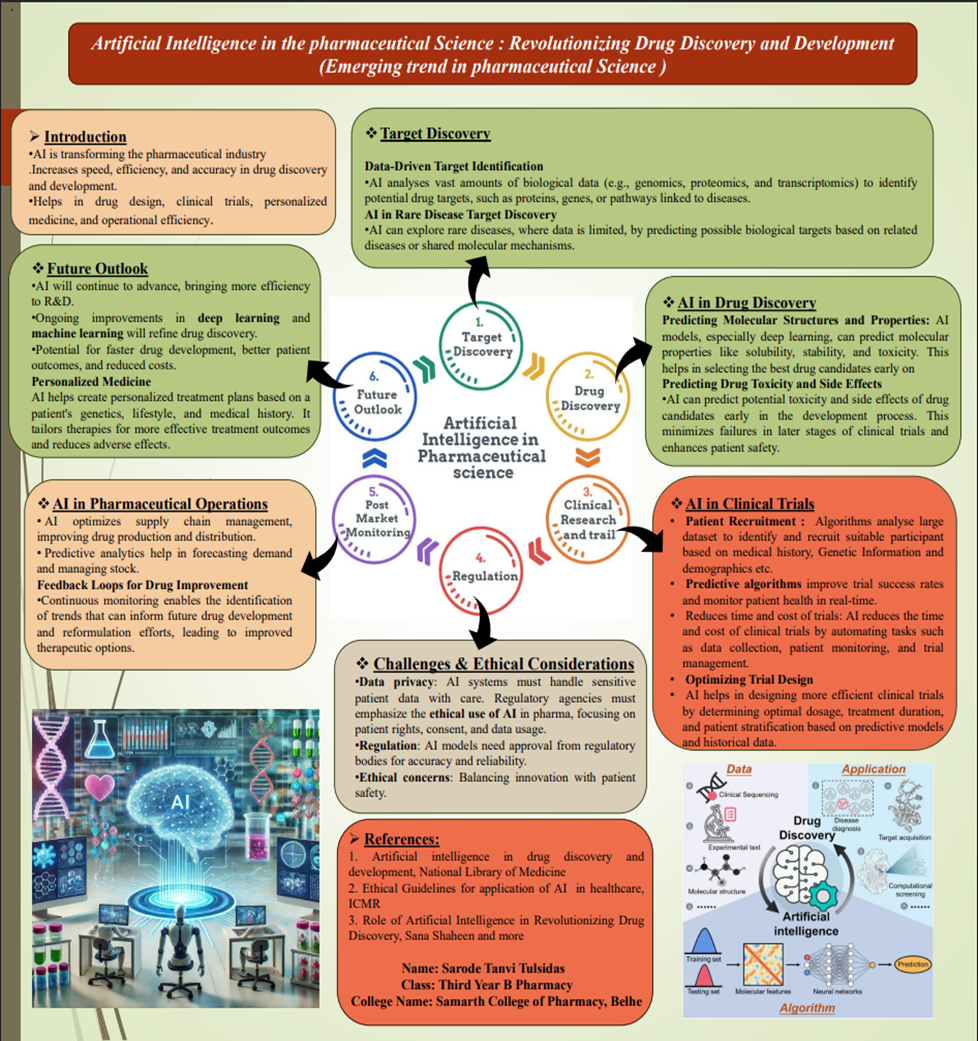
Fig 1: Artificial Intelligence in The Pharmaceutical Science: Revolutionizing Drug Discovery and Development (Emerging Trend in Pharmaceutical Science)
(Ref: Eric Topol (2019) – Deep Medicine
Explains the importance of clean, fair, and unbiased medical data for reliable AI use in healthcare) Artificial Intelligence (AI) depends heavily on data — such as patient records, laboratory results, genetic data, and chemical structures — to make accurate predictions. In pharmaceutical science, getting high-quality, reliable, and large-scale data is one of the biggest challenges. If the data used to train AI models is incomplete, incorrect, or biased, the results will also be unreliable. This can affect how new drugs are discovered, tested, and used in patients [2].
Many medical and research datasets have errors, missing values, or inconsistent formats. For example, if patient data is collected from different hospitals using different methods, AI may misinterpret it. Poor-quality data can lead to wrong predictions about drug safety or effectiveness [21].
Pharmaceutical data is often private or confidential because it contains patient information and company secrets. Strict privacy laws make it hard to share data for research. This limits the amount of data available for AI model training [21].
If the data used to train AI mostly comes from one region, gender, or age group, the model might not work well for everyone. For example, an AI model trained mostly on data from adults might not give accurate results for children. Data bias can lead to unfair or unsafe decisions in drug testing or treatment recommendations [21].
Pharmaceutical data comes from many sources — lab tests, genomics, imaging, electronic health records (EHRs), and clinical trials. These datasets often use different formats and standards, making it difficult for AI systems to combine and analyze them correctly [21].
(Ref: Nathan Brown (2020) – Artificial Intelligence in Drug Discovery and Eric Topol (2019) – Deep Medicine
Explains the need for explainable and transparent AI models in drug development. Emphasizes that trust in AI comes from transparency, interpretability, and human oversight) In Artificial Intelligence (AI), model interpretability means understanding how and why the AI makes certain decisions or predictions. Transparency means being open about how the AI system works — including what data it uses, how it learns, and how it produces results. In pharmaceutical science, this is very important because doctors, scientists, and regulators must trust AI systems before using them to design medicines or treat patients. If the AI model behaves like a “black box” — giving results without clear reasoning — it becomes hard to rely on those results, especially in drug discovery or clinical trials [32] [36] [23].
Many AI models, especially deep learning systems, are very complex. They make accurate predictions but cannot easily explain how they reached those conclusions. For example, an AI model might say that a molecule is toxic without showing which part of the chemical structure caused that prediction.
In pharma research, every decision can affect human lives. If AI suggests a wrong target or drug, it could lead to harmful results. Scientists and regulators need clear explanations so they can verify the reasoning behind AI predictions. Without interpretability, it’s difficult to assign responsibility when errors occur.
Regulatory agencies like the FDA and EMA require transparency in drug development tools. AI models that cannot explain their results are harder to approve for use in research or clinical practice. Regulators prefer AI systems that can show how each factor affects the final decision.
When AI decisions are not transparent, other researchers cannot easily reproduce the same results. Reproducibility is important in science because it confirms that the results are valid and not just random. Sometimes, simpler models like decision trees are easier to understand but less accurate. On the other hand, complex models like neural networks are very accurate but hard to interpret. Finding the right balance between accuracy and transparency is a big challenge in pharma AI research
(Ref: World Health Organization (2021) – Ethics and Governance of Artificial Intelligence for Health → Provides official global guidelines for regulating and validating AI in medicine.) In the pharmaceutical industry, every new drug or technology must follow strict government rules to ensure it is safe and effective. When Artificial Intelligence (AI) is used in drug discovery, testing, or patient care, it also needs to meet these regulatory standards. The main challenge is that traditional rules were designed for human-made systems, not for AI algorithms that learn and change on their own. This creates confusion about how to approve, monitor, and validate AI systems in pharma research [10].
AI is still a new technology in the pharma world. Most countries, including India, the U.S., and European nations, do not yet have complete guidelines on how to test or approve AI-based tools for drug discovery. Regulators are still deciding how to handle AI systems that continuously learn or update after approval [10][23][24].
Before using an AI tool, scientists must prove it is accurate and safe — this process is called validation. But AI models often use large, changing datasets, which makes them hard to test in the same way as traditional systems. It’s difficult to prove that an AI model will always give correct results in every situation. Different countries have different rules for AI use in healthcare and pharmaceuticals. A model approved in the U.S. might not meet the requirements in Europe or India, creating problems for global companies that want to use the same AI system worldwide.
AI in pharma often uses sensitive patient data. Following privacy laws is essential but challenging. Companies must protect personal information while still allowing enough data for AI models to learn effectively [21][9].
Unlike normal software, AI models can change when given new data. This means they need continuous monitoring and re-validation to ensure their performance remains safe and accurate after deployment. Regulators need new systems to track these updates properly.
(Ref: Jürgen Bajorath (2022) – Chemoinformatics and Computational Chemical Biology → Highlights the need for secure and ethical data handling in AI-driven drug discovery) When Artificial Intelligence (AI) is used in pharmaceutical science, it often deals with sensitive medical data — like patient health records, genetic information, and drug trial results. This creates ethical, privacy, and security risks. Ethics means doing what is right and fair; privacy means keeping personal data safe; and security means protecting information from misuse or hacking. If these areas are not managed carefully, people can lose trust in AI systems, and patient safety could be affected [10] [23][37].
AI systems can make wrong or unfair decisions if they are trained on biased or incomplete data. For example, if a model is trained mostly on data from one country or ethnic group, it might not work well for others. There’s also the ethical question of who is responsible when AI makes a mistake — the programmer, the company, or the healthcare provider
AI models often need large amounts of patient data to learn effectively. However, this data includes personal information like age, gender, health history, and DNA details. If privacy rules are not followed, patient identities could be exposed. AI can be misused to manipulate research results, speed up approvals unethically, or use personal data for commercial gain. Without clear laws and monitoring, it’s difficult to hold someone accountable for such misuse.
Pharma databases can be targets for hackers because they hold valuable research and personal health information. Weak security systems can lead to data leaks, cyberattacks, or misuse of private data for profit. Ensuring strong cybersecurity is essential when using AI in research or hospitals.
Patients should always know how their data is being used. Sometimes, AI systems collect and analyze data without patients fully understanding where it goes or how it is used. This raises ethical questions about consent and transparency.
(Ref: Deloitte Insights (2022) – AI in Life Sciences: Balancing Cost and Value → Explores ROI, investment challenges, and strategies for cost-effective AI adoption in pharma) Using Artificial Intelligence (AI) in pharmaceutical science can be very expensive. Developing AI systems, buying advanced hardware, storing large amounts of data, and hiring skilled professionals all require huge investments. Many pharmaceutical companies — especially small ones — find it hard to balance these costs with the financial benefits AI brings. The challenge is to ensure that the return on investment (ROI), or the profit gained from using AI, is greater than the cost of setting it up and maintaining it [13][29].
Building AI tools and infrastructure is costly. Companies need powerful computers, cloud systems, and software licenses to run AI models. Setting up secure databases and integrating AI into existing systems also adds to the expense. AI projects need experts in both data science and pharmaceutical research. Hiring & training such professionals can be very expensive. Many struggles to find or afford the right talent to manage AI systems effectively [13] [29].
Although AI promises faster drug discovery and lower research costs in the long run, the results are not always guaranteed. Some AI models may fail to deliver accurate predictions, wasting time and money. It can take years before companies see clear financial benefits.
AI technologies evolve rapidly, so systems need constant updates and improvements. Maintaining software, upgrading tools, and securing data storage add to ongoing operational costs. Smaller companies may not have the budget to keep up with these updates. In some cases, the cost of implementing AI is higher than the savings it creates, especially during the early stages. While large companies like Pfizer and Novartis can handle these costs, smaller research firms often struggle to afford AI technologies.
Examples
(Ref: OECD (2022) – AI for Sustainable Development → Discusses how AI can balance innovation, environment, and global health equity) Sustainability in AI-driven pharmaceutical science means using Artificial Intelligence in a way that is economically efficient, environmentally responsible, socially fair, and scientifically reliable over the long term. It’s about ensuring that AI continues to benefit drug discovery, healthcare, and society without causing harm to people, the environment, or data systems. For AI to be sustainable in pharma, it must be ethical, energy-efficient, affordable, transparent, and continuously improving [9].
AI systems require large computing power, which consumes a lot of energy. Training complex AI models can produce high carbon emissions. For example, deep learning models used in drug discovery may run for days on cloud servers, increasing electricity usage.
To make AI greener, pharma companies are now using energy-efficient algorithms, cloud computing with renewable energy, and carbon-neutral data centers.
For AI to be sustainable, it must bring long-term financial benefits without creating constant high costs. Companies should be able to maintain AI tools without spending too much on updates, data storage, or technical staff. Economic sustainability also means sharing AI tools and knowledge among researchers to reduce duplication and cost. AI in pharma should benefit everyone — not just large companies or rich countries. It must be fair, unbiased, and respect patient privacy and cultural differences. Ethical sustainability ensures that AI systems do not discriminate or misuse data and that human experts always remain in control of key decisions [13].
AI models are only as good as the data they are trained on. For sustainable results, pharma companies must maintain high-quality, standardized, and shareable datasets. Reproducible research — where results can be checked and verified — is key to long-term sustainability in AI-driven science.
To keep AI sustainable in the future, pharma companies may:
CONCLUSION
Artificial Intelligence (AI) has become a powerful tool in transforming the pharmaceutical industry. It supports every stage of drug development — from identifying disease targets to post-market monitoring — making the entire process faster, more efficient, and cost-effective. AI helps scientists analyze massive amounts of biological and chemical data in minutes, a task that would take humans years to complete. With the help of machine learning and deep learning, researchers can now predict how molecules will behave, design new drugs digitally, and even personalize treatments for individual patients. This technological advancement is reducing the time and cost of developing new medicines and improving the accuracy of scientific decisions
REFERENCES





Trupti Mate, Ajay Bhagwat, Tanvi Sarode*, Sarita Kawad, Swapnil Auti, Role of Artificial Intelligence in Drug Discovery and Development: A Pharmaceutical Perspective, Int. J. of Pharm. Sci., 2025, Vol 3, Issue 12, 217-238. https://doi.org/10.5281/zenodo.17785371
 10.5281/zenodo.17785371
