
Anuradha College of Pharmacy, Chikhli, Buldhana, Maharashtra, 443001
Colon-targeted drug delivery systems (CTDDS) are designed for specific site drug delivery, reducing systemic side effects like organ damage, respiratory diseases, and cardiovascular damage. They represent a significant advancement in modern pharmaceutical science, offering localized treatment options with reduced systemic exposure and promising improved clinical outcomes in patients with colonic diseases. Developing strong preclinical models and extensive clinical application guidelines is crucial to ensure the safety and effectiveness of colon-specific medicines for a wide range of patients. Future research should focus on improving drug delivery systems, enhancing therapeutic efficacy, and minimizing side effects. Advances in nanotechnology can develop targeted delivery mechanisms that increase bioavailability and reduce systemic exposure. Personalized medicine, genetic profiling, and microbiome analysis can provide tailored treatment regimens, identifying biomarkers associated with disease progression or treatment response. Interdisciplinary collaboration between researchers, clinicians, and pharmaceutical developers is crucial for translating laboratory findings into clinical practice. This review aims to talk about the mode of release of therapeutic agents specifically in the colon, enhancing local bioavailability and minimizing systemic side effects. It is particularly beneficial for conditions like inflammatory bowel disease, colorectal cancer, and constipation, where localized drug action is crucial. However, challenges remain in optimizing CTDDS formulations for clinical use, such as variability in gastrointestinal transit time and differences in colonic physiology among individuals. Future research should focus on personalized medicine approaches and advanced formulation technologies.
Colon Targeted Drug Delivery Systems (Figure 1) are designed for specific site drug delivery, reducing systemic side effects like organ damage, respiratory diseases, and cardiovascular damage. They are used in treating conditions like ulcerative colitis, irritable bowel syndrome, and colorectal cancer (1).
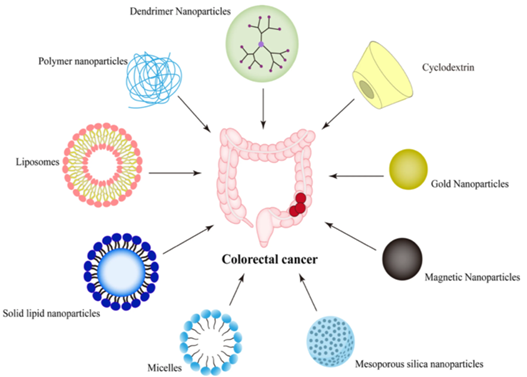
Figure 1: Colon Targeted Drug Delivery Systems
Conventional methods include prodrugs, pH-dependent, time-dependent, matrix-based systems, polysaccharides-derived systems, and bio-adhesive systems. Novel approaches include port systems, pulsincap systems, pressure-controlled systems, osmotic controlled systems, CODES, and nanotechnology (2). A successful CTDDS can release the drug to a specific colon segment due to different colonic enzymes metabolizing drug carrier linkage. Combining conventional and newer approaches may be the best way to cure colon diseases (3). CTDDS is a drug delivery system that aims to achieve the desired concentration of a drug in the colon and maintain its integrity in the small intestine. Drugs typically follow transcellular or paracellular pathways, with lipophilic drug molecules permeating cell surfaces and hydrophilic drugs passing between cell junctions (4). A fraction of drugs are absorbed in the small intestine due to the presence of well-defined villi, which are lacking in the colonic mucosa. The colonic mucosa has a tighter epithelium, allowing for lower paracellular permeability and higher electrical resistance. The lower transit time of the colon allows drugs to stay longer, and the more viscous content causes a slower dissolution rate, causing slower drug diffusion (5). Drugs are typically absorbed in the duodenum and proximal jejunum of the small intestine. Multi-particulate dosage form systems are more common due to better bioavailability, reduced toxicity, and predictable gastric emptying (6). Colon-targeted drug delivery systems (CTDDS) are a significant advancement in modern medicine, particularly for treating gastrointestinal diseases and systemic conditions requiring localized therapy. These systems release therapeutic agents specifically in the colon, enhancing bioavailability and minimizing systemic side effects (7). This approach is crucial for patients with conditions like inflammatory bowel disease, colorectal cancer, and irritable bowel syndrome. CTDDS improve patient adherence to treatment regimens by ensuring drugs reach the colon intact, reducing the frequency of dosing, especially for chronic conditions requiring long-term management (8). They also facilitate personalized medicine by allowing tailored treatments based on individual patient needs and specific colon pathologies. Advances in nanotechnology and biomaterials have further enhanced the design of these systems, allowing for more sophisticated formulations that can respond dynamically to changes in the colonic environment (9). As research continues, CTDDS has the potential to revolutionize treatment strategies in modern medicine. This review explores the importance of colon-targeted drug delivery systems (CTDDS) in modern medicine. CTDDS are designed to release therapeutic agents specifically at the colonic region, enhancing local efficacy and reducing adverse effects. Various methodologies have been developed to achieve this targeted release, including pH-sensitive polymers, time-dependent systems, and enzyme-triggered mechanisms. Advancements in nanotechnology have facilitated the design of nanoparticles that improve bioavailability and ensure sustained release profiles. CTDDS not only improve treatment outcomes but also enhance patient compliance by minimizing dosing frequency and improving tolerability. The non-invasive nature of these systems is particularly beneficial for managing chronic conditions requiring long-term therapy. Additionally, ongoing research into personalized medicine may further optimize CTDDS by tailoring treatment regimens based on individual patient characteristics. In conclusion, CTDDS represent a significant advancement in modern pharmaceutical science, offering localized treatment options with reduced systemic exposure, promising improved clinical outcomes in patients with colonic diseases.
2. MECHANISMS OF COLON TARGETED DRUG DELIVERY
Colon-specific medication delivery systems are essential for treating gastrointestinal illnesses like inflammatory bowel disease and colorectal cancer. These systems ensure that medications are delivered to the colon in a controlled manner, maximizing their effectiveness in the local area while minimizing negative effects on the rest of the body. This approach is particularly beneficial for medications with limited absorption in the upper gastrointestinal tract or those requiring elevated local concentrations for pharmacological effects (10). Various strategies have been developed to achieve targeted medicine delivery specifically to the colon. One technique involves using pH-sensitive polymers, which maintain their structure in acidic conditions but break down at higher pH levels in the colon (11). These polymers can be included in formulations like microcapsules or tablets for customized release patterns. Another approach uses time-dependent release mechanisms to ensure medications are only released upon arrival at the colon (12). Prodrug strategies, which are chemically altered substances, have also gained interest for improving drug delivery to the colon (13). These systems use enzymes found in colon tissues to activate specific targets while reducing exposure to other areas of the body during transit (14, 15). In conclusion, advancements in understanding the colon's function and developing new drug formulations have led to improved colon-specific drug delivery systems, which have great potential for enhancing the effectiveness of gastrointestinal disorders treatments.
2.1 Overview of different mechanisms used in CTDDS
Controlled drug delivery systems (CDDS) have gained significant attention in the field of pharmaceuticals due to their ability to enhance therapeutic efficacy while minimizing side effects (16). Various mechanisms are employed in these systems, each designed to regulate the release of active pharmaceutical ingredients (APIs) over time. Broadly, these mechanisms can be categorized into three main types: diffusion-controlled, degradation-controlled, and osmosis-controlled systems. In conclusion, understanding these diverse mechanisms is crucial for optimizing CDDS design tailored for specific therapeutic applications (17). Each system has distinct advantages that can be leveraged based on clinical requirements, ultimately improving patient outcomes through enhanced medication adherence and efficacy.
2.1.1 Diffusion-controlled systems
Diffusion-controlled systems are essential in controlled drug delivery devices (CTDDs) for accurate and prolonged release of medicinal substances. These systems utilize diffusion principles, where molecules move from higher concentration to lower concentration, ensuring optimal drug concentrations for extended durations. They can be classified into reservoir devices and matrix systems, with reservoir devices containing a central component enclosed by a membrane that controls the release rate. Matrix systems distribute the drug evenly throughout a polymeric matrix, allowing slower release as the polymer expands or breaks down. Both technologies use different material qualities to customize release patterns based on clinical specifications. Advances in materials science have led to the creation of innovative polymers and composites that improve diffusion control techniques. Biodegradable polymers like polylactic acid and polycaprolactone are commonly used due to their compatibility with living organisms and adjustable breaking down rates. Researchers are also exploring the use of nanomaterials to enhance release properties and increase loading capacities. Future CTDDs are expected to incorporate intelligent materials that dynamically respond to physiological cues (18-20).
2.1.2 Degradation-controlled systems
Degradation-controlled systems are advancements in controlled drug delivery technologies (CDDTs), designed to gradually release medicinal substances through the breakdown of the polymeric matrix surrounding the medication. This approach offers benefits such as improved absorption and longer-lasting therapeutic effects. The breakdown mechanism is typically controlled by hydrolysis, enzymatic activity, or oxidative processes, allowing for a predictable release profile tailored to individual therapeutic needs. Degradation-controlled systems can deliver drugs continuously for extended periods. Researchers can create materials that deteriorate at desired speeds by altering parameters like polymer composition and molecular weight. Polymers like polylactic acid and polycaprolactone are known for their compatibility with living organisms and adjustable breakdown rates. These materials can be manipulated into various forms and dimensions, such as microspheres or implants, to suit various delivery methods while maintaining consistent therapeutic levels. Intelligent polymers in controlled degradation systems offer new opportunities for responsive drug administration, responding to physiological cues like pH or temperature changes. These breakthroughs are expected to improve treatment effectiveness in various medical fields, including cancer therapy and chronic disease management (21-25).
2.1.3 Osmosis-controlled systems
Osmosis-controlled systems are a significant advancement in controlled drug delivery technologies (CDDTs), utilizing osmotic pressure to provide controlled medication release, resulting in improved therapeutic effectiveness and reduced adverse effects. These devices use differences in osmotic pressure between an internal reservoir and external environment to ensure steady and predictable sustained release of substances over long periods. This strategy has gained interest due to its potential use in managing chronic diseases and maintaining consistent adherence to medication over a long period. Osmosis-controlled systems typically consist of a semipermeable membrane that selectively permits solvent molecules to pass through while preventing solute molecules. This mechanism ensures consistent administration and reduces variations in conventional oral or parenteral administration methods. Advancements in polymer science have enabled the creation of membranes with customized permeability characteristics, which can be adjusted to meet specific pharmacokinetic needs. Overall, osmosis-controlled systems demonstrate a refined strategy in CDDTs, utilizing core biological principles to improve therapeutic results (26-32).
2.2 Role of pH, enzymes, and time-dependent release in colon targeting
The performance of controlled drug delivery systems (CDDS) is influenced by pH, enzyme activity, and time-dependent release mechanisms (33). These factors are closely connected to the physiological conditions of the target site, which can vary significantly across different tissues and disease states. The pH of a specific environment is essential in regulating the solubility and stability of drugs, and some medications can have different ionisation states depending on the pH, impacting how easily they can pass through biological membranes (34). Targeted delivery in CDDS, particularly for areas like tumors or inflamed tissues, can be improved by leveraging local pH fluctuations (35). Enzymatic activity plays a key role in CDDS performance, and researchers can achieve synchronized release profiles that align with illness progression or metabolic changes by creating polymeric carriers vulnerable to enzymatic breakdown. Time-dependent release is crucial when developing successful CDDS, as it is essential to precisely adjust the rate at which the medicine is released to align with the desired pharmacokinetic profiles for the best therapeutic outcome while minimizing negative side effects (36). Understanding both diffusion-controlled and erosion-controlled mechanisms inherent in the polymer matrices is essential for understanding these delivery systems (37).
2.3 Examples of technologies and formulations utilized for effective delivery
Controlled drug delivery systems (CDDS) have revolutionized medicine administration by improving treatment effectiveness and reducing unwanted reactions. Technologies like polymeric nanoparticles, liposomal formulations, and microneedles are crucial for successful medication administration (38). Polymeric nanoparticles enclose medications and release them gradually, reacting to specific stimuli like pH, temperature, or enzyme activity. This allows for precise treatment, increasing the amount of medication at the intended location while minimizing its presence in the body (39). Liposomes, spherical structures made up of two layers of lipids, are ideal for transporting anticancer drugs and vaccines due to their biocompatibility and ability to alter pharmacokinetics. They can be customized by attaching targeting ligands, enhancing their ability to target and bind to sick areas (40). Microneedle technology offers a novel method for delivering drugs through the skin, bypassing pain sensation and enhancing the permeation of larger molecules like peptides and proteins. This approach improves patient adherence and maintains drug release patterns over time (41). Overall, the development of these technologies demonstrates the breakthroughs achieved in controlled drug delivery systems, enhancing the efficiency of therapeutic treatments and reducing negative side effects (42).
3. ADVANTAGES OF COLON TARGETED DRUG DELIVERY SYSTEMS
Colon-targeted drug delivery systems (CTDDS) are a significant advancement in pharmaceutical technology that enhances the bioavailability of medicinal drugs at the targeted site of action. These systems optimize the desired effects in the specific area while reducing overall exposure to the rest of the body and adverse effects (43, 44). This approach is particularly beneficial in treating illnesses like inflammatory bowel disease (IBD) and colorectal cancer, resulting in improved patient outcomes. CTDDS also enable regulated release mechanisms, which are essential for sustaining therapeutic levels of medicine for prolonged durations. Longitudinal release formulations enhance patient compliance and maintain medication concentrations within the recommended range (45). CTDDS can be designed with a range of polymers and biodegradable materials, allowing for customized release profiles (46). Formulations targeting the colon can significantly decrease drug degradation in the gastrointestinal tract and metabolism during the first transit through the body, affecting the effectiveness of drugs in traditional oral forms (47). CTDDS also improve the stability and efficacy of physiologically active molecules like peptides and proteins by safeguarding them against enzymatic degradation in the upper gastrointestinal tract (48). This technique creates opportunities for new medicinal substances that would otherwise not be suitable for oral use (49, 50).
3.1 Enhanced bioavailability compared to conventional drug delivery methods
Colon-targeted drug delivery systems (CTDDS) are a significant advancement in pharmaceutical technology, enhancing bioavailability compared to traditional methods. Traditional oral formulations face challenges like metabolism and inconsistent absorption rates, which can limit medication effectiveness (51). CTDDS, designed to transport active pharmaceutical ingredients directly to the colon, bypass these issues and increase drug absorption. The main mechanism for increased bioavailability is their ability to shield medicines from degradation in the upper gastrointestinal system (52). CTDDS use different polymeric materials that remain intact until reaching the colon's neutral pH environment, ensuring more active components reach their designated sites of action. This strategy optimizes medication uptake and reduces adverse effects associated with indiscriminate dispersion (53). CTDDS can also activate release mechanisms, such as pH sensitivity or the presence of colon microorganisms, enabling precise and prolonged administration of medication (54). This customised release pattern improves treatment effectiveness for targeted diseases like inflammatory bowel disease or colorectal cancer. By enhancing drug release methods and targeting specific areas, CTDDS offer a promising substitute for conventional methods, resulting in improved patient adherence and treatment effectiveness (55).
3.2 Reduction in systemic side effects associated with drugs absorbed through the upper gastrointestinal tract
Colon-targeted drug delivery systems (CTDDS) are a significant advancement in pharmaceutical sciences that aim to reduce systemic side effects of medications absorbed through the upper gastrointestinal tract (56). These systems are designed to target the colon and administer therapeutic drugs directly to that area, improving localized treatment effectiveness and minimizing unwanted absorption into the rest of the body (57). CTDDS can escape the upper gastrointestinal system, where many medicines undergo significant metabolic breakdown. By using specialized mechanisms for release, such as pH-sensitive polymers or time-dependent systems, these formulations can ensure active medicinal components are released in the colonic environment, enhancing the amount of medication at the intended location and significantly decreasing levels in the overall bloodstream (58). This focused strategy can provide significant advantages for individuals with persistent ailments like inflammatory bowel disease or colon cancer, as targeted therapy can improve treatment results while reducing the risk of adverse effects on the entire body (59). CTDDS also offer a hopeful approach to enhance treatment results while reducing systemic negative effects linked to medications taken through the upper gastrointestinal tract (60).
4. CHALLENGES AND LIMITATIONS IN CTDDS DEVELOPMENT
Controlled Therapeutic Drug Delivery Systems (CTDDS) are innovative drug delivery systems that require precise engineering to deliver therapeutic agents at optimal rates. Understanding pharmacokinetics and pharmacodynamics is crucial for effective treatment (61). The regulatory landscape for CTDDS demands rigorous testing and validation protocols, increasing costs and requiring specialized knowledge (62). Economic factors also play a significant role in the development of CTDDS, with substantial financial investment required for research, development, clinical trials, and commercialization (63). These costs can be prohibitive for smaller biotech firms, stifling creativity and restricting advancements in this area of pharmaceutical science. Addressing these limitations is crucial for CTDDS' full potential in clinical practice (64).
4.1 Variability in colonic conditions among patients affecting drug release profiles
Controlled drug delivery systems (CDDS) face challenges due to the variability in colonic conditions among patients. Factors like diet, age, health status, and microbiome composition can affect the release profiles of drugs designed for colonic delivery (65). The pH of the colonic environment can fluctuate based on dietary intake or gastrointestinal disorders, affecting the solubility and stability of certain drugs. Enzymatic activity in the colon can also differ due to gut flora or underlying health conditions (66). Transit time through the gastrointestinal tract also plays a crucial role in determining drug absorption duration. Incorporating patient-specific factors into CDDS design is essential for achieving predictable pharmacokinetic profiles and maximizing therapeutic efficacy (67).
4.2 Stability issues related to certain formulations before reaching the colon
Colonic drug delivery systems (CDDS) are a promising method for delivering therapeutics in the colon, particularly for conditions like inflammatory bowel disease and colorectal cancer. However, stability issues before reaching the colonic environment are significant (68). Active pharmaceutical ingredients can be degraded in the gastrointestinal tract due to factors like pH variations, enzymatic activity, and interactions with other components (69). Formulation excipients can also promote instability, leading to inconsistent drug release profiles and reduced bioavailability. Physical stability issues, such as aggregation or phase separation, can compromise safety and efficacy by altering drug absorption characteristics or causing adverse reactions (70). Therefore, extensive preformulation studies and stress testing are crucial for optimizing CDDS formulations.
4.3 Regulatory challenges and the need for extensive clinical trials before market approval
Cell and Gene Therapy Drug Products (CTDDs) face significant regulatory challenges, requiring a comprehensive regulatory system to ensure their safety, effectiveness, and quality before market approval (71). The FDA and other regulatory agencies have strict rules mandating thorough clinical trials to determine the therapeutic advantages and potential hazards of CTDDs. These trials are crucial due to the intricacy of CTDDs, which may involve modifying a patient's genetic material or introducing novel genes into their system (72). CTDDs have the potential to cause unforeseeable immunological reactions or other negative consequences that may not be apparent in preclinical research. Therefore, thorough Phase I to Phase III clinical trials are essential to collect data on long-term effectiveness and safety characteristics in various populations (73). These studies help identify potential hazards and improve dosage schedules and methods of administering treatment tailored to each therapy. Regulatory obstacles extend beyond trial execution, involving dealing with diverse foreign regulations and ensuring ethical principles in gene editing technology. As CTDDs rapidly evolve, regulatory agencies must modify their frameworks to meet the changing landscape while upholding stringent trial standards (74). Striking a delicate balance between promoting innovation and ensuring public health is essential for the development of safe and effective treatment solutions in regenerative medicine.
5. FUTURE DIRECTIONS FOR RESEARCH AND DEVELOPMENT IN COLON TARGETED THERAPIES
Colon-targeted therapies have gained popularity due to the increasing prevalence of colorectal diseases like inflammatory bowel disease and colorectal cancer. Future research should focus on improving drug delivery systems, enhancing therapeutic efficacy, and minimizing side effects (75). Advances in nanotechnology can develop targeted delivery mechanisms that increase bioavailability and reduce systemic exposure. Personalized medicine is also becoming relevant in colon-targeted therapies, with genetic profiling and microbiome analysis allowing for tailored treatment regimens (76). This approach may identify biomarkers associated with disease progression or treatment response. Research into the gut microbiome's role in drug metabolism offers an opportunity to optimize therapy based on microbial composition (77). Interdisciplinary collaboration between researchers, clinicians, and pharmaceutical developers is crucial for translating laboratory findings into clinical practice (78). Establishing robust preclinical models and comprehensive guidelines for clinical application are essential for ensuring safe and effective colon-targeted therapies for diverse patient populations.
CONCLUSION
Controlled Temperature Distribution Devices (CTDDs) are crucial in maintaining the right temperature in sensitive supply chains, ensuring product quality and safety. They use advanced technologies like phase change materials and electronic monitoring systems to maintain internal conditions within predetermined boundaries. CTDDs minimize spoilage and deterioration of delicate items, ensuring adherence to regulatory norms for pharmaceuticals and perishable commodities. They also improve operational efficiency by optimizing logistical procedures and fostering trust between suppliers and customers. However, CTDDs present challenges like significant upfront costs, continuous maintenance, technical glitches, and extensive training. Colon-targeted treatments are becoming popular due to the rise in colorectal conditions like inflammatory bowel disease and colorectal cancer. Future research should focus on improving drug delivery systems, enhancing therapeutic efficacy, and reducing side effects. Advances in nanotechnology can facilitate precise delivery systems, while personalised medicine, genetic profiling, and microbiome analysis can offer personalized treatment plans. Effective interdisciplinary collaboration among academics, doctors, and pharmaceutical producers is essential for successfully applying laboratory discoveries in clinical settings.
CONFLICTS OF INTEREST
None
REFERENCES

Ajay Pawar, Sachin Kale, Kailash Biyani, A Comprehensive Review on Colon Targeted Drug Delivery, Int. J. of Pharm. Sci., 2025, Vol 3, Issue 12, 2872-2884. https://doi.org/10.5281/zenodo.17985136
 10.5281/zenodo.17985136
