
Dept. of Pharmacology, Bharathi College of Pharmacy, Bharathinagara, Mandya, Karnataka, India, 571422.
Melia dubia Cav., commonly known as Malabar neem, is a fast-growing deciduous tree belonging to the family Meliaceae. It is widely distributed in tropical and subtropical regions and is valued for its medicinal, ecological, and economic importance. Traditionally, various parts of the plant such as leaves, bark, fruits, and roots have been used in the management of fever, inflammation, infections, and metabolic disorders. Phytochemical investigations have revealed the presence of bioactive constituents including limonoids, triterpenoids, flavonoids, alkaloids, and phenolic compounds. These compounds contribute to its diverse pharmacological activities. Experimental studies have demonstrated antimicrobial, antioxidant, anti-inflammatory, antidiabetic, and hepatoprotective properties. In addition, the plant possesses significant agroforestry and industrial value, particularly in timber production. This review summarizes the botanical features, phytochemical profile, traditional uses, and pharmacological activities of Melia dubia, highlighting its potential as a promising source of bioactive compounds for therapeutic applications.
Melia dubia Cav., commonly known as Malabar neem, is a rapidly growing deciduous tree belonging to the family Meliaceae. The species is widely distributed across tropical and subtropical regions of India, Sri Lanka, Southeast Asia, and Australia, where it thrives under diverse agro-climatic conditions. Owing to its fast growth rate, adaptability, and economic value, Melia dubia has gained prominence in agroforestry systems, timber production, and environmental sustainability programs. Beyond its silvicultural importance, Melia dubia has attracted scientific interest due to its rich phytochemical composition and therapeutic potential. Traditional medicinal systems have utilized different parts of the plant—including leaves, bark, fruits, and roots—for the management of fever, inflammation, microbial infections, and metabolic disorders. Phytochemical investigations have reported the presence of bioactive constituents such as limonoids, triterpenoids, flavonoids, and phenolic compounds, which contribute to its diverse biological activities. Recent pharmacological studies have demonstrated antimicrobial, antioxidant, anti-inflammatory, antidiabetic, and hepatoprotective properties, supporting its ethnomedicinal relevance. Considering its multifaceted applications and emerging pharmacological evidence, Melia dubia represents a promising natural resource for future drug discovery and therapeutic development.
TAXONOMICAL CLASSIFICATION6
|
PROFILE OF THE PLANT-MELIADUBIA |
|
|
Kingdom |
Plantea |
|
Class |
Magnoliposida |
|
Order |
Sapindales |
|
Family |
Meliaceae |
|
Genus |
Melia |
|
Species |
Meliadubia |
SYNONYMS:
Kannada name: Hebbevu
Tamil name: Malai vembhu
Hindi name: Kala Khanjur
Telugu name: Kuriaput
Malayalam name: Malavembu
Gujarati name: Kadukajar
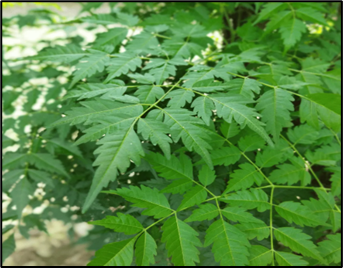
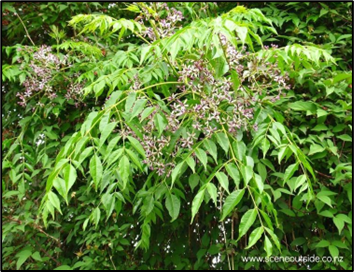
Fig no 1: leaf of Melia Dubia Fig no 2: Flower of Melia Dubia
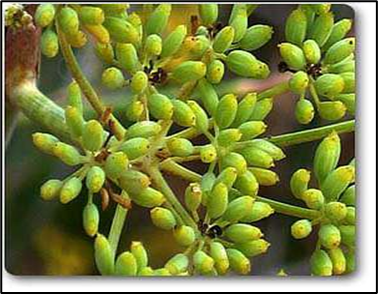
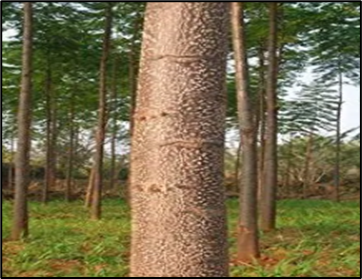
Fig no 3 : Seeds of Melia Dubia Fig no 4 : Stem of Melia Dubia
HABIT AND HABITAT
Melia dubia is an indigenous species of Southeast Asia and Australia belonging to the family Meliaceae. In India, it is naturally distributed at altitudes ranging from 600–1,800 m, particularly in the Sikkim Himalayas, northern Bengal, Assam, Khasi Hills, hilly regions of Odisha, the Deccan Plateau, and the Western Ghats. Owing to its wide adaptability, it can be successfully cultivated in most parts of the country. The species grows well in sandy loam, red, and lateritic soils, requiring an annual rainfall of 800 mm or more. It tolerates temperatures from 0–15°C (minimum) to 30–43°C (maximum) and thrives in areas with 1,000 mm rainfall and 50–90% relative humidity.
The tree is deciduous to semi-evergreen, reaching up to 25 m in height with spreading branches. It grows in deciduous forests and wastelands, shedding leaves in winter and fruiting between October and February.
CHEMICAL COMPOUNDS:
Phytochemical investigations of Melia dubia have revealed the presence of diverse bioactive constituents. Leaf extracts have been reported to contain alkaloids, carbohydrates, steroids, tannins, flavonoids, saponins, and glycosides. Purushothaman et al. isolated two novel tetranortriterpenoids from the leaves and seeds, indicating the chemical richness of the species. Essential oil analysis of the leaves demonstrated that monoterpenes (35.71%) and oxygenated monoterpenes (27.98%) constitute the major fractions, along with alkanes, sesquiterpene hydrocarbons, and phenylpropanoids. Camphene was identified as the predominant monoterpene, followed by α-pinene, β-pinene, and sabinene, while camphor represented the major oxygenated monoterpene. The fruits reportedly contain the bitter principle solanine, similar to that found in Azadirachta indica. Additional phytoconstituents include unsaturated fatty acids, diterpenes, sesquiterpenes, phenolic derivatives, antioxidants, and lipophilic compounds such as linolenic acid, palmitic acid, caryophyllene, humulene, aromadendrene, germacrene-D, phthalic acid derivatives, and butylated hydroxytoluene.
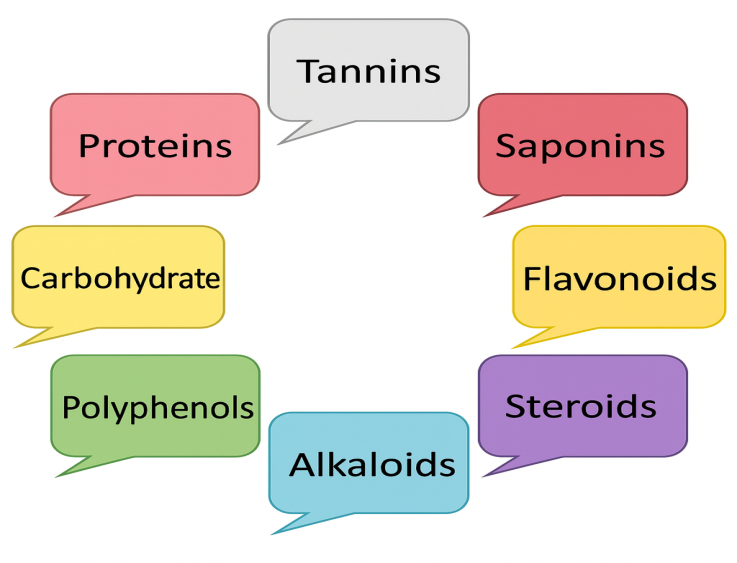
Fig no 5: Phytochemicals presents in Melia dubia
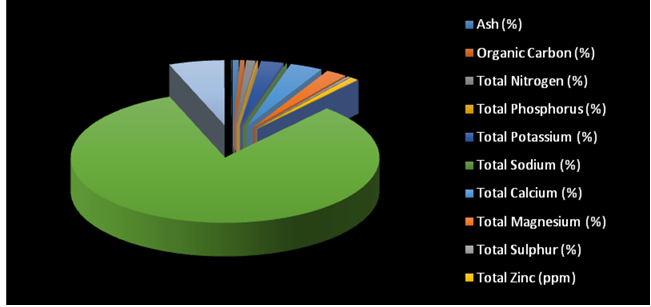
Figure 6: Mineral composition of Meliadubia in graphical pie representation
PHARMACOLOGICAL PROPERTIES
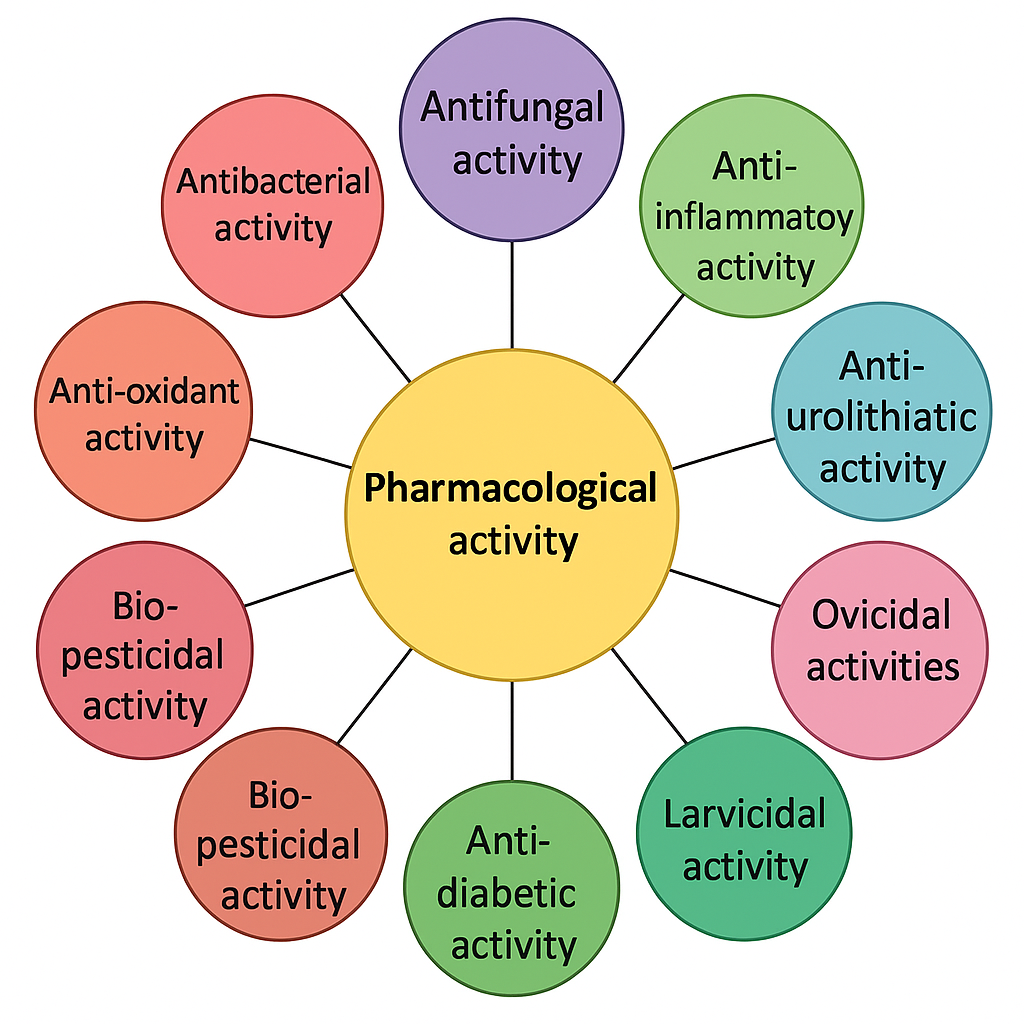
Figure7: Pharmacological activity of plant Melia dubia
ANTIBACTERIAL ACTIVITY:
Green synthesis of silver nanoparticles (AgNPs) provides a cost-effective and eco-friendly alternative to conventional methods. In this study, AgNPs were synthesized by reducing silver nitrate (AgNO?) using leaf extract of Melia dubia under stabilized microwave irradiation. The phytoconstituents in the extract acted as reducing agents, while hydrolyzed fish-scale collagen served as a stabilizing and capping agent to prevent aggregation. Characterization by UV–Vis spectroscopy showed a surface plasmon resonance peak at 446 nm, confirming nanoparticle formation. SEM analysis revealed spherical particles ranging from 72–100 nm, and XRD confirmed their crystalline nature with an average size of approximately 84.8 nm. The synthesized AgNPs demonstrated significant antibacterial activity against Staphylococcus aureus and Escherichia coli, indicating promising antimicrobial potential.
Antifungal Activity
Aqueous leaf extract–mediated silver nanoparticles (AgNPs) of Melia dubia have demonstrated significant antifungal activity against Aspergillus niger and Candida tropicalis. Formation of AgNPs was confirmed by UV–Visible spectroscopy (surface plasmon resonance peak at 380–450 nm). FTIR analysis suggested the involvement of phenolics and proteins in reduction and stabilization. SEM and AFM studies revealed spherical nanoparticles (20–40 nm), while XRD confirmed a crystalline face-centered cubic structure. The nanoparticles produced inhibition zones of 13.0 mm (A. niger) and 14.5 mm (C. tropicalis), indicating strong fungicidal potential, possibly through membrane disruption and oxidative stress induction.
Anti-inflammatory Activity
The aqueous fruit extract and its fractions were evaluated using carrageenan-induced rat paw edema (in vivo) and protein denaturation and membrane stabilization assays (in vitro). Fraction III showed significant dose-dependent inhibition of edema (49.11% at 200 mg/kg and 56.24% at 400 mg/kg), comparable to indomethacin (60.15%). The fraction also inhibited thermal protein denaturation (61.45%) and stabilized erythrocyte membranes (61.43%), suggesting inhibition of inflammatory mediators and lysosomal enzyme release.
Antimicrobial Activity
The antimicrobial activity of Melia dubia leaf extracts was evaluated against Escherichia coli and Streptococcus mutans using the agar well diffusion method. Mueller–Hinton agar plates (90 mm diameter) were prepared and inoculated with 24-hour-old bacterial cultures using sterile swabs. Two leaf extracts (MDL1 and MDL2) were prepared by dissolving 10 mg of each extract in 100 µL methanol to obtain a stock concentration of 100 mg/mL. Wells of 5 mm diameter were bored into the inoculated agar plates, and 25 µL of each extract was introduced into the respective wells. Ciprofloxacin (0.1 mg/mL) served as the positive control. Plates were incubated at 35 °C for 24–48 hours, and antimicrobial efficacy was determined by measuring the zones of inhibition surrounding the wells, indicating significant antibacterial activity.
Antioxidant Activity
In addition to its pharmacological importance, Melia dubia has been explored for in vitro propagation to conserve genetic resources and enhance large-scale cultivation. An efficient callus organogenesis protocol was developed using Murashige and Skoog medium supplemented with 1.0 mg/L benzylaminopurine (BAP) and 0.5 mg/L naphthalene acetic acid (NAA), which resulted in maximum callus induction and biomass formation. Shoot regeneration was optimized with 0.5 mg/L BAP and 1.0 mg/L indole acetic acid (IAA), while rooting was best achieved using 0.5 mg/L indole butyric acid (IBA), producing 78.5% rooting efficiency. Leaves from in vitro-regenerated plants exhibited appreciable phytochemical content, with total flavonoids (0.56 ± 0.08 mg QE/g) and phenolics (2.97 ± 0.17 mg GAE/g). Antioxidant activity assessed by DPPH radical scavenging assay confirmed significant free radical neutralizing potential, supporting its therapeutic relevance.
Anti-breast Cancer Activity
Silver nanoparticles synthesized using Melia dubia were evaluated for in vitro anticancer activity against the MCF-7 breast cancer cell line. The nanoparticles exhibited concentration-dependent cytotoxicity, with increased doses resulting in enhanced cancer cell death. An IC?? value of 31.2 µg/mL was reported, indicating that 50% of the cancer cells were inhibited at this concentration. These findings demonstrate the significant antiproliferative and potential therapeutic efficacy of the biosynthesized silver nanoparticles.
Anti-urolithiatic Activity
The antiurolithiatic potential of aqueous and ethanol leaf extracts of Melia azedarach was evaluated in male albino rats with ethylene glycol-induced calcium oxalate urolithiasis. Both extracts significantly reduced stone formation and demonstrated protective effects against renal damage. The activity is attributed to inhibition of calcium oxalate crystal formation, along with antioxidant, diuretic, renal epithelial protective, and hypermagnesuric mechanisms. These results suggest promising therapeutic potential, warranting further safety and clinical investigations.
Biopesticidal Activity
Melia dubia contains several bioactive compounds with potent pesticidal properties. The bark is rich in toosendanin (60–70%), which exhibits strong insecticidal, antifeedant, and growth-inhibitory effects against pests such as Helicoverpa armigera and Pieris rapae. Limonoids present in the plant contribute to broad-spectrum insecticidal activity with environmental safety. Leaf extracts have demonstrated ovicidal, larvicidal, antifeedant, stomach-toxic, and moulting-disruptive effects against thrips, mealybugs, scale insects, and caterpillars. Methanolic extracts showed greater efficacy than aqueous extracts and significantly reduced crop damage, leading to improved cabbage yield under field conditions.
Antidiabetic Activity
Fruit extracts of Melia dubia prepared in various solvents were evaluated for hypoglycemic activity in mice. The ethanolic extract showed the highest efficacy, producing a dose-dependent reduction in blood glucose, with a maximum decrease of 52.14% at 300 mg/kg. In streptozotocin-induced diabetic mice, the extract significantly lowered glucose levels and improved glucose tolerance (35% reduction). LD?? was observed at 500 mg/kg, with a therapeutic index of 2.5, indicating relative safety and promising antidiabetic potential.
Ovicidal Activity
Leaf extracts of Melia dubia and other medicinal plants from the Western Ghats were evaluated for ovicidal activity against Helicoverpa armigera (Hübner) (Lepidoptera: Noctuidae). Petroleum ether, chloroform, hexane, acetone, and aqueous extracts were tested at different concentrations. Ovicidal efficacy varied among plant species and solvent systems. Among the tested plants, Clausena dentata exhibited the highest ovicidal potential by significantly reducing egg hatchability. Egg susceptibility was age-dependent, with 24-hour-old eggs being the most sensitive. A 0.5% hexane extract effectively inhibited hatching of 24-, 48-, and 72-hour-old eggs, while 0.5% petroleum ether extract completely suppressed hatchability in 72-hour-old eggs. A 1.0% acetone extract showed strong activity against 48-hour-old eggs. Higher concentrations did not consistently enhance ovicidal efficacy, indicating concentration-specific responses.
Larvicidal Activity
Ethyl acetate extracts of Melia dubia leaves and roots were assessed for mosquito larvicidal and antimicrobial activities. After 12 hours of exposure, larval mortality reached 98% and 96% for leaf and root extracts, respectively, demonstrating potent larvicidal activity. In vitro antimicrobial evaluation revealed broad-spectrum activity against Escherichia coli, Salmonella typhi, S. paratyphi, Klebsiella pneumoniae, and Staphylococcus aureus. Both extracts inhibited K. pneumoniae, E. coli, and S. aureus, while only the leaf extract was active against S. typhi and S. paratyphi. These findings scientifically validate the ethnomedicinal significance of Melia dubia.
CONCLUSION
Melia dubia is a multipurpose medicinal and agroforestry species with significant pharmacological and biopesticidal potential. Scientific investigations confirm its diverse biological activities, including anticancer, antidiabetic, antiurolithiatic, ovicidal, larvicidal, antimicrobial, and biopesticidal effects. These activities are attributed to bioactive constituents such as limonoids, toosendanin, and other phytochemicals present in different plant parts. Experimental studies demonstrate dose-dependent efficacy and relatively safe therapeutic indices in animal models. Overall, the available evidence supports the traditional uses of Melia dubia and highlights its promise as a natural source for pharmaceutical and eco-friendly agricultural applications, warranting further clinical and toxicological investigations.
ACKNOWLEDGEMENT: I would like to express my sincere gratitude to Bharathi College of pharmacy, Bharathinagara, Mandya, Karnataka, for their invaluable support. I am also thankful to Ahalya devi K H, Dr. Suresha B S, Dr. T. Balasubramanian, for their support.
CONFLICT OF INTEREST: No conflict of interest.
REFERENCES

Kuludeep T. S., Ahalya devi K. H., Dr. Suresha B S, Dr. T. Balasubramanian, A Brief Review on Plant of Melia Dubia, Int. J. of Pharm. Sci., 2026, Vol 4, Issue 2, 3250-3257. https://doi.org/10.5281/zenodo.18714152
 10.5281/zenodo.18714152
