View Article

Abstract

Malaria remains a major global health challenge, particularly in tropical and subtropical regions, with increasing resistance to existing antimalarial drugs threatening current control strategies. The continuous emergence of resistance to classical antimalarials such as chloroquine, sulfadoxine–pyrimethamine, and even artemisinin-based combination therapies has intensified the search for novel chemotherapeutic agents. Among various heterocyclic scaffolds explored in medicinal chemistry, indole and its derivatives have gained significant attention due to their structural versatility, biological relevance, and presence in numerous bioactive natural products. This review provides a comprehensive overview of the antimalarial potential of indole derivatives, covering their chemical characteristics, natural and synthetic sources, mechanisms of action, structure–activity relationships, recent advances, challenges, and future prospects in antimalarial drug discovery.

Keywords

Malaria, Indole derivatives, Antimalarial resistance, Structure–activity relationship, Drug discovery

Introduction

Malaria is a life-threatening parasitic disease caused by protozoa of the genus Plasmodium, transmitted to humans through the bite of infected female Anopheles mosquitoes. Among the five species infecting humans, Plasmodium falciparum is responsible for the most severe form of the disease and the majority of malaria-related deaths worldwide. Despite significant progress in malaria control through vector management, rapid diagnostics, and chemotherapy, the disease remains endemic in many regions, particularly in Africa and South Asia.

Chemotherapy is the cornerstone of malaria treatment. However, the widespread development of drug resistance has compromised the efficacy of many frontline antimalarial agents. Consequently, the discovery of new chemical entities with novel mechanisms of action is a critical priority. Heterocyclic compounds have long played a central role in antimalarial drug development, and indole derivatives have emerged as particularly promising due to their diverse pharmacological properties.

The indole nucleus is a privileged scaffold in medicinal chemistry, found in many natural products and synthetic drugs with antimicrobial, anticancer, anti-inflammatory, antiviral, and antiparasitic activities. The ability of the indole ring to participate in hydrogen bonding, π–π stacking, and hydrophobic interactions makes it well suited for binding to a wide range of biological targets. These features have stimulated extensive research into indole-based compounds as potential antimalarial agents.

2. CHEMISTRY OF INDOLE AND ITS BIOLOGICAL SIGNIFICANCE

Indole is a bicyclic heteroaromatic compound composed of a benzene ring fused to a pyrrole ring. The presence of a nitrogen atom in the pyrrole moiety contributes to its electron-rich nature and reactivity. Indole derivatives can be readily modified at various positions on the ring system, allowing fine-tuning of physicochemical and biological properties.

From a biological perspective, the indole moiety is present in several endogenous molecules such as tryptophan, serotonin, melatonin, and indole-3-acetic acid. Its widespread occurrence in natural systems underscores its compatibility with biological targets and contributes to its frequent appearance in bioactive compounds. These characteristics make indole an attractive core structure for the design of new antimalarial agents.

3. NATURAL INDOLE ALKALOIDS WITH ANTIMALARIAL ACTIVITY

Natural products have historically been a rich source of antimalarial drugs, as exemplified by quinine and artemisinin. Several indole alkaloids isolated from plants, marine organisms, and microorganisms have demonstrated antimalarial activity.

3.1 Plant-Derived Indole Alkaloids

Numerous indole alkaloids obtained from medicinal plants have shown inhibitory activity against Plasmodium species. Notable examples include:

  • Flinderoles, isolated from Flindersia species, which exhibit potent activity against both chloroquine-sensitive and chloroquine-resistant strains of P. falciparum.
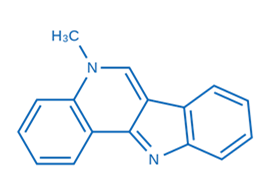
  • Isocryptolepine, derived from Cryptolepis sanguinolenta, a traditional African medicinal plant, has demonstrated strong antiplasmodial activity and serves as a lead compound for synthetic modification.
  • Indole alkaloids from genera such as Tabernaemontana, Alstonia, and Rauvolfia have also been reported to possess varying degrees of antimalarial activity.

These natural indole alkaloids often act through unique mechanisms and provide valuable structural templates for the development of more potent and selective synthetic analogues.

4. SYNTHETIC INDOLE DERIVATIVES AS ANTIMALARIAL AGENTS

The limitations associated with natural products, such as low yield and complex isolation procedures, have encouraged the synthesis of indole-based compounds with improved potency and drug-like properties.

4.1 Simple Substituted Indoles

Simple indole derivatives bearing substitutions at different positions on the ring have been evaluated for antimalarial activity. Substituents such as halogens, alkyl groups, and electron-donating or electron-withdrawing groups significantly influence biological activity. Some substituted indoles have demonstrated activity comparable to or better than standard antimalarial drugs in in vitro assays.

4.2 Indole–Quinoline and Indole–Artemisinin Hybrids

Hybrid molecules that combine the indole scaffold with other known antimalarial pharmacophores have shown enhanced efficacy. Indole–quinoline hybrids aim to merge the heme-binding properties of quinolines with the versatile binding capabilities of indole. Similarly, indole–artemisinin hybrids seek to improve potency and reduce resistance development.

4.3 Indole–Sulfonamide and Indole–Amide Derivatives

Indole-based sulfonamides and amides have attracted attention due to their ability to interact with enzymatic targets within the parasite. Several compounds from these classes have exhibited promising in vitro antiplasmodial activity along with acceptable selectivity indices.

5. MECHANISMS OF ANTIMALARIAL ACTION OF INDOLE DERIVATIVES

The exact mechanisms by which indole derivatives exert antimalarial effects vary depending on their structure and substitution pattern. Proposed mechanisms include:

5.1 Inhibition of Heme Detoxification

During hemoglobin digestion, Plasmodium parasites release toxic free heme, which is detoxified by conversion into inert hemozoin. Some indole derivatives interfere with this process, leading to accumulation of toxic heme and parasite death.

5.2 DNA Intercalation and Enzyme Inhibition

Certain planar indole alkaloids, such as isocryptolepine analogues, are capable of intercalating into DNA or inhibiting key enzymes involved in DNA replication and transcription, thereby disrupting parasite proliferation.

5.3 Modulation of Parasite Signaling Pathways

Indole derivatives related to melatonin have been shown to affect the intraerythrocytic developmental cycle of Plasmodium by modulating signaling pathways critical for parasite synchronization and growth.

6. STRUCTURE- ACTIVITY RELATIONSHIP (SAR) STUDIES

SAR studies have played a crucial role in understanding the antimalarial potential of indole derivatives. Systematic modification of the indole nucleus has revealed how substitution patterns, electronic effects, and molecular hybridization influence antiplasmodial activity.

6.1 Indole Core Structure

The parent indole nucleus consists of a bicyclic system (benzene fused to pyrrole):

  • Molecular formula: C?H?N
  • Key reactive positions: N-1, C-2, C-3, C-5, C-6, and C-7

The electron-rich pyrrolic nitrogen (N–H) and the C-3 position are particularly important for biological activity.

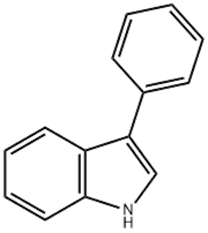
6.2 Substitution at C-3 Position

Substitution at the C-3 position is one of the most critical determinants of antimalarial activity.

  • C-3 alkyl, aryl, or heteroaryl substitutions often enhance potency.
  • Bulky aromatic substituents at C-3 improve π–π stacking interactions with parasite biomolecules.

Example:

3-Phenylindole

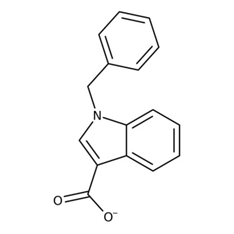
6.3 N-1 Substitution

N-alkylation or N-acylation modulates lipophilicity, metabolic stability, and target selectivity.

  • N-benzyl and N-alkyl indoles show improved cell permeability.
  • Excessive substitution may reduce hydrogen bonding and decrease activity.

Example:

N-benzylindole

6.4 Halogen Substitution on Benzene Ring

Halogen atoms (Cl, Br, F) at C-5 or C-6 enhance antimalarial activity by increasing lipophilicity and metabolic stability.

Example:
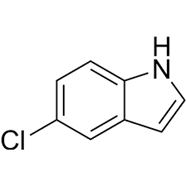
5-Chloroindole

6.5 Hybridization Strategy

Combining indole with other antimalarial pharmacophores yields hybrid molecules with synergistic effects.

  • Indole–quinoline hybrids target heme detoxification pathways.
  • Indole–artemisinin hybrids improve potency against resistant strains.

7. REPRESENTATIVE ANTIMALARIAL INDOLE DERIVATIVES AND THEIR CHEMICAL STRUCTURES

7.1 Isocryptolepine and Analogues

Isocryptolepine is a planar indoloquinoline alkaloid derived from Cryptolepis sanguinolenta.

  • Core structure: Indolo[3,2-b]quinoline
  • Mechanism: DNA intercalation and enzyme inhibition

Isocryptolepine (simplified):

7.2 Flinderoles

Flinderoles are bis-indole alkaloids isolated from Flindersia species.

  • Structural feature: Two indole units linked through a cyclized terpene framework
  • High activity against chloroquine-resistant P. falciparum

Bis-indole motif (generalized):

  • Indole–C–Indole linkage enhances multivalent binding

7.3 Indole–Quinoline Hybrids

These compounds merge the indole ring with a 4-aminoquinoline moiety.

General structure:

  • Indole–(CH?)n–Quinoline

These hybrids disrupt hemozoin formation and overcome chloroquine resistance.

7.4 Indole–Sulfonamide Derivatives

Sulfonamide substitution enhances hydrogen bonding with enzymatic targets.

General structure:

  • Indole–SO?–NH–Ar

Such compounds demonstrate moderate to strong in vitro antiplasmodial activity with good selectivity indices.

7.5 Melatonin-Based Indole Derivatives

Melatonin analogues retain the indole core with modifications at the side chain.

Melatonin:
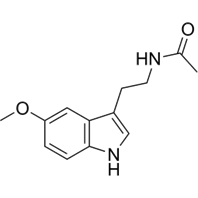
These compounds interfere with parasite circadian signaling and intraerythrocytic development.

8. CHALLENGES AND LIMITATIONS

Despite promising preclinical results, several challenges hinder the development of indole derivatives as antimalarial drugs:

  • Drug Resistance: Although indole derivatives may overcome existing resistance mechanisms, the potential for new resistance remains.
  • Toxicity: Some indole alkaloids exhibit cytotoxicity, necessitating careful optimization to improve selectivity.
  • Pharmacokinetic Issues: Poor solubility, metabolic instability, and limited bioavailability can restrict clinical application.

Addressing these challenges requires integrated approaches combining medicinal chemistry, pharmacology, and computational modeling.

9. FUTURE PERSPECTIVES

Future research on indole-based antimalarials should focus on:

  • Exploration of under-investigated natural sources for novel indole alkaloids.
  • Development of hybrid molecules and multi-target-directed ligands.
  • Application of computational techniques such as molecular docking, QSAR, and machine learning to accelerate lead optimization.
  • Comprehensive in vivo evaluation and toxicity studies to facilitate clinical translation.

With continued interdisciplinary efforts, indole derivatives hold strong promise as a source of next-generation antimalarial drugs.

CONCLUSION

Indole derivatives represent a versatile and biologically relevant class of compounds with significant potential in antimalarial drug discovery. Both natural and synthetic indole-based molecules have demonstrated promising activity against Plasmodium species through diverse mechanisms of action. Although challenges related to resistance, toxicity, and pharmacokinetics persist, advances in medicinal chemistry and drug design provide opportunities to overcome these limitations. Continued research and optimization may ultimately lead to the development of effective, safe, and affordable indole-based antimalarial therapies.

REFERENCES

  1. World Health Organization. World Malaria Report 2023. Geneva: WHO Press; 2023. p. 1–300.
  2. White NJ. Antimalarial drug resistance. J Clin Invest. 2004; 113(8): 1084–1092.
  3. Wells TNC, van Huijsduijnen RH, Van Voorhis WC. Malaria medicines: a glass half full? Nat Rev Drug Discov. 2015; 14(6): 424–442.
  4. Newman DJ, Cragg GM. Natural products as sources of new drugs. J Nat Prod. 2020; 83(3): 770–803.
  5. Sundberg RJ. Indoles. 1st ed. London: Academic Press; 1996. p. 1–400.
  6. Kochanowska-Karamyan AJ, Hamann MT. Marine indole alkaloids: potential new drug leads. Chem Rev. 2010; 110(8): 4489–4497.
  7. Bekhit AA, Ibrahim TM. Indole derivatives as biologically active agents. Arch Pharm Res. 2001; 24(1): 1–15.
  8. Kumar S, Bawa S, Drabu S. Biological activities of indole derivatives. Curr Med Chem. 2009; 16(10): 1230–1250.
  9. Cimanga K, De Bruyne T, Pieters L, et al. In vitro antiplasmodial activity of alkaloids from Cryptolepis sanguinolenta. J Nat Prod. 1997; 60(7): 688–691.
  10. Bringmann G, Messer K, Wohlfarth M, et al. Antiplasmodial alkaloids from Cryptolepis sanguinolenta. Planta Med. 2003; 69(9): 825–830.
  11. Paulo A, Gomes ET, Steele J, et al. Antimalarial activity of indole alkaloids from Geissospermum species. Phytochemistry. 2000; 54(8): 873–877.
  12. Robertson LP, De Silva ED, Cordell GA, et al. Flinderoles A–C, antimalarial bis-indole alkaloids. J Org Chem. 2008; 73(9): 3664–3667.
  13. Wright CW, Allen D, Cai Y, et al. Antimalarial activity of alkaloids from Tabernaemontana species. Phytother Res. 1993; 7(1): 35–38.
  14. Sakai R, Higa T, Jefford CW, Bernardinelli G. Bis-indole alkaloids with antimalarial activity. J Nat Prod. 1999; 62(7): 939–942.
  15. Mbeunkui F, Grace MH, Lategan C, et al. Antiplasmodial activity of indole alkaloids from Geissospermum vellosii. Malar J. 2011; 10: 1–9.
  16. Karunaratne V, Dissanayake V, Herath W. Antimalarial activity of indole derivatives from medicinal plants. J Ethnopharmacol. 2002; 80(1): 35–40.
  17. Chen Y, Li H, Zhang Y, et al. Synthesis and antimalarial evaluation of substituted indoles. Bioorg Med Chem Lett. 2005; 15(12): 3058–3061.
  18. Nwaka S, Hudson A. Innovative lead discovery strategies for tropical diseases. Nat Rev Drug Discov. 2006; 5(11): 941–955.
  19. Chibale K, Visser M, Schalkwyk D, et al. Indoloquinoline derivatives as antimalarial agents. J Med Chem. 2001; 44(2): 205–215.
  20. Onyeibor O, Croft SL, Dodson HI, et al. Synthesis and antiplasmodial activity of cryptolepine analogues. Eur J Med Chem. 2005; 40(12): 1276–1285.
  21. Lavrado J, Moreira R, Paulo A. Indole-based compounds as antimalarial agents. Curr Med Chem. 2010; 17(22): 2348–2370.
  22. Schuck DC, Jordão AK, Nakabashi M, et al. Melatonin and indole derivatives affect Plasmodium falciparum cell cycle. J Pineal Res. 2014; 57(4): 373–381.
  23. O’Neill PM, Barton VE, Ward SA. The molecular mechanism of action of artemisinin. J Med Chem. 2010; 53(11): 6155–6169.
  24. Fidock DA, Rosenthal PJ, Croft SL, et al. Antimalarial drug discovery: efficacy models. Nat Rev Drug Discov. 2004; 3(6): 509–520.
  25. Yeung BKS, Zou B, Rottmann M, et al. Spiroindolones: a new class of antimalarial agents. Science. 2010; 329(5996): 268–273.
  26. Rottmann M, McNamara C, Yeung BKS, et al. Spiroindolones, a new class of potent antimalarials. Nature. 2010; 465(7296): 235–240.
  27. White KL, McNamara CW, Zhao Y, et al. Optimization of spiroindolone antimalarials. J Med Chem. 2014; 57(3): 1112–1126.
  28. Gilson PR, Kumarasingha R, Thompson J, et al. Indole-based inhibitors of PfATP4. Proc Natl Acad Sci USA. 2016; 113(44): 12429–12434.
  29. Zhang Y, Guo X, Lin D, et al. SAR studies of indole–quinoline hybrids. Eur J Med Chem. 2017; 127: 526–538.
  30. Kumar A, Srivastava K, Kumar S, et al. Indole–sulfonamide derivatives as antimalarial agents. Bioorg Chem. 2021; 111: 104872.
  31. Sharma R, Kumar K, Singh P. Hybrid antimalarial agents: recent advances. Med Res Rev. 2018; 38(3): 876–905.
  32. Dondorp AM, Nosten F, Yi P, et al. Artemisinin resistance in Plasmodium falciparum. N Engl J Med. 2009; 361(5): 455–467.
  33. Antony HA, Parija SC, Padmanaban G. Antiplasmodial activity of indole-2-carboxamides. Bioorg Med Chem. 2019; 27(1): 115–123.
  34. Singh K, Sharma A, Bansal R. QSAR studies on indole-based antimalarial agents. Chem Biol Drug Des. 2020; 96(2): 145–156.
  35. Egan TJ. Hemozoin inhibition as a drug target. Drug Discov Today. 2008; 13(3–4): 101–109.
  36. Kaur K, Jain M. Indole derivatives as antimalarial agents. Curr Med Chem. 2016; 23(28): 3318–3346.
  37. Guantai EM, Chibale K. The medicinal chemistry of antimalarial drug discovery. ChemMedChem. 2010; 5(2): 185–193.
  38. Chibale K, Davies-Coleman M, Masimirembwa C. The role of medicinal chemistry in malaria drug discovery. Bioorg Med Chem Lett. 2012; 22(6): 1949–1955.
  39. Renslo AR, McKerrow JH. Drug discovery for parasitic diseases. Nat Chem Biol. 2006; 2(12): 701–710.
  40. Biamonte MA, Wanner J, Le Roch KG. Recent advances in indole-based drug candidates. J Med Chem. 2013; 56(18): 7054–7073.
  41. Zhang H, Zhao Y, Zhu J. Advances in indole medicinal chemistry. Eur J Med Chem. 2020; 192: 112200.
  42. Silva T, Reis J, Teixeira J. Indole alkaloids as antiparasitic agents. Molecules. 2021; 26(14): 4372.
  43. Patel HM, Noolvi MN, Patel RK. Design strategies for indole-based therapeutics. Drug Discov Today. 2018; 23(1): 125–132.
  44. Jain R, Virdi S, Kaur K. Antimalarial drug discovery: a medicinal chemistry perspective. Future Med Chem. 2017; 9(2): 155–176.
  45. Kappe CO. Recent advances in indole synthesis. Chem Rev. 2007; 107(6): 2080–2094.
  46. Banday AH, Shameem SA. Indole derivatives in drug development. Synth Commun. 2010; 40(20): 3097–3125.
  47. Chhabra G, Gupta S, Pathak DP. Natural indole alkaloids with antiplasmodial activity. Pharmacogn Rev. 2014; 8(15): 73–82.
  48. Kumar V, Kaur K, Gupta GK. Indole hybrids in antimalarial drug design. RSC Adv. 2019; 9(30): 17323–17336.
  49. Tiwari R, Mishra A, Srivastava K. Multi-target antimalarial agents based on indole scaffold. J Enzyme Inhib Med Chem. 2021; 36(1): 1234–1246.
  50. Singh P, Sharma V, Gupta R. Indole-based antimalarial agents: challenges and future directions. Med Chem Res. 2022; 31(2): 189–205.   

Reference

  1. World Health Organization. World Malaria Report 2023. Geneva: WHO Press; 2023. p. 1–300.
  2. White NJ. Antimalarial drug resistance. J Clin Invest. 2004; 113(8): 1084–1092.
  3. Wells TNC, van Huijsduijnen RH, Van Voorhis WC. Malaria medicines: a glass half full? Nat Rev Drug Discov. 2015; 14(6): 424–442.
  4. Newman DJ, Cragg GM. Natural products as sources of new drugs. J Nat Prod. 2020; 83(3): 770–803.
  5. Sundberg RJ. Indoles. 1st ed. London: Academic Press; 1996. p. 1–400.
  6. Kochanowska-Karamyan AJ, Hamann MT. Marine indole alkaloids: potential new drug leads. Chem Rev. 2010; 110(8): 4489–4497.
  7. Bekhit AA, Ibrahim TM. Indole derivatives as biologically active agents. Arch Pharm Res. 2001; 24(1): 1–15.
  8. Kumar S, Bawa S, Drabu S. Biological activities of indole derivatives. Curr Med Chem. 2009; 16(10): 1230–1250.
  9. Cimanga K, De Bruyne T, Pieters L, et al. In vitro antiplasmodial activity of alkaloids from Cryptolepis sanguinolenta. J Nat Prod. 1997; 60(7): 688–691.
  10. Bringmann G, Messer K, Wohlfarth M, et al. Antiplasmodial alkaloids from Cryptolepis sanguinolenta. Planta Med. 2003; 69(9): 825–830.
  11. Paulo A, Gomes ET, Steele J, et al. Antimalarial activity of indole alkaloids from Geissospermum species. Phytochemistry. 2000; 54(8): 873–877.
  12. Robertson LP, De Silva ED, Cordell GA, et al. Flinderoles A–C, antimalarial bis-indole alkaloids. J Org Chem. 2008; 73(9): 3664–3667.
  13. Wright CW, Allen D, Cai Y, et al. Antimalarial activity of alkaloids from Tabernaemontana species. Phytother Res. 1993; 7(1): 35–38.
  14. Sakai R, Higa T, Jefford CW, Bernardinelli G. Bis-indole alkaloids with antimalarial activity. J Nat Prod. 1999; 62(7): 939–942.
  15. Mbeunkui F, Grace MH, Lategan C, et al. Antiplasmodial activity of indole alkaloids from Geissospermum vellosii. Malar J. 2011; 10: 1–9.
  16. Karunaratne V, Dissanayake V, Herath W. Antimalarial activity of indole derivatives from medicinal plants. J Ethnopharmacol. 2002; 80(1): 35–40.
  17. Chen Y, Li H, Zhang Y, et al. Synthesis and antimalarial evaluation of substituted indoles. Bioorg Med Chem Lett. 2005; 15(12): 3058–3061.
  18. Nwaka S, Hudson A. Innovative lead discovery strategies for tropical diseases. Nat Rev Drug Discov. 2006; 5(11): 941–955.
  19. Chibale K, Visser M, Schalkwyk D, et al. Indoloquinoline derivatives as antimalarial agents. J Med Chem. 2001; 44(2): 205–215.
  20. Onyeibor O, Croft SL, Dodson HI, et al. Synthesis and antiplasmodial activity of cryptolepine analogues. Eur J Med Chem. 2005; 40(12): 1276–1285.
  21. Lavrado J, Moreira R, Paulo A. Indole-based compounds as antimalarial agents. Curr Med Chem. 2010; 17(22): 2348–2370.
  22. Schuck DC, Jordão AK, Nakabashi M, et al. Melatonin and indole derivatives affect Plasmodium falciparum cell cycle. J Pineal Res. 2014; 57(4): 373–381.
  23. O’Neill PM, Barton VE, Ward SA. The molecular mechanism of action of artemisinin. J Med Chem. 2010; 53(11): 6155–6169.
  24. Fidock DA, Rosenthal PJ, Croft SL, et al. Antimalarial drug discovery: efficacy models. Nat Rev Drug Discov. 2004; 3(6): 509–520.
  25. Yeung BKS, Zou B, Rottmann M, et al. Spiroindolones: a new class of antimalarial agents. Science. 2010; 329(5996): 268–273.
  26. Rottmann M, McNamara C, Yeung BKS, et al. Spiroindolones, a new class of potent antimalarials. Nature. 2010; 465(7296): 235–240.
  27. White KL, McNamara CW, Zhao Y, et al. Optimization of spiroindolone antimalarials. J Med Chem. 2014; 57(3): 1112–1126.
  28. Gilson PR, Kumarasingha R, Thompson J, et al. Indole-based inhibitors of PfATP4. Proc Natl Acad Sci USA. 2016; 113(44): 12429–12434.
  29. Zhang Y, Guo X, Lin D, et al. SAR studies of indole–quinoline hybrids. Eur J Med Chem. 2017; 127: 526–538.
  30. Kumar A, Srivastava K, Kumar S, et al. Indole–sulfonamide derivatives as antimalarial agents. Bioorg Chem. 2021; 111: 104872.
  31. Sharma R, Kumar K, Singh P. Hybrid antimalarial agents: recent advances. Med Res Rev. 2018; 38(3): 876–905.
  32. Dondorp AM, Nosten F, Yi P, et al. Artemisinin resistance in Plasmodium falciparum. N Engl J Med. 2009; 361(5): 455–467.
  33. Antony HA, Parija SC, Padmanaban G. Antiplasmodial activity of indole-2-carboxamides. Bioorg Med Chem. 2019; 27(1): 115–123.
  34. Singh K, Sharma A, Bansal R. QSAR studies on indole-based antimalarial agents. Chem Biol Drug Des. 2020; 96(2): 145–156.
  35. Egan TJ. Hemozoin inhibition as a drug target. Drug Discov Today. 2008; 13(3–4): 101–109.
  36. Kaur K, Jain M. Indole derivatives as antimalarial agents. Curr Med Chem. 2016; 23(28): 3318–3346.
  37. Guantai EM, Chibale K. The medicinal chemistry of antimalarial drug discovery. ChemMedChem. 2010; 5(2): 185–193.
  38. Chibale K, Davies-Coleman M, Masimirembwa C. The role of medicinal chemistry in malaria drug discovery. Bioorg Med Chem Lett. 2012; 22(6): 1949–1955.
  39. Renslo AR, McKerrow JH. Drug discovery for parasitic diseases. Nat Chem Biol. 2006; 2(12): 701–710.
  40. Biamonte MA, Wanner J, Le Roch KG. Recent advances in indole-based drug candidates. J Med Chem. 2013; 56(18): 7054–7073.
  41. Zhang H, Zhao Y, Zhu J. Advances in indole medicinal chemistry. Eur J Med Chem. 2020; 192: 112200.
  42. Silva T, Reis J, Teixeira J. Indole alkaloids as antiparasitic agents. Molecules. 2021; 26(14): 4372.
  43. Patel HM, Noolvi MN, Patel RK. Design strategies for indole-based therapeutics. Drug Discov Today. 2018; 23(1): 125–132.
  44. Jain R, Virdi S, Kaur K. Antimalarial drug discovery: a medicinal chemistry perspective. Future Med Chem. 2017; 9(2): 155–176.
  45. Kappe CO. Recent advances in indole synthesis. Chem Rev. 2007; 107(6): 2080–2094.
  46. Banday AH, Shameem SA. Indole derivatives in drug development. Synth Commun. 2010; 40(20): 3097–3125.
  47. Chhabra G, Gupta S, Pathak DP. Natural indole alkaloids with antiplasmodial activity. Pharmacogn Rev. 2014; 8(15): 73–82.
  48. Kumar V, Kaur K, Gupta GK. Indole hybrids in antimalarial drug design. RSC Adv. 2019; 9(30): 17323–17336.
  49. Tiwari R, Mishra A, Srivastava K. Multi-target antimalarial agents based on indole scaffold. J Enzyme Inhib Med Chem. 2021; 36(1): 1234–1246.
  50. Singh P, Sharma V, Gupta R. Indole-based antimalarial agents: challenges and future directions. Med Chem Res. 2022; 31(2): 189–205.   

Photo
Lavkush Kumar Vishwakarma
Corresponding author

Ojaswini Pharmacy College, Sagar.

Photo
Dinesh Thakur
Co-author

Ojaswini Pharmacy College, Sagar.

Photo
Arun Pratap Singh
Co-author

Ojaswini Pharmacy College, Sagar.

Photo
Ramkrishna Mishra
Co-author

Ojaswini Pharmacy College, Sagar.

Lavkush Kumar Vishwakarma, Dinesh Thakur, Arun Pratap Singh, Ramkrishna Mishra, Antimalarial Activity of Indole Derivatives: A Comprehensive Review, Int. J. of Pharm. Sci., 2026, Vol 4, Issue 1, 1842-1849. https://doi.org/10.5281/zenodo.18299849

More related articles
Strategic Design, Synthesis and Biological Evaluat...
Sreena K, Muhammed Shafah K P C, Ashique P, Thabsseera K P, Shaha...
Review on Antimalarial Drug...
Raviraj Rathod, D. R. Gite, Shaikh Shahebaj, Krishna Pawar, ...
QSAR Modelling of Fluoroquinolone Antibiotics to Enhance Antibacterial Activity...
Pallavi Gaikwad, Akshata Shirude, Puja Tidke, Sakshi Wakte, ...
Review on Plant Nyctanthes arbortristis for Anti Inflammatory Activity...
Manisha Kasar, Mugdha Joshi, Vilasini Pandav, Sukanya Kamane, Prajwal Nimkarde, ...
Related Articles
Exploring the Antifungal Activity of 1,4-Naphthoquinone Derivatives through Inhi...
Sumit Raut, Dr. Dinesh Chapale, Neha Mankar, Suraj Chilkawar, Ayush Umare, ...
Review on Anti- Inflammatory Activity of Moringa Granules...
Parag Wankhede, Dr. S. J. Dighade, S. A. Thombre, ...
Antioxidant and Alpha-Amylase Inhibitory Activity of Ananas comosus Crown...
Mathew George, Lincy Joseph, Aswin K Nair, Ayisha Safna P, Christeena V R, Malavika E S, Vrindha C V...
Mosquito Larvicidal and Adulticidal Activity of Ocimum basilicum L. Essential Oi...
Birjit Singh Waikhom, Sangeeta Yanglem, Thangal Yumnamcha , Maibam Damayanti Devi, ...
Strategic Design, Synthesis and Biological Evaluation of Indole Linked Thiazolid...
Sreena K, Muhammed Shafah K P C, Ashique P, Thabsseera K P, Shaharban T K, Abid T P, Thejas T, ...
More related articles
Strategic Design, Synthesis and Biological Evaluation of Indole Linked Thiazolid...
Sreena K, Muhammed Shafah K P C, Ashique P, Thabsseera K P, Shaharban T K, Abid T P, Thejas T, ...
Review on Antimalarial Drug...
Raviraj Rathod, D. R. Gite, Shaikh Shahebaj, Krishna Pawar, ...
Strategic Design, Synthesis and Biological Evaluation of Indole Linked Thiazolid...
Sreena K, Muhammed Shafah K P C, Ashique P, Thabsseera K P, Shaharban T K, Abid T P, Thejas T, ...
Review on Antimalarial Drug...
Raviraj Rathod, D. R. Gite, Shaikh Shahebaj, Krishna Pawar, ...