
Swathi College of Pharmacy, Nellore, Andhra Pradesh
Infectious diseases are a major global cause of morbidity and mortality, seriously affecting public health and socioeconomic stability. Since infectious diseases can be caused by a wide variety of pathogens with similar clinical manifestations and symptoms that are difficult to accurately distinguish, selecting the appropriate diagnostic techniques for the rapid identification of pathogens is crucial for clinical disease diagnosis and public health management. However, traditional diagnostic techniques have low detection rates, long detection times and limited automation, which means that they do not meet the requirements for rapid diagnosis. Despite the growth of molecular diagnosis from the era of Hippocrates, the emergence of COVID-19 is still remarkable. The previously used molecular techniques were not rapid enough to screen a vast population at home, in offices, and in hospitals. Additionally, these techniques were only available in advanced clinical laboratories. The pandemic outbreak enhanced the urgency of researchers and research and development companies to invent more rapid, robust, and portable devices and instruments to screen a vast community in a cost-effective and short time. There has been noteworthy progress in molecular diagnosing tools before and after the pandemic. Recent years have seen continuous developments in molecular detection technology, which has a higher sensitivity and specificity, shorter detection time and increased automation, and performs an important role in the early and rapid detection of infectious disease pathogens. The present study summarizes recent progress in molecular diagnostic technologies such as PCR, isothermal amplification, gene chips and high?through put sequencing for the detection of infectious disease pathogens, and compares the technical principles, advantages and disadvantages, applicability and costs of these diagnostic techniques. This review focuses on the awareness of molecular diagnostic. Nucleic acid testing is the cornerstone of modern molecular diagnostics. This review describes the status and future directions of molecular diagnostics, focusing on four major techniques: polymerase chain reaction (PCR), next-generation sequencing (NGS), isothermal amplification methods such as recombinase polymerase amplification (RPA) and loop-mediated isothermal amplification (LAMP), and clustered regularly interspaced short palindromic repeats (CRISPR)-based detection methods. We explore the advantages and limitations of each technique, describe how each overlap with or complement other techniques, and examine current clinical offerings. This review provides a broad perspective into the landscape of molecular diagnostics and highlights potential future directions in this rapidly evolving field.
Awareness of molecular diagnostic means understanding the purpose, techniques, applications, and importance of molecular methods used to detect diseases at the genetic or molecular level. Diagnostic methods are essential tools in modern medicine, used to identify diseases, monitor health status and guide treatment decisions. Raising awareness about these methods empowers individuals to seek timely medical care and improves overall health outcomes [3, 4]. Molecular diagnosis is a cutting-edge field in medical science that uses molecular biology techniques to identify diseases at the genetic, DNA, RNA or protein level. Unlike traditional, diagnostic methods that reply on observable symptoms or microscopy, molecular diagnostic offers precise, rapid, and early detection significantly improving patient outcomes [3, 5]. Molecular diagnostics is a collection of techniques used to analyze biological makers in the genome and proteome; these cells express their genes as proteins, applying molecular biology to medical testing. In medicine the technique is used to diagnose-monitor disease, detect risk, and decide which therapies will work best for individual patients.?Advance and in agricultural bio security similarly to monitor crop - livestock disease, estimate risk, and decide what quarantine measures must be taken [11]. By analyzing the specifics of the patient and their disease, molecular diagnostics offers the prospect of personalized medicine. These tests are useful in a range of medical specialties, including infectious disease, oncology, human leukocyte antigen typing (which investigates and predicts immune function) coagulation and pharmacogenetics the genetic prediction of which drugs will work best.? They overlap with clinical chemistry (medical tests on bodily fluids).As molecular diagnostics has evolved; it has demonstrated clear advantages over some traditional methods, although it does not completely replace other methods The extreme sensitivity of molecular methods is crucial for directly detecting viral nucleic acids, making them a vital tool in diagnosing infections. When a pathologist states that patients have undetectable virus, that does not mean that they have no virus in their systems. It means that the level of virus is below the limits of detection for the assay used. A highly sensitive and robust assay delivers more valuable insights, enabling accurate diagnoses and informed treatment decisions. Other advantages are that molecular assays often require minimal sample volumes and do not require culture. Molecular methods offer high accuracy in detecting viruses by targeting specific DNA or RNA sequences, making them a reliable choice for diagnosis. Finally, molecular diagnostics usually offers tremendous time savings in the laboratory, allowing clinicians earlier access to data and thus earlier treatment for patients .Nucleic acid amplification is the key to molecular diagnostics. A molecular test for a virus must detect a specific RNA or DNA sequence during a tremendous amount of other nucleic acids: human genomic DNA, mRNA, bacterial DNA, and RNA. This process is like pulling the proverbial needle out of the haystack. The power of a nucleic acid amplification technique is that it can amplify a specific sequence and do so in a predictable manner so that the number of molecules in the initial sample can be quantified. Polymerase chain reaction (PCR) is the gold standard for amplification processes in diagnostics. Since the technique was first published in 1985, it has become the most widely used nucleic acid amplification technology. With PCR, a target sequence of nucleic acid is amplified through a repetitive series of reactions catalyzed by a single enzyme, a thermal stable nucleic acid polymerase. PCR can amplify both DNA and RNA.
The process of PCR typically involves taking the sample through three different temperatures, each of which causes a different event. The sample is placed into a tube with the proper primers, thermal stable polymerase, nucleotides, and buffers. In the first step, denaturation by heating to 95°C causes the double-stranded DNA to form single strands. In the second step, the temperature is dropped to 55°C to 60°C, which allows the target specific primer to bind to only the intended nucleic acid sequence. The specificity of an assay depends on the quality of primer choice. Finally, in a third step, the temperature of the reaction is raised to about 72°C and the polymerase synthesizes an identical copy of the target sequence, called an amplicon. The cycle is repeated many times through the three different temperatures. Everything occurs rapidly in a closed tube in a thermo cycling instrument. The progress in diagnostic medicine has been driven by collaborative efforts among universities, industries, governments, and private institutions, harnessing science and technology to improve healthcare outcomes.
MOLECULAR DIAGNOSTIC METHODS:
COMMON MOLECULAR DIAGNOSTIC METHODS:
Polymerase Chain Reaction (PCR) is a powerful molecular biology technique used to amplify (make many copies of) a specific DNA segment. It was developed by Kary Mullis in 1983, who later received the Nobel Prize in Chemistry in 1993 for this invention. PCR is widely used in research, diagnostics, forensics, and biotechnology [1].
STEPS INVOLED IN PCR: [1, 2]
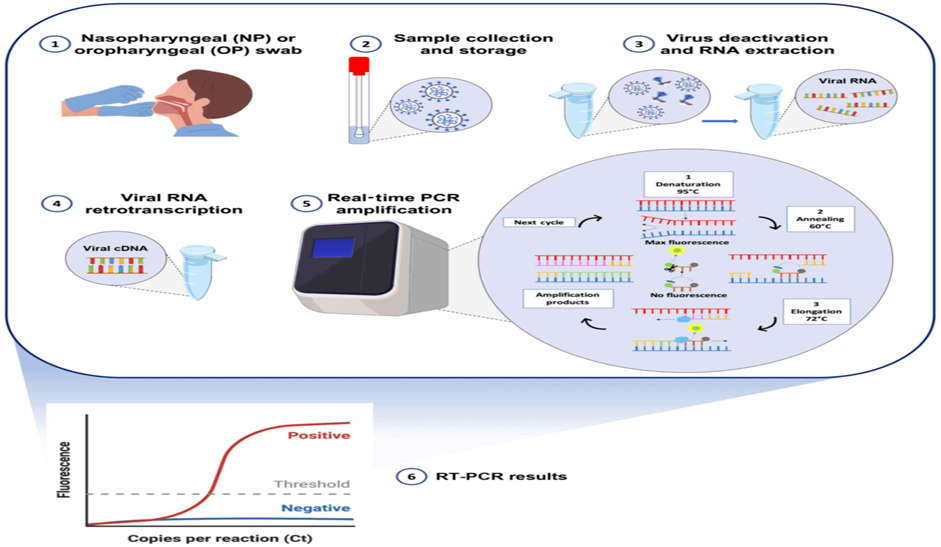
FIGURE: 1 PROCEDURE FOR POLYMERASE CHAIN REACTION
Next Generation Sequencing (NGS), also known as high-throughput sequencing, is a modern DNA sequencing technology that allows millions of DNA fragments to be sequenced simultaneously and rapidly. It represents a major advancement over traditional Sanger sequencing, offering faster, cheaper, and more accurate genome analysis [6, 7].
STEPS INOVLED IN NGS:
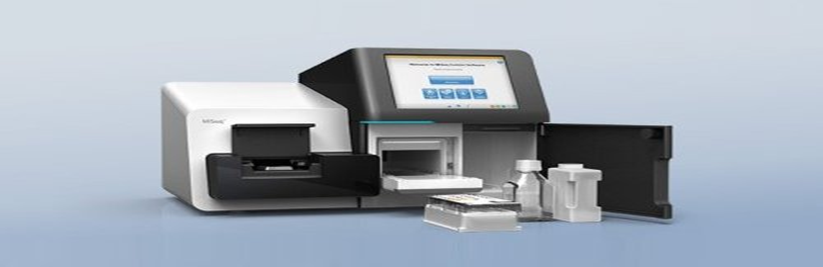
FIGURE: 2 INSTRUEMENT USED IN NEXT GENERATION SEQUENCE
Nucleic acid hybridization is a molecular technique used to detect, identify, or study specific DNA or RNA sequences based on the principle of base pairing. It relies on the ability of complementary nucleic acid strands to bind, or hybridize, to each other under suitable conditions [3].
STEPS INVOLED IN NAH:
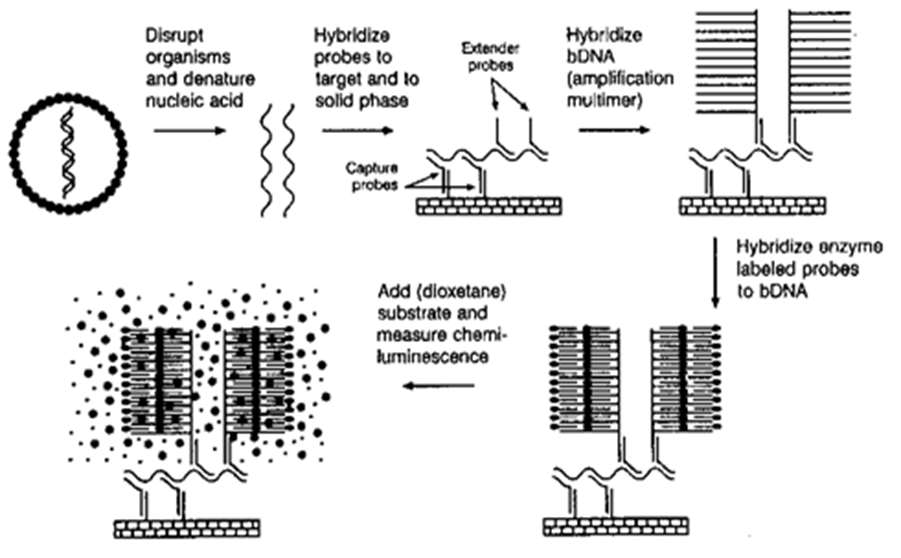
FIGURE: 3 PROCESS OF NUCLEIC ACID HYBRIDIZATION
Ligase Chain Reaction (LCR) is a molecular diagnostic technique used to detect specific DNA sequences and point mutations. It is similar to PCR but instead of amplifying DNA through polymerase activity, it uses a DNA Ligase enzyme to join two adjacent DNA probes that perfectly match the target sequence [3].
STEPS INOVLED IN LCR:
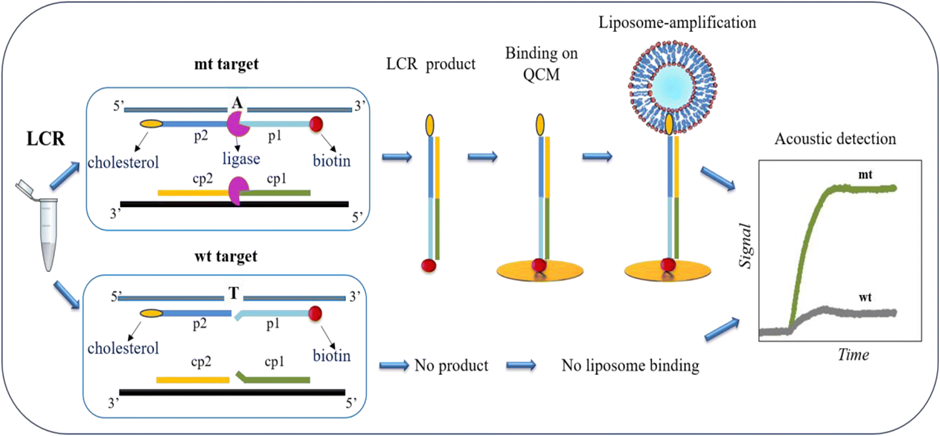
FIGURE: 4 PROCESSES OF LIGASE CHAIN REACTION
Gene expression analysis is a molecular biology technique used to study how genes are turned on or off in cells. It helps determine which genes are active, how much they are expressed, and under what conditions. This is important for understanding normal biological processes, disease mechanisms, and treatment responses [3, 5].
METHODS:
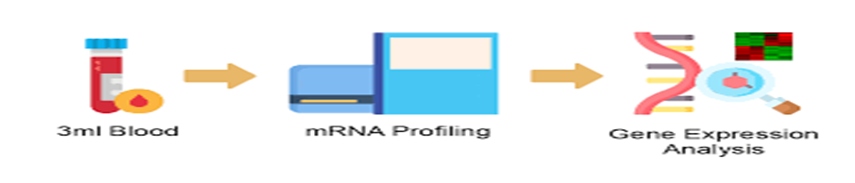
FIGURE: 5 PROCEDURE FOR GENE EXPRESSION ANALYSIS
DNA microarrays, also called gene chips or DNA chips, are powerful molecular biology tools used to study the expression of thousands of genes simultaneously. They allow scientists to analyze which genes are active or inactive in a cell or tissue under specific conditions [3].
STEPS INVOLED IN DNA MICROARRAYS:
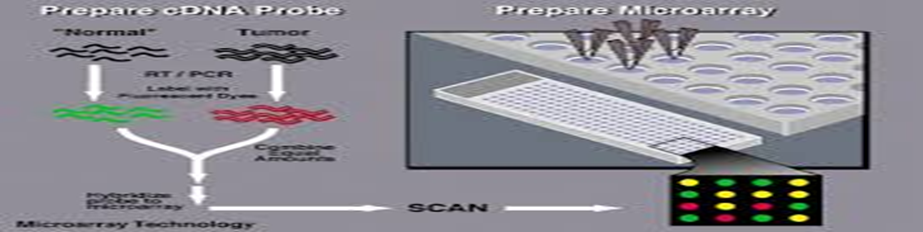
FIGURE: 6 PROCEDURE FOR DNA MICROARRAYS
CRISPR (Clustered Regularly Interspaced Short Palindromic Repeats) is a gene-editing technology originally discovered as part of the bacterial immune system. Beyond genome editing, CRISPR has recently been adapted as a powerful molecular diagnostic tool for detecting nucleic acids from pathogens, mutations, and genetic diseases [8].
TYPES:
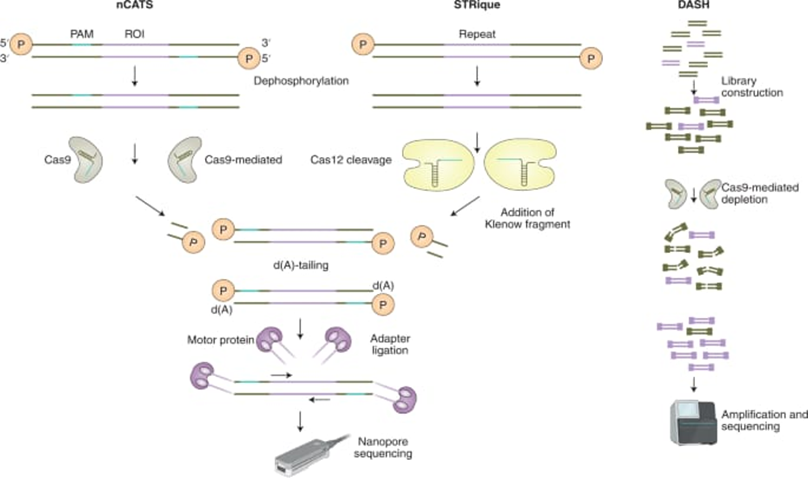
FIGURE: 7 PROCESS FOR CRISPR-based diagnostic
Fluorescence In Situ Hybridization (FISH) is a cytogenetic technique used to detect and localize the presence or absence of specific DNA or RNA sequences on chromosomes or in cells using fluorescently labelled probes [9].
STEPS INVOLED ON FISH:
A. Sample Preparation: Cells or tissue sections are fixed on slides.
B. Denaturation: Double-stranded DNA is denatured to single strands.
C. Hybridization: Fluorescently labeled probes bind to complementary DNA sequences.
D. Washing: Removes unbound probes.
E. Detection: Fluorescent signals are viewed under a fluorescence microscope.
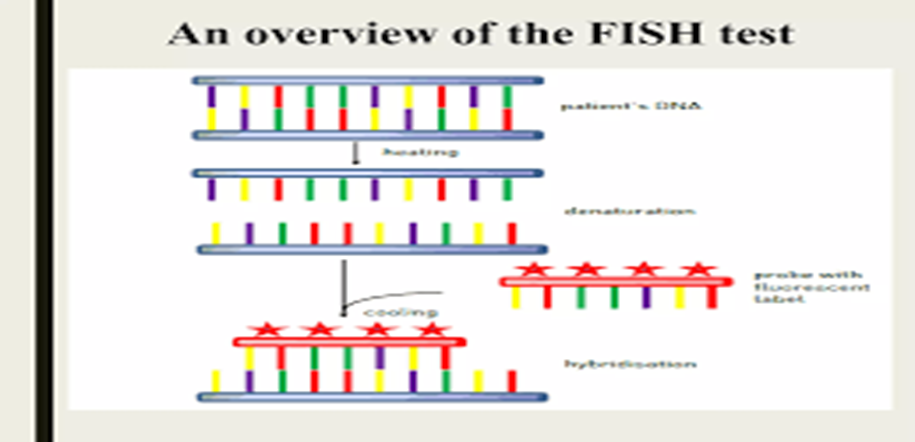
FIGURE: 8 PROCESS OF FISH (fluorescence in situ hybridization)
ELISA is a biochemical technique used to detect and quantify antigens (proteins, peptides, hormones) or antibodies in a sample such as blood or serum. It is one of the most commonly used immunological assays in diagnostics, research, and biotechnology [10].
STEPS INVOLED IN ELISA:
A. Coating: The antigen or antibody is attached to a solid surface (usually a microtiter plate).
B. Blocking: Non-specific binding sites are blocked to prevent background noise.
C. Binding: The sample containing the target antigen or antibody is added to the plate.
D. Detection: A specific enzyme-linked antibody is added to form a complex.
E. Substrate Addition: A chromogenic substrate (e.g., TMB) is added; the enzyme catalyses a reaction that produces colour.
F. Measurement: The colour intensity is measured using a spectrophotometer.
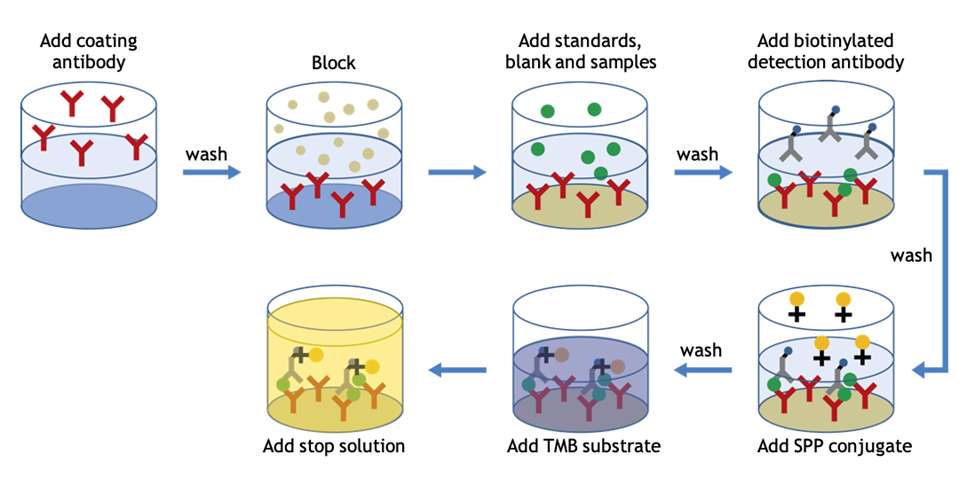
FIGURE: 9 PROCEDURE FOR ELISA
AIM & OBJECTIVES:
Here are the main objectives of molecular diagnostic methods:
Identify diseases at the molecular or genetic level before clinical symptoms appear
Detect and differentiate microorganisms (bacteria, viruses, fungi, parasites) with high specificity and sensitivity.
Identify mutations, chromosomal abnormalities, or genetic predispositions to inherited diseases.
Detect tumor markers, genetic alterations, and molecular signatures for cancer classification, staging, and risk assessment.
Support selection of targeted therapies based on genetic/molecular profiles of patients.
Evaluate the effectiveness of therapies by tracking molecular changes or minimal residual disease.
Enable rapid outbreak detection, epidemiological tracking, and antimicrobial resistance monitoring.
METHODOLOGY:
Identify the target group (students, clinicians, lab technicians, patients, policymakers).Assess their current knowledge level and gaps.
Prepare accurate, up-to-date educational content on:
RESULTS:
TABLE: 1 BASED ON AGE OF PUBLIC
|
AGE |
RESPONSES |
|
18 YEARS |
10.7% (23) |
|
19YEARS |
24.8% (53) |
|
20 YEARS |
26.2% (56) |
|
21 YEARS |
9.8% (21) |
|
22 YEARS |
6.1% (13) |
The lowest % is 28 years old & highest is 20 years persons.
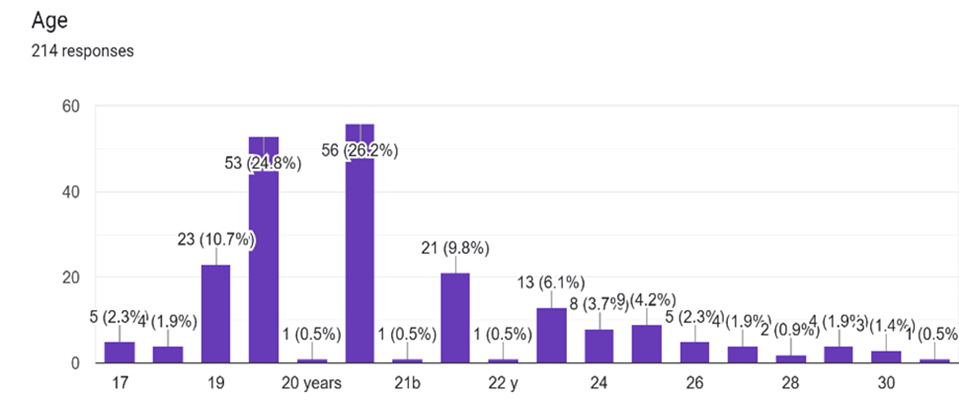
FIGURE: 10 the following bar chart represents the age of public (214)
TABLE: 2 BASED ON GENDER OF PUBLIC
|
GENDER |
RESPONSES |
|
Female |
119[55.6%] |
|
Male |
85[39.7%] |
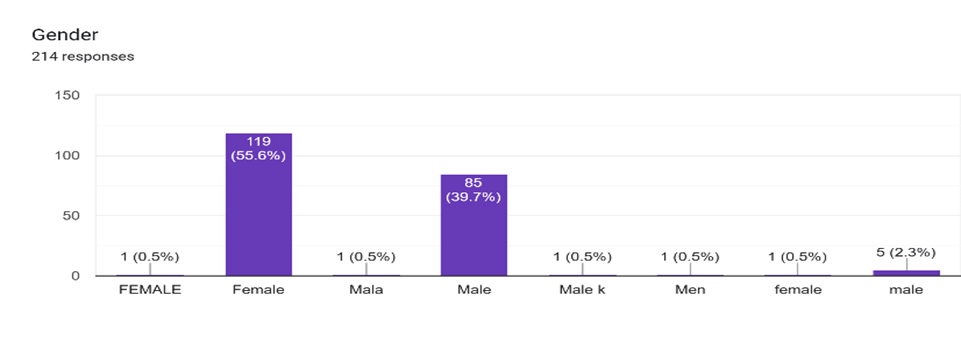
FIGURE: 11 The following bar chart represents the gender of public (214)
TABLE: 3 BASED ON BASED ON OCCUPATION OF PUBLIC
|
OCCUPATION |
RESPONSES |
|
Health care professional persons |
56.1% (111) |
|
Other persons |
31.8% (72) |
|
Researcher persons |
12.1% (31) |
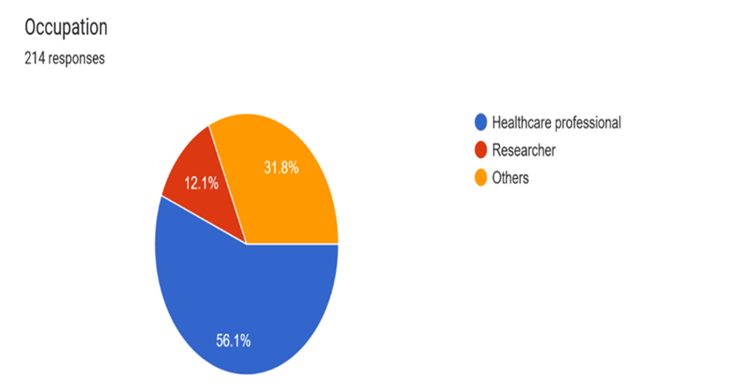
FIGURE: 12 Pie chart represents the occupation of public (214)
TABLE: 4 Educational background of public (214)
|
Educational background |
RESPONSES |
|
Undergraduate persons |
62.6% |
|
Postgraduate persons |
22% |
|
PHD \ Others |
16.1% |
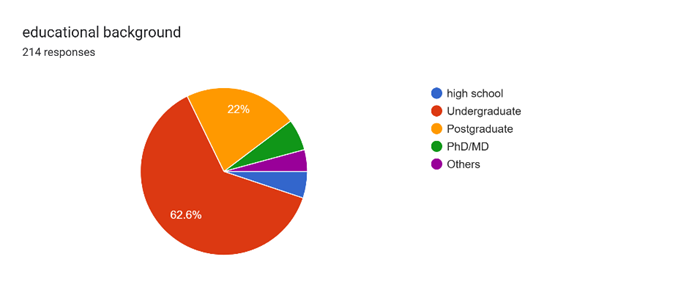
FIGURE: 13 Pie chart represents the educational background of public (214)
BASED ON SURVEY CONDUCTED IN PUBLIC:
1. Have you heard of molecular diagnostic before?
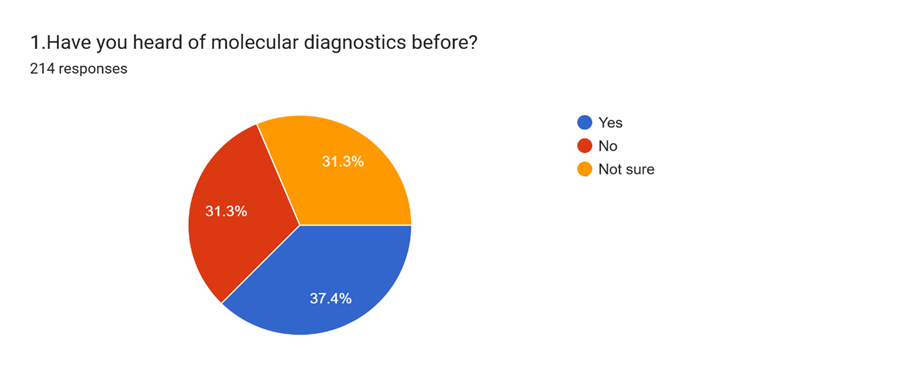
FIGURE: 14 Pie chart represents the results of 214 public responses
2. Which of the following do you associate with molecular diagnostics?
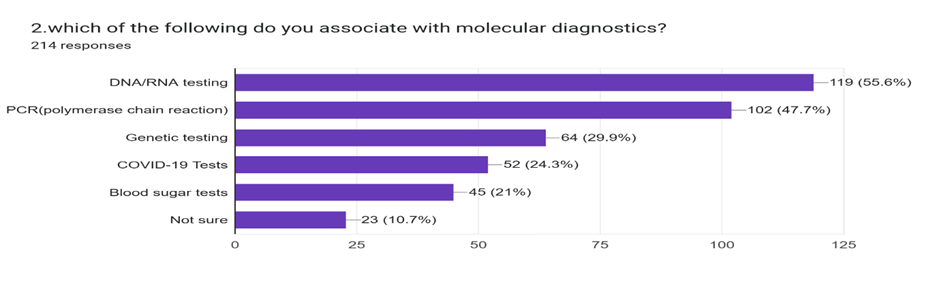
FIGURE: 15 The following bar chart represents the results of 214 public responses
3. How did you first learn about molecular diagnostic methods?
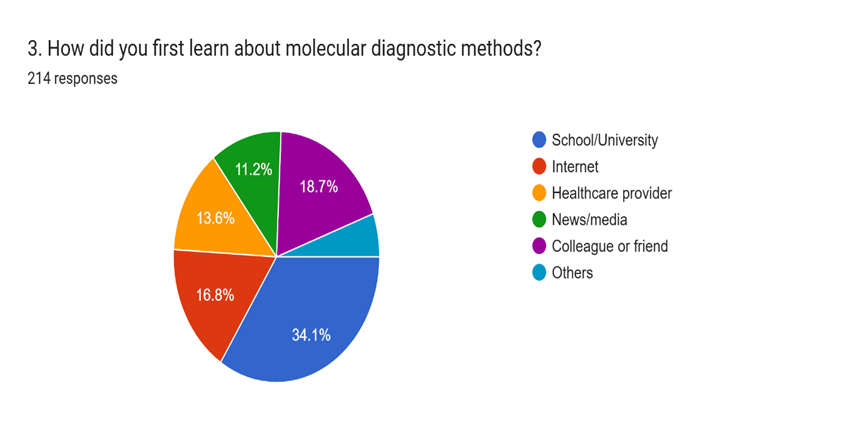
FIGURE: 16 Pie chart represents the results of 214 public responses
4. What is the main purpose of molecular diagnostics methods?
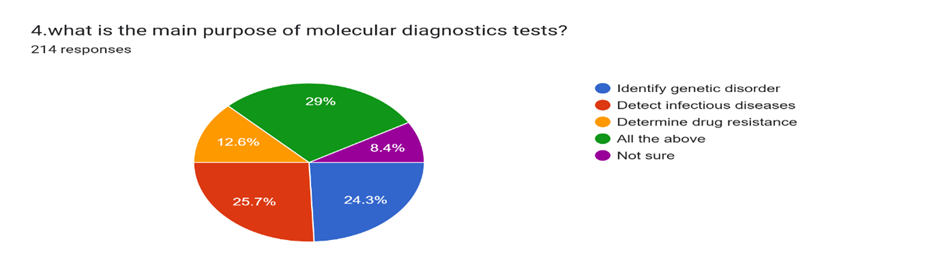
FIGURE: 17 Pie chart represents the results of 214 public responses
5. Which of the following are molecular diagnostic techniques?
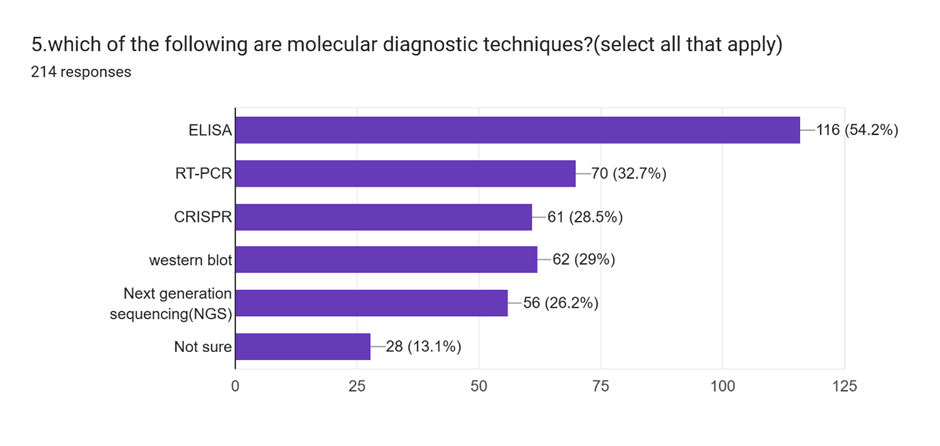
FIGURE: 18 The following bar chart represents the results of 214 public responses
6. How confident are you in your understanding of molecular diagnostic methods?
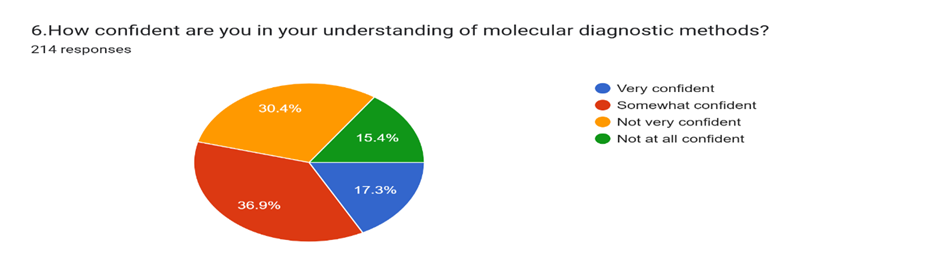
FIGURE: 19 Pie chart represents the results of 214 public responses
7. Do you think molecular diagnostics play an important role in modern medicine?
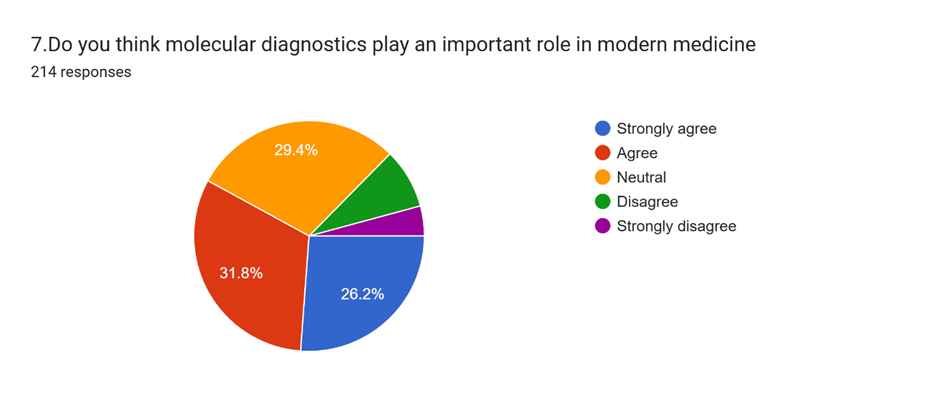
FIGURE: 20 Pie chart represents the results of 214 public responses
8. In your opinion, which fields benefit most from molecular diagnostics?
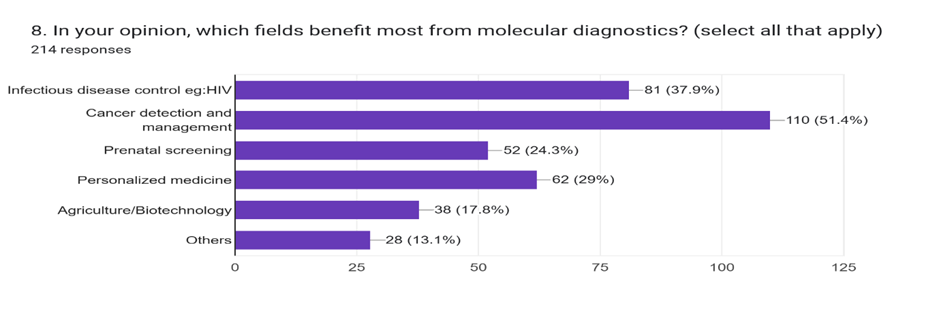
FIGURE: 21 The following bar chart represents the results of 214 public responses
9. Would you consider taking a molecular diagnostic test if recommended by a health care provider?
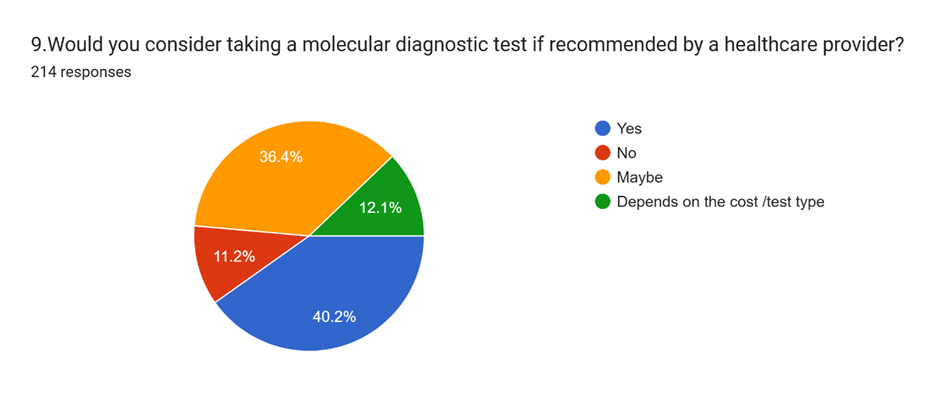
FIGURE: 22 Pie chart represents the results of 214 public responses
10. What are the barriers to using or understanding molecular diagnostic?
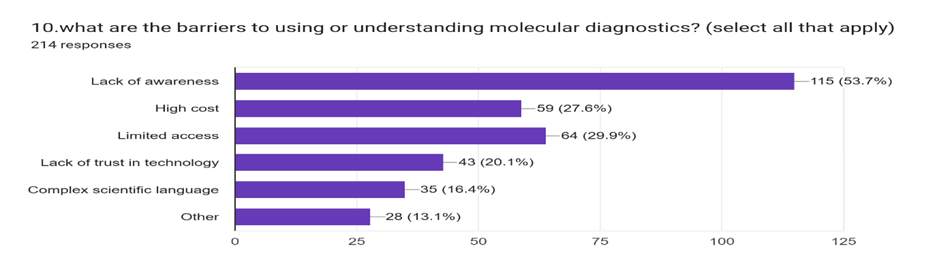
FIGURE: 23 The following bar chart represents the results of 214 public responses
11. What would improve public awareness and acceptance of molecular diagnostics?
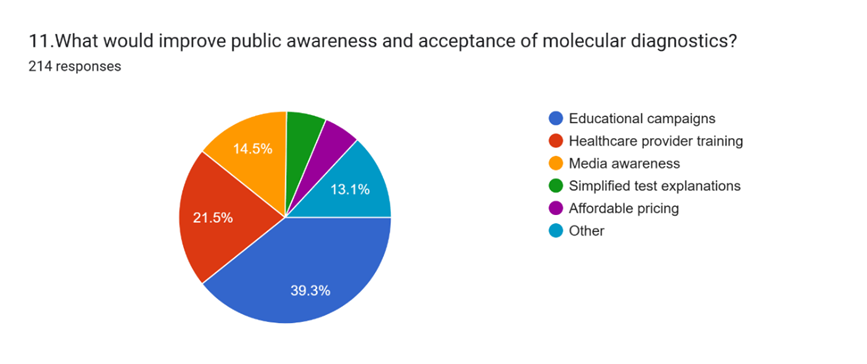
FIGURE: 24 Pie chart represents the results of 214 public responses
CONCLUSION
Molecular diagnostics has emerged as a transformative field in modern medicine, offering rapid, sensitive, and highly specific tools for the detection and monitoring of infectious diseases. The COVID?19 pandemic highlighted both the limitations of traditional diagnostic approaches and the urgent need for portable, cost?effective, and scalable molecular technologies. Techniques such as PCR, next? generation sequencing (NGS), isothermal amplification methods (RPA, LAMP), gene chips, and CRISPR? based assays have significantly advanced pathogen detection, enabling earlier diagnosis, improved patient outcomes, and more effective public health management .Despite these advances, awareness and accessibility of molecular diagnostics remain moderate, particularly outside specialized laboratories. While young and educated individuals in health? related fields demonstrate growing recognition of its importance, there is still a gap in detailed knowledge and widespread application. Bridging this gap requires targeted education, training programs, and outreach initiatives to ensure that both healthcare professionals and the general public understand and utilize these technologies effectively. Ultimately, molecular diagnostics not only strengthens the fight against infectious diseases but also paves the way for personalized medicine, agricultural biosecurity, and broader applications across clinical specialties. Continued innovation, collaboration among research institutions and industries, and enhanced public awareness will be essential to fully realize the potential of molecular diagnostics in improving global health outcomes.
REFERENCES

Dr. Shaik Salma, Shaik Saheer, R. Vasundhara, S. Vishnu Ganesh, S. Indira, V. Vishnu Priya, Unlocking Precision: Exploring Molecular Diagnostic Methods for Enhanced Disease Detection, Int. J. of Pharm. Sci., 2026, Vol 4, Issue 3, 3981-3998. https://doi.org/10.5281/zenodo.19339117
 10.5281/zenodo.19339117
