
Department of Pharmacology, Srinivas College of Pharmacy, Valachil, Mangalore- 574143
Ruta graveolens which is a member of the rutaceae family and commonly known as garden rue. This perennial plant has been frequently utilized in ethnomedicine. The main focus of this review include phytochemistry, pharmacology, plant morphology, and conventional medical applications. It contsist of phytoconstituents such as quinolone alkaloids, coumarins, essential oils, glycosides, flavonoids (rutin and quercetin) and furanocoumarins. Ruta graveolens is being utilized additionally for medicinal purposes or which are precursors for the synthesis of promising medicines. The most often reported pharmacological properties of Ruta graveolens include antibacterial, anti-inflammatory, fertility-regulating, anticancer, antioxidant, antiviral, and nervous system effects. fresh rue juice has been also used to treat discomfort in ears and toothaches. Ruta graveolens have been employed in traditional medicine for many years, In Unani system of medicine, it is recorded as abortifacient, anti-vitiligo and on local application, it promotes blood flow, reduces joint and gouty discomfort. This shows that it was an essential component of Unani formulations. According to homeopathy, fresh leaves of Ruta graveolens are effective in rheumatism, arthritis, neuropathic pain, and other vein disorders. In the Ayurvedic medical system, it is utilized for intestinal gases, digestion, and antispasmodics. These plants were extensively employed by ancient civilisations of mesopotamia, egypt, greece, india and china for the purpose of maintaining of good health
Human diseases have traditionally been prevented as well as treated by plant-derived medications. Nowadays, the food and drug administration (FDA) has approved large number of medications that are derived from plants [1].
Plants have a global significance and are a part of the local heritage and tradition. The world has an abundance of therapeutic herbs. Since ancient times, plant extracts have been extensively utilized as a treatment for several kinds of clinical challenges [2]. Pharmacologists and pharmacists use the term "crude drugs’’ for the entire plants or plant parts with therapeutic qualities and which are from the biological origin. The World Health Organization (WHO) evaluated that up to 80% of worldwide, primarily in developing nations, receive their primary health care services from plant medicines. According to reports, 90% of people in Ethiopia, 70% of people in India, and other country consistently utilize plant-derived remedies for their health problems [3].
Because they come from natural sources, plant-based medications and herbal therapies are regarded as safe, pure, and healthful. There has been a notable increase in the compliance to plant-based medicines in affluent nations in recent years. Nowadays, phytomedicines can be found under the term "health products" in pharmacies, grocery stores, supermarkets, and health stores. A vast variety of plants have been documented by many traditional medical systems worldwide, showing the significant therapeutic value of medicinal plants [4].
Ruta graveolens is a small shrub or powerfully aromatic evergreen herb which belongs to a member of the Rutaceae family. Herb-of-grace, Sadab, and Rue are the some of the common names. It is found all over the world and is originally native of Mediterranean region. There are presently numerous recognized species in the genus Ruta, and Ruta graveolens has been employed as a medicinal herb and decorative in various countries. The plant was extremely valued by the ancient Greco-Romans. According to several traditional Ayurvedic, homeopathic, and unani sources, it is a well-known cure for various kinds of illnesses. The roots and upper parts of Ruta graveolens possess above 120 natural chemicals, primarily including alkaloids, coumarins, essential oils, flavonoids, and fluoroquinolones, etc. They are pleasant and fragrant. The rue ranges from mild to grayish green. Leaves, stem, fruits and flowers are also present in significant amounts, The stem components have a maximum length of 15 cm and a thickness of 5 mm. They have a smooth surface, sharp cut edges, a fibrous fracture, a hollow or white transparent pith, a moderate green exterior, and a white interior. The leaves present are quite delicate. They are thin, papery, green to mild green to grayish green, and all over them are tiny specks of dark green glands. During handling, leaflets break off. Flowers are dull or dark yellow. Clearly, petals are undulating. The fruits have blunted tops and four or five lobes. This plant is being used in several countries, particularly in the Mediterranean area, due to its extraordinary biological activity, ease for collection, and extensive availability. This article provides a detailed study of Ruta graveolens's pharmacological, chemical, and botanical characteristics [5].
Different parts components of the Ruta genus are cure for variety of illnesses. These are mostly used in the field of gynecology, and have the potential to treat pain, fever, nausea, inflammation, infections, and nervous system dysfunction, among other conditions. These plants are used as abortifacients, contraceptives, anti-fertility agents, and to regulate menstrual flow and bleeding [6].
TAXONOMY [7]
|
Kingdom |
Plantae |
|
Subkingdom |
Viridiplantae |
|
Phylum |
Vascular Plant |
|
Class |
Magnoliopsida |
|
Order |
Sapindales |
|
Family |
Rutaceae |
|
Genus |
Ruta |
|
Species |
R. graveolens |
VERNACULAR NAMES [7]
|
English |
Rue, Herb-of-grace |
|
Hindi |
Sitaba |
|
Kannada |
Nagadali, Sudabu |
|
Tamil |
Arootha |
|
Malayalam |
Nagatail |
|
Tulu |
Nagadali |
DISTRIBUTION [7]
Ruta graveolens generally referred as Rue is natively from the Mediterranean region. It is a herbaceous perennial plant. Nowadays, it is widely cultivated all over the world. Since antiquity, rue has been one of the essential herbs in the European pharmacopoeia. Some of the finest Greco-Romans writers, such as Hippocrates, Dioscorides, and Pliny, acknowledged its benefits. It is a member of the Rutaceae family under the Sapindales order, which has around 1600 species and roughly 160 genera. Rue has been introduced to several regions in North, Central, and South America as well as China, India, the Middle East, and South Africa due to its cultural and therapeutic importance. In Iran, Ruta graveolens is referred to as "Sodaab" and is found in the northern regions, particularly in Gilan Province.
DESCRIPTION OF THE PLANT [7,8]
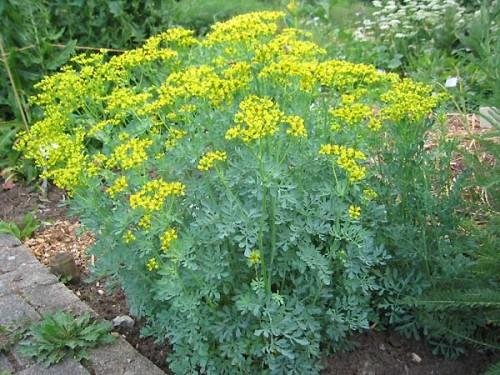
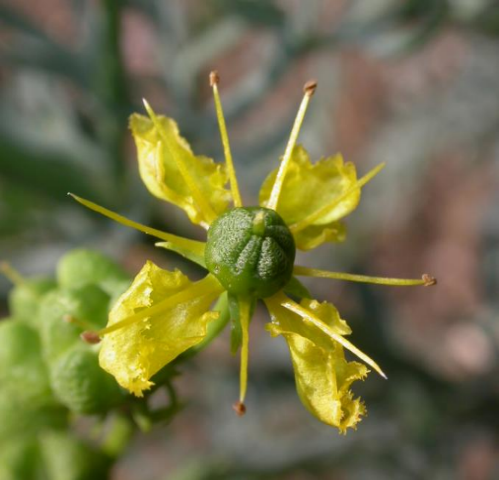
Fig.no.01: Ruta graveolens plant [7] Fig. 02: Ruta graveolens flowers and fruit [7]
This woody perennial herbs height ranges from 30 to 90 cm and is upright, glabrous, and glaucous.
Stem - the stem parts of Ruta graveolens have a maximum length of 15 cm and a thickness of 5 mm. The stem has a round shape in the transverse section. The epidermis has tiny, closely packed cells, a band of collenchyma with four to five layers and a zone of parenchyma with seven to eight layers of cells are located after the epidermis. A dictiostele on the stem covers the broad central pith. Sieve tubes, companion cells, and phloem parenchyma make up phloem, whereas vessels, tracheids, and xylem parenchyma make up xylem. Stems are rich in starch grains and acicular calcium oxalate crystals.
Leaves - the leaf is hypostomatic and dorsiventral, with 2-3 pinnate leaves that are 5–10 cm long. The bigger cells make up the adaxial epidermis. Both surfaces lack trichomes and papillae. Palisade and spongy tissues are distinct from mesophyll. One to two layers make up the palisade, while the loosely placed cells make up the spongy tissue. The midrib vascular bundle is a single, arc-shaped structure. One or two layers of collenchymatous hypodermis and parenchymatous cortex follow the lower epidermis in the midrib area. The midrib, or vascular bundle, is raised toward the leaf's right corner.
Flowers - flowers in spreading corymbs; partial peduncles 5–10 mm long, two bracteolate below the center; common peduncles 1–5 cm long, robust. Oval, 3–4 mm long, downy bracts; long, persistent, minute bracteoles. 5–10 mm long pedicels. Punclate, ovate, 1.5–2 mm length, distinct sepals. Yellow, oblong-ovate petals that are marginally bigger than sepals; pactinate linbs; short claws. Ovoid ovary with three to five lobes; short style; capitate stigma.
Fruits - fruits are oval, 6–10 mm long, and split into 3–5 gland-dotted, apically dehiscent mericarps. The seeds had a blackish angle [8].
ACTIVE CONSTITUENTS
The well-known chemical components of Ruta graveolens are acridone alkaloids, coumarins, volatile compounds, terpenoids, flavonoids, furoquinolines, saponin, tannins, and glycosides. Rutin was separated from Ruta graveolens leaves. The volatile oil of Ruta graveolens included a notable concentration of alcohols, ketones, and aliphatic acids. The primary constituents of the essential oil of the plant's flowering aerial parts are 2-undecanone (33.9%), 2-Heptanol acetate (17.5%), 1 dodecanol (11.0%), geyrene (10.4%), 2-nonanone (8.8%), 2-Decanone (1.9%), geijerene (1.6%), trans piperitenone oxide (1.4%), cis-piperitenone oxide (1.2%), 2-methyl-undecanal (1.1%), 2-dodecanone (1.1%), 2 nonanol (1.1%), and elemol (1.1%). Ruta graveolens produces high levels of linear furanocoumarins, mainly psoralen and methoxypsoralen. From its roots, acridone alkaloids like rutacridone, rutacridone epoxide, and gravacridondiol have been isolated, while the leaves yield an alkaloid known as graveoline [7].
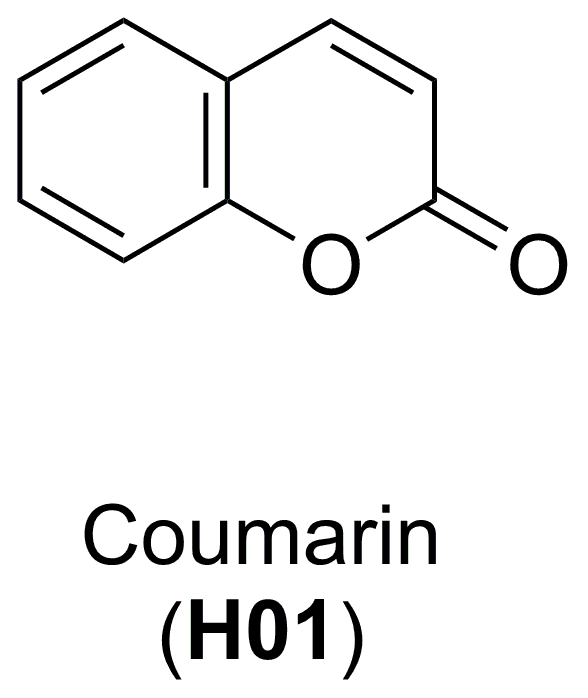
It features diverse coumarin subgroups, including simple coumarins like herniarin, umbelliferone, methoxycoumarin, and scopoletin; furanocoumarins such as (xanthotoxin, bergapten, psoralen, imperatorin, isoimperatorin, isopimpinellin, and rutarin); dihydrofuranocoumarins (rutamarine, rutaretin); coumarin dimers (daphnoretin, methoxydaphnoretin); and pyranocoumarins (xanthylethin). Other compounds include phenolic acids (vanillic acid, chlorogenic acid, ferulic acid, p-coumaric acid, p-hydroxybenzoic acid, syringic acid, caffeic acid); alkaloids like acridines (arborinine, rutacridone, gravacridondiol), quinolines (graveoline), furoquinolines (dictamnine, skimmianine), dihydrofuroquinolines (γ-fagarine, skimmiamine), and pyrroquinolines (rutaline); flavonoids (rutin, quercetin, isorhamnetin, kaempferol, myricetin); plus essential oils (0.2–0.7%) [9].
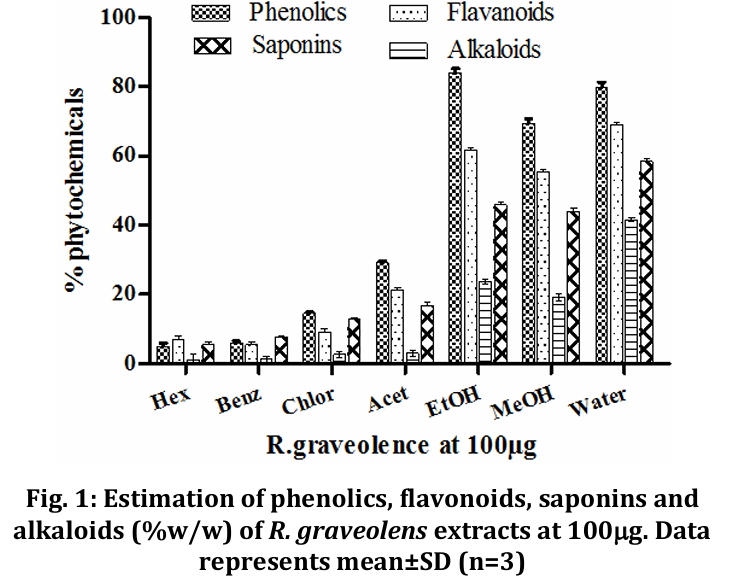
Fig.no.03: Estimation of phenolics, flavonoids, saponins and alkaloids of Ruta graveolens extracts [10].
Ruta graveolens is used in many different cultures across the world as traditional medicine. Because of its extensive therapeutic spectrum, which includes anti-parasitic, analgesic, and anti-inflammatory actions, as well as its usage in gynecological illnesses, it is referred to as the "cure-all" in nations like Iran. It is the most significant medication used to induce abortions in Latin American traditional medicine. According to traditional Chinese medicine, Ruta graveolens is aromatic, and quite bitter associated with the lung, kidney, liver, and heart. It is recorded in numerous ancient Chinese texts mention its usage for eliminating hundred poisons, dispersing big sores, managing snake wounds,etc [11]. According to several ancient ayurvedic, homoeopathic, and unani works of literature, it is well recognized in India for treating a wide range of illnesses. It functions as an emmenagogue, stimulant, diuretic, abortefacient, and more [12].
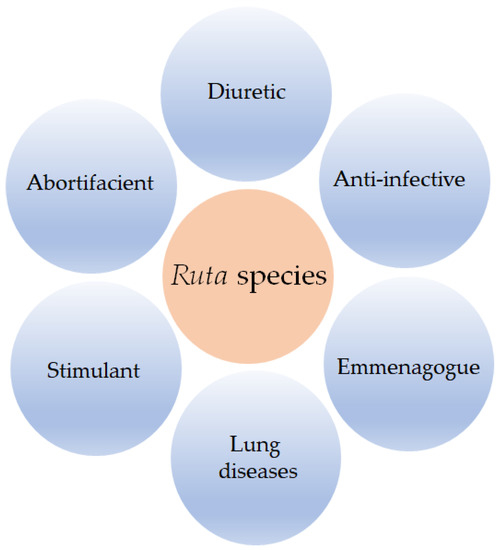
Fig.no.04: Ruta graveolens in traditional medicines [13]
PHARMACOLOGICAL USES [14]
Ruta graveolens exhibits many different kinds of pharmacological activity, the most often documented of which are its effects on the neurological system, it also exhibits antibacterial and anti-inflammatory effects, along with anticancer and antiproliferative activity, antioxidant benefits, fertility regulation, antiviral properties, and anthelmintic action.
ANTI-INFLAMMATORY AND ANALGESIC PROPERTIES [15]
Ruta graveolens provides a pathway for novel and potent substances. The progression of inflammation involves several cells and mediators. As a traditional crude medication, the aerial portions of Ruta graveolens have been used as a poultice to treat rheumatic pain. Ethanolic and methanolic extracts of Ruta graveolens showed the strongest (90.9%) inhibition of carrageenan-induced paw edema in rat models. The methanolic extract holds promise as an anti-arthritic agent, as it markedly reduces oxidative stress, mediator release, cell influx, and edema associated with arthritic conditions. The wide variety of flavonoids included in the plant extract, particularly rutin and quercetin, may be the cause of these effects.
ANTI-ARRHYTHMIC ACTIVITIES [16]
Ruta graveolens alkaloidal extract in isolated rat hearts possess an anti-arrhythmic effect. Extracts of Ruta graveolens markedly prolong nodal conduction time as well as effective and functional refractory periods in a rate-dependent manner. These extract's effects occur on both the slow and fast pathways of the node’s.
ANTI-ANDROGENIC ACTIVITIES [17]
The studies strongly suggest that giving Ruta graveolens orally reduced the fertility of male albino rats. Ruta graveolens extract may act directly or indirectly on the pituitary gland secretory function leading to an increase in the main hormones controlling spermatogenesis process. The function of the accessory reproductive organs and the spermatogenesis process have been shown to be androgen dependent. Consequently, the decline in the amount of mature leydig cells and their functional state would be reflected in and explained by variations in androgen production. The amount of degenerating leydig cells was considerably reduced by Ruta graveolens extract, which resulted in a drop in the level of androgen in the blood. Additionally, a decline in sperm motility and the quantity of spermatocytes and spermatids was noted. The findings showed that consuming Ruta graveolens lowers the frequency of females becoming pregnant and the number of viable fetuses. This reduction can be a reflection of the decline in sperm density and motility. This could be because Ruta graveolens has an influence on the enzymes that are involved in the process of oxidative phosphorylation. Additionally, Ruta graveolens activates the uterine muscles, which may start menstrual periods. In addition to lowering fertility, it may prevent a fertilized egg from implanting. The number of primordial follicles had significantly decreased, according to the data. Additionally, the width of the surviving corpus luteum, the amount of corpus luteum, and the ovarian weight also declined. There was a notable rise in the quantity of atretic graffian follicles.
ANTI-HYPERGLYCEMIC ACTIVITY [18]
Ruta graveolens infusion or its flavonoid, rutin, have been shown to significantly improve glucose tolerance in diabetic rats. The presence of flavonoids like rutin may be the cause of hypoglycemic impact. Treating diabetic rats with both Ruta graveolens and rutin resulted in a significant rise in serum insulin levels. Rutin reduces raised blood glucose levels, shields β-cells from oxidative damage caused by STZ, and increases insulin production. When diabetic rats were treated with both rutin and Ruta graveolens infusion, their blood C-peptide levels significantly increased. Both the stimulatory effects of Ruta graveolens infusion and rutin on the insulin secretory response of the islets of Langerhans and the ameliorative effects of these agents on the integrity of β-cells, as demonstrated by histologic analysis, were responsible for the significant increase in serum insulin and C-peptide levels following treatment of diabetic rats.
ANTI-HYPERLIPIDEMIC [19]
The mechanism of action to increase the hypolipidemic activity is due to presence of rutin in Ruta graveolens, they may boost the cholesterol-lowering effects by cutting down on how much cholesterol gets absorbed in the intestines. They also target hepatic HMG-CoA reductase, a key enzyme involved in cholesterol production in the liver. Hepatic HMG-CoA reductase inhibitors are proven medications that lower the prevalence of dyslipidemia in diabetic patients and treat hypercholesterolemia. Flavonoids reduce the activity of hepatic HMG-CoA reductase in mice with type II diabetes. Additionally, rutin has been shown to reduce blood and liver cholesterol.
CYTOTOXIC ACTION ON CANCER CELL [20]
Researchers tested arborinine and furanoacridones from Ruta graveolens for their toxic effects on human cancer cell lines. They exposed to HeLa (cervix adenocarcinoma)—to this compound in-vitro, using cisplatin and doxorubicin as positive controls. Arborinine showed the strongest antiproliferative activity. When added to HeLa cells, The compounds induced hallmark features of apoptosis—increased cell membrane permeability, shrinkage, and nuclear granulation—as observed through cell staining. The percentage of apoptotic cells increased in a dose-dependent manner.
ANTI-MICROBIAL ACTIVITY [21,22]
The ethanolic leaf extract demonstrated superior antibacterial activity compared to extracts from stems and roots. Additionally, it was discovered that the leaves have greater concentrations of phenols and flavonoids than any other part of the plant.
LARVICIDAL ACTION [23]
Studies have shown that essential oils from Ruta graveolens powerful against larvae of the mosquito species Culiseta longiareolata. Using these natural herbal oils could be a effective way to tackle mosquito larvae and harness their full potential for sustainable, long-term control of disease-carrying insect vectors.
CONCLUSION
Ruta graveolens was first cultivated in the Mediterranean region, but its cultural and therapeutic value led to its spread across North, Central, and South America, China, India, the Middle East, South Africa, and other areas. Various parts of plants in the Ruta genus serve to treat a wide array of health conditions. Research shows that the key active ingredients in Ruta graveolens extracts include alkaloids, coumarins, volatile compounds, terpenoids, flavonoids, furoquinolines, saponins, tannins, and glycosides- deliver potent beneficial effects. These compounds drive a range of health benefits, including antioxidant and anti-inflammatory actions, relief from nervous disorders, antibacterial and antifungal activity, and antidiabetic benefits. This crude medicine are significant potential as they are natural, effective, and sustainable source for the discovery of new novel health-enhancing compounds. With focused advancements in standardization, bioavailability enhancement, and evidence-based evaluation, herbal medicine has a bright future ahead, turning conventional treatments into targeted therapies. These developments will bridge the gap between ethnobotanical legacy and modern pharmacology. Herbal medicines will be a crucial component of future wellbeing.
REFERENCES

Poornima P., Midhuna K., Ruta Graveolens: A Comprehensive Review on Chemical Constituents, Pharmacological Activity and Medicinal Uses, Int. J. of Pharm. Sci., 2026, Vol 4, Issue 3, 1000-1008. https://doi.org/10.5281/zenodo.18938195
 10.5281/zenodo.18938195
