
Department of Pharmaceutics, Balwantrao Chavan College of Pharmacy, Naigaon, Nanded, Maharashtra.
Self-emulsifying drug delivery systems (SEDDS) are lipid-based formulations developed to overcome the poor oral absorption of water-insoluble drugs. These systems consist of carefully selected oils, surfactants, and co-surfactants that rapidly form stable oil-in-water emulsions when exposed to gastrointestinal conditions. The formation of fine nano- or micro-emulsions increases the surface area available for drug dissolution, minimizes precipitation, and improves intestinal uptake. SEDDS are associated with multiple formulation advantages, including simplified manufacturing processes, enhanced physical stability, protection of active compounds from enzymatic degradation, and the possibility of lymphatic drug transport, which may reduce hepatic first-pass metabolism. Recent developments in this field include supersaturable and solid DDS, self-emulsifying tablets, and targeted delivery systems aimed at controlled and site-specific release. However, challenges such as surfactant-related toxicity, formulation stability, drug precipitation, and large-scale production must be carefully addressed. This review discusses the principles of SEDDS formulation, mechanisms of self-emulsification, evaluation techniques, recent technological advances, marketed formulations, and future opportunities for improving oral delivery of lipophilic drugs.
The prevalence of fungal and bacterial infections has increased during the past few decades. Fungal bacterial infections are becoming more prevalent in sanatoriums. Hospitalized patients' epidemiological pattern of mycoses has been impacted by an increase in immunosuppressive diseases and conditions. We are at a critical point in the epidemiology of invasive fungal diseases. Candida-induced fungal infections are now more common than those caused by Escherichia coli, Pseudomonas species, Aspergillus species, and other species. Patients are susceptible to fungal infections due to a variety of host variables. These consist of: radiation therapy or specific immunosuppressive drugs; immobility; mucositis; antibiotic use; and intensive care unit (ICU). The most prevalent species of the genus that has been linked to candidiasis is Candida albicans. Systemic illnesses and superficial skin infections are both possible. Normal human flora includes C. albicans, C. tropicalis, C. glabrata, and C. parasitosis, which can be isolated from the oral cavity, vagina, and other body regions in healthy individuals.
Herbal remedies have been used for centuries to treat illnesses. Humans have utilized medicinal plant material to treat or cure illnesses since the Vedic era. Infectious and non-infectious skin conditions are also known to be treated by plants. Many phytoconstituents, such as flavonoids, tannins, triterpenes, etc., are thought to be responsible for some plants' antimicrobial properties.
The current study aims to investigate the medicinal properties of a plant, specifically clove oil (Syzygium aromaticum), which exhibits a broad range of antibacterial and antifungal activities. The primary chemical component of clove oil that exhibits antibacterial and antifungal properties is eugenolis. β-caryophyllene, α-humulene, and eugenyl acetate are key ingredients of clove oil, which is a potent antifungal and antibacterial substance1.
MATERIALS AND METHODS:
Materials
Preparation of o/w emulsion cream:
Making the o/w emulsion cream involves taking one beaker and melting the emulsifier and oil-soluble ingredients in a water bath at 75°C. Preservatives and water-soluble ingredients are also taken and melted at 75°C in another beaker of water. Following heating, the water phase was gradually added to the oil phase in a mortar and pestle, and the mixture was triturated until a clicking sound was produced. Finally, preservatives and/or fragrances are applied when the temperature drops. There will be more water in this preparation than oil.
Preparation of w/o emulsion creams:
Melting the emulsifier and the oil-soluble ingredients in a single beaker at 75°C follows. Water and components that are soluble in it are added to another beaker and heated to 75°C. After the water phase has melted, the oil phase is gradually added to the mortar and pestle and stirred until a clicking sound is produced. Furthermore, the fragrance agent is applied once the cream has cooled. Water will make up less of this preparation and oil will make up more of it. (2)
Preparation
To create the oil phase, the following ingredients were combined: clove oil, cetostearyl alcohol, isopropyl myristate, and dimethicone 350. The aqueous phase was created by combining water, propylene glycol, imidurea, tartaric acid, and Cetomacrogol 1000. Bundles were stabilized for 24 hours after formulation in a cool, dark room before assessments. An oil phase and an aqueous phase are present in the O/W emulsion-based formulation. In a china dish set over a water bath at 70°C, the components of oil phase (A) were melted together while being constantly stirred. After mixing the ingredients above, clove oil was added. Separately combined in a beaker, the components of the aqueous phase (B) were heated to a temperature similar to that of the oil phase using a water bath. Up until the cream formed, the oil phase was gradually introduced drop by drop to the aqueous phase while being constantly stirred.
Formulation Table:
|
Sr. No. |
Ingredients |
F1 |
F2 |
F3 |
F4 |
F5 |
|
1 |
Clove Oil (%) |
10 |
12 |
15 |
18 |
20 |
|
2 |
Stearic acid (%) |
2.5 |
2.5 |
2.5 |
2.5 |
2.5 |
|
3 |
Lanolin (%) |
1.5 |
1.5 |
1.5 |
1.5 |
1.5 |
|
4 |
Stearyl Alcohol (%) |
5 |
5 |
5 |
5 |
5 |
|
5 |
Cetyl Alcohol (%) |
6.5 |
6.5 |
6.5 |
6.5 |
6.5 |
|
6 |
Mineral Oil (%) |
5 |
5 |
5 |
5 |
5 |
|
7 |
Propylene Glycol (%) |
10 |
10 |
10 |
10 |
10 |
|
8 |
Triethanolamine (%) |
2 |
2 |
2 |
2 |
2 |
|
9 |
Methyl Paraben (%) |
0.01 |
0.01 |
0.01 |
0.01 |
0.01 |
|
10 |
Propyl Paraben (%) |
0.04 |
0.04 |
0.04 |
0.04 |
0.04 |
|
11 |
Purified Water (QS) |
Upto 100 |
Upto 100 |
Upto 100 |
Upto 100 |
Upto 100 |
Evaluation
The visual appearance of the various prepared creams was assessed. The formulation was set on the watch glass so that the various formulas' Colores could be seen.
The consistency of the various cream formulations was assessed visually. The formulation was put on the watch glass, and the colour and uniformity of the various formulations were noted.
The various cream formulations were assessed visually for phase separation. The formulation was put in a beaker, and the phase separation of the various formulations was watched.
The viscosity of several cream formulations was assessed by the utilization of a Brookfield viscometer. The viscosity was measured using the T-C spindle. After the formulation was ready, it was put in a beaker and put under the viscometer. After being immersed in the cream mixture, the spindle revolved at a speed of 10 rpm. To determine the viscosity in centipoise, the reading was taken note of and multiplied by the appropriate multiplier.
pH was determined by dispersing 5 g of the batch, which had been precisely weighed, in 45 millilitres of water. A digital pH meter will be used to measure the cream's pH at 27°C. (3)
Spreadability is defined as the amount of time, measured in seconds, that two slides require to separate from the formulation when subjected to a specific force. They chose two glass slides. One of the slides had the cream formulation applied to it. The upper slide was weighted by 100 grams in order to create a thin layer by evenly tracing the cream formulation between the two slides. The apparatus's board held the bottom slide in place, while the upper slide's one end was fastened to a string that could support a load of 20 grams. It was observed how long it took the higher slide to go a certain distance and split off from the lower slide in the weight's direction.
S = m × l /t
Were,
S = Spreadability
m = weight tied to the upper slide (20 gms)
L = length of the glass slide (cms) and t = time taken in seconds
The Standard Calibration Curve was constructed by plotting concentration of Clove Oil Vs. peak area of Clove Oil. The calibration curve was constructed to determine the % drug release from the equation y = mx + c.
Many applications, including plastics, lubricants, coatings, inks, adhesives, food, medicine, cosmetics, and hygiene, commonly characterize rheological studies. (14) One word used to describe semisolid dose forms, such as gels and creams, is rheology. It is employed to investigate how external forces affect the flow of liquids and the deformation of solids. In general, a pharmaceutical system's rheological characteristics have a significant impact on patient acceptability, product physical stability, and product manufacturing. The term "viscosity" (η) describes a fluid's resistance to flow. (15) (16) It can be explained as follows: a fluid's resistance increases with its viscosity. Two categories are used to categorize the different kinds of flows as Newtonian and non-Newtonian systems. (4)
Newtonian System: (5) (6)
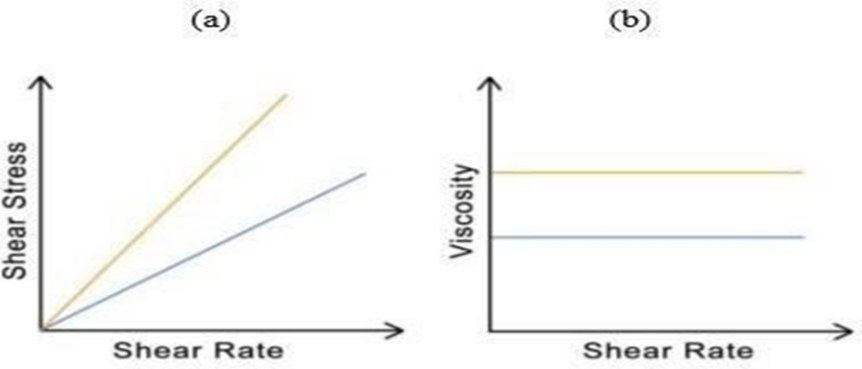
In Newtonian systems, simple fluids that obey Newtonian’s law of flow are known as Newtonian fluids. Newtonian fluids show a constant viscosity dependent on temperature but independent of the applied shear rate. In another words, shear stress is directly proportional to shear rate in a Newtonian fluid.
????????????????????????′????????????????: ???? = η. γ
?????????????: η =????
Where,
???? = is shear stress, the force applied per unit area which allows the material to start flowing.
???? = is shear rate, the velocity with which the material starts flowing upon applying a force.
η = is velocity, the resistance of a fluid to flow.
A plot of shear stress versus shear rate with a straight line passing through the origin is obtained. This represents the flow curve or rheogram for a Newtonian system is seen in Figure a. The viscosity curve is another plot of viscosity versus shear rate which can characterize a Newtonian system. Viscosity curves show a straight line at a constant value equal to η, which is seen in Figure b. The most common examples of Newtonian fluids are water, mineral oil, vegetable oil, whole milk, pure sucrosesolutions, shampoos and liquid soap
Non-Newtonian System (15) (16)
A non-Newtonian system is another category that will be introduced here. It is different from a Newtonian system due to the fact that non-Newtonian materials do not follow Newton’s equation of flow.
Colloidal solutions, emulsions, liquid suspensions and ointments are examples of non-Newtonian materials. In non-Newtonian systems, the rheogram shows a flow curve of shear stress versus shear rate, which is non-linear or does not pass through the origin. Unlike a Newtonian fluid, a non-Newtonian fluid is not constant at a given temperature and pressure but is dependent on flow conditions such as shear rate. There are several types of non-Newtonian flow behaviour that exhibits different fluid viscosity, which is dependent on variations of shear rate. Non-Newtonian systems which are not influenced by time are known as timeindependent behaviour. Materials that exhibit time-dependent behaviour are subdividedinto three types: shear-thinning or pseudoplastic; shear-thickening or dilatant; and plastic. In addition, there are also some non-Newtonian materials that are influenced by time, time dependent behaviour systems include, thixotropic, rheopectic and anti- thixotropic. (7) (8)
Acid value: 10gm of substance is dissolved in accurately weighed 50ml mixture of equal volume of alcohol and solvent ether, the flask was connected to reflux condenser and slowly heated, until sample was dissolved completely, to this 1ml of phenolphthalein added and titrated with 0.1N NaOH, until faintly pink colour appears after shaking for 30 seconds.
Acid value = n*5.6
Where, n = the no. of ml of 0.1 N KOH solution.
w = the weight of substance in gram.
The Anti-microbial study was performed for E.coli, Staphylococcus aureus, Candida albicans strains. The Results for zone of inhibition of Anti-bacterial study of E. coli and S. aureus is given below in Table. The Results for zone of inhibition of Anti- fungal study of C. albicansis is studied. The study was performed in duplicate. The zone of inhibition for E. coli was found to be 23.5 mm. The zone of inhibition for S. aureus was found to be 23 mm. The zone of inhibition for C. albicans was found to be 18 mm. The placebo also showed some zone of inhibition; This was due to addition of antimicrobial preservatives added to the formulation. Results for zone of inhibition of Anti-bacterial study of E. coli
RESULT:
A. Standard curve of Clove Oil by Gas Chromatography:
The Standard Calibration Curve was constructed by plotting concentration of Clove Oil Vs. peak area of Clove Oil. The calibration curve was constructed to determine the % drug release from the equation y = mx + c. Table.1 depicts the peak area of Clove Oil for respective concentration and Figure 8.1 shows the Standard calibration curve.

Figure 8.1: Calibration curve of Clove Oil
The Regression coefficient of the Clove Oil was found to 0.9999. The equation was found to be y = 108556x - 10768. Figure 8.2 to 8.6 shows the chromatograms of Clove Oil at different concentrations.
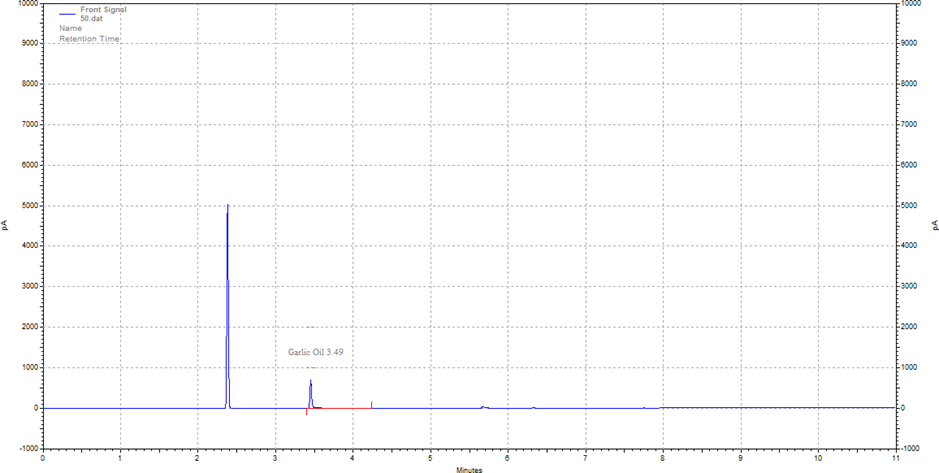
Figure 8.2: Gas Chromatogram of Clove Oil at concentration 50 µg/ml
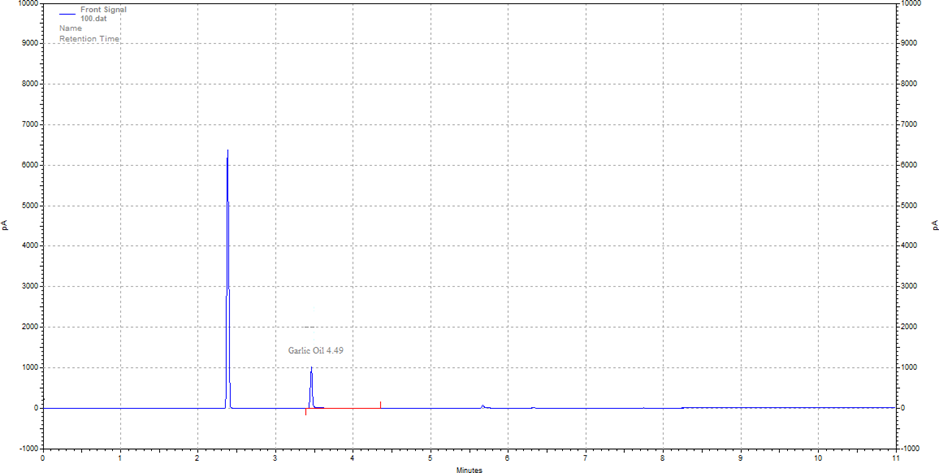
Figure 8.3: Gas Chromatogram of Clove Oil at concentration 100 µg/ml
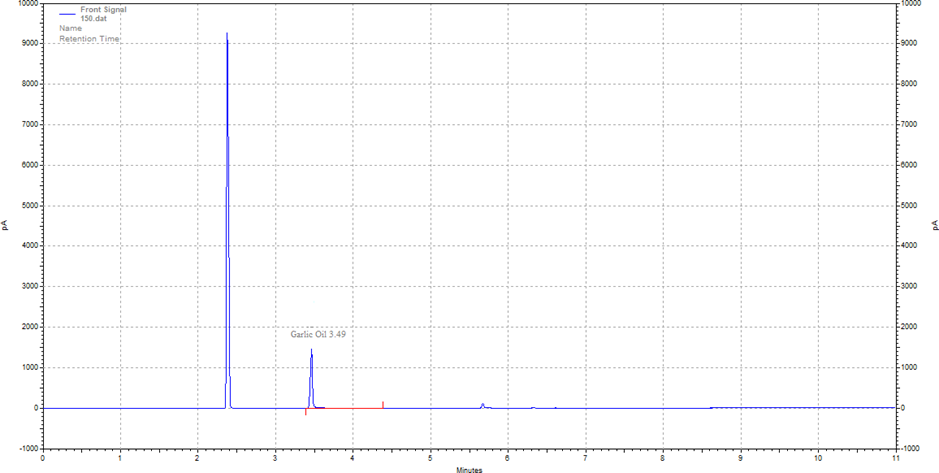
Figure 8.4: Gas Chromatogram of Clove Oil at concentration 150 µg/ml
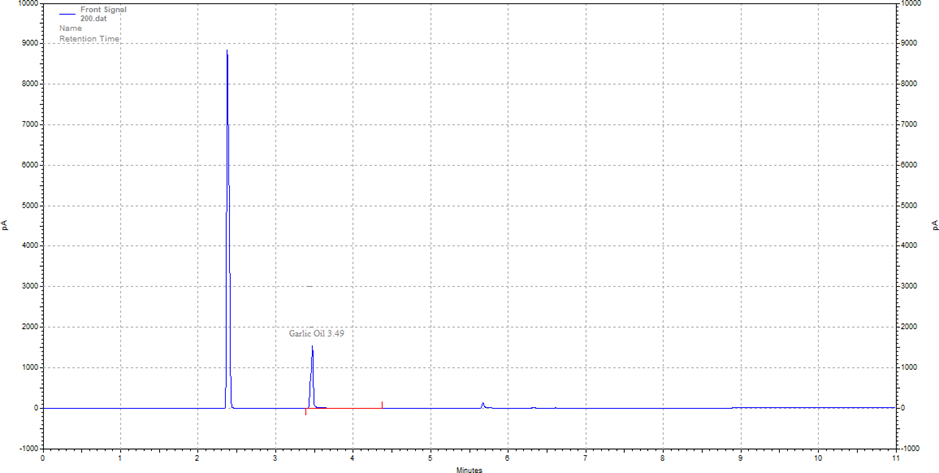
Figure 8.5: Gas Chromatogram of Clove Oil at concentration 200 µg/ml
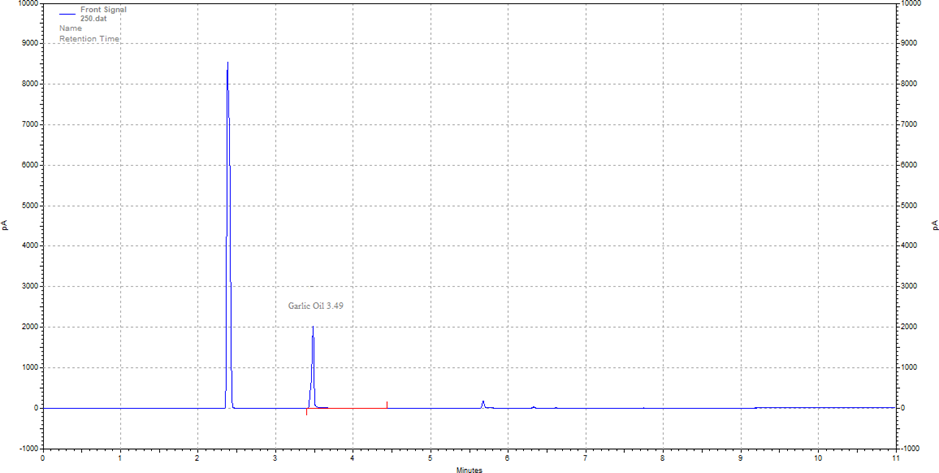
Figure 8.6: Gas Chromatogram of Clove Oil at concentration 250 µg/ml
Note: All Gas Chromatography Work is Carried Out in Aadhaar Life SciencesPrivate Limited, Solapur) 9
Table 5: Formulation table for Clove Oil Cream
|
Sr. No. |
Ingredients |
F1 |
F2 |
F3 |
F4 |
F5 |
|
1 |
Clove Oil (%) |
10 |
12 |
15 |
18 |
20 |
|
2 |
Stearic acid (%) |
2.5 |
2.5 |
2.5 |
2.5 |
2.5 |
|
3 |
Lanolin (%) |
1.5 |
1.5 |
1.5 |
1.5 |
1.5 |
|
4 |
Stearyl Alcohol (%) |
5 |
5 |
5 |
5 |
5 |
|
5 |
Cetyl Alcohol (%) |
6.5 |
6.5 |
6.5 |
6.5 |
6.5 |
|
6 |
Mineral Oil (%) |
5 |
5 |
5 |
5 |
5 |
|
7 |
Propylene Glycol (%) |
10 |
10 |
10 |
10 |
10 |
|
8 |
Triethanolamine (%) |
2 |
2 |
2 |
2 |
2 |
|
9 |
Methyl Paraben (%) |
0.01 |
0.01 |
0.01 |
0.01 |
0.01 |
|
10 |
Propyl Paraben (%) |
0.04 |
0.04 |
0.04 |
0.04 |
0.04 |
|
11 |
Purified Water (QS) |
Upto 100 |
Upto 100 |
Upto 100 |
Upto 100 |
Upto 100 |
1. Appearance & Odour:
The appearance of the cream was observed visually against a black background and the colour of the formulation was observed. The odour analysis performed by smelling the formulation. The results of the appearance are given in Table .6
2. Consistency:
The Consistency of the cream was observed visually. The results of the consistency are given in Table.6
3. Phase separation:
The Phase separation of the cream was observed visually. The results of the Phase separation are given in Table .6
Table 6: Results of Clove Oil Cream Appearance, Consistency and Phase
|
Batches |
Appearance |
Oduor |
Consistency |
Phase Separation |
|
F1 |
White |
Acceptable |
Creamy |
No |
|
F2 |
White |
Acceptable |
Creamy |
No |
|
F3 |
White |
Acceptable |
Creamy |
No |
|
F4 |
White |
Pungent & Disagreeable |
Creamy |
No |
|
F5 |
White |
Pungent & Disagreeable |
Creamy |
No |
4. pH:
The pH of the different cream formulation was observed using pH meter. The results of pH are given in Table .7.
5. Viscosity:
The Viscosity of the different cream formulations was determined by using Brookfield viscometer. The Viscosity of the formulation is very important parameter as it affects the drug release of the formulation. The higher the viscosity of the formulation slower the drug release of the cream formulation. The results of viscosity of the formulation are mentioned in Table.7.
(Note: Viscosity Study is Done in Aadhaar Life Sciences Private Limited, Solapur) [9]
Table 7: Results of Physicochemical evaluation of Clove Oil cream
|
Batches |
pH |
Viscosity (cps) |
Drug Content (%) |
Spreadability (gm.cm/sec) |
Tube Extrudability (%) |
|
F1 |
5.79 |
82000 |
98.04 |
16.3 |
95.7 |
|
F2 |
5.81 |
83000 |
99.67 |
15.4 |
98.4 |
|
F3 |
6.21 |
83500 |
99.53 |
18.7 |
98.8 |
|
F4 |
6.02 |
82500 |
99.08 |
11.4 |
97.0 |
|
F5 |
6.11 |
83000 |
100.05 |
9.7 |
98.3 |
6. Drug Content Determination:
The % drug content of different cream formulations was performed by using gas chromatography. Each sample was prepared and injected in GC-FID and peak area of Clove Oil was observed and similarly working standard’s peak area was used for calculation of % Drug content. The Results of drug content are mentioned in Table 7. The drug content is important parameter to achieve the therapeutic effect. Figure 8.7 depicts the chromatogram of Diluent (methanol), Figure 8.8 shows the chromatogram of working standard and Figure 8.9 shows the chromatogram of Formulation F3. The% drug content of all the different creams formulations was found to be above 95% w/w.
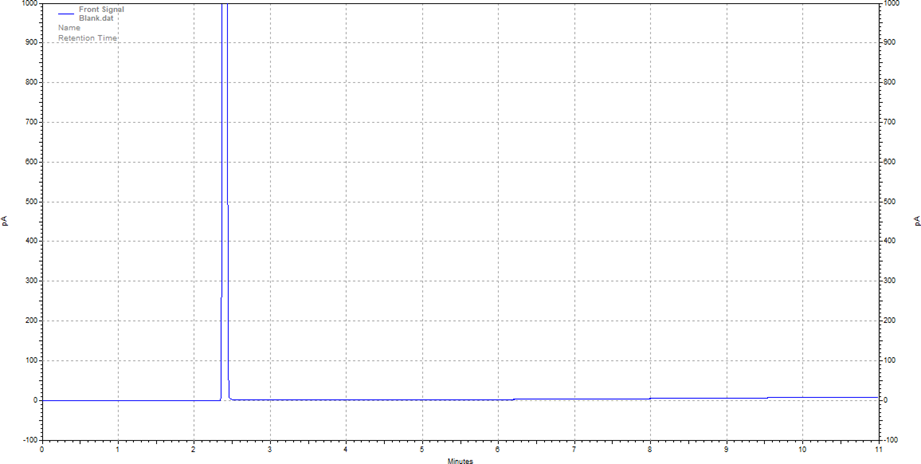
Figure 8.7: Gas Chromatogram of Diluent (Methanol)
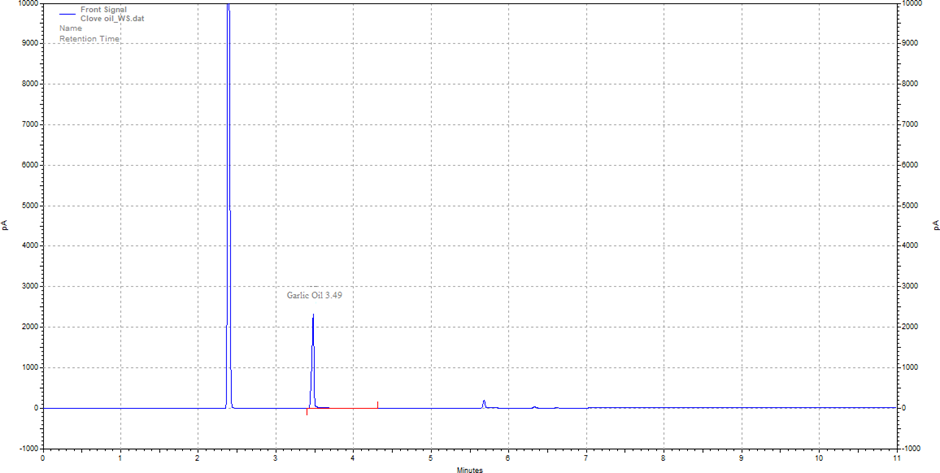
Figure 8.8: Gas Chromatogram of working standard
7. Spreadability:
The Spreadability of different formulations is given in Table .7. The Spreadability of the cream formulation may be affected by viscosity of the formulation. The higher the viscosity the less will be Spreadability. Also, the more Spreadability, faster will be the drug release. Batch F3 showed the highest Spreadability of 18.7 gm.cm/sec.
8. Tube Extrudability:
The Tube Extrudability of different formulation was above 90%. So, it can be said that Extrudability of all the formulations shows acceptance property. The results of Extrudability are given in Table .7.
9. In-vitro diffusion Study:
The in-vitro diffusion study was performed using Franz diffusion method. The study was conducted for over 360 minutes i.e. 6 hours. Table .7 shows the results of % Drug release of different Clove Oil cream formulations. From the given results, it was found that batch F3 should maximum release of 87.92% w/w as compared to other formulation. This is due to higher spreading capacity of the formulation because of which the Clove Oil showed easy and faster diffusion which can be correlated to faster achievement of therapeutic effect. Hence, Batch F3 was selected as the optimized batch. The Figure 8.10 shows the drug release of different Clove Oil cream.
Table 8: Results of % Drug Release of Different Clove Oil Cream formulations
|
Time (min.) |
F1 |
F2 |
F3 |
F4 |
F5 |
|
0 |
0.00 |
0.00 |
0.00 |
0.00 |
0.00 |
|
30 |
10.23 |
6.73 |
7.35 |
5.66 |
8.33 |
|
60 |
21.45 |
17.45 |
12.53 |
15.34 |
18.45 |
|
90 |
29.65 |
28.35 |
23.88 |
22.18 |
26.43 |
|
120 |
40.12 |
37.90 |
35.64 |
31.47 |
38.06 |
|
180 |
48.49 |
51.46 |
50.12 |
42.23 |
49.11 |
|
240 |
59.02 |
62.46 |
65.85 |
51.09 |
60.21 |
|
300 |
67.33 |
72.83 |
81.23 |
63.91 |
76.20 |
|
360 |
78.69 |
81.03 |
87.92 |
79.02 |
82.04 |

Figure 8.10: Drug Release of different Clove Oil cream
10. Anti-microbial study of optimized formulation:
The Anti-microbial study was performed for E.coli, Staphylococcus aureus, Candida albicans strains. The Results for zone of inhibition of Anti-bacterial study of E. coli and S. aureus is given in Table .6 and Table 7, respectively. The Results for zone of inhibition of Anti-fungal study of C. albicansis given in Table .8. The study was performed in duplicate. The zone of inhibition for E. coli was found to be 23.5 mm. The zone of inhibition for S. aureus was found to be 23 mm. The zone of inhibition for C. albicans was found to be 18 mm. The placebo also showed some zone of inhibition; This was due to addition of antimicrobial preservatives added to the formulation. Formulation F3 was found effective against potent microbes compared with the Standard broad spectrum antibiotic
Table 9: Results for zone of inhibition of Anti-bacterial study of E. coli
|
Standard Bacterial strain |
Zone of inhibition (mm) |
|||||
|
Plate A |
Plate B |
|||||
|
W1 |
W2 |
W3 |
W1 |
W2 |
W3 |
|
|
Escherechia coli |
04 |
27 |
24 |
03 |
26 |
23 |
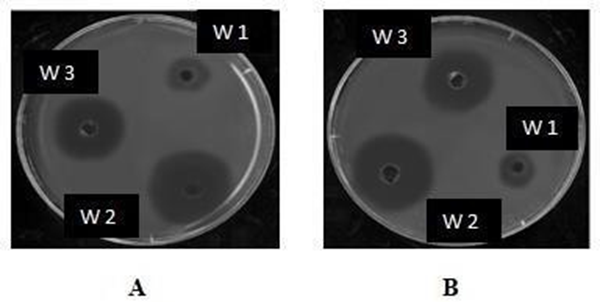
Figure 8.11: Zone of inhibition of Anti-bacterial study of E. coli
Table 10: Results for zone of inhibition of Anti-bacterial study of S. aureus
|
Standard Bacterial strain |
Zone of inhibition (mm) |
|||||
|
Plate A |
Plate B |
|||||
|
W1 |
W2 |
W3 |
W1 |
W2 |
W3 |
|
|
Staphylococcus aureus |
03 |
24 |
23 |
03 |
25 |
23 |
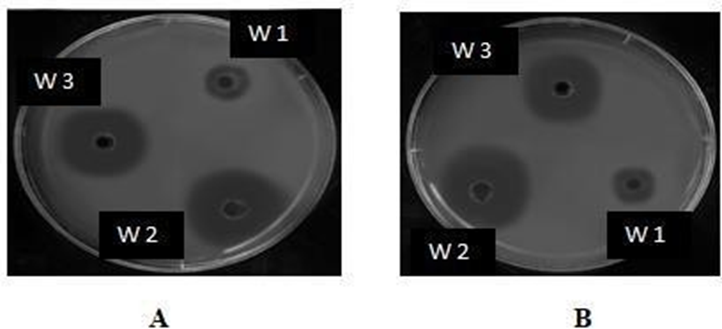
Figure 8.12: Zone of inhibition of Anti-bacterial study of S. aureus
Table 11: Results for zone of inhibition of Anti-fungal study of C. albicans
|
Standard Fungal strain |
Zone of inhibition (mm) |
|||||
|
Plate A |
Plate B |
|||||
|
W1 |
W2 |
W3 |
W1 |
W2 |
W3 |
|
|
Candida Albicans |
02 |
21 |
19 |
03 |
19 |
17 |
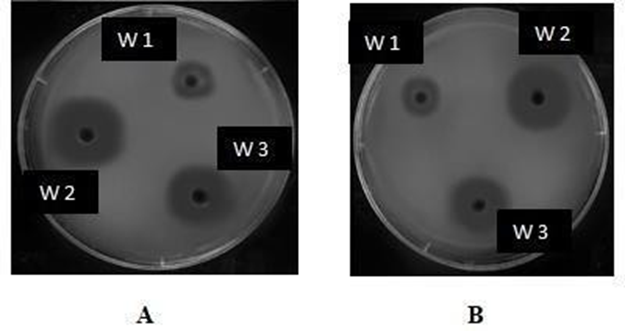
Figure 8.13: Zone of inhibition of Anti-fungal study of C. albicans
W1 = Well No. 1 Containing the placebo
W2 = Well No. 2 Containing the Standard (Ciprofloxacin for Anti-bacterial study; Fluconazole for Anti-fungal study)
W3 = Well No. 3 Containing the Batch F3 Cr
CONCLUSION:
A successful attempt was made to formulate the Clove Oil anti-bacterial and anti- fungal cream. The prepared cream was O/W type of cream. The prepared cream was subjected to various evaluation parameters like Appearance, Consistency, Phase separation, pH, Viscosity, Spreadability, Drug content, Tube Extrudability, in-vitro diffusion studies and anti-microbial studies. From the performed evaluations, it was found that Batch F3 was effective against potent microbes like E. coli,
S. aureus and C. albicans. Hence, it can be concluded that the Clove Oil can be a potential candidate to formulate an anti-fungal and anti-bacterial cream.
REFERENCES


Shivani Kottawar, Kshitija Deshmukh, Review on Self Emulsifying Drug Delivery System, Int. J. of Pharm. Sci., 2026, Vol 4, Issue 2, 2907-2919. https://doi.org/10.5281/zenodo.18684486
 10.5281/zenodo.18684486
