
D K Patil Institute of Pharmacy, Loha, Nanded
Tridax procumbens Commonly called Coat Button, is a small creeping herb that grows widely in tropical and subtropical regions. It has been used for many years in traditional medicine to treat wounds, cuts, infections, inflammation, and hair problems. The plant contains important natural compounds such as flavonoids, alkaloids, saponins, and tannins, which are responsible for its medicinal effects. Scientific studies show that it has antimicrobial, antioxidant, anti-inflammatory, wound healing, liver-protecting, and blood sugar-lowering activities. This review summarizes the phytochemical composition, traditional uses, and health benefits of Tridax procumbens, highlighting its potential as a natural source for making herbal medicines and modern drugs. Tridax procumbens is also noted for its fast growth, drought resistance, and seed dispersal by wind through feathery achenes. Due to these properties, it holds promise for developing natural remedies and therapeutic products. This paper aims to provide an up-to-date scientific basis for its traditional use and potential incorporation into modern pharmacopoeias.
Tridax Procumbens is medicinal plant commonly known as tridax daisy or kansari (Hindi) or Ghamara (in local language) or Jakhamjudi and Tuntuni (Marathi) belongs to family Asteraceae.
It is Found mainly in Maharashtra and Madhya Pradesh as a weed. Plant widely used in Indian traditional medicine system. It has long stalked, yellow comparative flower. In old time Tridax Procumbens has been used in Ayurvedic system in India. By using these plant various creams, oils and skin product like skin poultices are manufactured.
Tridax Procumbens also called as Coat Button which is a small, creeping, and fast-growing herb. It is widely found in tropical and subtropical regions, especially in India, Africa, and the Americas. The plant grows easily on roadsides, fields, and wastelands, making it a common and economically important weed with medicinal value.
Originally native to Central and South America, it has been recognized and utilized since ancient times. Local communities have traditionally crushed its leaves to apply on fresh wounds and cuts to promote rapid healing.
The plant is also used in the treatment of fever, diarrhea, stomach disorders, cough, cold, and hair fall, demonstrating its importance in indigenous healthcare systems.
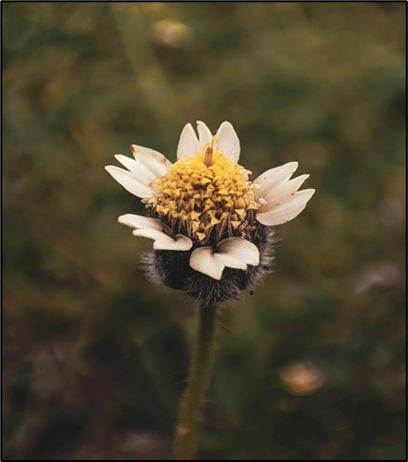
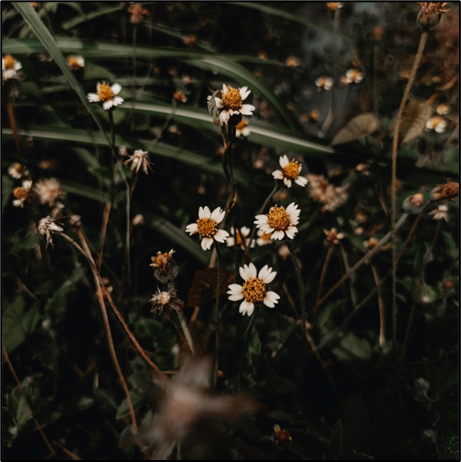
Fig 1. Tridax Procumbens with flower
Tridax procumbens is a semi-prostrate or procumbent herb that typically grows 30 to 60 cm tall, with a firm taproot. Its branches are ascending, brittle, green or purplish, and covered with long white hairs.
The leaves are opposite, simple, ovate to ovate-lanceolate in shape, typically 2 to 6 cm long and 1.5 to 4.5 cm wide, with coarsely toothed margins and a strongly prominent midrib on the underside. The leaves are often hairy on both surfaces.
The plant produces daisy-like flower heads that are terminal and about 1.5 to 2 cm in diameter, borne on long peduncles ranging from 11 to 40 cm. The outer involucral bracts are foliaceous and green, while the inner bracts are membranous and purplish.
The flower heads consist of a few female ray florets with pale yellow or white corollas, surrounding numerous bisexual yellow disc florets. The fruit is a dark brown to black achene, 1.6 to 3 mm long, densely covered with white long hairs and topped with a tuft of 15-20 feathered bristles.
The plant’s stem is cylindrical, solid, and very hairy with multicellular hairs about 1 mm long. The leaves have a pinnate venation pattern with 2-3 lateral veins on each side of the midrib and a cuneate base.
Seedlings have glandular-haired cotyledons and first true leaves that are ovate to lanceolate.
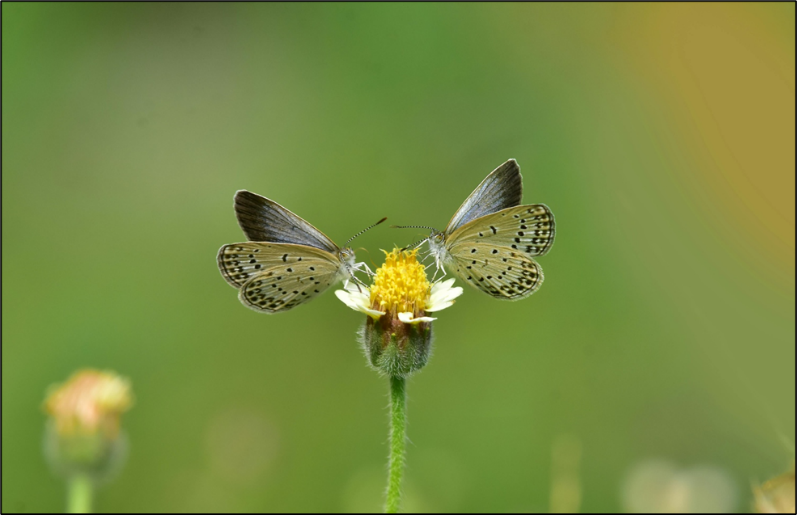
Fig.2 Tridax Proccumbens with flower
PLANT PROFILE
Present days, the therapeutic value of medicinal plant is increasing at significant rate for developing new drugs and combatting emerging diseases. Drug developers are targeting new sources of active materials to cope up with multi drug resistance (MDR) of different microorganisms.
Tridax procumbens was targeted in this study as it is widely spreaded as a common weed in Indian subcontinent as well as all over the world Tridax procumbens is native to many parts of Africa, Asia, America, Australia and some part of Europe. They are given many names depending on the regions.
Botanically, Tridax procumbens is a creeping perennial herb characterized by hairy stems, opposite leaves with serrated margins, and small daisy-like flowers. The plant’s simple morphology often leads to its underestimation; however, its pharmacological significance has been increasingly validated by modern scientific studies. Numerous preclinical studies have reported properties including anti-inflammatory, antimicrobial, antioxidant, hepatoprotective, immunomodulatory, and wound-healing activities, supporting many of its traditional uses. Moreover, the plant contains a rich spectrum of phytocompounds such as flavonoids, alkaloids, tannins, carotenoids, saponins, and terpenoids, which contribute to its biological activities.
Notable bioactive compounds like quercetin, luteolin, and β-sitosterol have been identified and are believed to play crucial roles in tissue repair, immune modulation, and oxidative stress reduction.
Common names
|
Sr. No |
Common name |
Language of Tribe |
|
1 |
English |
Coat Buttons and Tridax Daisy |
|
2 |
Hindi |
Ghamra |
|
3 |
Sanskrit |
Jayanti Veda |
|
4 |
Marathi |
Dagadi Pala |
|
5 |
Telugu |
Gaddi Chemanthi |
|
6 |
Tamil |
Thatapoodu |
|
7 |
Malayalam |
Chiravanak |
|
8 |
Spanish |
Cadillp Chisaca |
|
9 |
French |
Herb Caille |
|
10 |
Chinese |
Kotobukigiku |
|
11 |
Japanese |
Kotobukigiku |
Botanical Classification
|
Kingdom |
Plantae |
|
Subkingdom |
Tracheobionta |
|
Division |
Magnoliophyte |
|
Class |
Magnoliopsida |
|
Subclass |
Asteridae |
|
Clade |
Angiosperms |
|
Order |
Asterales |
|
Family |
Asteraceae |
|
Tribe |
Heliantheae |
|
Genus |
Tridax |
|
Species |
T.Procumbens |
|
Binomial Name |
Tridax Procumbens |
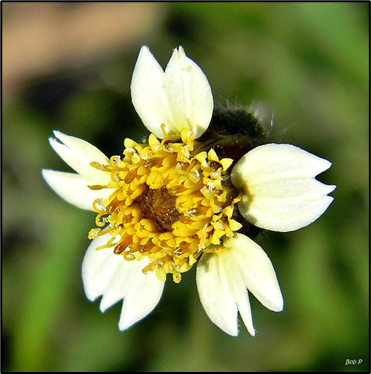
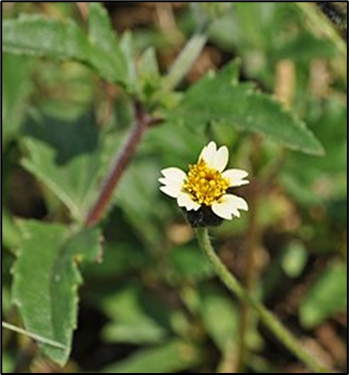
Fig 3. Tridax Procumbens with flowers and daisy-like flowers and sprawling
Geographical Source
Naturalized Distribution
It has become widely naturalized in tropical and subtropical regions around the world, including :-
Morphological Characteristics :-
Stem and Root Systems -
Leaf Structure -
Floral Morphology -
Fruit and Seed -
Habit and Habitat -
It thrives in open, sunny habitats, adapting easily to limited water and herbivore pressure, thanks to its pubescent leaf structure.
Macroscopic Characteristics :-
Microscopic Features :-
Objectives:
Following Are the Phytochemical Constituents:-
Pharmacological Activities
Anti-inflammatory Activity
Tridax procumbens shows significant anti-inflammatory properties, which support its traditional use in treating swelling, wounds, and inflammatory disorders. Phytochemicals like flavonoids (quercetin, luteolin) and terpenoids inhibit the release of inflammatory mediators such as prostaglandins and cytokines.
They also reduce oxidative stress, which contributes to chronic inflammation. Animal studies have demonstrated a reduction in edema formation, indicating its ability to regulate inflammatory responses. Therefore, it offers a natural alternative to synthetic anti-inflammatory drugs, particularly in managing skin inflammation, arthritis, and soft tissue injuries.
Wound Healing Activity
One of the most recognized pharmacological actions of Tridax procumbens is its wound-healing property. Traditionally, crushed leaves are applied to fresh wounds to stop bleeding and enhance healing. Scientific studies support this traditional practice, showing that flavonoids, tannins, and β-sitosterol in the plant accelerate epithelialization, promote collagen formation, and enhance wound contraction.
Additionally, its antimicrobial nature prevents secondary infection at the wound site. The plant also improves fibroblast activity and tissue regeneration, making it a promising natural agent in wound-healing formulations.
Antimicrobial Activity
Tridax procumbens possesses strong antibacterial and antifungal activity. Extracts of the plant have been shown to inhibit the growth of various pathogenic bacteria including Staphylococcus aureus, Escherichia coli, and Pseudomonas aeruginosa. The presence of alkaloids, glycosides, and essential oils damages microbial cell walls and disrupts metabolic functions.
This antimicrobial potential, combined with its wound-healing ability, highlights its therapeutic value in treating skin infections, cuts, and other microbial diseases. It also offers scope for development into herbal antiseptics and topical antimicrobial creams.
Antioxidant Activity
Oxidative stress plays a major role in aging, cancer, diabetes, and cardiovascular disorders. Tridax procumbens contains strong antioxidants such as flavonoids, phenolic compounds, and carotenoids that neutralize free radicals and protect cells from oxidative damage. Antioxidant assays have shown significant free radical-scavenging activity in its extracts.
These properties contribute to its anti-aging, anti-inflammatory, and hepatoprotective benefits. Its antioxidant capacity also supports the wound-healing process by reducing oxidative damage at injured tissue sites.
Anti-diabetic Activity
Several studies suggest that Tridax procumbens has hypoglycemic or blood sugar-lowering properties. The plant enhances insulin secretion, improves glucose uptake, and reduces blood glucose levels in experimental models.
Flavonoids and alkaloids may inhibit carbohydrate-digesting enzymes and help maintain glucose homeostasis. Its antioxidant property further protects pancreatic β-cells from oxidative damage, which is crucial in diabetes management. Thus, Tridax procumbens holds potential as a supportive herbal remedy for diabetes and metabolic disorders.
Traditional Uses
Tridax procumbens has been used in Ayurvedic and folk medicine for centuries. Some of its important traditional uses include:
1. Wound Healing
Wound healing involves a complex interaction between epidermal and dermal cells, the extra cellular matrix, controlled angiogenesis and plasma-derived proteins all coordinated by an array of cytokines and growth factors. Tridax antagonized anti-epithelization and tensile strength depressing effect of dexamethasone (a known healing suppressant agent) without affecting anticontraction and anti-granulation action of dexamethasone.
Aqueous extract was also effective in increasing lysyl oxidase but to a lesser degree than whole plant extract. Fresh crushed leaves are applied externally to cuts and injuries to promote rapid wound closure.
2. Stop Bleeding (Hemostatic)
Leaf paste is traditionally used to control bleeding from fresh wounds and minor cuts.The plant is frequently used as an immediate remedy to stop bleeding from fresh superficial injuries, especially in field laborers, farmers, and forest workers. The leaves are crushed and pressed firmly against the bleeding area. This emergency use has been observed among forest-dependent tribes in Madhya Pradesh and Chhattisgarh. Folk practitioners believe the plant contains “blood-binding essence,” which naturally helps coagulate blood. Women working in fields traditionally carry dried leaves or leaf paste during harvesting season, symbolizing its value in daily rural life.
3. Anti-inflammatory Remedy
Poultices made from leaves are used to reduce swelling and local inflammation. Tridax procumbens shows significant anti-inflammatory effects by reducing exudate volume, leukocyte migration, edema fluid, granuloma tissue, and γ-glutamyl transpeptidase levels. It has minimal ulcerogenic potential and exerts its anti-inflammatory action through COX-1 and COX-2 enzyme inhibition and free radical scavenging, likely due to flavonoids. In studies, its aqueous extract did not significantly increase fibroblast counts or collagen synthesis compared to ibuprofen, but it did comparably inhibit edema at higher doses. Tridax procumbens combined with ibuprofen enhanced anti-inflammatory activity more than ibuprofen alone. Its effectiveness in reducing inflammation suggests it could be a valuable alternative or adjunct in anti-inflammatory treatments.
4. Treatment for Skin Infections
Applied as a herbal paste to treat bacterial and fungal infections of the skin.
5. Hair Growth Promoter
Leaf juice is massaged into the scalp to stimulate hair growth and prevent hair fall. In rural India, leaf juice is manually extracted and massaged into the scalp to stimulate hair growth and prevent hair fall. Folk practitioners believe that Tridax strengthens hair follicles and nourishes roots. In village traditions, women collect fresh leaves, grind them into paste, mix with amla or shikakai, and apply before washing.
A traditional ayurvedic hair tonic called “Jata-Bhringraj” often uses this plant in combination with Eclipta alba and hibiscus for enhanced effect. With increasing hair fall problems due to modern lifestyles, this age-old remedy still remains popular in rural households.
6. Anti-dandruff Agent
Herbal preparations from the plant are used to relieve dandruff and scalp itching.Scalp itching, dryness, and dandruff are traditionally managed using Tridax leaf extract. The juice is blended with lemon juice or fenugreek paste in some regions.In Kerala, folk healers prepare hot herbal oil by boiling coconut oil with Tridax, curry leaves, and black cumin seeds — believed to remove dandruff and enhance hair shine. This herbal oil is traditionally applied overnight and washed the next morning.
7. Fever and Malaria Relief
Decoctions of the leaves are consumed in villages for reducing fever and managing malaria-like symptoms.Traditional healers prepare a decoction of leaves in boiling water to treat fever and chills, particularly malaria-like symptoms. Tribal communities in Odisha and Meghalaya consume Tridax tea during seasonal fevers. The decoction is believed to boost immunity and cool the body. In rural folklore, the plant is considered “body purifier” that flushes fever toxins. Although not a replacement for antimalarial drugs, many people use it as supportive therapy
8. Cough and Cold Treatment
Leaf extract mixed with honey is traditionally given for cough, cold, and throat irritation. For respiratory discomforts like cough, throat irritation, and mild cold, Tridax juice mixed with honey is a common folk practice. Mothers in rural households administer this mixture to children to soothe sore throat. In coastal areas, ginger juice and basil are added to enhance its soothing effect. Some communities boil leaves with jaggery water and consume warm herbal tea at bedtime to reduce cough spasms.
9. Anti-diarrheal Remedy
Plant extracts are consumed to help control loose motions and diarrhea.Leaf extracts are consumed to relieve diarrhea and stomach upset in traditional medicine. Tribal communities use a filtered decoction to restore gut balance. In some regions, it is administered with rice water or buttermilk to soothe the digestive tract. Village healers advise small dosage due to potential laxative effects if consumed excessively. This reflects ancient knowledge of dosage safety in folk pharmacology.
10. Liver Protection (Hepatic Tonic)
Folk healers recommend juice or extract to support liver health and detoxification.The plant is recognized in tribal herbal practice as a natural liver cleanser. Fresh juice is consumed in small quantities to support liver function, relieve jaundice symptoms, and improve appetite. Past generations used this plant during monsoon when digestive diseases were common. In some villages, young leaves are dried, powdered, and consumed with buttermilk for liver well-being.
11. Antiseptic Agent
Traditionally used as a natural antiseptic wash for infected wounds and ulcers. Fresh juice diluted in water is used as a natural disinfectant wash for infected wounds, leg ulcers, and oozing sores. This traditional application functions like a herbal antiseptic lotion, preventing pus formation and controlling infection. Tribal healers sometimes mix ash of dried plant leaves for enhanced disinfectant effect a traditional herbal-alkali combination.
12. Anti-ulcer Use
Juice is consumed in some regions to soothe gastric irritation and stomach ulcers.People suffering from gastric irritation, acidity, or ulcer-like pain consume small amounts of leaf juice on empty stomach. Folk theory states that the plant “cools internal heat” and calms the stomach lining. This is observed mainly in rural Karnataka and Tamil-speaking areas. Consumption is controlled as excessive intake may irritate sensitive stomachs — highlighting folk understanding of herbal discipline.
13. Eye Treatment
Diluted leaf juice is used by traditional practitioners to treat redness, irritation, and infections of the eyes (applied carefully).The plant is frequently used as an immediate remedy to stop bleeding from fresh superficial injuries, especially in field laborers, farmers, and forest workers. The leaves are crushed and pressed firmly against the bleeding area. This emergency use has been observed among forest-dependent tribes in Madhya Pradesh and Chhattisgarh. Folk practitioners believe the plant contains “blood-binding essence,” which naturally helps coagulate blood. Women working in fields traditionally carry dried leaves or leaf paste during harvesting season, symbolizing its value in daily rural life.
14. Ear Infection Remedy
Warmed leaf extract is traditionally used as ear drops for ear pain and infections. Warm filtered leaf extract is used as ear drops in traditional medicine. It is believed to reduce earache and infection. This remedy is especially common among tribal children who often suffer from ear infections due to moisture exposure. Healers sometimes mix the juice with sesame oil before slightly warming and applying.
15. Blood Purifier
Decoction of Tridax procumbens is consumed to cleanse blood impurities and boost immunity. The plant decoction is traditionally consumed to cleanse blood impurities and improve immunity. Villagers believe it enhances skin texture, reduces acne, and boosts natural defense. In naturopathic folk systems, seasonal detox practice includes consumption of herbal mixtures including Tridax, neem, and giloy.
16. Diabetes Relief
Herbal preparations are traditionally used to reduce sugar levels and support diabetic patients. Leaf extracts are consumed to relieve diarrhea and stomach upset in traditional medicine. Tribal communities use a filtered decoction to restore gut balance. In some regions, it is administered with rice water or buttermilk to soothe the digestive tract. Village healers advise small dosage due to potential laxative effects if consumed excessively. This reflects ancient knowledge of dosage safety in folk pharmacology.
17. Snake Bite Support Remedy
Paste of plant parts is applied in some tribal practices as first-aid for snake bites (folk belief; needs scientific validation).In remote tribal belts, paste of fresh leaves is applied over snake bite area as first-aid. It is believed to draw out toxins and slow venom spread while patient is transported to medical facility. Although not scientifically proven to neutralize venom, this cultural emergency practice highlights how traditional knowledge acted before modern healthcare access.
18. Bone and Joint Pain Relief
Plant poultice is applied externally to relieve body pain, sprains, and joint inflammation. Poultices prepared from leaves are used on swollen joints, sprains, and body pains. Warm herbal compress technique is used in some regions where leaves are gently heated in castor or mustard oil before application. Elderly villagers massage this preparation to relieve knee pain and muscle stiffness.
19. Tooth and Gum Treatment
Leaf paste is used for relieving toothache and improving gum health in rural medicine. Leaf paste is used for toothache, gum swelling, and bleeding gums. In rural settings, villagers chew tender leaves as oral antiseptic. Some prepare mouth rinse by boiling leaves in water. A traditional belief exists that Tridax strengthens gums and freshens breath.
20. Hair Dye and Natural Coloring
Leaf extract has been used traditionally for mild natural hair darkening and shine.Leaf extract is applied as a natural hair conditioner and mild herbal dye to enhance blackness and shine.In traditional beauty practices, Tridax is mixed with henna, hibiscus, and gooseberry to protect hair from sun heat and aging.
CONCLUSION
Tridax procumbens commonly known as Coat Button, is a widely available medicinal herb with significant therapeutic potential. It contains important phytochemicals like flavonoids, alkaloids, tannins, and saponins, which are responsible for its pharmacological activities. Studies have shown that the plant has antimicrobial, antioxidant, anti-inflammatory, and wound healing properties, confirming many of its traditional uses in folk medicine.
REFERENCES

Uday Shinde, Vaibhav Shinde, Siddhu Taranjeet Kaur Karnalsingh, Prachi Sirge, Vishwajit Sonkamble, S. S. Koushik, Review on Pharmacognostic and Phytochemical Evaluation of Tridax Procumben, Int. J. of Pharm. Sci., 2025, Vol 3, Issue 12, 1222-1234. https://doi.org/10.5281/zenodo.17840768
 10.5281/zenodo.17840768
